




A Live-Werkzeugdrehmaschine Ist eine CNC-Drehmaschine, deren Revolver angetriebene, rotierende Werkzeuge trägt, die von der Maschinensteuerung angetrieben werden, so dass eine Maschine Flachbilder fräsen, Querlöcher bohren und Gewinde abzapfen kann, während das Teil im Spannfutter festgeklemmt bleibt Anstatt ein gedrehtes Teil in ein separates zu bewegen Fräsmaschine Aufgrund ihrer außeraxialen Eigenschaften beendet die Drehmaschine sie in einem einzigen Aufbau. Diese eine Idee, angetriebene Werkzeuge im Turm, trennt eine einfache Drehmaschine von einer echten Mühlenwende, und deshalb ist “Done-in-One”zu der Verfolgung der Phrasenläden geworden.
In diesem Leitfaden wird erklärt, was Live-Tooling eigentlich ist, wie die C-Achse und die Y-Achse es funktionieren lassen, auf welchen Halterschnittstellen Sie zitiert werden, was Sie in einem einzigen Spannfutter herstellen können und wie Sie entscheiden, ob die Funktion einbringt sein Preis.
Schnelle Spezifikationen: Live-Werkzeugdrehmaschine auf einen Blick
| Was es ist | CNC-Drehmaschine mit angetriebenen (angetriebenen) Drehwerkzeugen im Revolver |
| Kernfreigabeachsen | C-Achse (Spindelpositionierung und -indizierung) + Y-Achse (außermittige Merkmale) |
| Halterschnittstellen | VDI (DIN 69880, Schafte 16 –80 mm) oder BMT-Basismontage |
| Typische Geschwindigkeit des Live-Tools | ~3.000 –6.000 Umdrehungen pro Minute an der angetriebenen Station (maschinenabhängig) |
| Live-tool-power | ~3,7 kW bis 7,5 kW; Auflösung der C-Achse nahe 0,001° |
| Typischer Y-Achsenweg | ±52 mm (maschinenabhängig); Stabkapazität bis ~65 mm |
| Am besten für | Drehteile mit Querlöchern, Abflachungen, Schlitzen, Sechskant-/Spline-Formen |
Was ist eine Live-Tooling-Drehmaschine?
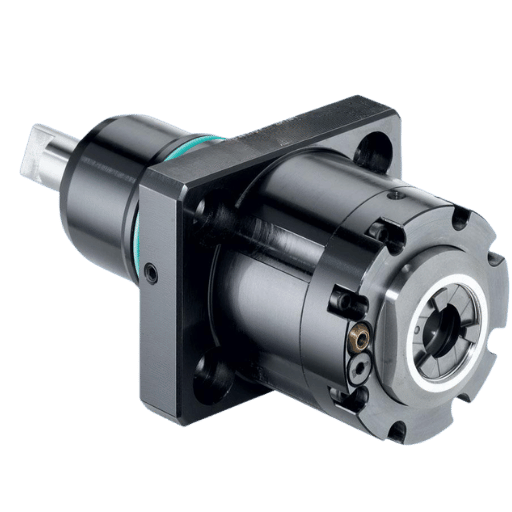
Bei einer Standard-CNC-Drehmaschine hält der Revolver festes oder statisches Werkzeug, Wendeschneidplatten, Bohrstangen, Bohrer auf der Mittellinie. Die Spindel dreht das Werkstück; Bei statischen Werkzeugen drehen sich die Werkzeuge selbst nicht. Eine scharfe Werkzeugdrehmaschine fügt einen Antriebsantrieb im Inneren des Revolvers hinzu, sodass ausgewählte Stationen ihr eigenes Werkzeug drehen. Fräser, Bohrer oder Wasserhähne drehen sich jetzt mit ihrer eigenen Geschwindigkeit, während die Hauptspindel das Werkstück stillhält oder es in einen Winkel schwenkt.
Schulungsprogramme beschreiben es konsistent: Live-Werkzeuge werden “von der CNC-Steuerung und dem Revolver angetrieben”auf CNC-Drehmaschinen zum Fräsen, Bohren und Abstich. Das staatliche Rahmenwerk für fortschrittliche Fertigung in Massachusetts listet sogar ’Richten Sie Live-Tools auf einer CNC-Fräse/Drehzentrale ein”als benannte Kompetenz und Hochschulabschlußstudiengänge wie z CNC Automation Technician-Programm des Lakeshore College Unterrichten Sie “CNC-Drehen mit Live-Werkzeugen” als eigene Bedienung Wenn Sie eine Auffrischung der Drehgrundlagen unter all dem wünschen, wird die CNC-Drehgrundierung des Erie Institute of Technology sauberen Ausgangspunkt ist.
Was Sie gewinnen, ist struktureller Natur, nicht kosmetischer Natur: Funktionen, die früher eine zweite Maschine und einen zweiten Aufbau benötigten, werden dort geschnitten, wo das Werkstück bereits sitzt. Überspringen Sie Live-Werkzeuge und jedes Querloch oder jede Wohnung wird zu einem separaten Fräsaufbau, oft 1015 Minuten zusätzliche Handhabung pro Teil, plus das Risiko eines verlorenen Standorts, weil das Werkstück gelöst und neu befestigt werden muss Weniger Übergaben bedeuten weniger Chancen, den Standort zwischen den Vorgängen zu verlieren.
Live Tooling vs. Live Center vs. Static Tooling
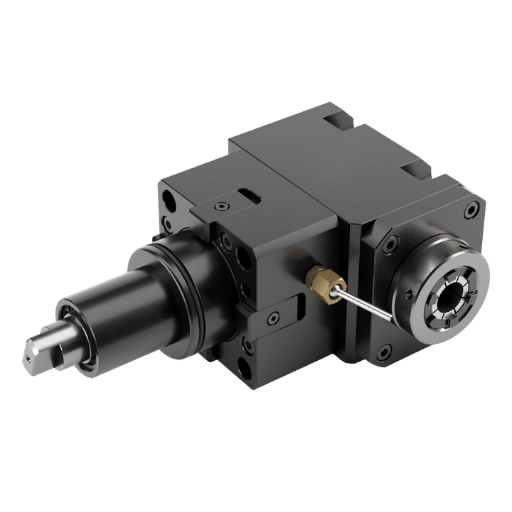
Hier ist die häufigste Verwechslung in dieser Ecke des Ladens, nennen Sie es Der Two-L Mix-Up. “Live-Tooling” und “Live-Center” teilen sich ein Wort und sonst nichts Suchdaten zeigen es deutlich: “Live-Center” zieht ungefähr 1.300 monatliche Suchanfragen gegen etwa 140 nach “Live-Tooling” und Googles eigene People-Also-Ask paart sie so, als wären es verwandte Fragen.
Im Gegensatz dazu a Live-zentrum ist ein passiver, lagergestützter Punkt, der im Reitstock sitzt und das freie Ende eines langen Teils, einer Klammer von, festhält CNC-Drehen Setups. Es schneidet nichts, es dreht sich nur frei mit der Arbeit, damit es nicht brennt. Live-werkzeuge ist ein angetriebener Fräser im Turm, der schneidet. Statische (feste) Werkzeuge Revolverwerkzeug ist, das schneidet, sich aber nicht dreht Drei verschiedene Jobs, zwei davon verwirrend benannt.
| Artikel | Dreht und schneidet es? | Montiert, wo | Job |
|---|---|---|---|
| Live-Tooling (gesteuertes Tool) | Ja, Schneidgerät | Turmbahnhof | Fräsen, bohren, Drehachse abzapfen |
| Statische (feste) Werkzeuge | Schneidet, dreht sich nicht | Turmbahnhof | Dreh, Bohrung, Bohrer in der Mitte |
| Live-zentrum | Dreht sich frei, schneidet nicht | Reitstock | Unterstützen Sie das freie Ende eines langen Teils |
Wenn auf einem spec-Blatt “Live-Werkzeug” steht, bedeutet das angetriebene Fräser, wenn es “Live-Center” heißt, bedeutet das Schwanzstock-Unterstützung Eine Maschine kann beides haben, keines, oder eine Maschine nimmt nie die Preislinie für die eine andere ein.
Funktionsweise von Treiberwerkzeugen: C-Achse, Y-Achse und die Unterspindel
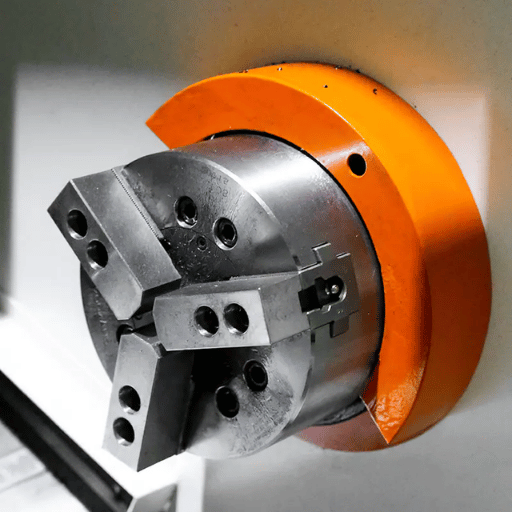
Angetriebene Werkzeuge werden erst dann nützlich, wenn die Maschine sie zielen kann, und drei Architekturstücke tun das Die C-achse Indiziert oder dreht die Hauptspindel in einem genauen Winkel; die Y-achse Bewegt den Turm von der Mittellinie des Teils, um Merkmale zu erreichen, die die Mitte verfehlen; und die Unterspindel Greift das fertige Ende, damit die Rückseite des Teils im selben Zyklus bearbeitet wird.
Bei einer mehrachsigen Mühlenwende ist die C-achse Drehung der Hauptspindel in eine kontrollierte Drehachse Statt nur zu drehen, kann die Spindel das Werkstück in einen genauen Winkel (z. B. alle 60° für ein Hex) indexieren oder sanft interpolieren, während ein angetriebenes Werkzeug schneidet Diese C-Achsen-Indexierung ist, wie man einen Bolzenkreis auf einer Fläche bohrt oder einen Schlitz entlang eines Durchmessers fräst Währenddessen wird die Y-achse Bewegt den Revolver senkrecht zur Mittellinie des Teils, wodurch ein angetriebenes Werkzeug außermittige Merkmale, eine Ebene, die nicht auf der Achse liegt, oder ein Loch, das nicht in die Mitte zeigt, erreichen kann. Schließlich ist die Unterspindel (eine zweite, gegenüberliegende Spindel) greift nach dem fertigen Ende, so dass auch die Rückseite des Teils bearbeitet werden kann, wodurch ein komplettes Teil in einem Zyklus aus der Tür geschickt wird. In der Praxis indiziert ein Maschinist, der eine Keilnut auf einer 25-mm-Welle fräst, die C-Achse, um den Winkel zuerst zu verriegeln, da beim Überspringen dieses Schritts die Gefahr besteht, dass ein Schlitz von der Position abweicht und das Teil verschrottet, ein Fehler, der ein 2-Minuten-Merkmal in eine Stunde Nacharbeit verwandelt.
Ein kurzes Wort zu programmierungsgesteuerten Tools
Driven-Tool-Arbeiten werden im Programm als Live-Tool-M-Codes (Ein/Aus- und Geschwindigkeit im Spindelstil für den Revolverantrieb) plus C-Achsenpositionierung angezeigt. Für das Fräsen mit runden Merkmalen um das Teil verwenden Steuerelemente eine Polarinterpolation (häufig G12.1/G112), mit der Sie in normalen X/Y-Begriffen programmieren können, während die Maschine die Bewegung auf C und X abbildet. Wenn Sie neu auf der Codeseite sind, unsere Referenz auf der Codeseite CNC-G-Code- und M-Code-Liste Deckt die Modalgruppen ab, in denen diese Zyklen leben. Als konkretes Beispiel wird eine 20-mm-Flachfräse auf einer 30-mm-Stange gefräst: C-Achse auf 0° schalten, die angetriebene Endmühle in die Tiefe bringen und dann Y über die Ebene einspeisen, die Spindel dreht sich während des Schnitts nie, sie hält nur Position.
Live-Tool-Halter und -Schnittstellen: BMT vs. VDI
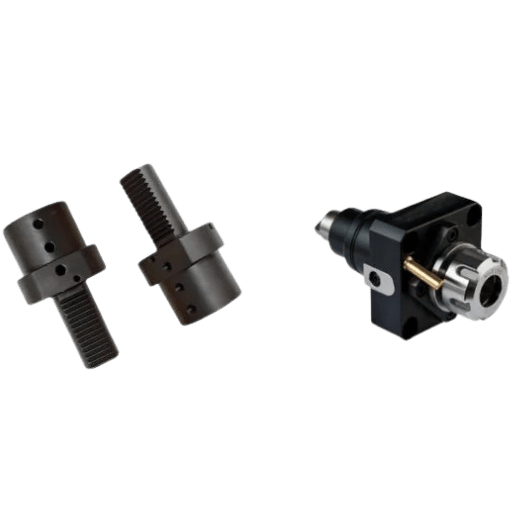
Wenn Sie eine Live-Werkzeugdrehmaschine kaufen oder in die Höhe bauen, ist die erste wirkliche Entscheidung die Halterschnittstelle, wie angetriebene Werkzeuge in den Revolver einklemmen Zwei Systeme dominieren, und die Wahl liegt in der Steifigkeit und der Änderungszeit, nicht nur in den Kosten Nennen Sie es das BMT-vs-VDI-Schnittstellen-Split.
VDI Halter verwenden einen zylindrischen Schaft, der in die Turmbohrung fällt und mit einer gezackten Zahnstange verriegelt; das System ist als DIN 69880 genormt mit Schaftgrößen von VDI 16 bis VDI 80. Sie wechseln schnell und kosten weniger. BMT (Basis montierter Turm) Halter verriegeln sich an einer flachen, verkeilten Fläche auf der Turmscheibe, was eine steifere, wiederholbarere Halterung für schwerere angetriebene Schnitte ergibt. Maschinenbauer, die beide ausgeführt haben, sind unverblümt über den Beruf: Ein Veteran, der zehn Jahre bei VDI verbracht hat, bemerkte, dass jeder Bohrer und jedes lebende Werkzeug eine individuelle Ausrichtung benötigte, während BMT “einen weitaus besseren Abstand bietet als jeder andere Turm, außer keinem.””
| Merkmal | VDI (DIN 69880) | BMT (Basismontage) |
|---|---|---|
| Montage | Zylinderschaft in Turmbohrung | Mit der Turmfläche verschraubt |
| Steifigkeit | Gut für leichte Mittelschnitte | Höher; bevorzugt für schwer angetriebenes Fräsen |
| Werkzeugwechsel | Schnellere Swaps, geringere Halterkosten | Langsamer (Schrauben), aber sehr wiederholbar |
| Schaft-/größen-system | VDI 16, 20, 25, 30, 40, 50, 60, 80 mm | BMT 45, 55, 65, 75 (turretspezifisch) |
Schnittstellennorm: DIN 69880 (VDI).Feldsteifigkeitsvergleich: Maschinistenpraktiker berichtet.
Beobachten Sie über die Schnittstelle hinaus die Halterdetails, die über die tatsächliche Leistungsfähigkeit entscheiden: ein Radialwerkzeug gegenüber einem Axialwerkzeug (in welche Richtung der Fräser zeigt), ob Winkelköpfe für Verbundmerkmale verfügbar sind, internes Kühlmittel durch das Werkzeug und das Antriebsübersetzungsverhältnis, das die maximale Geschwindigkeit des angetriebenen Werkzeugs festlegt Unabhängig davon, welche Schnittstelle Sie wählen, sind der Revolver und seine angetriebenen Werkzeuge Teil der Drehmaschine, die von der abgedeckt wird ISO 23125 Sicherheitsstandard. Halterhersteller wie Eppinger und Lyndex-Nikken sowie Maschinenbauer wie Haas und Mazak veröffentlichen alle Antriebsklassewerte für Geschwindigkeit, Drehmoment und Durchkühlmittel, und ein Kopf mit einer Nennleistung von 6.000 Drehzahlen und etwa 3,7 kW mit Durchkühlmittel ist ein anderes Tier als ein einfacher Radialkopf mit 3.000 Drehzahlen.
Was Sie in einem Setup herstellen können: 10 getriebene Vorgänge
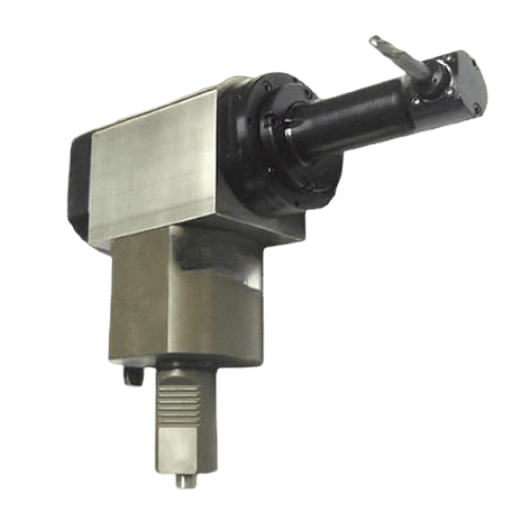
Live-Tooling erhält seinen Lebensunterhalt durch Konsolidierung: Sechs Ops, einer juckt. Teile, die sonst zwischen einer Drehmaschine und einer Mühle springen würden, erhalten ihre gedrehten und nicht gedrehten Merkmale in einem einzigen Laderaum. Unten deckt die Karte von Betrieb zu Achse die meisten Arbeiten mit angetriebenem Werkzeug ab; Andernfalls wäre jede Reihe ein separater Fräsaufbau auf einer 30-mm-Welle oder einem Ventilkörper mit mehr Handhabung und der Gefahr eines Grates, bei dem ein Quertropf bei 3.000 Drehzahl durchbricht.
| Operation | Antriebswerkzeug | Achse verwendet | Beispielmerkmal |
|---|---|---|---|
| Mühlenwohnungen | Endmühle | C (+Y außermittig) | Wrench-Wohnungen auf einem Schacht |
| Cross-drill | Bohrer (Radial) | C | Durchs Loch über einen Boss |
| Radialhahn | Tippen Sie (Radial) | C | Stellschraubenloch |
| Schlitz / Keilnut | Endmühle | C oder Y | Einfahrt entlang eines Durchmessers |
| Polygondrehen | Getriebener Fräser, synchronisiert | C + Spindel | Sechskant auf einem leergedrehten |
| Rotationsräumung | Wackelbrosch | C + Z | Interne Hex-/Torx-Form |
| Gravieren | Gravierschneider | C + Y | Teilenummer auf einem Gesicht |
| Gewindemühle | Gewindemühle | C + X/Z | Großes oder Spezialgewinde |
| Hex / Quadrat | Endmühle / Räumnadel | C (+Y) | Antriebsform auf einer Armatur |
| Außermittige Bohrung | Bohr-/Bohrwerkzeug | Y | Loch parallel zur Achse, aber außerhalb der Achse |
Was ist Rotations-Räumen auf einer Drehmaschine?
Beim Rotationsbroaching (auch Wobble-Broaching genannt) schneidet eine lebende Werkzeugdrehmaschine innere, nicht runde Formen, Sechsecke, Quadrate, Torx und Keilnuten oder Zacken (es folgen involute Keilnutenformen DIN 5480), ohne zweite Operation Der Räumnadelhalter sitzt in einem 1° - Winkel zur Teilmittellinie und dreht sich frei auf einem Lager.
Beim Einschieben in ein vorgebohrtes Loch dreht sich das Teil synchron und die Vorderkante des Werkzeugs “wackelt” wie eine Nocke in den Schnitt hinein und wieder heraus, so dass jeweils nur ein Punkt eingreift gem Rotary Broaching 101 von Production Machining, “Die Technik benötigt etwa 801 TP10 T weniger Kraft als das Formstanzen und ist ”bei Schweizer Maschinen, CNC-Drehmaschinen und Bearbeitungszentren zur Methode der Wahl geworden, weil sie einen Sekundärbetrieb eliminiert.“” Typische Geschwindigkeiten laufen 1.5003.000 Umdrehungen pro Minute, und das Werkzeug möchte in der Mitte sein. „In etwa 0,0008 Zoll. Das Wackelprinzip selbst ist alt genug, um seine eigenen zu haben “Patent ”Wobbelantrieb” (US2940324 A), Dies beschreibt die Umwandlung der Drehbewegung in die versetzte, hin- und hergehende Wirkung, auf die sich die Räumnadel verlässt.
“Wir lieben es, dass wir diese Köpfe nicht zentrieren müssen Sie nehmen sich nicht mehr Zeit für den Aufbau als Bohrer”
Brian Baxter, Schweizer Maschinist, Astro Medical Devices (über Production Machining)
In diesem Geschäft wurde die Einrichtung des Vorfachs um etwa 78 TP10T um eine saubere Darstellung, warum angetriebene Werkzeuge anhand entfernter Aufbauten und nicht nur anhand der vorgenommenen Schnitte beurteilt werden, um eine saubere Einrichtungszeit des vorzentrierten rotierenden Räumkopfs umgeschnitten.
Turmdrehmaschine, Mühlendrehung, Drehzentrum: Benennung dekodiert
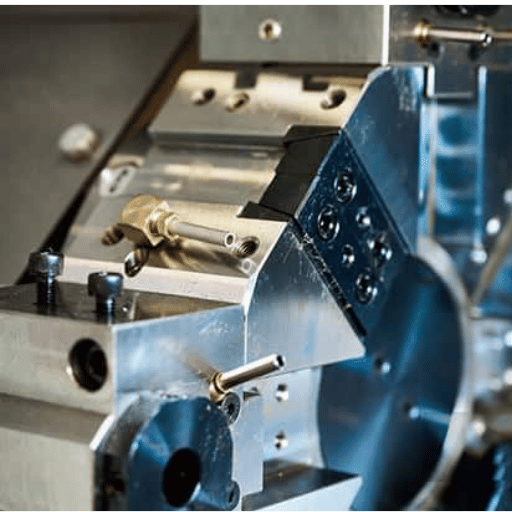
Die Maschinennamen in diesem Raum sind ein bewegliches Ziel, und Verkäufer sind sich nicht immer einig. Hier ist eine Fähigkeitsleiter, die jede Klasse danach richtet, was sie tatsächlich tun kann, ob sie über angetriebene Werkzeuge verfügt und welche Achsen sie trägt.
| Maschinenklasse | Getriebene Werkzeuge? | Typische Achsen | Am besten für |
|---|---|---|---|
| Motordrehmaschine (manuell) | Nein | X, Z (Handbuch) | Einmalig, Reparaturdrehen |
| Turmdrehmaschine | Nein | X, Z | Wiederholtes Drehen, viele Werkzeuge |
| CNC-Revolverdrehmaschine | Nein (nur Drehen) | X, Z | Lautstärke OD/ID Drehen |
| CNC-Drehzentrum | Optional | X, Z (±C) | Drehen, manchmal leichtbetriebene Arbeit |
| Drehzentrum für Live-Tools | Ja | X, Z, C | Drehteile mit Quermerkmalen |
| Mühlenwende (Y-Achse) | Ja | X, Z, C, Y | Außermittiges Fräsen, komplexe Teile |
| Multitasking (B-Achse) | Ja (Mühlenspindel) | X, Z, C, Y, B | 5-seitiges Done-in-One |
| Doppelspindeldrehmaschine | Ja | X, Z, C (×2) | Front + Back Work, keine Nachrüstung |
| Schweizer Drehmaschine | Ja | X, Z, C, Y (±B) | Kleine, schlanke Präzisionsteile |
| Vertikale Revolverdrehmaschine (VTL) | Optional | X, Z (±C) | Grosse Durchmesser schwere Teile |
In der Praxis beschreiben “Live-Werkzeugdrehmaschine,” “Mühlenumdrehung,” “Drehmühlenzentrum,” und “Live-Werkzeug-Drehzentrum” alle den gleichen Kerngedanken bei unterschiedlichen Achsenzählungen; fügen Sie eine zweite, gegenläufige Spindel hinzu und sie wird zu einer Doppelspindelmaschine (Doppelspindel), während die kleinteilige Spezialversion die Schweizer Drehmaschine ist, Sie können die breitere Familie auf unserer vergleichen Drehmaschine aus Metall Übersicht, und sehen Sie sich eine spezifische Aufbau auf der CNC-Drehmaschine Seite.
Verfügen Schweizer Maschinen über Live-Werkzeuge?
Ja, die meisten modernen Drehmaschinen vom Schweizer Typ tragen Live-Werkzeuge, und viele fügen Y - und B-Achse angetriebene Köpfe hinzu Schweizer Maschinen werden für kleine, schlanke Teile gebaut, die in der Nähe einer Führungsbuchse geschnitten werden, und angetriebene Werkzeuge lassen sie Sechskantantantriebe, Querlöcher und Abflachungen im gleichen Zyklus fertigstellen Tatsächlich wurde das Rotationsverräumen zuerst bei Schweizer Maschinen populär, gerade weil diese Teile sich keine zweite Einrichtung leisten konnten.
Lohnt sich eine Live-Tooling-Drehmaschine?
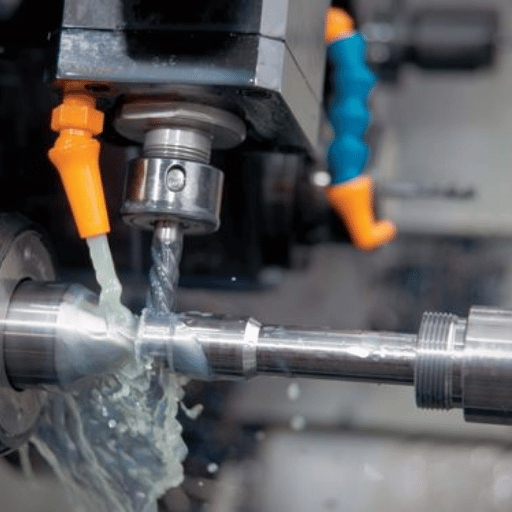
Getriebenes Werkzeug fügt Kosten hinzu, für die Maschine, die Halterungen, und die Programmierung Ob es sich zurückzahlt, kommt auf Ihren Teilemix an Verwenden Sie die Ein-Setup-Break-Even-Fenster: Live-Werkzeuge gewinnen, wenn die Setups und die Handhabung, die sie entfernen, mehr wert sind als die zusätzliche Prämie, verglichen mit dem Betrieb einer Drehmaschine plus einem separaten VMC (vertikales Bearbeitungszentrum).
- Ein Setup statt Drehmaschine + Mühle, Setup-Reduktion, weniger Handling, weniger Vorrichtungen
- Position zwischen gedrehten und gefrästen Merkmalen gehalten (bessere wahre Position)
- Kürzere Vorlaufzeit; Teile können mit einem Barzuführer ausleuchten
- Entfernt ganze sekundäre Operationen (z. B. rotierendes Räumen eines Hex)
- Höhere Maschinen- + Halterkosten; Lebendwerkzeugköpfe sind nicht billig
- Die angetriebenen Stationen sind weniger steif als eine spezielle Mühle für schwere Schnitte
- Die Mill-Turn-Programmierung hat eine steilere Lernkurve
- Verschwendetes Geld für einfache OD/ID-only-Teile, die es nie brauchen
Hier ist ein Back-of-Envelope-Break-Even: Angenommen, ein Teil benötigt derzeit einen zusätzlichen Fräsaufbau bei 12 Minuten Handhabungs- und Warteschlangenzeit pro Stück, und Sie laufen 4.000 Stück pro Jahr. Das sind 800 Stunden Nicht-Schneidzeit, die die Live-Werkzeugdrehmaschine löschen kann Wenn Ihr beladener Shop-Tarif beispielsweise $60/Stunde beträgt, ist das entfernte Handling allein etwa $48.000 wert pro Jahr, was die Zahl ist, die gegen die Live-Tooling-Prämie und etwaige Zykluszeitdifferenz abgewogen werden muss. Umdrehen und die Regel gilt immer noch: Wenn Ihre Arbeit schlicht ist, kaufen Sie keine Wellen und keine Oberwellen.
Zählen Sie die Quermerkmale, nicht die Teile Ein Geschäft, das Tausende von einfachen Buchsen betreibt, gewinnt wenig; Ein Geschäft, in dem einige hundert Ventilkörper mit Querlöchern und Abflachungen ausgeführt werden, rechtfertigt oft Live-Werkzeuge auf einem einzigen High-Mix-Job. Wo der Maschinenpreis liegt, finden Sie in unserer Aufschlüsselung von CNC Drehmaschine Preis.
So wählen und spezifizieren Sie eine Live-Tooling-Drehmaschine
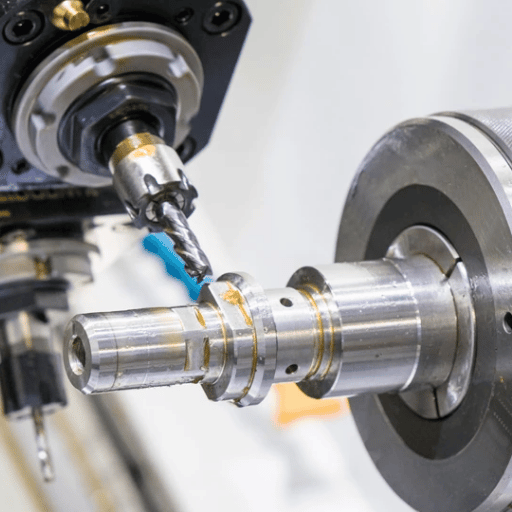
Wenn Sie sich hinsetzen, um eine Live-Werkzeugdrehmaschine zu zitieren, entscheidet das Datenblatt und nicht die Broschüre, was die Maschine wirklich kann Arbeiten Sie durch die 7-Punkt-Spezifikationsblatt mit angetriebener Station Im Folgenden sind also zwei Anführungszeichen tatsächlich vergleichbar: Es drückt die Anzahl der angetriebenen Stationen, die Drehzahl und Leistung des Live-Tools, die Halterschnittstelle, den Y-Achsenweg und ob eine Unterspindel eingebaut ist.
- Angetriebene Stationen: Wie viele Turmpositionen können Live-Tools aufnehmen (nicht nur Gesamtstationen)
- Geschwindigkeit und Leistung des Live-Tools: max rpm (oft 5.000 –6.000 rpm) und 3,7 –7,5 kW am angetriebenen Kopf (stellt ein, was Sie fräsen/zapfen können)
- Halterschnittstelle: VDI (DIN 69880) oder BMT und die Größe
- Y-achsenweg: vorhanden oder nicht, und wie viel (außermittige Reichweite)
- Unterspindel: für Backworking- und Teilvollständigkeitszyklen
- Stabkapazität, Stabdurchmesser und Feeder-Kompatibilität für Leuchten-Aus-Lauf
- Steuerung und CAM, unterstützt Ihr CAM-Pfosten die Mühlenumdrehungszyklen dieser Maschine
Als Maschinenbauer stimmen wir diese Zahlen auf die Teilefamilie und nicht auf die Schlagzeile des technischen Blattes ab. In unseren eigenen Drehzentren für angetriebene Türme fragen die Kunden am meisten nach der Anzahl der Live-Stationen, der Geschwindigkeit des Live-Tools am Kopf und ob eine Y-Achse und eine Unterspindel eingebaut sind. Denn diese vier entscheiden, ob ein Teil wirklich in einem Spannen endet. Ein Turm voller Stationen bedeutet wenig, wenn nur zwei angetrieben werden und der Kopf unter dem Drehzahlmesser nach oben fährt, was Ihr Zapfhahn oder Ihre kleine Endfräse benötigt. Hier werden Geschäfte verbrannt: Geben Sie die falsche Lenkkopfdrehzahl an und ein kleiner Zapfhahn bleibt einfach im Loch stecken, während Sie die Überdrehzahl von der eigentlichen Steuerhahn-6 verwenden. Vorschübe und Geschwindigkeiten Gilt auch für angetriebene Werkzeuge und Materialangelegenheiten, egal ob Sie es sind Bearbeitung Aluminium oder Bearbeitung Edelstahl.
Ein Mythos, der es wert ist, hier in den Ruhestand zu gehen: Man braucht nicht immer eine Y-Achse, um von Live-Werkzeugen zu profitieren. Durch die Kombination einer C-Achse mit radial angetriebenen Werkzeugen werden bereits Querbohrungen, radiale Klopf- und In-Center-Schlitzchen verarbeitet, und viele Geschäfte führen Live-Tool-Arbeiten auf Maschinen ohne Y-Achse durch. Diese Y-Achse verdient ihre Kosten nur, wenn Funktionen außermittig liegen oder wenn Sie die sauberere Oberfläche wünschen, die die lineare Interpolation ergibt. Der Kauf von Y “für alle Fälle”auf einfachen Querformatarbeiten ist eine häufige Überspezifikation.
Branchenausblick: Wohin sich die Mühlenwende entwickelt
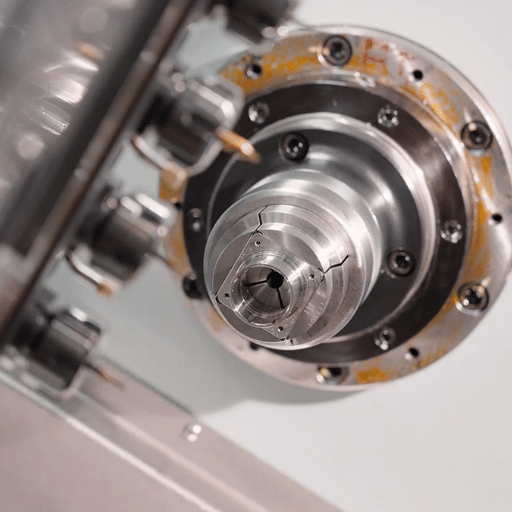
Momentum hinter Live-Tooling ist nicht wirklich eine “Markt wird wachsen” Geschichte, es ist eine Arbeit-und-Setup-Geschichte. Geschickte Maschinisten sind rar, und jedes Teil, das in einem Setup endet, ist ein Teil, der keinen zweiten Bediener, keine zweite Maschine und keine zweite Chance brauchte, um es zu verschrotten Das ist der strukturelle Grund, warum Mill-Turn immer wieder von Fachgeschäften in allgemeine Jobshops drängt, und es wird verstärkt, da Mill-Turn-CAM (zum Beispiel Mastercams Drehmaschine und Mill-Turn-Updates 2026) die Programmierbarriere senkt, die früher die Fähigkeit eingeschaltet hat.
Die Nachfragedaten geben die Richtung zurück Gemäss Bericht der US Manufacturing Technology Orders von AMT, 2025 erreichten die Maschinenaufträge $5,74 Milliarden, 22,51TP10 T über 2024, und die Ökonomen von AMT verknüpfen das Wachstum explizit mit “erhöhter Nachfrage nach Automatisierung” genau der einfach eingerichteten, unbeaufsichtigten Run-Fähigkeit, die Driven Tooling ermöglicht Als Kontext liegen breitere Multitasking-Maschinenwerkzeugmarktschätzungen im mittleren einstelligen jährlichen Wachstumsbereich, aber das Auftragsbuch ist das schärfere Signal Auch die Sicherheitserwartungen halten Schritt: der Turning-machine-Sicherheitsstandard ISO 23125 Deckt angetriebene Werkzeugdrehmaschinen ab und wird derzeit überarbeitet. Daher werden neuere Gebäude auf der Grundlage aktueller Schutzregeln entwickelt.
Für einen Käufer im Jahr 2026 ist der Schritt unkompliziert: Wenn Ihr Angebotsmix zu höher gemischten Teilen mit geringerem Volumen und Quermerkmalen tendiert, planen Sie Ihren nächsten Maschinenkauf jetzt rund um Live-Werkzeuge und eine Unterspindel, anstatt einen zu kaufen einfaches Drehzentrum und späteres Einschalten der Fähigkeit zu einem schlechteren Preis.
Häufig gestellte Fragen
F: Was ist Live-Werkzeug auf einer Drehmaschine?
Antwort anzeigen
F: Was ist der Unterschied zwischen Live-Tooling und einem Live-Center?
Antwort anzeigen
F: Benötigen Sie eine Y-Achse für Live-Tooling?
Antwort anzeigen
F: Verfügen Schweizer Maschinen über Live-Werkzeuge?
Antwort anzeigen
F: Können Sie Live-Tooling zu einer vorhandenen Drehmaschine hinzufügen?
Antwort anzeigen
F: Wie viel kostet eine Live-Werkzeugdrehmaschine?
Antwort anzeigen
Referenzen und Quellen
- Fortgeschrittene Fertigungsstandards und -fähigkeitenMassachusetts Department of Elementary & Secondary Education
- CNC-Automatisierungstechnikerprogramm (2025 - 2026)Lakeshore College
- Eine Einführung in CNC-DrehenErie Institute of Technology
- US2940324A, Wobble DriveGoogle Patente
- ISO 23125, Werkzeugmaschinen, Sicherheit, DrehmaschinenInternationale Organisation für Normung
- US-amerikanische Fertigungstechnologieaufträge, Dezember 2025AMT, Der Verband für Fertigungstechnik
- Rotationsbroaching 101Produktionsbearbeitung
Warum wir diesen Leitfaden geschrieben haben
Wir bauen CNC-Drehmaschinen und Drehtürmchen-Drehzentren, daher sind die Spec-Auswahlmöglichkeiten in diesem Leitfaden, Anzahl der angetriebenen Stationen, Geschwindigkeit des Live-Tools, VDI versus BMT, Y-Achse und Unterspindel, die gleichen, durch die wir Kunden vor einem Live-Werkzeug laufen Drehmaschinenschiffe Wir haben die Seite des Rahmenbauers beibehalten und jede Zahl auf einen Standard, ein Patent, einen Auftragsbericht oder das eigene Ergebnis eines Shops zurückgeführt. Vom ANTISHICNC-Technikerteam überprüft.