




A live tooling draaibank is een CNC draaibank waarvan de koepel aangedreven, roterende gereedschappen draagt die worden aangedreven door de machinebesturing, zodat één machine platte vlakken kan frezen, dwarspalen kan boren en draden kan aftappen terwijl het onderdeel in de spankop blijft geklemd In plaats van een gedraaid onderdeel naar een apart onderdeel te verplaatsen freesmachine vanwege de kenmerken buiten de as maakt de draaibank hem af in één opstelling. Dat ene idee, aangedreven gereedschappen in de koepel, is wat een eenvoudige draaimachine scheidt van een echte molenbocht, en daarom is “done-in-one” de uitdrukking geworden die winkels achtervolgen.
In deze handleiding wordt uitgelegd wat live tooling eigenlijk is, hoe de C-as en Y-as het laten werken, de houderinterfaces waarop u wordt vermeld, wat u kunt maken in een enkele chucking en hoe u kunt beslissen of de mogelijkheid zijn geld verdient. prijs.
Snelle specificaties: Live gereedschapsdraaibank in één oogopslag
| Wat het is | CNC draaibank met aangedreven (aangedreven) draaigereedschap in de koepel |
| Kernbevorderende assen | C-as (spindelpositionering en indexering) + Y-as (eigenschappen buiten het midden) |
| Houderinterfaces | VDI (DIN 69880, schachten 16-80 mm) of BMT basismontage |
| Typische live-tool snelheid | ~3.000-6.000 tpm op het aangedreven station (machineafhankelijk) |
| Live-tool kracht | ~3,7 kW tot 7,5 kW; C-asresolutie nabij 0,001° |
| Typische Y-as reizen | ±52 mm (machineafhankelijk); barcapaciteit tot ~65 mm |
| Best for | Gedraaide delen met dwarsgaten, flats, sleuven, hex/spline vormen |
Wat is een Live Tooling draaibank?
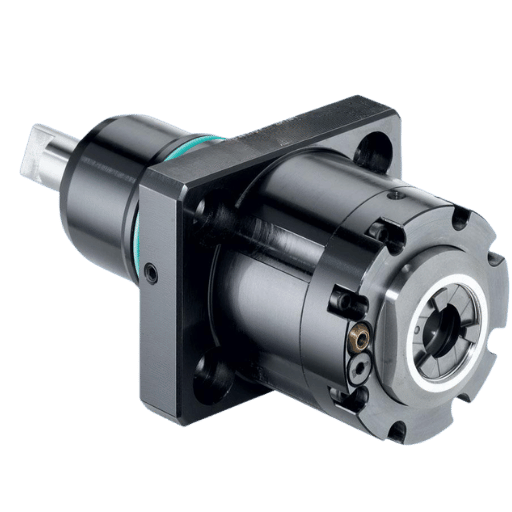
Op een standaard CNC-draaibank houdt de koepel vaste of statische gereedschaps-, indexeerbare draaiende inzetstukken, boorstangen, boren op de middellijn vast. De spil draait aan het werkstuk; bij statisch gereedschap draaien de gereedschappen zelf niet. Een draaibank voor levend gereedschap voegt een aandrijflijn toe in de koepel, zodat geselecteerde stations hun eigen gereedschap draaien. Frezen, boren of kranen draaien nu met hun eigen snelheid terwijl de hoofdspindel het werkstuk stilhoudt of in een hoek indexeert.
Trainingsprogramma's beschrijven het consistent: live tooling “is aangedreven door de CNC-besturing en de turret” op CNC-draaibanken om frezen, boren en tappen uit te voeren. Het geavanceerde productiekader van de staat Massachusetts vermeldt zelfs ’zet live tooling op een CNC-molen/draaicentrum” als een benoemde competentie, en universiteitsdiploma-tracks zoals Het CNC Automation Technician-programma van Lakeshore College leer “CNC draaien met live tooling” als eigen operatie Als je een opfrisser wilt over de draaifundamenten onder dit alles, dan is de CNC-draaiprimer van het Erie Institute of Technology is een schoon uitgangspunt.
Wat je wint is structureel, niet cosmetisch: functies die vroeger een tweede machine en een tweede opstelling nodig hadden, worden gesneden op de plek waar het werkstuk al zit. Sla live gereedschap over en elk kruisgat of vlak wordt een aparte freesopstelling, vaak 10-15 minuten extra handling per onderdeel, plus het risico van verloren locatie omdat het werkstuk moet worden losgeklemd en opnieuw moet worden gemonteerd. Minder overdrachten betekenen minder kansen om locatie tussen de bewerkingen te verliezen.
Live Tooling versus Live Center versus Static Tooling
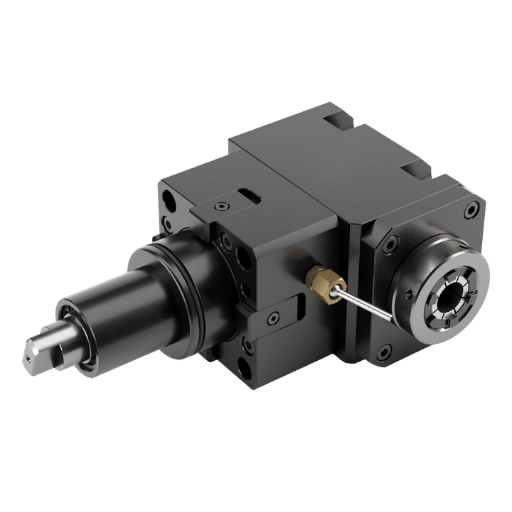
Dit is de meest voorkomende verwarring in deze hoek van de winkel, noem het maar de Two-L Mix-Up. “Live tooling” en “live center” delen een woord en niets anders Zoekgegevens laten het duidelijk zien: “ive center” voert ongeveer 1.300 maandelijkse zoekopdrachten uit, tegenover ongeveer 140 voor “live tooling, en Google's eigen People-Also-Ask koppelt ze alsof het gerelateerde vragen zijn.
Daarentegen is a live center is een passief, lagerondersteund punt dat in de staart zit en het vrije uiteinde van een lang deel, een nietje, vasthoudt CNC draaien opstellingen. 't Snijdt niets, het draait gewoon vrij met het werk zodat het niet brandt. Live tooling is een aangedreven snijder in de koepel die wel snijdt. Statisch (vast) gereedschap is een torentjestool dat snijdt maar niet draait Drie verschillende banen, waarvan er twee verwarrend worden genoemd.
| Item | Draait & snijdt het? | Waar gemonteerd | Job |
|---|---|---|---|
| Live tooling (aangedreven tool) | Ja, snijder | Station Turret | Molen, boren, tik van de draaias af |
| Statisch (vast) gereedschap | Snijdt, draait niet | Station Turret | Draai, boring, middenboor |
| Live center | Draait vrij, snijdt niet | Staartstock | Steun het vrije einde van een lang deel |
Wanneer een spec sheet zegt “live tooling,” betekent het aangedreven cutters Wanneer het zegt “live center,” betekent het tailstock ondersteuning Een machine kan beide hebben, noch één 21 de prijs lijn voor de een aannemen de ander.
Hoe aangedreven gereedschappen werken: C-as, Y-as en de subspindel
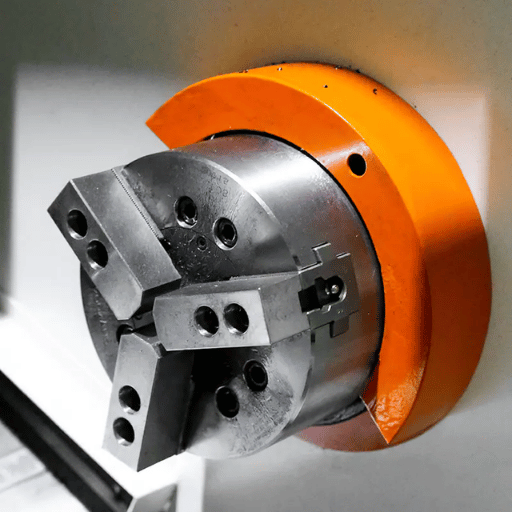
Aangedreven gereedschappen worden pas bruikbaar wanneer de machine ze kan richten, en drie stukken architectuur doen dat De C-as indexeert of roteert de hoofdspil tot een precieze hoek; de Y-as verplaatst de koepel van de middenlijn van het deel om kenmerken te bereiken die het midden missen; en de sub-spindel grijpt het voltooide uiteinde zodat de achterkant van het onderdeel in dezelfde cyclus wordt bewerkt.
Op een meerassige molenbocht wordt de C-as verandert de hoofdspil in een gecontroleerde roterende as In plaats van alleen maar te draaien, kan de spil het werkstuk indexeren tot een precieze hoek (zeg, elke 60° voor een hex) of soepel interpoleren terwijl een aangedreven gereedschap wordt gesneden. Die C-as indexering is hoe je een boutcirkel op een vlak boort of een sleuf langs een diameter freest Ondertussen is de Y-as beweegt de koepel loodrecht op de middellijn van het onderdeel, waardoor een aangedreven gereedschap kenmerken bereikt die niet in het midden liggen, een vlak dat niet op de as ligt, of een gat dat niet naar het midden wijst Ten slotte is de sub-spindel (een tweede, tegenoverliggende spil) grijpt het afgewerkte uiteinde vast zodat de achterkant van het onderdeel ook kan worden bewerkt, waardoor een compleet onderdeel in één cyclus de deur uit wordt gestuurd. In de praktijk indexeert een machinist die een spiebaan op een as van 25 mm freest de C-as om eerst de hoek te vergrendelen, omdat het overslaan van die stap het risico met zich meebrengt dat er een gleuf ontstaat die van locatie afdwaalt en het onderdeel schrapt, het soort fout dat een functie van 2 minuten verandert in een uur herwerken.
Een kort woordje over programmeergestuurde tools
Het aangedreven gereedschapswerk verschijnt in het programma als live-tool M-codes (spindelstijl aan/uit en snelheid voor de koepelaandrijving) plus C-aspositionering. Voor rondfrezen rond het onderdeel gebruiken de bedieningselementen polaire interpolatie (vaak G12.1/G112), waarmee u in normale X/Y-termen kunt programmeren terwijl de machine de beweging toewijst aan C en X. Als u nieuw bent aan de codezijde, onze referentie aan de codezijde CNC G-code en M-codelijst bedekt de modale groepen waarin deze cycli leven Als concreet voorbeeld, een 20 mm plat frezen op een 30 mm bar: indexeer de C-as op 0°, breng de aangedreven eindmolen op diepte, voer vervolgens Y over het plat, de spil draait nooit tijdens de snede, hij houdt alleen positie vast.
Live Tool Houders en Interfaces: BMT vs. VDI
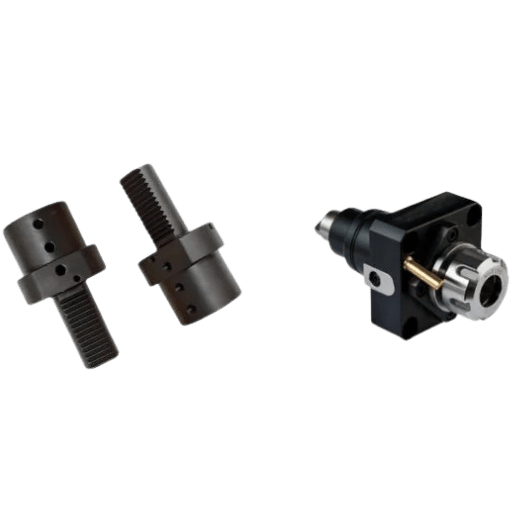
Wanneer u een draaibank voor live gereedschap koopt of bewerkt, is de eerste echte beslissing de houderinterface, hoe aangedreven gereedschappen in de koepel klemmen Twee systemen domineren, en de keuze gaat over stijfheid en tijd veranderen, niet alleen over kosten Noem het de BMT-vs-VDI Interface Split.
VDI houders gebruiken een cilindrische schacht die in de boring van de koepel valt en vergrendelt met een gekarteld rek; het systeem is gestandaardiseerd als DIN 69880 met schachtafmetingen van VDI 16 tot VDI 80. Ze veranderen snel en kosten minder. BMT (op de basis gemonteerde koepel) houders bouten aan een plat, vastgezet gezicht op de koepelschijf, wat een stijvere, meer herhaalbare houder geeft voor zwaardere aangedreven sneden. Machinisten die beide hebben uitgevoerd, zijn bot over het vak: een veteraan die tien jaar aan VDI heeft gewerkt, merkte op dat elke boor en elk levend gereedschap individuele uitlijning nodig had, terwijl BMT “ een veel betere vrije ruimte biedt dan welke andere koepel dan ook, op geen enkele na.”
| Feature | VDI (DIN 69880) | BMT (basismontage) |
|---|---|---|
| Montage | Cilindrische schacht in torentjeboring | Gebout aan het gezicht van de spieboomkoepel |
| Stijfheid | Goed voor licht-medium snijwonden | Hoger; begunstigd voor zwaar aangedreven frezen |
| Gereedschapswijziging | Snellere swaps, lagere houderkosten | Langzamer (bouten), maar zeer herhaalbaar |
| Schacht/maatsysteem | VDI 16, 20, 25, 30, 40, 50, 60, 80 mm | BMT 45, 55, 65, 75 (koepelspecifiek) |
Interfacestandaard: DIN 69880 (VDI) Vergelijking van de stijfheid in het veld: rapporten van machinistenbeoefenaars.
Voorbij de interface, let op de details van de houder die beslissen over de werkelijke capaciteit: een radiaal gereedschap versus een axiaal gereedschap (op welke manier de snijpunten), of er hoekkoppen beschikbaar zijn voor samengestelde functies, interne koelvloeistof door het gereedschap en de verhouding van het aandrijftandwiel die de maximale snelheid van het live-gereedschap bepaalt Welke interface u ook kiest, de koepel en de aangedreven gereedschappen maken deel uit van de draaimachine die wordt afgedekt door de ISO23125 veiligheidsnorm. Houdermakers zoals Eppinger en Lyndex-Nikken, en machinebouwers als Haas en Mazak publiceren allemaal beoordelingen van de aandrijfkop voor snelheid, koppel en doorgaande koelvloeistof, en een kop met een vermogen van 6.000 tpm en ongeveer 3,7 kW met doorgaande koelvloeistof is een ander dier dan een radiale basiskop van 3.000 tpm.
Wat u in één opstelling kunt maken: 10 aangedreven handelingen
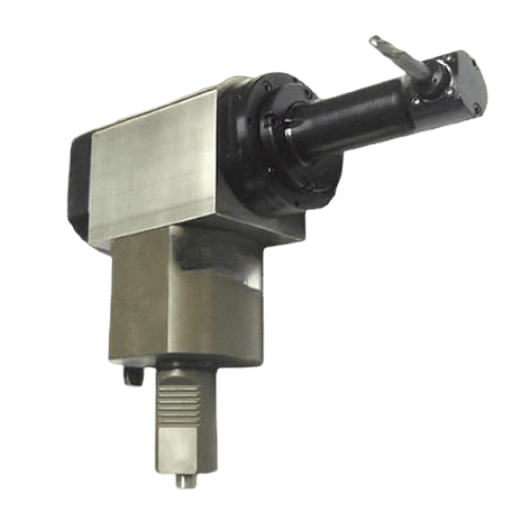
Live tooling verdient zijn keep door consolidatie: Zes Ops, één Chucking. Onderdelen die anders tussen een draaibank en een molen zouden stuiteren, krijgen hun gedraaide en niet-gedraaide kenmerken in één ruim. Hieronder omvat de kaart van bediening naar as het meeste werk van aangedreven gereedschap; elke rij zou anders een aparte freesopstelling zijn op een as of kleplichaam van 30 mm, met meer handling en het risico van een braam waarbij een dwarsboor doorbreekt bij 3.000 tpm.
| Operation | Aangedreven gereedschap | Gebruikte as | Voorbeeldfunctie |
|---|---|---|---|
| Molenflats | Eindmolen | C (+Y buiten het midden) | Sleutelplaten op een schacht |
| Cross-drill | Boor (radiaal) | C | Doorgaand gat over een baas |
| Radiale kraan | Tik (radiaal) | C | Set-schroef gat |
| Slot/spiebaan | Eindmolen | C of Y | Sleutelweg langs een diameter |
| Veelhoek draaien | Aangedreven snijder, gesynchroniseerd | C + spil | Hex op een gedraaide plano |
| Roterend brootsen | Wiebel broach | C + Z | Interne hex / Torx-vorm |
| Graveren | Graveersnijder | C + Y | Onderdeelnummer op een gezicht |
| Draadmolen | Draadmolen | C + X/Z | Grote of speciale draad |
| Hex/vierkant | Eindmolen /voorn | C (+Y) | Aandrijfvorm op een fitting |
| Midden-buitenboring | Boor/boorgereedschap | Y | Gat evenwijdig aan maar buiten de as |
Wat is roterend brootsen op een draaibank?
Roterend brootsen (ook wel wiebelbrootsen genoemd) is hoe een draaibank met levend gereedschap interne niet-ronde vormen, zeshoeken, vierkanten, Torx en splines of kartels snijdt (er volgen ingewikkelde spline-vormen DIN5480), zonder tweede bewerking De brootshouder zit in een hoek van 1° ten opzichte van de middellijn van het onderdeel en draait vrij op een lager.
Terwijl het in een voorgeboord gat wordt geduwd, roteert het onderdeel synchroon en de voorrand van het gereedschap beweegt als een nok in en uit de snede, zodat slechts één punt tegelijk aangrijpt. Volgens Roterende brootsing van productiebewerking 101, de techniek heeft ongeveer 80% minder kracht nodig dan vormponsen en “ is de voorkeursmethode geworden op machines van het Zwitserse type, CNC draaibanken en bewerkingscentra omdat het een secundaire bewerking elimineert.” Typische snelheden draaien 1.500-3.000 rpm, en het gereedschap wil in het midden binnen ongeveer 0,0008 inch Het wiebelprincipe zelf is oud genoeg om zijn eigen te hebben “wobble drive” patent (US2940324A), waarin het omzetten van roterende beweging in de offset, heen en weer gaande actie wordt beschreven waarop de broots vertrouwt.
“We vinden het geweldig dat we deze hoofden niet hoeven te centreren Ze nemen niet meer tijd om op te zetten dan boren.”
Brian Baxter, Zwitserse machinist, Astro Medical Devices (via productiebewerking)
In die winkel wordt het overschakelen naar een voorgecentreerde, geruite brootskop met ongeveer 7TP10T gesneden. 810T Een schone illustratie van waarom aangedreven gereedschap wordt beoordeeld op verwijderde opstellingen, niet alleen op gemaakte sneden.
Torentje Draaibank, Mill-Turn, Draaicentrum: Naamgeving gedecodeerd
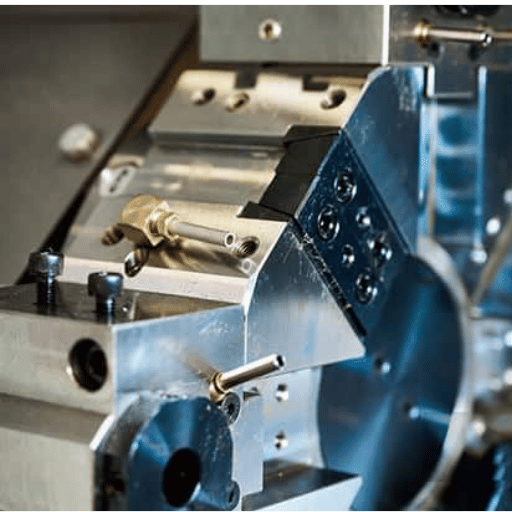
De machinenamen in deze ruimte zijn een bewegend doelwit, en verkopers zijn het daar niet altijd mee eens. Hier is een capaciteitsladder die elke klasse plaatst op basis van wat ze daadwerkelijk kan doen, of ze nu aangedreven gereedschappen heeft en welke assen ze draagt.
| Machineklasse | Aangedreven gereedschap? | Typische assen | Best for |
|---|---|---|---|
| Motor draaibank (handmatig) | Nee | X, Z (handmatig) | One-offs, reparatie draaien |
| Torentjesdraaibank | Nee | X, Z | Herhaal het draaien, veel gereedschap |
| CNC torentje draaibank | Nee (alleen draaien) | X, Z | Volume OD/ID draaien |
| CNC draaicentrum | Optioneel | X, Z (±C) | Draaien, soms licht aangedreven werk |
| Draaicentrum voor live-tool | Ja | X, Z, C | Gedraaide onderdelen met kruiskenmerken |
| Molenbocht (Y-as) | Ja | X, Z, C, Y | Off-center frezen, complexe onderdelen |
| Multitasking (B-as) | Ja (molenspil) | X, Z, C, Y, B | 5-zijdig gedaan-in-één |
| Twin-spindle draaibank | Ja | X, Z, C (×2) | Voor + achterwerk, geen herinrichting |
| Zwitserse draaibank | Ja | X, Z, C, Y (±B) | Kleine, slanke precisieonderdelen |
| Verticale torendraaibank (VTL) | Optioneel | X, Z (±C) | Grote diameter zware onderdelen |
In de praktijk beschrijven “live gereedschapsdraaibank,” “mill-turn,” turn-mill center,“ en ”live-tool draaicentr“ allemaal hetzelfde kernidee bij verschillende astellingen; voeg een tweede, tegengestelde spil toe en het wordt een machine met dubbele spil (twin-spindle), terwijl de gespecialiseerde versie met kleine onderdelen de Zwitserse draaibank is. Je kunt de bredere familie op onze vergelijken metalen draaibank overzicht, en zie een specifieke bouw op de CNC draaibank machine page.
Hebben Zwitserse machines live tooling?
Ja, de meeste moderne draaibanken van het Zwitserse type dragen live gereedschap, en velen voegen Y - en B-as aangedreven koppen toe Zwitserse machines zijn gebouwd voor kleine, slanke onderdelen die in de buurt van een geleidingsbus zijn gesneden, en aangedreven gereedschappen laten ze hex-aandrijvingen, dwarsgaten en flats in dezelfde cyclus afwerken. In feite werd roterend brootsen eerst populair op machines van het Zwitserse type, juist omdat die onderdelen zich geen tweede opstelling konden veroorloven.
Is een Live Tooling Draaibank de moeite waard?
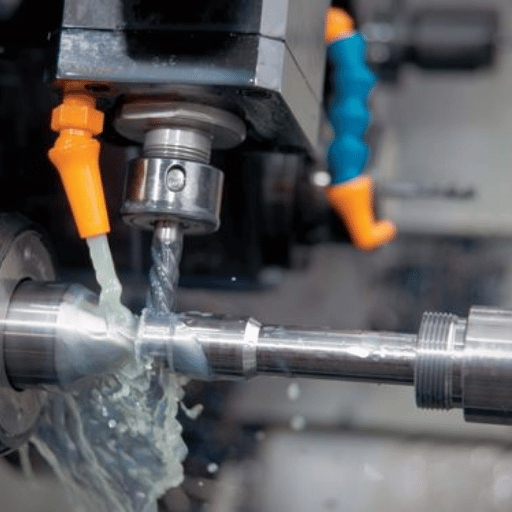
Gedreven tooling voegt kosten toe, aan de machine, de houders, en de programmering Of het terug betaalt komt neer op uw onderdelenmix Gebruik de One-Setup Break-Even Window: live tooling wint wanneer de opstellingen en de verwerking die het verwijdert meer waard zijn dan de premie die het toevoegt, vergeleken met het draaien van een draaibank plus een aparte VMC (verticaal bewerkingscentrum).
- Eén opstelling in plaats van draaibank + molen, setup reductie, minder handling, minder armaturen
- Locatie tussen gedraaide en gefreesde kenmerken (betere werkelijke positie)
- Kortere doorlooptijd; onderdelen kunnen oplichten met een barfeeder
- Verwijdert hele secundaire bewerkingen (bijvoorbeeld roterend brootsen van een hex)
- Hogere machine + houderkosten; De hoofden van live-gereedschappen zijn niet goedkoop
- Aangedreven stations zijn minder stijf dan een speciale molen voor zware sneden
- Mill-turn programmeren heeft een steilere leercurve
- Geld verspild aan eenvoudige OD/ID-only onderdelen die het nooit nodig hebben
Hier is een back-of-envelope break-even: stel dat een onderdeel momenteel één extra freesopstelling nodig heeft met 12 minuten handling en wachtrijtijd per stuk, en je draait 4.000 stuks per jaar. Dat is 800 uur niet-snijtijd die de draaibank voor live gereedschap kan wissen. Als uw beladen winkeltarief bijvoorbeeld $60/uur is, is de verwijderde handling alleen al ongeveer $48.000 per jaar waard, wat het getal is dat moet wegen tegen de live-tooling-premie en elk cyclus-tijdverschil. Draai het rond en de regel geldt nog steeds: als uw werk geen kruisingen en bushanden is, dan bent u premium.
Tel de kruiskenmerken, niet de onderdelen Een winkel met duizenden gewone bussen wint weinig; een winkel met een paar honderd kleplichamen met dwarsgaten en platte vlakken rechtvaardigt vaak live gereedschap op één enkele high-mix-taak. Voor waar de machineprijs staat, zie onze uitsplitsing van CNC draaibank machine prijs.
Hoe u een Live Tooling-draaibank kiest en specificeert
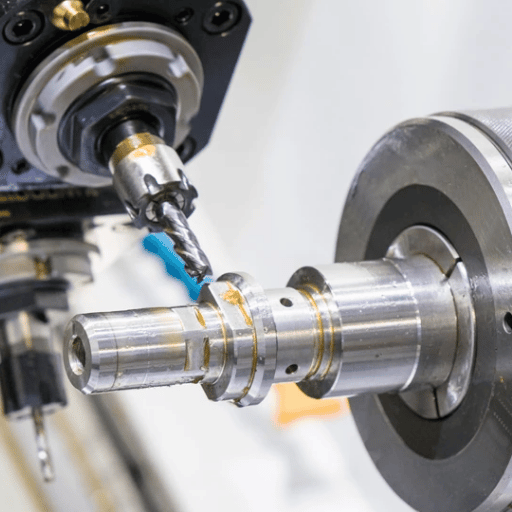
Wanneer u gaat zitten om een live tooling draaibank te citeren, beslist het specificatieblad, niet de brochure, wat de machine echt kan doen Werk door de 7-punts speciaal blad met stuurstation hieronder zijn dus twee aanhalingstekens feitelijk vergelijkbaar: het drukt het aantal aangedreven stations, het toerental en het vermogen van het live-gereedschap, de houderinterface, de verplaatsing van de Y-as en of er een subspindel is gemonteerd.
- Aangedreven stations: hoeveel torenposities kunnen live-gereedschap bevatten (niet alleen totale stations)
- Live-tool snelheid & kracht: max rpm (vaak 5.000-6.000 tpm) en 3,7-7,5 kW bij de aangedreven kop (stelt in wat je kunt frezen/tikken)
- Houderinterface: VDI (DIN 69880) of BMT, en de grootte
- Y-as reizen: aanwezig of niet, en hoeveel (buiten het midden bereik)
- Sub-spindel: voor back-working en deels-complete cycli
- Barcapaciteit, staafdiameter en feedercompatibiliteit voor uitlichten
- Bediening en CAM, ondersteunt uw CAM-paal de draaicycli van deze machine
Als machinebouwer stemmen we die cijfers af op de onderdelenfamilie in plaats van op de kop van de spec-sheet. Op onze eigen draaicentra met aangedreven torentjes vragen de hendels waar klanten het meeste naar vragen het aantal live-stations, de snelheid van het live-gereedschap aan het hoofd en of er een Y-as en subspindel zijn gemonteerd, omdat die vier beslissen of een onderdeel echt eindigt in één spanwerk. Het hebben van een koepel vol stations betekent weinig als er maar twee worden aangedreven en de kop naar buiten komt onder het toerental dat uw kraan of kleine eindmolen nodig heeft Dit is waar winkels worden verbrand: spec de verkeerde aangedreven kop-toerental en een kleine kraan stopt eenvoudigweg de snelheid in het gat, terwijl u over-specking een houder-toer-machine nooit gebruikt budget-0. feeds en snelheden geldt ook voor aangedreven gereedschappen en materiële zaken, of dat nu het geval is bewerking aluminium of bewerking roestvrij staal.
Eén mythe die het waard is om hier met pensioen te gaan: je hebt niet altijd een Y-as nodig om te profiteren van live gereedschap. Het combineren van een C-as met radiaal aangedreven gereedschap zorgt al voor kruisboren, radiaal tikken en slots in het midden, en veel winkels voeren live-toolwerk uit op machines zonder Y-as. Die Y-as verdient zijn kosten alleen als functies niet in het midden zitten of als je de schonere afwerking wilt die lineaire interpolatie oplevert. Het kopen van Y “ voor het geval van eenvoudig werk met kruisfuncties een veel voorkomende overspecificatie is.
Industrievooruitzichten: waar Mill-Turn naartoe gaat
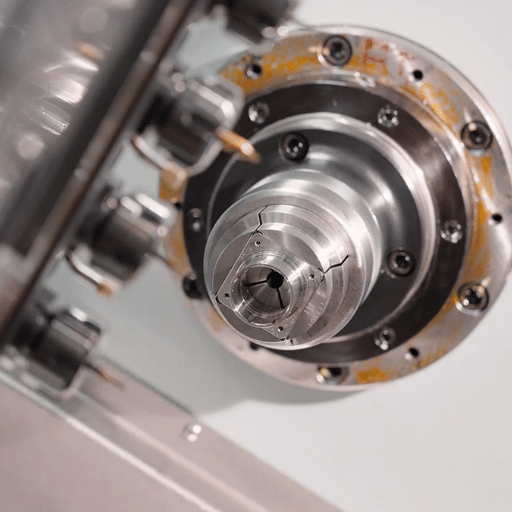
Het momentum achter live tooling is niet echt een verhaal over de “markt, het zal groeien. Het is een verhaal over arbeid en installatie. Geschoolde machinisten zijn schaars, en elk onderdeel dat in één opstelling eindigt, is een onderdeel waarvoor geen tweede operator, een tweede machine en een tweede kans nodig was om het te slopen. Dat is de structurele reden waarom de molenbocht van speciaalzaken naar algemene banenwinkels blijft duwen, en het is versterkt omdat de molenbocht CAM (bijvoorbeeld Mastercam's draaibank- en molenbochtupdates uit 2026) de programmeerbarrière verlaagt die vroeger de mogelijkheid bereikte.
De vraaggegevens ondersteunen de richting. Volgens AMT's Amerikaanse Manufacturing Technology Orders-rapport, 2025 machinebestellingen bereikten $5,74 miljard, 22,5% boven 2024, en de economen van AMT koppelen de groei expliciet aan de toegenomen vraag naar automatisering, en precies de single-setup, run-unattended capaciteit die aangedreven tooling mogelijk maakt. Als context liggen bredere multi-tasking schattingen van de machine-toolmarkt in het midden van het jaarlijkse groeibereik van één cijfer, maar het orderboek is het scherpere signaal. Ook de veiligheidsverwachtingen houden gelijke tred: de veiligheidsnorm voor draaimachines ISO23125 dekt draaimachines voor aangedreven gereedschappen en wordt momenteel herzien, dus nieuwere builds worden ontworpen rond de huidige bewakingsregels.
Voor een koper in 2026 is de stap eenvoudig: als uw offertemix neigt naar onderdelen met een hoger mengsel en een lager volume en kruisfuncties, plan dan nu uw volgende machineaankoop rond live gereedschap en een subspindel, in plaats van een eenvoudig draaicentrum en later de capaciteit vastzetten tegen een slechtere prijs.
Veelgestelde vragen
Vraag: Wat is live gereedschap op een draaibank?
Bekijk Antwoord
Vraag: Wat is het verschil tussen live tooling en een live center?
Bekijk Antwoord
Vraag: Heeft u een Y-as nodig voor live gereedschap?
Bekijk Antwoord
Vraag: Hebben Zwitserse machines live gereedschap?
Bekijk Antwoord
Vraag: Kunt u live tooling toevoegen aan een bestaande draaibank?
Bekijk Antwoord
Vraag: Hoeveel kost een draaibank voor live gereedschap?
Bekijk Antwoord
Referenties en bronnen
- Geavanceerde productienormen en vaardighedenMinisterie van Basis- en Secundair Onderwijs van Massachusetts
- CNC Automation Technician-programma (2025-2026)Lakeshore College
- Een inleiding tot CNC-draaienErie Instituut voor Technologie
- US2940324A, wiebelaandrijvingGoogle Patents
- ISO 23125, Werktuigmachines, Veiligheid, DraaimachinesInternationale Organisatie voor Standaardisatie
- Amerikaanse Manufacturing Technology-bestellingen, december 2025AMT, de vereniging voor productietechnologie
- Roterende broaching 101Productie Machining
Waarom we deze gids schreven
We bouwen CNC-draaibanken en draaicentra met aangedreven toren, dus de specificaties in deze gids, het aantal aangedreven stations, de snelheid van het live-gereedschap, VDI versus BMT, Y-as en sub-spindel, zijn dezelfde waar we klanten doorheen laten lopen voordat een live tooling draaibank schepen We hebben de framebouwer-kant behouden en elk nummer terug gewezen op een standaard, een patent, een orderrapport of een eigen resultaat van een winkel. Beoordeeld door het technische team van ANTISHICNC.