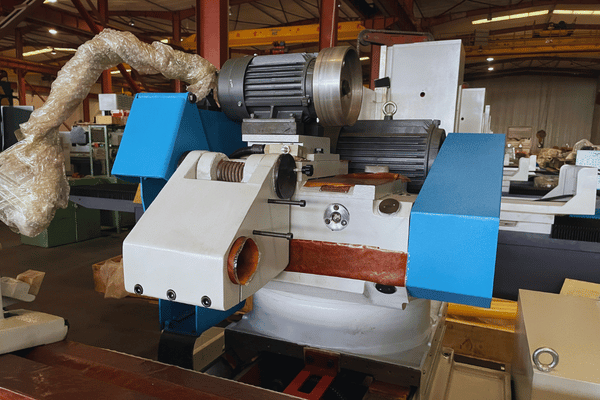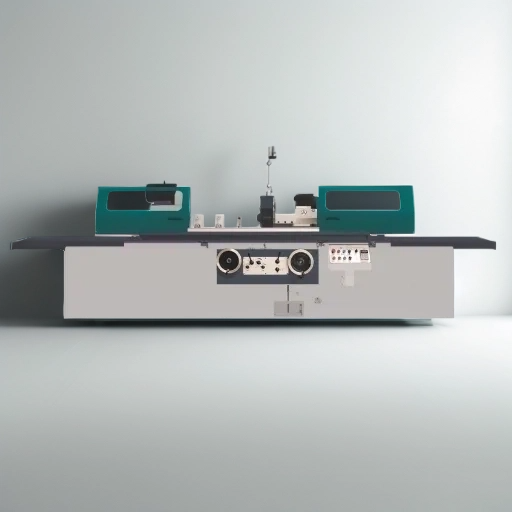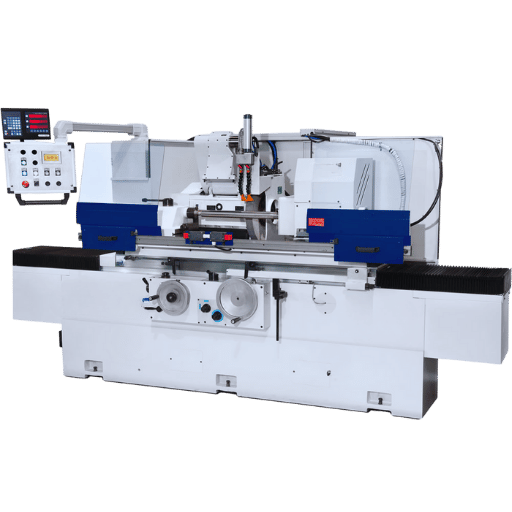
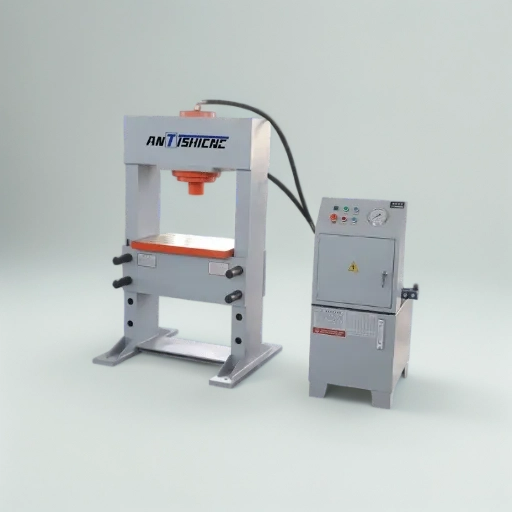
Unmatched grinding precision is provided for customers in industry sectors all over the world. Our cylindrical grinding machines are developed for increased efficiency and accuracy to fulfill the criteria of today's manufacturing.
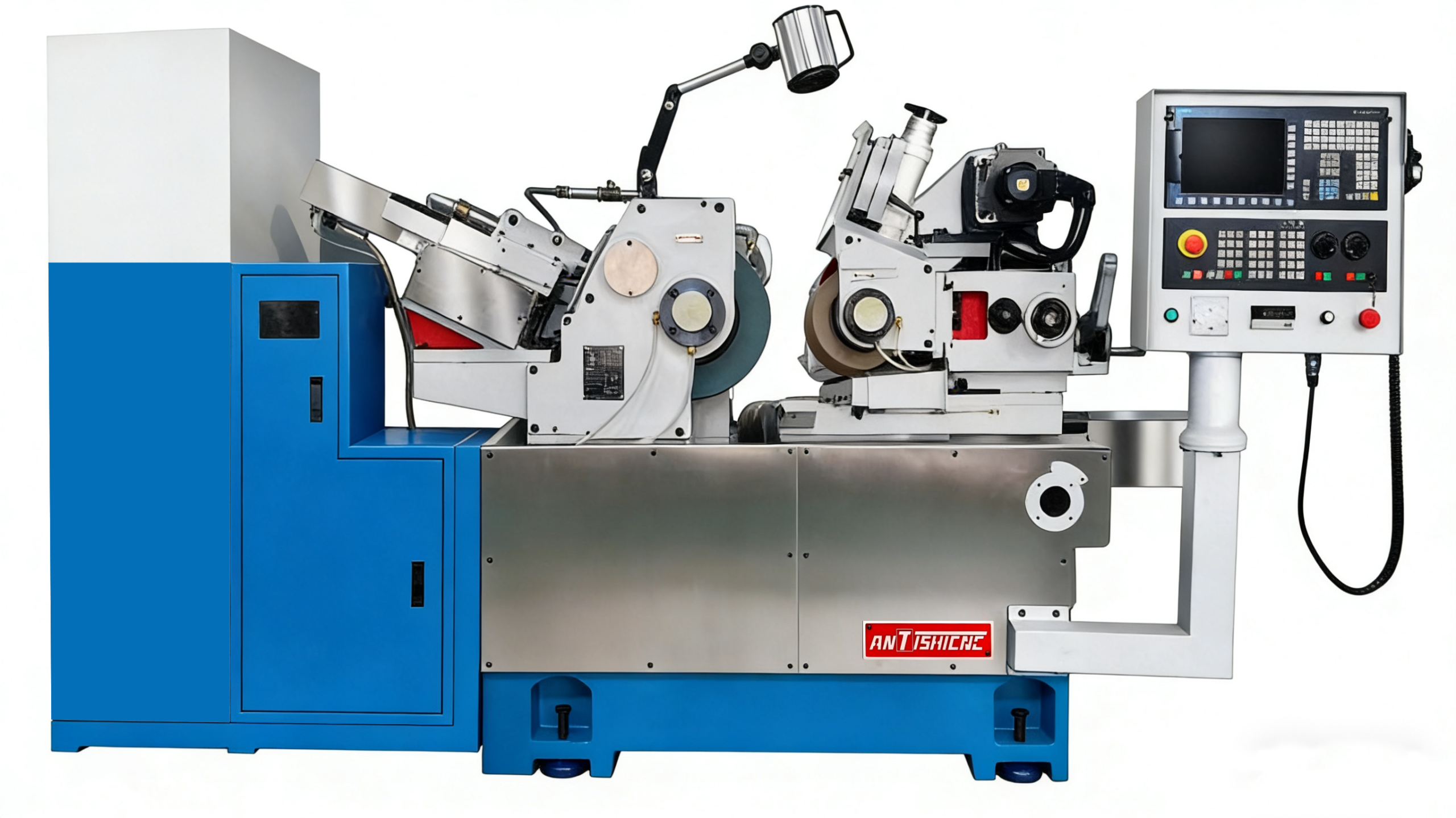

Thermal damage and tempering due to heat buildup and the grinding operation may result in component failure. These defects cause scrapped parts and costly reworking, more so in highly precise automotive and aerospace components.
Workpieces emerging with 2+ thousandths runout or hour-glass shapes due to the incorrect setup or worn centers or deflection problems, so parts get rejected thereby, causing a delay in the manufacturing and, finally, weighing on your profitability.
Wave marks visible on workpieces due to vibration problems from heavy wheels, wrong speeds, or imbalanced machine. These surface defects require costly rework, and the quality of part suffers concurrently.
The wheels are becoming increasingly blunt and hence unable to grind efficiently since they were incorrectly specified or of poor coolant quality or dress. The effect is slower stock removal rate and poor surface finish.
Too many failures of bearings, belts, and hydraulic systems. Unlike newer units, older ones require constant care, essentially reducing productive time and leading to higher operating costs.
Unable to hold tight tolerances consistently through production runs. Leads to quality control problems, complaints from customers, and possible loss of contracts in precision industries.
The precision cylindrical grinding machine helps one exactly to measure, high accuracy, and smooth finishes, meeting all grinding requirements.
Consistent accuracy and exquisite surface finishes are guaranteed.
Simple and user interface that allows real-time monitoring and adjustment.
Manual and CNC-controlled models are available, allowing for varied areas of production.
Configurable for industry-specific requirements while retaining robust construction to endure the test of time.
Having the latest CNC controls assure repeatable accuracy with minimal human errors. Program once, run all times with an improvement in productivity by 30%.
Having the tolerance of 0.001mm in diameter, roundness, and surface finish were finely developed with the aerospace, medical, and automotive applications in mind.
Specific operations demand various grinding wheels and optimized parameters to deal with steel, aluminum, titanium, carbide, ceramic materials, and composites.
The grinding parameters for optimal production are coupled with the latest wheel technology that yields superior productivity without sacrificing quality.
Find precision cylindrical grinding machines intended for accuracy and efficiency. The perfect remedy for your manufacturing requirements.
Spindle speeds: 10–300 rpm.
Power of the grinding wheel: 5.5 kW.
Weight of the machine: 2.5-6.2 tons.
Maximum grinding diameter: Ø400mm.
Travel of the table (Z-axis): Up to 2540mm.
Distance between the centers: 400–2000mm.
Power of Drive: 3.7 kW.
Center Height: 100 mm.
Working Length Max: 400 mm.
Maximum Weight of Workpiece: 50 kg.
Maximum Diameter of Wheel: 350 mm.
Upper Speed of Wheel Periphery: 25-50 m/s.
Motor Power: 55 kW maximum.
Spindle Speed Range: 5–60 rpm.
Max Grinding Diameter: 40–800 mm.
Wheel Size: Diameter of 750–900 mm.
Max Workpiece Weight: 20,000 kg maximum.
Distance Between Centers: 10,000 mm maximum.
Stable grinding requires maintenance-this includes wheel dressing and balancing. With CNC automation, one must regulate the parameters such as speed and feed to ensure optimal operation. An environment void of vibration is needed for precision and reliability.
Advanced NUM/Fanuc controller with an easy user interface
Wheel speed up to 8,500 SFPM with equal coolant velocity
Real-time measurement and automatic compensation of size
Single setup for external, internal, and form grinding
| Specification | Details |
|---|---|
| Distance Between Centers | 350 mm to 2000 mm (varies by model) |
| Max. Grinding Diameter | Ø300 mm to Ø800 mm |
| Grinding Wheel Dimensions | Ø405 x 50 x Ø127 mm to Ø812 x 76 x Ø304 mm |
| Grinding Wheel Speed | Up to 4500 rpm or 60 m/s (varies by model) |
| Workpiece Weight Capacity | 150 kg to 3000 kg |
| Center Height | 150 mm to 275 mm |
| Swivel Range | -30° to +90° (workhead) and up to ±60° (wheelhead) |
| Table Travel Speed | Up to 20,000 mm/min |
| Grinding Applications | Plunge, traverse, taper, internal, face, and profile grinding |
| Motor Power | 3.7 kW to 15 kW (main spindle motor) |
| Machine Weight | 2100 kg to 23,000 kg |
| Optional Features | Internal grinding unit, automatic in-process gauging, magnetic coolant separator, paper filter |
| Standard Features | Hydrostatic bearings, centralized lubrication, FANUC CNC controller, enclosed splash guard |
Here’s what our customers say about our Cylinder Grinder Machine
The cylindrical grinding machines are priced depending on individual needs and budgets; there can be thousands of variations. Starting at less than $750, simple cylindrical grinders would be a great option for small workshops or hobbyists. Over $15,000 can be spent on an excellent cylindrical grinding machine, designed for extreme precision and efficiency. There will be a machine for any price range, from more affordable ones to those priced high for industrial use.
Precision machining requires many essential tools, among which are the cylindrical grinding machines. These are capable of forming accurate shapes, imparting the finest surface finish, and ensuring accuracy in handling intricate components. High precision industries such as aerospace, automotive, and manufacturing are best served by these machines. Nevertheless, cylindrical grinders do have a few shortcomings: their initial cost can be prohibitive, setup is notoriously complex, and machining times tend to be longer than other machining processes. Knowing the advantages and disadvantages of cylindrical grinding machines can help you determine if they are the process best suited to your needs.
Cylindrical grinding machines are diverse machines employed for precision grinding activities. The highest-level components consist of the grinding wheel, workpiece, headstock, tailstock, and machine bed, which multiphave done with precise timing and effect. The cylindrical grinders are considered very important in machining for smoothfinishing and tight tolerancing of round or cylindrical parts. Industries such as automobile, aerospace, and manufacturing go-to these machines for their high-precision grinding works.
Used cylindrical grinding machines have price variations caused by factors such as brand, condition, and specs. Average prices tend to fluctuate anywhere between a few thousand dollars and upward of $15,000. Be it cheap second-hand cylindrical grinders or some really expensive machines, options are there to fit different budgets and manufacture requirements. Look for reliable cylindrical grinding machines for sale to customize a setup for your workshop.
Cylindrical grinding refers to the fine machining process aimed at shaping and finishing cylindrical surfaces. In such processes, the workpiece is securely located between the headstock and tailstock, while a rotating grinding wheel can remove material to leave a smooth, highly accurate finish. Given the high level of precision with which parts are produced by cylindrical grinding, it is vital in manufacturing, automotive, and aerospace industries to ensure the supply of grade components.
Cylindrical grinding machine safety goes far in averting accidents and allowing efficient operation. Do always wear protective gear such as safety glasses, face shields, and gloves to protect against debris and sparks. Ensure grinding wheels are inspected for cracks or damage and that wheels that have been dropped or compromised are never used. Also, consider setting up the machine correctly before operating to avoid errors and promote smooth grinding performance. Observing these cylindrical grinding machine safety tips will surely help you maintain a safe and productive environment.
A cylindrical grinding machine is, indeed, quite powerful in perfectly shaping and finishing the external surfaces of cylindrical or tapered workpieces. Shaft grinding is very commonly done on this machine, and thus are rods, crankshafts, and spindles, all requiring high precision and smooth finishes. For industries where accurate machining is required, cylindrical grinding machines are crucial in all manufacturing processes to ensure consistent results.
Choosing between a cylindrical grinder and a surface grinder depends upon the need of machining. Cylindrical grinders, for instance, are employed to grind round parts with absolute concentricity, forming, thus, a prime choice when dealing with shafts, rods, and other cylindrical workpieces. Surface grinders, conversely, provide high precision and a smooth finish to flat surfaces, thus, made for ultra-flat parts or preparing a surface for further machining. Knowing the basic difference between a cylindrical grinder and a surface grinder will help you to begin with the right tool for your application and thus to get the best results.
Cylindrical grinders are mainly grouped into three types, i.e., out-of-diameter grinders (OD), in-diameter grinders (ID), and universal grinders. Each of these distinct types targets specific precision grinding applications. Whether it is external surfaces, internal diameters, or versatile grinding projects, cylindrical grinding machines form an indispensable part of manufacturing and machining processes.
Selecting the appropriate grinding wheel is paramount in ensuring the best possible result. Consider the hardness of the material in process. The type of abrasive required, the bond of the Grinding Wheel, shape of the Grinding Wheel, and surface finish desired must all be taken into consideration. The quality of processing equipment will achieve precision and efficiency. The ideal grinding wheel will maximize performance and give a smooth finish for the project.
Through cylindrical grinding machining operations are used to shape and finish cylindrical surfaces, bars, and other workpieces with precision. It should be noted that this method yields superior surface quality and is usually applied for plunge grinding, traverse grinding, taper grinding, and profile grinding. Because of its accuracy and versatility, cylindrical grinding takes the utmost importance in those industries that need finely smooth, fine-shaped, finely shaped, and precisely fitted components.
By following these safety steps, you can ensure that the cylindrical grinder performs at its best. Make sure the grinding wheel is properly installed, check for cracks or damage, and conduct a static balance test. Proper preparation of your cylindrical grinding machine helps to improve precision, safety, and efficiency during operation.
Cylindrical grinding machines use a dead center to hold the workpiece in the grinding process. Centering the workpiece ensures greater precision and stability; hence, dead center is one of the requirements for carrying out cylindrical grinding. Find out how dead centers help in efficient and quality grinding in machining operations.
Learn to operate a cylindrical grinding machine safely and efficiently. Always begin by learning the operation of the machine and choose an appropriate grinding wheel. Then, properly secure your workpiece with the workholding tools. The correct coolant should always be used to keep the process smooth, prevent overheating, and accommodate absolutely precise results. These are the necessary steps for good cylindrical grinding of pieces and high-quality finish.
Cylindrical grinding is an extremely precise machining process designed for shaping and finishing the exterior surfaces of cylindrical workpieces. For smooth, accurate, and consistent results, these machines are manufactured, and hence they are best suited to cylindrical grinding industries. Because of a superior surface finish and tighter tolerance, cylindrical grinding finds its application in shafts, rods, and all types of cylindrical spares. Suppose you want reliable cylindrical grinding services; in that case, this process will guarantee that your projects come out with as much precision and quality as possible.
The primary difference between centerless grinding and cylindrical grinding lies in workpiece-holding arrangement during the process. Cylindrical grinding secures and rolls the workpiece between two centers in order to afford precise control. Centerless grinding rejects the use of center as the workpiece, being held along its length by a work-rest blade and controlled by a rotating wheel. Both grinding processes find wide application in manufacture in the precision machining sector. However, for the sake of choosing the correct process, one needs to know the differences between the two.
Explore features and benefits of a modern cylindrical grinding machine. Increase precision, efficiency, and quality with our expert advice.
Best Conventional Cylindrical Grinder: Precision Solutions for Effective Machining The process of machining, particularly when trying to reach accuracy at a highly precise level, is one that renders the...
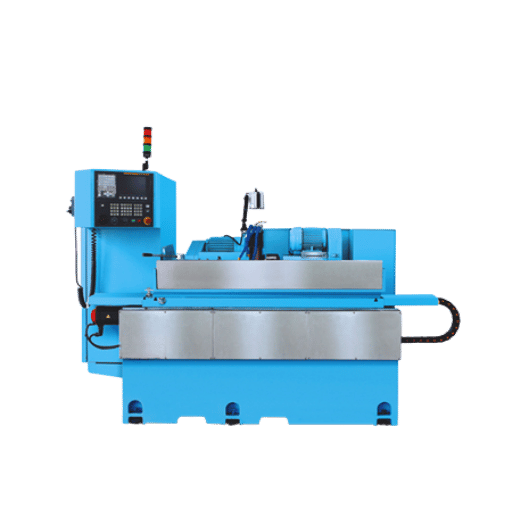
Best CNC Cylindrical Grinder: Precision Manufacturing for Industry Demands Manufacturers seek tools that improve their products while possessing high degrees of precision and efficiency. CNC cylindrical grinders...
In tandem with precision engineering, cylindrical grinding machines are required by industries that require surface finish and dimensional accuracy to perfection. The machine fills in the gaps when the...
The cylindrical grinding machines might well have remained the unnoticed heroes of precision engineering, for their finishing application transits a piece from raw material to a priori complexly shaped...
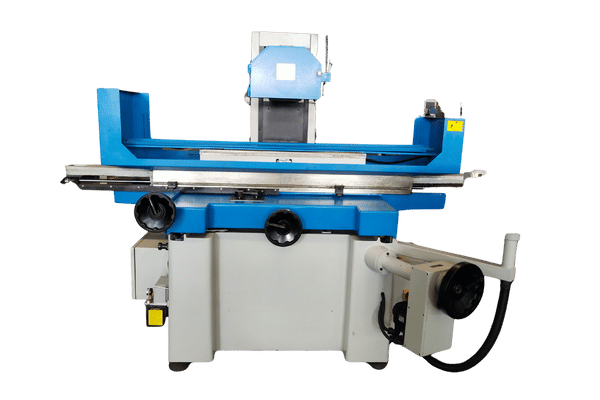
Amalgamate operations with our high-energy cylindrical grinding machines. Small-scale precision and high-performance manufacturing-awaiting orders upon demand, we are here for them all!
A: The cylindrical grinding machine is one kind of grinding machine for external grinding of cylindrical workpieces. The machine follows the XY process, where the workpiece is held on two centers and rotated while the grinding wheel head travels along the job to grind it with precision.
A: Precision cylindrical grinding chose to achieve high accuracy and finish with cylindrical workpieces. Unlike common grinding processes, advanced techniques, such as CNC machines, may be applied to maintain tight tolerance and better roundness on the finished product.
A: Cylindrical grinders occur with applications such as machining of crankshafts, camshafts, gear shafts, and other engine components; manufacturing precision components for medical devices, surgical instruments, and dental instruments.
A: The spindle in a cylindrical grinding machine is essential because it carries the grinding wheel, thus imparting the necessary rotation and stability so that the grinding action can be performed accurately and efficiently to impart the desired shapes on the work piece.
A: Yes, they can do both. Insofar as ID and OD grinding are concerned, this provides the ability to grind a wide array of parts, such as valve housings and turbine rotors, thereby making the machines indispensable to the manufacturing sector.
A: Taper grinding creates the tapered shape in the workpiece by tiling the work rest or moving the wheel head. Such a process is most often used for precise angled dimensions. Applications include transmission components.
A: The removal of chips in cylindrical grinding is performed by the abrasive action of the grinding wheel cutting into the material on the workpiece. The wheel design and spindle speed are relevant in efficiently removing chips and providing a clean environment.
A: CNC machining centers cylindrical grinding operations guarantee a high degree of automation, very precise machining of complex shapes and sizes. Time in manufacture is reduced; hence productivity is increased by way of allowing a number of operations to be carried out in a single setup, such as creep feed grinding and taper grinding.
A: Roundness is a principal aspect in precision cylindrical grinding because the quality and function of the finished work piece depend on it. These high-performance cylindrical grinders are capable of achieving excellent roundness that is critical to shafts and bearings for a range of mechanical systems.
WhatsApp us