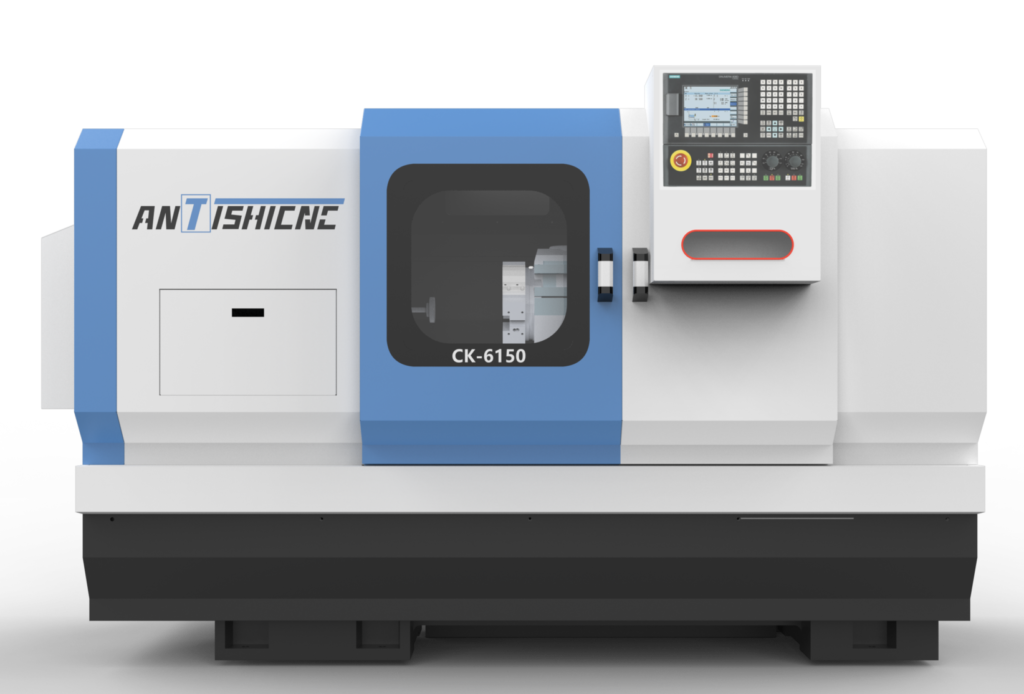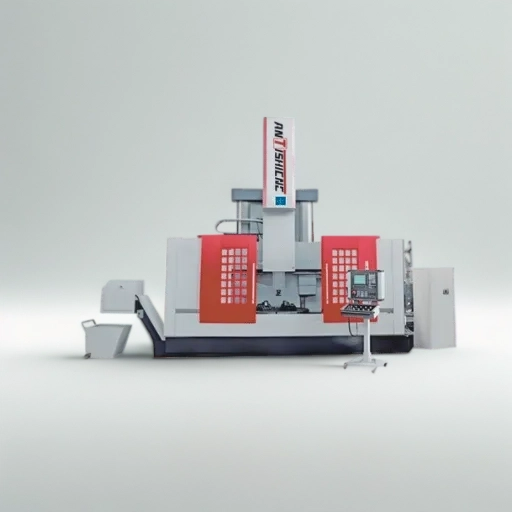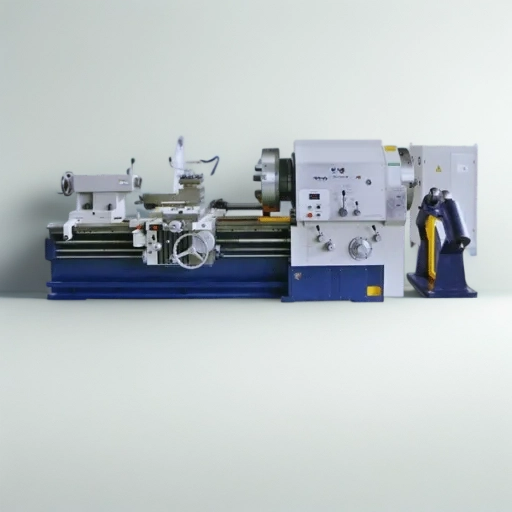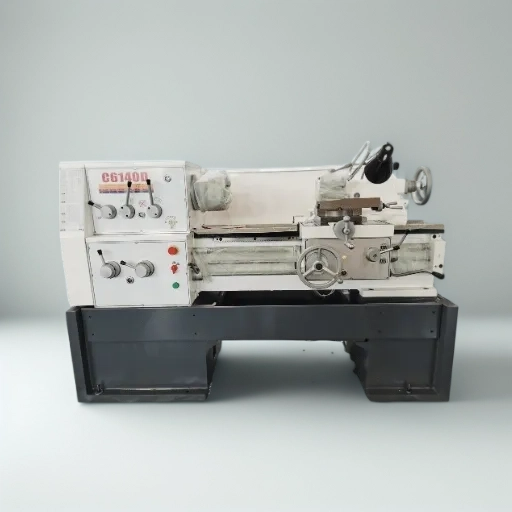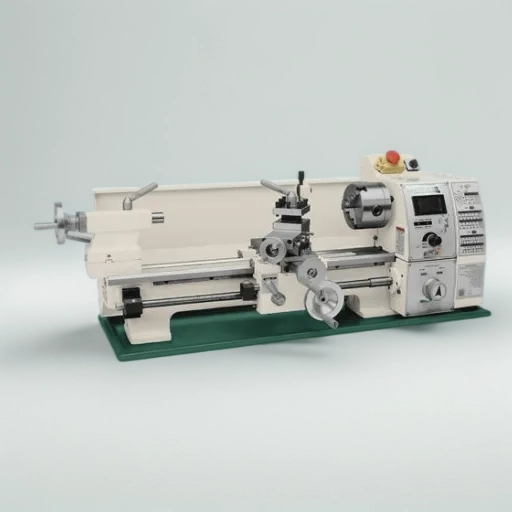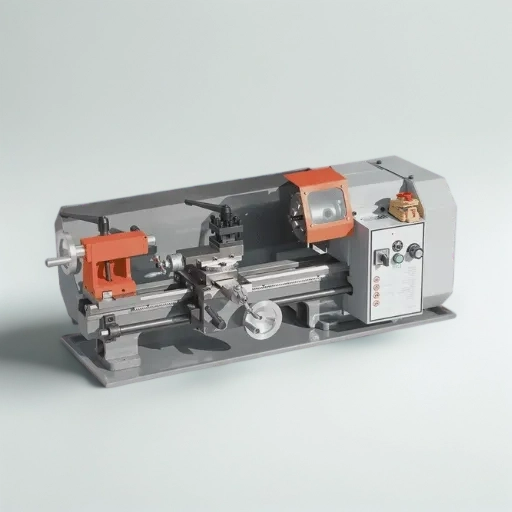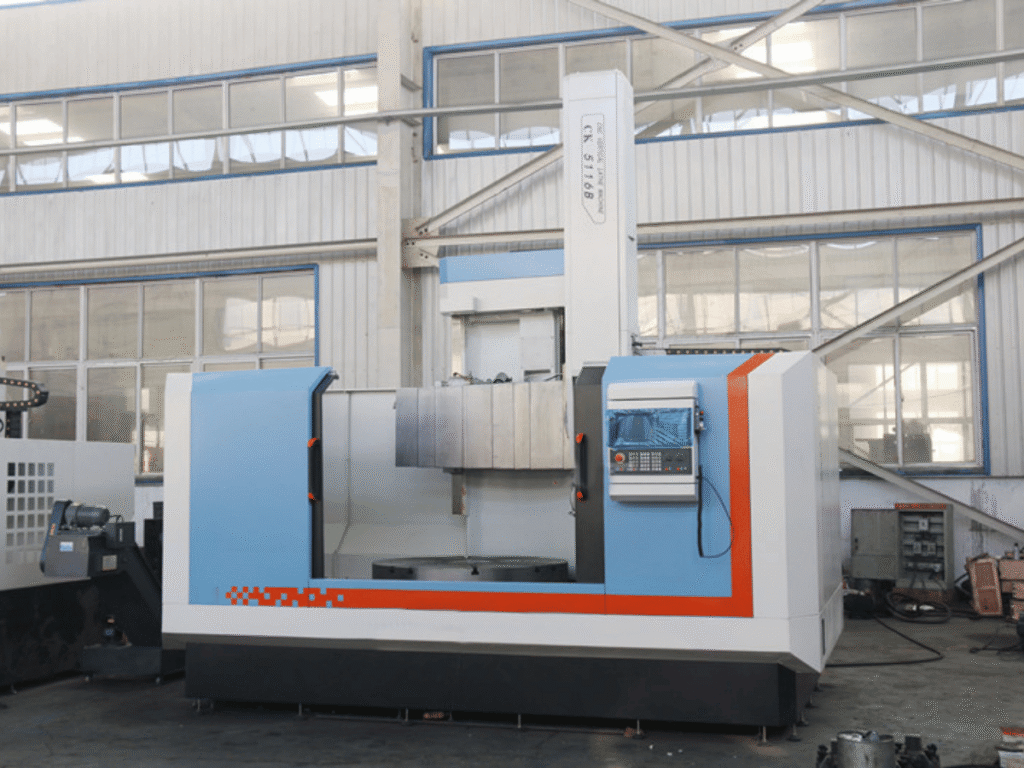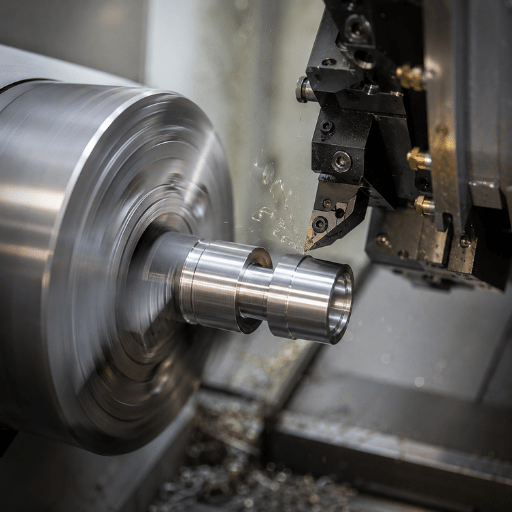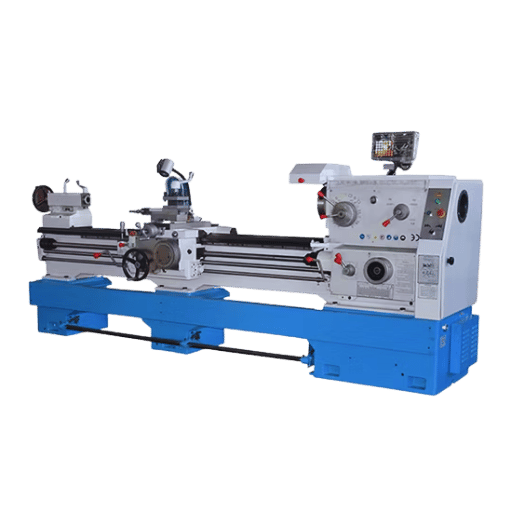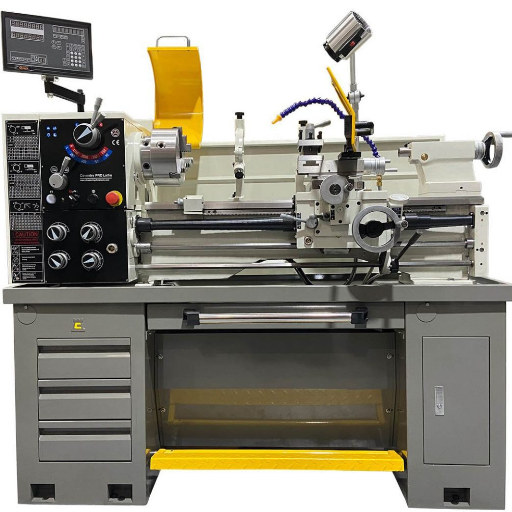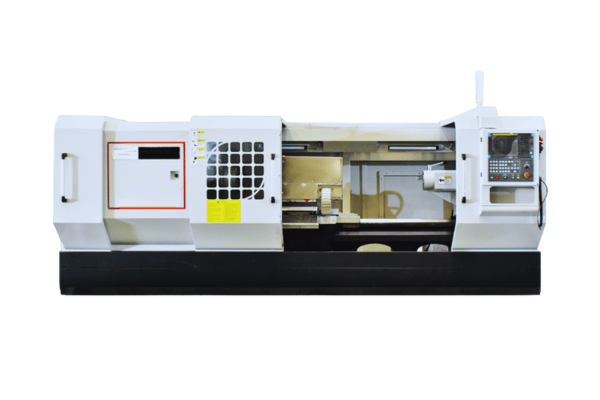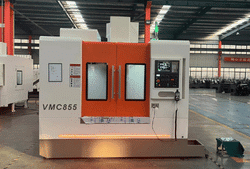
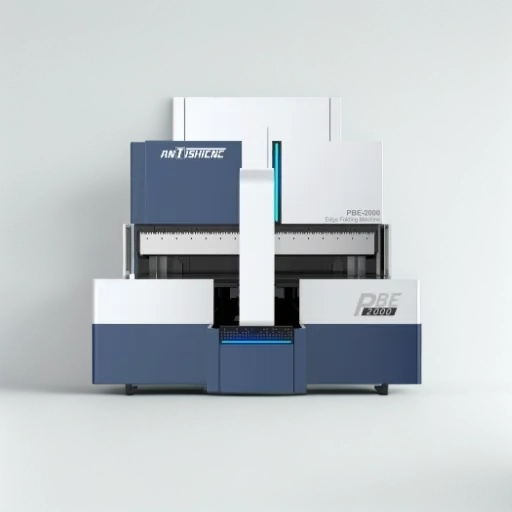
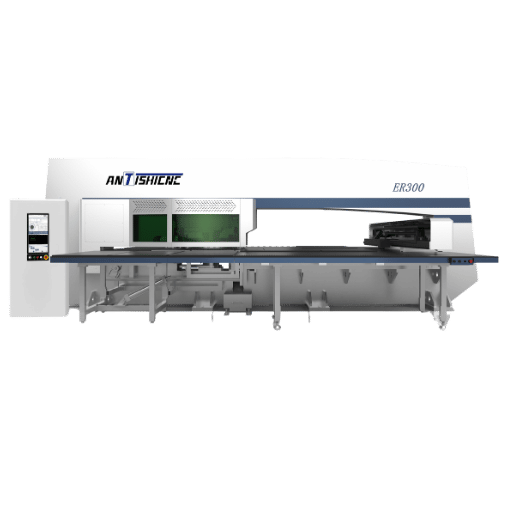
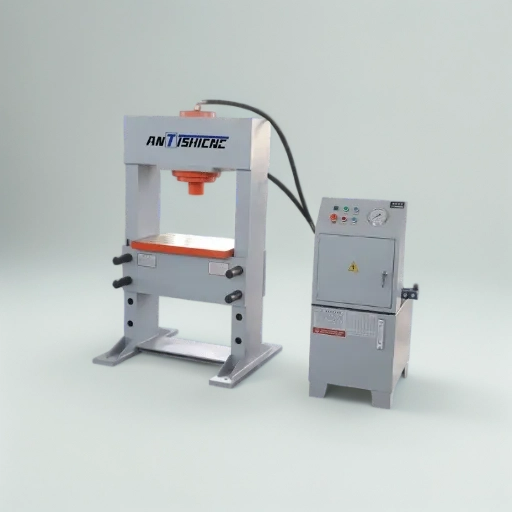
Elevate your metalworking skills with our engineered turning metal lathe. Built for professionals to provide precision, dependability, and outstanding functionality.
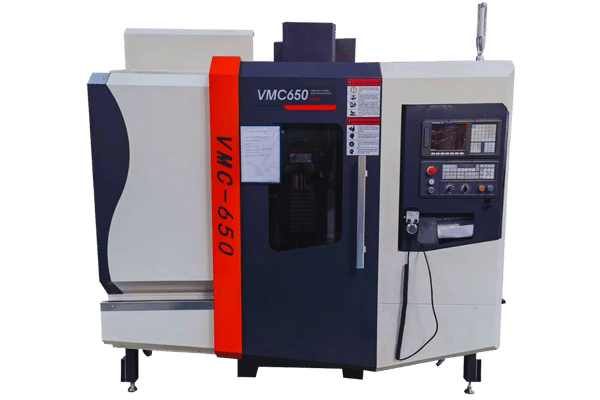

Realize tolerances to within ±0.001” using our precision-ground hardened bed ways and advanced spindle bearing systems.
One powerful machine can perform turning, facing, threading, drilling, boring, and even knurling.
Achieve optimal cutting performance with electronic speed control to 50-2500 RPM.
Decades of reliable service are ensured with precision-machined parts and heavy-duty cast-iron construction.
Advanced technology meets precision engineering
Complete machining is possible with a single setup for advanced 4-6 axis configurations X, Z, C, Y, A, and B, as well as simultaneous Mill-turn processes.
Bedway, headstock gears and spindle’s hardened grinded surfaces guarantee high endurance and rigidity.
Incorporates integrated milling, drilling, and tapping. Automatic tool changer with multiple tool turrets for non-repositioning operations.
Electromagnetic brake with digital display and intelligent controls offers optimal cutting parameters within 70-2500 RPM and beyond.
Find quality metal turning lathes offered for sale. They are reliable and ideal for high-precision tasks.
Swing over bed: 800-1000 mm
Spindle bore: 200-360 mm
Spindle speed range: 20-650 rpm
Pipe threading range: 50-270 mm
Spindle speed range: 0.4-63 rpm
Table diameter: 2250-4500 mm
Main motor power: 55-75 kW
Max turning diameter: 2500-5000 mm
Max workpiece height: 1600-2500 mm
Max workpiece weight: 16-40 tons
Max turning diameter: Up to 800 mm
Distance between centers: 1000–3000 mm
Spindle speed range: 40–2000 RPM
Spindle bore diameter: Up to 120 mm
Main motor power: 3–11 kW
Machine weight: 4000–6400 kg
Max turning diameter: Up to 800 mm
Max spindle speed: 40–6000 RPM
Distance between centers: 500–3000 mm
Spindle bore diameter: Up to 120 mm
Main motor power: 5–30 kW
Swing over bed: 8–10 inches
Distance between centers: 12–22 inches
Spindle speed range: 150–2400 RPM
Spindle bore diameter: 20–25 mm
Motor power: 0.75–1 HP
Swing Over Bed: 7" to 14"
Distance Between Centers: 10" to 40"
Motor Power: 1/4 HP to 2 HP
Spindle Bore: 0.78" to 1.5"
Weight: 90 lbs to 300 lbs
The metal lathes comprise the following: engine lathes, turret lathes, and capstan lathes.
Each of the lathes has its capabilities: engine lathes are general-purpose lathes. Turret lathes are for repetitive products and quick changeovers. Capstan lathes provide for higher outputs of smaller components.
| Specification | Value | Description |
|---|---|---|
| Swing Over Bed | 10" (254mm) | Maximum diameter of workpiece that can be turned |
| Distance Between Centers | 22" (559mm) | Maximum length of workpiece |
| Spindle Bore | 1" (25.4mm) | Through-hole diameter for bar stock |
| Motor Power | 1.5 HP (1.1kW) | Brushless motor with variable speed drive |
| Spindle Speeds | 50-2500 RPM | Electronic variable speed control |
| Spindle Taper | MT-4 | Morse Taper #4 for tooling compatibility |
| Chuck Size | 5" (127mm) 3-Jaw | Self-centering chuck with reversible jaws |
| Cross Feed | 6" (152mm) | Power cross feed with manual override |
| Compound Rest Travel | 4" (102mm) | 360° swivel compound rest |
| Threading Capability | 9-52 TPI Metric/Imperial | Comprehensive threading gear set included |
| Overall Dimensions | 48" × 24" × 16" | L × W × H (1219 × 610 × 406mm) |
| Weight | 485 lbs (220kg) | Heavy-duty construction for stability |
| Power Requirements | 220V, Single Phase | Standard industrial power connection |
| Accuracy | ±0.001" (±0.025mm) | Precision ground bed ways |
Real experiences from industry professionals
In terms of brand, features, and specific model, the smaller bench model metal turning lathe goes for about $500, whereas the professional models go for over $9000.
Lathe machine hazards include entanglement, contact with rotating parts, and flying chips, while controls involve avoiding loose clothing, keeping body parts away from moving parts, and not making adjustments during operation.
Lathe operations include turning, facing, tapering, threading, knurling, drilling, parting, boring, reaming, and grooving, each with distinct machining functions.
With high-speed steel tools, lathe turning speeds for mild steel range from 70-135 feet per minute, increasing to 140-270 feet per minute with carbide tools.Accordion Content
Lathes perform basic turning tasks and are comparatively simpler, whereas turning centers are more sophisticated CNC multi-axis lathes with greater capabilities and higher degrees of automation.
While wood lathes are easier to maintain, they are designed to shape wooden workpieces, unlike metal lathes which are far more accurate, durable, and can work on both metal and wood.
The metals most suitable for machining are steel, cast iron, aluminum, titanium, brass, and copper.
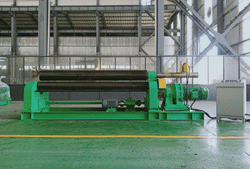
Metalworking machines comprise press brakes for accurate plate bending as well as rolling machines for forming metal into cylindrical or conical shapes.
The most common problems encountered are coolant leakage, component wear and/or looseness, faulty cutting, problems with the movement of the carriage, and issues with the precision of the threading.Accordion Content
For woodturning and metalworking, spindle gouges and carbide-tipped tools, respectively, serve as the primary tools for activating a lathe.
Peruse our latest articles on metal lathes, which feature more than just tips and techniques; we offer expert insights to elevate your machining skills.
Has anyone ever dreamt of creating tools for some precision metalworking? To a certain level, a home-made metal lathe is in itself a project. But it will also open...
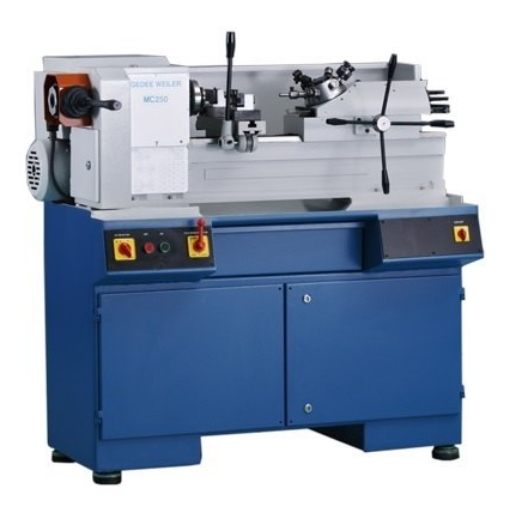
Current manufacturing establishments consider capstan lathe machines essential instruments for precision, efficiency, and productivity. These machines have transformed the industrial setup by facilitating the production of highly complex components,...
Metalworking lathes are at the heart of precision machining, where they are indispensable in a wide array of industries, including automotive and aerospace. These machines precisely refit complex parts...
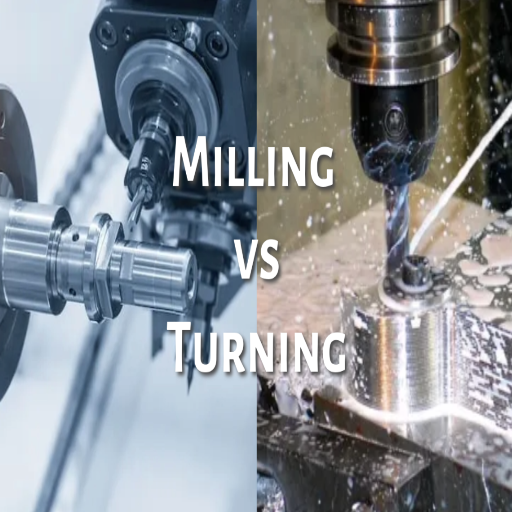
CNC machining is a revolutionary trend that has enabled precision manufacturing and facilitated the intricate fabrication of parts. Among the most common CNC operations are turning and milling, with...
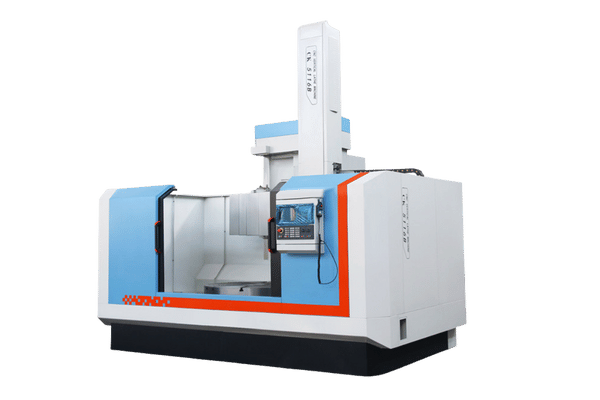
Obtain a customized estimate today and learn how our Metal Working Lathes can address your unique machining problems.
A: A metal lathe is a machine tool that is used to shape metal workpieces using the turning method. It is capable of rotating the workpieces and, at the same time, cutting using a tool which is a very important part of machining.
A: A bench lathe is a form of a small lathe. It is light-duty, making it easier for novices and hobbyists to use. On the other end, heavy-duty lathes can perform on larger workpieces and more complex machining functions.
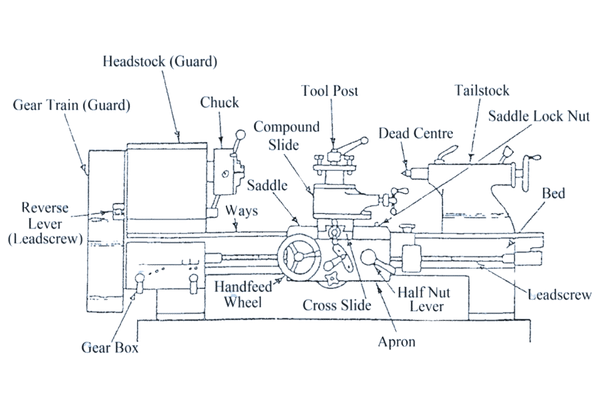
A: A lathe machine is made up of five components: The headstock, tailstock, spindle, tool post and carriage. The headstock gathers the spindle motor and thus, rotates the workpiece. The tailstock holds up the workpiece from the other end and can be adjusted to hold different workpiece lengths. The carriage is where the cutting tool is mounted, and it shuttles the tool along the length of the workpiece in the machining process.
A: Certain woodworking operations can be performed on metal lathes, although wood lathes are designed specifically for the woodworking industry. It is to be noted though that adapting a lathe, which is set for metalworking, would have to changes for it to work safely and effectively.
A: The tool post is the part of the lathe tool that locks the cutting tool in place, enables modification of the cutting tools, and adjusts the cutting tools in an accurate and timely manner.
A: With a CNC lathe, one needs to put into consideration the dimensions of the workpieces being processed, as well as how precise the lathe should be. You should also take into consideration the CNC lathe’s spindle motor, how reliable the feed mechanism is, and the cnc controls.
A: When it comes to metal lathes, oiling and servicing the lathe’s moving components should be done on a regular basis. This should include the spindle, feed mechanism, and tool post. Along with these services, the lathe should be kept clean and should be serviced for damages, especially after being used for long periods of time. Alongside these practices, the lathe should also be checked for damage.
A: Our CNC lathes are compatible with industry standard software such as:
Mastercam, SolidCAM, CAMWorks
Fusion 360, NX CAM, PowerMill
EdgeCAM, HSMWorks, BobCAD-CAM
Standard G-code programming (ISO, EIA)
We also offer DNC communication, USB, and Ethernet interfaces for file transfer, allowing full integration with your current systems.
WhatsApp us