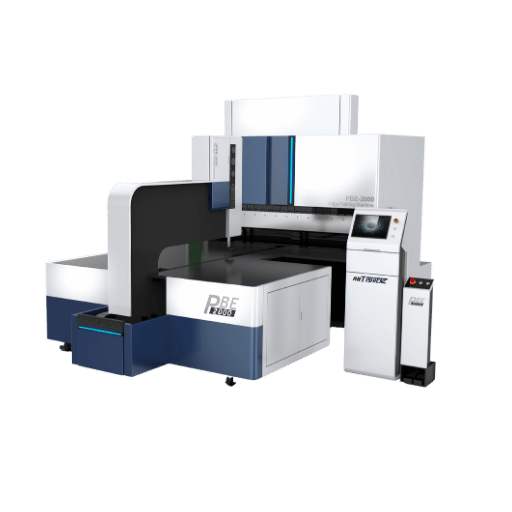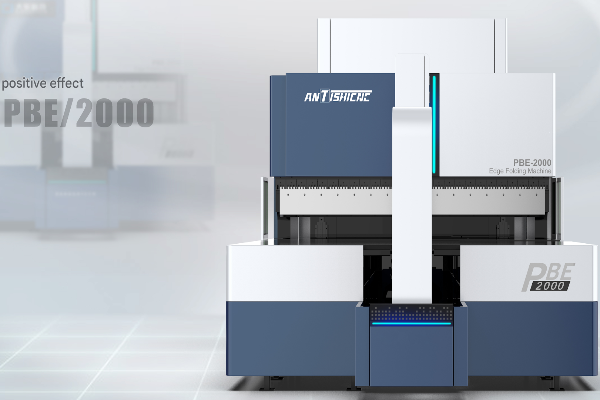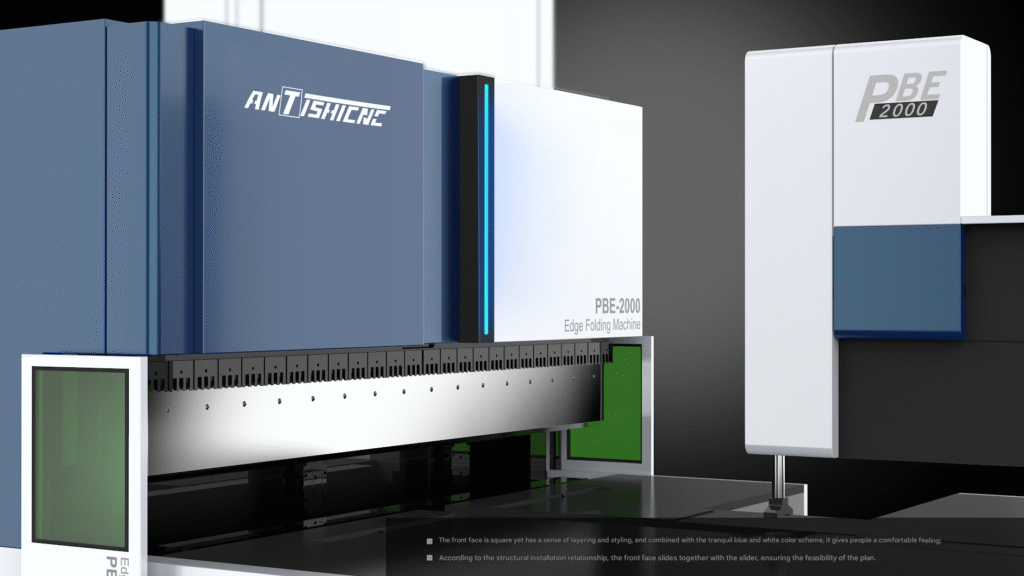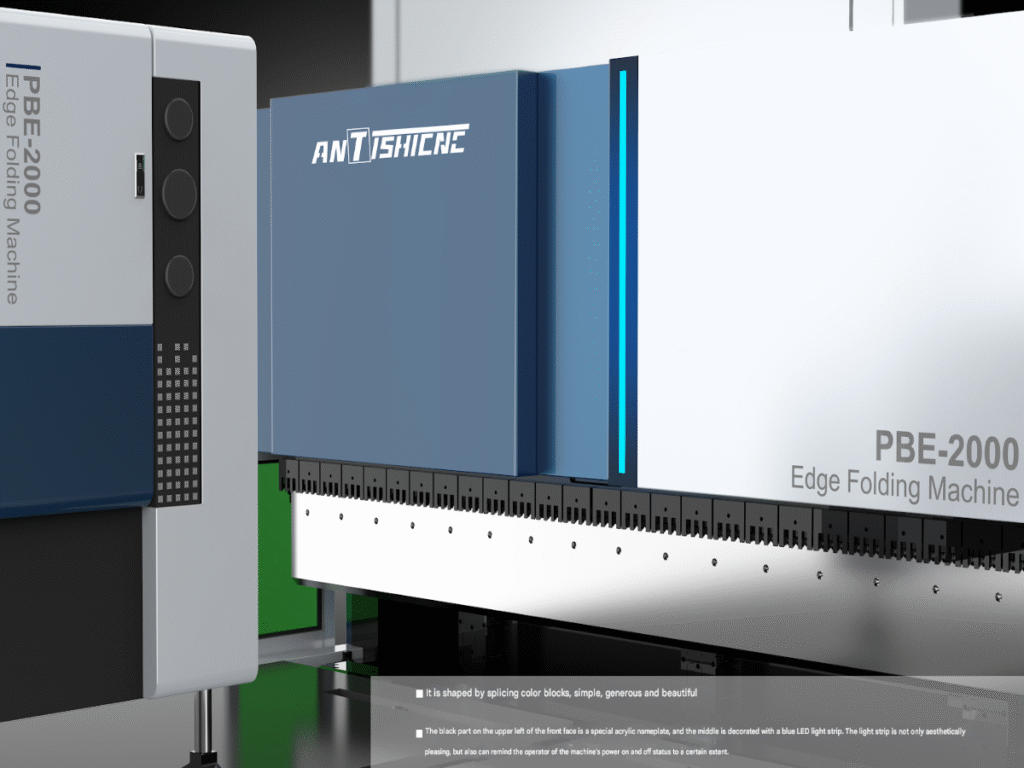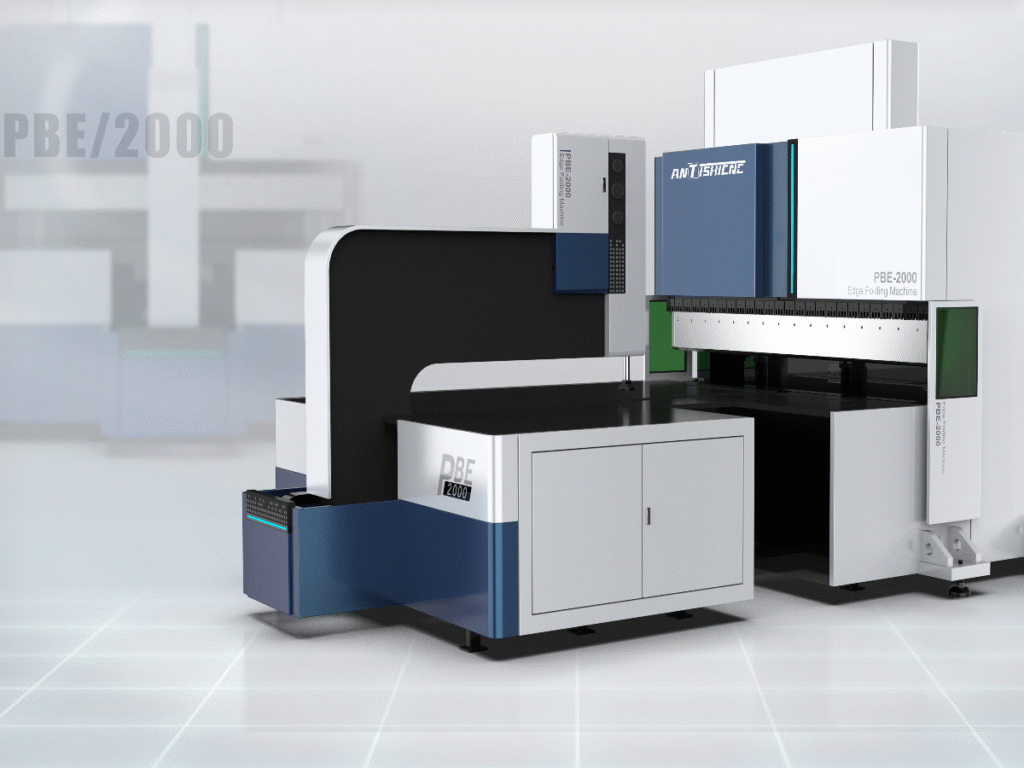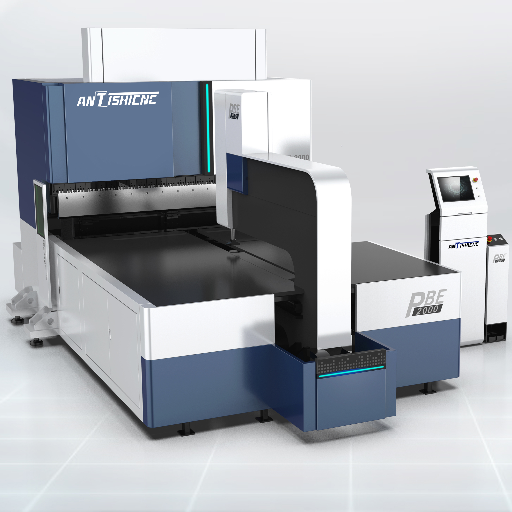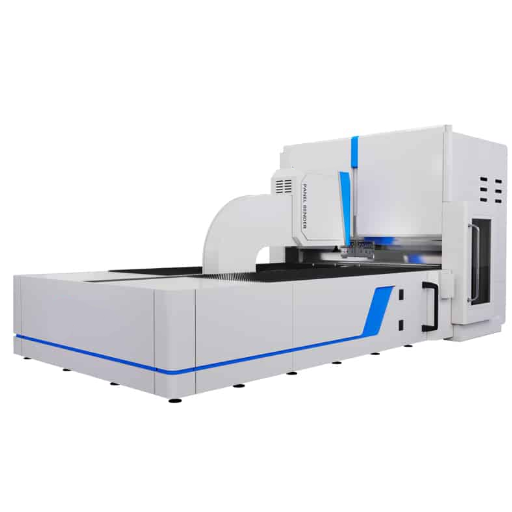
Faster cycle times can be attained, along with tighter tolerances and high consistency, with an automated CNC panel bender capable of very complex bends and high-mix, low-volume production.

The shortage of skilled operators costs more than $60,000 per year. Manual bending makes inconsistencies, causes safety hazards, and resists the scalability of production.
Conventional press brakes needed constant repositioning and flipping from the operator to cause about 40-60% loss of productivity, in addition to the long lead times.
Material springback, pressure distribution errors, and human error can cause defect rates of 15-25%. Materials are wasted while reputation faces degradation.
Materials waste, reworks, and labor costs continue to drain profits. An energy-inefficient facility can add between 20-30% to the operating overhead on a yearly basis.
Traditional bending processes cannot treat complex geometries, parts with multiple angles, or the demands of rapid prototyping in modern manufacturing.
Press brakes are suited for working with thin materials. Working with thicker materials and large panels induces excessive tooling changes that limit the process capability.
The integration of advanced CNCs with predictive analytics to avoid manual errors and automatically adapt the bending parameters. Consistency is ensured with minimal soldier interference.
Closed-loop feedback systems with servo components ensure maximum precision. Angle measurement, plus springback compensation, is done in real time.
The industry benchmark that stands at just 0.2 seconds per bend, while it can do up to 17 bends per minute. Increase into the productivity by 30-50% without compromising the quality.
An advanced collision avoidance system, light curtains, laser scanners, and emergency stop functions. These intelligent safety protocols protect both operators and equipment.
Consume 3kWh for electric actuators and brushless motors. Hence operational costs are highly diminished while, at the same time, less impact is cast upon the environment.
Remote monitoring and predictive maintenance with seamless ERP/MES integration. Real-time diagnostics and performance optimization from anywhere in the world.
High-precision CNC Panel Bender available for sale-lustrously reliable and efficient in the metalworking. This provides a true, long-lasting bending performance.
Budget and production volume are at the backbone of any purchasing decision for a CNC Panel Bender. Higher-end machines like Salvagnini represent higher upfront costs that reward a customer with higher efficiency and precision for long-term savings. For the automated benders, they accommodate diverse materials and high production needs so that faster processing occurs, lowering the number of needed labor, and meeting the operational needs.
A CNC Panel Bender’s performance and longevity in the limit of proper partnership with CNC metal suppliers. Quality CNC metal suppliers provide CNC metal-making grades for which quality support may be required along with technical support and maintenance services, thereby reducing downtime and increasing productivity. They impart knowledge regarding trends and technological advances to one contrary to the market. Going for suppliers known for well-proven expertise will ultimately enable CNC into the manufacturing processes very smoothly.
| Specification | Details |
|---|---|
| Max. Bending Length | 1250 mm to 2500 mm (varies by model) |
| Max. Sheet Width | Up to 1500 mm |
| Max. Bending Height | 170 mm |
| Min. Workpiece Size | 110×200 mm (four sides bending) |
| Min. Radius | 1.2 mm |
| Bending Angle | ±180° |
| Max. Bending Speed | 0.3 to 0.5 seconds per bend |
| Sheet Thickness Range | - Min: 0.35 mm - Max: 1.5 mm (mild steel), 2.0 mm (aluminum), 1.0 mm (stainless steel) |
| Power Consumption | 3 kWh to 5 kWh per hour (varies by model) |
| Automation Features | Fully automatic bending, tool change, and material handling |
| Control System | CNC-based with real-time monitoring, remote control, and IoT integration |
| Axes | 11 CNC-controlled axes for precise positioning and bending |
| Tooling | Universal tooling for up/down bending, hem bending, and arc bending |
| Material Compatibility | Aluminum, stainless steel, mild steel, copper, brass |
| Applications | Office furniture, HVAC, domestic appliances, shelving, lighting, telecommunications, etc. |
| Advantages | High precision, energy efficiency, reduced labor costs, and consistent quality |
| Limitations | Not suitable for thick plates (>4 mm) or highly complex 3D structures |
Here’s what our customers say about our Panel Bending Machine
Prices for CNC panel benders can vary widely, with typical prices ranging between $7,800 and $80,000. The price depends on the level of automation of the solution and on factors such as bending capacity or other features. So, whether you are on the lookout for a CNC panel bender of a rather simple kind or an advanced fully automated solution, you should be able to weigh down your requirements and make the best choice.
There are three major types of panel benders: manual, semi-automatic, and fully automatic. These machines come with different options for bending purposes, such as plate bending machines and tube bending machines. If your application requires extremely precise bending or a versatile instrument for industrial applications, panel benders will give you a trustworthy solution to perform the job on time and accurately.
CNC bending is the most modern process for metal bending, which uses computerized control. This very high precision method provides greater efficiency and versatility compared with manual or traditional metal-bending methods. CNC bending is the solution to time consumption and error generation in industries where procedures attempt to deliver high-quality, repeatable results and remains the choice in modern-day manufacturing.
DIY CNC panel benders are unique kind of tool, often designed in custom ways to fulfill certain requirements. Usually, the design software like Solidworks is used for accurately planning, and the welding techniques provide a very strong form of assembly for such home-built CNC panel bender machineries. Given the scarcity of accommodating machines in the market, many hobbyists and professionals resort to these DIY design processes to fabricate CNC panel bending machines meeting their specifications. If you are contemplating ways to build a CNC panel bender, this method is one of flexibility and customization.
When it comes to panel benders, the price range can vary greatly depending on model and features. Basic panel bending machines start at around $7,800, while advanced automated panel bending systems with more features and capabilities can cost much more. If you intend to have an efficient and very reliable panel bender, then knowing the price range and features will be useful in searching out the right machine for your needs.
Any CNC bending is an extremely accurate process wherein computer-controlled machinery is employed to bend and shape materials with high precision. The CNC bending process, using advanced hydraulic or mechanical systems, yields consistent results for metal fabrication, sheet metal bending, and custom parts manufacturing. This automated method is employed in industries requiring high precision and efficiency in metalworking projects.
Under CNC bending, which is an acronym for computer numerical control, it is the controlling of the bending machines with computer systems in an automated manner. This advanced technology in metal works ensures the highest standards of precision, efficiency, and consistency. CNC bending machines are generally used in industries where accurate and reliable metal forming is required; hence their importance in manufacturing and fabrication processes.
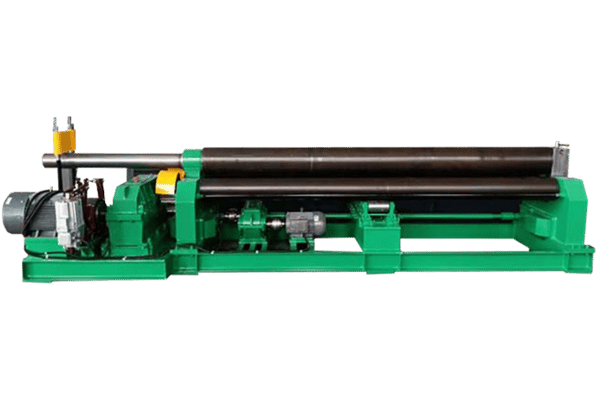
In vogue are manual benders, press brakes, roll benders, folding machines, and rotary-style horizontal bending tools. Each of these metal bending solutions serves distinct purposes, thus providing the utmost versatility and precision that different bending needs require. Examine these alternatives for CNC bending to choose one that suits your project or manufacturing process well.
The possibilities when using CNC Panel Benders are practically endless and . This machine offers additional accuracy for consistently precise bending through even deformed shapes, which is important in the aerospace and automotive industries. They improve the efficiency of production by letting machines perform routines such as loading, unloading, and bending, which in turn decrease turnaround time and dependency on manual labor. Materials are wasted less by CNC Panel Benders because of control systems that correct for material mistakes, thus conserving the materials. CNC Panel Benders are also very versatile in that they can be set up to handle different panel sizes and complex geometries with ease, making them application-friendly. Lastly, they help companies save money insofar as lowering labor costs, material waste, and rework, while increasing productivity.
Embed the latest in CNC Panel Bender technology, including innovations, uses, and tips to ensure precision and efficiency in metal bending.
The CNC panel bender machine is a must-have for any sheet metal workshop. If your goal is to purposefully expand technology on your production line or even if you...
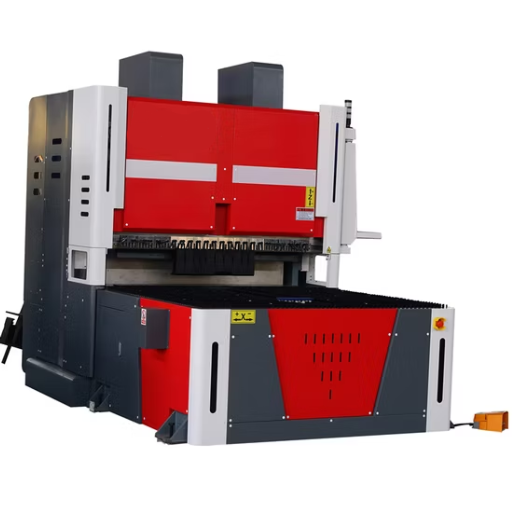
In the manufacturing industry, to stay ahead, precision and efficiency are a must. Sheet metal bending for CNC panel benders has evolved, thanks to advancements in automation and the...
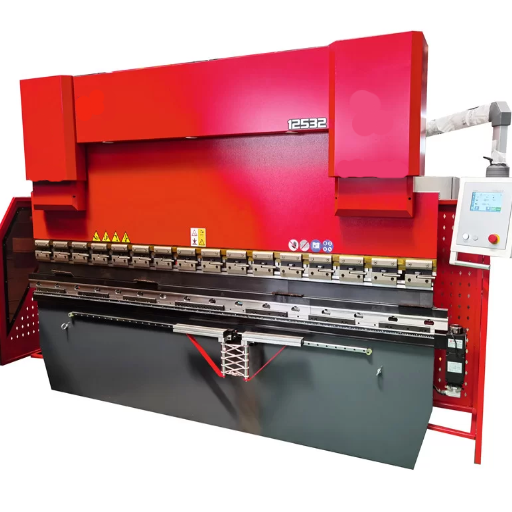
Central to modern manufacturing, CNC bending has changed metal manufacturing into a precise and efficient endeavor. The bending processes are necessary for creating forms and functionalities, whether in designing...
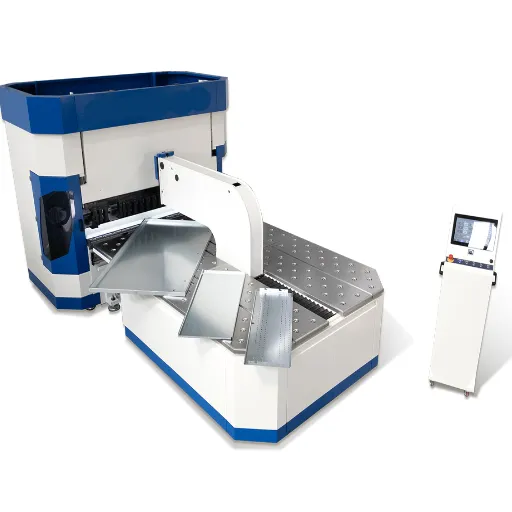
Metal sheet forming involves bending applications and has been the basic application shaping raw metal materials into definite parts needed in many industries. Previously, the press brake was a...
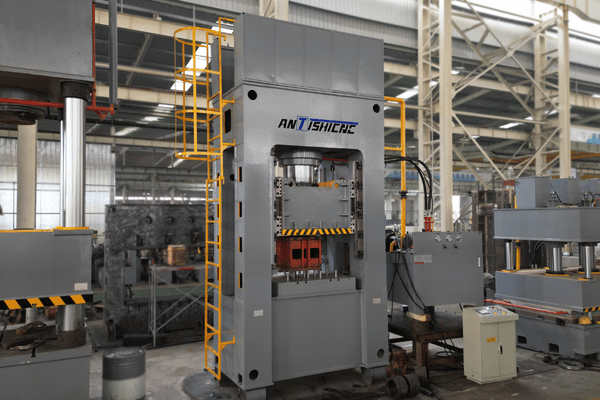
Uncover how our CNC panel bender can increase production efficiency, lower operational costs, and guarantee consistent quality for all your sheet metal-making needs.
A: A CNC panel bender is the name for a machine found in the metal fabrication field for bending metal sheets precisely. CNC stands for computer numerical control whereby the bending operation is automated to allow for repeated positioning and very accurate angle formation, usually up to a 90° angle.
A: Panel benders are used to fabricate parts for several industries such as automotive, aerospace, and civil engineering. Panel benders bend metal sheets into complex shapes and parts to make the manufacturing process more efficient.
A: A semi-automatic panel bender needs occasional manual intervention by the operator, whereas a fully automatic panel bender works independently from its initial setup. Also, the fully automatic type is faster and more efficient and suitable for large volume production.
A: These come in a variety of forms ranging from hydraulic to mechanical and CNC models. Each type is designed to serve different operational requirements and offer their own set of advantages ranging from speed to precision and ease of use during metal fabrication.
A: CNC metal panel benders normally last years depending on their usage, maintenance, and quality of construction. Usually, with the best care, they guarantee many years of reliable use on repetitive production jobs.
A: Customization options in panel bending are essential since businesses will customize their machine settings to the requirements of a particular project. This flexibility saves time in production and enables the production of one-of-a-kind parts to suit customer preferences.
A: The shear force is very important in the bending process since it determines how much force is applied to a sheet of metal. The shear force should be adjusted correctly so that when bending occurs, the material does not suffer damage or lose strength.
A: Repeated positioning is important in CNC panel bending for keeping consistent and precise bends on many parts. This becomes especially crucial when mass production is concerned, as national standards must be fulfilled in uniformity and precision.
WhatsApp us