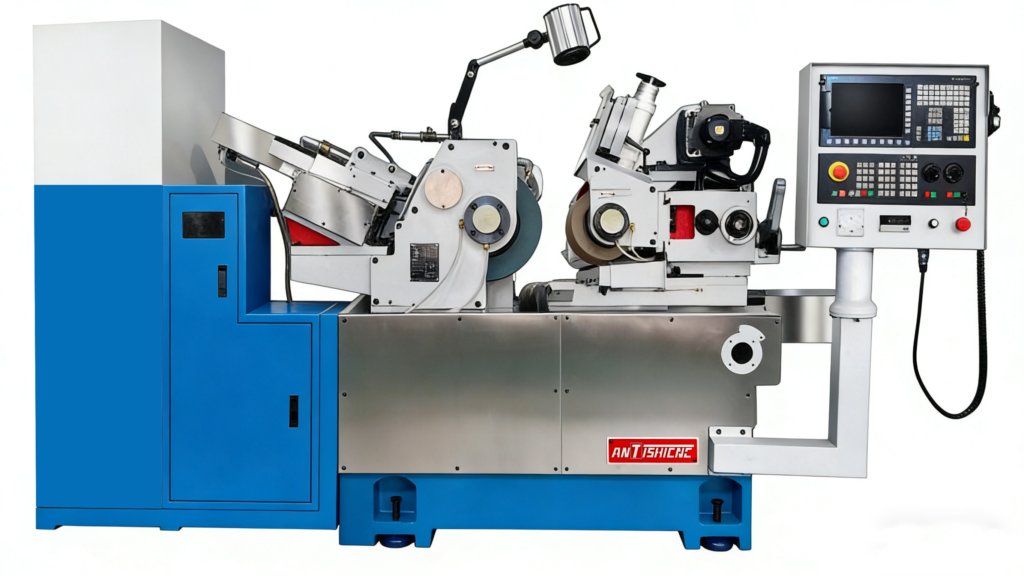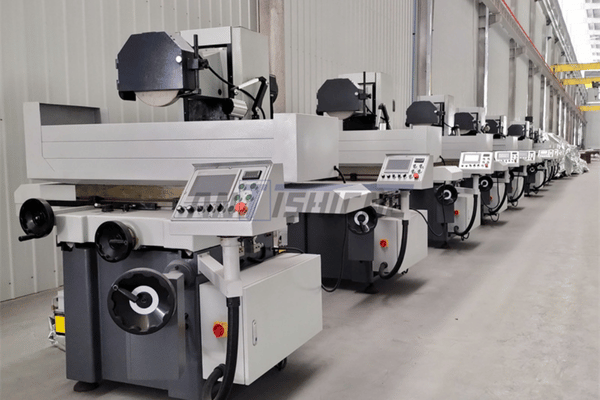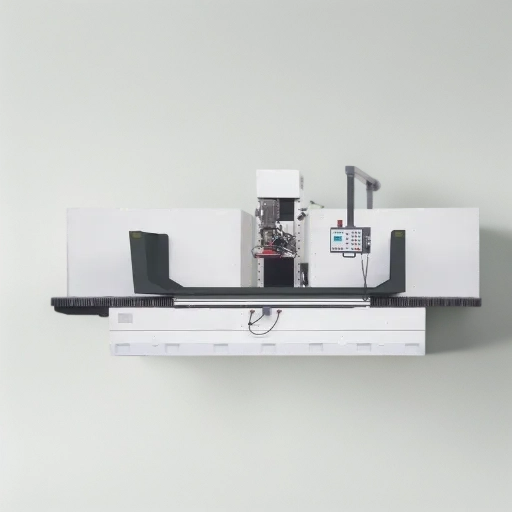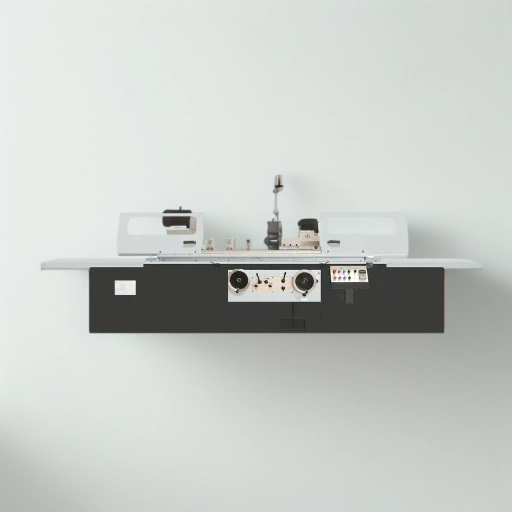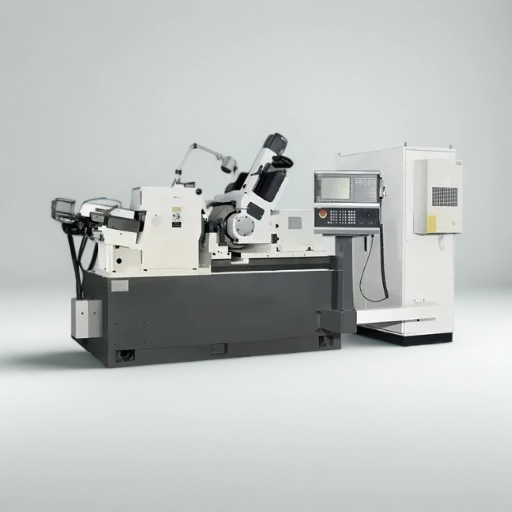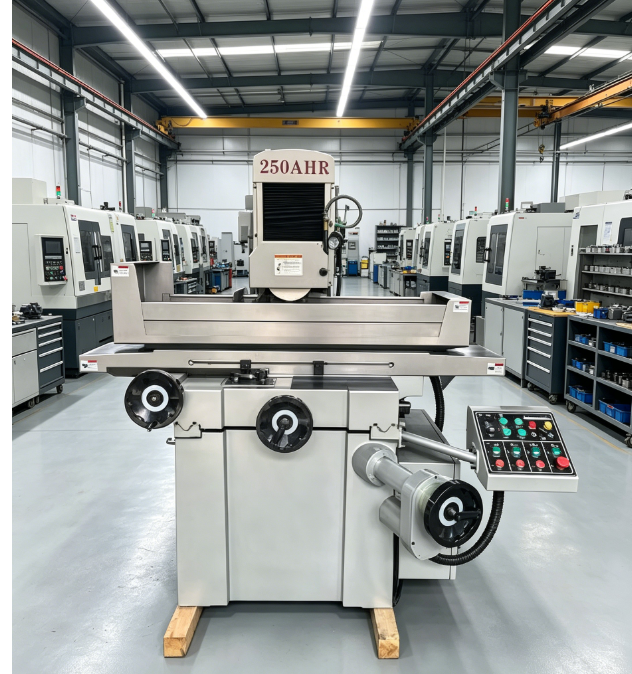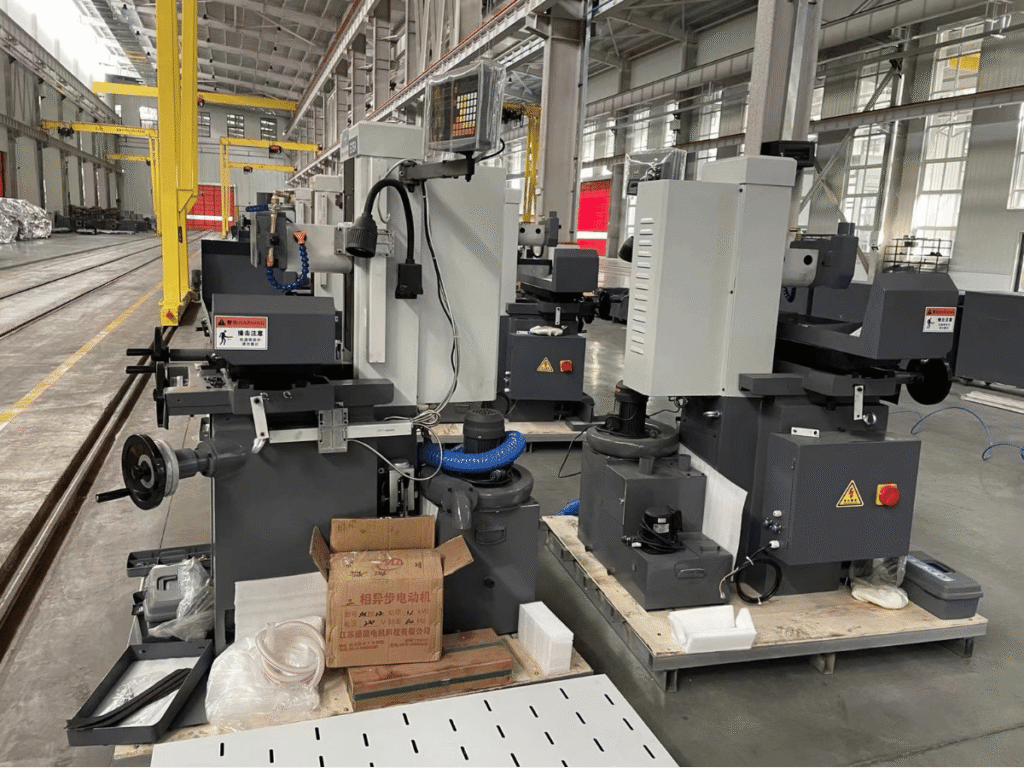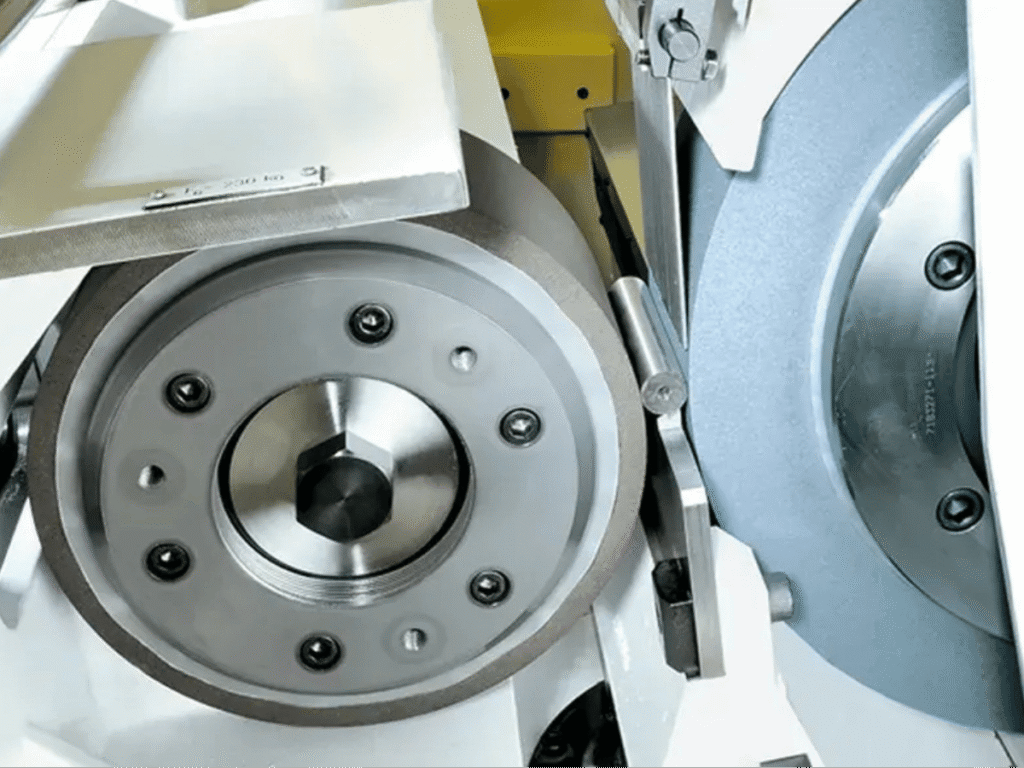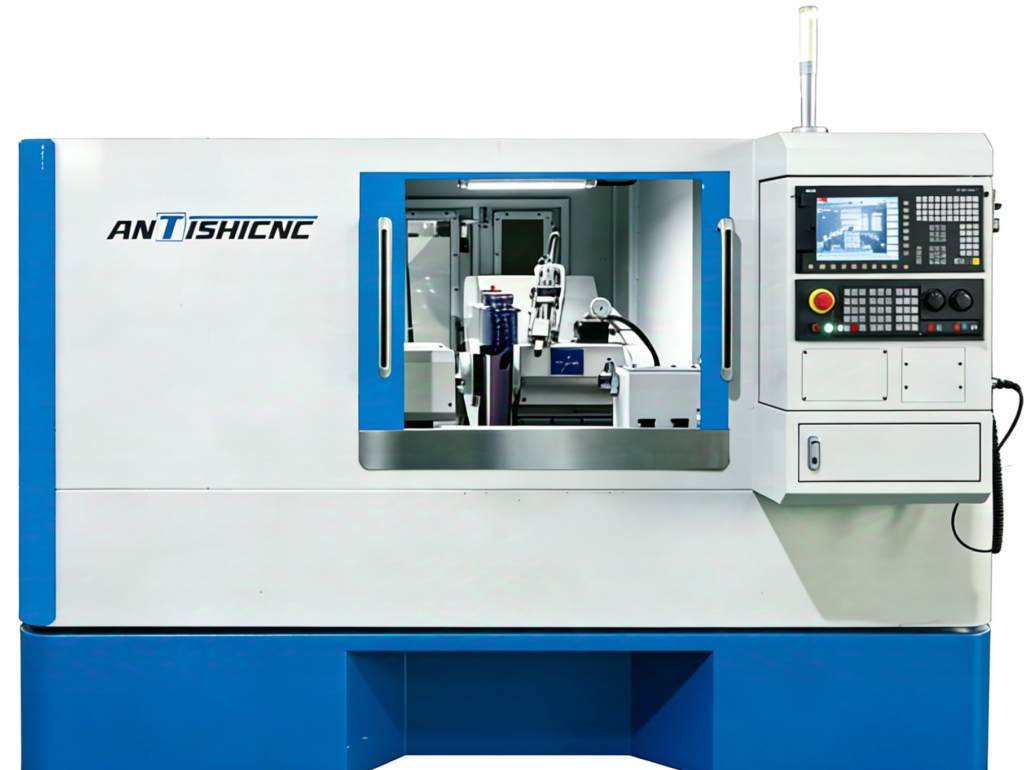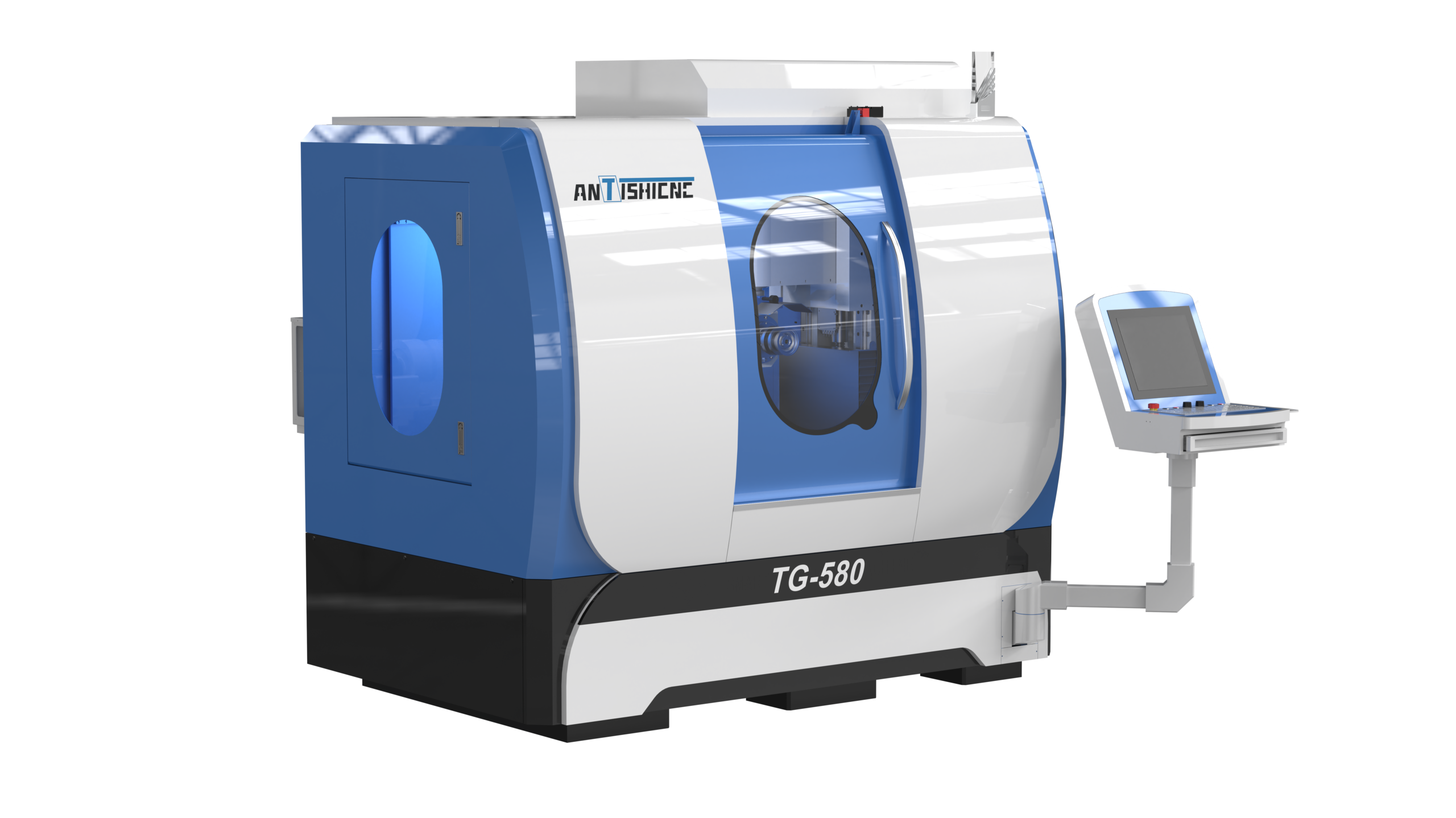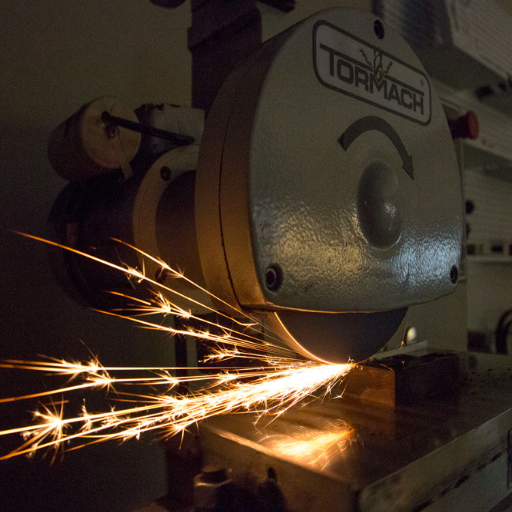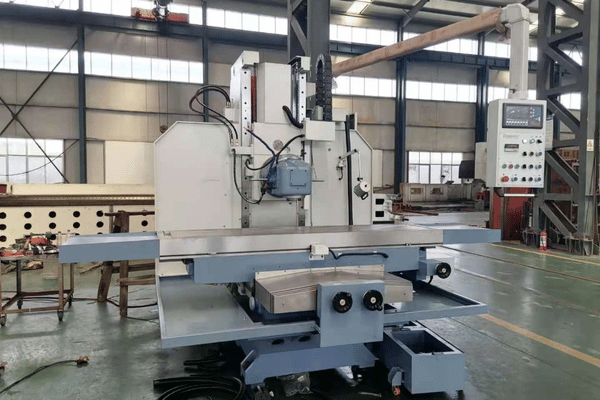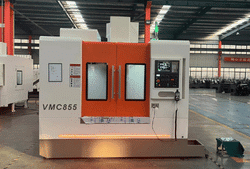
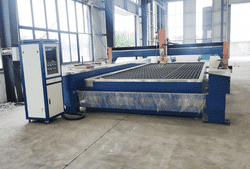
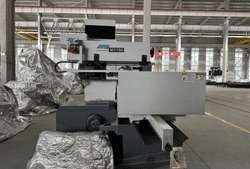
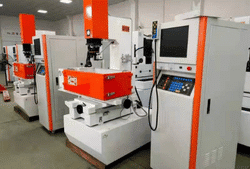
Revolutionize your metalworking processes with our state-of-the-art grinding technology. With our industrial-grade equipment, precision, efficiency, and surface quality are achieved to unparalleled levels.
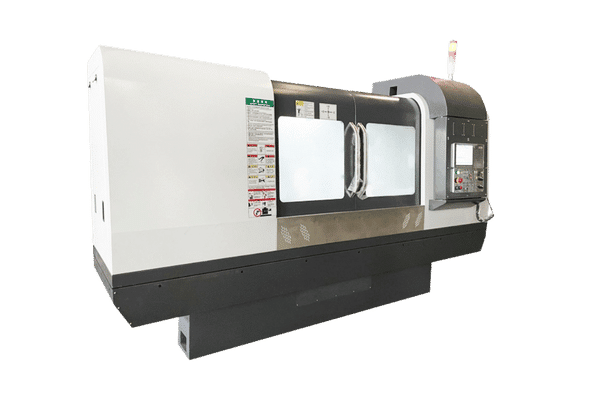

Attain smooth surface finishes and exact dimensions with the high-accuracy grinding features.
Built for consistent operation, enduring equipment failures, and performing with prolonged reliability, greatly reduces downtime.
Exceptional quality is maintained while tasks are being performed at an unparalleled pace, due to high-speed grinding.
Systems that are operatively ergonomic, reduce fatigue and learning time, making for more streamlined workflows.
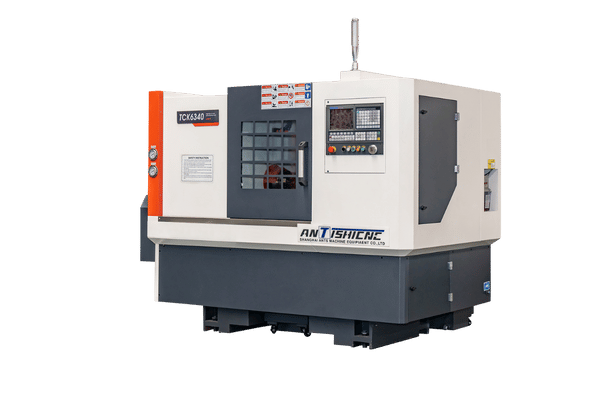
Explore the primary attributes of our metal grinding machine, purposefully engineered for accuracy, resilience, and operational efficiency in every task.
Automated and integrated safety with emergency stops, protective shields, and oversight systems for real-time monitoring.
Exceptional processing capabilities for thin, oiled, and even greasy materials with industry-leading refrigeration systems.
Can be equipped with up to 4 grinding heads for operations on various surfaces and materials concurrently.
Equipped with smart Industry 4.0 technologies, including smart sensors, automated systems, and remote supervision.
Uncover exceptional value on metal grinding tools for purchase. Tools built for reliability and perfection.
Table Size: 300 x 750 mm
Spindle Motor Power: 5 HP
Max. Table Speed: 18 m/min
Grinding Wheel Size: 350 x 50 x 127 mm
Grinding Spindle Speed: 1400 RPM
Grinding Length: Up to 400 mm
Center Height: 100 mm
Spindle Power: 3.7 kW (5 HP)
Grinding Wheel Diameter: 350 mm
Peripheral Speed: 25-50 m/s
Max Workpiece Weight: 50 kg
Grinding Range: 2-100 mm diameter
Grinding Wheel Size: 350 x 100 mm
Regulating Wheel Size: 230 x 100 mm
Regulating Wheel Speed: 20-200 RPM
Grinding Wheel Motor Power: 7.5 HP
Metals: carbon steel, stainless steel, titanium, aluminum, molybdenum, copper, and zirconium.
Special materials: greasy, oiled, and highly flammable thin metal parts.
Non-metals: composites, ceramics, and with the use of proper grinding wheels foamed polymers.
Hardened materials: aerospace alloys and tool steels.
This entails scheduled examinations of the parts, greasing of the mobile sections, as well as timely servicing of outdated belts or grinding wheels. Ensuring the machine’s alignment and calibration is sustained eliminates productivity losses and guarantees accuracy.
| Specification | Surface Grinders | Cylindrical Grinders | Centerless Grinders |
|---|---|---|---|
| Working Capacity | Up to 60" x 24" table | 12" diameter x 60" length | 0.015" to 9" diameter |
| Precision Tolerance | ±0.000020" (±0.5 µm) | ±0.000050" (±1.25 µm) | ±0.000020" (±0.5 µm) |
| Surface Finish | Ra 2 microinch (0.050 µm) | Ra 4 microinch (0.100 µm) | Ra 2 microinch (0.050 µm) |
| Spindle Speed | 1,800-3,600 RPM | 2,000-4,000 RPM | 1,500-6,000 RPM |
| Power Requirements | 15-50 HP motor | 20-75 HP motor | 25-100 HP motor |
| Control System | CNC/Manual options | Full CNC with touch screen | Automated feed control |
| Coolant System | Flood/Mist options | High-pressure flood system | Through-wheel coolant |
| Safety Features | Guards, E-stops, vibration monitoring | Enclosed grinding, auto-balancing | Load monitoring, auto-sizing |
Listen to happy clients discuss how our precision machine tools changed their operational workflows for the better.
A 4.5-inch grinder can cut steel up to 1/8 inch thick, while a 9-inch grinder can handle steel up to 1/2 inch or more
While grinding employs abrasive wheels to achieve fine surface finishes and exacting tolerances, milling employs multi-tooth cutters for material removal and shaping.
Prices for metal grinding machines vary from $8,000 for simple machines to advanced machines costing over $100,000, and reaching $2M for CNC grinders.
The classification for grinding machines that use metals as raw material tools is usually HS Code 8460.29, as it deals with the removal of metals with great accuracy.
Certain sophisticated materials, such as those incorporating ceramic microspheres or aluminum structures, exhibit resistance to angle grinders by resisting the application of cutting forces.
An angle grinder is the most effective metal grinding tool as it is effective and versatile with different metal cutting tasks.
Some frequent errors made while operating an angle grinder are failing to wear appropriate safety equipment, using the wrong discs, improper holding of the tool, improper piece securing, tool overloading, and tool overloading.
🛠️ Check out our newest blog posts for expert insights, tips, and updates on the tools you need to get the job done right.
Surface grinding is a crucial process in fine manufacturing, providing materials with exact specifications for flatness, roughness, and aesthetic finish. At the heart of surface grinding is a surface...
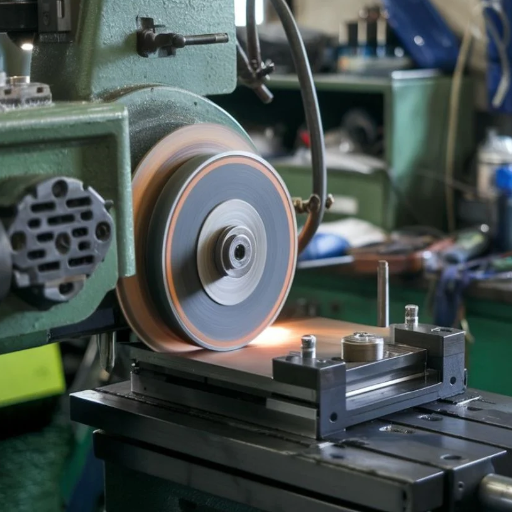
A corded angle grinder receives power directly from an electric source and, therefore, offers more power than a cordless angle grinder. They need to be employed in heavy-duty and...
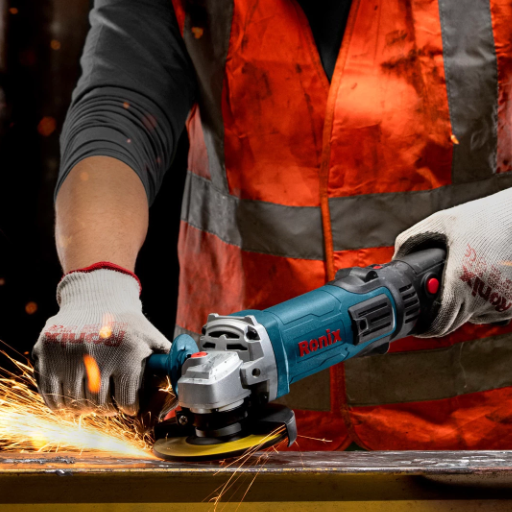
A power tool capable of multifarious usage is rarely considered more versatile and more indispensable than an angle grinder. Such devices for the uses of professionals and casual users...
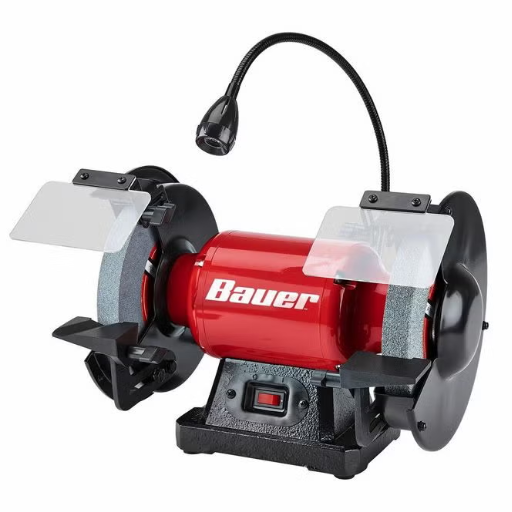
A bench grinder is one of those super-versatile, must-have workshop tools, and the 6-inch version happens to strike just the right balance of power, precision, and practicality. Whether you’re...
Improve your processes with our effective Metal Grinding Equipment. Reach out or request a quotation to get started with us today!
A: Equipment used in metal grinding is the item used to cut sections of metal and remove portions of it. It includes the following processes such as surface grinding, cylindrical grinding, precision grinding. It makes use of grinding wheels, abrasives, and rotating tools to achieve the desired quality and finish on metal parts.
A: Surface grinding machines remove materials by grinding them with a rotating abrasive wheel. The workpiece is stationary, and the grinding wheel engages in linear movement in and out, creating a smooth finish as the grinding wheel disengages. It is a common practice in machine shops where precision is important.
A: Bench grinders are stationary machines attached to a workbench and are used for more coarse work like rough grinding and sharpening tools. A die grinder is the opposite to a bench grinder as it is handheld and used on tight areas that require polishing and precision grinding.
A: Included in the general categories of grinding machines in use are surface, cylindrical, tool and cutter, and belt grinders. Also, each is made to carry out many distinct types of grinding such as internal grinding, gear grinding, and profile grinding on different materials.
A: Use of appropriate Personal Protective Equipment such as goggles, gloves and ear muffs is a must, as is routine checking for proper mounting and general upkeep of the grinding wheels.
A: Yes, it is plausible to use grinders for polishing with the right metals. Attaching the proper polishing wheels such as a wheel that is abrasive and meant for polishing assures that metal parts will achieve high polishing. However, a suitable grinder and adequate accessories must be on hand to ensure that no undue damage is inflicted on the workpiece during polishing.
WhatsApp us