




In a number of ways, one may compare the selection of your CNC lathe to trying to look for that one correct path towards the exit in one of those twisted creepy-huge mazes full of choices while facing myriad attributes, capabilities, and prices. Whether you are a seasoned machinist or a beginner to CNC machining, you need to pick the right CNC lathe if you are desirous of accuracy, speed, and quality for your particular projects. In an effort toward winning that battle, this guide is designed to form a systematic approach to serve as a hand-holding aid in ensuring that you make the right decision for yourself. You will actually get through the types of lathes, how to evaluate their worth and their costs range, and much much more. Nonetheless you will be able to read and make sound decisions after having been acquainted with all this requisite knowledge, in order to prepare your projects in line for success right from the word go.
Understanding CNC Lathes
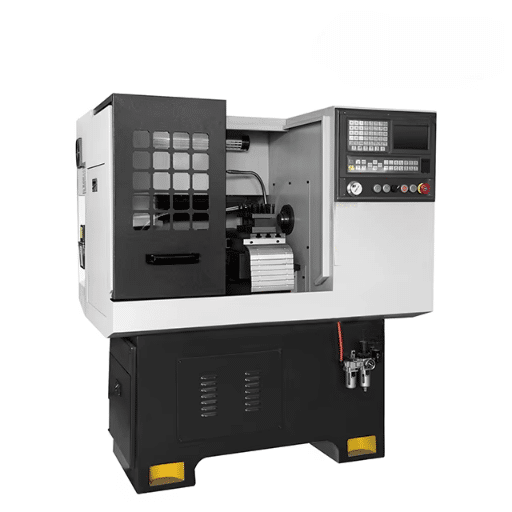
CNC lathes are extremely precise machines that are utilized to create different shapes from metals, woods, or plastics through the process of the workpiece’s rotation along with simultaneously cutting the tools that are positioned in a certain manner to remove the material. They depend on computer numerical control (CNC) for automating the whole process which guarantees very high precision and repeatability. Besides, these machines are very flexible in use and can perform a variety of operations including but not limited to turning, threading, drilling, etc. The factors that influence the decision of the appropriate CNC lathe include the project specifications, the nature of the material, and the volume of production, which is the reason why these lathes have become an indispensable asset in sectors like manufacturing, automotive, and aircraft.
What is a CNC Lathe?
A CNC lathe is a machine that is operated by Computer Numerical Control (CNC) and it provides for cutting, finishing, and further shaping of materials quite accurately and swiftly without requiring regular holds for manual intervention. This machine allows the work to rotate about an axis while the cutting tool does not move but stays stationary; this system signifies that cutting operations such as turning, boring, intruding, threading, and others, get carried out with incredible precision so that very precise patterns can be made. Every movement the machine makes and every particular action it takes are set out through CNC; the precise instructions get entered as a code by programmers who use sophisticated software. CNC lathes are a major requirement in the manufacturing, automotive, aviation and medical instrument sectors. The apparatus is able to handle all sorts of materials including metals, woods, and plastics. And the ability CNC lathes have in making elaborate parts with reproducible precision has rendered them very important to both high-volume production and custom work.
Importance of CNC Lathes in Modern Manufacturing
CNC lathes are crucial to modern manufacturing, delivering unmatched precision, efficiency, and flexibility. These machines take over complex processes and thus, save the production time and a lot of errors that can be made when doing things manually. The industries whose production involves CNC lathes can afford to provide very short lead times since they are always precise and the quality of the components is still very high. Moreover, the CNC lathes’ versatility leads manufacturers to be able to use different kinds of materials like metals, polymers, and composite materials thus they can easily come up with intricate designs for the sectors such as aerospace, medical devices, and automotive. In addition, CNC lathes help in cutting down costs by lessening the amount of material wasted and labor paid, hence being very much needed in the manufacturers’ battle for the market.
Applications of CNC Lathes in Various Industries
✈️ Aerospace Industry
The use of CNC lathes in the aerospace industry is primarily for making high-precision parts such as engine components, turbine blades, and structural pieces, thereby assuring the reliability and safety of the whole aircraft and spacecraft manufacturing process.
🚗 Automotive Industry
Machines of this kind are responsible for producing very accurate and efficient parts like engine cylinders, brake discs, and crankshafts that are necessary in the whole automobile manufacturing process and are compliant with the strict industry standards.
🏥 Medical Industry
Intricate yet precise medical equipment such as surgical instruments, prosthetic devices, and implants produced by CNC lathes are gradually replacing the traditional manufacturing process due to their support in cutting-edge healthcare treatment.
💻 Electronics Industry
Compact electronic component manufacturing such as connectors, heat sinks, and housings is now possible thanks to the precision machining by CNC lathes.
⛽ Oil and Gas Industry
The oil and gas industry has realized the potential of CNC lathes in making strong and long-lasting parts such as valve components, fittings, and pipes that can endure the high-pressure and extreme environmental conditions.
Factors to Consider When Choosing the Right CNC Lathe

There are several major factors that should be considered when choosing the most suitable CNC lathe for your requirements. These five factors are the ones that you should definitely take into account:
📏 Machine Size and Capacity
Take a close look at the lathe’s dimensions and capacity to make sure that it will fit in your workspace and at the same time it will be able to handle the size of the parts you intend to produce.
⚡ Spindle Speed and Power
The spindle speed and power should be evaluated as the lathe may be required to handle the materials and precision of your projects.
🖥️ Control System
Go for a control system that is easy to use, can work with your applications, and provides good programming and operation support.
🔧 Tooling Options
Look into the tooling options’ availability and flexibility so that you can always have the tools for your specific machining tasks.
💰 Cost and Maintenance
Break down the initial cost, operating expenses, and maintenance requirements so that the lathe not only fits into your budget but also remains cost-effective over the long run.
Project Scale and Production Volume
In the selection of the appropriate CNC lathe, project size and production volume are among the most important factors that need thorough examination. For less elaborate projects or the manufacture of samples, it may be acceptable to have a small lathe with an even lower production capacity, as this would help in saving costs and providing flexibility. Conversely, when it comes to large-scale production, the investment in a heavy-duty and high-capacity CNC lathe is nothing less than a requirement. Such machines have the ability to run longer production cycles while maintaining the same level of accuracy and efficiency, which in turn leads to less downtime and more output. Recent industry reports reveal that a lot of companies now opt for CNC lathes with automation and versatility as their main feature in order to not only meet the high demand but also to be able to shift easily in the project requirements. Finally, to be efficient, scalable, and long-term profitable it is essential to choose a CNC lathe that fits perfectly with your current and future production needs.
Material Compatibility and Machinability
Selecting a suitable CNC lathe brings evaluating material compatibility and machinability as the primary factors to consider if the goal is to ensure the best performance and highest precision possible. The material choice drastically affects the tool wear, thus lengthening or shortening the cycle time, and the quality of the product; softer materials, e.g., aluminum or brass, usually are the easiest to machine thus they need less robust equipment and the tough ones such as stainless steel or titanium are the ones needing high torque, durability and proper cooling systems with advanced heat and wear management techniques.
Companies usually go for CNC lathes that are capable of handling a wide variety of materials to keep the option of changing the material open. It is wise to ask for hardness, tensile strength, and thermal stability of the material before considering the tooling and spindle options that best match the properties of the material. Machines with adaptive machining capabilities and a wide compatibility spectrum are better positioned to not only meet the requirements of the present projects but also the future ones, therefore, helping to maintain efficiency and minimizing downtime for different applications.
Budget Considerations for CNC Lathe Machines
The budget should be thoroughly prepared for purchasing a CNC lathe, considering upfront costs, spending on machine setting up, and possibly a variable costing structure in the future based on the kind of operations. Machines designed with optimum operational details and high filing-order costs may be quite expensive but provide maximum efficiency and operational life, thus reducing the cost of operation and maintenance over the years. In addition to these costs, the three principal areas where one should concentrate include on the cost of power consumed by the machine, tools and software licenses that claw away at your expense of operation, easily being the largest part of your budget. Moreover, look to see whether financing or leasing options can help relax your purchasing tensions. Finally, consider the possibilities taking the value in mind in figuring how it fits into your various production requirements and how bad you want it.
Categorization of Lathe Types
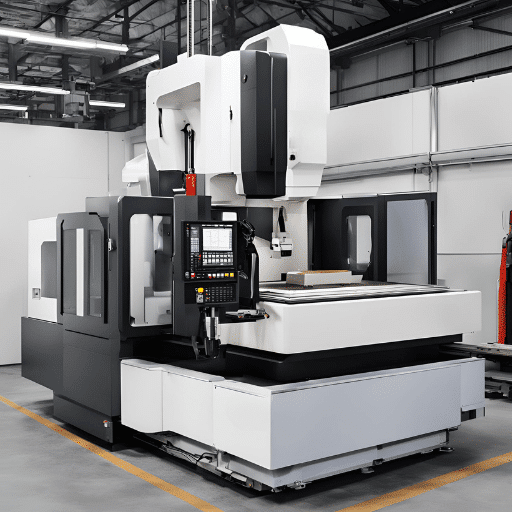
Horizontal vs. Vertical Lathes
Horizontal lathes and vertical lathes differ in their orientation, capabilities, workpiece types, and space requirements.
2-Axis vs. Multi-Axis Turning Centers
2-Axis turning centers are simpler and more economical, while multi-axis turning centers offer greater complexity, precision, and efficiency for intricate tasks.
Specialty Lathes and Their Applications
Specialty lathes are specialized devices that work on specific tasks and are created for certain situations where regular lathes may not be the best choice. The most popular ones are:
- Turret Lathes: Perfect for rapid production of multiple identical parts, they are commonly found in high-speed production environments.
- CNC Lathes: These are the best in precision and automation, therefore, they are extensively used in the manufacturing of aerospace, automotive, and medical devices.
- Vertical Lathes: Capable of machining large, heavy, and uncommonly formed parts, they are widely used in the energy and construction sectors.
- Jeweler’s Lathes: Perfect for delicate and intricate work, these lathes are beyond any other in the field of fine jewelry and small precision components manufacturing.
- Wheel Lathes: Mainly for either rebuilding or making new train wheels which is a safety and performance consideration for the rail industry.
The unique features of each type contribute to the overall efficiency and precision in their respective areas. Choosing the right specialty lathe is based on the difficulty, size, and aim of the job.
Evaluating CNC Lathe Machine Specifications
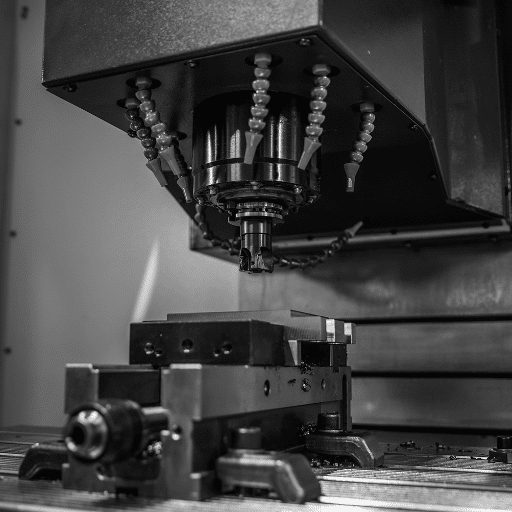
Once should consider in the specification of a CNC lathe machine, examining the maximum turning diameter and length of the machine, spindle speed, motor power and axis configuration are of just as much concern. The customer’s access to the control system must be verified for compatibility with the intended applications to ensure that machine is capable of providing requisite precision and output. Moreover, consider the lathe’s build quality, tool turret configurations and optional features, which help identify the lathe that could potentially satisfy production requirements within your financial means.
Understanding Spindle Speed and Horsepower
To early important inputs for the critical performance of such systems are the RPM spindle (or spindle speed) and HP (horsepower) rating. Spindle speed in RPM means direct power to the cutting speed and surface finish of the job. Higher-speed machines will come in handy for machining small parts or soft material types, while slow-speed types are excellent for bigger parts or hard material types. The horsepower, however, is a measure of the energy needed to drive the spindle along with the tooling. Galvanizing the level of horsepower by adding fuel to the machining tool can simultaneously make lasting effort possible over fifteen terms for machines to continue with heavy-duty cutting and processing of hard materials without interruption. The parameters of spindle speed and horsepower have to be kept in check in order to suck each other of the machine’s use and upkeep, proper machining precision, and what is being machined.
Importance of Axis Travel and Tooling Options
The axis travel and tooling options are two pivotal factors for the versatility and effectiveness of a CNC lathe. By axis travel, it is meant the motion range for each axis of the machine that it can attain, which at the same time determines the size and the complexity of parts that can be manufactured. The machines featuring higher axis travel can produce bigger workpieces and more detailed patterns, thus, they find uses in the various fields of the industry such as aerospace, automotive, and medical ones.
In sharp contrast, tooling options focus primarily on the performance of the CNC lathe and its full range of machining operations. Advanced tooling systems, such as live tooling or turret with multiple toolings, are instrumental in enabling a combi-operation suite: milling, drilling, and turning can be performed on one setup leading in turn to the maximization of productivity and the consequent reduction of machining time in general. Further, as modern CNC lathes feature an automatic tool changer, a concept so much associated with automation, these units increase the gains in efficiency through a smoother workflow.
If manufacturers have the correct combinations of axis travel and tooling options on hand, they can elevate their entire system for optimum production capabilities, initiate a decrease in downtimes, and cost-effective machining while contending with a swiftly shifting market demand.
Evaluating CNC Control Systems
In the course of assessing various CNC control systems, it is highly important to take into account some features such as the user interface, the functionalities, and the compatibility with the machines already in use. A good control system must provide easy programming features, be able to use advanced automation, and grant the highest precision in operations. Moreover, manufacturers should be considering the system’s CAD/CAM software compatibility and general reliability. It is equally important to go for a system that comes with good after-sales support and frequent updates of the software to avoid productivity loss and keep up with the future technology changes.
Optimizing CNC Lathe Use for Project Needs
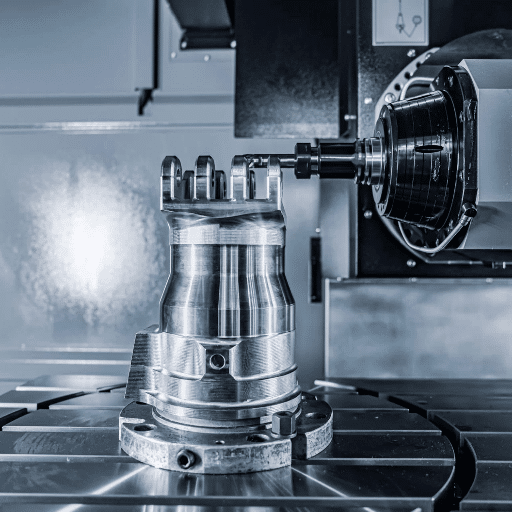
To maximize the CNC lathe usage for the project requirement, one must concentrate on proper tooling selection, ensuring that the machines are well-calibrated, and adopting efficient programming techniques. The project must be looked into with the machine capability in terms of material and complexity and can be validated by simulation software to eliminate errors. Maintenance on a regular basis along with operator training is another critical element for accuracy and for reducing machine downtime at the rates of high production benefits.
Prototyping with CNC Lathes
CNC lathe prototyping is the fastest and most accurate way to manufacture parts. One might wonder how to make the best use of it for continuous prototyping. The answers provided through the materials-selection and tool engineering-optimization and design-improvement processes will most probably satisfy the readers. A selection of appropriate materials for the task makes sure that waste is reduced while accuracy gets better as well. Moreover, cutting-edge tooling, such as coated carbide inserts, increase durability as well as accuracy. Similarly, when software design packages are included in the programming system of CNC, the solutions worked out in no time and without any error. Frequent calibration and testing across the various prototyping phases are always beneficial in achieving the best final-output quality and ensuring satisfaction of the project brief. These strategies can really render CNC lathe prototype work a provider of consistent high-quality outputs.
Full-Scale Production Techniques
The use of CNC lathes in full-scale production means that the whole operation will be more efficiently, consistently, and cost-effectively. It all starts with the toolpaths being optimized and suitable materials being selected to guarantee compatibility and durability. Giving priority to the maintenance of the lathe as a whole will result in the least amount of downtime and high precision being sustained for the entire production runs. Automated loading systems, which could be either robotic arms or bar feeders, can be put in place to make the flow of work smoother and also to minimize the number of workers required. Moreover, the introduction of quality control measures, like in-process monitoring and post-production inspections, is going to be very helpful in sustaining output and meeting the requirements of the industry. The employment of these techniques makes it possible to achieve a very reliable, scalable production with the least amount of waste.
Best Practices for Lathe Operation
1
Perform Regular Maintenance
Keep the lathe clean and well-nourished with lubricants so that no wear comes about and it remains functioning at its best. Make it a routine to check spindle, bearings, belts and other critical parts.
2
Use Correct Tooling
The correct cutting tools specifically meant for the material that is being processed must be selected. The use of sharp tools will not only improve precision but will also reduce the stress on the machine.
3
Set Optimal Speeds and Feeds
Alter the speed and feed rates that are according to the material and tool that are in use. Working with wrong settings can quickly wear out the tools and the quality of the product can also be compromised.
4
Ensure Proper Workpiece Setup
Tighten the workpiece securely enough to prevent it from slipping or vibrating during operation. To ensure accuracy, recheck alignments.
5
Follow Safety Protocols
Always put on the right personal protective equipment (PPE) and do not leave the lathe running unattended. Be careful not to wear loose clothes or accessories that may get entangled in the machine.
6
Inspect Results Regularly
The machined parts should be monitored all the time for consistency and accuracy. Issues that are detected early will not only save the cost of repair but also the time that would have been lost during the downtime.
📚 Reference Sources
-
Design and Manufacture of a CNC Desktop Lathe for Use in a Project-Based Class
- This study focuses on the design and application of a CNC desktop lathe in educational settings, emphasizing its practical use in project-based learning.
- Access the paper here
-
A CAD/CAM/CNC Curriculum for High School Students
- This research explores the integration of CNC machines into high school curriculums, providing insights into their educational applications and benefits.
- Read the study here
-
A Hands-On Manufacturing Curriculum for High School Students
- This paper discusses the development and implementation of a hands-on curriculum involving CNC lathes, highlighting their role in teaching manufacturing skills.
- View the document here
- Premium Metalworking Lathes for Sale
Frequently Asked Questions (FAQs)
❓ How do I choose the right cnc lathe machine for my projects?
The cnc lathe machine is right for you when you start by splashing out your particular requirements: maximum part size, types of materials, production volume, and precision level. Make your decision depending if you need either the entry-level cnc reel lathes for prototyping or a sophisticated one for difficult tasks and highly accurate production. Look at the machining process characteristics such as spindle power, turret type, travel of the carriage, and does the machine support cnc milling or live tooling for multi-axis work? Also consider the costs of maintenance, the amount of spare parts available and training for the operator, so you can incorporate cnc lathes into your workflow and make the right decision.
❓ Are entry-level cnc lathes suitable for diverse projects and complex projects?
Diverse projects can be done on entry-level cnc lathes provided your work consists mainly of making simple turning and low-volume parts. Oppositely, projects requiring multi-axis cnc turning, live tooling or tight tolerances basics will lead to the need of more powerful and new high-end cnc options. You will have to decide if the machine is compatible with the CAM software that your company is using and whether the machine can be upgraded to add the features like milling or sub-spindles thus increasing the productivity of your machine.
❓ What must a cnc lathe provide for high precision and accuracy in production?
A cnc lathe must provide solid construction, stable spindle bearings, accurate feedback systems, and good thermal management to guarantee precise and accurate outputs. Check for evidence of precision standards, for instance, by the amount of spindle runout and positional repeatability. Elimination of variability is achieved through integration with computer-aided manufacturing workflows and tooling practices. To assure that the machine meets your project requirements, conduct testing on parts or reference cycles and check the maintenance plans for accuracy that is to be preserved over time.
❓ How do maintenance costs and availability of spare parts affect choosing a cnc lathe?
One of the most critical determinants in influencing total cost of ownership is maintenance and the availability of spare parts. Numerous repairs and service charges are usually associated with machines designed with the widely available components, like Fanuc for controls, standard bearings, and common spindles. With decisions on whether or not service is available locally, whether there are any warranty options, and whether the manufacturer stocks spare parts, you will have gathered some critical data that will help you make the right decisions as opposed to having delays due to the unexpected costs of rework.
❓ Can I integrate cnc lathes into my existing operations and cnc milling workflows?
Yes, it is possible to integrate cnc lathes into current operations with good planning: check if the CAM software is compatible, prepare the operators with proper training, and create workflows for material handling and inspection. If you already have a cnc milling then consider getting a lathe that can do live tooling and multitasking thus minimizing setups and improving throughput. Training in the operation of the new cnc and programming standardization help in achieving maximum realization of the lathes potential and also making the transition easy for your crew to talk about.