




Using a CNC lathe properly requires precision, artfulness, and knowledge of the latest tooling techniques. Anyone who wishes to refresh the knowledge must consider mastering the advanced CNC lathe operations as this would be the vital step towards the full exploitation of the machines. The article is basically discussing performance boost, accuracy improvement, and professional cutting methods for easy machining of hardest works. It is of no consequence whether you are looking to shorten the time needed for labor, get the tool to last longer, or to create perfect surfaces; this handbook will provide you with the necessary practical skills for the next level of machining. Watch out for the cutting-edge methods that are making you more competitive in CNC manufacturing.
Understanding CNC Lathe Machines
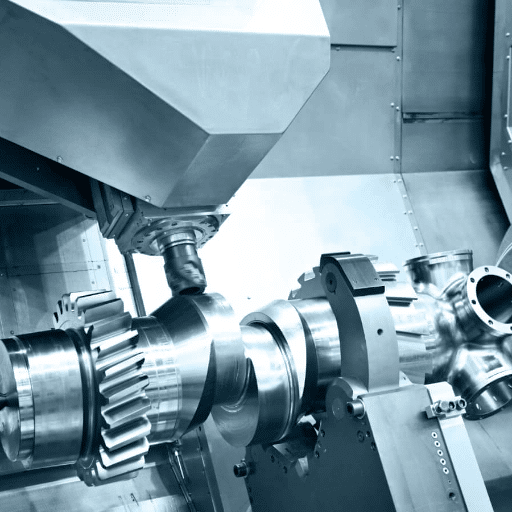
CNC lathe machines are crucial in the modern manufacturing process as they are very good at cutting and shaping different materials like metal, plastic, and wood with ease and precision. The working of these machines is done by the spinning of the workpiece and the cutting tool moving along the programmed paths to get the exact shape. The CNC control of the machines ensures high precision and consistency, which is a feature that makes them ideal for the rapid production of complex parts. Typical applications of CNC lathe include, among others, the production of cylindrical components, threads, and intricate designs, and they are frequently used in such industries as automotive, aerospace, and medical manufacturing.
Overview of CNC Lathe Technology
CNC lathe machines are the latest generation of tools that not only depend upon but also very much look after the shaping of materials done in a highly controlled manner of precision. They are working by locking the workpiece onto a spindle that rotates the cutting tool moves along set paths that are dictated by the CNC programming. this makes the production of very accurate and repeatable parts with hardly any human intervention at all. CNC lathes are widely used to make round shapes, threads, and complex structures with very high precision.
Some of the major benefits consist of boosted productivity, less/error of operators, and the capability to deal with very complicated designs through the use of manual lathes that are not capable. The fields of automotive, aerospace, medical device manufacturing, and electronics are just a few that are mostly dependent on CNC lathe technology for its ability to provide standard quality control, production rates, and flexibility in the choice of materials like metal, plastic, and composite. The combination of lathes’ versatility and high-tech software integration really makes them a necessity tool in today’s manufacturing environment.
Types of CNC Lathe Machines
There are several types of CNC lathe machines, including horizontal, vertical, multi-axis, Swiss-type, and turning centers.
Key Components of a CNC Lathe
A CNC lathe is composed of different but very crucial parts that make its operation precise:
Headstock
The spindle and motor are housed in the headstock and the workpiece gets rotational movement from it. The headstock usually has gear systems for speed regulation.
Chuck
A holding tool that grips the workpiece firmly and does not allow for any movement during machining.
Tool Turret
A tool holder that can be indexed and that facilitates the quick change of cutting tools to perform different operations.
Bed
The bed is the basis that supports all the other parts and it also provides an even surface and alignment.
Carriage and Slide
The two components enable the cutting tools to move along the X and Z axes and this allows for shaping with great precision.
Control Panel
This is the programming and controlling interface of the CNC machine, it makes it possible for the operator to easily set parameters.
Tailstock
Gives the long workpieces or drilling and boring operations extra support.
Coolant System
Keeps the temperature of the tools and workpiece in check, hence reducing wear and ensuring high-quality finishes.
Along with these parts being very good in their individual working, they help each other to be accurate and consistent in the whole variety of machining tasks.
Advanced CNC Lathe Programming Techniques
Introduction to CNC Programming
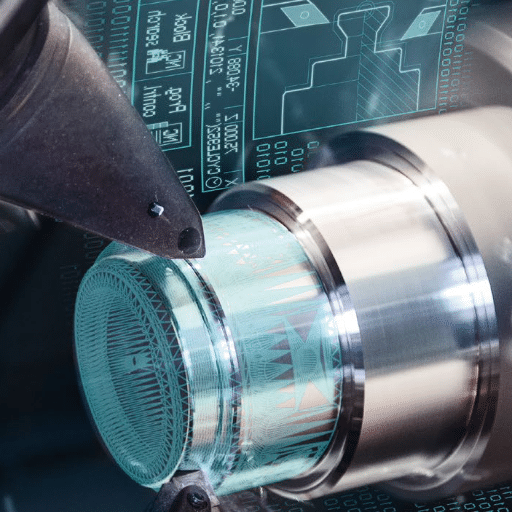
CNC programming is the process of penning down the commands for a CNC machine to follow during the making of a particular component. These commands, called G-code, oversee different features of the machine like its relocation, pace, and tool changing activities. Good CNC programming gives precision, effectiveness, and uniformity in manufacturing as a result. The procedure usually includes inventing a component with CAD software, converting the image into CAM software to get the needed code, and running the program on the CNC machine. Through acquiring the skill of CNC programming, the operators will be able to refine the machining processes and generate excellent quality outputs.
Optimizing Toolpath Strategies
CNC machining processes require optimizing toolpath strategies as one of the main factors for their efficiency and productivity enhancement. One main method is the cutting of non-productive tool movements, and this ensures that the cutting tool gets more time doing the work than traversing between the operations. Advanced CAM software features such as adaptive clearing can take advantage of shorter machining time while maintaining tool life through constant cutting load. In addition, the most suitable toolpath patterns can be chosen – whether linear, spiral, or zigzag – taking into account the material and part geometry which can lead to significant improvement in surface finish and tool life increase. By the regular updating of machining methods and the usage of the latest industry insights, the toolpaths are kept efficient, cost-effective, and in line with the changing production requirements.
Advanced CNC Lathe Programming Techniques
Precision, efficiency, and adaptability are the three characteristics that should be present in any advanced CNC lathe programming. The first step in this direction is to optimize the cutting parameters, including feed rate, spindle speed, and depth of cut, according to the characteristics of the material being processed. Canned cycles should be implemented for tasks that involve a lot of repetition such as threading, boring, or drilling, so that the operations can be done faster and less programming time is required. Transformations of coordinates and subprograms can also be used to deal with complex geometries in a more efficient way. The use of simulation software prior to execution guarantees that the machining process will be free of errors and that there will be less material waste. One’s commitment to keeping abreast of the latest software improvements and machine capabilities not only increases the reliability of the program but also the quality of the production.
Enhancing Precision in CNC Turning
Importance of Precision in Machining
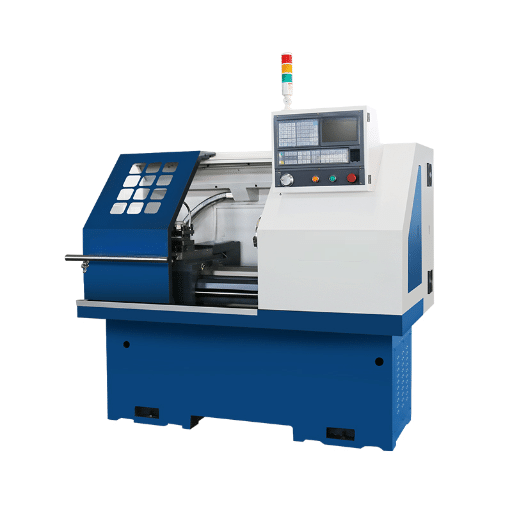
CNC machining precision is of utmost importance to obtain high-quality and reliable parts in different industries, such as aerospace, automotive, and medical sectors. The use of precise machining techniques not only leads to lesser errors but also helps in the conservation of materials and in the reduction of production costs. The state of the art CNC technology allows the machines to work within tolerances as tight as 0.001 inches thus, producing detailed and uniform parts. From the latest search trend reports, it can be inferred that manufacturers are seeking more and more paving the way for the entire winery to such things which will enhance the precision of the process like better cutting tools, upgraded software, and real-time monitoring systems. When a company makes precision its top priority, it becomes possible to not only comply with the strict guidelines of the industry, but also to save on rework and to become a more satisfying supplier—all of this is a plus when it comes to the company’s competitive position in the market.
Techniques to Improve Surface Finish
The improvement of the surface finish in CNC machining is a process that requires the combination of optimized processes, advanced tools, and cutting-edge technologies. This is evidenced by the latest search trends. Below are some of the most effective methods:
Using High-Quality Cutting Tools
Select the instruments that are intended for outstanding surface finish only, e.g. carbide or diamond-coated tools. The mentioned substances give sharper edges and longer service life compared to usual ones and consequently, the defects caused by wear of the tool are eliminated.
Tuning Cutting Parameters
Tuning feeds, speeds, and depths of cut, to the point where marks from the tool and chatter are almost imperceptible. A combination of slower feed and higher spindle speed is especially good for a smooth surface.
Application of the Secondary Finishing Techniques
Polishing, grinding, or vibratory finishing are the processes that can be applied after machining to get rid of any surface roughness and to re-texture the surface.
Use of Coolants and Lubricants
Apply the right amount of coolants so that the heat generation is kept to a minimum and the material does not deform, which could cause the surface to be finished badly. Proper lubrication also helps during machining by reducing friction.
High-Precision CNC Machines Investment
The use of CNC machines with advanced controls and capabilities is recommended. The machines that come with real-time monitoring and feedback systems are the ones that can guarantee maximum accuracy and consistency.
Updated CAD/CAM Software Implementation
The latest computer-aided design and manufacturing software make it possible to plan and simulate the toolpath with great accuracy, thereby minimizing errors in machining that might result in a degrading finish.
Thanks to the integration of these techniques and the constant updates of CNC technology, businesses can have excellent surface finishes that are also in line with the quality and precision expected by the customers.
Minimizing Tool Wear and Maximizing Tool Life
- Use Appropriate Cutting Parameters: One should pick the best cutting speeds, feeds, and depths to avoid causing unwarranted stress on the tools and to consequently eliminate premature wear.
- Choose High-Quality Tools: Put money into professional-grade, long-lasting cutting tools made from state-of-the-art materials such as carbide or coated alloys to be able to use the tools longer.
- Ensure Proper Cooling and Lubrication: Put on enough coolant or lubricant not only to get rid of heat, but also to lower the friction and improve the machining effectiveness.
- Perform Regular Tool Maintenance: Conduct wear and damage inspections very frequently on the tools and also replace or recondition them when needed.
- Optimize Toolpath Strategies: Use advanced toolpath methods that will restrict sudden changes and thus wear evenly on the cutting edges.
- Utilize Machine Monitoring Systems: Adopt systems that will be able to oversee the tool performance at all times and therefore make quick adjustments or replacements so that excessive wear is avoided.
Besides these, producers will be able to extend the lifetime of the tools, reduce the costs of the operations, and maintain the quality of machining with the help of very good quality consistency measures.
Boosting Productivity in CNC Lathe Operations
Strategies for Cycle Time Reduction
Optimize Tool Paths
Rework and paring down of tool paths will result in the reduction of unnecessary movements and the shortening of the machining time without precision loss.
Use High-Speed Machining
High-speed machining processes will be implemented wherever appropriate to quicken cutting operations and lower overall cycle times.
Employ Multi-Tool Turrets
Multitasking turrets will be used that hold several tools to lessen tool change times, thus allowing for a more efficient machining sequence.
Set Accurate Feeds and Speeds
Adjustments in the range of feed rates and spindle speeds should be made correctly for each and every material and tool to assure that the efficiency is at the highest level.
Leverage CAD/CAM Software
Make use of state-of-the-art CAD/CAM software for process simulation and analysis which will result in error decrease and better setup optimization along the way.
All these approaches together will allow operators to drastically shorten cycle times while the quality and accuracy of CNC lathe operations are still guaranteed.
Leveraging High-Speed Machining Capabilities
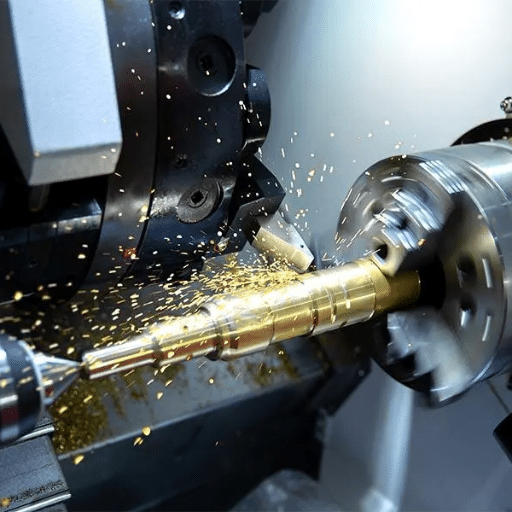
High-speed machining (HSM) has revolutionized the operation of CNC lathes by giving the possibility to remove material at higher rates but still retaining good accuracy and surface finish. The application of complex tool path strategies, the use of optimized tools, and the implementation of powerful CNC controllers all help the operators to gain more from high-speed machining in terms of productivity. HSM results in shorter cycle times, less tool wear, and better chip removal which are advantages in the case of hard-to-machine materials or complicated shapes.
To take full advantage of HSM, a high-speed capable machine should be equipped with robust spindle systems that are able to cope with faster speeds and higher accelerations. Moreover, the use of adaptive control systems and real-time monitoring may not only improve but also allow preventing overheating or part deformation. Additionally, the use of tools like balanced tools and coatings appropriate for high-speed applications is also an important factor in the success of HSM.
Automation Technologies for Increased Efficiency
Automation technologies have a significant impact on CNC machining processes considering the efficiency and accuracy. Among all the improvements robotic arms for material handling are the most important which reduce the manual labour and increase the production at the same time. Operators are aided by the automated tool changers through the quick changing of tools and the reduction of downtime. Additionally, monitoring systems equipped with sensors and data analysis provide real-time feedback which not only results in fast adjustments but also enhances precision. The introduction of software solutions such as computer-aided manufacturing (CAM) aids in the planning of tool paths and increasing the consistency of production. The amalgamation of all these technologies results in the elimination of errors, increased output, and reduced manufacturing costs.
Common Challenges in CNC Lathe Operations
Troubleshooting Common CNC Errors
- Tooling Issues: Worn out or broken tools should be checked because they are the possible cause of precision loss. Tool replacement or sharpening may help to regain accuracy.
- Incorrect Machine Parameters: It is advisable to confirm whether the settings of the machine such as feed rate and spindle speed are right for the material and operation. If not, the parameters should be changed.
- Misalignment: Check for misalignment in the fixtures or any workpieces. Be sure everything is secure and properly positioned.
- Software or Program Errors: Take a close look at the CNC program for any wrong codes or inconsistencies. Get a simulation of the program running to locate and correct the problems before it gets on the machine.
- Material Defects: Evaluate the material for any deformation or inconsistency that might lead to machining issues. The use of high-quality material can minimize errors.
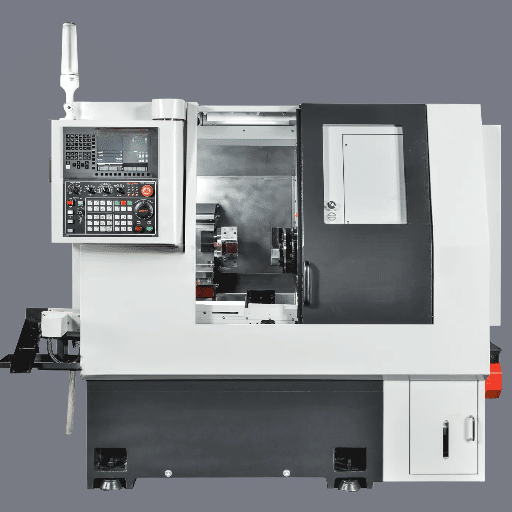
By carefully and systematically dealing with these usual problems, operators are able to keep the CNC lathe operations’ precision and productivity up to the mark.
Solutions for Frequent Machining Problems
Tool Wear
Be cutting tools inspected on a regular basis and remove them from the machine once wear indications appear. To maximize their life use tools of the best quality and keep them properly maintained.
Alignment Errors
Check the different parts of the machine frequently to confirm that they are aligned correctly. To maintain accuracy the CNC machine needs to be calibrated regularly.
Vibration Issues
Workpieces should be securely fastened and in case of need use mounts that damping the vibration. Cutting speeds or feed rates can be altered to achieve a lower level of vibration.
Programming Errors
CNC programs must be carefully scrutinized and tested before running them on the machine. Software for simulation may be used to discover errors and to polish the code.
Material Problems
To prevent machining defects or, to be more precise, the quality of the materials should be checked before the machining process. Also, the right materials for the particular machining process should be selected to avoid deformities and irregularities.
The implementation of these solutions will lead to a considerable reduction of errors in machining and the assurance of smooth CNC operations.
Best Practices for Preventing Tool Failures
CNC machining tool failures can be avoided through a mix of good practices, scheduled maintenance, and the use of cutting-edge technologies. The following are some of the main approaches:
- Routine Inspection and Maintenance: Tools should be regularly checked for signs of wear and damage. Repairs or replacements of worn tools should be done quickly in order to maintain performance consistency.
- Use High-Quality Tools: Very expensive cutting tools made of durable materials such as carbide or high-speed steel should be purchased. These materials can withstand the most demanding machining processes and also last longer.
- Optimize Cutting Parameters: The cutting speeds, feeds, and depths of cut must be adjusted usefully, based on the tool specification and the material being machined, in order to prevent the tools from getting unduly stressed.
- Implement Proper Cooling and Lubrication: Apply state-of-the-art coolant systems along with top-quality lubricants to keep a minimum of heat at the tool and also prevent friction during machining, thus extending the tool’s life.
- Employ Tool Monitoring Systems: Use the new tool monitoring systems that can identify excessive vibration, change in temperature, or abnormal cutting patterns. This can help in detecting problems before the complete breakdown of the tool.
- Train Operators: Provide proper training for machine operators so that they can handle the tools, work with the machine, and be able to tell when a tool is worn out or damaged.
These practices can lead to the manufacturer being able to use the tools for a longer time, improved machining efficiency, and reduction in the number of tool failures.
Reference Sources
-
MIT DSpace: Design and manufacture of a CNC desktop lathe for use in a project-based class
This source discusses the design and advanced functionalities of CNC lathes, including threading and other operations. -
An-Najah National University Repository: CNC Routing Machine
This paper explores CNC operations, including advanced features like tool changing and attachments relevant to CNC lathes. -
Wichita State University SOAR Repository: CNC machine control for high tolerance aerospace production
This research focuses on advanced CNC processes and control methods, particularly in high-precision industries like aerospace. - Premium Metalworking Lathes for Sale
Frequently Asked Questions (FAQs)
Advanced techniques for mastering CNC lathe: What are the core strategies?
Mastering operations on the CNC lathe first requires the knowledge of skilled methods such as roughing and finishing passes that are not only optimized but also the development of the tool path, and programming. Make use of the Mastercam software to produce the most efficient toolpaths, establish accurate chip load, and determine single setup workflows to the betterment of part quality and dimensional accuracy. Live tooling when available on a CNC turning center becomes a part of the process to increase the possibility of milled and complex features as well as to guarantee high-quality CNC results through production runs.
How can I enhance machining techniques to optimize your CNC lathe for production efficiency?
Enhancing CNC machining techniques to optimize your CNC lathe focuses on making the most of the machine by cutting on the right tool and creating efficient workflows leading to faster production. Browse through the various available methods such as adaptive roughing, trochoidal milling (when using live tooling), and spindle speeds/feed rates to select the best for your machine. Also, it would be wise to locate the machine that best fits your needs along with the required cutting tools and finally to standardize the setups in the machine shop so reliable and repeatableproduction served by the very same parts and of the utmost quality.
What cutting tool choices and practices ensure precise and efficient machining on a CNC turning machine?
Proper selection of the cutting tool guarantees the very precise and efficient machining. Put on carbide inserts with the right shape for rough and finish passes, decide the coatings according to their resistance to wear, and control the chip load and coolant application correctly. In addition, proactive management of tool offset and periodic inspection will not only lengthen the life of the tool but also contribute to the precision of the dimensions. Implement tooling strategies based on whether the job is roughing or finishing to balance material removal rates and surface finish.
Why is machine tool setup important and how does an optimized CNC lathe setup reduce errors?
The setup of the machine tool is the major part of the CNC lathe programming and manufacturing process. A correct CNC lathe setup—including workholding, alignment, and fixture repeatability—will contribute to the reduction of cycle variation and scrap. On the other hand, an optimized CNC lathe setup results in the reduction of runout, improved concentricity, and the minimization of secondary operations. An organized checklist for single setup approaches will be beneficial in combining turning operations and secondary milling using a CNC turning center with live tooling where feasible.
How do I optimize your CNC lathe for longer machine life and improved machine performance?
In order to obtain the best performance from your machine and at the same time keep it dependable, it is necessary to have preventive maintenance scheduled, use proper lubrication, and make sure that spindle and axis alignment are maintained. The thermal effect can, however, be mitigated by warm-up cycles and monitoring cutting parameters so as not to exceed the maximum load. Additionally, selecting the most appropriate cutting tools, cutting idle times, and fine-tuning cycle parameters will also contribute towards wear reduction. All these practices are in collaboration, which helps in good CNC lathe operation and in getting the same quality output from the CNC machine.
Master Advanced CNC Lathe Techniques
The incorporation of these state-of-the-art methods for CNC lathe processes will do wonders in terms of precision, productivity, and tool life. Starting from the process of toolpath strategy improvement and going to the application of high-speed machining, the use of these verified methods will make you one of the modern and strong players of the manufactury. Always bear in mind, that continuous learning, scheduled maintenance, and a high degree of care are the main factors that lead to excellence in CNC machining operations.