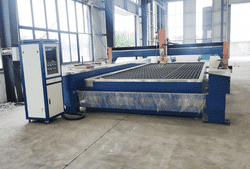
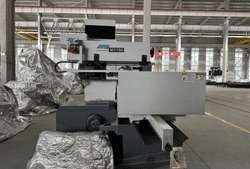


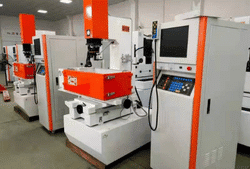
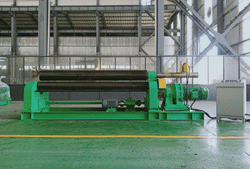

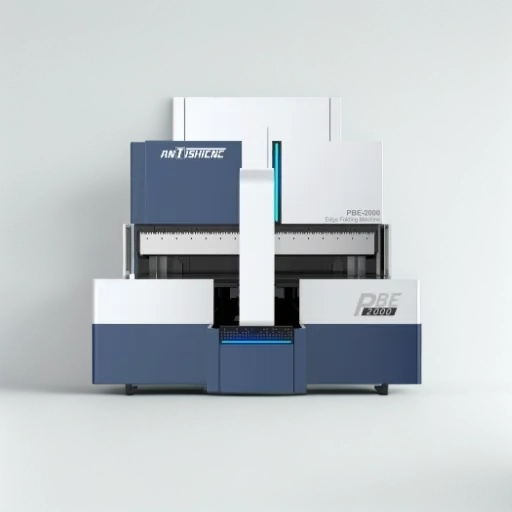
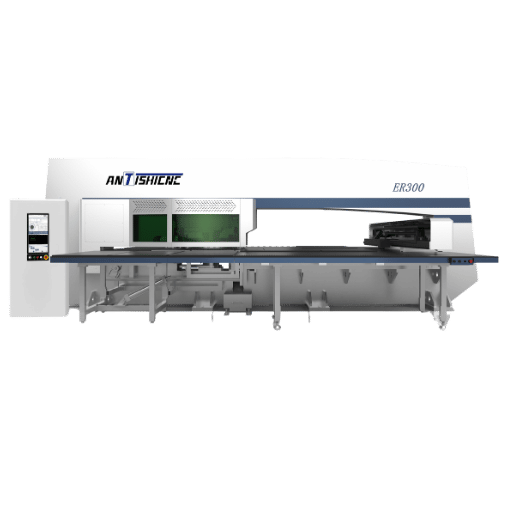
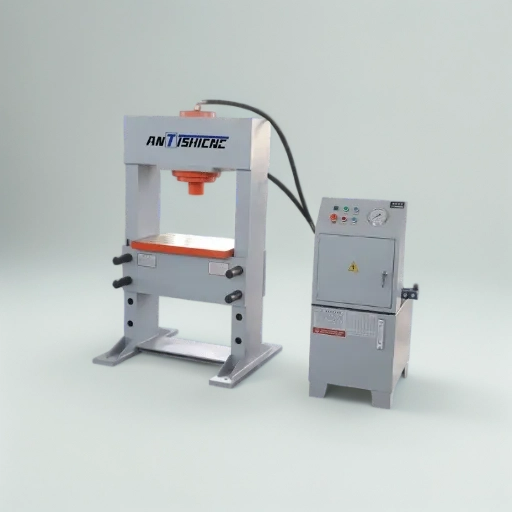


When it comes to precise work, boring and milling machines are highly versatile industrial applications with significant manufacturing and industrial machining capabilities. These machines perform tasks such as drilling accurate holes into hard materials or shaping precise designs into components, for which the automotive, aerospace, and engineering industries all rely on them. What, then, is the difference between one and the other, and why is it such an essential machine in modern production? This article will discuss the crucial working principles and features of these machines, emphasizing how they ensure efficiency and precision in machining activities. By the time you finish reading the article, you will know not only how a boring and milling machine works but also how these machines help to turn raw material into fine end products.
Overview of Boring and Milling Machines

Boring and milling machines stand among the manufacturing tools that shape, refine, and improve raw materials into precise components. Boring implies enlarging a pre-existing hole, which has been drilled before, to its exact dimension and providing an optional fine finish, usually considered vital where accuracy is involved. Millers cut away material from the workpiece using rotary cutters to form shapes, designs, or slots. These machines are valued for their versatility, enabling operations to be performed quickly and repeatedly with efficiency, and thus becoming an essential part of the automotive, aerospace, and heavy machinery industries.
Definition and Purpose
Drilling and milling are regarded as basic machining processes with significant applications in various industries; they are an essential part of manufacturing and production. Drilling typically involves creating holes in solid materials using a cylindrical drill bit, which is often intended for assembly or fastening purposes. With the advent of modern technology, the precision of industrial operations has been improved – especially with CNC systems, where high-speed drilling, with tolerance as tight as 0.001″, is commonplace, and a higher level of production accuracy could be attained.
Milling is, in fact, an operation that removes material to form specific shapes, contours, or features on the workpiece. With multi-axis milling machines, manufacturers could produce complex geometries, such as 3D surfaces, for the first time at speeds previously unattainable. Being able to move simultaneously over multiple axes allows 5-axis milling to design a larger set of geometries, hence increasing productivity and versatility. They find their applications in areas such as aerospace, where critical components require exacting standards, mass production in the automotive industry, where consistency in the manufacturing process is crucial, and many other manufacturing processes.
Even newer software and hardware technologies, such as simulation tools and enhanced cutter geometries, have been integrated into drilling and milling processes to improve their efficiency and precision in the current manufacturing environment.
Key Differences Between Boring and Milling
Either boring or milling, two critical machining operations, serve dissimilar purposes and are used in particular applications. Boring enlarges holes that have already been drilled into the workpiece or cast into it, to a precise diameter and alignment. It is typically a finishing operation designed to improve the dimensional accuracy and surface finish of the hole. Milling is the process of removing material from a workpiece to shape or contour it into flat, curved, or intricate surfaces.
Tool Operations & Key Differentiators:
- Boring operations: Employ boring bars designed to rotate inside a hole to finish its size and geometry
- Milling operations: Use rotary cutters with multiple cutting edges to remove material from the surface layer of a workpiece
- Axis of operation: Boring tends to work inside the workpiece on internal features, whereas milling is external, concerned with shaping or creating a surface
Regarding efficiency and precision, boring is often employed when tolerances are tight, for example, when creating an engine cylinder with very strict geometric standards. Milling, on the other hand, is quite versatile and is used to machine a variety of shapes, making it suitable for producing mechanical parts such as gears, brackets, and housings.
| Process | Material Removal Rate | Precision Level | Typical Applications |
|---|---|---|---|
| High-Speed CNC Milling | Over 500 cm³ per minute (aluminum) | High precision with good surface finish | Complex geometries, mechanical parts |
| Precision Boring | Lower removal rate, focused on accuracy | ±0.0005 inch tolerances | Engine cylinders, precision holes |
In CNC machining and tooling technology, the changes have further benefited both processes. Data show that in high-speed CNC milling, soft materials such as aluminum can be removed at an average rate of over 500 cm³/min. Precision boring, on the other hand, can achieve tolerances as close as ±0.0005 in., providing utmost accuracy for applications where it is highly required. With this evolution, manufacturers can enjoy improved consistency, productivity, and precision in both boring and milling methods, making them essential processes in modern machining.
Importance in Machining Processes
Key Performance Benefits:
- High-Speed Operations: CNC milling machines achieve spindle speeds exceeding 20,000 RPM
- Versatile Size Range: Boring processes range from diameters as small as 0.015 inches to several feet
- Efficiency Gains: High-speed machining reduces cycle times by 50%
- Industry Applications: Essential for aerospace, automotive, and precision medical devices
Boring and milling are two fundamental machining processes that play a crucial role in manufacturing, primarily enabling efficiency, accuracy, and productivity enhancements. With CNC technology in play, milling machines achieve spindle speeds exceeding 20,000 RPM, enabling high rates of material removal and achieving good surface finishes. Boring processes have also been significantly impacted by this innovation, ranging from diameters as small as 0.015 inches for precise micro work to several feet for heavy industrial use.
The flexibility is evident as these processes find a variety of applications in aerospace and automotive components, as well as in precision medical devices. For example, advanced CNC milling enables intricate geometries and tight radial clearances, which are ideal for turbine blades. At the same time, precision boring is used to achieve flawless cylindrical profiles for the engine cylinders. Industry data also states that machining at high speeds through these processes reduces cycle times by 50%, thereby having a direct bearing on operational efficiency. Adaptive cutting strategies, coupled with real-time monitoring, are among the innovations that augment the reliability and repeatability of these machining processes, thereby cementing their relevance in the modernization of manufacturing agendas.
Types of Boring and Milling Machines
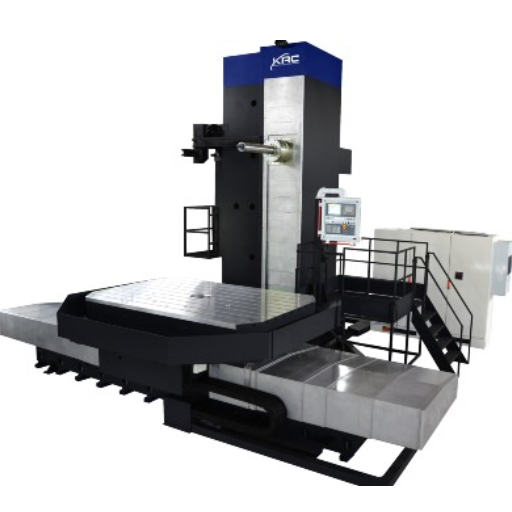
Horizontal Boring Machine
With its design capable of carving giant holes into castings and machining various components with utmost precision, a horizontal boring machine is ideal for jobs where large-sized workpieces and consistent output are essential, and where versatility is achieved through the movements of the table and attachments.
Vertical Boring Machine
Vertical boring machines are primarily used to create large round holes or cylindrical surfaces. Being vertically oriented allows the machining of heavy and bulky components, hence finding its fair applications in automotive and aerospace industries.
Bed-Type Milling Machine
A bed-type milling machine is known for its sturdiest construction and a fixed worktable. It requires heavy cutting operations and is ideal for producing components with uniform accuracy over an extended period.
Floor-Type Milling Machine
Floor-type milling machines are designed for machining extremely large workpieces that cannot be accommodated on standard machines. These machines provide mobility to the cutting head; hence, they are brought into activities with high precision on very large parts.
Jig Boring Machine
Jig boring machines excel in creating holes that require the highest precision and accuracy in tooling, as well as for parts with very tight tolerances. They are a prime choice for working on fine or extremely detailed components.
Horizontal Boring Machine
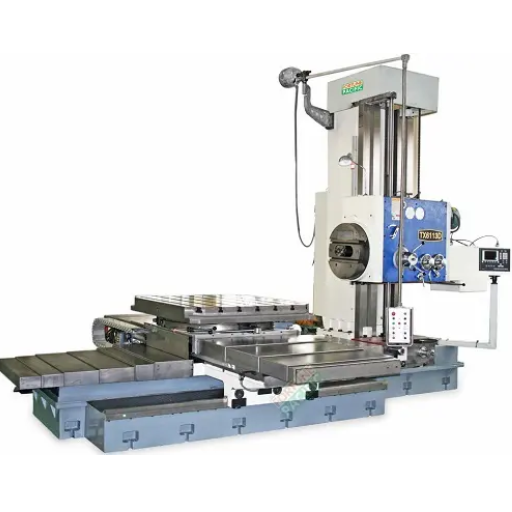
Horizontal boring machines are highly effective, with shafts fitted with a drill to bore holes into major and very heavy workpieces. These machines serve industries such as manufacturing, mining, and construction, where precision and timeliness are paramount. In this manner, the horizontal orientation allows the spindle to traverse in the longitudinal as well as lateral directions, permitting the machining of workpieces requiring intricate operations that may be too large for a vertical configuration.
Technical Specifications:
- Spindle Diameter: Generally ranges from 110 mm to 200 mm
- Drilling Depth: May accommodate drilling depths of 5 feet or more
- Weight Capacity: Up to 20,000 kilograms or more for large-scale production
- Control System: Modern CNC-based controls for automated, high-precision operations
These machines also support additional attachments (like rotary tables) to enhance their versatility and perform operations like milling, facing, and threading. Modern models from various manufacturers are equipped with temperature compensation, vibration damping, and real-time monitoring systems, enabling them to optimize performance and accuracy even in the most demanding applications.
Vertical Boring Machine
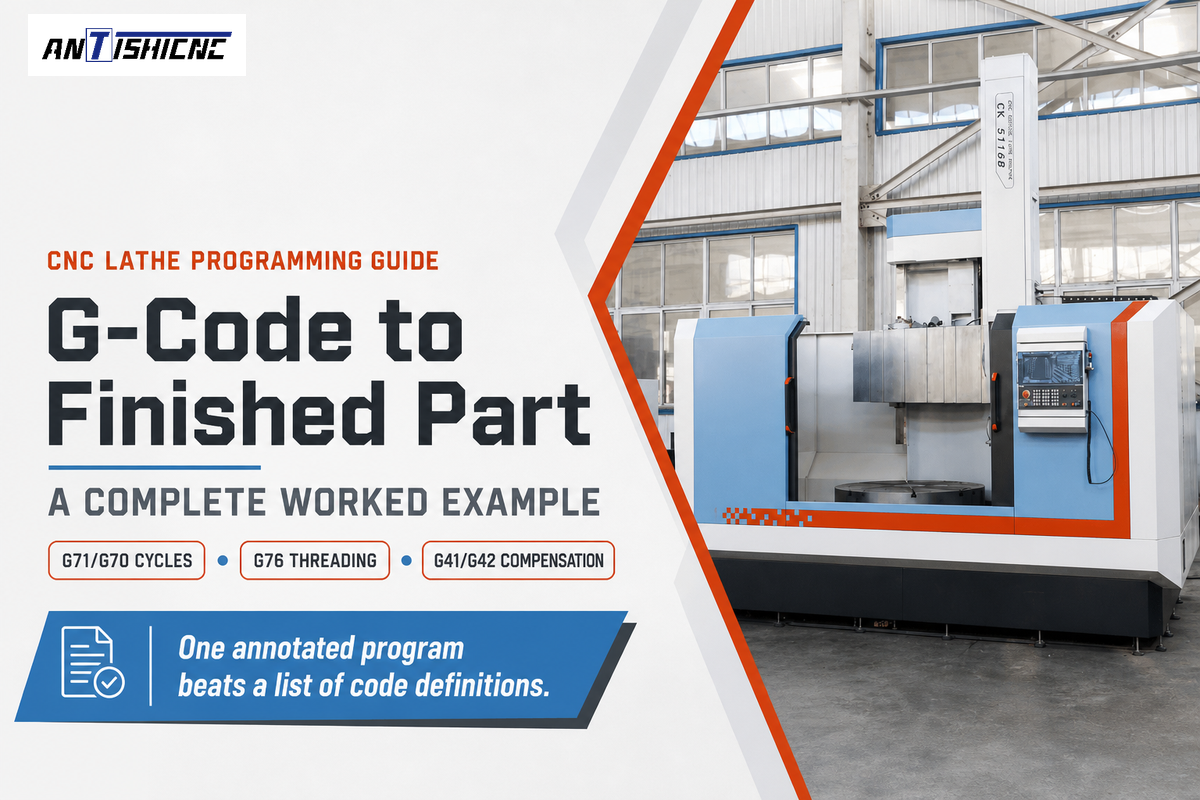
A vertical boring machine, also known as a vertical turning lathe, is capable of machining workpieces with large diameters and weights. Being vertically oriented, the machine easily provides the necessary support to large and heavy components, preventing them from being deformed by gravitational forces. These machines are used in areas such as the aerospace, automotive, and energy sectors, where utmost precision and durability are crucial.
| Specification | Range | Performance Benefits |
|---|---|---|
| Workpiece Diameter | Small diameters to over 10 meters | Accommodates diverse project sizes |
| Spindle Power | 20 to over 100 kW | Machines tough materials like hardened steels |
| Spindle Speed | Up to 500+ RPM | Enables high-precision operations |
Recent vertical boring machines are CNC-controlled, thus allowing higher degrees of automation and precision in operations. Workpieces of small diameters to parts exceeding 10 meters can be accommodated. A significant variation also exists in spindle power; commercial models in the most extensive range have power ranging from 20 to over 100 kW, thereby permitting the machining of tough materials such as hardened steels and alloys.
Among the prominent features are the high spindle speeds of advanced versions, which exceed 500 RPM, and the extensive machining range, encompassing internal and external turning, boring, and facing. These machines feature high-intensity tool changers and multi-axis capabilities, which enable complex machining in a single setup. With kernel features of tool wear monitoring, adaptive cutting technology, and cooling systems, productivity is enhanced.
The new, modern software integration and digital monitoring provide real-time analytics for smooth operation and extended machine lifetime. The vertical boring machines continue to move forward, making them now indispensable in industries that deal with the precision machining of large, complex components.
CNC Boring and Milling Machines
Due to their superior precision and versatility, boring and milling CNC machines are among the indispensable tools in modern manufacturing. These machines combine advanced CNC programming with robust mechanical systems to perform complex processes of both boring and milling in a single setup. They are highly favored in high-precision component manufacturing for the aerospace, automotive, and heavy machinery industries.
Significant Features of CNC Boring and Milling Machines:
- Multi-axis control: Enables various machining tasks on different materials (steel, aluminum, composites)
- Automatic tool changer: Reduces setup time and increases efficiency
- Touch probe systems: For precise part measurement and positioning
- High-speed spindles: Increase production time while maintaining precision
- Positional accuracy: Latest versions measure to within microns
Statistical measurements show the systems’ effectiveness, as manufacturers with CNC boring and milling machines report reductions in machining time of up to 50% along with improvements in part quality and consistency. Integration with Industry 4.0 platforms enables real-time performance monitoring, predictive maintenance scheduling, and workflow automation, all of which help limit machine downtime and operational costs.
Machining innovations, such as hybrid machining, also benefited these machines by combining subtractive and additive manufacturing techniques within a single system to perform machining or material deposition. In this way, the machines have become adaptable for custom work or various high-mix production runs. With all the latest technological features and capabilities, CNC boring and milling machines remain the go-to equipment for advancing precision manufacturing industries.
Components of Boring and Milling
Machines

The boring and milling machines comprise several essential components that, together, ensure the efficiency and precision of these machines. The main components include:
Spindle
In all operations, the spindle is a crucial element that holds the cutting tool and rotates it, thereby providing the required speed and torque during operations.
Worktable
This supports the workpiece, allowing for its correct positioning and movement during machining.
Control System
CNC systems are commonly installed in modern machines to control the movement of tools for accuracy and repeatability.
Bed and Column
The bed serves as the base of the machine, providing stability, while the column supports and aligns the other components of the machine to ensure structural integrity.
Coolant System
The coolant system absorbs heat and friction during machining, improving tool life and workpiece quality.
Tool Changer
Various machines feature an automatic tool changer, enabling the rapid exchange of tools during complex operations to increase productivity.
In passing, each of these components enables a balance of precision and flexibility in boring and milling machines, meeting industry demands.
Machine Tools and Accessories
Modern technology has completely revolutionized machine tools and accessories, incorporating technology to improve efficiency, accuracy, and productivity. Along these lines, let us discuss the essential details and advances in this field:
High-Speed Spindles
The high-speed spindle is a crucial component in today’s machining processes. It will enable higher material removal rates while preserving accuracy, with speeds exceeding 40,000 RPM. These spindles are particularly important for industries such as aerospace and medical device fabrication, where extremely high accuracies are required.
CNC Controllers
CNC (Computer Numerical Control) controllers for machining represent an improvement, offering enhanced controls in processes, alternatives for real-time monitoring, and a new level of automation. Increasingly, CNCs present interfaces—grids that are friendly to use — and incorporate software that allows machines to be programmed and even diagnose themselves.
Cutting Tool Advancements
The cutting tool industry has experienced significant advancements in materials and coating techniques. Tungsten carbide, polycrystalline diamond (PCD), and cubic boron nitride (CBN) tools are experiencing increased usage due to their ability to withstand higher temperatures during machining, which improves performance and reduces downtime.
Robotic Integration
Robotic systems are often paired with machining tools to handle repetitive tasks, such as loading and unloading workpieces. Such systems help increase productivity and safety, and processes can be operated continuously, even during non-working hours.
Additive-Manufacturing-Compatible Accessories
Add-ons capable of hybrid machining systems, which integrate both subtractive and additive processes, are now available on the market. Hence, manufacturers can 3D print either a prototype or a repair directly on a CNC machine, thereby reducing material wastage and lead times.
Tool Monitoring Systems
Advanced tool monitoring systems use sensors and AI to measure tool wear, identify any abnormalities, and determine when maintenance is needed. Uninterrupted production ensures the quality of the goods and minimizes unexpected downtime.
Data-driven innovation and the rise of support for Industry 4.0 technologies have placed a strong emphasis on precision, versatility, and sustainability in machine tools and their accessories. These improvements enable manufacturers across various sectors to meet the growing demands for performance, quality, and cost efficiency.
Table Types and Features
Machine tools use various types of tables and features to satisfy their diverse industrial requirements. The most common set of table types and their features are as follows:
Rotary Tables
Rotary tables are used for machining that requires precision, including angular positioning and circular interpolation. They provide higher precision for applications such as milling, welding, and inspection by offering 360 degrees of movement. Advanced models are controlled by computers that automatically adjust the motions.
Fixed Tables
Fixed tables, with their combination of stiffness and great mass, provide the perfect work surface for machining and grinding large workpieces. They develop minimal vibration during cutting, and excellent stiffness enhances the precision and safety of the operation.
Tilting Tables
Tilt tables are angularly adjustable and are used in works that require machining at several angles. These tables are used mainly in the aerospace and automotive industries to handle complex geometries.
Cross-Slide Tables
Cross-slide tables provide multi-axis movement, allowing the operator to make horizontal and vertical adjustments during machining. Being very versatile, these tables are often used on drilling and milling machines.
Vacuum Tables
Vacuum tables hold material in place without requiring clamping or wiring, thereby providing an unobstructed working surface. These are used widely in the electronics industry, woodworking, and printing, with high precision and clean surface contact being critical.
Modern machinery tables often incorporate sensors and other intelligent features, enabling automatic adjustments for improved performance, extended lifespan, and compatibility with Industry 4.0. Choosing the right table types is again a question of the requirements in the machining operation and those of production on a broader scale.
Heavy Machinery Considerations
Key Factors for Heavy Machinery Selection:
- Operational Requirements: Check capacity for handling loads, operation in rugged terrain, and power needs
- Safety Standards: Ensure good brakes, system stability control, and operator visibility
- Maintenance Access: Regular maintenance schedules and replacement parts availability
- Environmental Impact: Consider fuel consumption and emission reduction technologies
- Expert Consultation: Speak with manufacturers and industry specialists for tailored decisions
Purchasing heavy machinery involves several key considerations to ensure it is effective, safe, and ideally provided with lifelong service. First and foremost: check the requirements of normal operations, that is, the capacity of handling loads, operation in rugged terrain, or power needs, to select the machinery or equipment that matches the specific tasks on hand. Second, check the standard safety requirements, such as good brakes, control over the system’s stability, and visibility for the operator. Following regular maintenance schedules and having access to replacement parts allows for the reduction of machinery downtime and an increase in life expectancy. Lastly, consider fuel consumption and how unintended manipulation could impact the environment. Newer models, for sure, come equipped with cutting-edge technology that helps reduce emissions while minimizing operating costs. Learn from various sources and do not hesitate to consult with manufacturers or industry specialists so that a decision can be made tailored to your specific needs and production plan.
Applications in Industrial Settings
A range of industrial generators is utilized to ensure power reliability in numerous sectors. They serve as backup power sources during outages, thereby allowing for uninterrupted manufacturing operations in factories, warehouses, and data centers. Generators are also used to power tools and equipment on construction sites, where they are necessary for efficient operations. On the other hand, mining operations require a steady supply of energy, which necessitates the use of generators. Furthermore, in remote locations away from the primary power grid, generators come to the rescue, ensuring uninterrupted operations in industries such as oil and gas. Given that generators are highly versatile and sturdy, they play a crucial role in maintaining productivity across various industrial applications.
Machining Mechanical Parts
Machining mechanical parts is a vital process in manufacturing that involves shaping raw materials, such as metals, plastics, or composites, into precise parts for various applications. These are machining processes that include turning, milling, drilling, and grinding, among others, which are generally performed by CNC (Computer Numerical Control) machines for precision and efficiency.
Modern Machining Benefits:
- 5-axis CNC machining: Complex geometry production with simultaneous five-direction movement
- Setup time reduction: Eliminates difficulty in creating intricate items with tighter tolerances
- Global importance: CNC machining accounts for approximately 30% of manufacturing methods worldwide
- Predictive maintenance: IoT sensors detect anomalies in real-time, reducing downtime by 25%
- Sustainability focus: Recyclable materials and biodegradable cutting fluids reduce environmental impact
Modern machining techniques focus on enhancing efficiency and accuracy. For instance, with the advent of 5-axis CNC machining, complex geometry can be produced as either the part or the tool moves simultaneously in five different directions. This dramatically reduces setup time and alleviates the difficulty of creating intricate items with tighter tolerances.
It has been found that CNC machining accounts for approximately 30% of manufacturing methods worldwide, thus reflecting its significant importance. The machining systems should be able to monitor tool wear through predictive maintenance systems, along with IoT (Internet of Things) sensors, and detect any anomalies in real-time, thereby reducing downtime by 25%.
Machining processes nowadays favor sustainability. The use of recyclable materials, biodegradable cutting fluids, and energy-efficient equipment has vastly reduced the environmental footprint of machining facilities. The report states that such measures may ultimately minimize manufacturing waste by up to 20%, concurrent with the industry’s increasing focus on environmentally friendly procedures.
Machining, quite literally, plays a pivotal role in engineering parts for various industries, including aerospace, automotive, and healthcare. Now, with the onset of the Fourth Industrial Revolution, the frontiers of machining are being expanded, making it a cornerstone of modern manufacturing.
Uses in Machine Shops
Machine shops serve as the fundamental nodes of modern manufacturing, where raw materials are transformed into components precisely suited to a variety of applications. They employ a combination of traditional machining techniques and modern technologies to meet the specific requirements of the aerospace, automotive, healthcare, or electronics industries.
Machine Shop Capabilities:
- Custom Parts Production: CNC machining provides precision unavailable by other means
- Tolerance Precision: CNC machines achieve ±0.001 inches tolerance limits
- Multi-axis Technology: Manufacture intricate geometries impossible with standard techniques
- Automation Benefits: Up to 30% productivity increase with quality assurance
- Cost Reduction: Energy-efficient operations reduce expenses by approximately 15%
Thus, one of the primary uses of machine shops is to produce custom parts through CNC machining, providing precision that is unavailable by other means. Studies show that the tolerance limit of CNC machines is ±0.001 inches, which makes CNC machining a crucial process in industries that require exact tolerances. Furthermore, utilizing multi-axis machining technologies, shops can now manufacture intricate geometries that were impossible before with standard machining techniques.
Automation is another crucial aspect that contributes to increased efficiency and reduced errors. By utilizing robots and automated inspection systems, machine shops can achieve a productivity increase of up to 30% while ensuring the integrity of the work being done. For instance, downtime associated with tool changing and monitoring processes is significantly reduced with the use of automated tool changers and in-process measurement tools.
Also, giving importance to the machine shops is sustainability. By utilizing energy-efficient machines and materials that facilitate recycling, energy, and material consumption have been minimized. Industry reports indicate that these are capable of reducing operational expenses by approximately 15% while complying with more stringent environmental regulations.
To conclude, upon closer examination, machine shops continue to innovate by blending their expertise with cutting-edge technologies, thereby remaining key players in advanced manufacturing and supporting various industries.
Industrial Applications of Boring and Milling Machines
Boring and milling machines are valuable tools in the industrial sector, renowned for their versatility and precision in shaping metal components. The industrial sectors such as aerospace, automotive, energy, and heavy machinery employ these machines widely. In the aerospace industry, boring machines are used to produce turbine components accurately, ensuring they maintain their structural integrity and perform reliably under extreme conditions. Generally, milling machines are used in the automotive industry to produce engine blocks, transmission housings, and other complex components that require a high degree of accuracy.
Industry-Specific Applications:
| Industry | Machine Type | Primary Applications | Key Benefits |
|---|---|---|---|
| Aerospace | Boring Machines | Turbine components, structural parts | Extreme precision, structural integrity |
| Automotive | Milling Machines | Engine blocks, transmission housings | High accuracy, complex geometries |
| Energy | Both | Wind turbine hubs, generator parts | Durability, precision for large components |
| Custom Manufacturing | CNC Systems | Client-specific components | Versatility across materials |
In recent times, CNC technologies have evolved over the years to provide more power for boring and milling operations. These modern systems are designed to achieve complex machining with minimal manual intervention, thereby making production more efficient and less prone to errors. CNC milling machines are said to cut production time by roughly 60%, enabling a faster turnaround on applications from various industries.
Additionally, boring and milling machines find applications in the energy industry. They are used to machine significant components such as wind turbine hubs and hydroelectric power generator parts, which need utmost precision and durability. With the significant global push into renewable energy, demand for machined components in this area is expected to grow steadily.
These are also used for custom manufacturing applications, where parts are manufactured according to client specifications. Since the materials used are so varied, starting from steel, aluminum, to titanium and composites, they are found indispensable in diverse industries. By integrating state-of-the-art automation control technologies, boring & milling machines are constantly enhanced in terms of functionality to improve productivity, which in turn paves the way for future innovation in manufacturing processes.
CNC Technologies in Boring and Milling
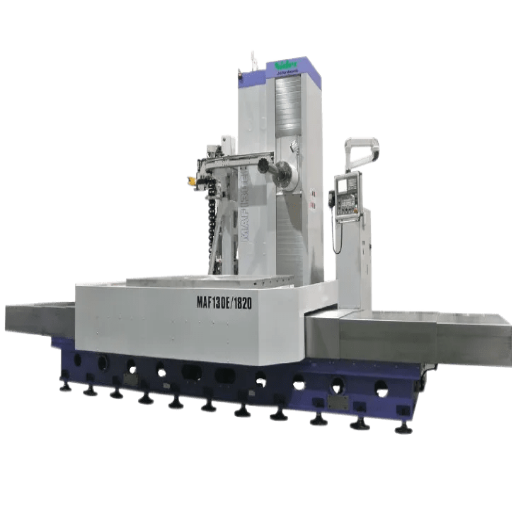
Boring and milling CNC technologies are precision and efficiency-augmenting features that modern manufacturers utilize. Through the use of computer-controlled systems, these machines can perform complex operations with unwavering accuracy, thus minimizing human interference. Other advantages include increased production speed, the replication of intricate designs, and the ability to work with various types of materials. These technologies, in concrete terms, are essential in industries that manufacture high-volume, custom components, including aerospace, automotive, and medical device manufacturing operations.
Advantages of CNC Milling
Key CNC Milling Benefits:
- High Precision: Creates complex and intricate designs with minimal error
- Continuous Operation: Machines work around the clock with little supervision
- Material Versatility: Works with metals and plastics and ensures consistent results
- Waste Reduction: Minimizes material wastage during cutting operations
- Design Flexibility: Allows alteration of designs through simple software updates
- Quality Assurance: Produces components with controlled durability and customization
CNC milling offers numerous advantages, and in this sense, it remains the backbone of modern manufacturing. The process is highly precise; manufacturers can create designs that are complex and intricate with minimal error. Another incredible efficacy brought forward by this technology is significantly reducing the time between orders as machines are capable of working around the clock with little supervision. CNC milling is quite versatile and can work with almost every type of material, from metals to plastics, with the assurance of consistent results each time it performs within a batch of production. Moreover, it ensures that material wastage does not occur during cutting operations and allows for the alteration of designs at any time through simple software updates. Using CNC milling enables industries such as aerospace, automotive, and healthcare to produce components of exceptionally high quality, with the potential for controlled durability and customization.
Evolution of CNC Boring Machines
Certainly! It has been fascinating to observe the evolution of CNC boring machines. Back in the days, they were simpler, manual operations. However, they are now complex systems that operate according to a program instructed by a computer. Before the incorporation of CNC technology, these machines were not very precise and required the operation of multiple personnel. However, the introduction of CNC technology has now given these machines remarkable accuracy, efficiency, and consistency. Now, CNC boring machines come with tool changers that operate automatically and are supported by software that enables quicker setup and more options for machining requirements that are too complex for manual operations. This shift in focus toward CNC usage has given a significant boost to productivity and has opened up new avenues across various industries.
Future Trends in CNC Technologies
Automation, AI, and smart manufacturing form the backbone of how CNC technologies are set for their future. Among the essential trends is the use of artificial intelligence and machine learning, which enables CNC machines to optimize their performance by analyzing real-time performance data. In effect, this capability increases accuracy, reduces waste, and minimizes downtime. The other key trend is the development of IoT-enabled CNC systems, which enable easy machine-to-machine communication and remote monitoring, making these innovative systems even more efficient through predictive maintenance.
Emerging Technologies:
- 5-axis machining: Growing use for complex design evolution with reduced setups
- Hybrid manufacturing: Combines subtractive and additive operations in a single system
- Industry flexibility: Adaptable for the aerospace and medical industries
- Sustainability focus: Eco-friendly materials and energy-efficient machines
- Smart systems: More intelligent, versatile, and sustainable CNC technologies
With the growing use of 5-axis machining, the field of complex design evolves in parallel with a reduction of setups. Additive manufacturing, or hybrid CNC machines that perform both subtractive and additive operations, is presently gaining traction, offering flexibility like never before to the aerospace and medical industries. With sustainability ensuring the use of eco-friendly materials and energy-efficient machines in the process, this further emphasizes these tendencies as a continuation in developing CNC technologies with an eye toward more intelligent, versatile, and sustainable systems.
Reference Sources
Guideway Joint Surface Properties of Heavy Machine Tools
Productivity Improvement in Manufacturing of Timing Gearbox Cover
Development of the Cutting-Tool Industry in Taiwan and China
Frequently Asked Questions (FAQs)
What is a Boring and Milling Machine?
The boring and milling machine is an all-purpose industrial machine performing boring and milling operations. Boring refers to enlarging holes, whereas milling involves cutting and shaping materials. These machines are used in machine shops to manufacture precision mechanical parts for various applications.
How Does a Horizontal Boring Mill Work?
On a horizontal boring mill, the workpiece is moved horizontally, while the boring tool remains stationary. This permits precise drilling of holes or machining of large parts. Generally, the workpiece is mounted on a table-type boring mill, so it remains steady while machining is carried out.
What Are the Various Types of Boring Machines?
There are three primary types of boring machines: horizontal, vertical, and CNC (Computer Numerical Control) boring machines. Horizontal boring machines are used for large workpieces and offer excellent stability, whereas small parts are machined on vertical boring mills. CNC boring machines use computer numerical control for automated and precise machining.
What Is the Difference Between a Horizontal Boring Machine and a Vertical Boring Machine?
The significant difference is in the configuration. Horizontal boring machines feature a horizontal spindle and are well-suited for drilling and machining large parts. The other is vertical boring machines, with the spindle in a vertical position; they are mainly suitable for working on smaller and intricate pieces. The two types of boring machines have distinct industrial applications.
What Are Boring Mills Used For in Industry?
Boring mills are utilized in various industries, including shipbuilding, aerospace, and heavy engineering. They are typically involved in the manufacture of significant, heavy components that require precise machining to a high degree of accuracy, such as engine blocks and transmission housings.
Can CNC Boring and Milling Machines Be CNC-Machined?
Yes, most modern boring and milling machines are capable of CNC operation. Enhancing precision and automation, CNC horizontal boring and milling machines allow a machinist to efficiently and effectively machine complex designs and parts. CNC technology significantly improves cutting speeds, thereby enhancing overall job turnaround in production.
What materials are less machinable by a Boring Machine?
Boring machines can be used to bore into various materials, such as metals, plastics, and composites. The use of material generally depends on the application and whether the properties of the machined parts are best suited for that specific material. Boring tool designs are tailored to different materials to optimize outcomes.
What Are the Characteristics of a Table Type Boring Mill?
The table-type boring mill is a heavy-duty machine capable of handling large-scale work. Some of the features include a hefty table on which the work is supported, variable spindle speeds for different machining operations, and the ability to drill holes in both horizontal and vertical fashion. Such machines are needed where precision and reliability are demanded.
In What Ways Do Boring Machines Help in the Machining Process?
Boring machines are indeed proper facilities in this machining process, which creates very accurate cavities and holes in any material. Having the primary purpose of drilling holes, the boring machine, has two primary uses: to enlarge holes made by drilling or casting and to drill holes that require close tolerances. This enables the production of high-quality industrial parts and components used in various applications.