




Considered the two top elements in precision machining, CNCs are indeed two very versatile types of machines, with a distinction when it comes to tools. An artisan working on wood carving intricate patterns and a professional manufacturer working with metal will find the choice between CNC routing and milling particularly impactful in terms of their workflow, efficiency, and product results. The article goes further into uncovering the difference between these two machines, their specific abilities and best applications, and what one must consider when deciding on the best alternative for the project at hand. Grab a few pearls of wisdom that shall give you an edge in your machining life.
Understanding CNC Machines
What Is A CNC Router?
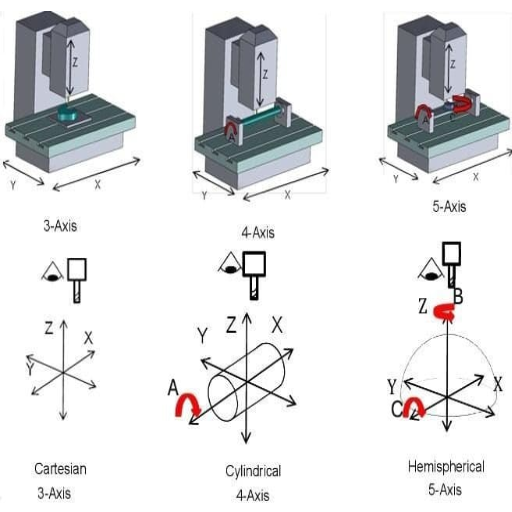
CNC router, full name Computer Numerical Control router, is a cutting machine used by artisans in carving, cutting, and shaping one material or another, all with considerable precision. CNC routers rely on computer control, which enables the machine to move in sync with instructions, completing tasks within the allocated time frame. The machine works well on wood, plastics, aluminum, composites, and more. Hence, they usually possess multiple axes, most commonly three, occasionally five or more. The CNC router specializes in fine designs, some patterns, and repeatable cuts with high accuracy.
A CNC router is a tool of unparalleled sophistication because it simultaneously provides speed and efficiency, making it popular in woodworking, cabinetmaking, signmaking, and prototyping. In amperage, CNC routers can speed up the elaboration of panels and carving or the invention of joints, producing a huge drop of time for production. They also save money when dealing with high-volume applications, where the machine fulfills multiple injections for various operations that are performed by many. With enhanced tools and software, they can now offer increased speed, precision, and easy programmability, resulting in enhanced productivity and improved finish quality.
What is a CNC Mill?
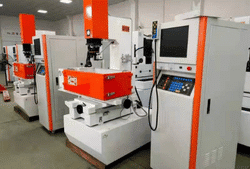
A CNC mill is a highly complex type of tool and machine designed to shape and cut hard materials, such as metal, wood, plastics, and composites, with utmost precision and automated control. While CNC routers are sometimes used for softer materials with intricate designs, CNC mills take on the heavy tasks with superb precision, including drilling, boring, and cutting. These machines operate according to elaborate instructions laid out by CAD or CAM software and carry out those instructions by moving the tool head accordingly.
Being technological equipment, modern CNC mills can simulate a vast variety of axis configurations from simple 3-axis motions to very complicated multi-axis motions, such as the 5-axis that can machine very complex geometries. Their applications are in aerospace, automotive, and medical manufacturing, where precision and speed are paramount; thus, certain industries have become quite dependent on such CNC milling machines. Amongst other features of CNC mills are tool changers, coolant systems, and real-time monitoring systems, all designed to boost productivity by reducing operator intervention. CNC mills; I mean the processes are precise, flexible, and technically automated that have radically changed the forging method toward the mass production of good quality intricately shaped parts.
Overview of CNC Machinery
Differences brought by CNC machines, in production and manufacturing, have room to be called innovations-with very high precision and automation never before existing. With set programming input, the machines guide the working tool and other components-movement through specified instructions. Depending on the workpiece or field of application requiring machining, CNC mills, CNC lathes, plasma cutters, and laser cutters are some of the main CNC machines on offer for use.
Diamond-class modern CNC machines are capable of excellent precision and repeatability, thereby raising the profile on factors already lending CNC machines acceptability in industries such as aerospace, medical, and automotive. For instance, CNC lathes find its application in the manufacture of intricate cylindrical parts within tolerances of less than ±0.001 inches, whereas uniformity becomes a foremost demand in such industries. This is made more interesting by the multi-axis features, which allow complex geometries to be manufactured in just one setup, thus saving both valuable manufacturing time and costs.
CNCs gained in capability with advancing technologies. Being smart, CNC machinery integrated with IoT and AI enables predictive maintenance, live performance tracking, and sometimes remote operation. IoT-based CNC systems, for instance, automatically detect tool wear, thereby avoiding downtime and maintaining production levels. With high-speed machining, however, the material removal rate and efficiency of mass production have soared.
While CNC machinery can be environmentally conscious by utilizing materials efficiently and minimizing waste, many machines are also adept at conserving energy, aided by adaptive controls that adjust operating parameters in real-time to conserve resources. Another environmentally-conscious factor in machining is the ease of recycling and reusing materials.
In recent years, the CNC machine tools sector has been one of the rapidly growing areas in industrial manufacturing. CNC remains the lifeline of industrial innovation, having defined automated precision manufacturing. It will sustain its present weight, given the ever-changing needs of modern manufacturing due to its highest precision, fast execution, and state-of-the-art technology.
Key Differences Between CNC Routers and CNC Mills
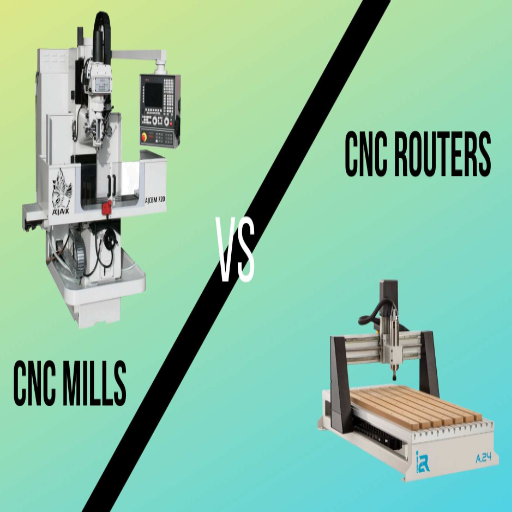
| Aspect | CNC Router | CNC Mill |
|---|---|---|
| Primary Materials | Wood, plastic, foam, composites | Steel, aluminum, titanium, brass |
| Cutting Speed | Higher speeds for faster cuts | Slower speeds for precision |
| Force Applied | Lower force | Higher force for tough materials |
| Work Surface | Larger work areas | Smaller, more precise work areas |
| Primary Applications | Signs, furniture, decorative items | Automotive, aerospace, medical parts |
Differences in Functionality
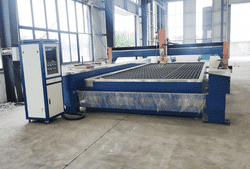
Like a CNC router and CNC mill are used together in precision manufacturing but work very differently. CNC routers are basically cutting machines for soft materials, such as wood, plastics, and some composites. They move fast to achieve quick cutting and can be controlled down for fine detailing, thus suitable for working on signs, furniture, decorative items, etc. The working table of the CNC router is quite large so that it can work on large-sized material.
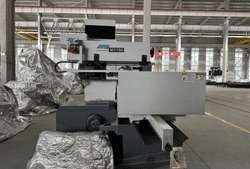
CNC mills work better on harder materials. Such materials may include steel, aluminum, and brass. Hence the machines are constructed to more rigorous specifications for drilling, boring, and milling with great precision. CNC mills use high force and slow cutting speeds so that the processes are not jeopardized in the event very close tolerances are required, such as for automotive and aerospace parts. With these different usages, CNC routers and CNC mills serve somewhat different manufacturing purposes, excelling on processing materials within their respective domains.
Material Compatibility
Acting on softer materials, like wood, plastics-is CNC Router territory, plus foams and some composites. Having highest spindle speeds plus top tooling gives CNC routers the ability to perform in variable speeds: cutting, shaping, and engraving materials. This ranges from furniture-making to sign-making, to artistic-complex. CNC milling is a task better for hard materials such as steel, titanium, and aluminum. These machines are used in jobs vastly requiring more forces with minimum manual interference, such as machining of complex components in the automotive and aerospace industries. Both CNC routers and cnc mills can work with a wider range of materials for usages in manufacturing depending on the type of tooling being used. Having that under their belts, knowing material properties and project requirements goes a long way in choosing the proper machine.
Cutting Perfection and Quality
Highly modern CNC milling and routing operations afford the maximum conceivable precision in execution; the cut that comes into being is a top-notch cut. Operations are performed under the guidance of high-end computers with such power of precision that the machining almost never strays away for more than just a few microns from the drawing specifications. Such tolerances are requested by aerospace, automobile manufacturers, or medical device manufacturers, where even minor deviations compromise performance, safety, or functionality. Smoother finishing accompanied by the absence of burrs is attained with a combination of a fast spindle, good quality servomotors, and effective cutting tools, thereby cutting down on secondary finishing and speeding up the entire production process.
Additional post-processing tooling and adaptive features are material-specific in order to ensure the highest degree of output quality in their specific implementations. The more obvious examples include very hard carbide which allegedly can maintain its cutting edge in machining hard metals like titanium or stainless steel. Any tweaks offered by modern tool changers and real-time monitoring systems ensure that cutting parameters are changed according to material behavior and machine performance to assure uniform quality. Such departures from convention allow for a superior surface finish with tighter dimensional tolerances while simultaneously allowing greater tool life, eventually reducing the amount of waste generated and production costs. Thus, this conjunction of almost imperturbable precision and joyously intelligent automation continues to advance the frontier upon which CNC routers and mills have built manufacturing excellence.
Applications of CNC Routers and CNC Mills
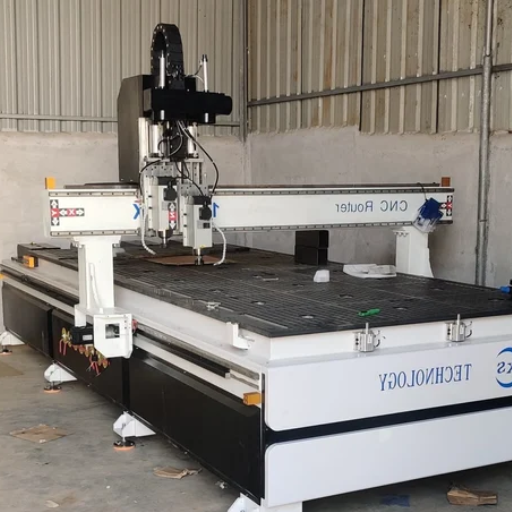
Common Uses for CNC Routers
Being CNC routers highly versatile machines, they lend the precision, time efficiency, and adaptability to a whole gamut of industries. Hence, in their woodworking applications, they assist in the more elaborate designing of furniture or the carving of intricate designs into decorative panels with fancy precision. Another CNC router application would be custom signage, where one may cut and engrave acrylic, plastic, or wood into very elaborate genius shapes and letters.
Besides woodworking, CNC routers have a greater application in metal fabrication, where they cut aluminum or thin steel sheets to produce automotive parts and industrial components. For processing composites, hence making CNC router tooling extremely important for sectors such as aerospace and marine manufacturing, large-format CNC routers can precisely cut lightweight yet durable carbon fiber and fiberglass materials.
Besides this, they also are heavily used in model-making and prototype-making. Architects, product designers, and engineers use CNC routers to fabricate scale models and prototypes from a variety of materials. The fact that they can switch between different cutting tools and are interfaced with software that is designed expressly for CNC router use gives some clues as to why the CNC router stands as the crucial input medium that can be customized according to the specific use of different project types, supporting hence the importance of CNC routers in various fields of application.
Typical Applications for CNC Mills
CNC milling handles all jobs where industries require rapid and accurate material shaping. CNC milling machines in automobiles make several complex parts such as engine blocks, cylinder heads, and transmission cases. The fact that parts like these can be acquired by CNC milling operations is a big plus as CNC mills produce special components of excellent finish by machining metals such as aluminum and steel.
Another sector applying CNC milling is aerospace manufacturing where tight tolerances are demanded. CNC mills are almost always used to machine aircraft parts such as wing components, turbine blades, and landing gear components. Notwithstanding the stringent industrial standards, these parts are mostly made using titanium and composites.
Medical devices, surgical instruments, prosthetics, and implants require the superior accuracy and repeatability of CNC milling machinery. Complicated geometry with tight tolerances, enabled by software sophistication and multi-axis capability, is possible here.
This also applies to mold and die making, particularly for injection molds, stamping dies, and extrusion dies. This serves industries such as packaging, electronics, and consumer goods, where molds must be precisely tailored to their specific products.
The flexibility and reliability of CNC mills have solidified their position as key tools in this regard. Integrating them with modern technologies has facilitated the productive runs, reduced material waste, and allowed for extremely demanding detail applications to be met.
Industry-Related Application
CNC mills productions in the airline industry include turbine blades and aircraft frames to highest precision possible. This type of machining assures the most perfect diversion possible, given the very limited tolerances involved for security and performance-related purposes in the aviation sector. Similarly, parts and systems for engineering, together with custom parts in the automobile world, are ensured to be produced by CNC in less time and with fewer errors.
In the medical field, CNC milling machines are used in the fabrication of surgical instruments, implants, and prosthetics, where utmost precision and customized alterations are required for the well-being and comfort of patients. The presence of CNC machinery allows electronics to manufacture complicated circuit boards, connectors, and casings to stay abreast with the decreasing sizes and increasing complexities of the present generation of devices. CNC milling’s presence is proof of its versatility and consistency in quality while adhering to stringent standards and timely efficient manufacturing with these industries.
Choosing the Right CNC Machine for Your Needs
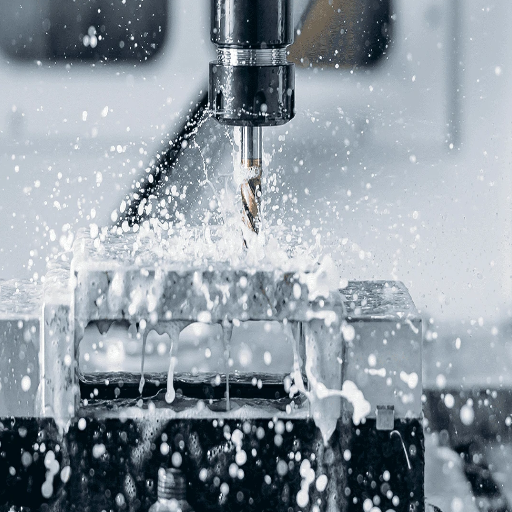
Factors to Ponder on While Selecting a CNC Router
Several things are considered in selecting a CNC router for your purposes. The first check is for compatibility. Different CNC routers were built to cut or engrave different materials for example wood, metal, plastic, or composites. In checking the material of use, you are ensuring there is better performance and durability.
- Work area size: The cutting-bed dimensions ought to be a good fit for the size of your designs most of the time. For larger-scale production or oversized components, a router with a large work area becomes indispensable to avoid stifling your design freedom.
- Spindle power: Equally important and has a direct impact on a machine’s ability to precisely and efficiently cut through materials. Higher-powered spindles are used for robust materials or in demanding applications, whereas lower-powered spindles are suitable for lighter workloads, thereby saving energy and costs.
- Software compatibility: If the CNC router comes with intuitive software, it would be particularly well-suited for smoothing design-to-production workflows, especially for new users. Ensure the software supports industry-standard file formats and features advanced capabilities, such as toolpath optimization and simulation functions, to enhance productivity.
- Build quality: A CNC router that is sturdily built with good-quality materials will provide far better accuracy over time, durability, and reliability. Look for a dust collection system that works well and has easy access to the parts, allowing technicians to change, fix, or clean them quickly during routine maintenance.
Taking all these factors into account will enable you to select a CNC router tailored to your specific needs, thereby enhancing all aspects of efficiency, accuracy, and economic profitability in your manufacturing or crafting operations.
When to Use a CNC Milling Machine
When precision, versatility, and complex geometries are with demand, CNC milling machines hold the stage. These machines are really capable of producing quality parts that require detailed and delicate designs; hence, the applications are in aeronautics, automotive, and medical industries. If the hard side takes materials like steel, titanium, and special alloys, tools have always had an advantage for being CNC milling machines because of their very robust design and cutting capacity.
Moreover, milling machines are a wide range of tool capable of machining part sizes and shapes; they hence find applications in small-batch prototyping and mass-production jobs. Most CNC milling machines today employ advanced technologies to augment advantages and reduce time in production, including multi-axis machining and automatic tool changers. Such systems use good cost saving and product uniformity level of processes requiring tight tolerances and very specific technicalities.
By acquiring a CNC mill, producers can achieve the finest finish, gain tighter dimensional control, and push the limits of modern machining processes. In any case, the right time to go for a CNC milling machine is often when you consider your production, the complexity of projects, and the materials you handle.
Budget Considerations and Investment
When choosing a CNC milling machine for the purchase, one must keep the upfront costs and long-term value in mind. Upfront costs for CNC milling machines considered in this range generally go from $50,000 to $500,000. Of course, factors such as the machine’s size, capability, and brand all affect this price. Typically, the other advantages outweigh the price in terms of efficiency, less material wastage, and better-quality output. Maintenance-related costs include tooling, power consumption, and training for the operators, which should all also be summed up in the budget.
If maximizing financial return is your concern, you have to include the machine in the manufacturing setup. Small businesses may opt for compact models with basic features, whereas large-scale manufacturers may seek advanced systems with automation capabilities. Leasing alleviates financial pressure to a great extent, allowing companies to purchase state-of-the-art technologies without straining their budgets. With a good investment in CNC machinery, competitive barriers can be created through precision, reduced production time, and the capacity to execute complex designs.
Maintenance and Care for CNC Machines
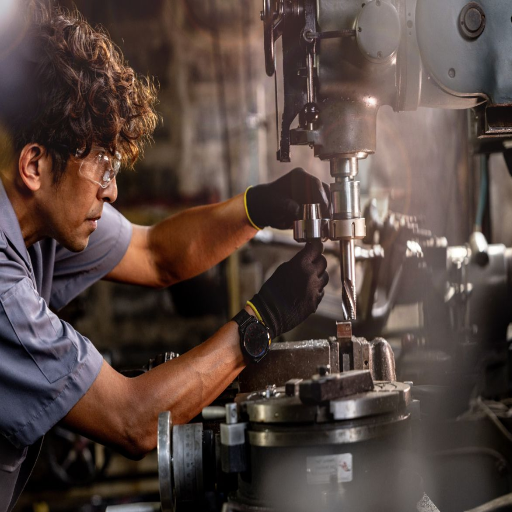
Tips for CNC Router Maintenance
I always emphasize the importance of maintaining a schedule with CNC routers that maximizes performance and reliability. Above all, I check the CNC router every day, cleaning it of dust and other debris that could lower cutting precision or even damage the machine. By wiping it down and ensuring that no dirt obstructs surfaces, rails, or belts, unnecessary wear is prevented. I keep track of bolt and screw tightness during operations because they tend to loosen over time due to vibrations.
This is one of the practices I adhere to for lubricating moving sections to reduce friction and aid smooth working of the machine. I pay special attention to the lubrication of the linear bearing and ball screw, making sure to use the lubricant recommended by the manufacturer so that no issues regarding compatibility arise. In the meantime, I examine the electrical connections and coolant system of the machine. I take care of the wiring being secured, fluid levels being checked, and other maintenance work so that the machine does not break down at some unexpected moment while on production.
Finally, preventive maintenance should be done on any CNC router, generally following procedures recommended by the manufacturer. This includes the replacement of worn parts, calibration of the machine to maintain accuracy, and software updates, if need be. All these preventive measures adopted by me have gone a long way in making my CNC router reliable and capable of producing quality repeatable results.
Keeping CNC Mills Serviceable for the Long Haul
Cleaning and lubricating equipment establishes a basic maintenance procedure to keep the CNC mill running smoothly and without biases throughout its life span. Premise of keeping it clean after use comprises debris such as chips, dust, or other kinds of dirt from settling where they might do damages or hamper good performance someday. Lubrication ensures that the mating surfaces are minimally subjected to friction and wear.
Inspection is another key step that I take in everyday procedures-I am always looking for signs of wear and tear on belts, gears, and so on. A little early intervention from my side to replace a worn belt or tighten a loose fastener prevents the escalation of a minor issue into a major one that would have halted the proceedings and had the sky-high cost of repairing. Also, while ensuring that the mill is installation are aligned and precise so that it continues to give [accurate and] high-quality output.
Maintenance, I believe, should be performed on schedule, according to the manufacturer’s recommendations. So, you are looking at periodic calibrations, the replacement of parts that have reached the end of their life, and updates for the mill software and firmware. The road to maximum lifespan and performance for CNC milling machines lies in proactive, common-kanji maintenance with little downtime and unexpected breakdowns.
Common Problems and Troubleshooting Tips
It really depends: common issues I have come across when managing a CNC mill, and over the years, effective troubleshooting techniques have evolved in my mind to counter them. A common problem is tool wear or damage that affects the accuracy of the operation and results in subpar finishes. Therefore, the first thing I check in the management process is whether the tools exhibit signs of wear. For instance, if a tool shows signs of chipping around its edges or is dull, the best thing is always to discard that tool immediately and replace it with a new one; maintaining proper speeds and feeds according to the material used can also serve a major role in wear reduction so that it will not overheat during operation.
One problem I have encountered has been the alignment or calibration errors, which can yield irregular finishes or incorrect dimensions. In such cases, I would first try to verify the machine’s calibration under the manufacturer’s guide or built-in diagnostics. I would then proceed to check the intermittent re-alignment of the workpiece and spindle since even a slight misalignment may cause a great deal of impact. Periodic zero-point checks and ensuring leveling of the machine have also contributed towards maintaining my accuracy.
Lastly, software errors can bring operations to a halt at any time. Whenever I detect some abnormal behavior, such as an unexpected stoppage or cause and effect contradicting the logical flow of code executions, the first thing I check is whether or not the program file is full of errors or whether it lacks the right parameters. After I have ruled out any problems with the program, I check that the firmware and software are all up to date and compatible with that particular machine I am working on. Test simulations, which were run appropriately before mass production, have saved me from stepping into some sort of software-related issues. At least some of the disturbances that would have affected CNC quality were eliminated simply by keeping track of new issues as they appeared and attended to them in due time.
Reference Sources
-
CNC Milling Machine vs. CNC Router | Key Comparisons – American Micro
Provides a detailed breakdown of the differences in precision, materials, and applications between CNC routers and mills. -
CNC Router vs. CNC Mill — What’s the Difference? – Xometry
Explains the strengths and limitations of CNC routers and mills, focusing on materials and machining capabilities. -
CNC Router vs. Mill – What is the Difference? – DATRON
Highlights the differences in motion range, work surface, and applications for CNC routers and mills. -
CNC Router vs. Mill – What is the Difference? – CAMaster
Discusses RPM differences, material compatibility, and the specific use cases for each machine type. -
CNC Routers vs. CNC Mills: Key Differences and How to Choose – Makera
Focuses on material suitability, precision, and how to select the right tool based on project needs.
Frequently Asked Questions (FAQs)
Trying to look for the differences between a CNC router and a CNC mill?
It’s all in their design and the purposes they serve: CNC routers, generally speaking, cut softer materials like wood, plastics, or foams, whereas CNC mills deal with tougher materials like metals and titanium. The CNC mills use end mills and a stronger spindle for precision work. The CNC router-alike tools, or rather router bits, are generally preferred by woodworkers and prototype makers. With this option, machines are selected based on the material of the workpiece.
How do CNC routers and mills work?
CNC routers and mills operate under CNC technology, which controls automated movement and precision cutting. In both CAD and CAM software is used to make designs and carry out the cuts. That said, CNC routers typically have more axes, allowing for a broader range of CNC machining, while CNC mills tend to be bulkier to withstand the scraping against tougher materials as the machines operate. The kind of machine will determine how complex projects can be undertaken.
Can the CNC mill cut wood like the CNC router?
A CNC milling machine, no doubt, can cut wood, but that is not their main purpose. The CNC router works better with soft materials such as wood. Therefore it may be considered as a woodworking tool, whereas the CNC milling is considered to be of more use in metalworking. The high-speed spindle of the CNC routing machine can cut quickly and yield smooth finishes on wood. In contrast, CNC mills are designed for cutting metal more efficiently and need various cutting tools like end mills to function effectively. Hence, in terms of good woodworking, it is always better to opt for a CNC router instead of a CNC milling machine.
So, what types of materials do CNC routers and CNC mills work with?
CNC milling cutters usually cut soft materials- wood, plastics, foams, sheet materials. Such materials allow for high-speed cutting and complex designs; hence, high-speed routers fit perfectly in the cabinetry and signs-making industry. CNC mills, however, are meant for harder materials such as metal-aluminum, titanium being a few names thrown around. Thinking along these principal differences between the machines, one ensures that the quality and/or precision of the final product may vary; so really you have to know your materials in order to choose which of the CNC machining methods will best suit your purpose.
What makes a CNC milling machine different from a CNC router?
Construction, purposes, and types of materials on which they operate are but some of the processes that differentiate CNC mills from CNC routers. CNC mills will be heavy, so to speak, and will cut harder materials with strong spindles and heavy end mills. CNC routers, lighter in design, work on a variety of softer materials, thereby allowing for the delicate design work to be performed at high speed. CNC routers offer more versatility in the work area, and can, in many cases, accommodate larger sheets. This is an important distinction when choosing the appropriate machine for one’s needs.
How do you determine which of these machines better suits your project, the CNC router or the CNC mill?
The first factor in choosing which machine is better for you is the materials you will be working with and the intricacies of your design. For tender materials, such as wood and foam, the CNC router is the best option, as it can accurately cut these materials very well. If your requirements lean towards working on harder materials or require cutting precision parts, then the CNC mill will suit you better. The size of the work area needed, working detail of the project, and the type of cutting tool should be taken into consideration.