




Imagine a technology that slices through materials with utmost precision, powered by nothing more than a jet stream of water moving with thunderous velocity. Waterjet cutting is a remarkable combination of power and precision, offering versatility for today and tomorrow in manufacturing and fabrication. This method, which utilizes high-pressure water streams or mixed streams of water and abrasive, can cut through metals, glass, stone, and even materials such as foam or rubber. So how does it all fit together? Through waterjet cutting technology, we’ll explore the major components and why it has become the worldwide choice in various industries. Whether you’re a beginner or looking to achieve above-average results, let’s unlock the secrets of this impressive wonder of engineering.
Introduction to Waterjet Cutting
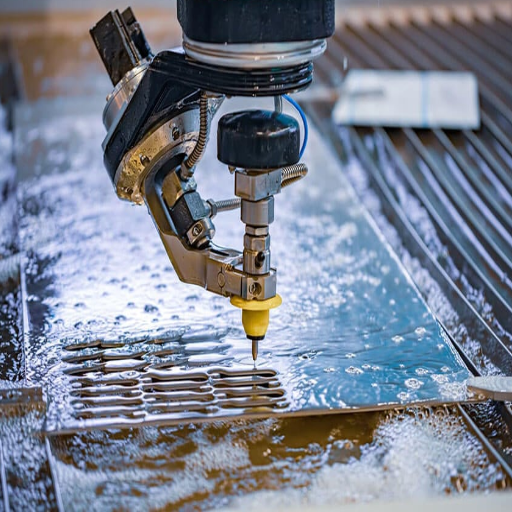
In any manufacturing environment, waterjet cutting involves slicing through almost any material using a high-pressure stream of water and an abrasive material. This method is exact and can cut metals, glass, stone, ceramics, and softer materials like rubber without damaging their structural integrity. A jet of water is directed through a nozzle at an extreme velocity to develop enough force capable of cleanly and accurately slicing material. Its ability to cut without heat and versatility have made them popular in aerospace, automotive, and construction industries.
What is a Waterjet Cutting Machine?
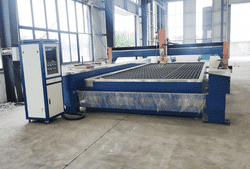
High-pressure waterjet cutting machines are advanced tools that operate by harnessing the energy of high-pressure water streams to cut materials precisely and efficiently; in some cases, abrasive material is mixed with the water to enhance the cutting process. Water is projected out of a tiny nozzle at pressures ranging from 30,000 to well over 60,000 psi. With abrasive particles like garnet, one can cut hard materials with precision, including steel, titanium, and stone.
Waterjet cutting machines preserve material integrity because the process involves “cold cutting,” and therefore, no heat-affected zones (HAZ) are formed, which compromise the structural integrity of the material. This process is ideal for cutting metal, composites, and laminated materials that could otherwise warp due to heat-based cutting processes.
Such precise cutting, with tolerances of ±0.001 inches, is used in aerospace applications; waterjet technology is also utilized in the automotive industry to produce custom components quickly. Such systems are also environmentally friendly, as they produce minimal waste and avoid the formation of harmful byproducts, hence becoming increasingly the preferred choice for ‘green’ industries.
More advanced waterjet cutting mechanisms are now being integrated with CNC systems for highly automated and precise cutting. Users are offered software in such machines that allow them to input a sketch design, which the system then transcribes into cutting instructions to produce complex and intricate shapes. As the global market for waterjet cutting technology is expected to experience excellent growth over the next couple of years, companies seeking to combine versatility with precision view these machines as an invaluable asset.
How Waterjet Cutting Technology Works
A high-pressure stream of water is what waterjet cutting technology uses, often mixed with abrasives, to cut almost anything with utmost precision. The system consists of a pump that pressurizes water up to 90,000 psi and sends it through a tiny orifice, allowing it to exit at high velocity. Tough materials like metal and ceramics require abrasives such as garnet to be fed into the waterjet stream to aid the abrasive action.
Modern waterjet systems are supported by computer numerical control software that can execute complicated cuts with a tolerance of up to ±0.001 inch. This allows waterjet cutting to be used in industries such as aerospace, automotive, and electronics that require complex designs and utmost accuracy. According to recent studies, the global waterjet cutting market is expected to grow to $1.5 billion by 2030, driven by high demand in manufacturing and prototyping applications. Besides, environmentally friendly waterjet cutting is compared to traditional machining, as it produces no harmful fumes or thermal distortions during operation; hence, it is versatile and sustainable.
Overview of the Waterjet Cutting Process
Waterjet cutting is an accurate and cutting-edge technique that employs a pressurized water jet, sometimes supplemented by abrasive material, to cut through various materials, including metal, stone, glass, composites, and more. The process works by channeling water through a narrow nozzle at pressures of up to 94,000 PSI, producing an enormously powerful cutting jet that is sharply concentrated on a tiny area. One of the paramount advantages of waterjet cutting is that it can achieve highly intricate and precise cuts without the accompanying heat, which eliminates the possibility of thermal damage or deformation to the material. Growing market reports have shown recent demand primarily in industries such as aerospace, automotive, and construction, where extremes of precision and material integrity are required.
Candidate modern techniques enhance the efficiency of waterjet machines, enabling material-cutting capabilities with thicknesses of up to 12 inches and tolerances as close as ±0.001 inches. Environmentally, the process consumes only small quantities of water and utilizes recyclable abrasives, with garnet being the preferred choice of sand. It does not emit any toxic fumes or pollutants, which brings it under the sustainability targets of many industries.
The growing trend nowadays is leading to an ever-increasing adoption of 5-axis waterjet cutting, which allows for greater freedom in creating the complex geometries demanded by three-dimensional components. Hence, the technology has become essential for manufacturers seeking to balance the aspects of production speed and precision.
Types of Waterjet Cutting
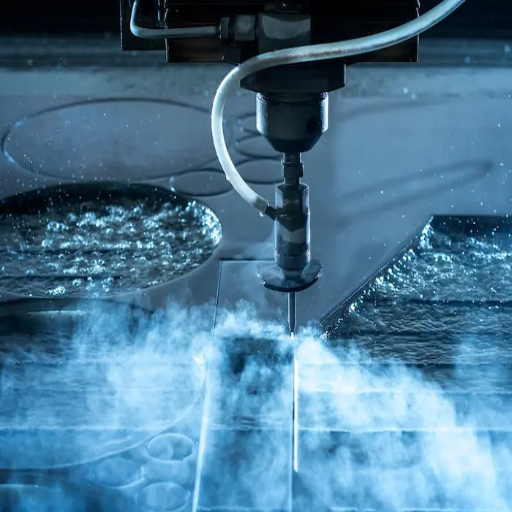
Mainly, there are two types of waterjet cutting:
| Type | Description | Applications | Materials |
|---|---|---|---|
| Pure Waterjet Cutting | Utilizes raw water to cut through soft materials | Precise cutting without damage | Foam, rubber, textiles |
| Abrasive Waterjet Cutting | Combines water with abrasive substances like garnet | Heavy-duty industrial cutting | Metals, stones, ceramics, composites |
Pure Waterjet Cutting
Pure waterjet cutting is a specialized technique that utilizes a stream of water under extreme pressure — usually up to 60,000 PSI — to cut through soft and delicate materials. Where abrasive materials cannot be used, pure waterjet cutting finds applications for cutting foam, paper, rubber, plastic, and some food items. The precision levels achieved with pure waterjet cutting ensure that industries such as packaging, textiles, and food processing favor the process.
Recent industry insights suggest pure waterjet cutting systems can hold tolerances as close as ±0.003 inches, such that the extreme precision demanded by challenging designs is practically guaranteed. This method also has the added advantage of being environmentally friendly, as minimal material waste is generated and no toxic byproducts are produced. Furthermore, it is energy-efficient, as its newer systems have been optimized for water and power consumption. For the very reasons that pure waterjet cutting preserves the integrity of delicate materials while ensuring perfect cuts on a large scale, manufacturing units continue to favor it even today.
Abrasive Waterjet Cutting
In abrasive waterjet cutting, jets of water mixed with abrasives, such as garnet, provide an additional cutting force against various materials, ranging from tough to very tough. Such cutting is generally used for thick metals, stones, ceramics, glasses, and composites. Typical cutting speeds can reach up to 12 inches per minute on stainless steels, while tolerances as narrow as ±0.001 inches ensure higher accuracy, even on complex designs.
It has the capability to cut material up to 12 inches thick, placing it in the league of heavy industrial operations. Since it is a cold cutting process, it does not develop heat-affected zones, hence maintaining the architectural integrity of the material and its thermal distortion. Due to continual innovations, today, abrasive waterjet has also become an Advanced Manufacturing System, allowing it to design automated controls, 5-axis cutting for intricate 3D shapes, and angled cuts.
Another noteworthy feature underlying environmental sustainability. It reduces material wastage and does not release toxic gases or byproducts, making it a cleaner and more eco-friendly option compared to other cutting technologies. According to market researchers, the waterjet cutting industry is experiencing a growth rate of around 5-7% CAGR, indicating high demand for this technology due to its precision and flexibility in manufacturing processes. This forward-looking technology is transforming material processing industry maintenance in terms of efficiency and accuracy.
Micro Abrasive Waterjet Cutting
Micro abrasive waterjet cutting can be defined as an ultra-precise machining technique capable of producing intricate and delicate components in various industries. This process utilizes a high-pressure, focused stream of water and abrasive particles to achieve an accurate cut-through of materials as thin as 0.1 mm, while maintaining exceptionally tight tolerances, often within ±0.01 mm.
Micro abrasive waterjet technology is widely used in electronics, aerospace, and medical device manufacturing plants for producing complex geometries without thermal distortion. The global micro abrasive waterjet cutting industry is likely to experience a significant surge, driven by factors such as the growing importance of precision manufacturing and advancements in miniaturization technologies. Reports have it that this particular segment is forecasted to register a CAGR of above 6% over the next decade.
The uniqueness of this approach lies in its ability to stand for all. For instance, micro abrasive technology can be used on a wide range of materials, including metals, ceramics, composites, and even brittle substrates such as glass. Yet another process-friendly aspect of this technique is the reduction of wasted material coupled with the lack of hazardous chemical byproducts. In light of newer technological advancements, micro-abrasive waterjet cutting is indispensable for the high-precision manufacturing solutions of tomorrow.
Benefits of Waterjet Cutting
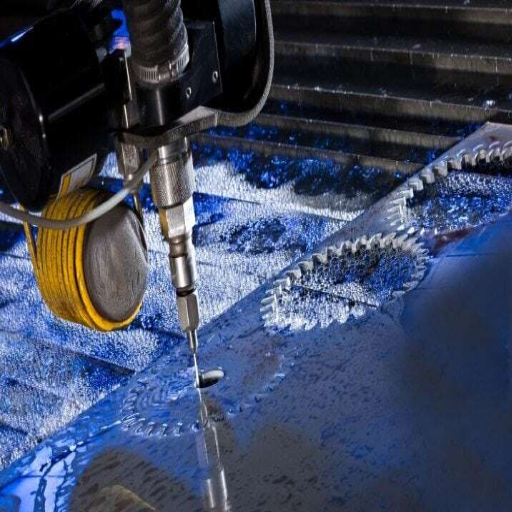
Extreme Precision
Waterjet cutting assures that even the most intricate designs and tight tolerance requirements can be met. This guarantees the best results for complex jobs.
Material Versatility
Almost any material can be thin-cut, including metals, ceramics, glass, and composites. It is a one-tool solution for the manufacturing world.
No Heat-Affected Zones
Being a cold-cutting process, it won’t generate heat distortion or refine it away momentarily. The material’s integrity remains intact.
Environmentally Friendly
It generates less waste, eliminating the need for harmful chemicals, making it a very sustainable choice.
Cost-Effectiveness
Less waste means long-term economic benefits, as it can reduce the use of a wide array of materials.
Precision and Accuracy in Cuts
Due to its unmatched precision and accuracy, waterjet cutting is well-suited for complex and detailed work. Tolerances of very tight ranges, such as +/- 0.003 inches, can be maintained. However, some equipment and setups may be tighter or more lenient. Such tolerances are ideal for use in situations requiring exact specifications in aerospace, automotive, and electronic manufacturing.
It also allows for smooth finishing without requiring further secondary finishing; hence, it is both cost- and time-efficient. In contrast, waterjet cutting can maintain accurate specifications and produce smooth edges on a variety of materials, from metals to composites, without altering the original composition. Research studies further suggest that when coupled with computer numerical control (CNC), advanced waterjet systems can execute intricate designs with high repeatability, ensuring that every smallest piece meets the stringent standards of industries. Such accuracy and efficiency make waterjet cutting an ideal solution for projects that require intricate detailing as well as precision.
Versatility in Cutting Materials
Waterjet cutting is renowned for its ability to cut a wide range of materials with remarkable precision and efficiency. It caters to various industrial requirements, ranging from soft materials such as foam and rubber to complex substances like steel, titanium, or ceramics. For example, modern abrasive waterjets can be used to cut materials up to 12 inches in thickness, depending on the type of material and setup used. Such versatility makes it commercially accepted in automotive, aerospace, and architectural industries.
Additionally, the waterjet cutting process does not create heat-affected zones (HAZ), which are typically produced with other conventional cutting methods, thereby preserving the integrity of heat-sensitive materials, such as composites or certain metals. With the latest developments, waterjet systems can now effect micro-cuts with tolerances as low as ±0.001 inches, which is extremely important for the precision engineering industry. Due to this versatility, waterjet cutting is fast becoming a recognized standard for projects requiring detailed layouts or cutting of mixed materials with unsurpassed accuracy.
Environmental Benefits and Waste Reduction
Waterjet cutting is considered an environmentally friendly technique, primarily due to its minimal environmental impact. Unlike other cutting techniques, which require a lot of heat, generate dust, or produce hazardous fumes in the air, the waterjet process involves no thermal treatment and no air contaminants; hence, it provides a safer environment for workers and the environment. Additionally, waterjet-based machining systems primarily operate using water, with newer models designed to run in closed-loop systems, thereby recycling water to minimize waste.
Another important step comes in waste reduction. In comparison to waterjet cutting, which offers high precision, traditional cutting methods generate a significant amount of scrap due to imprecise processes, thereby wasting more raw materials. Research proves that this may result in about 20 to 30% less waste of raw material, depending on specific project parameters. Moreover, the capability to cut mixed materials with remarkable precision significantly reduces the need for secondary processing, thereby saving resources and energy. These benefits have been further enhanced by design improvements, with sustainability as the focal point, indicating that industries wishing to reduce their ecological footprint mostly opt for waterjet cutting.
Applications of Waterjet Cutting

Due to its precision and versatility, this technique has been widely utilized in various industries. It is typically used in manufacturing to cut metals, composites, and glass, while ensuring that the cutting process does not change any material properties. The aerospace industry uses it to cut complex components with a high degree of precision, while the automotive industry uses it to cut aluminum and plastics. Waterjet cutting is also widely used in construction for applications involving stone and tile, while the art sector employs it for intricate design work. Its flexibility and efficiency make it a good choice for both large-scale industrial solutions and smaller-scale custom works.
Industries Utilizing Waterjet Cutting
Waterjets cut a wide range of materials with great precision and versatility in numerous industries—invariably without altering the properties of the material. Some of the most prominent sectors use this technology:
1. Aerospace Industry
Due to strict tolerance levels and intricate designs of the components, the aerospace industry extensively uses waterjet cutting. This technique is beneficial for cutting titanium, aluminum, and high-strength alloys used in aircraft structures and engines. Research studies have shown that material waste is reduced by up to 30% with waterjet cutting compared to conventional methods, thereby allowing for greater cost-effectiveness during the manufacturing process.
2. Automotive Manufacturing
The automotive industry utilizes waterjet cutting to cut aluminum panels, carbon fiber parts, and interior materials, including foam and upholstery cloth. Since it is a cold-cutting process, waterjet technology eliminates deformation of materials under heat, which is particularly important in modern vehicles, including those with carbon fibers and other advanced composite materials. This cutting technology is reported to enhance production speed while maintaining optimal levels of accuracy in processes.
3. Construction and Architecture
With its adaptability, waterjet cutting has become a staple application in construction and architectural uses. It is used to cut materials such as granite, marble, and ceramic tiles with great accuracy for countertops, murals, or complex design flooring. Waterjet enables architectural firms to design uniquely tailored solutions that meet the specific needs of their clients. For example, significant efficiency gains have already been achieved in the global tile-cutting industry due to this technology.
4. Medical Equipment and Devices
In medicine, the waterjet method is used to make surgical instruments, implants, and other devices that require the utmost precision. Some of these materials can be surgical-grade stainless steel or polymers that the method can cut without compromising their structural integrity, to safeguard their compliance with healthcare standards.
5. Energy Industry
Waterjet cutting plays a vital role in the production of renewable energy, particularly in the manufacture of components for wind turbines and hydropower systems. The ability to efficiently cut large and thick metal sheets without compromising material quality has put this technology in a favorable position for energy infrastructure projects.
6. Artistic and Creative Fields
Artists and designers use waterjets to manufacture pieces according to their creative ideas. The technology is used for metal sculptures and custom-made jewelry, which requires a great deal of accuracy and flexibility due to their intricate designs. It can cut into numerous materials, opening up limitless possibilities for artists.
Incredible growth, projected to continue over the years, is being seen in the waterjet cutting industry, as the demand for this technology from various sectors and others sets the global waterjet cutting machine market at over $1.5 billion by 2030. This rapid growth only underscores the importance of waterjet technology as a versatile tool in various applications.
Common Materials Cut with a Waterjet
Waterjet cutting technology is renowned for its versatility and is capable of precisely cutting almost any material, with some of the most common materials being cut by this method:
Metals: A waterjet can cut a wide range of metals, including aluminum, steel, copper, and titanium. For example, stainless steels are frequently processed by waterjet cutting because they retain structural integrity without any heat-affected zones, which is considered advantageous in industries such as aerospace and construction.
Glass: Waterjet cutting is used for glass design in complex motifs and arrangements without causing cracks, chipping, or damage to this precious material, a method that is mainly employed in a combination of architectural, decorative, and electronic applications where precision is crucial.
Composites: Advanced composites, such as carbon fiber-reinforced polymers, benefit from waterjets because they cut cleanly without fraying or damaging the material. Hence, this is very important in car building and aerospace, where lightweight materials are required.
Stone and Ceramics: Marble, granite, and ceramic materials are typically cut using a waterjet for architectural and interior design applications. The high-pressure stream carves through these hard materials, such as those used for countertops, tiles, or other applications, without generating excessive waste.
Plastics and Rubber: Offer excellent performance for cutting plastics, acrylics, and rubbers, enabling smooth finishing with waterjet technology, which is used in packaging, manufacturing, and other industries where precision is crucial.
With the thickness for waterjet cutting increasing to 12 inches for some materials, it suits projects of all sizes, both small and large. Notwithstanding, this ability to perform R&D without inducing heat distortion or releasing noxious fumes makes it of paramount importance across a variety of industry sectors.
Innovative Uses of Waterjet Technology
The evolution of waterjet technology has surpassed the traditional use of mere cutting tools into a modern weapon of choice. Precision cutting of composite materials is essential in the aerospace industry. The waterjet’s second important feature cuts the carbon fiber-reinforced polymer with incredible precision, guaranteeing no damage to the structural integrity of the aerospace component. Another pioneering application is the design of surgical instruments and prostheses, where the levels of complexity achieved by waterjets translate to greater precision and less material wastage.
Waterjets are also used within the automotive sector to manufacture complex parts, including engine components and custom vehicle designs. For instance, it provides the ability to cut harder materials, such as titanium and stainless steel, without imparting the structural weaknesses usually caused by heat distortion. Recent studies have recognized the use of water jets in cutting processes as a means to save 30% in material costs due to minimal kerf losses during manufacturing.
On the other hand, the welfare of mankind and Sustainability also set waterjet technology apart. Due to cold cutting methods, hazardous by-products are eliminated, and combining bottle water filtration systems allows for water recycling, which reduces water consumption by 60% in some system designs. These improvements serve as a testament to how waterjet technology continues to evolve, offering versatile solutions to industries that must balance efficiency with precision and sustainability concerns.
How to Use a Waterjet Cutter
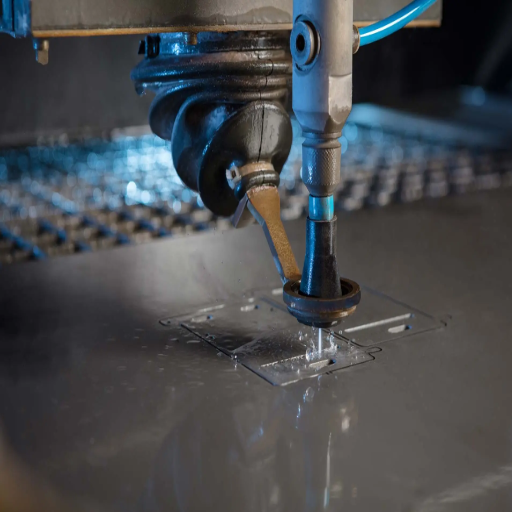
A few key steps are necessary to ensure precision and safety while working with a waterjet cutter:
Prepare the Material
Secure the material to the cutting bed to prevent movement during cutting. The material should be suitable for waterjet cutting and be able to withstand the pressurized stream.
Set Up the Machine
Program the waterjet cutter to execute the cut according to a design generated by a CAD system. Review and double-check all settings, including pressure, nozzle type, and abrasive level, to ensure they match the material’s thickness and properties.
Conduct a Safety Check
Verify that all safety precautions are observed, including the presence of guards and the availability of the emergency shut-off. Operators should wear all necessary safety gear, and especially eye protection.
Perform the Cut
Initiate the cutting process and monitor it to make adjustments as needed. The waterjet will accurately cut the material according to the programmed design.
Inspect the Finished Product
The final inspection must verify that the edges and the final product meet the specifications. Cleaning the surface of any residual abrasives will be necessary.
Following these steps enables you to operate a waterjet cutter in the most effective manner to achieve optimal results.
Setting Up the Waterjet Machine
The setting of the waterjet machine is of utmost importance, as it determines the final accuracy and efficiency of its operations. The correct setup procedure must therefore be followed as follows:
- Prepare the Work Area: Clear the workspace around the waterjet cutter to ensure no obstructions exist. Adhere to any safety protocols required, including the use of any necessary personal protective equipment (PPE), such as gloves, goggles, and ear protection.
- Check Machine Components: In doing so, check the waterjet cutter for any evident damage or wear, giving extra attention to the nozzles, abrasive delivery systems, and hoses. Repair or replace damaged parts as necessary.
- Load the Material: Place and secure the materials on the cutting bed, ensuring they lie flat and are firmly attached so that they do not move during operation. Sears, such as clamps or weights, might be employed to hold the materials steady.
- Configure the Software: Import your design file into the machine software interface. Be sure that your file is compatible and correctly scaled. Set cutting parameters such as pressure, speed, and abrasive flow rate according to the material’s type and thickness.
- Test the Machine: A test run is authorized to ensure that the settings are accurate and the waterjet is on the correct path to cut. This step, if done correctly, provides the opportunity to ensure that no mistakes arise until the moment the final cut begins.
It is by engaging in these setup steps that the waterjet machine can be set up to perform maximally while ensuring safety and precision during its operations.
Operating Procedures for Efficient Cutting
- Double-Check for Setup: Check whether your stock is held firmly in place, so the cutting path is just going it. Also, verify if the waterjet pressure and abrasive settings are suitable for the sort of material being cut.
- Monitor the Cutting Process: Monitor cutting operations to ensure consistent performance, watching for irregularities such as uneven cuts or a very large kerf, which may require adjustments to pressure and abrasive flow settings.
- Adjust for Material Properties: Slow down the cutting process for thick and hard materials; apply extra pressure and abrasive flow. This would ensure accuracy without any unnecessary wear to the machine.
- Maintain a Clean Work Area: Clean out debris from the cutting table and keep an eye on the abrasive supply to ensure no interruptions. Such care would provide excellent performance and less downtime.
- Inspect the Final Cut: Then, cut and check the finished goods for accuracy and fair edges. If deviations occur, use the settings in the future to achieve better results.
These steps ensure cutting is efficient, precise, and safe, optimizing the performance and longevity of the waterjet machine.
Maintenance Tips for Waterjet Machines
Some key practices that I follow for the efficient maintenance of my waterjet cutting machine Include Checking and replacing worn nozzles and seals from time to time, which surely guarantee uniform cutting performance. Filters are cleaned and inspected daily to prevent clogging and ensure the free flow of water. Abrasive levels are regularly monitored, and any accumulation is removed to start smooth operation without interruption. These proactive steps help me keep the machine in good condition and, if possible, limit unforeseen downtimes.
Key Performance Specifications
| Specification | Pure Waterjet | Abrasive Waterjet | Micro Abrasive Waterjet |
|---|---|---|---|
| Pressure Range | Up to 60,000 PSI | 30,000 – 94,000 PSI | Up to 90,000 PSI |
| Tolerance | ±0.003 inches | ±0.001 inches | ±0.01 mm |
| Maximum Thickness | Varies by material | Up to 12 inches | Materials as thin as 0.1 mm |
| Cutting Speed | Material dependent | Up to 12 inches per minute | Ultra-precise, slower speeds |
| Applications | Soft materials, food items | Metals, stone, ceramics | Electronics, medical devices |
Market Trends and Future Outlook
Market Growth
The global waterjet cutting market is expected to reach $1.5 billion by 2030, driven by increasing demand in manufacturing and prototyping applications.
Industry Growth Rate
The waterjet cutting industry is experiencing a growth rate of around 5-7% CAGR, indicating high demand for precision and flexibility.
Micro Waterjet Segment
The micro abrasive waterjet cutting segment is forecasted to register a CAGR of above 6% over the next decade.
Technology Integration
Growing adoption of 5-axis waterjet cutting and CNC integration for complex three-dimensional components.
Comparison: Waterjet vs. Traditional Cutting Methods
| Feature | Waterjet Cutting | Laser Cutting | Plasma Cutting | Traditional Machining |
|---|---|---|---|---|
| Heat Generation | Cold cutting process | High heat generation | Extreme heat | Heat from friction |
| Material Waste | 20-30% less waste | Moderate waste | Higher waste | Significant waste |
| Precision | ±0.001 inches | ±0.003 inches | ±0.020 inches | Varies widely |
| Material Thickness | Up to 12 inches | Limited by material | Moderate thickness | Varies by method |
| Environmental Impact | Minimal, eco-friendly | Fumes and gases | Toxic fumes | Oil, coolants are required |
Cost Considerations and ROI
Initial Investment vs. Long-term Benefits
- Equipment Costs: While initial investment in waterjet cutting machines can be substantial, the long-term benefits often justify the cost through reduced material waste and elimination of secondary processing.
- Operating Costs: Water and abrasive materials (primarily garnet) represent ongoing operational expenses, but newer closed-loop systems can reduce water consumption by up to 60%.
- Maintenance Expenses: Regular maintenance of nozzles, seals, and filters is essential but predictable, allowing for better budget planning.
- Labor Efficiency: CNC integration and automation reduce labor costs while improving consistency and reducing human error.
- Material Savings: Studies show a 30% reduction in material costs due to minimal kerf losses and precise cutting capabilities.
Safety Considerations and Best Practices
Personal Protective Equipment (PPE)
Always wear appropriate safety gear, including safety glasses, gloves, and ear protection. The high-pressure nature of waterjet cutting requires strict adherence to safety protocols.
Machine Safety Features
Ensure all safety guards are in place and emergency shut-off systems are functional before operation. Regular safety audits help maintain a safe working environment.
Training and Certification
Proper operator training is essential for safe and efficient waterjet cutting operations. Regular refresher courses ensure operators stay current with best practices.
Workspace Management
Maintain a clean, organized workspace free from obstructions. Proper ventilation and drainage systems are crucial for safe operations.
Conclusion
Waterjet cutting technology represents a revolutionary approach to material processing, combining unmatched precision with environmental sustainability. From its ability to cut materials ranging from delicate foam to thick titanium plates, waterjet cutting has established itself as an indispensable tool across numerous industries. The technology’s cold cutting process eliminates heat-affected zones, preserves material integrity, and reduces waste by up to 30% compared to traditional cutting methods.
As we look toward the future, the continued evolution of waterjet technology—including 5-axis cutting capabilities, micro abrasive systems, and enhanced CNC integration—promises even greater precision and efficiency. With the global market projected to reach $1.5 billion by 2030 and consistent growth rates of 5-7% CAGR, waterjet cutting is positioned to play an increasingly vital role in modern manufacturing.
Whether you’re in aerospace, automotive, construction, medical device manufacturing, or artistic fields, waterjet cutting offers the precision, versatility, and environmental benefits that today’s industries demand. The investment in waterjet technology not only enhances production capabilities but also supports sustainability goals through reduced waste, eliminated toxic byproducts, and energy-efficient operations.
For manufacturers seeking to balance production speed with precision while maintaining environmental responsibility, waterjet cutting technology stands as the clear choice for both current applications and future innovations in material processing.
Reference Sources
3. Review on the Abrasive Water-Jet Machining of Metal–Carbon Fiber Hybrid Materials
Frequently Asked Questions (FAQs)
What is the Water Jet Cutting Process?
Water jet cutting is a process that utilizes a high-pressure stream of water to cut through a variety of materials, including metals, plastics, glass, and even stone. Very high water pressure is employed by the cutting jet to create a stream capable of exact cuts without any tempering effect on the material being cut, and hence it is referred to as a “cold” cutting process.
How Does a Water Jet Cutting Machine Work?
Water jet cutting machines pressurize water to ultra-high pressure and then thrust it through a tiny nozzle to generate a very high-speed cutting stream. The stream is aimed at the material to be cut, enabling very accurate cuts. The abrasive may also be mixed with the waterjet stream to cut harder materials. Waterjet is used to cut a wide range of materials, including metals, plastics, ceramics, and composites. The great versatility of waterjet cutting technology enables the processing of both soft and hard materials, allowing it to take on a wide range of industrial applications.
What Are the Advantages of Waterjet Cutting?
Some of the advantages of waterjet cutting include an accurate cut within a ±0.1 mm tolerance; it is also capable of cutting complicated contours. Additionally, the heat-affected zone is usually minimized, if not eliminated. Environmental aspects are also considered, as this process utilizes water-based solutions and often eliminates the need for secondary processing.
What is the Difference between Abrasive Waterjet Cutting and Pure Waterjet Cutting?
Abrasive Water Jet Cutting means that the abrasive material adds power to the waterjet stream, thereby turning the jet into an efficient cutting tool for hard materials. By contrast, Pure Waterjet Cutting employs high-pressure water alone and is suitable for soft materials.
Where Is Waterjet Cutting Employed?
Waterjet cutting is widely used in various industrial applications, including metal fabrication, aerospace, automotive, and architecture. It is used in industries that need intricate designs and high-quality finishes, as waterjet cutting can cut thick materials with precision.
Compare Waterjet Cutting with Laser Cutting and Plasma Cutting.
There are several other differences between waterjet cutting, laser cutting, and plasma cutting. Laser cutting utilizes a focused beam of light to melt or vaporize material, whereas waterjet cutting is a cold cutting method that minimizes heat distortion. Plasma cutting utilizes an ionized gas to cut through materials, but it may not offer the same precision as waterjet cutting. The advantages of these methods depend entirely upon your cutting needs.
How Accurate Can Waterjet Cuts Be?
Waterjet cutting can typically achieve a cutting accuracy of ±0.1 mm and thus is one of the most accurate cutting processes available. The tight tolerance and complicated designs of some applications require this degree of accuracy.
How Do I Order Water Jet Cutting Services for My Project?
At a water jet cutting service company, you could give them your project specification for waterjet cutting services, such as types of material, thickness, and cut designs that you desire. The service company will then cut the material to meet your specific needs.