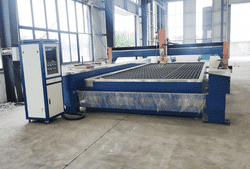
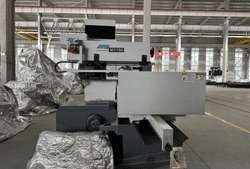


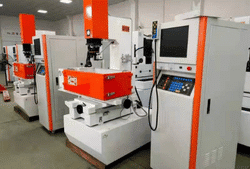
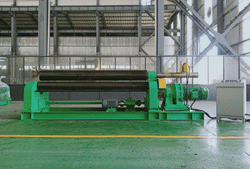

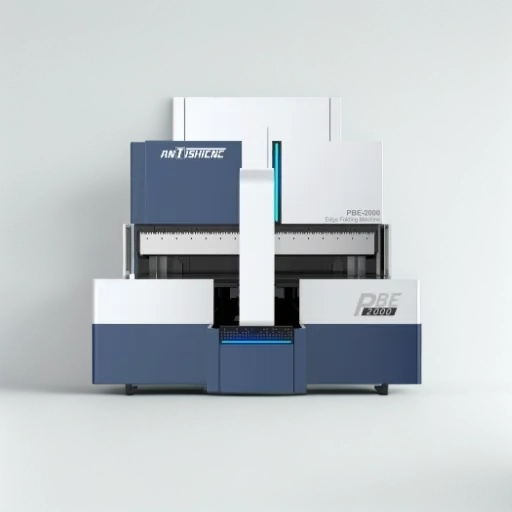
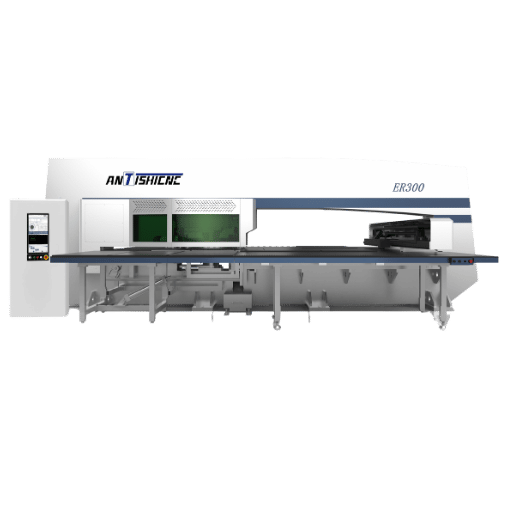
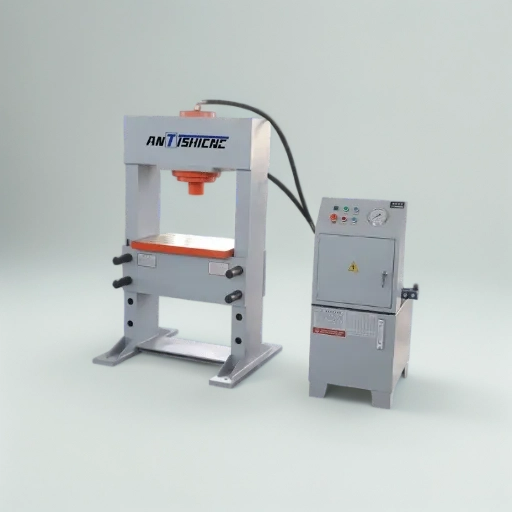


In manufacturing today, sheet-metal punching is used to precisely transform or cut flat sheets into components as demanded by many industries. The sheet-metal-punching process involves cutting, shaping, or drilling metal with particular tools and machinery, offering excellent efficiency and versatility. From automotive parts to the tiniest details in electronics, sheet-metal punching stands as the backbone of production worldwide. So why is this process so important, and how is it made fast to meet high standards today? This article explores the chemistry of sheet-metal punching, its applications, and the benefits it offers to contemporary manufacturing. Whether you work in the field or are curious about how suddenly commonplace articles are manufactured, this guide will shed some light on the art and science of sheet-metal punching.
Introduction to Sheet Metal Punching
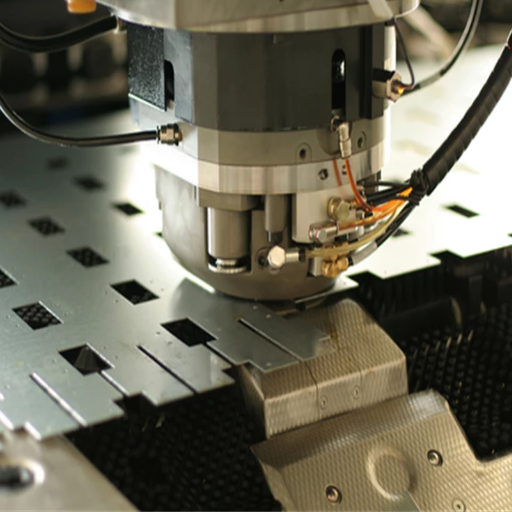
A prime manufacturing process of its kind, sheet metal punching utilizes precise hole or shape cutting in sheet metal by exerting high pressure from a punch and die. Due to its high efficiency, this technique is widely implemented in the automotive, construction, and electronics industries to produce components of varying sizes and designs. Hence, the process is highly accurate, ensures repeatability, uses a minimum amount of material (waste), and is cheap. Manufacturers use advanced machinery with computer-aided control systems to produce complex, consistent results that meet today’s requirements.
What is Sheet Metal Punching?
Sheet metal punching is a fabrication process used to create holes and shapes in metal sheets with precision and efficiency. The installation of a punch through the sheet into a die cuts out the desired shape. The metal thus removed during this cutting process is referred to as scrap or slug.
Modern Precision Standards
Modern sheet metal punching is performed using CNC machines, which ensure a high degree of precision and speed while minimizing manual labor. These systems allow tolerances as tight as ±0.1 mm, making them well-suited for industries where precision is crucial. For example, automotive manufacturing involves the use of punched components in body panels, brackets, and complex structural parts.
⚡ Speed Performance
600+ hits per minute for repetitive tasks, significantly enhancing production rates
♻️ Material Efficiency
20% material savings compared to conventional cutting methods through optimal nesting
Sheet metal punching is also versatile since manufacturers can work with a variety of materials, including steel, aluminum, brass, and even coated metals. These are typically allowed in thicknesses ranging from 0.5 mm to 6 mm, making them suitable for a wide array of applications, from small electronic enclosures to large-scale industrial parts. Due to its ability to expedite work, maintain accuracy, and offer flexibility, sheet metal punching remains a key process adopted in modern manufacturing.
Overview of the Punching Process
In punch and die systems, the press calls the components to cut or form the metal into the desired form. Either the punch or the die is the working surface, with the other serving as the base, which is firmly clamped to withstand the impression applied by a press. The punch door applies the required force by pressing and creating cuts, holes, or shapes in the metal with minimal distortion. The press punching operation can be automated for faster and more repetitive operations with higher production demands.
CNC Technology Advantages
The CNC punching machines have brought enormous improvements in punctuality and efficiency concerning the entire punching task. In a CNC-controlled punching system, complex patterns can be programmed and executed with equal precision. These machines can operate at a high speed of 900 strokes/min, ideal for processing thinner materials, thereby ensuring faster processing times in large projects.
Material Efficiency: Through optimizations in nesting — which refers to arranging parts on the sheet to minimize scrap — manufacturers can achieve material efficiency levels above 80%.
Tool Innovation: Tools with automatic lubrication and wear-detection capabilities increase component life and ensure consistent performance over extended production runs.
Additionally, environmental and economic factors have now become the primary focus of the punching process itself. Newer machines operate and perform punching functions with less energy compared to older machines; thus, the company will incur lower operating costs while trying to attain sustainability goals. These changes bring about the transformation in sheet metal punching, making it an essential and efficient method for countless industries, including automotive, aerospace, and electronics.
Key Components of a Sheet Metal Punch
The sheet metal punch has several parts that have to work together and execute the punching operation precisely and efficiently:
🔧 Punch
The punch is the tool that penetrates the sheet metal to create the desired shape or hole. They are mostly made of hardened steel or other durable materials, as they must withstand repeated use.
⚙️ Die
Positioned below the sheet metal, the die acts as a supportive counterpart to the punch. It has a cavity of the same shape as the punch, allowing for exact cuts with minimal distortion.
🔒 Blank Holder
This firmly holds the sheet metal in position, preventing it from moving or becoming distorted during punching.
💪 Ram
The ram supplies the force necessary to drive the punch through the metal sheet. Its speed and pressure are usually regulated by hydraulic, mechanical, or pneumatic means.
🛠️ Tooling System
The tooling system comprises interchangeable punches and dies, providing customization and versatility for creating a wide range of shapes, dimensions, and designs.
🖥️ Controller Unit
Nowadays, modern sheet metal punches come equipped with computerized controller units that automate and optimize the punching process. They manage precision and repeatability and program complex operations.
Synergy in Action: All of these components work harmoniously to perform accurate and fast punching operations, making sheet metal punches indispensable in the manufacturing and production industries.
Types of Sheet Metal Punching Tools
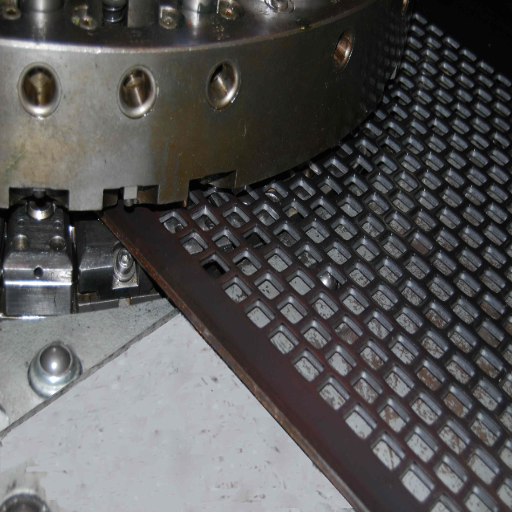
Selection Criteria: Each type is chosen in consideration of the dimensions, complexity, and material requirements of the work at hand.
Overview of Metal Punches
Metal punches are specialized tools used to shape sheet metals through precise cutting, perforating, or stamping processes. They come in various designs and working modes, tailored to meet industrial needs. Essential parameters in choosing a metal punch include the material to be punched, the thickness of the material, and the desired final accuracy. The common types of punches are manual punches for small works, hydraulic punches for stronger materials, and CNC punches for the most complex and detailed works.
Durability, ease of maintenance, and compatibility with existing systems are among the criteria for selecting an appropriate metal punch for a project. Changes in technology, however, have ensured that metal punches of today have significantly higher efficiency and precision, which means less manual work and increased productivity on the shop floor.
Different Punch Tool Designs
The nature of production and metalworking levels produces several designs of punches. It includes, for example, turret punches that support multiple punching operations without the need for tool changes, while hydraulic punch handles thicker materials more easily. Through CNC punching, a high level of precision work is carried out; hence, intricate and complex designs are put into motion through computerized movements.
🔄 Turret Punches
Support multiple punching operations without tool changes
💪 Hydraulic Systems
Handle thicker materials with superior strength
🖥️ CNC Precision
Execute intricate designs through computerized control
Depending on the target material, the punch design will vary according to the thickness and the desired effect. Hydraulic and mechanical systems shall act as punch tools for heavy-duty operations, having the strength and durability for more complex jobs. CNC punch presses are gaining popularity nowadays, as they can make work more efficient and precise, especially when performing very detailed tasks. Interchangeable tooling enables more versatility, allowing for quick changes to manufacture different projects. These punching machines are more advanced, featuring automation that helps reduce human effort and speed up production.
CNC Punching Machines
There are numerous advantages associated with CNC punching machines; therefore, in manufacturing, CNC punching machines are widely preferred. They possess a very high degree of accuracy and efficiency and can produce complicated and intricate designs with low error rates. The use of computer control systems minimizes the chance of human error and ensures batch-to-batch uniformity in quality. Additionally, the speed of production is enhanced, as the machine can perform multiple operations simultaneously. For instance, it can perform punching, forming, and embossing in one cycle.
💰 Cost-Effectiveness Benefits
- ✓ Waste Reduction: CNC punch presses reduce waste by exact programming
- ✓ Quick Job Changes: Adaptability allows manufacturers to quickly switch jobs using interchangeable tooling
- ✓ Automation Features: Online monitoring and automation reduce manual intervention
- ✓ Reduced Downtime: Advanced features contribute to enhanced efficiency
CNC punching machines are particularly valuable in modern fabrication for both heavy-duty applications and intricate work.
Applications of Sheet Metal Punching

Sheet metal punching finds wide applications in manufacturing and polymer fabrication sectors. It is used for various applications, including automotive components, electrical enclosures, HVAC parts, and appliances. It is also used for forming architectural components along with industrial equipment and custom metal work. The applications aim to leverage the precision and efficiency offered by punching to produce high-quality and consistent parts.
Industries Utilizing Sheet Metal Punching
Sheet metal punching plays a multifaceted role in many industries due to its versatility, precision, and cost-effectiveness.
🚗 Automobile
The automotive sector relies heavily on sheet metal punching for the manufacture of various components, including chassis parts, brackets, and panels.
Market Growth: Global automotive market expected to grow at a CAGR of 4% between 2023 and 2028, increasing demand for precise fabrication methods.
📱 Electronics
The highest precision is demanded in the electronics sector, where punching is used to fabricate intricate enclosures, panels, devices, and heat sinks.
Market Value: Global electronics marketplace valued at over a trillion dollars, with continued innovation increasing importance of reliable manufacturing methods.
🏗️ Construction and Architecture
From custom-etched designs to hefty structural components, punching is utilized to create elaborate metal designs in construction and architecture.
Trend: Sheet metal gaining increasing demand in architectural frameworks with emphasis on highly efficient and sustainable building materials.
✈️ Aerospace Industry
Under strict standards, the aerospace sector utilizes sheet metal punching to fabricate lighter, thin-strength components for aircraft.
Revenue Projection: Industry continuing to expand with estimated $1 trillion in global annual revenue by 2032.
🌡️ HVAC and Appliance Manufacturing
HVAC and household appliances require durable, custom-fit components that punching delivers efficiently.
Growth Rate: Global HVAC market expected to grow at a CAGR of 6.3% through 2028, increasing demand for sheet metal fabrication solutions.
🌱 Renewable Energy Industry
With the boom in sustainable energy, sheet metal punching is increasingly being used to fabricate parts for wind turbines and solar panel systems.
Growth Outlook: Components for renewable energy installations experiencing sharp growth, surpassing projections for 2025.
Industry Impact: Across these industries, advances in CNC punching machines and automation drive higher productivity, reduced waste, and improved customization.
Common Products Created Through Punching
Punching metal sheets plays a vital role in various industries that generate a wide range of products. In contrast to the primary category of automotive components, punched parts, including brackets, panels, and heat shields, are essential for assembling vehicles. Because automotive safety and performance depend on these parts being durable and consistent, modern punching techniques have ensured that all parts maintain their durability and consistency.
⚡ Electrical Enclosures
The other important application remains in the electrical enclosure and switchgear manufacturing sector. It requires various cutouts and shape requirements to place electrical components while maintaining their function and safety.
Growth Forecast: CAGR of more than 6% from 2023 to 2028
🏗️ Construction Components
The construction industry is similarly dependent on sheet metal punching for the production of metal framing, venting, and decorative panels. These items serve to maintain structural integrity, provide ventilation, and enhance aesthetic appeal.
Focus: Sustainable building practices with minimal waste
In consumer electronics, punched sheet metal is employed for device casings, mounting brackets, and heat sinks. Precision and design adaptability are paramount in an age where trends are increasingly demanding lightweight, compact components.
Finally, punched parts of sheet metal are used for kitchenware and home appliances, such as stove tops, filters, and panels. The steady momentum in home improvement and appliance demand highlights the need for this manufacturing process to focus on developing affordable and efficient products.
Innovative Uses of Sheet Metal Punching
With advanced technologies such as automation, CNC systems, and material engineering being integrated, the sheet metal punching process has evolved further to be applied across multiple industries. One such innovative use is the custom architectural facade. The punches are employed to assist in manufacturing intricate panels with detailed patterns, perforations, and designs, thereby delivering a cutting-edge architectural style to the buildings, while also providing better ventilation and daylight. This method supports the contemporary trend in sustainable and green building designs.
🏢 Architectural Innovation
Custom architectural facades with intricate panels featuring detailed patterns, perforations, and designs for cutting-edge building aesthetics.
Benefits: Better ventilation, daylight optimization, sustainable design support
🚗 Automotive Lightweighting
Applications aimed at reducing weight to improve fuel consumption and lower emissions through ultra-light yet strong components.
Products: Brackets, reinforcements, decorative elements
🌱 Renewable Energy
Solar panel frames and wind turbine installations featuring punched metal elements with structural integrity and minimal waste.
Impact: Cost reduction and environmental friendliness
📱 Consumer Electronics
Demand for intricate, diminutive components that are resilient against wear and tear for modern electronic devices.
Applications: Casings, shields, connectors for elegant designs
Innovation Impact: These applications demonstrate the extreme versatility of modern sheet metal punching and its role in driving innovation, cost-effectiveness, and sustainability across various industries.
Benefits and Disadvantages of Sheet Metal Punching

✅ Benefits of Sheet Metal Punching
💰 Low-Cost Manufacturing
Notably, sheet metal punching is well-suited for efficient high-volume part production with minimal wastage, thereby reducing manufacturing costs.
🎯 Precision and Accuracy
Modern punching machinery is capable of making precise cuts and delivering consistent results within the specified tolerances.
🔄 Versatility
This process can be used to craft intricate shapes and patterns for various industries and applications.
⚡ Production Speed
With the sheet metal punching process fully automated, production speed increases, resulting in a reduced lead time.
♻️ Materials Utilization
Material utilization is optimized, resulting in reduced waste and, consequently, supporting sustainable manufacturing.
❌ Drawbacks of Sheet Metal Punching
💸 Tooling Costs
The setup and tooling costs can be very high initially, mainly when custom tooling is involved or for short production runs.
📏 Material Limitations
Materials may not be suitable for punching, especially those that are too thick or brittle.
✂️ Edge Quality
Punched edges, depending on the material and process, may need to be finished further to ensure they are not too sharp or uneven.
📐 Design Constraints
Certain complex geometries may exceed the capabilities of standard tooling.
Advantages of the Punching Process
⚡ High-Volume Efficiency
Punching is one of the most efficient ways to manufacture large quantities. Modern punching machines reach speeds of up to 1,200 hits per minute without compromising consistency and accuracy.
💰 Cost-Efficient Operations
Due to its speed and reduced material wastage, punching is commercially very cost-effective for producing sheet metal parts, especially in large volumes. High tooling costs become economical at scale.
🎯 Precision Standards
CNC punching machines enable precision tolerances, typically within ±0.1mm, ensuring repeatable accuracy in intricate designs and maintaining high-quality standards across batches.
🔄 Material Versatility
Compatible with various materials, including mild steel, stainless steel, aluminum, plastic, and others. Producesa wide range of shapes from small holes to complex slit-type perforations.
♻️ Environmental Benefits
Environmentally friendly with less waste generation than other manufacturing processes, utilizing sheet metal to maximum extent while reducing costs and preserving environment.
🖥️ Technology Integration
Newer generation machines integrate seamlessly with CAD/CAM software, enabling smooth design-to-production workflow with automatic tool-changing and adaptive positioning.
With advancements in punching machinery and technology, this process remains a crucial step in the automotive, aerospace, consumer electronics, and construction industries.
Limitations and Disadvantages
Some restraints and drawbacks do exist, which a manufacturer needs to consider. The first limitation is the high cost: more advanced punching equipment tends to be highly costly. That is because generally, they have some level of automation integrated within the system, such as adaptive positioning or tool-changing mechanisms, which small and medium-sized enterprises might find financially unaffordable.
⚠️ Key Operational Challenges
- 🔧 Maintenance Costs: Expensive due to need for specialized technicians and rare spare parts required for modern machines
- 📏 Thickness Limitations: Traditional punching machines less effective with extremely thick or rigid materials compared to laser cutting or waterjet cutting
- 🎯 Precision Issues: Material anomalies may occur in working environments despite automation, particularly with repetitive motions
- 🔊 Noise & Vibration: Discomfort requiring mitigation measures, potentially increasing operation costs by up to 20%
- 🌍 Environmental Concerns: High energy consumption and noise pollution despite less waste generation than alternatives
The lack of equilibrium between the efficiency and sustainability of such systems’ practices is among the issues plaguing the industry today.
Comparing Sheet Metal Punching vs. Other Fabrication Methods
There are pros and cons to each method in fabrication, such as punching versus laser cutting or waterjet cutting. Generally considered suitable for high-speed production of parts with repetitive hole patterns, modern punching is more cost-efficient and faster in throughput than any other process when dealing with standard designs.
Decision Factors: Ultimately, this decision depends on the specific project requirements, including the type of material, complexity of the object, level of production, and financial situation. Careful evaluation of these factors would enable manufacturers to select the appropriate type of fabrication for their specific requirements.
The Sheet Metal Punching Process Works

A punch and die setup punches or cuts holes and shapes on a sheet of metal. The punch presses the metal into the die to shear it accurately. This process is swift and economical, making it suitable for producing consistent parts in large volumes. It finds use in industries where speed and accuracy matter.
Step-by-Step Breakdown of the Punching Operation
📏 Material Preparation
Ensure that the metal sheet is accurately measured and prepared for the punching process. The thickness and type of metal should be selected to accommodate the design and punching machine specifications.
🔧 Tool Setup
Now, install the punch and die set that is suitable for the hole’s shape, size, and material thickness. Correct alignment is essential to ensure accurate cuts and to prevent damage to the equipment.
📍 Positioning the Metal Sheet
The metal sheet is securely fixed to the worktable of the machine. Some advanced machines have either clamps or automated feed systems installed on the worktable to allow for a steady and precise positioning during operations.
⚡ The Punching Process
The machine initiates the punching motion, forcing the punch through the metal sheet and into the die. Thus, the interaction of the punch and die cleanly cuts or shapes the metal.
♻️ Removing Scrap Material
Any waste material, referred to as a slug, is collected and either disposed of or recycled. Machines with automatic systems enable this step to be carried out with ease.
🔍 Inspection And Quality Control
Afterwards, the punched sheet metal is inspected to verify if the holes or shapes conform to design specifications. Quality checks ensure precision and consistency of the product.
Reference Sources
1. Design and Fabrication of Pneumatic Sheet Metal Cutting and Punching Machine
2. Blanking Clearance and Punch Velocity Effects on Sheared Edge Characteristics
3. Geometrical Defect in Precision Blanking/Punching: A Comprehensive Review on Burr Formation
Frequently Asked Questions (FAQs)
What is the term for the process of sheet metal punching?
The sheet metal punching process uses a punch and die to produce holes or features in a sheet metal workpiece. It enables the precise punching of holes of various sizes and shapes, making it a crucial process in sheet metal fabrication. The punch moves downward as it applies force to remove a piece of metal, thus creating the hole.
What are the advantages of sheet metal punching?
There are several advantages to sheet metal punching, including high-speed production, high precision, and the ability to create complex shapes with great freedom. It is a good method for making copies, as it is fast and uses less material. Moreover, the process does not give rise to distortion because it preserves the integrity of the yard around the metal.
What kinds of metal punching tools are there?
The tools used in metal punching may be manual or CNC punch presses. These are specialized tools for performing punching operations on sheet metal, enabling the use of various punch sizes and shapes. The choice of tool generally depends on the metal’s thickness and the complexity of the desired features.
How do the punching speeds affect the sheet metal punching results?
Punching speed plays a crucial role in determining the sheet metal punching results. In contrast, when attempting to enhance production, faster speeds may cause heat generation during the punching process, which can alter or affect the metal’s hardness. Therefore, operators must compromise between the speed and quality of holes punched to achieve the most desirable result.
What are the disadvantages of sheet metal punching?
While punching can be efficient, it has its pitfalls. There may be a shake or distortion in the sheet due to improper operation. This process requires a heavy initial investment for the purchase of punch presses; moreover, it can only create holes and features in flat sheets, which may not be advantageous for all applications.
Can you compare sheet metal punching versus metal bending?
Sheet metal punching and metal bending are separate processes employed in metal fabrication. Punching drills holes or produces features on flat sheets, whereas bending changes the shape of sheet metal without removing material. Both are binding processes for different applications in the fabrication industry, but the decision depends upon the specific requirements of each job.
What are the typical applications of punching?
Punching is a metalworking process that finds applications in numerous industries ranging from automotive to aerospace and appliance manufacturing. It is used, for example, to make brackets and panels that need precise holes or slots. Due to its versatility, it remains a popular choice in modern metal processing services.
What features in sheet metal can be created using a punch tool?
Using a punch tool, features such as round holes, slots, or intricate shapes can be created in sheet metal. Depending on the design of the punch, this design can include the actual size of the hole and the configuration of slots in the punch face. These features lend metal pieces their functionality and are sometimes viewed as aesthetic.
What types of sheet metals are best suited for punching?
Softer metals, such as aluminum and mild steel, are typically used for punching because they are not too hard. Harder metals can amend the tooling and techniques used. Sheet-metal selection is usually very project-specific and depends on the hole sizes that have to be made, as well as on the final usage.