





Lathes and milling machines are the heart and soul of modern machining, enabling the manufacture of materials by means of proper shaping, cutting, and even crafting, through the application of precise and efficient techniques. If you are a professional machinist or a curious novice wanting to know about manufacturing, then it is a must for you to have a grasp of emerging lathe machines’ basic concepts. This guide is to eliminate the obscurity around lathe mills, simplifying their composition, operation and use in a manner that anyone can understand. The discussion will include how such adaptable machines have transformed certain sectors, their continual necessity in the global workshops, and what skills you require to begin. By the conclusion of this article, you will have gained not only the skills but also an awareness of the potentials of the lathe mills and their contribution to contemporary machining—a basis that leads to a myriad of inventive options.
Introduction to Lathes and Mills
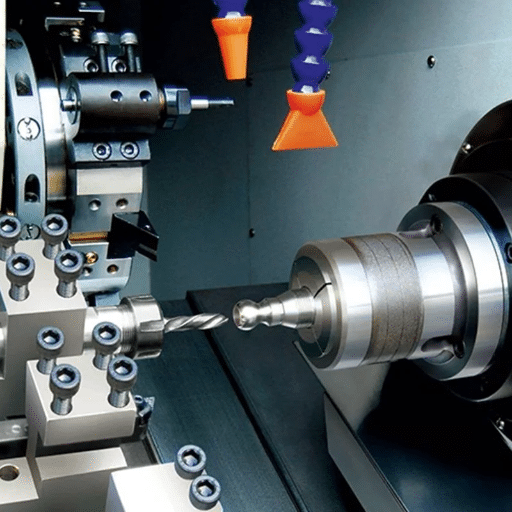
Lathes and mills are the main and unreplaceable tools that have their use mainly in machining and shaping materials, these include metal, wood, and plastic. The way a lathe works is that it rotates the workpiece relative to the cutting tool, thus allowing turning, threading, and boring. On the other hand, mills use a fixed workpiece together with rotating cutting tools to perform drilling, slotting, and contouring. Both machines are of very high precision and versatility, that is the reason they are always in the process of creating custom parts and prototypes. These tools are used in many different industries such as manufacturing, automotive, and even in the aerospace and woodworking industries due to their ability to give accurate and repeatable results.
Definition of Lathe Mills
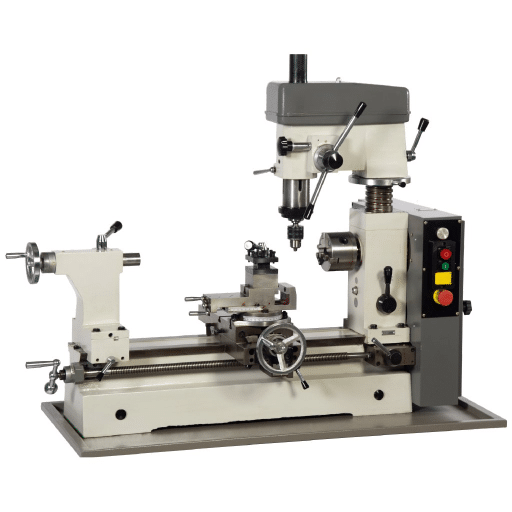
Lathe mills, commonly called combination lathes-milling machines, are versatile machines that bring together the processing of lathes and milling machines in one equipment. This integration allows the operator to perform many operations such as turning, milling, drilling, and even threading with one machine only, eliminating the inconvenience of switching between different tools. The machines’ ability to cut through both ways—by rotation and by moving the tool linearly—has contributed to their popularity among small workshops, prototyping laboratories, and even industries that demand cheap, efficient, and space-saving solutions. The mixture of the two principal machining methods has resulted in higher output and significant setup time reduction with almost no quality loss. These machines are being increasingly utilized in the metalworking, engineering, and custom parts making industries, thus allowing the creation of intricate designs without difficulties.
Overview of Machining Fundamentals
Machining is one of the primary ways to manufacture materials by taking them off from a workpiece. This process can be done using a wide range of tools and machines that allow you to obtain very accurate dimensions and surface finishes. The top three machining processes that are most widely used are turning, milling, and drilling.
🔄 Turning
Turning is done using a lathe, a machine tool that rotates the workpiece while the cutting tool moves along a defined path to shape the surface. This method is usually associated with the production of cylindrical parts.
⚙️ Milling
Milling employs the rotary cutting tools that are used to remove the material at a right angle or parallel to the axis of the tool, forming intricate shapes, as well as flat surfaces.
🔩 Drilling
Drilling is the operation of making round openings in a workpiece with the help of drill bits and is one of the basic processes in machining.
Machining precision relies largely on cutting speed, properties of the material being cut, method of cutting, and the accuracy of the machine. Among these, the latest CNC (Computer Numerical Control) technology has been a remarkable development that not only makes the machining process automatic but also very accurate, thereby allowing the production of complicated and high-tolerance parts to be used in the aerospace industry, automobile industry, and medical devices, among others.
Importance of Lathes and Mills in Manufacturing
In manufacturing, the machines called lathes and mills are absolutely essential because, besides being versatile, they also have the ability to produce raw materials in the form of finished parts with great precision. Besides that, lathes are the most important for operations such as turning, threading, and tapering, where a workpiece is rotated against a stationary cutting tool to achieve symmetry and accuracy. Mills, on the other hand, are capable of generating complicated shapes, drilling, and cutting slots which leads to a detailed and versatile part construction. According to the latest trends and data, the industries like automotive and aerospace are heavily dependent on these machines as they are the ones that can achieve the highest standards of precision and repeatability. The most important feature of these machines is that they can be operated through computers, which have made the processes less human error-prone and more automated. This development is strong evidence of their critical role in the ongoing demand for high-quality components across the various global industries.
Components of a Lathe Machine
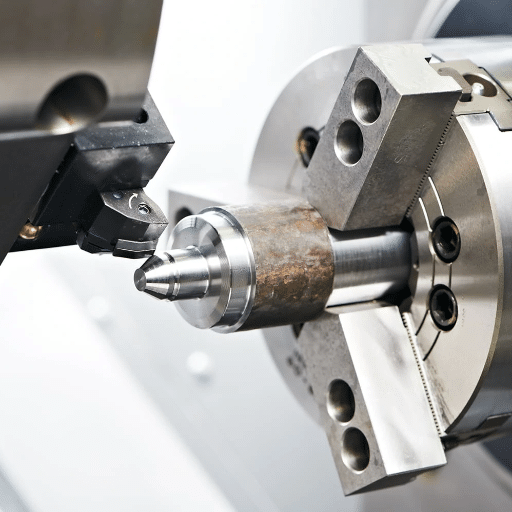
Headstock: Function and Features
- Main Spindle: The main spindle is housed inside the machine which is responsible for holding and rotating the workpiece.
- Gearbox: The gearbox that controls the spindle speed through the use of gears is located in the machine.
- Chuck or Faceplate Mounting: The chuck or faceplate mounting for securing the material during machining is also provided by the machine.
- Motor: To power the spindle and enable precise operation the machine includes a motor.
- Bearings: The machine is designed in such a way that it can accommodate bearings ensuring smooth and stable spindle rotation.
Tailstock: Purpose and Usage
- During the machining, it especially works with long or uneven materials by supporting the other end of the workpiece to provide stability.
- In case of operations like drilling and boring, it can hold tools such as drills or reamers.
- It is adjustable along the bed of the lathe to adapt for various lengths of workpieces.
- It provides proper alignment with the spindle, thus accuracy and precision are ensured during the operations.
Carriage: Movement and Control
The carriage is a key component of the lathe which is meant to support the cutting tool and guide it over the workpiece. It is made up of several parts which include the saddle, the cross-slide, the compound slide, the apron, and the tool post. The carriage mainly has the function of guiding the cutting tool’s movement with utmost precision which makes the whole machining process very accurate as it can be done along the workpiece axis.
The saddle is the main part that connects to the lathe bed and it gives the possibility of moving the cutting tool in the longitudinal direction while the cross-slide facilitates the horizontal movement. Meanwhile, the compound slide makes it possible for the operators to perform angular cuts which increases the versatility of the machine’s operations. The apron is the area where the feed rod and lead screw mechanisms are located which permit the cutting tool to be fed either automatically or manually. The interconnectedness of these parts ensures that the cutter can be positioned with high accuracy to create various forms, grooves, and threads in the workpiece. Though, new turning machines might be fitted with better digital controls that result in more precision and quicker operation which is an indication of the growth in the field of machining.
Types of Lathe Machines
CNC Lathes vs. Manual Lathes
CNC lathes differ from manual lathes primarily in their operating methods, precision, automation, and efficiency.
Metal Lathes: Specifications and Applications
Metal lathes are indispensable machines for metalworking operations, enabling the exact forming of metal materials. Among the main characteristics of metal lathes are swing over bed, distance between centers, and spindle speed range. These elements explain the machine’s limitations and its compatibility with certain operations.
Metal lathes are utilized in a variety of tasks across the automotive, aerospace, and manufacturing sectors. The turning, threading, drilling, and manufacturing of cylindrical parts are the main functions of these machines. CNC lathes are excellent for mass production because of their high precision and total control, while manual lathes are intended for small, personal, or intricate jobs. The lathe selection is strongly influenced by the requirements of the project in precision, volume, and complexity aspects.
Comparison of Different Lathe Types
There are four primary types of lathes, which are manual lathes, CNC lathes, turret lathes, and special purpose lathes.
Lathe Mills Operation and Techniques

Lathe mills are machines that incorporate the top features of a lathe and a milling machine; accordingly, they permit the same workpiece to be processed with great detail. The final product’s precision is assured by the operators who clamp the material in the chuck or fixture very securely at the start of the operation. The machine then has the ability to cut, drill and face in an extremely fast manner and with an equally high precision. Furthermore, the new CNC lathe mills have significantly improved the productivity of the whole process, since the automatic controls not only allow for complex designs, but also cause the accuracy to be repeated and the time of machining to be reduced. Having good practices, proper tool selection, and routine maintenance are vital for the equipment getting the maximum performance and lifetime. Considering these factors, the machining process will be effective and produce quality results.
Understanding Lathe Mills Operation Basics
Lathe mills are machines that rely on a dual approach of cutting and reshaping to manufacture a workpiece. The entire process commences with the workpiece being firmly fixed in the lathe, followed by the selection of the appropriate cutting tool for the operation. The operator sets the machine’s speed, feed rate, and cutting depth, according to the material and design specifications. The use of automation in modern CNC lathe mills allows for the performance of operations that are both accurate and replicable, thereby enabling the creation of magnificent designs with minimal or no manual intervention. Timing and maintenance are crucial to ensuring proper and efficient performance throughout the process.
Common Cutting Tools Used in Lathe Work
🔧 Turning Tools
They are designated for the removing of material in the form of longitudinal cuts while shaping and reducing the workpiece’s diameter. Both rough and precision cuts can be performed with these tools.
✂️ Parting Tools
Their function is to create deep grooves or totally isolate a portion from the workpiece with great accuracy.
🕳️ Boring Tools
They are frequently employed to make holes larger or to create holes in the material while providing precision and smoothness.
🔩 Threading Tools
They are the ones that are used for making screws on the outer or inner of the workpiece.
⚡ Facing Tools
These cut the end of a cylindrical workpiece perpendicular to its axis to make a flat surface.
The tools mentioned above are indispensable in different lathe operations and their selection will be influenced by the material and design requirements of the operation. Careful handling and maintenance will contribute to the longer tool life and consistent performance.
Practical Tips for Operating a Lathe Safely
👓 Wear Proper Safety Gear
Fly debris can cause serious eye injuries though it is rare if one keeps wearing proper safety eyewear such as safety goggles or a face shield. Moreover, loose clothing or accessories should not be worn as they might get caught in the lathe and cause injuries.
🔍 Check the Machine Before Use
The lathe indeed should be inspected for any damaged parts and if all components are securely fastened and the lathe area is clean and free of obstructions.
🔒 Secure the Workpiece Properly
The workpiece should be centered and clamped tightly in the chuck or fixture so that not even a bit of wobbling happens and thus no accident during operation occurs.
🛠️ Use the Correct Tooling
Cutting tools can be different for the same material depending on the task. Confirm that all tools are properly secured and correctly aligned.
⚠️ Maintain a Safe Distance
Never let your hands or tools get to the rotating parts of the machine; overloading or straining the machine can be avoided by using proper controls and feeds.
Maintenance and Best Practices of Lathe Mills
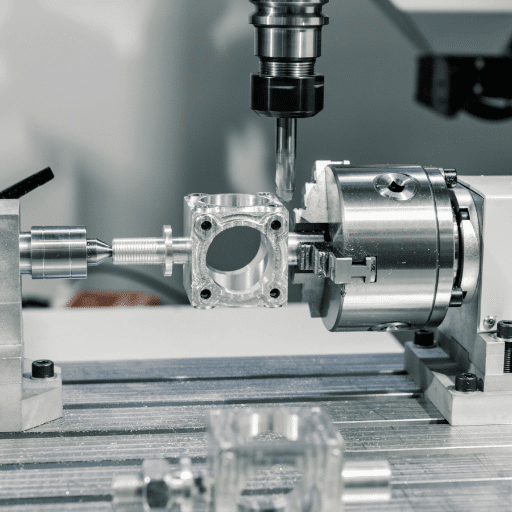
In order to maintain lathe mills properly, regular inspections must be done to find out the wear and tear or damage in the parts. The intent is to prevent the occurrence of friction and the latter’s consequence of overheating by lubricating all the moving parts with the proper amount of lubricant. The working area and equipment should be kept clean by cleaning them and getting rid of the debris and swarf after every use. Spindle and tooling alignment must be a regular checkup to reach accuracy. If any parts are found worn they should be replaced instantly and at the same time the manufacturer’s suggested maintenance schedule should be adhered to. Safety measures should be observed always in such a way that both the longevity of the machine and the safety of the operators are assured.
Routine Maintenance Tips for Longevity
🔧 Inspect Belts and Pulleys
Check regularly for any signs of wear, cracks, or fraying and ensure pulleys are securely fastened to prevent operational inconsistencies. Replace worn parts promptly.
🧹 Clean Chuck Jaws
Remove debris and clean chuck jaws frequently to ensure tight grip. Apply proper lubrication to prevent rust and ensure smooth movement.
💧 Monitor Coolant
Keep coolant at proper levels and monitor quality regularly—ensure it’s clean and contamination-free. Change or add as needed.
⚡ Check Electrical
Inspect wiring, switches, and connections regularly for deterioration or damage. Fix issues immediately to prevent system failures.
🔪 Sharpen Tools
Check cutting tools after each use for wear or dullness. Replace or sharpen as needed to maintain quality and reduce machine strain.
Enhancing Efficiency in Lathe Operation
The principal measures that I am taking for maintenance are cleaning and oiling the lathe. The lathe, which now and then, gets dirty would never really wear out if it was kept lubricated. After this, I am very careful to use the correct cutting tools, and also check if they have good quality; dull tools can spoil the work and make it less precise. Besides that, I have a routine of aligning the workpieces so that I can avoid errors and also use the full potential of the machine. Furthermore, adhering to the correct speeds and feeds not only boosts the amount of work done but also ensures that the quality of the output is maintained.
Expert Advice on Lathe Care
- Regular Cleaning: The lathe will be cleaned on a daily basis in order to dust, chips and other materials from settling which can later cause damages to the various parts. It is a good practice to wipe the lathe after every use with a clean cloth.
- Lubrication: The proper lubricants will be applied to the needed parts as directed by the maintenance manual in order to keep the lathe running smoothly and to extend its life by reducing wear.
- Tool Inspection: Inspect the cutting tools for their sharpness and any damage. Dull or damaged tools must be either replaced or sharpened to maintain the accuracy and efficiency of the process.
- Alignment Checks: The spindle, tailstock and other key components must be checked and adjusted for alignment often to ensure that the machine keeps on giving good-quality parts during the operation.
- Follow Operating Guidelines: The machine should not be subjected to more than its capacity by working according to the manufacturer’s guidelines regarding speeds, feeds and load limits.
- Safety First: Always use the safety guards and wear the proper protective clothing when you are working.
All these measures will add to the life of the lathe besides assuring reliable performance.
Reference Sources
-
Single Controlled Axis Lathe Mill – This research explores tool path planning and operations in lathe mills, providing insights into their functionality and applications.
-
A Study on Types of Lathe Machine and Operations – This paper discusses various types of lathe machines, their operations, and their importance in machining processes.
-
Design, Refinement, Implementation, and Prototype Testing of a Reconfigurable Lathe-Mill – This study focuses on the development and testing of reconfigurable lathe-mill machines, highlighting their versatility.
-
A Brief Discussion on Lathe – This document provides an overview of lathe machines, their configurations, and their role in modern manufacturing.
- Premium Metalworking Lathes for Sale
Frequently Asked Questions (FAQs)
What is the significance of a lathe in a machine shop?
Lathe machine in a machine shop is an adaptable tool through which metal and other materials like aluminium in the form of rods or blocks can be cut into cylindrical shapes and further, made to precision by creating shafts, threads, and tapers. The cutting tool moves along the workpiece along a predetermined path in a controlled feed and speed fashion cutting and shaping the material the lathe machine is the primary machine for many manufacturing and machining tasks performing precisely.
What is the main difference between milling and engine lathe?
The primary distinction between milling and engine lathe is the cutting action. In a milling machine, the cutting is done by a rotating tool and a stationary or indexed workpiece; whereas, in an engine lathe, the cutting action is performed by a rotating workpiece and a single-point cutting tool. The main capability of milling machines is the creation of flat surfaces, slots, and complex contours of which, the lathe would simply require cylindrical shape work. Nowadays, the high precision turning and milling operations are being done by a combination of traditional toolroom lathes and cnc machines in modern shops, which is based on the requirements of cutting speed and feed rate.
What would be my criterion for making a comparison between lathe and milling machine which one to use?
The decision on a lathe or a milling machine largely relies on the shape of the part: if the part can be created with turning operations and is cylindrical in nature, then the lathe would be the machine of choice; whereas if planar, slots, and complex 3D shapes are involved, then the milling machine will be the one used. Keep in mind the materials, tolerance and finish requirements as well as whether the convenience of cnc machines or a small machine for hobby work would suit your needs. Many projects consist of both processes—turning for the cylindrical base and milling for cutting features into that shape.
What are the main factors to keep in mind when choosing a lathe or a milling machine for my workshop?
The whole procedure of choosing the right machine involves a meticulous evaluation of the types of jobs, sizes of parts and accuracy of the work. Moreover, pay attention to the characteristics such as the headstock and tailstock rigidity, the maximum spindle speeds, the feed and speed control, and if you require a robust machine for hard materials or a small machine for light work. Additionally, think about if you want cnc machines for uniformity or manual toolroom lathes for understanding how lathes work and for prototyping that is versatile.
What essential skills should I develop in order to use a lathe and a milling machine safely?
Knowing how lathes work and how a milling machine operates should be the first stage of your learning: get well acquainted with headstock and tailstock setup, tool and cutter mounting for operations, selecting feed and speed and different workholding methods such as chucks and collets. Always perform your activities in accordance with safety regulations—guards should be present, the chuck key should forever be taken out, and don’t wear loose clothes. Besides, learn how to calculate cutting speed and feed rate for metals like aluminum and always check setups before turning or cutting to avoid accidents and poor finishes.