




A corded angle grinder receives power directly from an electric source and, therefore, offers more power than a cordless angle grinder. They need to be employed in heavy-duty and sustained-use activities such as construction or metalworking. The other way around is that cordless grinders offer flexibility and convenience; one can work conveniently in places where there is no access to electricity anyway. Meanwhile, cordless devices may be limited in running time, depending on the battery capacity, while most batteries have adopted modern battery technologies to enhance performance. However, in the long run, the most meaningful consideration will be the choice between one or the other, primarily determined by the immediate requirements and the job environment.
Understanding Surface Grinding Machines
What is a Surface Grinding Machine?
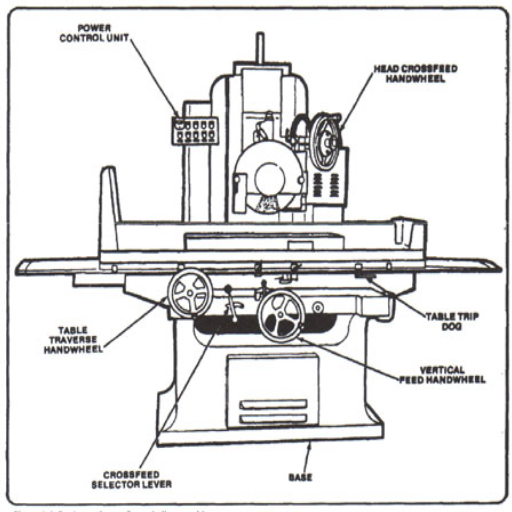
The surface grinding machine is considered a precision tool that produces a smooth finish on a flat surface. It is highly prevalent in metalworking, automobile manufacturing, and many other industrial applications where utmost precision and dimensional accuracy are required. Surface grinders primarily act by removing material from the surface of the workpiece through the shaping action of abrasive grinding wheels rotating at high speed.
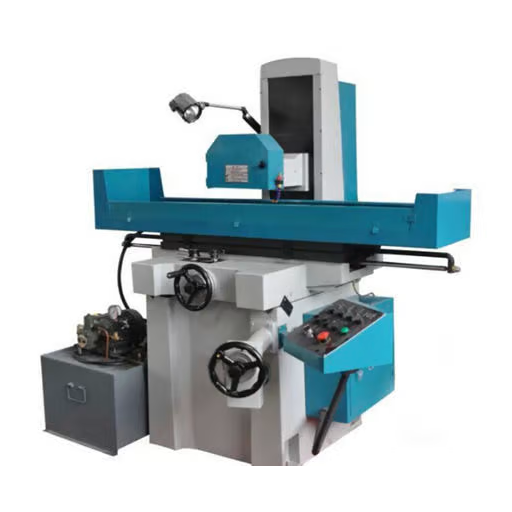
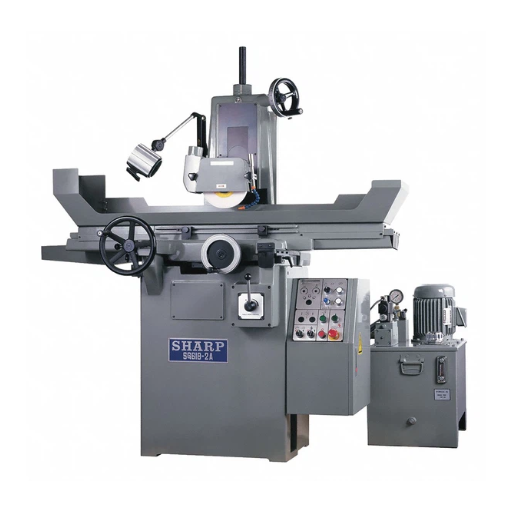
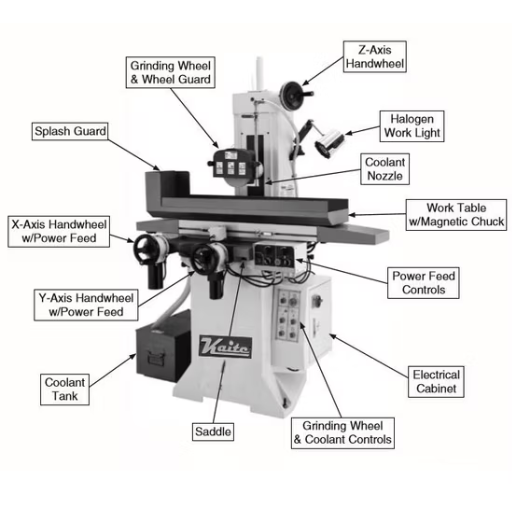
Main components of the surface grinder consist of the grinding wheel, worktable, hydraulic systems for controlling movement, and spindle. The workpiece is clamped or secured on the magnetic chuck mounted atop the worktable, which mobilizes horizontally or vertically, depending upon the type of the machine. In the working process, abrasive particles present on the high-speed rotating grinding wheel shear away microscopically thin layers upon layers of material from the workpieces with an accuracy level as high as ±0.0001 inches.
Three basic types of surface grinding machines are generally available:
Horizontal Spindle Surface Grinders
With this type, the grinding wheel is horizontally mounted typically for heavy-duty works. It produces smooth surfaces on large, flat components.
Vertical Spindle Surface Grinders
This vertical spindle type has a grinder wheel oriented perpendicular to the ground. It is mostly employed for smaller, intricate parts that demand a high degree of precision.
CNC Surface Grinders
Computer Numeric Control offers automation to CNC surface grinders, combining the advantages of repeatability with that of higher throughput to make CNC surface grinders ideal for batch production and complex grinding operations.
Surface grinding technology, in recent years, has seen innovations designed to improve efficiency and increase precision. In modern machines, the latest generation of sensors is fused with adaptive control systems and high-speed linear motors to facilitate accurate grinding while eliminating waste of material.
Knowing the major features and purpose of a surface grinding machine allows for a common base on which operators and manufacturers can work toward stricter standards for quality and manufacturing enhancement among several industries.
Surface Grinder Components
A surface grinder is a highly specialized piece of equipment whose principal parts are cooperating toward achieving precise material removal and uniformity. A detailed description of the primary components, together with their functionalities, is given below:
Base
The base serves as the foundation of the surface grinder, imparting strength and stability to the whole unit. It also houses the coolant system. To attain higher precision during operations, modern surface grinders employ bases constructed of vibration-dampening materials.
Table
The table is the flat surface on which the workpieces are placed. It may be either a rotary table that rotates the workpiece for circular grinding or a reciprocating table that moves the workpiece forward and backward in a straight line. Automation of table controls has now become commonplace, thus increasing operational efficiency and consistency.
Grinding Wheel
The grinding wheel is the abrasive tool used for the removal of material. It usually consists of abrasive grains that are bonded together by materials that vary from one type of wheel to another, to meet requirements for hardness, surface finish, and other physical parameters relevant to the task at hand. According to recent reports, diamond abrasives are becoming more prominent in the manufacturing of grinding wheels, providing unmatched durability to engrave hard materials.
Spindle
The spindle carries and drives the grinding wheel operating at a speed that achieves cutting. Spindles are engineered for a high degree of precision, usually employing hydrostatic or air bearings to minimize thermal expansion, thus maintain a consistent grinding accuracy. Presently, it is accepted that developments have yielded spindle speeds greater than 10,000 revolutions per minute in high-performance grinders.
Column
The column supports the spindle housing and allows for the vertical movement of the grinding wheel concerning the workpiece. With the advent of computerized controls, column assemblies are now being offered with CNC means for micro-adjustments.
Control System
Modern surface grinders today come fully furnished with superior control systems, where operators can manipulate and watch online grinding processes using touchscreen controls or CNC programs, or to allow integration through IoT. These capabilities allow for adjustments and monitoring of the grinding paths and instructions, to optimize material waste. As stated in a report from 2023, it is estimated that an IoT-enabled surface grinder system will improve operational efficiency by as much as 20% due to less intervention from manpower.
Coolant System
A critical coolant system is to keep temperature stability during operation and reduce friction forces. Also, it removes all grinding debris. The current high-tech coolant systems use high-pressure filtered delivery methods with environmental issues in mind. Becoming at edge, green coolants aim to lower machining processes’ environmental footprints.
These integrated components establish surface grinders as being must-have machines in many industries, assuring precision machining, including in high-performance cutting markets like aerospace, electronics, and automotive manufacturing.
How Surface Grinding Works
Surface grinding is a machining process that uses an abrasive rotating wheel to remove materials on the surface of the workpiece. The process aims to produce a smooth, flat, and precise surface finish. The workpiece is fastened to the table or magnetic chuck and is moved under grinding wheels at a specific feed rate.
Surface grinders operate under two major modes: traverse grinding and plunge grinding. Traverse grinding denotes the action of the table moving back and forth beneath the grinding wheel to apply an average cut onto the surface. Plunge grinding, however, refers to the wheel feeding directly into the material while being stationary, which is most suitable for generating grooves or profiles.
Nowadays, CNC surface grinders allow the operator to extensively manipulate all aspects that determine the grinding action, i.e., angular alignment, speed, and depth of cut. Lately, the manufacturing industry has benefited ever more and more from the use of fine surface grinding to reliably hold tolerances to within ±0.001 inches (±0.025 mm). Grinding wheel technology innovations like the vitrified wheels and resin bond wheels have provided for better, more efficient, and precision grinding.
Coolant or lubricant, while minimizing friction, prevents surface grinding from overheating. Recent studies analyzed in the literature indicate that the use of synthetic or environmentally friendly coolants has led to a 25% improvement in thermal deflection control and dimensional accuracy of machined parts.
Industry Impact: The global surface grinding machine market value has capped itself at a staggering $1.8 billion in the year 2022, forecasting a CAGR of 4.2 between 2023 and 2030.
The process undergoes critical surface-oriented finishing for parts like aerospace turbine blades, semiconductor parts, and medical implants. Current market data reiterate the increasing popularity of surface grinders in meeting the increasing demand for high-tech precision manufacturing.
Routine Machine Maintenance Practices
Daily Inspection Checklist
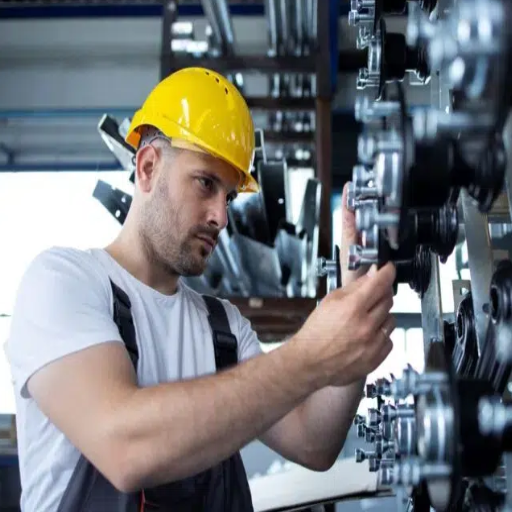
Daily inspection is done strictly to further enhance the performance and longevity of surface grinding machines. This checklist contains the critical issues related to operational efficiency and safety compliance:
Visual Inspection of Machine Components
Inspect the grinding wheels for wear or damage, particularly if uneven wear has caused loss of precision. Replace grinding wheels if any cracking or chipping is found, as per OSHA recommendations; a grinding wheel should never be used if there is visible damage. Check screws and bolts for firm tightening and ensure that no part is loose from where it could destabilize the machine during operation.
Check the Lubrication System
Check that the oiling or greasing is received at all lubrication points as required in the manufacturer’s instructions. Lack of suitable lubrication could actually promote mechanical wear and alter the precision of the grinding. For instance, studies reveal improper lubrication to be responsible for some 40% of machinery failures in grinding systems across the globe.
Assess Coolant System
Check that coolant levels are satisfactory and confirm that the filtration system is running perfectly. Poor or insufficient quantity of coolant can cause thermal damage to the work-piece and reduce grinding efficiency. Surveys reported that 67% of machining inefficiencies in 2023 were due to poor coolant practices.
Operational Test
Start the machine and test for vibrational stability and motor performance. The cause of abnormal vibrations is generally an alignment problem in drive components or imbalance in the grinding wheel. Watch how the feed and traverse systems move: they should be smooth and consistent; irregular movement may indicate that maintenance is needed.
Check Safety Features
Verify that all guard and safety devices are installed and in proper condition. There have been reports from OSHA of a 15-percent reduction in injuries when stringent safety measures were required for surface grinder use.
Results: Facilities that adopt this detailed daily inspection checklist can reduce downtime, lower operational costs, and guarantee machining output, all of which are paramount in highly precise industries.
Weekly Lubrication Procedures
For the proper efficiency and life length of surface grinders, an intense weekly lubrication schedule must be considered. Proper lubrication averts mechanical wear; it improves accuracy and inhibits unplanned machinery breakdown. Up to 50% of bearing failures have been blamed on improper lubrication by leading manufacturers from SKF in lubrication solutions. The following procedure describes linemaking lubrication processes:
Cleaning Lubrication Surfaces: Free dust, dirt, or grease from the exposed mechanical surfaces before the application of lubricant to ensure proper lubrication. This becomes even more crucial in conditions aggravated by particle contamination.
Step 4
Maintenance of Manual and Automatic Lubrication Systems: Check the adequacy of reservoir levels in the equipment with automatic lubrication systems and verify the proper performance of the system. Refill or change reservoirs if necessary. Care should be taken not to overfill reservoirs, as it will cause leaking. Clean or replace filters in circulation systems if necessary to ensure the steady flow of lubricants.
By operating to these lubrication procedures on a weekly basis, the facilities can be ensured for smooth operation and achieve higher machining precision, which in turn mitigates expensive repair cases. Furthermore, it has been studied by the industry that equipment efficiency can be increased by up to 10% through good lubrication practices, thereby impacting production output and operational profitability directly.
Monthly Grinding Wheel Assessment
Monthly inspections of grinding wheels are important to retain the precision level, ensure safety, and avoid failures that may occur prematurely. Such an operation must go through all stages of inspections and servicing in detail to locate wearing conditions, verify operational tolerances, and avoid possible failures. In the process of grinding wheel operation, heavy mechanical and thermal stresses act on the grinding wheels, slowly degrading it. It is considered that maintenance contrary to the regulation or delaying evaluations could cut away the efficiency of wheels by beyond 15%, reflecting upon the nature of machining and production downtime.
Depending on key steps, the monthly assessment procedure is:
- Visual Inspection for Damage: Look carefully for any cracks and chips, as well as differences from standard form. OSHA cited few injuries in the workplace from fractured grinding wheels while being used, hence this step.
- Dimensional Accuracy Check: Measure the diameter and width of the grinding wheel using very precise instruments to ascertain that the values lie within the tolerance set by the equipment manufacturer. Grinding wheels above or below standard dimensions can disrupt machining accuracy to a level where they could generate excessive vibrations, thereby undermining tool performance.
- Balancing Verification: Check the balancing of the wheel either on a balancing stand or by means of electronic balancing tools. Unbalanced grinding wheels can promote uneven wear patterns and contribute to machine failure. In fact, there have been studies confirming that balancing issues have contributed to reducing the useful life of a machine by up to 20%.
- Dressing and Surface Integrity: Restore the grinding wheel surface by applying dressing tools to make the surface sharp and to remove embedded dirt. A good grinding surface must be as smooth as possible to minimize heat generation and ensure an optimal finish.
- RPM Compatibility Check: Check whether the recommended operational speed of the wheel corresponds to the machine specifications. Industrial accident records show that operating with a grinding wheel rated below the maximum rpm value is the number one cause of its rupture in operation.
Benefits: Carrying out these monthly checks assures not only the reliable performance of the grinding wheels but also conformance to safety regulations such as ANSI B7.1. Besides, a facility that embraces consistent assessment procedures has recorded as high as 12% increases in tool life plus practically measurable reductions in operational costs due to unforeseen downtime.
Cooling and Lubrication Systems
Importance of Coolant in Grinding Operations
Coolants essentially put their foot in the door for grinding operations to be conducted satisfactorily and efficiently. Their primary role is getting in between the frictional heat generated due to intense rubbing action between the grinding wheel and the workpiece. Unevenś cooling can make the workpiece excessively hot and undergo thermal expansion resulting in surface distortions and unwarranted precision. It can also cause the workpiece to be burnt beyond redemption. Cooling means can reduce surface temperature by as much as 60%, allowing for better dimensional accuracy and smooth surface finish.
Coolants also behave as lubricants smoothening the grinding action on the material, which lowers the rate of wear and tear of the grinding wheel, thereby extending service life. It has been reported that laboratories, which have sought optimization in coolant applications, have realized between 20% and 30% increase in grinding wheel life and another 15% improvement in process efficacy.
Efficiency Improvement: High-pressure coolant nozzle gives modern systems an advantage of up to 75% reduction in coolant wastage over the conventional methods.
To ensure enhanced safety during operations and greater contamination from abrasives of fine grinding and surface finish to take place by having proper coolant application in successful chip and fine removal. The newly-developed high-pressure coolant systems are capable of dispensing the coolant directly on the contact zone of a tool with enhanced efficiency in cooling together with minimal coolant consumption.
Lastly, the matter of compatibility between coolant selection (i.e., water-soluble, oil, synthetic) and the specific material being worked on, as well as the machining conditions operational parameters, should also be considered. Maintenance and filtration would favor and improve performance in the long term and deliver consistent results free of fouling due to contaminants.
Keeping the Coolant System in Order
A properly maintained coolant system delivers efficient performance, with reduced downtime and equipment longevity. Below are some of the maintenance steps and best practices:
Regular Monitoring of Coolant Levels
There are risks of overheating and loss of cooling efficiency when coolant drops below adequate levels. Industry practice is to check at least weekly or comply with the manufacturer’s recommendations. A dipstick or, less commonly, a sight gauge should be used to check the level so that timely topping up with the proper coolant mixture can be done.
Checking Coolant Makeup Concentrations
A clean coolant of the correct mixture ratio gives the best performance. A refractometer works best, measuring the concentration of the coolant by reading an index of refraction which translates into a percentage mix displaying values commonly ranging between 5 and 10 percent for many water-soluble coolants. The absence of coolants or their too high concentration affects lubrication and corrosion formation, as well as promoting bacterial growth.
Checking for Contamination
A contaminant can consist of such things as metal particles, tramp oil, or biological growth within the coolant reservoir. Contamination should be checked regularly through visual inspection and laboratory testing in case any external signs can be seen of altered properties, or shortly before assessment indicates contamination. When contamination is identified, it is important to clean all filtration elements and even to replace the coolant itself if the contamination is severe.
Performed Replacement and Flushing at Set Intervals
Over time, coolants lose their properties and overtime effectiveness. The conventional wisdom suggests industries to replace coolants every 6 to 12 months depending on the conditions of operation. This procedure should be coupled with flusing the system to get rid of residues, scale, and contaminates actually suspected to be present.
Maintaining Filtration and Separation Equipment
Filtration equipment is integral to the operation of keeping coolants clean. When replacement is needed, do so, and keep the oil skimmers clean. Monitoring of combined filter systems equipped by sensors is penetrating the markets.
pH-Level Monitoring
All coolants keep their pH in the alkaline region (pH 8.5-9.5). Any lack in the pH may show microbial contamination or gross depletion of additives. The pH should be tested frequently either with pH-strips or with an electronic pH-meter. Treat it accordingly, by raising the pH with an approved chemical or replacing the coolant.
Routine System Audits
Routine inspections of the whole cooling system, including the pumping stations, pipeline, and nozzle system, will detect any damage or deficiency in the early days. Some modern systems are now available with onboard sensors and IoT integration for real-time monitoring and maintenance alerts.
Keep Records of Maintenance
Keep track of everything you do concerning maintenance: changing coolants, filtering, system inspections, and so on. While several industries are adopting software for ease of access and analysis, many still rely on a manual spreadsheet.
Important: Following the detailed maintenance programs described above will significantly boost the performance of coolant systems, thus reducing risks of expensive downtime, and keep them in alignment with operational standards. New trends in monitoring technologies such as IoT-enabled systems and automatic filtration keep transforming coolant management into something that is just as technical as predictive.
Lubrication Approaches for Ulterior Performance
Proper lubrication is the backbone to maintain mechanical equipment for peak operational efficiency. Lubricants primarily reduce the surface contact and friction between two moving parts, thereby reducing wear, dissipating heat, and avoiding possible failures. For optimum performance, it is essential to employ various techniques, each suited for the particular machine and operating procedure.
Lubricant-Type Selection
The choice of lubricant has a significant bearing on the performance of a system. Modern lubricants include mineral oils, synthetic oils, biodegradable options, all presenting different characteristics. Synthetic gums and fluids are mostly used at high temperatures or heavy loads due to their good thermal stability and resistance to oxidation. As per the Allied Market Research, it has been observed that the synthetic lubricant market would grow at a CAGR of 4.8% from 2021 to 2030, with the recent surge showing a shift toward next-gen solutions.
Monitoring of Viscosity
Viscosity based upon influence of lubricant under varying conditions is a very important factor to consider. Lubricants with lower viscosity are preferred for operations involving high speed, whereas those with higher viscosity are used for applications with heavy loads. Condition monitoring systems nowadays, mostly combined with IoT, uphold a continuous monitoring on viscosity levels with present time data that can be used to avert any untoward situation.
Lubricant Application Technologies
A lubrication method is important in scenting successful system operation. From manual greasing to a fully automated central lubricating system and the whole spectrum in between is employed for this purpose. The automated systems use PLCs with the aim of reducing human errors and ensuring exact distribution of lubricant. Research has demonstrated that applying actual equipment information could improve the lubrication intervals, thus saving in capital and execution.
Contamination Control
The contamination of lubricants because of soil, dust, or water is one of the key factors for degradation of lubricants. The use of advanced filtration technologies like micro-filtration or magnetic filters can significantly improve the quality of lubricants. Research reveals that systems with enhanced filtration technologies support a 25% to 35% longer life of the equipment than systems without.
Predictive Maintenance
Smart systems and predictive maintenance revolutionized the inclusion of lubrication. Smart sensors measure parameters such as temperature, pressure, and lubricant condition and provide predictive information to arrange for maintenance before failures arise; according to Deloitte studies of smart manufacturing, this reduces downtime by up to 30%.
For enhanced reliability, costs, and operational effectivity, the right combination of lubricant, real-time lubricant performance monitoring, and advanced lubricant application processes are what organizations should instill into their existing operational setups.
Identifying Common Issues
Signs of Wear on the Grinding Wheel
Grinding wheel wear is a major issue in manufacturing processes, as it decreases the accuracy, efficiency, and surface quality of machined components. Wear signs could be the rounding of edges, glazing, cracks, or an uneven wear pattern on the wheel surface. Rounding of edges takes place when the abrasive material and bonding agents degrade, making the wheel less precise in its cutting action. Glazing is when the surface of the wheel becomes shiny and smooth, indicating that the grinding wheel has dulled because it failed to remove material efficiently, either due to insufficient grinding pressure or the wrong choice of the grinding wheel itself. Cracks appearing on a grinding wheel also constitute a serious safety hazard, for such cracks may lead to a complete failure of the wheel when subjected to rotational stresses.
Research Insight: A study undertaken by Norton Abrasives reveals that correct maintenance of a grinding wheel can increase the life of a wheel by as much as 20% and in return cases a huge reduction in downtime.
Traditionally, wear evidence presented itself as excessive vibration of the grinding wheel or diminished power consumption during the grinding process. Regardless of these signs appearing, it indicated the grinding tool was rendered ineffective. Manufacturers may benefit from these indicators of tool wear by application of advanced monitoring techniques such as thermal imaging or acoustic emission detection systems in real time. In this way, they can plan tool replacements in a systematic manner, thus ensuring high standards of product quality.
Common Grinding Machine Problems
Overheating can drastically change grinding performance and thus reduce the effective working life of a wheel. Excessive heat can cause thermal damage to the workpiece, leaving burn stains, surface cracks, or alteration in the material properties. According to latest statistics in the industry, almost 60 percent of problems related to overheating in grinding operations arise due to faulty application of the coolant. Hence, the flow of the coolant should be directed properly and be maintained at proper pressure with suitable filtration system so that the coolant does not become contaminated during the process.
Wheel glazing takes place when the grinding wheel surface becomes smooth because of clogging by material from the workpiece, thereby reducing cutting efficiency. Research studies show that in most cases, this problem is due to the improper selection of the wheel abrasive grade or scanty dressing intervals. An automated dressing system would greatly contribute to combating the problem of glazing by keeping the grinding wheel sharp while preventing debris buildup.
Vibrations occur in a grinding machine when the grinding wheel is out of balance; when mechanical parts have become loose; or when the machine has been set improperly. Literature review suggests that even minute vibrations of the tool can compromise machining accuracy, by as much as 30%, and produce surface irregularities and dimensional defects. Today, vibration detection systems use accelerometers along with machine learning algorithms to provide operators with the ability to immediately detect and remedy any imbalances.
Normally, excessive tool wear is caused by inappropriate wheel speeds or feed rate or abrasive material not compatible with that of the workpiece. According to recent studies, poor tool maintenance accounts for the increased downtime in 40% of the manufacturing plants. Predictive maintenance such as tool condition monitoring sensors will help reduce this type of wear and thus increase the overall life span of the machine.
Chatter marks describe repeated surface imperfections due to unstable grinding conditions that are usually caused by under-damped vibrations or irregular wheel speeds. With the aid of adaptive control applications, aggressive grinding machines can reduce these surface imperfections by over 50% through dynamic adjustments of speeds and feed rates in response to detected chatter.
Poor coolant can be categorized into the inability to dissipate heat, remove swarf, or lubricate. Studies indicate that 25% of grinding performance can be accounted for by cleanliness of coolant through filter packing and advanced coolant delivery systems. IoT-enabling sensors to monitor flow rate, temperature, and contamination level are fast gaining popularity in industries to orchestrate optimal performance.
Manufacturing industries will eventually take the road of achieving higher efficiency and availability while also maintaining the quality of output. For this purpose, they leverage on sound operational arrangements and advanced technological solutions that address generic problems in grinding machines. Real-time diagnostics, adaptive automation, and predictive maintenance get improved continuously, hence increasing the levels of efficiency and reliability of the industry.
How to Troubleshoot Surface Grinder Problems
Check for Setup Problems
Make sure the surface grinder is installed on a concrete base free of vibrations. Lastly, check for some proper leveling and alignment of the base of the machine. Misalignment will result in uneven grinding and reduced accuracy of the finish on the parts. Check that the grinding wheel is properly and securely mounted, with it balanced as well, to reduce any vibration or chatter during operation.
Inspect the Wheel
One schooling exercise would be to inspect the grinding wheel for wear, damage, or contamination. Replace it if it is excessively worn or cracked. Dressing of the wheel must be done at strict intervals to keep the wheel sharp and clear of any debris buildup that may hamper good contact with the workpiece.
Materials of the workpieces and parameters are analyzed
Material specifications of the workpiece are checked for compatibility with the grinding wheel type. An incompatible match may result in excessive wear or poor quality of grinding. Consideration is also given to the speed and feed rates of the machine to ensure that these conform to the property of the workpiece and the capability of the wheel to avoid overheating or irregular grinding marks.
Check Coolant Flow
Verify the performance of the coolant system for the machine. Heat dissipation through coolant is essential to reduce thermal distortion on the workpiece surface. Look for clogs or any signs of leakages or insufficient coolant level as these may hamper heat dissipation and result in thermal damage.
Check Machine Components
Look for any signs of wear and misalignment that could be probably on any Mechanical Components such as bearings, spindle, and guideways. Damaged and worn-out components will reduce machine accuracy and affect surface finish. Also, regular lubrication and a maintenance schedule shall avert future problems.
Make Use of Diagnostic Technology
Deploy real-time diagnostic tools to analyze dynamic vibration levels, temperature changes, and wheel wear. These advanced diagnostic systems are capable of feeding back the conditions of the machine to allow for the possibility of adjustment before the occurrence of critical failure.
When operators systematically follow through with these steps and have diagnostic technologies at hand, surface grinder issues can be tackled in an efficient manner, which will definitely improve operational reliability, increase machine life, and bring about consistencies in quality production.
Advanced Techniques to Extend Machine Lifespan
Grinding Wheels Upgrade for Efficiency
The choice of grinding wheels is imperative to boosting efficiency and precision in surface grinding machines. When upgraded to latest grinding wheel technologies of vitrified bond CBN or diamond abrasives, operators will have the highest achievable cutting performance with lowered expected wear rate. They allow wheels to withstand heat and give a faster removal of material and better finish, thus granting more output from operators and minimizing downtime. On the other hand, balancing and dressing techniques have evolved to ensure that wheels perform uniformly and vibrate very little, which ultimately extends the life of the wheels and the machine.
Upon attempting an upgrade, considerations that come to mind are the material processed, operation capability of the machines, and finish quality being sought. According to recent insights from search engine reports, a widely asked professional question is “how grinding operations can be optimized on harder materials and to minimize cycle time.” To strictly adhere to this, high-performance wheels must be selected for the particular need coupled with a proper maintenance routine. Moreover, employing diagnostic instruments will help improve the process by determining the degradation pattern and thereby enable optimization of the timing for replacement.
Performing Regular Calibration
Implementation of regular calibrations is key to desired consistent performance, especially while working with harder materials. Search engine data indicate that professionals often seek advice on prolonging tool life and gaining maximum efficiency. Addressing calibration would help maintain machine accuracy of its key components, namely, spindles and grinding wheels, with time deviations creeping in due to operational strain or wear. Advanced diagnostic tools such as laser alignment systems or online monitoring sensors when used in conjunction with machine adjustments decrease deviations to a minimum level, optimize surface finish, and make the entire process stable; subsequently, integrating these assessment and correction schedules into routine maintenance visits enables equipment to function at some height set by modern manufacturing, henceforth bringing down machine downtime and promoting the best productivity.
Best Practices in Workpiece Handling
Workpiece handling is very much crucial for a smooth production environment. Some of the best practices to be used to minimize defects and maximize productivity through the help of technology advancements are as follows:
Ergonomic Design and Automation
Workpiece handling systems need to have ergonomic features to improve their comfort and thus reducing fatigue. Autonomous transfer systems, typically robotic arms or conveyor systems with sensors, assure accuracy while keeping wear and tear to the workpieces at its minimum. As 2023 Robotics.org data evolution suggests, automation in workpiece handling reduces cycle time by up to 30% and greatly lowers human errors.
Material-Specific Handling Solutions
Special handling methods are needed with different materials to avoid shattering or marring. For instance, fragile workpieces, such as ceramics or thin metals, would benefit from vacuum grippers or electrostatic methods. Padding or coatings on the clamps and fixtures would help smooth down any adverse effects on surface finishing, ultimately reducing scrap rates by approximately 15%, as manufacturing studies recently reported.
Real-Time Monitoring and Analytics
Industry 4.0 technologies that include sensor networks based on IoT provide real-time data on the status of pieces being handled. The systems could identify the malfunctioning scenarios of, for example, high vibrations, misalignment, or overloading so that immediate corrective actions become possible. During a case study, Siemens has established that the inception of real-time analytics has contributed in bringing down defect rates by 22% in a precision machining environment.
Standardized Operating Procedures
To standardize handling, as much uniformity as possible should be strived for. SOPs must specify the exact way of lifting, transferring, and storage for each workpiece. The Manufacturing Institute has discovered that STRICT adherence to set SOPs may lead to a 25% increase in efficiency along the production line.
Preventive Maintenance of Handling Equipment
Such equipment needs to have preventive maintenance to prevent it from unexpected breakdowns. Mechanisms for preventive maintenance may include lubricating moving parts, calibrating robotic systems, or inspecting the condition of pneumatic components. Research studies have found that such maintenance decreases downtime by an average of 40%.
Training and Skill Development
Proper training will ensure that the operators have the correct knowledge and awareness toward handling workpieces. Such training should include advanced modules with simulation-based learning for the staff to adapt to modern handling systems with fewer incidents and losses of materials.
Best Practices Impact: These detailed and data-backed practices allow manufacturers to develop superior workpiece handing processes toward precision-driven industries’ demands and produce high-quality outputs consistently.
FAQ
How to Inspect Your Surface Grinding Machine Regularly?
What Are the Primary Steps When Lubricating a Surface Grinder?
What Are the Important Steps for Lubricating a Surface Grinder?
What Should We Look Out for in the Coolant System of a Grinding Machine?
Why Is Routine Maintenance Important to Surface Grinders?
Reference Sources
GRINDING MACHINES SAFETY PRECAUTIONS
Source: Carnegie Mellon University
This document provides detailed safety precautions and operational guidelines for grinding machines.
Mechanical Maintenance Safety Rules
Source: Western Illinois University
Covers general mechanical maintenance safety rules, including power tool usage.
Mechanical Grinding and Polishing
Source: Purdue University
Discusses grinding and polishing techniques, emphasizing cleanliness and preparation.
Checklist for Abrasive Wheel Equipment Grinders
Source: City of Cottonwood, AZ
Provides a checklist for maintaining abrasive wheel equipment grinders.
Concrete Pavement Rehabilitation – Guide for Diamond Grinding
Source: Federal Highway Administration
Offers technical guidelines for diamond grinding in concrete pavement maintenance.