




CNC machining is a revolutionary trend that has enabled precision manufacturing and facilitated the intricate fabrication of parts. Among the most common CNC operations are turning and milling, with each maintaining a distinct field of application and set of benefits. But how do you know if one is fit for you and the other is not? This blog will set the stage for you as it contrasts CNC turning with CNC milling, techniques, advantages, and usage areas. Whether you’re an instructor working with CNCs or new to the technology, this concise guide will help you make informed decisions and optimize the best outcomes for your machining work.
CNC Turning: An Overview
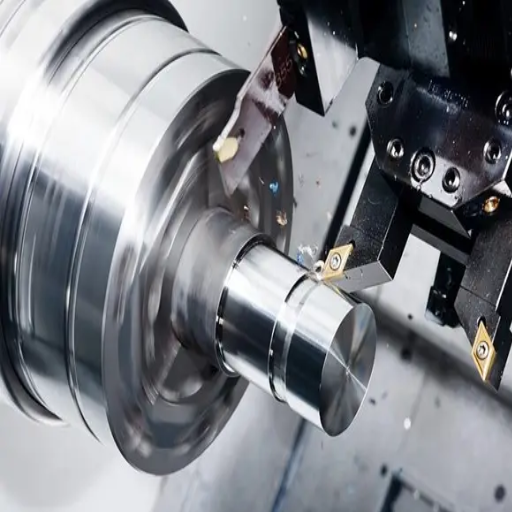
A CNC turning operation is a machining process in which an object is rotated. At the same time, a cutting tool manipulates the cutting piece on its periphery to its desired finish, typically used to manufacture cylindrical components such as shafts, pins, or bushings. It is a very convenient process for making cylindrical parts symmetrical to a point, which is pretty accurate, thus making it suitable for mass production. CNC turning achieves precise details and smooth finishes, offering its capabilities to various industries, including automotive, aerospace, and manufacturing.
What is CNC Turning?
The mechanism of CNC turning works in such a way that the computer monitors and controls the lathe movements to produce parts. The advanced method guarantees high precision, uniformity, and efficiency, which are significantly better than those of traditional machining. CNC turning utilizes high-speed spindles and cutting tools, enabling manufacturers to produce complex geometries at a rapid rate, which is a key element in any modern manufacturing process.
CNC turning works by finalizing programs and then operating with little or no human intervention in the process. This level of automation improves tolerances down to ±0.001 in (or ±0.025 mm) by substantially eliminating human error. Furthermore, they enable various operations to be carried out in a single setup, such as drilling, threading, and grooving, thereby considerably speeding up the production process.
Industries with CNC turning, according to data, report an average increase in production rates of 30-50% due to automation and multi-functionality. Materials like aluminum, steel, brass, titanium, and plastics can be machined with utmost consistency for various industrial applications. Hence, CNC turning machines integrate seamlessly with CAD and CAM systems, creating a smooth workflow from design to production.
In turn, the popularity of CNC turning further demonstrates its versatility in sectors such as aerospace, automotive, medical devices, and electronics. With a balance of speed, accuracy, and reliability, CNC turning remains the primary option for both prototyping and mass production.
The CNC Lathe Machine
A CNC lathe machine is a highly complex tool that precisely cuts, shapes, and polishes workpieces into intricate components. Essentially, it rests on computer numerical control for extreme precision and repeatability. Modern CNC lathes feature state-of-the-art controllers and software that can create intricate geometries with tolerances of ±0.0001 inches, ensuring consistent quality throughout mass production of units.
Generally, CNC lathe machines are multi-axis machine setups. A conventional two-axis CNC lathe setup is indeed the simplest machine for turning purposes. More advanced CNC lathe machines can perform nine-axis multitasking operations that include milling, drilling, and threading in one operation, thereby providing time savings by eliminating multiple setups.
Advanced Capabilities: CNC lathes are capable of achieving high efficiency in minimizing waste, with advanced models attaining 95% or higher in this respect. The improvement in cycle times and accuracy is a result of innovations like live tooling or auto-tool changers. An automated lathe can manufacture hundreds of identical components in a fraction of the time it would take for manual machining, thereby transforming productivity in the automotive and aerospace sectors.
The increasing integration of IoT and AI in CNC lathes ensures real-time monitoring, predictive maintenance, and better process optimization. This provides less downtime and greater operational efficiency; for this reason, CNC lathe machines are worthy of prime placement on any manufacturing floor.
Applications of CNC Turning
CNC turning features comprehensive applications across various industries due to its capability of producing parts with precision and efficiency, as well as versatility. Here are some key applications and domains where CNC turning, backed by recent technological improvements, plays a vital role:
CNC turning for automotive components is vast. Engines, transmissions, and axles are parts that are machined in this way. High-speed turning allows manufacturers to mass-produce parts consistently to precise tolerances. Industry sources claim that CNC turning has helped reduce component production time by up to 30%, thus increasing supply chain efficiency in the automotive sector.
In the aerospace industry, tremendous precision and accuracy are demanded due to its safety and performance standards. CNC turning is the primary tool. A typical job is the making of turbine blades, landing gear components, and fuel systems. CNC turning machines enhanced with AI and IoT can make aerospace components with tolerance levels as low as 0.001 inches, thus verifying the highest level of precision.
In producing specific devices and surgical instruments, meticulous detailing and the use of biocompatible materials are required. CNC turning is used to manufacture parts for orthopedic implants, dental tools, and prosthetics. For example, titanium bone screws are machined by CNC turning and fulfill both accuracy and sterility requirements for medical applications.
CNC turning aids in the production of sturdy parts for drilling, pipeline, and valve systems. Stainless steels and exotic alloys are usually machined to endure harsh environmental conditions. The efficient manufacturing of precise, hard-wearing parts has significantly contributed to the longevity of equipment and minimal downtime in oil and gas applications.
With electronics becoming increasingly miniaturized, CNC turning services are utilized for the fabrication of small parts, such as connectors, housings, and heat sinks. CNC turning can handle both aluminum and plastics, making it a versatile option for the electronics industry.
CNC turning machines manufacture or produce shafts, rollers, and fasteners for various types of heavy machinery. These components are central to the uninterrupted functioning of construction, agriculture, and material-handling industries.
Innovation Impact: Utilizing technologies from automation and design, CNC turning opens up new horizons that have enabled innovation across various industries. Such a capability keeps CNC at the very heart of modern manufacturing processes.
CNC Milling: A Comprehensive Guide
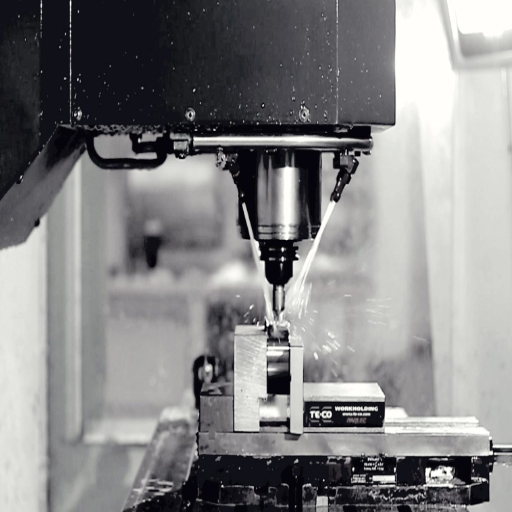
In CNC milling, a machining process, cutting tools are controlled by a computer to remove material from a workpiece, producing exact shapes and features. With the flexibility of machining, it can be done on a wide range of materials, including metals, plastics, and wood. In brief, CNC milling machines employ rotating cutting tools to cut the substance according to instructions coded into a computer program, thus permitting utmost accuracy and repeatability in manufacturing. Therefore, industries such as aerospace, automotive, and electronics utilize CNC milling for the rapid and efficient manufacture of complex components.
What is CNC Milling?
CNC (Computer Numerical Control) milling is a very modern, precision manufacturing method that uses automated, computer-controlled machines to remove material from a workpiece. It begins with creating a CAD (Computer-Aided Design) model, which is then converted into a CNC program using CAM (Computer-Aided Manufacturing) software. This program tells the machine exactly how to move the tool, including all details about toolpath trajectories, cutting depths, and even feed rates.
A rotating cutter, commonly referred to as an end mill or drill, moves across multiple axes to cut the desired shape out of the material. Most modern CNC mills work on three axes (X, Y, and Z), while the more sophisticated machines support four or five axes for extra versatility and complexity.
3-Axis Milling
Standard configuration for basic operations, moving along X, Y, and Z axes for straightforward geometries.
4-Axis Milling
Adds rotational movement around one axis, enabling more complex shapes and reducing setup time.
5-Axis Milling
Complete freedom of movement with simultaneous rotation around two axes, perfect for complex geometries.
According to the latest insights into the milling trade, tolerances can be as tight as ±0.001 inches with CNC milling, which makes it particularly suitable for manufacturing intricate components that the aerospace industry values highly, with excellent tolerances necessary for performance and safety. The same CNC milling is well appreciated for speedy execution. For instance, cutting with advanced tools made from harder materials, such as carbide, decreases production times by up to sixty percent compared to traditional machining methods. Now, CNC milling machines are becoming increasingly automated, enabling lights-out manufacturing where the machine operates entirely autonomously, consequently ramping up productivity.
Modern Advancement: IoT integration and real-time monitoring have enabled CNC milling to become even more proactive, tracking metrics related to production, quality control points, and material wastage for surface treatment. This situation makes CNC milling invaluable in today’s high-precision manufacturing settings.
The CNC Milling Machine
CNC (Computer Numerical Control) milling machines are advanced equipment used for making parts with high precision and efficiency. These machines operate by following a program, which removes material from a solid block (workpiece) and produces intricately designed components. Modern CNC milling machines offer a wide range of capabilities, serving the aerospace, automotive, electronics, and medical industries.
With the latest CNC milling machines, the definition of “modern” gets a whole new meaning. For example, 5-axis machining has been adopted as the standard for achieving a level of geometric complexity that allows intricate parts to be manufactured in a single setup. Industry sources report that 5-axis machines can increase efficiency by reducing production time by as much as 20% and cutting costs in multi-setup processes.
| Machine Type | Axes | Advantages | Best Applications |
|---|---|---|---|
| 3-Axis Vertical Mill | X, Y, Z | Cost-effective, simple programming | Flat surfaces, simple geometries |
| 4-Axis Mill | X, Y, Z + A rotation | Reduced setups, complex shapes | Cylindrical features, angled cuts |
| 5-Axis Mill | X, Y, Z + A & B rotation | Single setup complexity, superior finish | Aerospace components, complex geometries |
| Horizontal Mill | X, Y, Z (horizontal spindle) | Better chip evacuation, heavy cutting | Large parts, heavy material removal |
Additionally, the spindle has been capable of reaching high rotations per minute in the CNC machine tool, thus facilitating the augmentation of accuracy and finishes made upon irregularly shaped bodies. High-speed milling operations optimize toolpath strategies to achieve surface roughness of the order of 0.1 micrometers, which is highly challenging to achieve and is a prerequisite in industries that demand micro-level precision.
These innovative solutions have also found their way into the industries. IoT-enabled CNC systems provide access to real-time performance data, enabling manufacturers to precisely understand their operating conditions and adopt predictive maintenance. It is interesting to note that downtime can be reduced by up to 30% through predictive monitoring and corrective action.
Energy efficiency has been at the forefront of the modern CNC milling agenda. Many machines have been equipped with mechanisms to optimize power usage throughout their working cycles, thereby contributing to an ecologically sustainable manufacturing process. According to specific reports, some high-efficiency machines may consume up to 15% less power than their predecessors while maintaining superior output levels.
Evolution Summary: These improvements demonstrate how CNC milling machines have evolved to meet the indisputable requirements of modern manufacturing, providing companies worldwide with accurate, reliable, and sustainable solutions.
CNC Milling Applications
CNC milling has brought a revolution in manufacturing processes by ensuring precision and efficiency. These machines found widespread use in the aerospace, automotive, medical, and electronics sectors. Say that in aerospace, CNC milling enables manufacturing complex components such as turbine blades and structural parts with rigid dimension tolerances of ±0.001″. Whereas, in medicine, CNC technology can be used to create custom prosthetics, surgical tools, and orthopedic implants tailored to the exact specifications of an individual patient.
Another significant CNC milling application in the automotive industry is the production of engine components, gears, and braking systems. Thus, these high-accuracy processes can be repeated and are therefore suited for mass production. In addition, the electronics industry utilizes CNC milling to manufacture intricate circuit boards and precise housings, which are incorporated into devices ranging from cell phones to industrial machinery.
Recent data outline an instance of CNC milling operations that have helped reduce production times by as much as 40% while minimizing material waste through the use of state-of-the-art software and tools. Furthermore, the introduction of multi-axis milling machines enabled manufacturers to handle more complex geometries, thereby becoming an enabler for potentially increased applications. With the advancement of technology, CNC milling will remain the core of the future of manufacturing across various industries.
Comparing CNC Turning and Milling
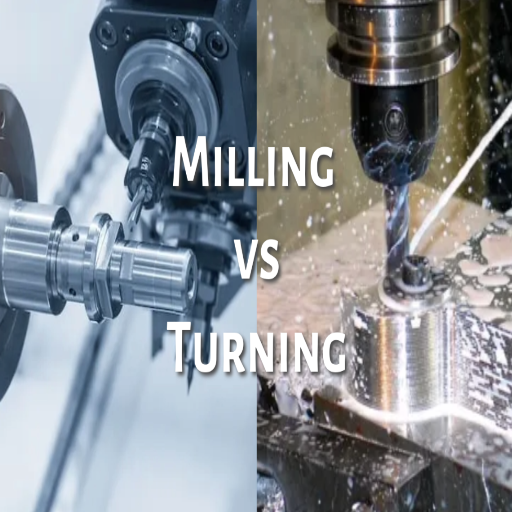
While CNC turning and CNC milling are popular manufacturing processes, these technologies differ in their methods and applications:
Key Process Differences
CNC Turning: The process involves rotating the workpiece as a cutting tool etches its target shape onto its surface. It works well for making cylindrical or symmetric parts, such as shafts and bushings.
CNC Milling: CNC Milling may be considered more versatile since it involves the cutting tool rotating and removing the material from the stationary workpiece. This makes CNC milling more suitable for machining complex shapes and designs.
In general, simpler, rounded parts are obtained via turning, while more complicated geometries or flat surfaces require milling. Both manufacturing processes, therefore, hold extreme importance, having their distinct advantages based on the shape and complexity of the component to be realized.
CNC Milling vs CNC Turning: Key Differences
CNC Milling and CNC Turning are distinguishable from each other by the types of materials used or by the methods used during the shaping machinery. CNC milling holds the workpiece stationary while the rotating cutting tool moves across it to remove material and form the part. Complex shapes, intricate detailing, and flat surfaces are usually produced by this method. In contrast, CNC turning rotates the workpiece against a stationary cutting tool that is being shaped. It is better suited for cylindrical or rounded components, such as shafts or bushings.
| Aspect | CNC Turning | CNC Milling |
|---|---|---|
| Workpiece Movement | Rotates continuously | Remains stationary |
| Tool Movement | Stationary cutting tool | Rotating cutting tool moves |
| Best For | Cylindrical, symmetrical parts | Complex shapes, flat surfaces |
| Typical Products | Shafts, pins, bushings | Slots, holes, intricate contours |
| Production Speed | High for round parts | Moderate for complex geometries |
| Setup Complexity | Generally simpler | More complex for multi-axis |
Another difference is in their accuracy and utility. CNC Milling is preferred when slots, holes, or intricate contours need to be added to parts, while CNC Turning is better suited for producing simple, symmetrical designs with speed and accuracy. Milling machines are generally more versatile for a broader variety of materials and structures, whereas turning machines shine in the high-volume production of rounded parts.
Selection Strategy: Manufacturers, aware of such core distinctions, can select the most suitable process for the desired part design, ensuring efficiency and cost-effectiveness while achieving exquisite results. Flexibility for such complex manufacturing requirements is often provided using a combination of both techniques.
Choosing the Right CNC Machine for Your Project
The choice of a CNC machine for project purposes depends on the material type, part complexity, production volume, and budget. One should first analyze the material to be machined—soft materials such as plastics or aluminum may allow for less type of machinery, whereas harder materials like steel or titanium require more durable and high-powered kinds of machines.
Then, trade off the design complexity with the machine: 5-axis CNC is versatile and precise for intricate shapes or 3D contours; however, simpler designs can be achieved on 3-axis machines. Another important criterion is the production volume; milling machines are suitable for smaller-scale and versatile tasks, while lathes are best suited for high-volume cylindrical parts. For prototype or mixed production, a hybrid might be the most efficient solution.
Material Considerations
- Soft materials: Plastics, aluminum
- Hard materials: Steel, titanium
- Exotic alloys: Aerospace applications
- Biocompatible: Medical devices
Design Complexity
- Simple geometries: 3-axis machines
- Complex shapes: 5-axis systems
- Cylindrical parts: CNC turning
- Flat surfaces: CNC milling
Production Volume
- Prototype: Versatile milling
- High volume: Dedicated turning
- Mixed production: Hybrid solutions
- Custom work: Multi-axis milling
Lastly, a good balance between the budget and project requirements needs to be achieved. The most expensive machines pool with the higher dollar value. A value judgment has to be made, weighing the long-term benefits of precision and efficiency against the initial cost. If you are in doubt, a respondent to your dilemma or an expert will guide you towards making an informed final decision to suit your specific requirements.
The Machining Process Explained
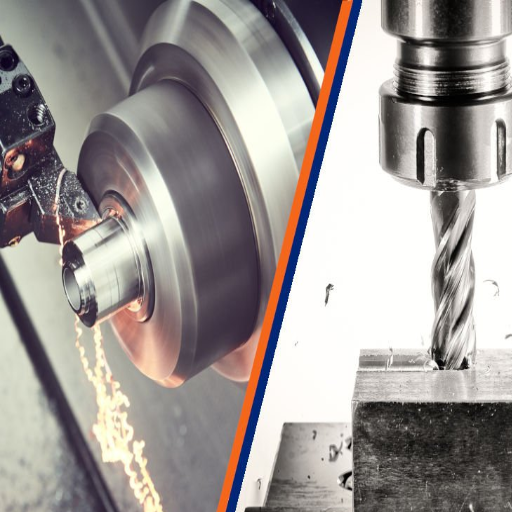
In the machining process, materials, mainly metals, are shaped and finished through the removal of excess. It utilizes tools such as mills, lathes, or drills that cut, grind, or modify the material in any way to achieve the desired dimensions and surface. The three main stages in the process are: roughing, where the maximum amount of material is removed; semi-finishing, where the shape is slightly refined; and finishing, where final dimensional accuracy and surface finish are achieved. Essentially, machining is a method for finalizing items so that they can be customized, and it remains in widespread use in industries for both prototyping and producing parts.
Roughing Stage
Maximum material removal with aggressive cutting parameters. Focus is on efficiency rather than surface finish. Heavy cuts remove bulk material quickly.
Semi-Finishing Stage
Shape refinement with moderate cutting parameters. Balances material removal rate with improved dimensional accuracy and better surface quality.
Finishing Stage
Final dimensional accuracy and surface finish achieved. Light cuts with precise parameters ensure tight tolerances and smooth surfaces.
Understanding the Milling Process
Milling is a widely used process that utilizes rotary cutters to remove material from the workpiece, thereby imparting the desired shape to it. The milling technique plays an integral role in modern manufacturing processes due to its precision and versatility. It can mill complex geometries and intricate designs, which makes the process a necessity for industries such as aerospace, automotive, and electronics.
Milling is generally categorized into two main types: face milling and peripheral milling. Face milling uses the cutter’s tip, while peripheral milling uses the cutter side(s) to create flat surfaces on the edge of the casting. Utilizing the latest CNC milling technology ensures a high level of automation and exceptional accuracy. It is considered that CNC milling can achieve tolerances as tight as ±0.0001 inch, making it highly suitable for the most precise applications.
| Milling Type | Cutting Action | Best For | Surface Quality |
|---|---|---|---|
| Face Milling | Uses the cutter’s tip/face | Large flat surfaces | Excellent surface finish |
| Peripheral Milling | Uses the cutter’s sides | Slots, grooves, profiling | Good dimensional accuracy |
| End Milling | Bottom and side cutting | Pockets, contours | Versatile finishing |
| Ball Nose Milling | Spherical tip cutting | 3D surfaces, curves | Smooth transitions |
In addition to 5-axis systems with simultaneous movement in X, Y, Z, and rotations around two other axes, the installation of multi-axis milling machines has further augmented capabilities. These machines help to decrease setup times, allowing complex parts to be machined in a single operation. If a conventional milling machine generally cuts between 1,000 and 15,000 RPM, higher-end machines cut beyond 20,000 RPM for special applications, making them more efficient and productive.
Metals processed in milling include aluminum, steel, and titanium. Besides metals, other materials include plastics and composites. Developments in cutting tool materials, specifically carbide and ceramic coatings, have enabled longer tool life and higher cutting speeds, resulting in a decrease in production costs. Milling has proven to be a reliable option for producing high-quality components across various industries, meeting the ever-growing demands of precision and efficiency.
The Turning Process: How It Works
Turning is a machining operation wherein a non-rotary cutting tool removes material from a rotating workpiece to generate a desired shape. The process is used to manufacture cylindrical parts, including shafts, rods, and other precision components. The workpiece rotates at speeds, while the non-rotary cutting tool moves along one or several axes to shape the workpiece to specified dimensions and surface finish.
In modern turning operations, CNC systems have introduced processes that promise significantly improved accuracy and, consequently, greater efficiency. CNC lathes maintain a high degree of accuracy, even allowing tolerances within ±0.0001 inch, with which incredibly intricate parts are made. Another factor is the introduction of high-speed machining technology into the machining arena, which increases turn rates, thereby slashing cycle times and encouraging productivity.
Key Performance Indicators: Important key performance indicators (KPIs) in turning are surface roughness, material removal rate (MRR), and tool wear. Studies further confirm that while the cutting speed remains at a particular level, adjustments must be made to the feed rate and depth of cut to maintain a delicate balance between these KPIs. Namely, feedback from the MRR side indicates that as the feed rate increases, the MRR also increases. However, at such a high feeding rate, the surface finish is usually unacceptable, which demands optimization of parameters for specific applications.
In principle, turning is employed on materials spanning from metals, such as stainless steel, aluminum, and brass, to advanced composites and engineered plastics. The development of cutting tool coatings in fields such as titanium nitride (TiN) and diamond-like carbon (DLC) has significantly accelerated tool life, reduced friction, and consequently lowered production costs. It’s safe to say that, with constant evolution, turning has become a manufacturing process that has undergone significant developments concerning the ever-expanding industrial standards of precision, speed, and versatility.
Cutting Tools Used in CNC Machining
The efficiency and productivity in CNC machining are directly dependent on cutting tools that admit a wide gamut of operations. These tools cut or shape the workpiece to minimize waste material removal while achieving the desired end result. End mills, drills, turning tools, reamers, and threading tools are some standard cutting tools. Each tool type has a specific application and is optimized for a particular material and machining procedure.
Typically, modern cutting tools are made from extremely hard materials, such as high-speed steels, cemented carbides, and polycrystalline diamond. Carbide tools, for instance, are highly prized for their wear resistance; as a result, they are ideal for use under high cutting speeds and demanding machining conditions. With market data from recent years, carbide tools command nearly 60% of the industry’s market share for cutting tools, indicating their high dominance in the industry.
| Tool Material | Characteristics | Best Applications | Market Share |
|---|---|---|---|
| High-Speed Steel (HSS) | Tough, economical, versatile | General machining, drilling | 25% |
| Cemented Carbide | Hard, wear-resistant, high-speed | High-speed machining, hard materials | 60% |
| Polycrystalline Diamond (PCD) | Extremely hard, long-lasting | Non-ferrous metals, composites | 10% |
| Ceramic | Heat-resistant, chemically stable | High-temperature applications | 5% |
Tool coatings have significantly enhanced tool performance and lifespan. For instance, TiAlN coatings enhance heat and oxidation resistance, allowing for machining operations to be performed at high speeds and on tougher alloys. Additionally, diamond coatings are becoming increasingly common in machining non-ferrous materials, such as aluminum composites, thereby extending their application fields to the automotive and aerospace industries.
In machining with high-precision CNC operations, one often deals with multi-axis cutting tools that efficiently handle complex part geometries. These tools are designed to meet the increasing demand for tighter tolerances and superior surface finishes. Innovations, such as tools with embedded sensors that monitor tool wear and adjust cutting parameters in real-time, are bringing CNC machining closer to excellence.
Tool Selection Principle: Selecting tools in CNC machining is highly dependent on the type of material being considered, the machining type, and the desired end product. With the full advantage of modern tool materials and coatings, manufacturers can achieve incredible precision, improved productivity, and lower tooling costs.
CNC Turning and Milling in Manufacturing
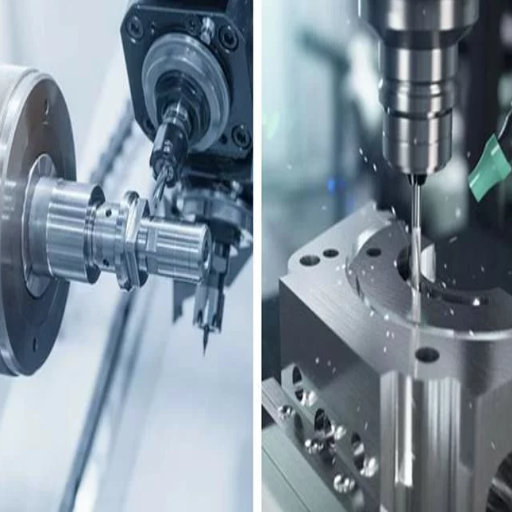
CNC turning and milling are critical processes in modern manufacturing. CNC turning is a process in which the work is rotated while a tool cuts away material to shape it, making it best suited for cylindrical work such as shafts and bushings. CNC milling, in contrast, employs a rotating cutting tool to remove material from a workpiece that is held stationary, thereby forming intricate profiles, slots, and cavities. Both processes enable the manufacture of parts with extraordinary precision, versatility, and fast-paced operation; hence, they are widely applied in industries such as aerospace, automotive, and medical devices.
Both processes are essential for manufacturing critical components like turbine blades, structural parts, and landing gear with extreme precision requirements.
Mass production of engine components, transmission parts, and braking systems requires the speed and accuracy that CNC processes provide.
Custom prosthetics, surgical instruments, and implants demand the biocompatible materials and precise tolerances achievable through CNC machining.
Miniaturized components, circuit boards, and housings require the precision and versatility of modern CNC systems.
Future Trends in CNC Machining
Significant innovations and technological advancements are indeed shaping the future of CNC machining. One major trend is the use of AI and ML to assist machine operations. An AI CNC empowers greater possibilities for predictive maintenance capabilities, resulting in less downtime with a 20% reduction and more efficiency in manufacturing. Production data-free cutting paths are optimized by ML algorithms that streamline processing, material usage, precision, and costs.
Recently, advanced 5-axis and hybrid CNC machines are trending in market adoption. These systems modernize processing methods by incorporating hybridization with traditional machining methods, allowing for the construction of more intricate parts in less time and at a lower cost than usual. For instance, in 5-axis CNC machining, complicated geometric shapes can be machined in a single setup, thus saving multiple operations and improving overall productivity.
The First thing that comes to mind about the CNC machining is IIoT transforming it. Networked machines enable real-time data monitoring, allowing operators to observe performance metrics and increase operational accuracy. It has been reported that IIoT-based CNC systems improve operational efficiencies by 25% through better resource management and predictive quality controls.
Artificial Intelligence Integration
AI-powered predictive maintenance, optimized cutting paths, and intelligent process adjustments for enhanced efficiency and reduced downtime.
5-Axis and Hybrid Systems
Advanced multi-axis capabilities combined with additive manufacturing for complex geometries and reduced setup times.
Industrial IoT (IIoT)
Real-time monitoring, data analytics, and networked machines for improved operational efficiency and quality control.
Sustainable Manufacturing
Energy-optimized processes, eco-friendly materials, and reduced waste through intelligent resource management.
Finally, the environmentally friendly way of working and promoting environmentally friendly materials and processes represents the current trend toward sustainability. These are the manufacturers’ approaches to reducing their focus on carbon while meeting new regulations. By interacting with energy-optimized technologies, CNC machining is becoming greener without compromising the actual meaning of machining.
Future Outlook: This suggests that in the future, CNC machining could become faster, more efficient, and more sustainable, thereby ensuring its vital role in driving innovation across the aerospace, automotive, and healthcare industries.
Final Thoughts on CNC Technologies
With CNC technologies advancing in leaps and bounds, I see the future of manufacturing in their evolution. With automation, sustainability, and efficiency that enable higher orders of innovation, they must answer the call to be greener across industries. On a personal level, I am enthusiastic about how these technologies can drive industrial progress, which is essential for addressing environmental and operational challenges.
The choice between CNC turning and milling, or the strategic combination of both, depends on your specific manufacturing needs, part complexity, production volume, and quality requirements. As we’ve explored throughout this guide, each process offers distinct advantages that can be leveraged to achieve optimal results in modern manufacturing environments.
Whether you’re producing simple cylindrical components through turning or complex geometries via milling, the key to success lies in understanding the capabilities and limitations of each process. By making informed decisions based on the principles outlined in this guide, manufacturers can optimize their machining operations, reduce costs, and maintain the high standards of precision that today’s industries demand.
Reference Sources
“Optimization of sustainable cutting conditions in turning carbon steel by CNC turning machine”
Frequently Asked Questions (FAQs)
What is the difference between CNC turning and milling?
Primarily, the principal difference between CNC turning and CNC milling lies in how the workpiece is handled. In CNC turning, a workpiece is rotated against a fixed cutting tool to produce cylindrical parts. Conversely, in CNC milling, the tool rotates against and removes material from a stationary workpiece, making it suitable for generating complex shapes and features.
How do CNC milling and turning operations work?
In this way, CNC milling and turning are critical machine-limiting processes. In contrast to the lathe, which rotates the workpiece for the cutting tool to shape it linearly, the CNC milling machine rotates the cutting tool. It moves it across the stationary workpiece, enabling machining operations such as face milling and end milling, among others.
What types of jobs are CNC turning and milling used for?
CNC turning and milling constitute two processes commonly encountered in various industries, including automotive, aerospace, and manufacturing sectors. They are indispensable when making precision parts, engine components, and complex assemblies that require high tolerances and intricate details. CNC technology enables the creation of objects with a force of efficiency and accuracy, whether they are simple or complex in design.
How to choose CNC turning vs CNC milling for a project?
When considering the differences between CNC turning and CNC milling, the straight answer lies in individual project specifications. Turning is generally sought for the production of cylindrical parts or shapes that are symmetrical. Milling is often sought for the fabrication of complex geometries or multi-faced features. Analyze the type of material, the shape required, and the scale of production to make an informed choice.
What is the difference between CNC milling and CNC turning?
The primary differences between CNC milling and CNC turning pertain to the motion of the workpiece and the cutting tools employed in each process. In milling operations, the cutting tool primarily rotates and passes over the workpiece, whereas in turning operations, the workpiece is rotated, and the cutting tool remains stationary. This main difference has significant implications for the types of parts that can be produced and how they are machined.
Which types of CNC machines are used for turning and milling?
Turning CNC machines, typically CNC lathes or turning centers, are designed and used for producing cylindrical and rounded components. Meanwhile, CNC milling machines encompass both vertical and horizontal milling machines, capable of performing various types of milling operations. Both types of CNC machines use computer numerical control to ensure precision and automation in machining processes.
Can CNC milling make intricate parts?
Yes, CNC milling can forge complex parts given the variety of cutting tools and machining strategies at its disposal. This milling process can craft complicated, shaped parts with detailed features and acceptable tolerances, making them suitable for any production process that requires precision and complexity. This versatility is something that CNC milling can offer to modern manufacturers.
What are CNC turning services and their advantages?
CNC turning services are performed using CNC lathes to produce cylindrical parts with high precision and accuracy. These services are beneficial for manufacturers seeking to achieve efficient and accurate production of components with tight tolerances. CNC turning services also help shorten lead times and enhance the repeatability of parts, making them the preferred choice for a broad majority of industrial applications.