




Current manufacturing establishments consider capstan lathe machines essential instruments for precision, efficiency, and productivity. These machines have transformed the industrial setup by facilitating the production of highly complex components, thereby enabling super operations without compromising consistency. This blog post will elaborate on the fundamental attributes of capstan lathe machines, considering their unique configuration, mode of operation, and the various benefits these machines offer to nearly every industry. Whether you’re an experienced engineer or just a curious soul, you will be able to see an in-depth insight into what has made these machines the backbone of super operations worldwide. Stay tuned with us as we discuss their application, inner construction, and a few aspects that point to innovations for their future.
Introduction to Capstan Lathes
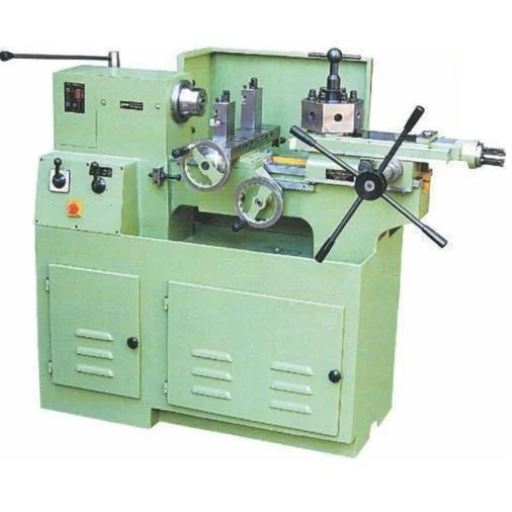
Capstan lathes are semi-automatic machine tools intended for high-speed, high-volume production. The lathe is equipped with a turret that enables it to hold multiple cutting tools simultaneously, allowing for fast machining without the need for manual tool changes. These are widely used in industries such as automotive, aerospace, and manufacturing for producing identical components in large quantities. By reducing machine idle time and ensuring accuracy, machining processes are significantly more productive when performed on a capstan lathe.
What is a Capstan Lathe?
A capstan lathe is a specialized type of lathe designed to enhance productivity and precision in repetitive machining operations. It utilizes a turret that rotates on a ram, allowing the machine to perform various operations such as turning, facing, drilling, and boring without requiring manual tool changes. This eliminates downtime and enables smoother workflows for mass production.
Typically designed for small to medium-sized workpieces, these lathes are widely used in the automotive, defense, plumbing, and appliance manufacturing industries. For example, capstan lathes in the automotive industry produce a batch of identical components such as nuts, bolts, and precision fixtures that require very tight tolerances for their mechanical assemblies.
Performance Boost: Data sourced from the industrial sector further suggests that capstan lathes may increase production rates by as much as 40% compared to those of the regular lathe when turning similar components.
Modern-day capstan lathes are equipped with state-of-the-art automation and CNC technologies. With these, greater accuracy, better repeatability, and shorter cycle time are promised. Some models feature programmable turrets and electronic control systems, allowing operators to program machining parameters for complex production requirements.
In addition, the capstan lathe saves a considerable amount in machining costs by reducing material wastage and human intervention in mass production. Therefore, because of their adaptability, accuracy, and efficiency, capstan lathes will continue to remain relevant in today’s high-demand environment.
History of Capstan Lathes
Capstan-lathe manufacturing dates back to the early 19th century, in the wake of the Industrial Revolution, where the need for precision and production efficiency began to take center stage. In their earlier conceptualization, the machines were fashioned mechanically as exportation mechanisms designed to expedite repetitive tasks in manufacturing, particularly for smaller and medium-sized parts. The invention of the turret head was a landmark development, setting the stage for the modern capstan lathe. The turret head allows the mounting of more than one tool, enabling the use of one tool after another in sequence without requiring the plane to be turned.
Designs continued to evolve with advancements in technology. By the mid-1900s, capstan lathes had found widespread use in industries that produced components for automobiles and textiles. They had a key advantage in that setup times were drastically reduced as the tool holders could be changed. This, of course, opened the door to fast changes between various production processes.
Modern Efficiency: CNC capstan lathes are capable of reducing production cycle times by 30-50% compared to their manual predecessors, especially for complex parts that require intricate detailing.
Today, being able to automate these machines has taken the abilities one notch higher. Most present-day capstan lathes are CNC-powered, enabling precision and repeatability. With such developments, capstan lathes indeed still hold a place of prominence in high-volume manufacturing setups worldwide.
Difference Between Capstan and Turret Lathes
The main objective of these machines is to quickly produce multiple identical parts. The difference between the two types of lathes arises, therefore, like the demands made during working.
| Aspect | Capstan Lathes | Turret Lathes |
|---|---|---|
| Design and Construction | Lighter and more compact, suited for small to medium-sized operations or production runs | Heavier and more robust, capable of handling large and complex jobs, as well as heavier cutting operations |
| Tool Turret and Mounting | Features a turret mounted on the ram, allowing quick and easy movement during repetitive operations | Turret mounted directly on the carriage, providing greater stability for machining heavier and larger workpieces |
| Primary Uses | Most suitable for mass-producing small, intricate components with utmost precision, such as bolts, bushings, and pins. Industries: electronics and small machinery | Serve the needs of numerous manufacturing industries, such as automotive and aerospace, for machining complex parts that require durability and strength |
| Cycle Time and Productivity | Enable faster tool changes and quicker operations for smaller runs, optimizing productivity for rapid production cycles | Work more slowly for smaller components, but handle much larger production workloads for heavy-duty tasks |
Automation and Modernization
The modern capstan and turret lathes mark a significant milestone in the history of CNC control, offering substantially greater precision with minimal or no user intervention. This had its repercussions on workflow efficiency, with CNC turret lathes showing efficiency increases of 25 to 40% in the working of significant components compared to their older manual counterparts, thereby making the CNC turret lathe more favorable in industries for high-output manufacturing of various parts. Conversely, CNC capstan lathes still reign largely where intricate detailing and quicker turnarounds are the dominant considerations.
Having understood these differences, manufacturers can use this information to define the lathe best suited to their needs and optimize both production efficiency and cost-effectiveness in their operations.
Components of Capstan Lathe Machines
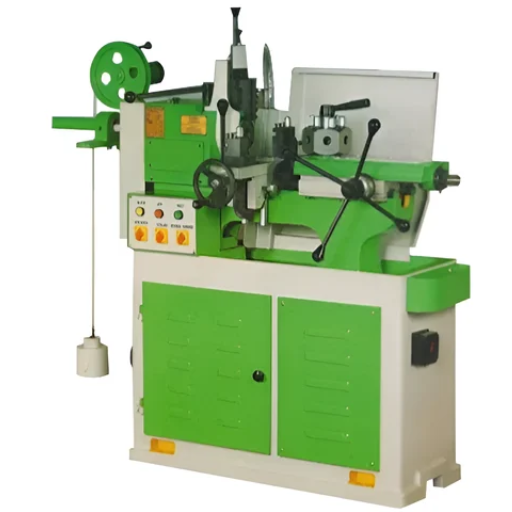
- Bed: The meaning of a machine bed is a large, flat, cast-iron structure that supports all other components and ensures their alignment while it operates.
- Headstock: The rotating spindle inside the headstock imparts rotary motion to the workpiece.
- Capstan Turret: A rotating tool holder for quickly changing tools for different machining operations.
- Carriage: This element supports and controls the movement of cutting tools along the length of the bed.
- Cross Slide: Provides lateral movements to the tools for finishing operations.
- Tailstock: Sometimes, it supports the workpiece from the other end.
- Tool Post: Holds cutter tools for different operations.
- Feed Mechanism: This mechanism enables the movement of tools towards the workpiece at a constant and accurate rate.
All the components work together to enhance the efficiency and versatility of capstan lathe machines in high-volume production setups.
Main Parts of a Capstan Lathe
The capstan lathe is a tool of very high efficiency, with its repetitive turning, drilling, and threading production work, with some components that must be in place to make sure it works:
- Headstock: Consists of spindles and drive mechanisms for precision motion and holding the workpiece securely.
- Capstan Slide or Turret Slide: Being the defining element of this lathe, it holds many tools in a rotating turret to very rapidly change from one operation to another and so enhance efficiency.
- Saddle: Mounted on the bed, the saddle supports the turret slide and allows it to move longitudinally.
- Bed: It is a very heavy, flat surface that supports the other components of the lathe, allowing for accurate production.
- Tailstock: At the other end of the lathe, the tailstock might contain drilling tools or support long workpieces.
- Chuck or Collets: These are used to hold the workpiece firmly in place while it is being worked on.
- Feed Mechanism: It automates feeding for accuracy and consistency in the cutting process, eliminating the need for manual intervention.
The combination of these factors provides accuracy and lessens operator load. Moreover, they are amenable to massive production with minimal changes during setup.
Functionality of Each Component
Headstock
The headstock houses the main spindle, bearings, and drive mechanisms through which rotary motion is imparted to the workpiece. It has been manufactured with great precision to ensure accurate operations. Nowadays, some headstocks are also fitted with sophisticated gearing systems that can spin at speeds up to 4,000 RPM, depending on the material being worked on and the cutting conditions.
Tailstock
The tailstock supports longer workpieces or tools, such as drills, during machining to provide added stability along their length. Its adjustable positioning allows it to be used for various tasks, such as turning, threading, or reaming, while ensuring the accuracy of long workpieces.
Chuck or Collets
These are used to hold the workpiece firmly. High-performance chucks offer gripping capacities that cover workpieces ranging from 0.5 mm to over 500 mm in diameter, making them suitable for a wide range of industrial applications. Collets, however, hold better when working with small-diameter materials or delicate materials.
Feed Mechanism
The feed mechanism speeds up material motion relative to the cutter. Thanks to this, some high consistency and accuracy might be achieved with little manual intervention. CNC lathes now feature programmable feeds that can maintain tolerances as tight as 0.001 mm, enabling industries to meet stringent quality standards.
Lathe Bed
The lathe bed provides a solid foundation for all the other components, ensuring rigidity and precision. Modern cast iron beds are engineered to absorb vibrations, ensuring smooth operations can be maintained even during heavy-duty machining. It is a necessity for high-speed applications to counter errors induced by vibrations.
Carriage
Given the responsibility to hold the tool and give it motion, it moves linearly along the lathe bed. Utilizing ball screws and servomotors in demanding scenarios, it can achieve surface finishing at the micrometer level.
Thus, modernized with the advances in engineering and technology, each component acts harmoniously with the others to provide a more productive machining task with greater accuracy and efficiency, both for minor artisanal-scale requirements and large industrial production.
Materials Used in Capstan Lathe Manufacturing
Capstan lathes are typically constructed with high-performance and heavy-duty materials to ensure an extended lifespan, precision, and efficiency in machining operations. Due to its vibration-dampening properties and good rigidity, cast iron is typically used for the main body and bed of the lathe. Steel alloys are used for essential components, such as spindles, slides, and guideways, to provide the required tensile strength and resistance to wear. Non-ferrous metals, such as brass or bronze, are incorporated into bushings or bearings to reduce friction and ensure the smooth operation of the machine. In light of this, some modern versions of capstan lathes utilize engineered plastics and composites in select parts, thereby reducing weight while retaining strength to enhance the machine’s performance.
Applications of Capstan Lathes in Industry
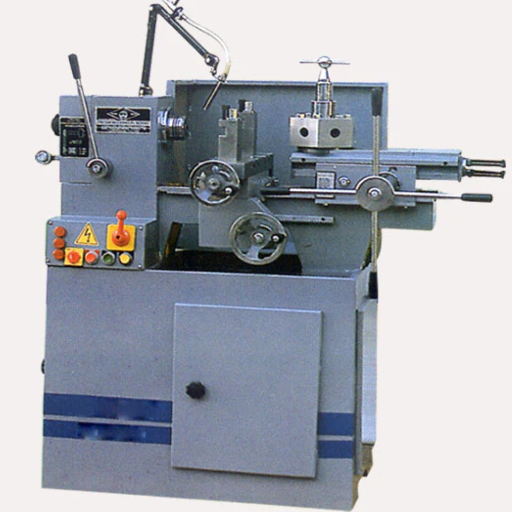
The use of capstan lathes is widely experimented with by industries having high-volume production rates for precision components. For example, they manufacture tiny and complex parts for automotive, electronics, and aerospace applications. These include bushings, nuts, bolts, spindles, and other standardized items. Their beauty lies in their speed and high accuracy for repetitive operations, which enables mass production in an industry where efficiency and precision are imperative.
Common Uses in Manufacturing
CNC turning centers are a vital tool in the modern manufacture of high-precision parts, custom-made according to various designs for large quantities. These machines are considered very useful in the automotive industry for manufacturing engine components, drive shafts, and braking systems, all while ensuring structural integrity and reliable functionality despite slight variations. The aerospace industry also heavily relies on CNC machining for creating turbine blades, landing gear components, and other critical parts, which require precise tolerances.
Answering this very question, therefore, pertains to the creation of inexpensive yet intricately detailed small parts, such as connectors and housings, for devices within the electronics industry. A 2023 manufacturing trends analysis report states that the CNC machining market, globally, was valued at just over $80 billion and is anticipated to grow at a 6-7% CAGR over the forthcoming decade. With such growth, CNC machinery is being increasingly accepted by industries to tackle the heightened demands for the advanced, accurate, and mass production of components. Manufacturers utilize these machines not only to expedite their manufacturing processes but also to optimize quality, enabling them to compete effectively in the ever-changing global market.
Advantages of Using Capstan Lathes
A series of particular advantages make capstan lathes indispensable for production today. These lathes are meant for high-speed machining and finishing of smaller workpieces, which are commonly mass-produced by industries such as automotive, aerospace, and electronics.
Key Advantages:
- Reduced Production Time: With one or more tool posts, the lathe can be set up to perform multiple operations simultaneously, such as turning, drilling, or threading
- Consistent Accuracy: Hold tight tolerances, allowing the production of components that require precise measurements and fine finishes
- CNC Integration: Recent market reports confirm a 30% increase in productivity, while material wastage has been considerably reduced
- Scalability: Ideal for manufacturers seeking to expand their operations while maintaining effectiveness, quality, and reasonable cost
Another significant advantage of capstan lathes is the reduced production time. With one or more tool posts, the lathe can be set up to perform multiple operations simultaneously, such as turning, drilling, or threading, thereby executing several operations at once and minimizing production steps, thereby maximizing productivity. Faster production lowers the cost for the manufacturer because it decreases both downtime and labor time.
Moreover, capstan lathes are relied upon for producing components with consistent and accurate dimensions. They hold tight tolerances, allowing the production of components that require precise measurements and fine finishes. Thus, making them a perfect choice for industries that focus on achieving consistent results across large batches.
In recent years, the functionality of the capstan lathe has been taken to an entirely new level with the advent of CNC integration into its very heart, allowing for automated operation, real-time monitoring, and job changes with minimal delay. Recent market reports confirm a 30% increase in productivity, while material wastage has been significantly reduced following the integration of CNC systems into conventional machinery.
Lastly, capstan lathes offer opportunities for increased production scale. This method is ideal for manufacturers seeking to expand their operations while maintaining effectiveness, quality, and a reasonable cost. This combination of advantages underscores the pivotal role that capstan lathes play in addressing the evolving needs of a dynamic industrial landscape.
Case Studies of Capstan Lathe Applications
Automotive Industry
Large-capstan lathes are used very intensively in the manufacture of high-precision components, including bushings, nuts, and fasteners. These lathes have enabled the production of large numbers of identical parts, all of which are of the same high quality. For instance, an automotive supplier was able to reduce the production time of an engine component by approximately 40% by installing capstan lathes.
Aerospace Manufacturing
Precision and reliability are paramount for aerospace manufacturing. Capstan lathes are an excellent solution for producing small and intricate components, such as valve guides and control knobs. A leading aerospace company leveraged the application of capstan lathes in its workflow restructuring to achieve a 25% productivity gain and reduce machining errors.
Medical Equipment Production
The medical industry is responsible for the manufacture and use of questionable diagnostic and treatment tools. Capstan lathes are used in the manufacture of surgical screws and pins for bones, as well as dental components. One medical device firm reports reduced material wastage and increased production speeds with the use of the capstan lathe, thereby ensuring appropriate scaling to meet the rising market demands.
These case studies demonstrate that capstan lathes are well-suited for high-demand industries, offering improved efficiency, precision, and scalability.
Choosing the Right Capstan Lathe Machine
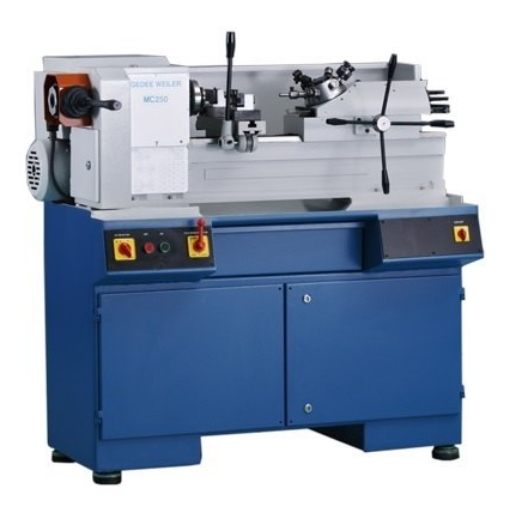
In the selection of a capstan lathe machine, consider a few key factors:
- Production Requirements: Determine the volume and type of work you want to produce, and select a machine that matches the scale and sophistication of your production.
- Machine Specifications: Ensure that the lathe incorporates all necessary speeds, precision, and tooling to accommodate the full range of capacities required by your processes.
- Build Quality: Ensure that, particularly if from a reputable line, your machines will withstand the test of time on functional grounds.
- Ease of Operation: It is best to acquire a machine that requires minimal maintenance and is easy to use.
- Cost and Budget: Decide on what best serves your interest, considering the price, while at the same time pondering the precise function that a machine offers.
Attention to these facets will enable you to select a suitable capstan lathe machine that meets your industrial requirements.
Factors to Consider When Selecting a Machine
The correct choice of a machine is a combination of technical, financial, and operational factors, aimed at achieving efficiency and quality. A short answer based on a combination of the most relevant aspects follows:
| Factor | Description |
|---|---|
| Purpose and Application | What specific tasks will it be used for, and how will it assess the production processes that the operation will undergo? The machine should not be underutilized or inefficient about your operations. |
| Material Compatibility and Capacity | Verify that the machine can handle the materials to be processed and its load capacity. Generally, machines are tested for the type, size, and properties of the material they will work on for precision and durability. |
| Quality and Reliability | Conduct thorough research. Choose machines from manufacturers that have proven to be reliable producers of top-grade machinery. This will reduce the chances of operational problems and may decrease maintenance costs. |
| Automation and Technology Integration | Prefer machines that incorporate some form of automation and integrate well with modern technologies, such as IoT or CNC systems, to enhance productivity and ease operations. |
| Ease of Operation and Maintenance | Select ergonomic machines with intuitive and user-friendly interfaces. Equipment with a simple maintenance procedure saves operational downtime and maintains the standard working procedure. |
| Cost-Effectiveness | Weigh upfront costs against long-term benefits. Choosing energy-efficient and durable machines can help keep operational costs down over time. |
Pay close attention to these factors to make an informed choice on capacity and budget considerations.
Top Brands and Models in the Market
When it comes to problem-solving machinery, some reputable brands consistently hold the lead in terms of quality, credibility, and innovation. Here, then, are the well-considered options:
- Caterpillar: Known for manufacturing rugged equipment with top performance, it is a major player in the construction and industrial machinery sectors. Their models are eco-friendly and feature advanced fuel efficiency, drawing considerable attraction from a price-conscious populace.
- John Deere: This is a respected name in the agricultural and construction equipment industry, employing the most modern technology with robust engineering. Their equipment with simple designs and good customer service is ideal for small and large operations.
- Komatsu: Komatsu is renowned for its heavy machinery and advanced features, including semi-automation and real-time monitoring capabilities. They also promote environmental protection by reducing emissions.
With selections from these top brands, you ensure efficiency, longevity, and value specific to the needs of your industry.
Cost Analysis of Capstan Lathes
Pricing for capstan lathes varies widely depending on the brand, size, special features, and condition (new or used). Generally, new lathes from reputable manufacturers cost between $5,000 and $15,000 for a standard machine, with prices exceeding this range for advanced or customized models. Used machines can be obtained more inexpensively, ranging from approximately $1,500 to $8,000, depending on their age, location, and accessories provided.
| Machine Type | Price Range | Considerations |
|---|---|---|
| New Standard Models | $5,000 – $15,000 | From reputable manufacturers, warranty included |
| Advanced/Customized Models | $15,000+ | CNC integration, specialized features |
| Used Machines | $1,500 – $8,000 | Age, condition, and accessories are dependent |
A sustained investment must consider operating cost, maintenance, tooling expense, and occasional downtime. While capstan lathes are certainly a higher investment than standard lathes, their increased production efficiency and durability result in a lower cost per unit over time, making them a cost-effective solution for large-scale manufacturing. For the best value, compare what different suppliers can offer you, and choose the database model that provides warranties and strong after-sales support.
Maintenance and Care for Capstan Lathes
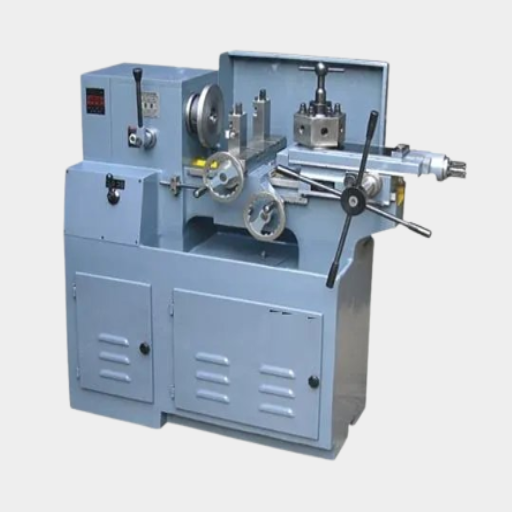
Proper maintenance and care are necessary for the longer life and efficiency of capstan lathes. Establish a habit of inspecting moving parts to prevent excessive wear and tear, and apply lubrication as needed. Keep the machine clean by sweeping away metal shavings and other debris after use to avoid damage or accuracy interference. Perform intermittent checks on the spindle, chuck, and slideways to detect wear or misalignment, and address any issues as they arise. Follow the servicing and replacement schedules recommended by manufacturers, and always use high-quality coolant and cutting tools to maintain their optimal performance. By following a set maintenance schedule, an operator can achieve maximum consistency, performance, and speed from their capstan lathe.
Routine Maintenance Practices
Lubrication and Cleaning
Lubrication and cleaning are essential activities required to maintain a capstan lathe in optimum working condition. Apply lubricants regularly to all moving parts, including the slideways, lead screws, and spindle, to reduce friction and wear. Always use oils recommended by the manufacturer, and keep all lubrication pathways clean and free from any debris. Cleaning is equally necessary after each operation because metal shavings and coolant can accumulate and reduce the machine’s overall working capacity over time. Chips must be removed with a soft brush or vacuum cleaner, and surfaces must be wiped with a multipurpose oil absorber.
Maintenance Benefit: A recent study suggests that frequent lubrication can increase a machine’s service time by 30% while significantly reducing repair costs.
Inspection and Alignment
Regular inspections can help detect misalignments and wear that may affect the lathe’s accuracy. Check the alignment of the spindle and chuck, as well as the calibration of the measuring instruments. Recent studies indicate that machine alignment, when addressed on time, results in a 25% increase in machining precision. Replace any worn parts, such as tool holders or bearings, to stop further damage and smooth operations. Preservation of such adjustments will also ensure further gains in productivity.
Coolant System Maintenance
The coolant system plays a crucial role in maintaining the proper temperatures of both the cutting tools and the workpiece. Check coolant levels periodically and top them up with the correct type, as recommended by the manufacturer. Cleaning between operations of the coolant tank and filters helps prevent clogging and contaminant particles, thereby preventing overheating or premature wear of tools. Proper coolant management, therefore, improved the performance of the tool by almost 20%, while also imparting a better finish on fragmented parts.
Thus, if you consistently adhere to these maintenance practices as described, you can keep your capstan lathe running at full capacity, resulting in less downtime and greater precision.
Common Issues and Solutions
When discussing common problems with capstan lathes, one of the more frequent issues is excessive vibrations, which can hinder the precision of machining. I always check for loose bolts and worn-out parts in the spindle assembly and verify the proper leveling of the machine to resolve this issue. Surface finish problems also occur, typically caused by the dullness of cutting tools or improper coolant flow. So, I adjust or sharpen the tools accordingly and verify that the coolant system functions properly. Checks and maintenance are continual to keep these problems at bay.
Longevity Tips for Capstan Lathe Machines
With the long life of this capstan lathe machine comes regular maintenance. First, cleaning is performed after every operation, preventing the accumulation of dirt and metal filings. This kind of dirt might cause wear. All moving parts must be adequately lubricated to minimize friction and increase the life of components; always use only the recommended grade of lubricant. Secondly, periodically check the alignment and calibration of the machine to maintain precision in its operation. Inspect cutting tools regularly to replace those that are worn or damaged, since dull tools place strain on the machine, resulting in poor performance. Lastly, never push the machine beyond its prescribed limits, as overloading it or constantly running it at high speed will cause it to wear down quickly. Having ingrained these practices in your mind, the capstan lathe will serve you with much efficiency for years.
Conclusion
Capstan lathes represent a cornerstone of modern manufacturing, combining precision, efficiency, and versatility in a single machine tool. From their historical origins in the Industrial Revolution to today’s CNC-integrated systems, these machines have consistently evolved to meet the demanding requirements of high-volume production across various industries, including automotive, aerospace, electronics, and medical equipment manufacturing.
The key advantages of capstan lathes—including up to 40% increased production rates, reduced setup times, consistent accuracy, and the ability to perform multiple operations simultaneously—make them indispensable for manufacturers seeking to optimize their operations. With proper selection based on production requirements, machine specifications, and budget considerations, along with diligent maintenance practices, capstan lathes can provide decades of reliable service while maintaining the precision and efficiency that modern manufacturing demands.
As manufacturing continues to evolve with the advancement of automation and CNC technologies, capstan lathes remain at the forefront of precision machining, offering the perfect balance of speed, accuracy, and cost-effectiveness for high-volume production environments. Their proven track record and continued technological advancement ensure they will remain essential tools in the manufacturing landscape for years to come.
Reference Sources
“A study on Types of Lathe Machine and Operations”
Frequently Asked Questions (FAQs)
What Is a Capstan Lathe Machine?
A capstan lathe machine is essentially a lathe designed for mass production operations. It has a rotating spindle and a bed that holds the workpiece. This machine can be used for turning a wide range of materials and features multiple tool posts, allowing for quick tool changes during the process.
What is the difference between a Capstan Lathe and a Turret Lathe?
The primary difference between a capstan lathe and a turret lathe lies in their design and functionality. While both are intended for mass production, turret lathes usually offer greater flexibility with a larger number of cutting tools, making them suitable for more complex operations. On the contrary, the design of a capstan lathe is more geared towards simpler turning processes.
What are the primary operations that can be performed on a Capstan Lathe?
Typical operations performed on a Capstan Lathe include turning, facing, drilling, and threading various workpieces. The machine can perform these operations efficiently and is therefore used in high-volume production in multiple industries.
Turning a workpiece on the Capstan Lathe
A Capstan Lathe is used to turn metal, plastic, and wood. Its versatility allows it to be applied in several industries for the production of components such as shafts, pins, and fittings.
What is the function of the Tool Post in a Capstan Lathe Machine?
The tool post of the capstan lathe is a crucial component, as it secures the cutting tools in place during cutting operations. This enables accurate cutting and rapid tool changes, thereby improving efficiency in mass production processes.
How does the Bed of a Capstan Lathe Machine contribute to its operation?
The bed of a capstan lathe machine acts as the base that supports the workpiece and the spindle during rotation. Its design is crucial for maintaining alignment and damping vibrations during the machining process, thereby ensuring accuracy and a better surface finish on the workpieces.
Who is Pathak, and what is his relation to Capstan Lathes?
Pathak is a reputed name in the manufacture of various types of lathe machines, including capstan lathes. They manufacture machinery of the highest quality that finds applications in numerous industries, ensuring reliable performance and durability in mass production settings.
What are the advantages of the Capstan Lathe in Industry?
The industrial significance of a capstan lathe is significant because it enables the rapid completion of applications, making it cost-effective in mass production and granting machining precision for a variety of workpieces, the very reasons why manufacturers choose to optimize their production processes.
Can an engine lathe be used to perform the same functions as a capstan lathe?
A lathe can be used to do the same thing as a capstan lathe, such as turning or threading. On the other hand, in an engine lathe, you are generally in a position to do a wider variety of tasks. At the same time, the two are designed for high-volume, repetitive manufacturing processes.