




Setting the right tool during crafting and DIY work makes all the difference. For makers and creatives, the two popular options are Cricut machines and laser cutters. Which one is better for you? Each of these has individual strengths and capabilities, whether in intricate paper design, giving personalized gifts, or making professional-level creations. This article discusses the key differences between a Cricut and a laser cutter for you to make an informed decision. Whether you’re a hobbyist or a professional, this will enable you to determine which tool best suits your creative vision and project goals.
Introduction to Cutting Machines
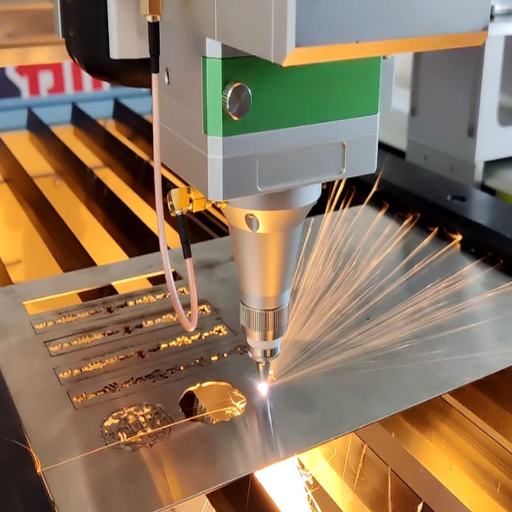
In other words, cutting machines are tools that can make precision cuts into a variety of materials, including paper, vinyl, fabric, or wood. The Cricut offers a blade and some clever technology to cut through even the most intricate designs, making it great for crafting and DIY projects. However, laser cutters use laser beams to cut or engrave materials, and because of this, they have a much higher level of precision and are better suited for more intricate or professional-capable uses. Essentially, familiarize yourself with your materials and project requirements to select the most suitable machine.
What is a Cricut Machine?
The Cricut machine can be thought of as an electronic cutting mechanism with which those in the creative field or craftsmen can satisfy their needs with precision and without much effort. The machines can cut a wide range of materials, including paper, vinyl, cardstock, iron-on transfers, fabric, and more durable materials such as leather or wood, in some models.
A Cricut machine, together with its digital design platform, Cricut Design Space, permits users to select among thousands of ready-made designs or create one of their own. The design is then sent to the machine, which cuts or draws the chosen design onto the material.
The most advanced Cricut machines, such as the Cricut Maker 3 and Cricut Explore 3, offer Bluetooth connectivity and support for innovative materials that do not require a cutting mat. Additionally, these machines can perform scoring, engraving, and debossing with other adaptive tools. For reference, the Cricut Maker 3 can cut with 10 times more force than the previous generation machines, allowing heavier cutting materials to be processed, such as balsa wood and chipboard. These cutting machines are extremely popular among DIY enthusiasts for creating custom greeting cards, home decor, personalized gifts, and branded items.
As crafting trends have evolved, Cricut has set the standard for reliability and user-friendliness, transforming ambitious project ideas into reality with design details that rival professional levels. Whether you are a seasoned crafter or just beginning, the endless possibilities and innovations behind the Cricut machine make it a worthy investment for any creative venture.
What is a Laser Cutter?
A laser cutter is a powerful tool that uses a focused beam of light to cut or engrave a workpiece with high accuracy and precision. The basis of this technology involves using concentrated beams of laser light energy to melt, burn, or vaporize the material; hence, the cut remains clean, sharp, and well-suited for both industrial and commercial, as well as personal, uses. Samples of materials are wood, acrylic, metal, fabrics, and paper.
Several types of laser cutters exist, including CO2 lasers, fiber lasers, and crystal lasers, each of which is designed to work optimally with specific types of materials. CO2 lasers cut very well on non-metal materials, such as wood and leather, whereas fiber lasers excel on metals, including stainless steel, aluminum, and the polishing of intricate details. Laser cutting machines nowadays are often equipped with powerful control software, allowing one to create intricate designs with remarkable consistency.
Laser cutting market value in 2021
The future growth of the laser-cutting market reflects a growing demand for the technology across various industries, including manufacturing, construction, and creative crafting. According to recent industry reports, the laser cutting machine market was valued at about USD 5.8 billion in 2021 and is forecasted to grow at a CAGR of more than 9% from 2022 to 2029. It is, hence, a technology that serves not just industrial-scale work but also small-scale businesses and hobbyists. By improving the speed and ease of use, the laser cutter is revolutionizing the way we perform precision cutting work.
Overview of Cutting Technologies
Many cutting technologies have undergone significant evolutions, offering a range of solutions that different industries may require. Here, laser cutting holds prominence due to the precision and versatility it provides. Other laser types, such as CO2, fiber, or diode lasers, are used depending on the type of material to be worked on: metals, plastics, glass, or wood. Fiber lasers reportedly cut reflective materials like aluminum and copper more effectively, faster, and with less maintenance compared to conventional CO2 laser-based systems.
Another notable technology is the waterjet, renowned for being able to cut materials of virtually every kind, generating no heat except for slight material distortion. Sophisticated waterjet systems can be used for select applications with tolerance levels as acceptable as ±0.001 inches, making them suitable for delicate designs.
Plasma cutting, in contrast, is predominantly used in the metalworking industry for thicker materials. However, recent advancements have reduced the size of plasma cutters and increased their accuracy, allowing specific systems to cut materials with a thickness of 2 inches or less with very good accuracy.
| Technology | Market Value (2022) | Expected CAGR | Primary Use |
|---|---|---|---|
| Laser Cutting | $5.8 Billion | 9%+ | Precision cutting across materials |
| Waterjet Cutting | $1+ Billion | 6-7% | Heat-free cutting |
| Plasma Cutting | Steady Growth | ~5% | Thick metal processing |
Estimates suggest that the global waterjet cutting systems market was valued at over $1 billion in 2022 and is expected to grow at a CAGR of between 6% and 7% from 2023 to 2030. Similarly, the plasma cutting market is expected to grow steadily at a CAGR of approximately 5% over the forecast period. As shown below, there is an increasing demand for new-age technologies across manufacturing sectors, driven by the push for efficiency, accuracy, and sustainability.
Diving into Cricut Machines
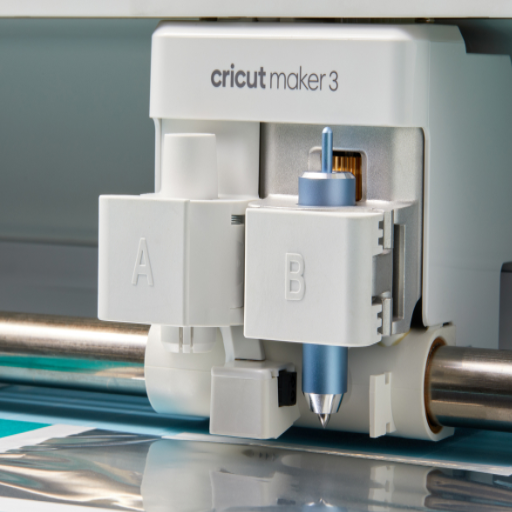
Cricut machines are versatile cutting tools used for crafting projects, helping users create precise cuts on paper, vinyl, fabric, and even leather. They have increased in popularity for designing unique home décor, apparel, and personalized gifts. These machines function by connecting to exterior design software, from which designers either upload or create patterns for cutting the designs onto the selected material. Easy-to-use Cricut machines suit all levels, from beginner crafters to professionals; hence, they are the favorite go-to tool.
Features of the Cricut Maker
The versatility and precision of the Cricut Maker have been appreciated by a vast user base, thanks to features that accommodate almost any creative project. Below are some more technical aspects of the Cricut Maker:
Adaptive Tool System
The CRICUT Maker features a genius adaptive tool system, enabling users to change between tools such as the rotary blade, the knife blade, and the scoring wheel. This ability allows cuts and designs to be fine-tuned according to the myriad materials being used, including fabric, leather, cardstock, and balsa wood.
Material Compatibility
The capability to cut over 300 materials makes the Cricut Maker a perfect instrument for a crafting enthusiast or professional. Range compatibility: from soft materials, like crepe paper, to harder materials, such as chipboard, cutting glide opens possibilities.
Enhanced Cutting Force
The machine delivers 10 times more cutting force than its predecessor, slightly enabling it to cut difficult materials while producing crisp and detailed cuts.
Design Software Integration
The Cricut Maker connects with Design Space, an easy-to-use design software, allowing users to create or modify patterns of their choice on desktop or mobile platforms, depending on their design style.
- Rotary Blade for Fabric – By far the easiest and most efficient method of cutting fabric, the rotary blade is far and away better than traditional means of cutting because the rotary blade cuts fabric straight, as opposed to needing backing material to protect from sticky residue being left behind. This makes it extremely handy for any quilter or fabric enthusiast working on a craft project.
- Knife Blade for Heavy-duty Materials – Cut tough materials up to 2.4mm with the Knife Blade, making it great for solid home décor projects or model building.
- Fast Mode – With Fast Mode, the Cricut Maker allows cutting with vinyl, iron-on, and cardstock at double the speed, with no compromise.
- Bluetooth Connectivity – The machine supports Bluetooth operation for wireless control, making it convenient to work without direct wiring.
- Expansion Tool Suite – With new tools being continually developed, this ensures the longevity of the Cricut Maker and its ability to adapt to evolving crafting trends.
The Creator Series Maker stands out in the all-in-one crafting concept and is a must-have for every creative person intent on bringing their visions to life with ease and precision.
Advantages of Using Cricut
✅ Advantages
- Versatility Across Materials – Cricut is what artists dream of. Cutting, scoring, and engraving through a wide range of materials, including vinyl, leather, fabrics, and even thin wood, offers an unmatched level of freedom.
- Precise Cutting Technology – Cricut cuts meticulously with accuracy levels up to 0.4mm, ensuring each project is formatted to perfection.
- Time-Saving Features – Compared to traditional cutting methods, they save significant time with Bluetooth connectivity and automated processes.
- Continuous Software Updates – Access to over 200,000 images, fonts, and ready-to-make projects through Design Space.
- Cost-Effective Solutions – Long-term savings on custom gifts and wedding décor make it an affordable option.
- Community Support – Large community offering tips, tutorials, and inspiration with official customer support.
❌ Limitations
- Size Restrictions – Maximum cutting dimensions of 12 inches by 24 inches may not suffice for larger projects.
- Material Thickness – Not suitable for very heavy materials due to motor limitations.
- Software Dependency – Requires Cricut Design Space to be online for full functionality.
- Learning Curve – Still requires time to master, especially for novice users.
- Ongoing Costs – Additional expenses for replacement blades, mats, and premium design subscriptions.
Exploring Laser Cutters
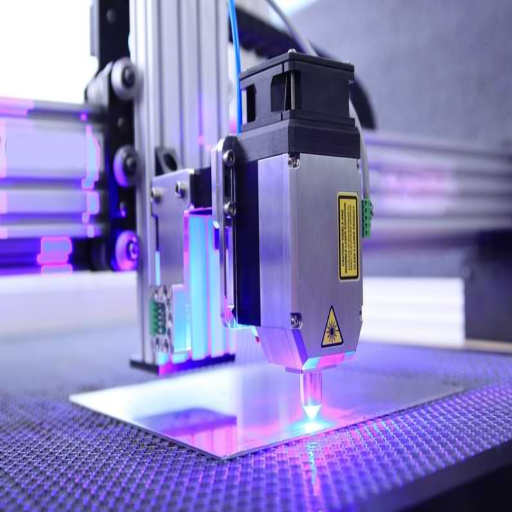
The craft of laser cutting is one that utilizes technology to direct focused light beams through various media with impeccable precision. They are best suited for numerous projects, from engraving intricate designs onto almost anything to creating components for specific functions. Laser cutters can be used on various materials, including wood, acrylic, leather, and some metals, depending on the power rating of the laser cutting machine. Laser cutters have a reputation for accuracy and can therefore achieve the highest standard of finishing. However, they must be operated only with proper ventilation, as they emit fumes and require precautions. Laser cutters are an option for the advanced-level crafters, small business owners, and anyone interested in machining with quality results.
How a CO2 Laser Cutter Works
A CO2 laser cutter works by focusing a laser beam generated from a mixture of carbon dioxide (CO2), nitrogen, helium, and sometimes hydrogen. The laser is created by exciting the gas mixture with an electric current or radio frequency energy. The generated beam is routed through mirrors and focused onto the material using a lens.
The precise beam can etch or cut materials by vaporizing, melting, or burning the surface. The typical wattage for CO2 laser cutters ranges from 25 to more than 150, and the larger the wattage, the thicker and denser the material can be cut. For instance, a 40 W CO2 laser can easily cut through 1/8-inch acrylic or plywood, whereas a 100 W laser can handle thicker materials like 3/4-inch wood or certain metals.
| Laser Wattage | Material Capability | Thickness Range |
|---|---|---|
| 40W CO2 | Acrylic, Plywood | 1/8 inch |
| 100W CO2 | Wood, Some Metals | 3/4 inch |
| 150W+ CO2 | Thick Materials | 1+ inch |
Clean and precise cuts are achieved through the focal length of a lens, combined with the proper calibration of the machine. Modern CO2 laser cutters come with sophisticated software control options that allow one to calibrate power, speed, and intricacies of a design conforming to the demands of the project. Air assist devices ensure debris removal and help prevent scorching when working with flammable materials.
The machines are highly versatile and capable of handling a wide range of materials, including wood, acrylic, leather, fabric, and even glass. However, not all types of metals or materials can be safely handled by a CO2 laser cutter, especially those that may emit toxic fumes or particles into the air. Users should always verify any material with their specific machine and undergo maintenance procedures for more extended end use.
Benefits of Laser Cutting
Laser cutting has opened up new possibilities in processing and design, bringing with it several advantages that are not present or less emphasized in traditional cutting methods. One significant advantage of laser cutting is precision. Manufacturing using lasers enables the construction of highly complex and detailed designs with tolerances of 0.1mm, making it extremely useful, especially for applications that require precise measurements, such as aerospace or electronics.
Another benefit was provided by speed. Speed itself is enough to satisfy one’s need for speed. Nowadays, most laser cutting machines operate faster than any other process, the reason being not just to maximize production but also to maintain quality. Industrial fiber lasers, for example, can cut stainless steel at a speed of approximately 50 inches per second, drastically improving production time.
Key Benefits:
- Precision tolerances of 0.1mm
- High-speed cutting (up to 50 inches/second)
- Contactless process – no contamination
- Minimal waste production
- Environmental sustainability
- Versatile material compatibility
More importantly, versatility lends another significant advantage to laser cutting. Laser cutting processes materials such as metals, plastics, wood, glass, and textiles, thus finding applications in various industries, including automotive, fashion, and architecture. Another great advantage is that it is a contactless process; hence, there is no concern about contaminating or distorting the workpiece since the laser beam does not directly touch the material.
Environmentally, these methods are much more sustainable than conventional cutting. Since laser cutting is highly precise, it produces minimal waste, allowing for optimized material usage. Many modern laser cutters are also non-toxic, thereby helping to reduce the emissions that are harmful to the environment in manufacturing units.
Laser cutting finds a place in both tiny businesses and huge industries. The diversity ranges from custom prototypes to mass production of parts, and any business can adjust its use of laser cutters according to the demands at hand without incurring significant extra costs.
These advantages have made the laser cutting machine an indispensable piece of equipment in today’s manufacturing, imparting very high levels of precision, versatility, efficiency, and sustainability to the vast spectrum of capabilities.
Common Uses for Laser Cutters
Laser cutters have revolutionized various industries, providing precise and efficient solutions for a wide range of applications. The most common application is in metallic fabrication, where laser cutting is used to manufacture complex parts for the automotive, aerospace, and construction sectors. The ability to work with materials such as stainless steel, aluminum, and titanium ensures it is involved in making very intricate parts.
- Advertising and Sign-making – Creating highly detailed and customized designs out of acrylic, wood, and other materials for professional-grade signage
- Electronics Manufacturing – Producing micro-components and intricate circuit boards for miniaturized modern devices
- Textiles and Fashion – Creating delicate patterns and engraving fabrics with high precision for customization trends
- Medical Applications – Fabricating surgical instruments, stents, and prostheses with utmost precision for life-saving devices
These various applications demonstrate how laser cutting drives innovation and efficiency in numerous fields, ensuring that different industries can continue to meet ever-changing demands.
Cricut vs Laser Cutter: A Detailed Comparison
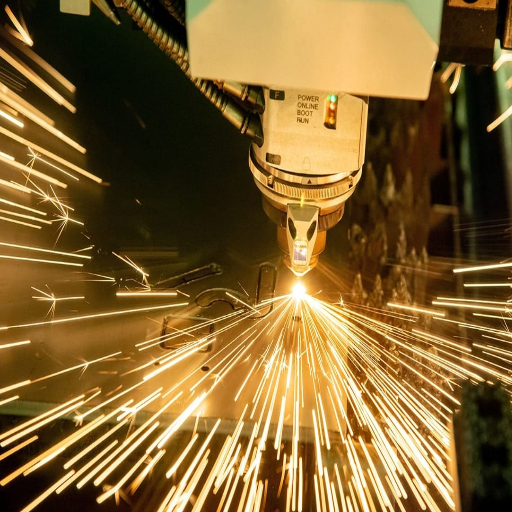
Laser cutters and Cricut machines serve different purposes; each excels at specific tasks. A Cricut is generally the go-to tool for crafting and DIY projects since it cuts with high precision materials such as paper, vinyl, fabric, and cardstock. It is easy to operate and portable, suitable for hobbyists or small-scale work. A laser cutter, conversely, is a step above in power and versatility, cutting and engraving materials such as wood, acrylic, metal, and glass. Laser cutters are a choice of professionals and industrial institutions for cutting intricate designs and large-scale productions.
Ultimately, your needs, budget, and types of materials you plan to work with would determine your choice of tools between the Cricut and the laser cutter. Cricut is best suited for simple, quick tasks, while the laser cutter is ideal for complex, professional-grade tasks.
Cost and Affordability
Regarding the cost and affordability of Cricut machines and laser cutters, they have been priced quite differently. Cricuts are considered reasonably priced, with lower-end models, such as those from the Cricut Explore series, ranging from $200 to $300, and the more sophisticated Maker, from $300 to $400. Such affordability gives Cricut machines an edge among hobbyists and smaller-scale crafters.
| Machine Type | Entry Level Price | Professional Level | Target User |
|---|---|---|---|
| Cricut Explore | $200 – $300 | $300 – $400 | Hobbyists, Crafters |
| Desktop Laser | $500 – $1,000 | $5,000 – $15,000+ | Small Business, Professionals |
In contrast, with more money comes and goes, alongside greater utility, is the laser cutter. Entry-level laser cutters, such as desktop models, typically cost between $500 and $1,000. Professional versions are capable of handling larger projects and materials, and cost anywhere between $5,000 and $15,000 or more. Yet operational costs for laser cutters—including maintenance, replacement parts, and power consumption—are higher than those of Cricuts.
Any beginner willing to dabble or keep things cheap might consider a Cricut for his/her very first project. For someone, however, who wants absolute precision and is even able to interact with thicker or more rigid materials, paying for a laser cutter could be more justifiable, despite the upfront costs. Understanding this kind of cost difference helps one choose a particular machine that fits both budget and creative needs.
Material Compatibility
The key to making an informed decision between the two rests in their material compatibility. Cricut machines are engineered to handle a variety of thin and flexible materials, including vinyl, paper, cardstock, iron-on transfers, and fabric (with the right mat). Their ability to cut materials thicker than 2.4mm is usually limited when working with the Knife Blade.
Laser cutters are truly versatile machines capable of cutting and engraving a wide range of materials, including wood, acrylic, leather, some metals (depending on the model), glass, and even stone. They can also concentrate on thicker materials, which is problematic for most manual processes and highly desirable for more advanced projects in architecture, engineering, and jewelry making.
An entry-level Cricut is likely suitable for cutting materials up to a maximum thickness of 2 mm, while a CO2 laser cutter can cut wood or acrylic up to 10-12mm thick, depending on the wattage. Laser engraving opens up yet more possibilities by allowing intricate designs to be burned onto surfaces like bamboo or anodized metals, an avenue beyond most Cricut models. Understanding these differences clearly states how each machine type is tailored to a particular crafting need.
Precision and Detail in Cutting
When it comes to cutting with utmost precision and detail, laser cutters can often achieve tolerances as small as ±0.1mm. This level of precision enables machines to carve out the most intricate patterns and designs for delicate projects, such as jewelry, architectural model-making, or custom engravings. CO2 laser cutters, loved by crafting circles, will never get any examples sharper or cleaner than the edges produced by such machines, entirely without finishing on highly complex designs.
Cricut machines, meanwhile, are more adept at cutting thinner materials such as paper, vinyl, and cardstock with a precisely guided blade. With plenty of user-friendliness and technology at their core, Cricut models can cut intricate patterns down to 1/4 inches with remarkable precision, making them well-suited for stickers, decals, and custom labels. However, such precision is rarely applied to solid-state matters, where industrial laser cutters are commonly used.
Beam quality, focal alignment, and material-specific settings ensure the accuracy of cutting operations under industrial laser systems. Features such as auto-focus and adaptive speed controls are present in modern laser cutters to reduce material wastage and maximize consistency. For instance, a fiber laser enables precision and high-speed metal cutting, making it suitable for implementing manufacturing and engineering applications.
Understanding these capabilities enables you to choose the right machine for your project, whether it involves crafting handmade goods or producing high-precision industrial components.
Choosing Between a Cricut and a Laser Cutter
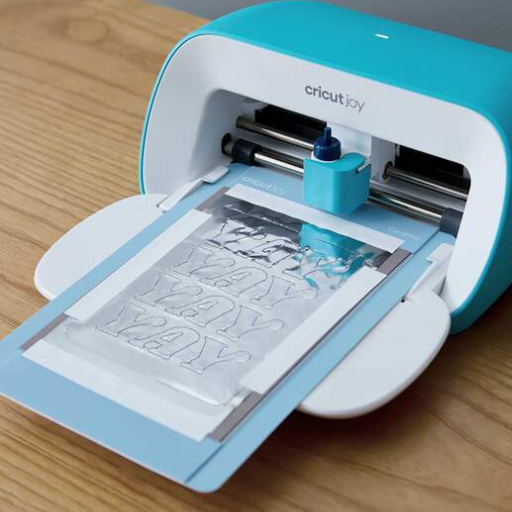
It highly depends on your specific project requirements. Cricut machines are used for crafting paper, vinyl, and fabric, offering ease of use and low cost. If you intend to make this a hobby or work on small projects, then it is the best choice. Laser cutters can work with a larger array of materials, such as wood, acrylic, and metal, so it is characterized by better precision and speed. Use lasers for professional applications, intricate designs, or durable packaging. Consider your budget, material needs, and the complexity level of your work to select the one that best suits your purpose.
Project Considerations
When contemplating between a cutting machine and a laser cutter, the following aspects should be weighed:
💰 Cost
Typically, cutting machines are more affordable for beginners or those with simple requirements, whereas laser cutters require a larger investment, accessible only to professional-grade projects or those requiring frequent use.
🔧 Material Compatibility
While cutting machines work well with light materials such as paper, vinyl, and fabric, laser cutters are more suitable for heavier, more durable materials like wood, acrylic, or metal, offering a wider range of uses.
🎯 Precision and Complexity
Laser cutters handle fine details exquisitely, with razor-sharp edges and duplication capabilities for highly complex designs across varied project executions. What demands fine crafting or precision measurements? That would be laser cutting.
📏 Scale of Work
Small, casual production may favor cutting machines for ease and convenience, while larger-scale, commercial work may benefit from rapid processing times and versatility.
In careful consideration of such parameters, you will derive the proper gadget that will facilitate the realization of your project.
Skill Level and Learning Curve
Regarding skill level and learning curve, cutting machines are considered quite beginner-friendly, with very straightforward software and simple setup procedures. Laser cutters, on the other hand, are a bit more technical to use and more challenging for practice, especially when it comes to adjusting the settings for power, speed, and materials. I would suggest a cutting machine for beginners, while with patience and hard work, learning to use a laser cutter can be worthwhile for more advanced projects.
Space and Setup Requirements
When setting up your shop for a cutting machine or laser cutter, several key considerations should be taken into account. The latter machines would tend to be small, usually fitting in a space too small for a desk or craft table. Setup involves little more than a computer connection and room for material feeding.
Laser cutter operations, on the other hand, require more preparation and space. Laser cutters can be pretty bulky, requiring their own workbench or table, and must be well-ventilated to dissipate any fumes released during the cutting or engraving processes. Most laser cutters require an exhaust system or an operation away from windows to safely disperse fumes. There should also be a check on electrical requirements, as some power outlets exceed the standard range. Consider each machine’s requirements to ensure the workspace is well-planned and operated safely.
🏠 Cricut Space Requirements
- Compact desktop footprint
- Simple computer connection
- Minimal ventilation needs
- Standard electrical requirements
- Portable and easy to store
🏭 Laser Cutter Space Requirements
- Dedicated workbench space
- Professional ventilation system
- Exhaust system installation
- Higher electrical requirements
- Safety considerations for fumes
Final Decision Matrix
Choose your cutting tool based on your specific needs, budget, and project requirements. Both machines offer unique advantages that cater to different creative and professional applications.
| Factor | Cricut | Laser Cutter |
|---|---|---|
| Initial Cost | $200-$400 | $500-$15,000+ |
| Material Range | 300+ light materials | Unlimited variety |
| Precision | 0.4mm accuracy | 0.1mm tolerance |
| Speed | Fast Mode available | 50+ inches/second |
| Learning Curve | Beginner-friendly | Technical expertise required |
| Project Scale | Hobbyist to small business | Small business to industrial |
| Maintenance | Minimal upkeep | Regular professional maintenance |
Bottom Line: Choose Cricut for affordable, user-friendly crafting with excellent community support and extensive material options for light projects. Choose laser cutters for professional-grade precision, unlimited material versatility, and industrial-scale capabilities with higher investment and technical requirements.
Reference Sources
“Laser Cutters versus 3D Printers for Mechanical Engineering Projects”
Frequently Asked Questions (FAQs)
Cricut or Laser Cutter: Which One Will Work Better for Your Projects?
The choice between a Cricut and a laser cutter depends on your particular crafting goals. The Cricut machine is designed to cut materials such as vinyl and paper, whereas laser cutters can engrave and cut a diverse variety of materials, including wood and acrylic. Determine the best fit for your project needs.
How Are Cricut Machines Used in Creative Projects?
A Cricut machine is designed for beginners and is perfect for making vinyl decals, stickers, and paper crafts. It can cut fine details and comes with software that allows users to upload their designs, such as SVG files. This has created great versatility across many crafting activities.
What Is the Difference Between a CO2 Laser Cutter and a Cricut Machine?
The CO2 laser cutter utilizes a laser to cut and engrave materials with high precision, catering to a diverse range of materials, including wood and glass. A Cricut machine, however, makes use of a blade that is computer-controlled to cut materials like paper and vinyl. Laser cutters are more suitable for detailed engravings and thicker materials.
Can a Laser Cutter Cut Vinyl the Same as a Cricut?
Sure, a Cricut can cut vinyl very well. It is designed to do so and makes stickers and decals. A laser cutter can also cut vinyl. However, laser cutters typically cut thicker materials to achieve deep engraving with fine detail.
What Are the Materials That Can Be Used for Laser Cutting?
Laser cutters can cut through a wide range of materials, including wood, acrylic, leather, fabric, and some metals. The intensity of laser cutters makes them suitable for both detailed engraving and cutting intricate designs, making them the epitome of precision.
How Does a Laser Cutter Fare against a Cricut for Initial Investment?
Purchasing a laser cutter typically requires a larger initial investment compared to buying a Cricut machine. Laser equipment, particularly CO2 laser cutting machines, can be pretty expensive due to their advanced technology and capabilities. However, they have their potential for further upgrades and wider application in the future.
Is Glowforge the Laser Cutter?
Indeed, the Glowforge is a kind of laser cutter and is renowned for its intuitive interface and the ability to cut and engrave a variety of materials. It is especially popular among crafters and small businesses due to its ease of use and precision, making it an excellent choice for those new to laser equipment.
What Software Can You Use on a Cricut Machine?
Cricut machines are compatible with various design software programs, including Cricut Design Space, Silhouette Studio, and Adobe Illustrator. These programs enable users to create and upload their designs, including SVG files, allowing for extensive customization of projects.
What Are the Benefits of Adding a Laser to Your Cricut Installation?
The addition of a laser engraver would enhance your crafts far beyond what a Cricut could do alone. There would be detailed engraving and cutting of all sorts of materials, and two of your most creative and complicated projects can be just a little less difficult to perform with the addition of a few lasers.