


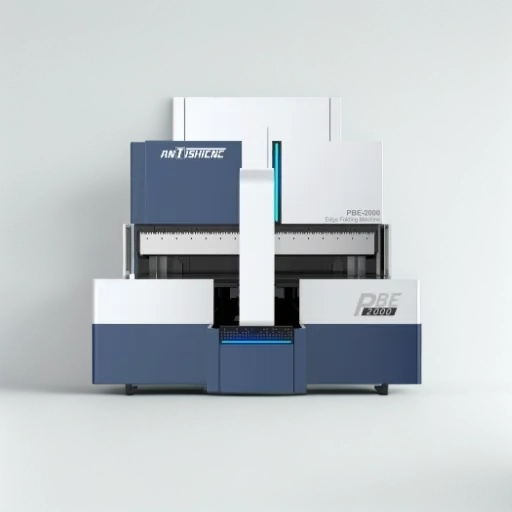
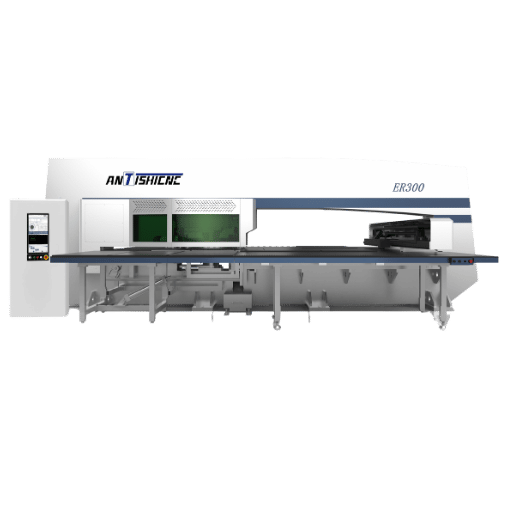
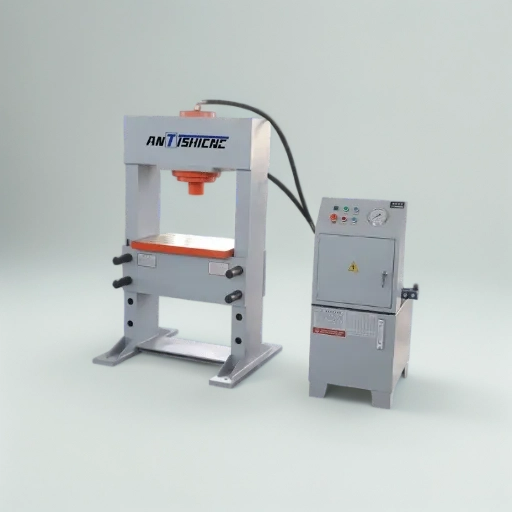


Manufacturing firms must strike a balance between accuracy, speed, and innovation, all of which are essential for thriving. Take, for instance, the CNC punching machine, a modern tool in sheet metal fabrication. It merges state-of-the-art automation systems with precision. With the aid of this machine, complex designs can be achieved, operations can be simplified, and waste can be minimized. This article will help you understand modern fabrication techniques if you are an enthusiast. It will also help you determine if your fabrication machine is outdated, especially if you are a professional, as CNC punching machines are now available. Their manufacturing operations have a significant impact on the future of manufacturing. I’d like to highlight their advantages as well as their strong capabilities.
Introduction to CNC Punching Machines
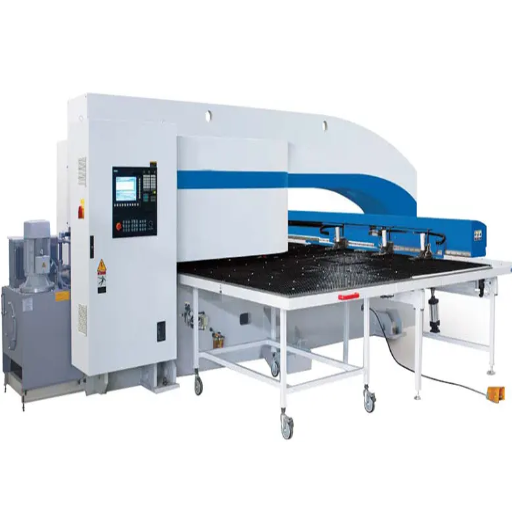
Sheet metal punching machines merge shaping and cutting holes functions into one to streamline manufacturing. Their computer numeric control (CNC) systems allow sheet metal to be punched and shaped accurately and consistently. For volume production, these machines are unmatched in versatility and efficiency, as they handle different sheet metals and designs at high speed. Modern sheet metal fabrication would be greatly lacking without these machines and their capacity to reduce scrap materials and decrease the need for manual work.
What is a CNC Punching Machine?
A CNC punching machine is an automated tool used in the manufacturing industry for sheet metal fabrication. The acronym “CNC” refers to Computer Numerical Control, which indicates that the machine is controlled through software, enabling it to perform a series of complex sheet metal operations unattended. Similar to a punching press, these machines can create holes, cutouts, or shapes in metal sheets. They can work with various materials, including steel, aluminum, and stainless steel. Due to their engineering, they can maintain a high level of accuracy and a fast operational speed, making them suited for the production of elaborate and repetitive designs in large quantities. Moreover, they optimize material use, reduce the need for manual labor, and thus promote leaner manufacturing in conjunction with better quality.
How CNC Punching Works
CNC punching uses a digital control system to guide the punching machine in cutting and shaping metal sheets. A digital model is typically created using CAD (Computer-Aided Design) software. This model is then exported as G-code, which controls the machine’s movements and functions through the CNC system.
A turret on the punching machine holds different punches and dies, which are automatically chosen based on the design. The sheet is held by the CNC table, which positions the sheet so the punching tool can work properly. The sheet is then cut or punched with great force by the punching system, following the instructions in the program. The latest CNC punching machines can maintain a tolerance of ±0.1mm, which is extremely precise.
Key Performance Metrics:
- Processing Speed: Up to 600 strokes per minute
- Precision: ±0.1mm tolerance
- Material Efficiency: 20% reduction in waste compared to conventional systems
- Features: Automated tool changing and material thickness detection
Modern CNC systems can process strokes at a rate of 600 per minute, significantly increasing the efficiency of the manufacturing process. These systems also feature automated tool changing and material thickness detection, further enhancing the system’s capabilities. They also relate to material efficiency, as the parts are nested with minimal wastage, and therefore shredding material is reduced by as much as 20% compared to conventional systems. Industries such as automotive, aerospace, and electronics, which require complex and high-volume manufacturing, greatly benefit from the precision and speed of CNC punching.
Applications of CNC Punching in Sheet Metal
CNC punching enables sheet metal fabrication and is essential in various industries. One example is the automotive industry, which relies on CNC punching to fabricate accurate and durable brackets, panels, and structural reinforcements.
Aerospace Industry
CNC punching excels in advanced geometries and tight tolerance requirements, often shortening manufacturing lead times. For instance, CNC punching enables the machining of aviation aluminum alloys, ensuring minimal material distortion and thereby guaranteeing adequate safety and performance.
Electronics Industry
The aluminum alloys and other lightweight metals used in CNC punching are prominent in the electronics field, which relies heavily on fabrication to meet punching standards for device enclosures, mounting rails, and chassis. Modern CNC punching machines can reach 800 hits per minute in production speed.
HVAC Industry
CNC punching is utilized in the production of ventilation systems and ductwork. Effective nesting for material maximization and the ability to deliver different sizes and shapes make CNC punching ideal for these applications. Material savings of over 15–20% are typical.
Renewable Energy
CNC punching has been utilized in the fabrication of solar panel mounts and wind turbine assemblies. Advanced clean energy solutions require the fabrication of advanced designs, which can be met with the precision and repeatability of CNC punching systems.
Faster production speeds in prevailing sectors lead to the need for micro-detail components in larger volumes, which CNC punching technology is able to deliver. Research shows modern CNC punching machines can reach 800 hits per minute in production speed, resulting in far greater efficiency while still maintaining stringent manufacturing standards.
Components and parts, such as fasteners and brackets, are examples of renewable energy components that continue to evolve in terms of sheet metal requirements. CNC punching continues to play a crucial role in industries, both in terms of quality and economical manufacturing of intricate parts.
Advantages of CNC Punching Machines

High Precision
Superior accuracy enables meeting strict job requirements, no matter how intricate the parts to be produced.
Speed
High-speed operation maintains quality while reducing production time significantly.
Cost-Effectiveness
Reduced material waste and more efficient production processes cut manufacturing costs.
Multifunctionality
Ability to handle different materials and produce various styles widens industrial applications.
Automation
Reduced need for manual work and lower chance of human mistakes through automated CNC systems.
Increased Throughput and Efficiency
The use of CNC punching machines can drastically reduce manufacturing time and raise overall efficiency. Today’s CNC punching machines can reach 1,000 hits per minute, greatly depending on the material and thickness of the workpiece. This implies that a lower processing time can be expected. In addition, properly designed workflows can raise productivity, and with properly designed algorithms and automated tool changes, this can be achieved with minimal downtime.
Research indicates that, with conventional punching machinery and methods, the use of CNC punching can yield a 30 to 40 percent improvement in production efficiency.
This is mainly due to the near elimination of manual work and the robust accuracy of automated processes, which in turn reduces material waste and the need for rework. Besides, the ability to manufacture intricate geometries in a single punch operation removes the need for multiple processes, thereby simplifying production.
Industries such as automotive, aerospace, and electronics rely heavily on CNC punching to meet stringent deadlines and handle large production runs while maintaining the highest standards of quality. This allows them to be a CNC punching investment that can’t be ignored.
Enhanced Repeatability and Precision
Having a CNC punching sheet metal integration on your production line offers excellence in repeatability, combined with modern manufacturing demands for precision. Such machines can hit and hold ±0.004 inches over intricate and complex parts. Not only does this precision reduce mistakes and materials to an all-time low, but it is also environmentally friendly and very cost-effective. The integration of advanced technology, such as automated tool calibration and real-time error detection, elevates accuracy to a new innovative level.
Sectors such as electronics and automotive, which deal in bulk orders of similar parts, can significantly benefit from this punching efficiency. Achieving the ability to mass-produce automotive clips and circuit boards with the exact tight tolerances enables them to uphold product quality and meet delivery deadlines. The higher accuracy features also mitigate the chances of product recall due to defects, which is a considerable time and cost saver for manufacturers.
Versatility in Fabrication Needs
Today’s manufacturing techniques collect technologies such as CNC machining and 3D printing as a single core to serve every creation need with much greater ease. Not only can they offer detailed, personalized pieces, but they can also put out items in large quantities. Compared to other methods, 3D printing is a game-changer in prototyping because it can reduce the testing period by as much as 90% and accelerate the time to market. Similarly, the refinement of CNC machines enables them to produce intricate designs with accuracy not exceeding a single micron. Such precision is invaluable in industries such as aerospace and healthcare, where products must adhere to stringent design standards.
Furthermore, advanced manufacturing techniques have expanded the array of materials that can be used, from lightweight composites used in aviation and advanced plastics to heavy-duty, corrosion-resistant alloys used in advanced marine engineering. To illustrate, the global 3D printing materials market alone was worth over $2 billion in 2022 and is expected to continue growing, which underscores the importance of such materials in manufacturing.
Versatile fabrication techniques have also been made possible through the integration of machine learning and artificial intelligence in manufacturing systems. Such innovations enable machines to operate at peak efficiency through advanced analytics, which can predict equipment failures, optimize workflows, and reduce downtime. Not only do such features increase the range of applications, but they also ensure that suppliers can adapt to changing demands across various industries. Such flexibility, combined with high accuracy, ensures that the manufacturing world will be able to sustain itself in the future.
CNC Punch Press vs. Traditional Punch Press

In addition to the punches’ shapes and sizes, one can also look at the operational efficiency to distinguish a CNC machine from a traditional punch press. In particular, CNC (Computer Numerical Control) punch presses are designed to operate according to specific sets of instructions. These machines are made for complex designs and for mass production. Due to their mechanical nature and computer integration, CNC punch presses significantly reduce the need for human labor. In comparison, a traditional punch press requires manual operation. A conventional punch press is ‘old school’ and requires less initial investment, making it suitable for tiny tasks. Modern punch presses, on the other hand, are designed to meet the demands of the contemporary era, offering a touch of automation in addition to accuracy and speed.
Comparative Analysis of CNC Punch Press
The punch press is a CNC machine that combines the materials processing technologies with a stand; therefore, it is capable of carrying out operations that demand precision, velocity, and effective processing. The contemporary CNC punch presses also feature multitasking functionality, which includes tool multitasking, real-time multitasking, and other enhancements that increase productivity by a significant margin. For example, due to computer automation, self-operating punch presses can now exceed 1000 strikes per minute, representing a considerable increase from the punch machines of the past.
Moreover, CNC punch presses enhance material efficiency by cutting with accuracy, which reduces scrap and supports sustainable manufacturing initiatives. According to the sector’s standards, these technologies are said to improve production output by 30 to 50% compared to manual punch presses. These machines are also known to be effective with a range of materials, including aluminum, stainless steel, and copper, which is helpful for industries such as automotive, aerospace, and construction.
Being compatible with advanced systems enables manufacturers to run simulations of their designs virtually, which limits mistakes and reduces waiting times in production. Being able to handle intricate designs with more exacting production features and reduced tolerances is a strong and compelling case for a CNC punch press for high-volume production with low margin error. This is an effective machine for example-based engineering.
Benefits of Using CNC Over Manual Methods
Examining Oxford Procurements guidelines alongside Computer Numerical Control (CNC) permits intelligent construction, optimization, and design by enabling enhanced legacy systems and functionalities. The manual operations outlined earlier have undoubtedly come to an end. To name a modest number of strong points, CNC’s key strengths include relentless productivity, management of complex CNC systems capable of handling intricate designs and tasks that are effectively or exceedingly complex and time-consuming in manual work, and operational efficiency. In addition, CNC controls devices, cuts sheets of steel and aluminum, and manages new orders to extremely high levels. The Massachusetts Institute of Technology (MIT) also mentioned in a study that CNC operations are advanced by 30 percent or more compared to conventional means.
MIT’s study reveals the extent to which CNC machinery can enhance processing, in addition to manufacturing advanced products. Beyond the review of CNC procedures, further studies in the manufacturing CNC sector reveal rapid developments in precision engineering. An additional statistic shows that cutting process cycles are decreased by almost 92 percent, resulting in a fivefold reduction in working hours.
Examining CNC’s modern technology reveals numerous advantages regarding the salvage of Paycheck operations; additionally, considering the intended pay balances, reduced workload, and alleviation of hesitation in the subsequent balance of products. Deloitte reports that working with CNC technologies reduces manufacturing defects by 20%, resulting in commendable work and eliminating late manufacturing. Additionally, the integration of advanced technologies, such as CAD (Computer-Aided Design) and CAM (Computer-Aided Manufacturing), enhances the adaptability of CNC. Modern technology makes transitions from design to manufacturing unproblematic. Rapid prototyping reduces the time required for design modifications, making it easier to execute. Such functionalities make CNC machines preferred in industries that require efficiency, but are also costly, scalable, and high-precision.
Cost Implications in Punching Technologies
The cost implications of punching technologies are determined by several different considerations, including the type of machine, the material being used, the amount of labor needed, and the scale of production. While modern punching machines, such as CNC punch presses, offer improved finishing and reduced waste, they require a greater initial investment, ranging from $50,000 to $500,000, depending on the machine’s features and complexity.
Whilst the initial investment is significant, operational costs are equally essential. Overall costs are a product of energy spending, maintenance, and tooling. High-quality toolings, for example, are more expensive, but in the long run, they result in lower working costs due to their greater precision and longer lifespan. The rate of tool replacement depends on the material punched. Softer metals, such as aluminum, cause less wear than harder metals, like stainless steel.
Automated systems reduce labour costs because they require minimal manual intervention, unlike CNC punch presses. Nevertheless, training these advanced system operators incurs an initial fee that must still be included in the budget plan. Furthermore, the impact of production costs is significantly influenced by the production quantity; larger quantities enjoy cost benefits, with the price per unit dropping considerably as output increases.
For sectors with changing production requirements, the mix punching system, which uses both servo-electric and hydraulic technologies, is a more economical option. Manufacturers focusing on energy efficiency and sustainability are targeted, as these technologies combine powerful punching capabilities with energy efficiency, ensuring that performance is not compromised.
Being aware of these costs enables companies to analyze and evaluate the conditions that best suit the business, taking into account both operating savings and production requirements.
Components of CNC Punching Machines
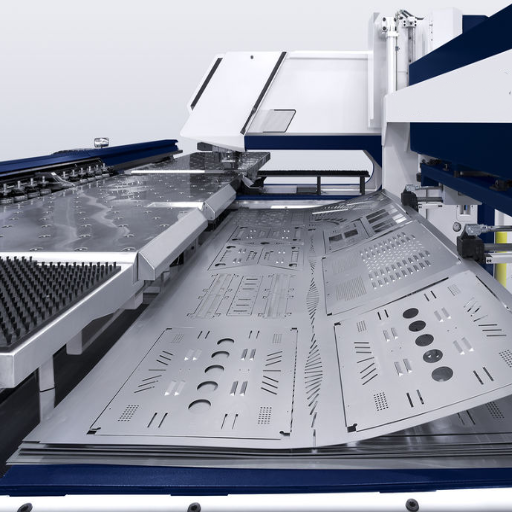
1
Punching Head
The punch head is a device directly responsible for pressing the punch into the material to create holes or cutouts of predetermined shape and size.
2
Tooling System
The tooling system comprises various tools and dies that enable punching with different diameters, shapes, and patterns.
3
Controller
The controller is the computer system for the machine. It accepts the design for the punched part and, using the design, moves the machine for accurate punching.
4
Worktable
The worktable is the sturdy surface that supports the sheet during the punching process. It frequently has clamps to secure the sheet to the table.
5
Power Source
Most punching machines utilize a servo-electric or hydraulic system to provide power for the machine.
6
Material Handling System
Enables the transfer and placement of the material for operation, which in turn speeds up the production system.
The parts mentioned above are crucial to the manufacture of components that require a complex sequence of processes, thus ensuring their precision, speed, and efficiency.
Understanding the CNC Punch Press
The CNC punch press has undergone a remarkable transformation similar to the CNC milling machine in the manufacturing industry. Its broad range of functions and operations is a testament to its advantages in modern sheet metal fabrication. Below, we outline some of the crucial aspects and associated benefits of the CNC punch press:
High and Consistent Accuracy
The CNC punch press surpasses all other metal fabrication tools with an accuracy of ±0.004 inches (±0.1 mm). This fabrication tool offers the utmost precision, which is particularly important in the electronics, automotive, aerospace industries, and other sectors with high accuracy demands.
Improved Task Completion Efficiency
For nibbling operations, modern CNC punch presses perform up to 1,000 strokes per minute, and between 300 and 600 strokes per minute for punching. Such features optimize production workflows and ease working within shorter deadlines without compromising on quality.
Flexibility in Materials
CNC punch presses can work on a broad range of materials, including stainless steel, aluminum, brass, and even cold-rolled steel, with thicknesses ranging from 0.020 to 0.250 inches (0.5mm to 6.35mm). This versatility makes them highly useful for numerous industries.
Flexibility in Tooling
With multi-tool turrets, CNC punch presses can hold 60 or more tools, enabling the creation of more advanced part designs and minimizing downtime for tool changeovers. Automation of tool change systems often also results in a higher level of efficiency in tool change.
Energy and Cost-Effectiveness
Servo-electric technology, now offered by CNC punch presses, makes them easier to operate in terms of energy efficiency. This makes them much more economical to operate than older models that worked on hydraulics. Additionally, they also reduce the amount of waste in materials covering the cutting patterns.
Integration with Software
CNC punch presses can be integrated with CAD/CAM software, making it easier to program the geometries and cutting areas of parts. It automates the processes, ensuring they are compatible with newer manufacturing systems, resulting in a significant reduction in errors.
CNC Punch Presses Applications
Due to their functionality, efficiency, and versatility, CNC punch presses have applications in numerous industries. Their uses include making automotive parts, electronic enclosures, HVAC parts, and architectural panels. Their option for intricate parts and batch manufacturing is to the advantage of producers worldwide.
By utilizing advanced automation and technology, CNC punch presses redefine the limits of today’s manufacturing, establishing a new reality where accuracy and output are inseparable.
The Role of Tools in CNC Punching
Punching Computer Numerical Control (CNC) shaped punch presses utilize punches, dies, and other shaping devices to create and combine shapes with advanced contouring, in addition to handling multiple types of stock materials. In addition to the formulation of and combination of shapes from newer materials, high-velocity glass fiber blends are not uncommon. Modern tooling is designed for strength, durability, and compatibility with various grades and thicknesses of sheet metal. The efficiency, accuracy, and quality of the punching operation depend primarily on the type of tooling, whether standard shapes or custom-designed tool configurations.
Key Tooling Advancements:
- ✓
Quick-change systems to reduce setup times - ✓
Higher-grade materials and coatings to prolong tool life - ✓
Tooling automation for multifunction operations (embossing, louvering) - ✓
Elimination of multiple changeovers through advanced design
In addition to reducing setup times through quick-change systems, newer tooling advancements also use higher-grade materials and coatings to prolong tool life. Moreover, new tooling automation enables support for multifunction operations such as embossing and louvering, eliminating the need for multiple changeovers. Proper tool tracking, including scheduled maintenance and accurate positioning, is required to minimize wear and achieve optimal production results. Therefore, in today’s manufacturing, tools impact the operation of CNC punching and are vital for its success.
Importance of Nesting Software
Nesting software expertly manages material cuts and CNC punching, ensuring that raw materials are efficiently used. By placing multiple designs on a raw sheet, it reduces waste and cuts costs. Nesting software algorithms not only help arrange parts for a layout but also ensure that each part is cut correctly and the waste is kept to a minimum, especially with complex shapes. It further improves productivity by speeding up changeovers and optimizing machine utilization. Automated nesting, toolpath optimization, and support for multiple file types, among other features, ensure that the software is a must-have for any manufacturer. As a result of manufacturing optimizations, nesting software assists directly with the sustainability and budget friendliness of manufacturing.
Future Trends in CNC Punching Technology
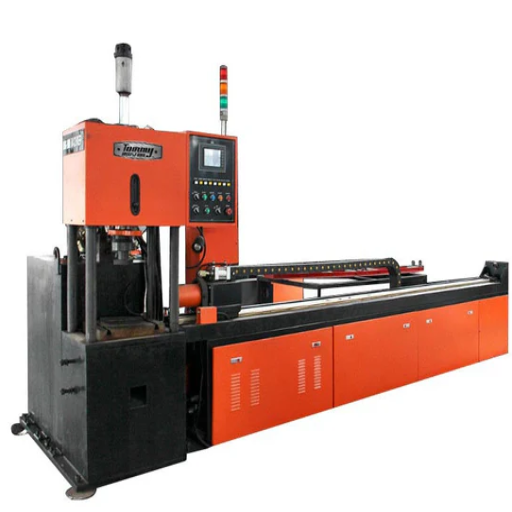
The future of CNC punching technology lies in automation, as well as higher standards of accuracy and energy efficiency. Self-optimizing processes are now reducing errors and increasing productivity, thanks to advancements in AI and machine learning. Real-time tracking and follow-up maintenance through IoT systems guarantee even less downtime. Furthermore, less energy consumption and reduced material waste serve as the new benchmarks of eco-friendliness. Lower costs, faster production, and better quality are the aims of manufacturers with these new advancements.
Innovations in CNC Punch Machines
To keep pace with the evolving needs of manufacturers, modern CNC punch machines have incorporated several new capabilities. For instance, the use of sophisticated automation technology now enables machines to produce intricate designs with minimal human input. This automation decreases setup and idle times, thereby increasing the machines’ throughput. Machine learning and AI stand out as notable new additions, enabling the intelligent optimization of toolpaths and facilitating adjustments to the machining process, which improves precision and reduces tool wear. A further development is the hybrid punching system, which combines laser cutting and conventional punching, giving the machines extra capability in dealing with complex fabrication work. In addition to increasing output, these new features also ensure higher precision, reduced energy use, and improved material utilization—all of which respond to the growing requirements for eco-friendly and efficient manufacturing processes.
The Impact of Laser Technology on Punching
In contemporary manufacturing, the application of laser technology in the punching process has increased efficiency and is a lot more precise. Complex designs are easier and faster to create. The fusion of laser and punching systems is by far the best when it comes to dealing with intricate designs, as it is more precise and results in less material waste. This fusion has reshaped the fabrication process, making it easier to maintain eco-friendliness while still achieving optimal results.
Future of Automation and Smart Fabrication
The Smart Factory Vision
As robotics, the Internet of Things (IoT), and Artificial Intelligence (AI) make leaps, the future of automation and innovative fabrication steadily takes shape. These modern systems will increasingly rely on the integration of real-time data analytics to not only forecast maintenance and fine-tune workflows but also to do so with virtually no human input.
Real-time Analytics
Predictive maintenance and workflow optimization
Smart Monitoring
Production monitoring to the smallest detail
Customization
Fine-tuned modifications for bespoke needs
Smart factories, with their use of interconnected devices, can monitor production to the smallest detail, ensuring accuracy, flexibility, better decision-making, and lower operating costs.
There is an expectation that advanced robotics and machine learning will enable customization to be fine-tuned, allowing manufacturers to modify designs for bespoke needs with ease. Alongside reducing downtime, these systems also enhance product uniformity and quality. Fully automated plants, with sustainable automation, will focus primarily on energy-saving designs and reducing material waste. From here onwards, human knowledge and machine smarts working in tandem will mark the next epoch of streamlined, green, and easily upscaled fabrication systems.
Conclusion
CNC punching machines represent the pinnacle of modern sheet metal fabrication technology, offering unparalleled precision, efficiency, and versatility. As manufacturing continues to evolve toward automation and sustainability, these machines will play an increasingly crucial role in shaping the future of industrial production.
Reference Sources
Modeling and Manufacturing of a Progressive Die for Mechanical Press Operations
Frequently Asked Questions (FAQs)
What Is a CNC Punching Machine?
A CNC punching machine is a sheet metal fabrication machine equipped with a CNC system. By controlling a punch press, a CNC punching machine is capable of creating holes and shapes in a wide range of materials, such as stainless steel. By accurately positioning the material, it can carry out a series of punching operations.
What Are the Benefits of CNC Punching?
In CNC punching, the benefits that stand out the most are precision and repeatability, as well as the ability to combine different materials and thicknesses. This invention represents a significant step forward in reducing material costs and fabrication needs, while also increasing output.
How Is CNC Punching Used to Create Forms?
Shapes are constructed in CNC punching by executing the punch head’s movement sequence as instructed. The machine can perform a single strike or a series of holes in a pattern, thus enabling CNC punching to create complex shapes and perforated materials.
What Materials Can Be Fabricated Using CNC Punch Press Machines?
With punch press machines that utilize CNC technology, steel, aluminum, and copper can be fabricated. Indeed, with the increasing advances in CNC technologies, fabricators have more tools at their disposal to work with sheets of varying widths, ranging from 0.5 mm to 6 mm.
What Is the Role of Programming Software in CNC Punching?
The software plays a crucial role in CNC punching machines, enabling operators in the fabrication areas to create and modify designs on the computer. Hence, to reduce material usage, this software offers advanced tools that will allow optimal nesting.
In What Way Does a Turret Punching Machine Differ From Other Punch Press Machines?
A turret punching machine differs from other punch press machines because it has a rotating turret that stores multiple tools. This enables the machine to rapidly change the tools. This capability allows the machine to perform more efficiently, making it more versatile and capable of handling complex fabrication and high-speed operations.
What Is the Throughput of CNC Punching Machines?
Throughput in CNC punching machines refers to the number of parts an operator can fabricate per unit time. A CNC machine operator spends less time waiting for the machine to load and more time executing multiple automated punches. This means that the operators of these machines stand to gain significantly, as throughput and, consequently, efficiency are substantially improved compared to traditional punching methods.
What Is the Importance of Nesting Software in Sheet Metal Fabrication?
By efficiently positioning all the components that need to be made on a single sheet, nesting software ensures the minimization of waste. A software update will eliminate waste, thereby reducing the costs associated with materials; in turn, this will help improve the overall productivity of the CNC punching process.
In What Ways Does CNC Punching Technology Benefit Fabrication Shops?
CNC punching technology allows fabrication shops to meet their manufacturing needs effectively. This is because such technology enables the manufacture of intricate parts at a reasonable price and with a high degree of precision. The technology allows for automation and advanced programming, enhancing the productivity of the shops and reducing their labor costs.