


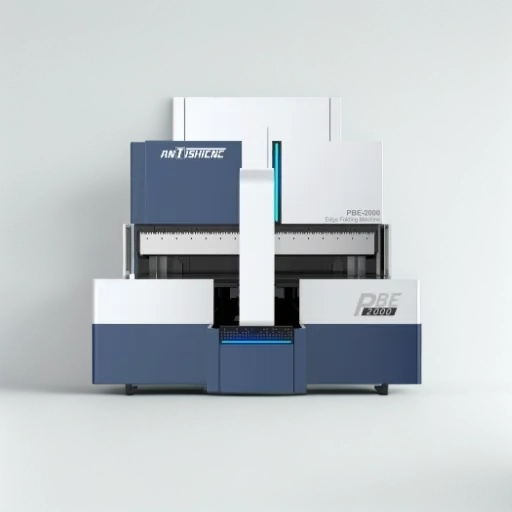
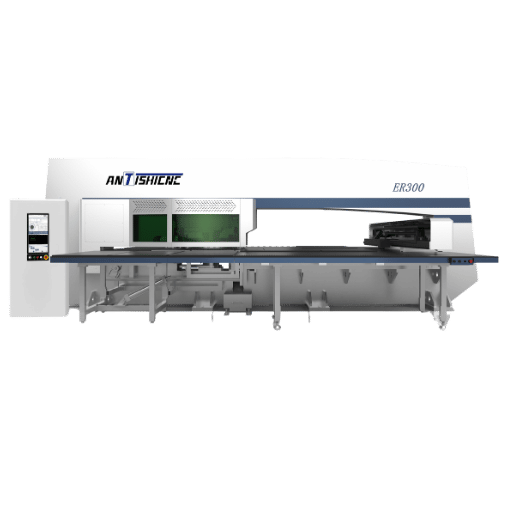
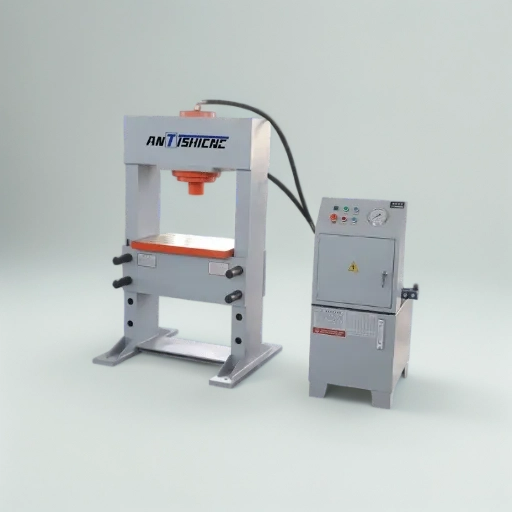


Metal sheet forming involves bending applications and has been the basic application shaping raw metal materials into definite parts needed in many industries. Previously, the press brake was a very popular machine for this heavyweight bending operation, requiring a lot of skill and manpower. Advances in technology have given rise to a worthy competitor: a panel bender. This highly automated system is causing manufacturers to veer away from conventional metal forming techniques due to its promise of outstanding efficiency, consistency, and scalability. In this article, we will examine some primary differentiators between press brakes and panel benders to understand how automation is transforming the traditional bending process. From a manufacturing perspective or an industrial enthusiast’s viewpoint, this will provide you with knowledge of automated bending solutions, which are gaining increasing importance.
Introduction to Panel Bending
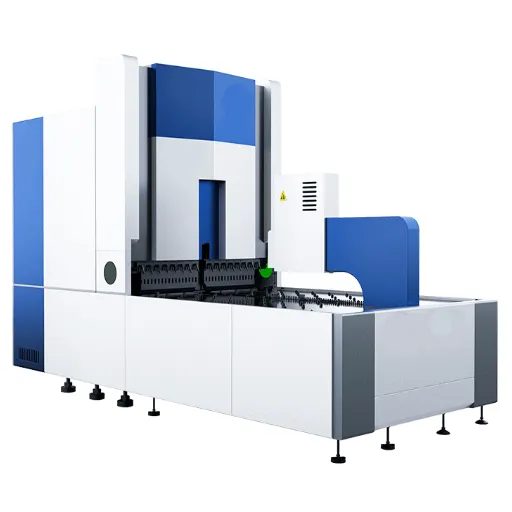
Panel bending is a highly efficient process in metal fabrication to produce exact and consistent forms from sheet metal. Unlike traditional press brakes, which rely on manual operations, panel benders utilize automated systems to load metal sheets and perform the bending operation with greater speed and accuracy. The process is highly suitable for creating complex shapes and works well for high-volume production, making it greatly favored by industries that require high degrees of precision and scalability. This minimizes manual operations on panel bending, thus eliminating human error and inconsistencies in the same product for different pieces.
Definition of a Panel Bender
The panel bender was invented as a more advanced automated metal-bending machine. Panel benders incorporate precision engineering, robotics, and software control to bend and shape metal sheets into a wide range of complex forms with exquisite accuracy and efficiency. Some might say that a panel bender can do everything an operator can do manually, but better and faster. A typical press brake is usually operated manually with a minimum of automated sheet handling. At the same time, on a panel bender, these systems are integrated along with programmable tooling for enhanced ease of manufacture.
The panel benders of today offer several excellent features: they can process materials of various thicknesses, generally ranging from 0.5 mm to 3 mm, depending on the machine model. With bending speeds of approximately 0.3 seconds per bend, this significantly reduces production cycle times. Extremely complex geometries, such as box shapes and U-profiles, can be manufactured with great consistency and repeatability. Many also incorporate automated tool change features for quick setup changes when transitioning to a new job.
The technology finds application in the automotive, aerospace, construction, and HVAC sectors, where precision and throughput are of utmost consideration. Engaging in automated panel bending has been shown in studies to reduce production errors by as much as 90%, optimize materials, and lower manufacturing costs through reductions in wasteful and labor-intensive activities. Through integration with software, the very basis of Industry 4.0-the panel bender now provides real-time data tracking, predictive maintenance, and operation optimization: critical elements in present-day manufacturing systems.
Overview of the Bending Process
In sheet metal fabrication, bending is considered one of the most vital operations through which flat sheets are formed into different shapes using specialized equipment. Contemporary panel bending systems utilize sophisticated automated technology to achieve precision and consistency in manufacturing. The process begins with loading the metal sheets onto the machine and accurately positioning them using the CNC system’s control. High-end tooling would then apply the necessary force to bend the metal into the required shape, giving uniform angles and good dimensional accuracy.
The days of bending are being reinvented with state-of-the-art panel-bending machines equipped with smart sensors and feedback loops, enabling the machines to make adjustments during production. According to the latest industry data, automated bending machines reduce cycle times by as much as 50%, resulting in a significant increase in operational throughput without compromising quality. Additionally, using high-strength tool materials ensures the tool remains robust and precise even during heavy work, thereby further saving on costs.
In modern times, bending systems equipped with software solutions can execute complex geometries and create customized designs, making them a pleasure to use. They possess detailed insights into machine performance and material usage, enabling data-driven decision-making. This type of setup significantly reduces human error, ensuring that production aligns with the stringent requirements of industries such as automotive, aerospace, and electronics.
Importance in Sheet Metal Fabrication
It is essential to discuss the presence of advanced bending systems in sheet metal fabrication. These technologies, having improved efficiency and precision by leaps and bounds, indeed, have a significant impact on the industry. For instance, with today’s CNC bending machines, tolerances of ±0.1mm are achieved to meet the exact specification of critical components. This precision is necessary in aerospace and medical device fabrication, where working features, even with minute deviations, may cease to function or lose their level of significance.
With this automation applied to bending systems, production rates also receive a boost. Reports cite automated systems achieving time reductions of up to 40% compared to manual production methods. This extra speed enables manufacturers to meet high output demand while maintaining consistent quality. Analysis shows that coupling such systems with advanced software is the ultimate aid in cutting waste by 30%, as it monitors material usage and operational status in real-time. Viewed from an efficiency and sustainability perspective, modern bending technologies shine as firm contenders in the battleground of sheet metal fabrication.
Panel Bender vs Press Brake
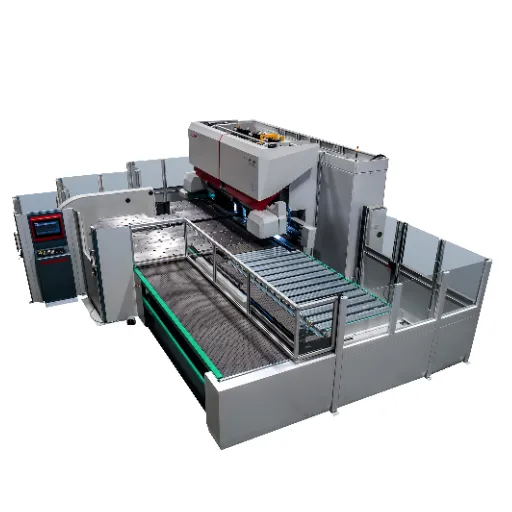
Both panel benders and press brakes are standard machines employed in sheet metal shops, but they serve different purposes. A panel bender is well-suited for making intricate bends with speed and precision, typically in high-volume production. Most of the bending is automatically performed by the machine, making it ideal for repetitive bending processes. In contrast, a press brake, although less automated, is more flexible when it comes to custom bending jobs and low-volume production, or work requiring a wide range of bend angles and sizes. It primarily depends on the level of production involved and the complexity of the designs and requirements.
Key Differences Between a Press Brake and a Panel Bender
| Aspect | Press Brake | Panel Bender |
|---|---|---|
| Flexibility vs. Automation | Offers immense flexibility across a wide range of bend angles and customization options, suitable for small-volume or complex jobs | High level of automation, fast and repetitive, making it ideal for large-scale production |
| Setup vs. Time Efficiency | Manual setup and operator expertise are required, making it time-consuming for lightweight jobs | Heavy automation reduces setup time, thereby increasing efficiency in heavier production runs |
| Material Handling | Material handling is sometimes manual | Automates material handling to a great extent, reduces manual labor, and ensures higher consistency |
| Production Volume | Best applicable to prototype runs of small quantities, or larger batch sizes with more varied designs | Most feasible option for high-volume production with uniform designs, given their speed and level of automation |
| Complexity of Bends | Excel at imparting complex bends and geometries, operations that require precise human input and fine adjustments | Work well but may be limited by highly complex or irregular bending jobs |
Choosing the right equipment ultimately comes down to the specifics of the project, including the production volume, design complexity, and levels of efficiency required.
Advantages of Using a Panel Bender
- Enhanced Automation: Panel benders are highly automated, to the extent that manual labor is almost nonexistent, and human errors of any kind are further minimized. This, in turn, allows production to run faster and with improved accuracy, thanks to advanced software integration that supports seamless programming and setup. Tool changes are done automatically, for example, decreasing downtime in high-volume assembly lines and further contributing to the overall efficiency.
- Consistent precision: Known for their uniform quality and repeatability from each and every part they create, panel benders are vital for industries such as automotive and electronics, which require precise dimensions and an excellent finish.
- High Productivity: Since they accommodate fast cycle times, panel benders allow manufacturers to achieve production deadlines. The modern system can produce hundreds of parts within an hour, depending on the design’s complexity, making it an ideal choice for large-scale production requirements.
- Material Versatility: A panel bender shapes various materials, including stainless steel, aluminum, and coated metals. This flexibility enables it to serve multiple applications across different industries.
- Reducing Material Waste: A panel bender helps reduce material waste by streamlining bending operations and ensuring tight tolerances, thereby saving costs that contribute to the sustainability of manufacturing processes.
- Ergonomics & Safety Aspects: Since the panel benders are usually automated, they reduce the physical load on an operator, thereby improving safety aspects at the workplace. The machine is also designed with safety features, including barriers to stop operators from coming into contact with moving parts during operation.
- Cost-Efficiency Over Time: Investing in a panel bender may prove costly initially; however, with labor cost reductions, lesser waste generation, and faster production outputs, it is undoubtedly likely to yield the highest returns on investment in the long run.
When to Choose a Press Brake vs Panel Bender
Selecting a press brake or panel bender depends on several factors, including production volume, part complexity, material type, and budget considerations. The juxtaposition below offers a detailed comparison that will help one make a better decision.
Production Volume
Panel benders excel at high-scale production where time and speed are of the essence. Parts are processed through the machine consistently with minimal operator interaction, thereby favoring large-scale manufacturing. In contrast, press brakes are more flexible when production varies from low to medium and some amount of customization or batch work is required.
Part Complexity
Panel benders provide precise and consistent results when handling multi-bend or multi-angle parts with complex bending requirements. Alternatively, a press brake is capable of almost everything; however, these more complicated geometries often require the skill of an operator, and quite frequently, complexities may necessitate a significant amount of setup time.
Material Type and Thickness
Panel benders can work most effectively on thin materials, generating maximum efficiency and minimizing deformation. In contrast, press brakes are suited for thick and hard materials, such as steel plates, where more force is required.
Automation vs Labor Cost
Since panel benders are highly automated, the need for highly skilled labor is almost nil, thereby cutting down on long-term operational costs. These panel benders are ideal for industries that heavily utilize Industry 4.0 practices in their setup, offering seamless integration with automated production lines. Press brakes are still considered skill-intensive and may require additional manpower to achieve high-volume job output, although CNC has been improving its automation capabilities.
Upfront Investment vs Long-Term ROI
While panel benders necessitate more upfront investments, their superior automation and greater efficiency lead to higher returns over time, particularly for manufacturers with substantial production requirements. Press brakes, therefore, keep prices low because companies with smaller operations or those with constrained capital expenditure budgets might expect low initial financing.
Cycle Time and Speed
Data revealed that panel benders can complete the job at a 30-50% faster pace than a conventional press brake for similar parts, thus a boon for productivity. For simple single-bend jobs, however, the press brake may well still keep some pace, especially if the work is manual or semi-automated.
By considering production requirements, material properties, and budget constraints, manufacturers can determine which option is the best fit for their needs: the press brake or panel bender.
Components of a Panel Bender
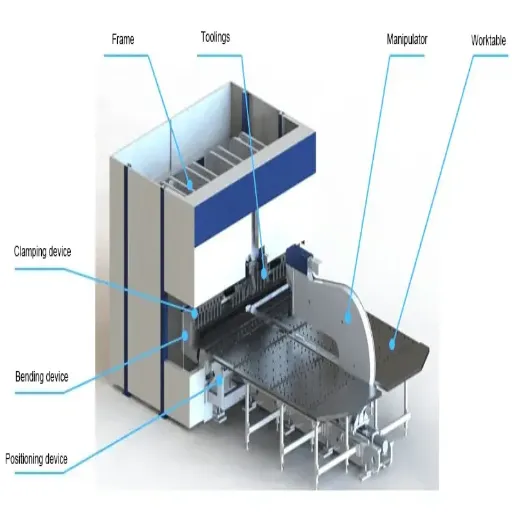
Characterizing panel benders essentially involves key components that aim to automate the bending process fully:
Work Table
It supports the sheet metal during the bending operation while allowing for proper positioning.
Bending Blades
The blades move either up or down, bending the material to specified angles.
Clamping Mechanism
This mechanism realizes accuracy by moving and holding sheet metal in place during the bending process.
Automation
A combination of sensors and software manages the execution and sequences of the bending processes at high pitch.
Frame
Gives structural support while maintaining the stability of operations.
These components must cooperate to ensure the bending processes are consistent, efficient, and accurate in application.
Main Parts of a Panel Bending Machine
Panel-bending machines are highly engineered equipment meant for the efficient and precise bending of sheet metals. Some main parts include:
- Bending Blade: The bending blade is the force of creating the metal sheet by pressure into the desired angle, shape, and configuration. It operates with a high level of precision and is capable of performing many bending operations.
- Blank Holder: It holds the sheet metal in place during bending operations, preventing any unusual movement that would cause the bend to become inaccurate or inconsistent.
- Servo Motors and Drives: These superwares take over the control abilities of moving all parts of the machine with such accuracy, speed, and repeatability that is never the case in modern automated bending machines.
- Tooling System: This tooling setup consists of interchangeable tools to suit different metal thicknesses and bend types, thus making the machine more functional and versatile.
- Control Interface: Equipped with user-friendly software or CNC controls, this interface allows an operator to program and monitor bending parameters to ensure efficiency and mitigate operator error.
- Rigid Frame Structure: The frame provides support and stability to the entire machine, reducing vibrations and maintaining accuracy even under heavy loads.
These components, when synchronized, allow the machine to perform a wide spectrum of bending tasks with ease in industries such as automotive, aerospace, and construction. Panel-bending machines are crucial in producing parts with high accuracy and excellent repeatability.
Role of Automation in Panel Bending
The other automation tools have absolutely changed this area of panel bending by driving efficiency, accuracy, and consistency into manufacturing processes. The bending machines of today are equipped with advanced robotic systems and intelligent software that enable the automation of loading, bending, and unloading operations. This serves to reduce manual intervention, thereby dramatically reducing the scope of errors. The second factor that comes into play is that the cycle duration gets shortened.
Somewhere, integrating automation into the panel-bending activity has helped manufacturing meet high demand with spectacular accuracy. For example, bending tolerances of ±0.1 mm can be claimed by automated panel benders, assuring regularity throughout production runs. Additionally, computerized solutions may incorporate real-time monitoring and adaptive control systems, enabling machines to adjust settings instantly in response to material variations or sudden, unforeseen occurrences.
Secondly, automation helps reduce labor costs and improve workplace safety. According to recent studies, automated panel bending systems can produce 30% more parts per hour than manual operations. Handling heavy metal sheets using robotic automation, aside from being time-consuming, poses fewer risks of accidents.
Absorbing Industry 4.0 capabilities enhances the efficiency of automated panel bending as systems are connected, with data analytics and predictive maintenance playing vital roles. These technologies help manufacturers avoid downtime, prolong the life of machines, and manage energy consumption—all factors that reduce operational costs while increasing productivity. Combining this with the levels of precision, speed, and efficiency has enabled the opening of the doorway for automation in the performance of panel bending across industries, from automotive to construction.
Understanding Sheet Metal Panel Specifications
With many considerations to be taken into account when reviewing sheet metal panel specifications, accuracy and suitability for its intended use should take priority. The thickness gauge gives strength and flexibility to the metal panel. For example, a lower gauge indicates a greater thickness or sturdiness, making it suitable for heavy-duty jobs such as construction or industrial machinery.
Material type is another consideration: aluminum, steel, and stainless steel are the most common choices. Aluminum offers the advantages of being lightweight and resistant to corrosion in wet environments. Steel, on the other hand, is slightly stronger than load-bearing applications, while stainless steel resists rust and staining.
Certainly, dimensional tolerances are also crucial. Standard tolerances are generally ±0.005 to ±0.010 inches, depending on the manufacturing processes and end-application needs. The tighter the tolerance needed, the more critical some industries become, such as aerospace and automotive.
Surface finishes affect both the aesthetics and the operational profile of sheet metal panels. Depending on the type of finish being applied, they may undergo coating treatments such as brushing, painting, and anodization to enhance visual appeal and protect the panels from environmental elements like UV radiation and abrasion.
Weight, on the other hand, also needs to be taken into consideration. Heavier panels could still mean durability, but transportation and installation might become a challenge. In fact, advanced engineering tools now allow manufacturers to create a balance between weight and performance by optimizing their panel designs.
Built into the specifications, sheet metal panels are designed to meet the intricate requirements of their applications, thereby ensuring durability, efficiency, and other parameters that impact performance across various industries.
Choosing the Right Panel Bender
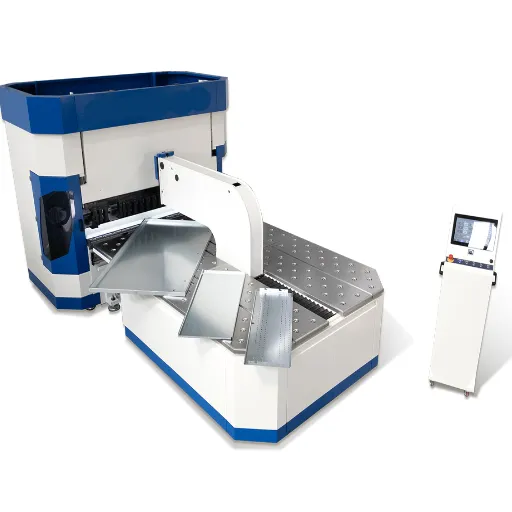
The following factors should be considered while choosing the right panel bender:
- Production Volume: Consider whether the panel bender’s operation will be efficient enough to meet your required output. If a higher volume is at stake, consider automated systems.
- Material Compatibility: The machine should be technically capable of handling the types and thicknesses of sheet metal you work with.
- Precision and Flexibility: Ensure that the panel bender will provide these in all bends, and if complex designs are required.
- Ease of Operation: Go for any model with a simple control setup and minimum time in preparation, as this will streamline processes.
- Manufacturer Support: Check for proper customer support and the availability of replacement parts to minimize downtime.
When considering the above factors, the panel bender you select will be best suited to your specific needs and provide long-term efficiency.
Factors to Consider When Selecting a Bending Machine
- Material Type and Thickness: Ensure the machine can accomplish the bending task for the materials at hand in the specified thickness. Different machines can make one type of metal easier to bend, such as steel, aluminum, and copper; therefore, the choice should be made based on the project’s requirements.
- Machine Capacity and Accuracy: Consider the machine’s tonnage and bending length, and match them to the workload you have. If projects require you to perform high accuracy here and there, then it is best to prioritize angles and repeatability.
- Automation and Productivity: With automation, especially CNC controls, these modern machines can significantly boost your productivity and help minimize operator error. High-volume operations and complex designs will benefit greatly.
- Ease of Maintenance: Choose a machine that is easy to maintain, with readily available spare parts. Manufacturer support should be steadfast to avoid downtime and ensure smooth operations.
- Cost vs. Value: Are we considering only the price or also the long-term value, such as improvements in performance, maintenance costs, energy consumption, and durability? The better price we pay for the machine provides us with good service, greater efficiency, and fewer expenses thereafter.
These factors will help balance machine selection and increase operational performance, ensuring your investment is optimal to suit both present and future needs.
Evaluating Your Sheet Metal Bending Needs
When evaluating your sheet metal bending requirements, consider the material type, thickness, accuracy, and production quantity to ensure your choice of bending equipment aligns with your operational goals.
- Material Types: Different metals, such as aluminum, steel, and stainless steel, possess different properties. Aluminum, for instance, is light and easy to bend, although it may require extra precautionary measures due to its limited tensile strength. Stainless steel, however, is much stronger and corrosion-resistant, requiring a greater bending force.
- Thickness and Bending Force: The bending force is highly dependent on the material’s thickness. Bending half-inch steel requires approximately 12 tons of force per foot of press brake capacity, while thinner materials require significantly less. To achieve the best performance, accurately assessing this force level is helpful, also preventing the risk of straining the equipment.
- Precision Needs: For cases where tight tolerances are required, bending machines of multiple types come into play, such as CNC press brakes, which must exhibit high repeatability and precision. Investment in such technology guarantees compliance with stringent standards.
- Production Volume: The scale of production significantly influences the type of machine to be procured. Automated systems take advantage of higher-volume operations by allowing them to lower cycle times and operational costs; conversely, a smaller operation may be able to get by with manual or semi-automated machinery.
- Technology Features: Contemporary bending machines offer a myriad of features, including real-time monitoring, AI-mediated adjustments, and energy-saving configurations. They can minimize wastage, maximize efficiency, and aid in cost reduction.
Considering these factors in detail and leveraging the latest technologies to their advantage, businesses can make informed choices that enhance productivity and ensure the long-term success of their sheet metal bending operations.
Recommendations for Different Applications
Automotive Industry
Precision and repeatability are paramount in this industry, as production is typically bulk-oriented for components such as chassis, brackets, and exhaust systems. It is highly recommended that CNC bending machines with automated tool-changing capabilities be considered to minimize downtime and maximize productivity. The new servo-electric press brakes have gained popularity for their improved accuracy, with tolerances of up to ±0.0004 inches, which is crucial for maintaining quality in automotive parts.
Construction and Infrastructure
With such projects happening at scale or the fabrication of structural components, high capacity for tonnage would need to be considered for any machine used. Such a press brake, designed for heavy-duty work with a bending force exceeding 600 tons, can work on thick sheets of steel or aluminum used in construction. Furthermore, when the system has an offline programming software, setup can be done very quickly in manufacturing, rather than on-site, for workflow optimization.
Aerospace Manufacturing
Aerospace applications require precision, extreme conditions, and lightness, such as those achieved with titanium and aluminum alloys. This industry will significantly benefit from laser-guided bending systems because they inflict the least deformation on the material. The machines that use the AI-powered predictive maintenance system are further implementers of enhanced reliability. Reports have shown a 35% reduction in wastage from the use of innovative technology in aerospace production.
Consumer Electronics
Electric press brakes are the perfect machine for small, high-precision tasks, such as those in consumer electronics. These machines provide finer control with cheaper operational costs; that is to say, they have the best setup for highly intricate tooling on thin metal sheets. Maintaining high quality while reducing production time is therefore based on developments such as programmable logic controls (PLC) and IoT-enabled monitoring.
Customization and Prototyping
Localized fabrication and prototyping must be flexible enough to accommodate a wide range of designs and materials. Hybrid brakes are, therefore, highly favorable due to their ability and energy efficiency; they combine electric and hydraulic systems. These machines are often equipped with real-time feedback mechanisms that allow operators to make fine adjustments in real-time, thereby reducing material scrap by up to 20%.
The unique demands of these industries make it possible for businesses to select a bending machine that allows them to differentiate and optimize performance in terms of cutting costs while maintaining production quality, thereby remaining competitive in their respective markets.
Automated Bending Technology
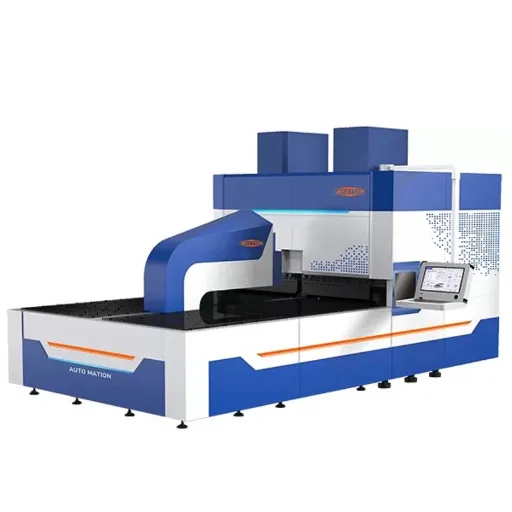
Automated bending technology offers greater precision and speed, thus saving time for production processes. These machines provide makers with software and robotics to reduce errors, enhance repeatability, and create intricate designs with ease. By automating processes, manufacturers achieve consistent quality at a lower cost and higher efficiency levels, making it an ideal scenario for high-volume and accuracy-dependent industries.
Introduction to Automated Sheet Metal Bending Machines
Automated sheet metal bending machines combine precision robotics, advanced control software, and innovative mechanical systems to mold sheet metal into desired forms. The machines use CNC programming to implement intricate bending sequences with high precision. The operators enter the specification into the system, while sensors and actuators ensure that each bend is within tight tolerances. The automation, therefore, helps to reduce manual interventions while further speeding up and ensuring consistency in production outcomes. These machines are also equipped with tool changers and support real-time monitoring, enabling them to handle multiple designs and complexities with minimal downtime.
Benefits of Automation in Panel Bending
Automated panel bending has been a significant improvement in our operations, particularly in terms of precision and consistency. It eliminates human error, accelerates the production process, and reduces downtime. Complex designs and diverse specifications can be handled efficiently with real-time monitoring and tool changers, ultimately enhancing productivity and leading to improved product quality.
Future Trends in Automated Bending Technology
Further, developments in artificial intelligence, machine learning, and connectivity under Industry 4.0 will drive substantial enhancements in the future of automated bending technology. AI systems are increasingly capable of optimizing bending operations by detecting patterns and making instantaneous adjustments to maintain precision. Machine learning-based prediction of maintenance or faults will even further reduce downtimes and improve operational efficiency.
The evolution of sensors, supporting mobility, and the growth of Internet of Things (IoT) connectivity bring real-time monitoring and diagnostics capabilities to the forefront, thus giving manufacturers real visibility into machine performance and production metrics. With the further development of the innovative manufacturing sector, predicted to grow at a CAGR rate of more than 20% by 2030, according to industry reports, the shift in force is clearly toward connected and intelligent manufacturing ecosystems.
Robotics is another area of interest; here, improvements are being found in robotic arms and automated material handling systems, aiding the smooth transition of workflows. Provided by the industry is the computerized bending system, which has become relatively recent in adaptive gripping technologies, along with vision systems to handle materials of differing types and geometries with precision. Energy-efficient machines are based on sustainability targets that lessen waste and optimize power consumption through new techniques.
With all the activities aimed at improving manufacturing processes, many analysts foresee the adoption of fully autonomous bending systems, capable of operating with minimal human intervention. The pace of this trend is expected to increase with the adoption of cloud-based software for collaborative remote operations and data analysis. Collectively, these technologies promise to redefine efficiency, flexibility, and scalability in the panel bending industry.
Reference Sources
Frequently Asked Questions (FAQs)
What is produced by a panel bender?
It is a highly specialized bending machine that can bend according to a profile. The panel-bending machinery utilizes panel-bending technology to perform precise bends, making it suitable for metal fabrication industry applications.
What are the various applications of panel benders?
Panel benders are involved in the production of metal panels for enclosures, including those used in automotive and architectural applications. They are suitable for applications where bending speed and accuracy are high.
How does a sheet metal panel bender work?
In a sheet metal panel bender machine, a bending tool presses the metal plate into the lower die. Machines can perform bending within themselves, allowing for the formation of complicated shapes and profiles.
What is the difference between a press brake and a panel bender?
In comparing the press brake with the panel bender, the differences will lie in the design and capabilities for bending. Press brakes are best suited for straight bending, whereas a panel bender can produce smaller profiles and intricate shapes, making it a bit more versatile in sheet metal work.
What are the key components of a panel bender?
The key components of a panel bender are the bending tool, the lower die, and the automatic tool changer. In concert, these components ensure efficient and precise bending operations, allowing for fully automatic panel bending when desired.
What is the price of a panel bender?
Prices vary greatly depending on the features and capabilities, and especially on whether a panel bender is fully automatic or semi-automatic. On the other hand, a skilled panel bender returns a good performance and reduces labor costs in the long run.
How does one choose the right panel bender?
Panel bender selection depends on several factors, including the type of bending material, the thickness of metal sheets, and the complexity of the shapes or design. It helps to determine the most appropriate machine for your operation by understanding your particular applications of panel bending.
What are the benefits of using fully automatic panel benders?
Fully automatic panel benders would be beneficial for numerous reasons. They would increase the speed of bending while keeping labor costs down. Other advantages include precision bending operations, quick tool changes, and increased production efficiency from automation. Hence, any sheet metal fabrication plant will undoubtedly benefit from having one.
Can a panel bender produce finer profiles?
Yes, a panel bender is capable of producing finer profiles effectively for intricate design requirements and detailed work. This would, therefore, increase business offerings and hence serve niche market requirements in metal fabrication service.”