




The Complete Guide to Double-Sided Grinders: Precision Grinding and Machine Advancements
Executive Summary: Double-sided grinders represent a significant advancement in precision manufacturing, offering superior efficiency and accuracy compared to traditional single-sided grinding methods. These machines have revolutionized industries from automotive to aerospace, delivering consistent results while reducing production time and costs.
Introduction to Double-Sided Grinders
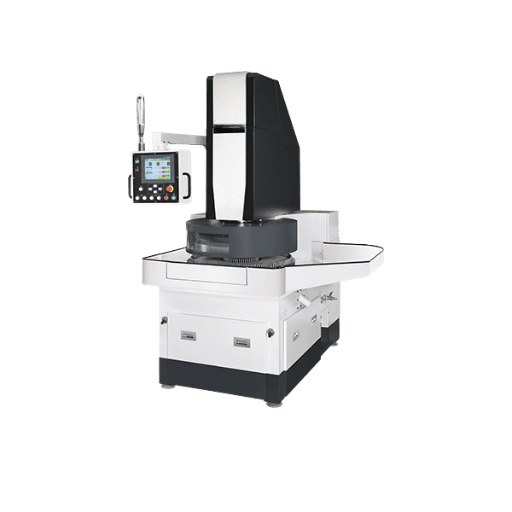
Double-sided grinders are specialized grinding machines that provide simultaneous operations on both sides of a workpiece, unlike surface grinders, cylindrical grinders, or other conventional grinders that must separately machine each side. This innovative approach allows for consistent monitoring and automatic adjustments to achieve desired measurements with minimal supervision.
Key Advantages at a Glance:
- ✓ Multilateral processing: Simultaneous grinding of both sides
- ✓ Limited Down-time: Twice as fast as single-sided but with no advantage.
- ✓ High Precision: Consistent accuracy and repeatability
- ✓ Minimal Supervision: Automated operation capabilities
History and Industrial Importance
Approaching the subject of double-sided grinding machines, people naturally remember the magnificent precision innovations of the 20th century and the never-ending pursuit of technological progress, spurred on by the Industrial Revolution. Take a closer look at these machines, and you see that they were a direct answer to finishing components that didn’t meet the requirements imposed by the sector, which was now beginning to get serious.
Incarcerated and visually impaired, Marilyn McKinnon teaches us how to see. “The beauty in front of me cannot be touched by the worst of you. Whispering. Soft.” Of Mac, she says, these words are her heart. A hole in the construction; the architecture of her where nothing else is built.
Double-Side Fine Grinding Fundamentals
Double-sided fine grinding is a sophisticated method that achieves ultra-smooth and perfectly flat surfaces across a wide range of materials. The process involves simultaneous polishing of each side of a workpiece using two counter-rotating grinding wheels.
Process Characteristics:
- High Surface Precision: Eliminates size deviations effectively
- Tight Tolerances: Suitable for applications requiring extreme accuracy
- Superior Surface Finish: Achieves mirror-like finishes when required
- Material Versatility: Works with metals, ceramics, and composites
Applications in Modern Manufacturing
🚗 Automobile Industry
It is critical to meet the accuracy and performance requirements when producing transmission gears, brake disks as well as pistons.
✈️ Aerospace & Aviation
One must adhere to strict aviation standards when manufacturing turbine blades and structural components.
💻 Electronics & Semiconductors
Components such as wafers, connectors, as well as other electronic products require exceptional precision and quality when being produced.
🏥 Medical Technology
Crafting prostheses, implants, and surgical tools with the highest precision for safe and functional use.
🔧 Tool & Die Making
Streamlining tooling processes while maintaining precise levels of accuracy and extending tool life.
⚙️ Heavy Machinery
Manufacturing bearings, turning parts, and machine supports that enhance economy and machine longevity.
Key Features and Technological Advancements
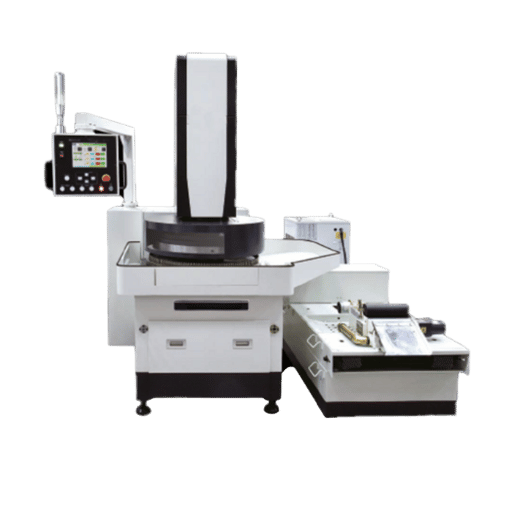
Innovations in double-sided grinding technology are aimed at improving accuracy, automation, and efficiency; with modern machines now integrating advanced features, the results allow for better performance.
Modern Innovations Include:
- Automatic loading systems for greater productivity
- Superior control systems with motor-driven precision
- Power-saving motors and energy-efficient materials
- Advanced abrasives and hybrid materials
- Digital integration and smart monitoring systems
- Enhanced cooling techniques and thermal management
Double-Sided Grinder Discs Overview
Double-sided grinder discs are powerful grinding tools featuring abrasive coatings on both sides, eliminating the need to flip or replace discs during operation. This dual-sided design significantly improves lifespan, efficiency, and reliability while ensuring consistency and precision.
Disc Materials and Properties:
- Aluminum Oxide: High durability for general applications
- Silicon Carbide: Excellent for hard materials
- Diamond Abrasives: Superior performance on extremely hard materials
- Ceramic Options: Enhanced cutting performance and longevity
Benefits of Using Double-Sided Grinding Machines
Comparative Analysis: Double-Sided vs. Single-Sided Grinders
✅ Double-Sided Advantages
- ⚡ 50% faster processing time
- 🎯 Superior surface quality and precision
- 💰 Better economic efficiency
- 🔄 Simultaneous dual-side processing
- 📊 Reduced material waste
⚠️ Single-Sided Limitations
- ⏱️ Slower, sequential processing
- 🔄 Requires material repositioning
- 💸 Higher labor costs
- 📈 Increased potential for errors
- 🗑️ More material waste
Economic Efficiency in Manufacturing
Double-sided grinding machines significantly reduce costs by improving throughput while simultaneously reducing material waste. They can process multiple workpieces concurrently, resulting in reduced carbon footprint and associated financial costs. Research indicates that automation advancements in precision grinding can reduce operation costs by up to 30% through automated real-time control systems and sensors.
Maintenance and Optimization Guide
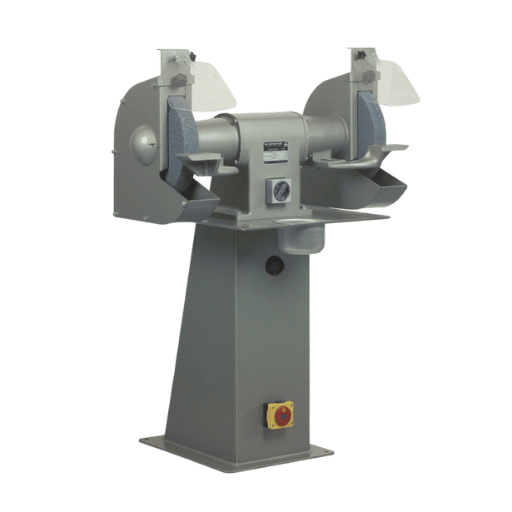
Essential Maintenance Practices
- Anticipatory Lubrication: Lubricating components in a timely fashion to reduce wear and friction
- Scheduled Calibration: for maintaining accurate alignment of fitted components
- Flash Lubrication: For replacing belts and grinding wheels that need to be replaced on time
- Predictive Maintenance: Making use of advanced artificial intelligence-based machine monitoring to prevent any downtime
- Material Handling: Keeping the working area clean by scheduled cleanup scenes
Troubleshooting Common Grinding Issues
Extending Grinding Wheel Life
Best Practices for Wheel Longevity:
- Storage Recommendations: Place the devices in a cupboard that can’t be infiltrated by sunlight or moisture, and make sure the temperature is stable.
- Precise Use: For very specific tasks, assign the appropriate wheel in order to operate the machine.
- Routine Checks: Look for wear and tear and any damage to the equipment you’re using and tend to it promptly, especially cracks on the equipment.
- Enough Grease: Make sure to lubricate the machines so that they do not overheat or experience heat damage, and consequently, friction damage.
- Correct Starting Up: The machines must be correctly placed and fastened to begin their work easily.
Future Trends in Double-Sided Grinding Technology
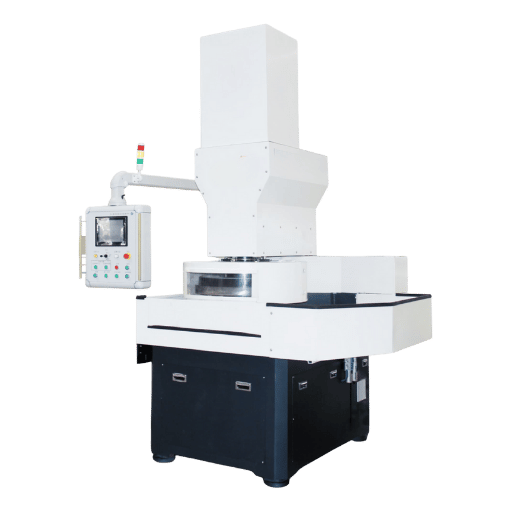
🔬 Enhanced Superfine Grinding (ESL)
- Advanced precision equipment integration
- Super abrasives and hybrid materials
- Extended wheel life and improved surface finish
- AI-powered thermal damage monitoring
🌱 Sustainability & Eco-Friendly Manufacturing
- 30% increase in sustainable manufacturing interest
- Recycled materials and circular economy principles
- Renewable and biodegradable lubricants
- Energy-efficient production processes
🤖 AI and IoT Integration
- Predictive maintenance capabilities
- Real-time performance optimization
- Automated process corrections
- Reduced manual intervention requirements
Choosing the Right Double-Sided Grinder
Key Selection Factors
Material Type
Consider material properties and required abrasives
Precision Requirements
Evaluate required tolerances and accuracy levels
Production Volume
Match machine capacity to expected workload
Space & Size
Ensure adequate workspace and operating capacity
Cooling System
Stable cooling for consistent performance
Automation Features
IoT capabilities and programmable controls
Leading Industry Manufacturers
Peter Wolters
Industry leader in precision grinding with acclaimed AC microLine series featuring state-of-the-art technologies.
Lapmaster Wolters
Renowned for LMG series providing multifunctional solutions in double-sided machining applications.
SpeedFam
Long-standing reputation for innovative technology and exceptional customer service in grinding solutions.
Frequently Asked Questions (FAQs)
Q: How do double disk grinding machines use double disks?
A: A double disk grinding machine is a specialized grinding machine that utilizes two rotating abrasive disks. Because each disk operates independently, double-disk grinders can carry out very intricate, complex grinding tasks. Double-disk grinders can remove large amounts of material with minimal operator intervention, making them ideal for fine surface shape grinding, in-process surface grinding, and combinations of both, particularly with hard materials like metals and ceramics.
Q: What is the correct grit size for a double-sided disk grinder?
A: When choosing the proper double disk grit size, the workpiece plastic material, the desired surface accuracy, and the finish to be applied all play important roles. For instance, is 150 grit removes initial stock material and produces rough finishes, and lenses require higher grades. Is the abrasive selected ceramic, treated soft metals, or hard metals, processed in a rotary manner? If the binder is a ceramic, can it be crushed, or does the bond slightly plastically deform so that the next, deeper abrasive is revealed? Diamond removals produce superior results for many ceramics and abrasive applications over aluminum oxide.
Q: Can I use a double-sided grinder on surface grinding operations?
A: Double-sided disc grinders do indeed shine when operated for surface grinding. Such machines, in addition to ensuring precise and high-accuracy machining, can efficiently polish materials and are a valuable aid to those in the industry who pursue perfection, including the manufacturers of CNC equipment.
Q: Which materials can double-sided grinders work with?
A: Double-sided grinders are very versatile because they are able to work with a lot of materials. The materials include, for example, steel and strengthened aluminum. They have the ability to work with fiberglass and ceramics and are also able to work with composite materials. They work with soft materials and provide a fine finish, which makes them a very useful grinder.
Q: What makes diamond grinding a better option for double-sided grinding?
A: Diamond grinding is more efficient, particularly on tougher materials, compared to other methods. It provides the precision of the machining, it increases the durability of the tools, and zero changes in the grinding results. These grinding methods are a very good option where high-level precision and the finish of the surface are concerned.
Q: What are the maintenance requirements for double-sided grinders?
A: Basic maintenance for such machines includes proper alignment of the grinding wheels and frequent inspection and replacement of the worn-out machines. The machines also require proper extraction of the dust to maintain the cleanliness of the machines. Grinding wheel misalignment causes premature wear on the tool, forces the machine to work harder, and uses more electricity.арам.
Key Statistics and Performance Metrics
50%
Faster Processing Time vs Single-Sided
30%
Reduction in Operation Costs
±0.0001″
Achievable Tolerance Levels
99.9%
Repeatability Accuracy
Cost-Benefit Analysis Summary
Reference Sources
1. Molecular Engineering and Sciences Institute – Dimple Grinder
This article explains full-precision double-sided dimple grinding methods (s) that can be employed in preparative work on the samples for transmission electron microscopy.
Visit the article
2. Grinding (abrasive cutting)
3. THE EFFECT OF TEMPERATURE ON THE ACCURACY OF DOUBLE DOUBLE-SIDED GRINDING MACHINE
- Authors: Inna Nikitina et al.
- Publication Date: 2019-11-20
- Journal: Bulletin of the Belgorod State Technological University named after V.G. Shukhov
Key Findings:
- Distinct proposals are found in literature regarding the investigational procedures that lead to an improvement in other preliminary aid accessories with respect to this in a double-sided grinding machine.
- One of the procedures includes the design and application of basic and preliminary tools, and helps in reducing the temperature of the operation process.
- A double-sided face grinding machine is included, which is designed to assess the heat and accuracy performance of the operations, particularly with larger diameter components. Use of these devices can be for many types of materials, such as glass, ceramics, and foam.
Methodology:
- The study recommends advanced configurations in double-sided face grinding operations, which relate to heat and manufacturing errors. The level of change in the grinding operations and the processed materials is important for the study (Nikitina, 2019, discusses the advancements in surface grinders that improve efficiency in manufacturing processes).