




Overview of Tube Laser Cutting Technology

The major highlight is tube laser cutting technology that capitalizes on the power of laser beams to cut, shape, and engrave metal tubes with maximum precision. The laser beam can cut and design with precision, with minimum damage to the material; this consequently reduces waste and maximizes production output. Tube laser cutting is an entirely automated process, ensuring the quick and efficient realization of complicated and bespoke geometries by manufacturers. Working with a wide range of materials, including stainless steel, aluminum, and alloys, tube laser cutting has become increasingly important in several industries. Time consumption is less; thus, it has worked in favor of versatility, making it a breakthrough in metal fabrication art.
What Makes Tube Laser Cutting Machines Stand Out?
A tube laser is a laser cutting machine used to achieve precise, versatile, and efficient processes. Trends indicate that automation and software integration have revitalized their working capacities, enabling them to operate almost autonomously with minimal human intervention. Should the cuts be peculiar or unusually shaped, the placement of cuts becomes a nightmare or time-consuming with conventional processes. These cuts may also sometimes be performed on very light aluminum or even high-strength steel. Thus, the machine can be utilized in various industries, including automobile manufacturing, construction, aircraft manufacturing, and furniture production. The philosophy of this machine is one of saving and reducing material waste, and hence, the concept of sustainable value is elevated somewhat. In a nutshell, tube laser cutting machines represent an innovation that combines both design and purpose in the metal fabrication world.
The Role of Intelligent Functions in Modern Machines
These intelligent functions in modern machines are driving the improvement of industries with efficiency, accuracy, and automation. Initially, these machines were designed to reduce downtime and improve performance by employing revolutionary AI-based algorithms, real-time data processing, and predictive analytics. However, with the present set of attractive features, including adaptive learning, IoT integration, and self-diagnostic capabilities, there is a considerable rise in interest. In this regard, the machines would collaborate in the accomplishment of an operation by foreseeing all hypothetical problems previously involved in the operation, and based on these conclusions, benchmarks were adjusted accordingly to accommodate the operation’s needs. Conventional machinery is now being revolutionized by innovative technology, enabling programs to meet the increasing demands of quality, speed, and sustainability in this highly competitive global market.
Understanding the Basics of Laser Tube Cutting
The laser cutter utilizes a highly focused laser beam to cut, engrave, or shape tubular materials with high accuracy and versatility. The engineering world regards laser tube cutting as a key tool for creating intricate designs with precise specifications, thereby promoting maximum raw material savings and minimal waste in the manufacturing process. Laser cutting methods are applicable to materials such as steel, aluminum, and titanium, with the finest ones being programmed by computer. These materials find applications in automobile manufacturing, airplane construction, and civil engineering.
Laser tube cutting is a technology surrounded by common questions, such as its efficiency, cost-effectiveness, and what makes it a versatile option. The most common questions typically concern how this technology compares to traditional cutting methods. Laser tube cutting offers significantly higher precision, cleaner edges, and can form complex geometries that cannot be created practically with conventional methods. It further promises to enhance its services by incorporating IoT and AI for real-time monitoring and optimization, ensuring that the output is of the highest quality and that business efficiency is increased as these businesses adapt to new manufacturing demands of the digital age.
Key Features of Tube Laser Cutting Machines

This means the cuts are made with high accuracy and minimum deviation. When the design is complex and detailed, it is a perfect match.
Adaptable to various materials and thicknesses for diverse applications.
Faster cutting speeds enable reduced cutting times, resulting in lower costs associated with cutting.
It produces smooth, burr-free finishing edges, which, if any, require a little secondary processing.
Can be automated to improve flow and consistency.
Ultimately, it will reduce material wastage, working hours, and improve efficiency.
Essential Features of a High-Performance Laser Cutting Machine
High Cutting Precision
- With a tolerance of ±0.1 mm, shapes of extremely high detail can be created.
- This is required in industries that require high levels of detail, such as aerospace and electronics.
Versatile Material Compatibility
- It can cut virtually any material, whether metals, plastics, wood, or textiles.
- Metal sheets can range in thinness from slim to considerably thicker and rigid.
Advanced Cooling Systems
- High-efficiency coolers prevent overheating, ensuring smooth operation under any condition.
- Some reasonable precautionary measures are applied to extend the machine’s lifespan by minimizing stress on its essential components.
High-Powered Laser Source
- The power delivery, ranging from approximately 500W to over 10kW, can be customized according to the specific cutting requirements.
- Speed and accuracy can be balanced according to the materials and the thickness of the cut.
User-Friendly Software Integration
- Gives easy-to-use software for quick setup, operation, and design editing.
- Supports formats of popular CAD and CAM software for enhanced workflow efficiency.
Automation in Loading and Unloading Processes
Here’s a concise table summarizing key points about automation in loading and unloading processes for tube laser cutting machines, based on the latest insights:
| Key Point | Details |
|---|---|
| Improved Efficiency | Reduces manual intervention and cycle times. |
| Material Handling | Handles tubes and profiles of various sizes. |
| Precision Loading | Ensures accurate alignment for cutting. |
| Seamless Integration | Works with intelligent machine functions. |
| Load Capacity | Supports high-volume production needs. |
| Error Reduction | Minimizes human errors during material setup. |
| Time Savings | Speeds up production cycles significantly. |
| Safety Features | Reduces risks for operators. |
| Smart Sensors | Detects material shape and seam automatically. |
| Cost Efficiency | Lowers labor costs and increases ROI. |
Shape and Seam Detection for Enhanced Precision
Here’s a concise table summarizing key points about shape and seam detection for enhanced precision in tube laser cutting machines, based on the latest insights:
| Key Point | Details |
|---|---|
| Enhanced Cutting Accuracy | Detects shapes for precise cutting alignment. |
| Seam Positioning | Identifies seam location for optimal cutting. |
| Material Adaptability | Works with various tube shapes and sizes. |
| Error Minimization | Reduces misalignment and cutting errors. |
| Real-Time Adjustments | Adapts to material inconsistencies dynamically. |
| Improved Productivity | Speeds up setup and cutting processes. |
| Sensor Technology | Uses advanced sensors for shape detection. |
| Quality Assurance | Ensures consistent and high-quality cuts. |
| Automation Integration | Seamlessly integrates with automated systems. |
| Cost Efficiency | Reduces material waste and rework costs. |
Applications of Tube Laser Cutting Machines
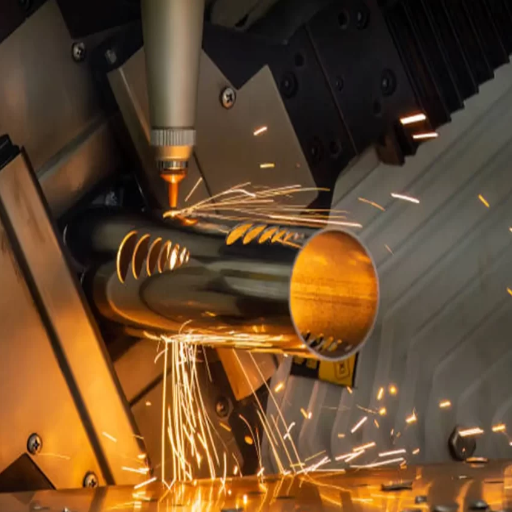
Tube laser cutting is an exact and versatile technique used in various sectors. Applications include:
These enable efficient and high-quality production in various fields.
Revolutionizing the Automotive Industry
Laser cutting has been widely used in the automotive industry due to its numerous benefits, including efficiency and precision. Thin designs and intricate shapes, such as gears, exhaust systems, and engine brackets, are cut by the laser, with some level of wastage, but with high durability. Lower production costs, due to faster turnaround times, are making laser cutting the most popular choice for manufacturing lightweight and affordable cars. Upscaling this technology thus strengthens the very backbone of an EV, enabling the fabrication of highly complex and precise battery parts as the automotive industry carves a green and futuristic path.
Precision in Aerospace Manufacturing
It has grown to become of paramount importance to this industry. The slightest lapse in precision can cause severe repercussions, which is why this aspect has been crucial to this field. Precision laser cutting with a specific tolerance results in less material wastage, followed by described compromises in terms of the cost of different components, such as turbine blades and structural panels. Laser technology, with its astute precision, may thus enable the construction of lighter and more efficient planes while maintaining higher safety and performance standards. This undoubtedly aligns with the enhancement in sustaining the development cycle, driven by increased acceptance of green engineering solutions.
How Construction Benefits from Laser Cutting
Advanced technology in laser cutting offers numerous benefits to the construction industry, transforming and streamlining traditional processes. Here are five main advantages:
Enhanced Precision and Accuracy
In laser cutting, precision is gauged to the finest achievable degree. This enables higher levels of intricate design and detailing. Increased accuracy levels contribute to fewer errors and lower rework, saving construction project time and resources.
Faster Production Times
The laser cut allows for accelerated production times if compared to traditional cutting procedures. Such speed gives construction teams the flexibility to work around deadlines without compromising on quality.
Versatility in Material Cutting
Accepting materials such as steel, aluminum, glass, and wood, these machines offer versatile integration capabilities relevant to all types of construction processing – whether structural or decorative.
Reduced Material Waste
With precise cuts and fewer errors, laser cutting tends to significantly reduce material waste. This minimizes costs and promotes sustainable building by saving materials.
Cost-Effective Production
Contrary to what one might believe, due to its efficiency and short lead times with minimal waste, laser cutting always benefits companies in the long term. It can thereby be viewed as a worthy investment for the bigger construction projects.
If these benefits are available to construction companies, they can help enhance productivity while significantly reducing costs, thereby contributing to sustainable and innovative practices within the construction industry.
Innovations in Tube Laser Cutting: The Future Ahead
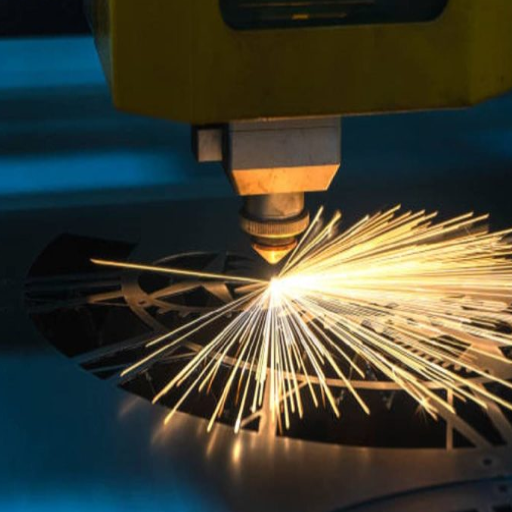
With the advancement in automation, precision, and integration with digital technologies, tube laser cutting is being revolutionized. With automated systems, tube lasers can cut, thereby reducing time and manual intervention, resulting in improved efficiency and cost reduction. Innovations in software integration also pave the way for more innovative manufacturing, wherein tube laser machines are directly interfaced with design and production systems for seamless operation. New technology is improving precision and enabling more complex cuts, helping cater to modern architectural and industrial demands. Such developments are giving tube laser cutting the locational importance as an innovation driver for construction and manufacturing.
AI and Automation: The Game Changers
Here’s a concise table summarizing key points about AI and automation as game changers in tube laser cutting machines, based on the latest insights:
| Key Point | Details |
|---|---|
| Smart Process Optimization | AI adjusts settings for maximum efficiency. |
| Predictive Maintenance | AI predicts issues to prevent downtime. |
| Real-Time Monitoring | Tracks performance and detects anomalies instantly. |
| Automated Adjustments | Adapt cutting parameters dynamically. |
| Enhanced Precision | AI ensures consistent and accurate cuts. |
| Labor Reduction | Automation minimizes manual intervention. |
| Faster Production Cycles | Speeds up cutting and material handling. |
| Data-Driven Insights | AI analyzes data for continuous improvement. |
| Energy Efficiency | Optimizes power usage for cost savings. |
| Scalability | Easily adapts to high-volume production. |
Fiber Lasers: The Next Frontier in Cutting Technology
Fiber lasers rapidly evolved into the cutting technology standard due to their unique combination of speed, efficiency, and accuracy. Using optical fibers as a light beam amplifier, the high-power laser beam with a fine focus can cut metals and other materials. Fiber lasers are immensely popular among the automotive, aerospace, and electronics industries, as they provide the best finish with a minimum operational cost. The AI platform-based real-time monitoring, which further supports the realization of complex and large-scale tasks, also benefits these lasers. Therefore, fabrication is indeed the leading edge at which manufacturing benchmarks are set.
What’s Next for Tube Laser Cutting Machines?
This means the future of tube laser cutting machines lies at the intersection of AI, automation, and IoT. Given the current trends and tendencies, potential demand is likely to surge for truly synergistic, high-efficiency types of systems, thus diverting the focus of businesses toward a precision- and productivity-based approach. The tube laser cutting machines equipped with AI and utilizing ML would have greater adaptability by predicting causes of maintenance and optimizing cutting parameters in real-time.
On the other hand, integration with IoT will enable such scheduled machines to connect to the factory network across secure channels for gathering and analyzing data. Or data-driven putting decisions can be made in real-time by the manufacturers to reduce downtime and improve operational efficiency. Future cutting machines will be designed with sustainability pillars in mind, featuring an energy-saving mechanism built into them. The integration of green manufacturing principles, compliant with international standards, further builds on this. In all, this suite of innovations will prove to work in favor of tube laser cutting machines, bringing them into the industrial-grade present-day manufacturing industry.
Choosing the Right Tube Laser Cutting Machine

Selecting a tube laser cutting machine depends on the exact manufacturing processes in question. Important considerations are:
- Material Type and Thickness: Ensure the machine is suitable for your materials, considering both their thickness and composition.
- Production Volume: The type of machine you purchase determines the speed and capacity you need.
- Precision and Accuracy: Verify whether the machine can accurately execute the project requirements.
- Software Compatibility: Always select a machine with user-friendly software that integrates seamlessly with your other systems.
- Budget: In general, you select features at the right price that align with the primary goal of your manufacturing process.
- Support and Maintenance: Look for a brand that offers excellent customer support and provides accessible maintenance.
Such an analysis will help you identify the consistent system to operate with maximum production and efficiency.
Understanding Your Requirements for Tube Laser Cutting
A proper determination of the requirements must precede the purchase of the right tube laser cutting machine. Users primarily search for solutions to their material compatibility, precision, and scalability issues. First, identify the materials you will be cutting, such as steel, aluminum, or another alloy, as some machines cut these materials differently. Accuracy is also essential- purchase a machine that consistently works to the highest standards of precise cutting. The news of international order cancellations may have strong side effects on a local market and drastically tilt the market in favor of internal business. Following this, will the laser maintain its speed despite increases in volume and more complex designs in the future? Beyond these considerations, it is always beneficial to stay informed about relevant information that can aid in your decision and maximize the benefits of the money you invest in Neodynamic tube laser cutting technology.
Comparing Features and Capabilities of Different Models
Here’s a table comparing features and capabilities of different tube laser cutting machine models based on the latest insights:
| Key Feature | Details |
|---|---|
| Cutting Speed | TruLaser 5000: Record speeds for high productivity. |
| Material Compatibility | Fiber lasers can handle a wide range of materials, including steel, aluminum, brass, and copper. |
| Precision | Tolerances as low as ±0.05mm for intricate designs. |
| Automation | Automatic loading/unloading reduces manual intervention. |
| Profile Handling | Supports round, square, rectangular, and custom profiles. |
| Energy Efficiency | Fiber lasers: High efficiency, low energy consumption. |
| Maintenance | Predictive systems reduce downtime and improve longevity. |
| Flexibility | Handles various shapes without retooling. |
| Smart Features | AI optimizes cutting paths and monitors performance. |
| Applications | Automotive, aerospace, construction, furniture, and medical industries. |
Making an Informed Decision Before Purchase
An informed decision must be made before purchasing a tube laser cutting machine, so I need to examine the different features offered by various brands in depth and assess their capabilities to ensure that those addressing my specific production issues meet my needs. Priority is given to machines that possess the abilities of precision, efficiency, and scalability for both current and future demands. I review user reviews, consult with technical experts, and research maintenance requirements to determine where my money will be best spent on a machine.
Reference Sources
Published on Scientific.net
Published by Springer
Published on ScienceDirect
Published in CVPR Workshops
Published on Google Books
Frequently Asked Questions (FAQs)
A: It is equipment used for cutting different tubes and pipes using laser technology. Laser tube cutters melt and vaporize material using a laser beam to produce precise cuts on metal tubes of various diameters, wall thicknesses, and shapes, including round, square, and rectangular tubes.
Q: How does tube laser cutting occur?
A: In tube laser cutting, the laser beam strikes the material. The cutting head moves around the contours of the piece to be cut, as programmed by the CNC system, to laser-cut the most intricate of designs or shapes. It is usually accompanied by an automatic loading and unloading system, a combination that makes cutting highly productive and efficient.
Q: What materials can be cut by a tube laser machine?
A: Tube laser cutting machines can cut carbon steel, stainless steel, aluminum, and some plastics. The type of processing depends on the application and the capabilities of the fiber laser cutting machine in use.
Q: Why go the fiber laser route for tube processing?
A: Some material properties allow the fiber laser cutting machine to cut with utmost quality. This means that precision and speed are achieved in the cutting process, while simultaneously forming smooth edges. As a result, one can cut very complex shapes with high accuracy. Additional factors include the energy efficiency of fiber lasers and the significantly lower operating costs of these machines compared to plasma cutting.
Q: Are tube laser cutters different in comparison with regular pipe cutting machines?
A: That would mean tube laser cutters deliver almost perfect cut margins with laser cutting technology; in contrast, conventional pipe-cutting machines may rely on either mechanical cutting or plasma cutting. Tube laser cutters assure that fewer variations occur in geometric dimensions and better design during production, especially in high-volume applications.
Q: What is the cutting head for in a laser tube-cutting machine?
A: The laser cutting head in a tube-laser cutting machine holds the laser beam and directs it onto the material for cutting. It is fitted with optics to focus the laser for precision cutting. Slightly more elaborated, the design of the cutting head and its movement greatly influence the ease and speed of the machine in cutting into various shapes and thicknesses.
Q: Do tube laser cutting machines cut tubes manufactured with different diameters and thicknesses?
A: With tube laser cutters available, there is almost every conceivable range of tube diameter and wall thickness. Most machines offer adjustable clamps and chucks that can firmly hold tubes of various sizes. They are thus useful for multiple cutting applications in construction, automotive, and fitness equipment manufacturing industries.
Q: What about automatic loading and unloading for tube laser cutting?
A: The system automatically feeds raw material for laser tube cutting and unloads finished products after cutting for automatic loading and unloading for tube laser cutting. The increased productivity stems from reduced manual labor, while also minimizing errors during the tube processing process.
Q: How are components from which I get to choose to look for the right tube laser cutting machine for my needs?
A: Several things must be taken into account to be able to truly buy the right tube laser cutting machine: the materials to be cut, as well as the thickness and diameter of the tubes. Of course, power and cutting speed of the machine are among such features you should consider; others include the possibility of automatic feeding systems and enhanced CNC capability, to help you decide on a suitable choice that fits your requirements.