




Gears-that is, a driving force for every machine that powers our day-to-day activity-differ from motor vehicles to machines, heavy industrial tools, and precision devices. Right into the making of those components is a whole world of gear shapers: these are machines set up to make gears better, more efficient, and more precise. How do such machines even work, and why are they indispensable for today’s process? The article examines cutting-edge technology and intricate mechanisms involved in gear shapers to highlight their revolutionary role in gear production techniques. As a result, you will walk away with a greater appreciation for the machines that keep the industry moving.
Introduction to Gear Shaping
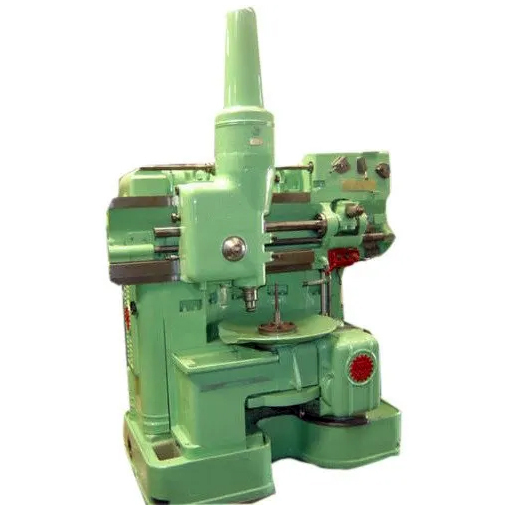
A gear can transform into any tool required by the manufacturer. Gear shaping aligns and holds the workpiece with a cutting tool that cuts the desired gear teeth in unison. This way, it is excellent for producing various internal and external gears of different shapes and sizes. Gear shaping is highly prized for its flexibility and accuracy, enabling the creation of elaborate gear designs quickly, making it a beneficial process in automotive, aerospace, and machinery manufacturing.
What is Gear Shaping?
Gear shaping is a critical machining operation used to manufacture gears with complex profiles, ensuring high accuracy and efficiency. This method utilizes a special gear-shaped cutting tool or “shaper cutter” that rotates with the workpiece. The cutting and the relatively synchronized motions generate the gear teeth within specific, prescribed engineering tolerances.
With advancements in gear-making technology, gear shaping has still managed to remain a favorite category of processing, especially for internal gears and spline profiles—those few processes that can meet their constraints with relative ease. Industries that considerably rely on gear shaping are automotive, aerospace, and heavy machining, where efficient operation and reliability depend on gear performance.
The computer data currently available show that gears can be produced by this process with diameters ranging from a few millimeters to several meters, depending upon the tooling and machine size. Such a process can also obtain a very high surface finish, often in the order of 2-3 microns, which helps reduce friction and prolong the life of the gears. The CNC gear-shaping machines are being developed as a result of such innovations, thereby providing good programmability and repeatability for modern manufacturing needs. This ensures accuracy, but at the same time, it helps in saving production time and cost, earning this gear-shaping process the highest consideration in today’s engineering scenario.
Importance of Gear Shapers in Gear Technology
Gear shapers are essential in modern engineering, as they enable the production of high-quality gears with precision. The application of these gear shapers is crucial for manufacturing internal gears, spline shafts, and other complex profiles that are challenging to produce using different processes. The gear shaper works on a continuous cut, resulting in smooth working and uniformity in gear teeth.
This factor increases their value with all recent technological advances. For instance, high-speed gear shapers controlled by servo motors, equipped with automatic systems, now run at up to 1,500 strokes/minute, significantly enhancing production. It has been observed that the use of high-end gear shapers can reduce production time by 20-30% while maintaining dimensional accuracy to within a micron. These machines can process materials ranging from stainless steel to advanced composites, giving them a considerable advantage in a diverse range of industries, including automotive, aerospace, and energy sectors.
Another opportunity lies in their sustainable manufacturing approach. Being modern, many gear shaping systems incorporate energy-saving features that require fewer fluids to operate, cutting down operating costs and environmental impact. As industries shift toward green solutions, gear shapers offer a high level of precision, efficiency, and flexibility, never compromising on quality.
Overview of Gear Shaping Machines
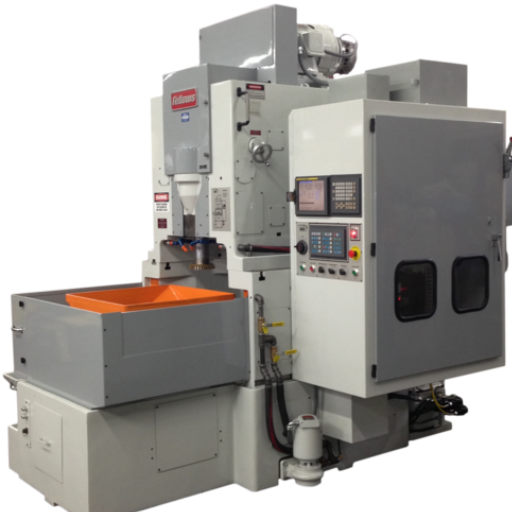
Gear shaping machines are highly specialized tools used to produce precision gears with various profiles, including spur, helical, and internal gears. It works by reciprocating the cutter, cutting the teeth in accordance with the exact dimensions of the gear. They are of great importance for industries that require gears with high strength, durability, and accurately profiled surfaces, such as the automotive, aerospace, and energy industries.
Modern gear-shaping technologies have been developed to enhance efficiency and accuracy. For example, CNC gear shapers produce somewhat better accuracy, limiting production tolerances to a few microns. This micron precision is required in gears used in jet engines and transmission systems, where precision and reliability are of prime importance.
The speed in gear-shaping machines has also vastly improved, with some of the newest machines able to produce gears approximately 40% faster than those of the older generation. This development is driven by increased cutter speeds, software optimization, and the introduction of automated loading. Some machines are now also 5-axis, capable of making gears with complex geometries that were almost impossible to manufacture with older machines.
On the sustainability front, energy-efficient drives, along with automation systems, are integrated into the latest machines, helping reduce overall power consumption and running costs. Furthermore, advanced coatings are applied onto cutters, which drastically enhance cutter life, reduce frequency of knife replacements, and production waste.
Therefore, the global gear shaping market is anticipated to experience steady growth during the coming years. According to recent industry reports, demand for these machines is expected to increase by approximately 7% annually until 2030, enabling the production of high-precision components in emerging industries such as renewable energy and electric vehicle technology. These predicted trends underscore the importance of gear shaping machines in meeting the evolving needs of modern manufacturing.
Components of Gear Shaping Machines

- Worktable – Supports the workpiece, which is the gear blank, and secures it during shaping operations.
- Shaping Cutter – Primary cutter used to shape the gear teeth with the required profile.
- Spindle – The spindle supports and rotates the shaping cutter while it is in the cutting stroke.
- Gear Feed Mechanism – Moves the gear blank in time with the cutter to keep it properly keyed.
- Control System – Governs all the actions of the machine, allowing it to operate with precision and efficiency during the shaping processes.
- Base and Frame – It provides vibration-free stability to the machine, ensuring accuracy.
All the given components must work together to ensure the accurate and efficient production of gears.
Key Components of a Gear Shaper
Cutting Tool (Shaper Cutter)
Being the heart of the gear shaper, the cutting tool is usually a pinion-shaped cutter. These tools are made of HSS or carbide materials for durability and precision in cutting through a wide range of metals. Some modern tool manufacturers have introduced coatings like titanium nitride (TiN) to increase tool life further and reduce friction.
Worktable
The rotating worktable securely fixes the gear blank during machining. It must be capable of withstanding high torque loads, while many gear shapers come with adjustable worktables set up to accept varying gear sizes and configurations. Specific advanced machines even include digital sensors to improve accuracy in alignment.
Ram Mechanism
It forms the driving motion for the cutting motion, wherein the ram moves the cutting tool up and down in a cyclic motion. The modern machines ensure consistency of movement and the highest possible precision by using a servo-driven ram, along with cutting rates of 50-800 strokes per minute, depending on the type of material and the gear’s specifications.
Gear Feed Mechanism
It provides exact, short-step positioning of the gear blank, synchronized with the cutter. The newer versions of gear feed systems are CNC-controlled, facilitating micrometer-level accuracy for complex gear profiles, thus eliminating human errors in repetitive cycles.
Control System
The predominant control system used in gear shapers today is electronic, with most incorporating CNC technology. Programmable settings on this system include gear modulus, pressure angle, number of teeth, etc. Often, these systems incorporate user-friendly interfaces that permit easy status monitoring of running operations and analysis of gear cutting efficiency.
Base and Frame
The base and frame consist of cast iron or steel, offering a rigid structure that provides a sound foundation, minimizing vibration during operation. This stability offers greater dimensional accuracy of the gear being shaped. Modern machine tools incorporate reinforced damping systems to maintain smoothness at higher speeds.
With mechanical and digitally oriented control innovations converging, the modern gear shaper has become an inherently productive machine, offering adequate precision and durability to meet the demands of the industrial sector.
Understanding the Shaper Cutter
The shaper cutter is the driving element in the process of shaping gears. It is a precision tool that cuts from a workpiece to acquire the required tooth profiles. Unlike in earlier days, when carbon steel was considered for cutters, today shaper cutters are mostly manufactured from HSS or carbide, which ensures superior wear resistance and cutting ability. The cutting edge is finely shaped according to the gear specification that needs to be produced, thereby providing accurate, profiled tooth forms and minimizing machining errors.
Manufacturing and coating technology have tremendously improved the life and utility of the shaper cutters. With such coatings, friction is lowered against mounting resistance and hence thrust wear; after all, they act as lubricants. Conventional coatings commonly used today include TiN and DLC coatings. Studies reveal that coated cutters can last three times longer than uncoated ones, providing the best solution for cost-effective gear production.
On the other hand, the enhanced cutter design brought improvements in efficient chip evacuation, allowing for high cutting speeds. It has been reported that nowadays a limited number of shaper cutters can work at feed rates of 5 mm per stroke, thus significantly reducing cycle time and increasing output. Through these innovations, shaper cutters have been able to meet the stringent criteria of the automotive, aerospace, and energy industries.
Role of CNC in Gear Shaping
In the world of gear shaping, CNC technology has revolutionized the manufacturing process, providing precision, versatility, and efficiency that surpasses comparison. CNC gear shaping machines are used for forming high-precision and complex gear profiles with extremely tight tolerances in various industries. CNC automates the gear shaping process, making production more repetitive and reducing the likelihood of human error.
In terms of advances in CNC gear shaping, cutting speeds exceeding 7,000 mm/min can now be achieved. With such speeds, gears having surface finishes with Ra 0.4 μm or better are produced. Modern CNC gear shaping machines are equipped with an adaptive control system that monitors and controls the process in real-time, minimizing material waste, increasing tool life, and thereby improving resource utilization.
Additionally, CNC enables the integration of Industry 4.0 features, such as analytics and network connectivity. This allows remote monitoring of machine performance, thereby minimizing downtime and enhancing productivity. From a CNC system point of view, predictive maintenance would foresee maintenance requirements to prevent undesired machine breakdowns. These innovations make CNC tools an essential constituent of the modern gear shaping process, where utmost precision and productivity are demanded from industries such as automotive, industrial machinery, and renewable energy.
Gear Shaping Process

Gear shaping is a process that involves cutting a cylindrical workpiece to shape the gear tooth. It employs a cutting tool, usually called a shaper cutter, which rotates in synchronization with the workpiece, allowing the teeth of the gear to be formed equally and accurately on the entire surface of the gear. The process is used for internal gears, spur gears, and helical gears, allowing it great versatility across several industries. It is distinguished by its ability to produce gears with complex geometries while maintaining high precision and accuracy.
How Gear Shaping Works
Gear shaping is a complex and highly technical operation that involves cutting gear teeth using a specialized cutter, known as a shaper cutter. This cutter is reciprocated in synchronization with the workpiece, thereby providing an articulation that replicates the final motion of the gear in operation. Consequently, uniform and absolute precision in tooth geometry is achieved.
After setting up, the workpiece is fixed in the fixture, and the cutter is fixed in its mount. The shaper cutter will rotate and reciprocate about its vertical axis, while the workpiece turns smoothly; thus, all actions are synchronized to produce the tooth profile of the gear accurately. In recent times, advanced gear shaping equipment can achieve a maximum speed of 1,500 reciprocations per minute, thus significantly enhancing operational efficiency.
Gear shaping finds wide industrial applications and is proven to be quite effective in real-life situations. Manufacturers can, for instance, achieve tolerances of ±0.005 mm in critical parameters, making it very practical in manufacturing applications such as the automotive, aerospace, and robotic sectors, where welding tolerance is considered for helical and spur gears, as well as for internal gears that can be extraordinarily difficult to machine.
With the advent of computer numerical control (CNC) cutting, gear shaping has been increasingly adapted to meet present-day needs, allowing for real-time monitoring and modification of the cutting process, thereby reducing material wastage and enhancing overall processing time. Modern gear shapers operate 25-30% faster than their manual counterparts. This points out the increased efficiency in supporting sustainable production by focusing on maximizing productivity while minimizing energy consumption.
Thanks to its versatility, precision, and adaptability, gear shaping remains a preferred application in sectors where high-performance gears are essential. This well-optimized process is continually evolving as innovations scale up in speed, accuracy, and cost-effectiveness.
Different Methods of Gear Shaping
Gear shaping is one of the dynamic manufacturing processes, and various methods serve the diverse needs of the industries. Some common ones are as follows:
-
Conventional Gear Shaping
This conventional gear shaping involves the blade moving back and forth, with the cutter’s form mirroring that of the gear tooth. Internal and external gears are cut with great precision by this method. Due to its simplicity, the technique is well-suited for smaller-volume productions. Its disadvantage is perhaps slower production rates as compared to more recently developed processes.
-
CNC Gear Shaping
Computer Numerical Control (CNC) gear shaping utilizes advanced software during the shaping process. Such a procedure enables very high precision and consistency and is suited to the production of gears having complex geometries. In high-volume manufacturing, high-speed CNC machines significantly reduce cycle time, thereby improving productivity. For example, modern CNC gear shapers can operate at an efficiency 20% greater than traditional models, providing a significant boost to overall performance.
-
Helical Gear Shaping
Helical gear shaping is a differentiating method of gear shaping between processes for forming helical gears, as it reduces noise in gear systems and increases load capacity. Such a process must ensure synchronized axial and rotational movements between the cutter and workpiece. Recent advances in helical gear shaping enable considerably tighter tolerance control and an enhanced surface finish, a requirement for aerospace and automotive applications.
-
Hard Gear Shaping
Complex gear shaping is a process that machines hardened gears required for heavy-load and high-temperature environments. Typically, this method utilizes carbide or ceramic tooling to withstand the toughness of the gear material. Newer developments in tool materials have improved tool life by 30%, thereby reducing downtime and operating costs for manufacturers.
-
Dry Gear Shaping
In dry gear shaping, the cutting fluid is eliminated; a dry environment is used, and coated tools are processed under tailored conditions to ensure process efficiency. This environmentally sound preventive approach reduces waste and supports the Sustainable Development Goals. According to current data, dry shaping can reduce operating costs by 10-15% due to reduced fluid usage and disposal requirements, while maintaining performance at par with traditional processes.
There are advantages to each shaping gear type, which is chosen based on the type of gear required, production volume, material, and the required accuracy. The continuous development of gear shaping techniques testifies to the industry’s efforts to improve both performance and efficiency in response to the numerous demands of modern manufacturing.
Tool Life and Efficiency in Gear Shaping
Tool life and efficiency must be considered in gear shaping processes, as they directly affect productivity and cost-effectiveness. Advances in materials science and coating technologies have led to a substantial increase in cutting tool wear resistance and durability. For example, carbide and TiN coatings exhibit superior properties compared to their uncoated counterparts, with their service lives typically extended by 20 to 30%.
The efficiency of gear shaping depends on fine-tuning the cutting parameters, such as feed rate, cutting speed, and cooling methods. Studies show that increasing the cutting speed in accordance with the workpiece material can reduce tool wear by up to 15%. At the same time, good lubrication dissipates heat effectively and extends tool life.
Predictive maintenance and monitoring technologies have gained traction in gear manufacturing, where sensors identify wear levels in real-time, enabling the immediate replacement of tools and reducing downtime caused by the maintenance of mechanisms.
Industry-wide efficiency benchmarks indicate that manufacturers employing a superior gear shaping setup, combined with data-centric optimization, achieve productivity levels up to 25% higher than those using a traditional setup. These indices thus emphasize the need for implementing new concepts and technologies to improve tool life and process efficiency in the gear shaping industry.
Advantages of Gear Shaping
Precision and Accuracy
Adequate size and high dimensional accuracy to form complex gear profiles and maintain close tolerance.
Versatility
The operation can manufacture almost all types of gears, including internal, external, and helical gears, thereby broadening its industrial scope.
Cost-Effectiveness
Gear shaping reduces material wastage and results in a slight decrease in production costs through the use of spares and precise operation organization.
Consistent Quality
Consistency and repeatability of gel plus functionability of gears in arduous conditions.
Scalability
Gear shaping adapts to both small-batch manufacturing and large-scale production, providing ease of operation.
Benefits of Using Gear Shapers
- High Precision and Accuracy: Gear shapers are designed to create gears with high degrees of accuracy and tight tolerances, ensuring optimum performance in critical applications.
- Versatility: Gear shapers can cut internal, external, helical, and spline gears, thereby serving a wide range of industrial needs.
- Cost and Material Efficiency: This process tends to waste less material, helping manufacturers utilize raw materials more effectively and thereby reducing production costs.
- Design Flexibility for Complex Designs: Gear shapers possess considerable flexibility in working with complex and custom gear designs, thereby allowing manufacturers to fulfill unique customer requirements and engineering challenges.
- Smooth and Consistent Results: The shaping process provides a premium finish and uniform results, thus ensuring the reliable performance of these gears in heavy-duty or high-stress applications.
- Scalability: Gear shapers can scale to any production size, whether it’s small-batch, prototype, or mass production.
Comparison with Other Gear Processing Methods
A highly flexible and capable technique, design shaping differs significantly from other standard gear processing methods, such as hobbing, milling, and grinding. Each method has its advantages and is best suited for specific situations. However, gear shaping is noted for its flexibility and precision.
Gear Shaping vs. Gear Hobbing
Gear hobbing is most effective for producing spur and helical gears in mass production. While in the case of straight-cut gears, hobbing is faster; shaping is better for more complex geometries, such as internal gears or those with narrow shoulders. Gear shaping is also better for the low-volume productions and custom designs, where flexibility is the ultimate priority. According to industry data, gear hobbing may have quick cycle times for standard gears, but shaping is more accommodating to complicated or non-standard requirements.
Gear Shaping vs. Gear Milling
Gear milling tends to produce large or coarse teeth and is seldom used when utmost precision is required for high-performance gears. Gear shaping employs a cutting tool that is a lagging mirror image of the gear tooth profile, thus allowing for fine tolerances and a finer quality of work. Test results have shown that shaping can maintain dimensional tolerances of ±0.01 mm, thus becoming preferable in high-precision endeavors such as aerospace and robotics.
Gear Shaping vs. Gear Grinding
Gear grinding is a post-processing technique that achieves an excellent surface finish and very high dimensional accuracy. Although grinding is the most effective processing method for achieving a surface finish, it is significantly more expensive and time-consuming than shaping, potentially erasing the economic advantage that shaping offers. Shaping, however, produces a surface finish close to that of grinding, is much cheaper, and provides rough machining of the material to shape, thus favouring many manufacturers economically.
Flexibility and Tooling Costs
Gear shaping provides another big boost to its case for flexibility. Unlike hobbing or grinding, shaping allows for the creation of internal gears and splines with minimal tool changes. Because tooling costs are needed for a smaller number of changes, gear shaping tooling costs tend to be lower, especially since the tooling may be reused in several different jobs with slight modifications.
In general, gear shaping offers a perfect balance between precision, efficiency, and versatility for any gear production. In specific situations, it might surpass others while acting as a fine complement in a well-rounded manufacturing operation.
Applications of Gear Shaping in Industry
Gear shaping is deemed essential and applied in many industries for the manufacturing of exact and technically efficient components. It is most widely used in the automotive industry, where it is employed for shaping gears used in transmissions, differentials, and powertrains. Due to its ability to handle challenging gear profiles, such as those of helical and internal gears, it remains an invaluable process for meeting the complex requirements of modern vehicles. According to industry reports, it is anticipated that global sales of automotive gears will exceed $45 billion by 2030, driven by emerging electric vehicle technology and increased automation.
In contrast, the other application is aerospace, where lighter and high-performance gear systems are used in engine components and flight controls. Shaped gears can provide precision and strength, enabling aerospace manufacturers to comply with stringent regulatory standards. Moreover, it has a heavy application in industrial machinery, including gearboxes, cranes, and conveyor systems. These gears are essential for heavy-duty work in mining operations, power generation, and construction, where reliability and longevity are paramount.
As a result, the advent of high-speed CNC gear-shaping machines has blessed this process with far-reaching versatility. It enables manufacturers to produce high volumes of highly customized gears with tight tolerances on time and to specifications, thereby easing the transition for industries shifting toward intelligent and digitized manufacturing systems. With sustainability and efficiency becoming increasingly critical, gear shaping continues to create high-performance components that push the boundaries of innovation in all industrial domains.
Future of Gear Shaping Technology

Automation, precision, and sustainability will be the foremost areas of interest in future developments in gear shaping. Automation will aid in streamlining production, resulting in fewer manual procedures and greater efficiency. Further refinements in precision will enable the manufacture of highly complex and durable gears to meet the ever-changing needs of industries such as automotive and aerospace. Sustainability will become crucial as manufacturers implement systems that use environmentally friendly materials and energy. The ultimate aim of such developments will be to make shaping gears fast, dependable, and capable of addressing tomorrow’s challenges.
Trends in Gear Shaping and Automation
Recent technological advancements in gear shaping and automation have led to numerous innovations across various industries. One notable trend is the utilization of advanced robotics and AI-based technologies to enhance productivity and maintain accuracy during production. Automation systems now handle complex tasks with minimal human intervention, thereby reducing downtime and maximizing organizational productivity.
Using digital twins and real-time monitoring is also gaining traction; such techniques enable manufacturers to simulate processes, optimize designs, and anticipate any maintenance requirements before issues arise. Accordingly, this minimizes wastage while enhancing operating life.
Sustainability, being a continually evolving factor within the industry, calls for more eco-friendly lubricants, recyclable materials, and energy-efficient machinery to create less pollution. Companies are adopting hybrid manufacturing processes that combine 3D printing with traditional methods, enabling them to meet demands in a customized manner while maintaining affordability. This, I believe, forges a smarter, faster, and greener path for gear shaping and automation shortly.
Challenges Facing Gear Shaping Technology
One of the aspects that I deem as a hurdle is the higher requirements of precision and output necessary now, while maintaining cost-effectiveness. Achieving a fast production speed is challenging to balance with the accuracy requirements demanded by advanced applications. Innovations, moreover, require a fairly substantial investment in new machinery, as well as workforce training or retraining, which puts a hurdle in front of smaller manufacturers. Another barrier is that green initiatives pursue change; therefore, we are compelled to innovate in a purposeful manner, aiming for less waste and energy consumption.
Innovations in Gear Shaping Techniques
Modern gear shaping underwent process improvements to overcome traditional challenges concerning precision, efficiency, and sustainability. CNC gear shaping-machine technology enhances the ability to produce gears with complex profiles and tighter tolerances faster than previous machines. Improvements in tooling materials, such as coated high-speed steel or carbide tools, have also increased tool durability and performance, thereby reducing wear and downtime.
Environmental sustainability is another trend in the industry. For instance, dry shaping processes eliminate the use of cutting fluids, reducing waste generation and energy consumption while maintaining a certain production quality. Recently, the integration of AI and machine learning has facilitated predictive maintenance and process optimization, which subsequently reduces errors, enhances efficiency, and lowers costs. These modernizations, therefore, represent how the gear shaping industry undergoes evolution to enable modern technologies and break the traditional bottleneck.
Reference Sources
Shaping of Face Toothing in Flat Spiroid Gears
Study on Gear Plunge Shaving Cutter Generated by Grinding Worm
Numerical Calculation of Tooth Profile of a Non-Circular Curved Face Gear
Frequently Asked Questions (FAQs)
What is a gear shaper and its working principle?
A gear shaper is a type of tool that is used in gear production. It works using a shaper cutter that cuts the gear profile into the workpiece by moving linearly. The cutter typically moves on a spindle in vertical cutting, interfacing with the rotation of the workpiece, thereby affecting gear shaping and tooth formation.
What are the advantages of a CNC gear shaper?
The CNC gear shaper accomplishes an enhanced level of accuracy and productivity, with significantly reduced cycle times. Due to the automation and advanced programming capabilities, it is possible to consistently produce complex process profiles, making the CNC gear shaper an indispensable tool in modern gear processing and manufacturing.
What is the difference between gear shaping and gear hobbing?
Gear shaping and hobbing are two methods for manufacturing gears. Generally speaking, hobbing is faster and more suitable for the high-volume production of external gears, while gear shaping is preferred for internal gears and complex profiles. Gear shaping provides greater accuracy in tooth shape and can be applied to a broader range of gear types, including helical and spur gears.
What kinds of gears can a gear shaper manufacture?
Gear shapers can manufacture spur gears, helical gears, and internal gears. This makes it invaluable in industries that require an exact gear profile, such as the automotive and machinery manufacturing sectors.
What is the function of tool life in gear shaping?
Tool life refers to the duration during which a cutting tool remains effective, until it is necessary to replace it. Gear shaping requires an optimal tool life to ensure consistent quality while minimizing production costs. The maintenance of tool life can be enhanced through the offering of quality maintenance and gear shaper cutters.
How important is accuracy in gear processing?
Accuracy is crucial in gear processing, as even slight deviations can cause significant issues in the operation of machinery. Gear shapers are therefore manufactured with precision to ensure that the finished gears meet prescribed tolerances and can be suitably applied.
What should be considered when buying a gear shaper for my workshop?
Key purchase considerations for a gear shaper include the type of gears to be manufactured, the machine’s accuracy, size, level of automation, and other relevant factors. Additionally, consider service support and the availability of gear shaper cutters to ensure your shop runs smoothly.
Can gear shaping be automated?
Yes, gear shaping is an automated process, primarily through CNC gear shapers. Automation achieves high-level efficiency in processing while reducing manual intervention, thus allowing complex programming geared toward enhanced productivity and consistent outputs in gear manufacturing.
What does AGMA Standards mean for gear manufacture?
The American Gear Manufacturers’ Association (AGMA) establishes standards for the design, manufacture, and performance of gears. AGMA Standards must be adhered to so that gears meet the industry’s quality and reliability standards; these standards are particularly relevant to applications where performance is critical.