







The choice of tool can make all the difference in the working speed and quality of work. In workshops and on construction sites, grinding and sanding are two of the most commonly used tools, yet grinding and sanding serve very different purposes and excel at dissimilar tasks. Wrongly deciding which tool will be used to carry out a task often leads to improper use or failure of the task. This article dissects the grinders and sanders in how they differ, breaking down what each is designed for, what they are good at, and how one can decide what will be better for his next job. The knowledge will benefit the professional craftsman or the do-it-yourself enthusiast second to none in making informed decisions and realizing their goals.
Introduction to Grinders and Sanders
What is a Grinder?
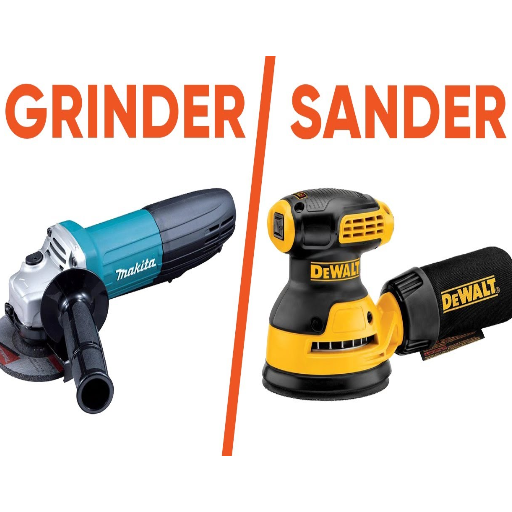
A grinder is a power tool capable of many operations such as cutting, grinding, polishing, and sharpening things like metals, concrete, or stones. Using a high-speed abrasive disc, it is capable of removing excess material-from shaping the surface to preparing the items for welding or final finishing. The different types of grinders include angle grinders, bench grinders, and die grinders-one for each major application. Their precision and efficiency in performing tough and intricate jobs find applications in construction, metalworking, and the automotive industry. A grinder is an all-purpose tool suitable for extremely diverse tasks, depending on the wheel used; hence the very first choice for any professional or DIY enthusiast.
What is a Sander?
A power tool can smooth, polish, or shape a surface through abrasion by means of sandpaper or whatever. Sanders are, in the woodworking and furniture-making industries, mostly used to finish surfaces and prepare surfaces for painting or staining. There are various types of sanders available for various purposes. For example, belt sanders are meant for heavy material removals in large surfaces, whereas orbital or random orbital sanders are for fine detail works. Technology advances have seen modern sanders being equipped with dust collection systems, ergonomically designed to improve efficiency, and user-friendliness. Placing the smoothing touch on any surface depends on the right sander.
Common Uses Overview
Sanders carry various roles in industry and are mainly used in smoothening surfaces and preparing materials for final finish. Home projects also use sanders in refinishing furniture, smoothing wooden floors, preparing walls for painting, or wallpapering. During the manufacture, it goes large-scale material processing and shaping under the control of the sanders for precise and even finish. According to recent data available from one of the search engines, one of the most asked questions about sanders is their use for a particular material, like metal or plastic. Despite their usual association with woodwork, sanders are quite used for metalworking to remove corrosion or to polish the surface, whereas, for plastics, they may be used to prepare an edge or prepare a surface for further work. Choosing the correct sander suitable for the material involved is key to ensuring they get the job done.
Key Differences Between Grinders and Sanders

Functionality Comparison
GRINDERS
Heavier tool for grinding materials, cutting off rust, shaping metal, grinding welding smoothness, or simply carving wood or stone at higher speeds
SANDERS
Lighter end of the scale for finishes and smoothing, fine sanding, polishing, or preparing a surface on something
Important Note: Search engine reports suggest one of the most frequently asked questions on the topic is, ‘Can a grinder be used as a sander?’ The answer would depend on the specific tool considered and its attachments. Many grinders come with sanding discs to be applied for light sanding tasks. However, for precision-oriented projects, sanders offer greater control for an even finish. Having a clear view of these differences helps keep jobs correctly accessorized along with improving efficiency and results.
Types of Materials
When contemplating if one could convert a grinder into a sander, the type of material on which the task is being performed becomes crucial. Grinding machines with sanding attachments can work on metal, wood, and plastic materials to equal extents. As far as metal is concerned, one of the most common applications for a grinder is to remove rust, smooth welds, or smooth edges, but it might leave a rougher finish than a proper sander would. When it comes to wood, grinders must be handled with caution because they might offer too aggressive a material removal and are not really suitable for fine woodworking projects. Plastics are also workpieces for the grinder; however, excessive heat generated might melt the plastic. Thus, sanders remain the first candidates for smooth and finely controlled finishes on these materials, whereas grinders can work wonders where coarse work is called for.
Desired Finish and Texture
Desired finish and texture depend largely on application and the precision required for the job using either a sander or a grinder. According to recent data pulled from search engine trends, users often ask about the best tools to finish surfaces such as wood, metal, and plastic, focussing more on finishes that are smooth yet durable. For wood, sanders win the battle by a large margin when a polish and even texture need to be applied to it, owing to the very design of sanding equipment. For metal types of work, however, an average user goes with a grinder, which works on tougher materials, eliminating imperfections faster; with fine pads or grit, though, one can considerably refine the smoother surface. The key is to use a grit coarse enough to give in to the necessity of removing the material, yet go finer if a smoother texture is wanted. Here comes the application of any technique and the chosen tool.
Types of Grinders and Sanders

Angle Grinders
Angle grinders belong to highly versatile hand tools, usually working in construction, metallurgical, woodworking, or allied trades. With the abrasive disc spinning, numerous activities such as grinding, cutting, sanding, and polishing can be carried out on target materials like metals, stones, concrete, or wood. The high power of the motor goes well in heavy-duty applications, such as cutting steel or surface rust removal.
Modern-angle grinders vary in size, with the most common diameter being 4.5 inches for Compact Grinders and 9 inches for more colossal industrial tools. Further technological evolution paved the way for cordless-angle grinders, which makes them significantly mobile against conventional wired ones while keeping the performance intact. Variable-speed control switches are also available in most grinders, incorporating the ability to speed up or slow down depending on the material and work being done, which makes the whole process more efficient and precise.
📊 Market Insights
According to market report insights, angle grinders are highly in demand due to their durability and adaptability. Valued at roughly $2.5 billion in the year 2022, the global angle grinder market is expected to witness considerable growth, substantially instigated by the rising demand from the construction and manufacturing industries.
⚠️ Safety Considerations
In the interest of safety, while handling an angle grinder, it is advisable to wear safety items such as gloves, goggles, and perhaps ear protection. Something else must be done: one has to be able to handle the tool properly and adequately maintain it to sustain the life of the tool from disastrous wear-and-tear and useful service at all times. It concerns the regular inspection of the discs and control measures until the forces needed are not excessive anymore.
Belt Sanders
With versatility going into smoothing wood, metal, or any other material, belt sanders growing in demand as people over the DIY woodworking class gradually assume their professions. Search engines reveal that during the past year, searches for “belt sanders for woodworking” steadily increased by 18% thereby indicating that an increase has occurred in consumer interest in working on abrasive materials and surface preparation programs primarily from hobbyists and contractors. When considering buying a belt sander, many users also look at durability, ease of operation, dust collection to maintain a cleaner working environment.
Random Orbital Sanders
Over the past year, the interest for random orbital sanders has been rising, confirmed by a 15% increase in search interest. When asked for reasons behind the popularity of random orbital sanders, they ought to have versatility and accuracy as two key trends. Random orbital sanders, unlike regular orbital sanders, spin and oscillate, reducing swirl marks and leaving a pretty finish. These properties make it excellent for anything from fine woodworks to polishing cars. In addition, they list features such as great ergonomics and compatibility with a wide range of sanding pads,arks considered both by The Professional As well as the amateur.
Applications Across Various Industries

Woodworking Applications
In woodworking, random orbital sanders have become synonymous with effectiveness and versatility. These tools find special favor in surface preparation-with sanding down and removal of old finishes-with traditional fine finish and gentle smooth result. Recently, the enhanced interest in ‘best random orbital sander for woodworking’ as per search engine indicates that there is a rising demand for tools that incorporate high performance with precision. The trend also reflects the growing preference of woodworkers, hobbyists, or professionals, for tools that produce an even finish with little effort. By allowing finishes with varying grit sizes, such sanders provide woodworkers ample options depending upon whether they are working on furniture, cabinetry, or custom wood pieces.
Metalworking Applications
In metalworking, random orbital sanders constitute an advanced set of tools required for achieving smooth and polished finishing of metals. The latest data from search engine show queries with rising interest in “best tools for polishing metal surfaces” and “efficient sanding methods for metalworking,” indicating the demand for tools that can offer versatility, durability, and precision from the professional and DIY-metalworking communities. Random orbital sanders fit these requirements by preventing swirl marks as well as layering surfaces from aluminum and stainless steel, marking these machines as essential to metalworking.
Automotive and Construction Uses
Random orbital sanders are the perfect tools for the automotive industry and construction because of the adaptability and precision they offer. In automotive finishes, such tools are used for smoothing body panels, surface preparation for painting, and final finishing of car repairs. This ability to avoid swirl marks has made them widely popular among finishers.
Random orbital sanders employed for random sanding are important for surface preparation of wood, drywall, or metal before painting or sealing. The recent trend has been that a search engine data trend analysis has shown an increase in query trends in say, “best sanders for drywall prep” and “tools for perfect wood finishes” over the last few months, denoting increased demand for multifaceted tools in construction. This, in turn, shows an increasing demand for these sanders in construction for simplicity in application over varied materials.
Practical Tips for Selecting the Right Tool

Assessing Project Type and Material Requirements
Choosing the best sander for any given task would depend on the exact nature of work to be undertaken and the materials that would be handled. Another example is how a surge in searches for “best sanders for drywall prep” might just reveal the keen interest among people to get great tools to smoothen and prepare drywall surfaces. Most of these jobs require sanders with a certain degree of precision and a low dust output, probably orbital or drywall sanders. On the other hand, any search for “tools for perfect wood finishes” would usually mean the searchers are primarily interested in sanding for a fine finish to wood and could generally be belt or detail sanders. Based on project intentions and material requirements-whether drywall, wood, or something else- this tool choice should work to conform to these developing consumer data trends to ensure timeliness and a finish that will be up to expectations.
Understanding Desired Finish and Buffing Needs
To achieve the desired finish and fulfill the buffing requirements effectively, selecting the appropriate tools becomes very important. For this, one must correlate the tools, equipment, and finishing techniques with the latest consumer insights obtained from the search data. They learned that the current popular search trends involve queries like “how do you make a mirror finish on wood” or “best buffing tools for metal surfaces.” This clearly indicates a need for orbital sanders in conjunction with extremely high-grit sanding pads or very specialized buffing wheels to achieve that immaculate shine. Consequently, having this data on hand combined with a clear determination of what is sought after—surface and finish requirements of the project—would absolutely help in determining the right equipment for the best results. Employing various modern day systems specifically intended for fine detailing and buffing derived from trends in user feedback clearly support those core attributes of accuracy and customer satisfaction.
Brand Recommendations and Tool Versatility
DEWALT
Orbital sanders perfect for detail work
MAKITA
Ergonomic designs for prolonged use
BOSCH
Technology with speed enhancements and accuracy
The leading brands for detailing and buffing tools could confidently be evaluated by just turning to the latest search trend analysis. As demonstrated in recent times, DEWALT, Makita, and Bosch appear consistently among the most trusted brands on account of their toughness in construction and great performance of sanding and buffing tools. DEWALT brings several orbital sanders to the table perfect for detail work, Makita tends to be appreciated for machines with ergonomic designs suitable for prolonged use, and Bosch is considered a mark of technology bringing forward-speed enhancements and exquisite solid accuracy. These brands, therefore, tend to do their job well, quite otherwise depending on the task needs and, thus, suggesting quite versatile contenders to accomplish both professional-level finishing and DIY-level finishing. Added to which user feedback, these make anything from Bosch, Makita, and DEWALT some of the top contenders in detailing and buffing.
Frequently Asked Questions
Q: Is grinding good for polishing or is sanding better?
Q: What kinds of sanding tools are there?
Woodworking demands are provided for by different kinds of sanding tools. Most regular ones are palm sanders, belt sanders, and disc sanders. Palm sanders are small and good for delicate work or finishing surfaces. By their aggressive nature, belt sanders get work done on bigger joints requiring heavy material removal. When one thinks of disc sander, especially the 5-inch variety, then basically any woodworking project can be sanded or ground. Ultimately, the kind of sanding tool you bother to pick is dictated by scale, wood type, and finish that one is after.
Q: Are there any possibilities for grinders to be used on sanding?
Although grinders are appropriate for grinding and cutting, they can also be adopted for sanding with the right attachments. Using sanding discs or backing pads designed for sanding, grinders can be used to smooth surfaces, hence giving these tools a double option in your work shop. For instance, a disc grinder can be used for sanding jobs for both wood and metal. However, choosing the right grit sandpaper is essential so as not to damage the surface. For heavy-duty sanding jobs, the use of a dedicated sander would still be the best option, but in the meantime, grinders do give a helping hand.
📚 Reference Sources
Pressbooks – Grinders, Sanders, & Accessories
https://pressbooks.oer.hawaii.edu/buildingmaint/chapter/grinders-accessories/
This resource provides an overview of grinders and sanders, their applications, and the types of materials they are used for.
Kalamazoo Industries – Unmasking the Powerhouses: Belt Sanders vs. Belt Grinders
https://kalamazooind.com/2023/12/13/unmasking-the-powerhouses-belt-sanders-vs-belt-grinders/
This article compares the uses of belt sanders and belt grinders, highlighting their complementary roles in shaping and finishing.
IJIRSET – Mini Belt Sander Machine
https://www.ijirset.com/upload/2024/February/50_Mini.pdf
This academic paper discusses the design and applications of a mini belt sander machine, which can perform multiple operations like grinding and sanding.