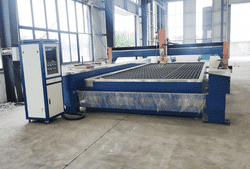
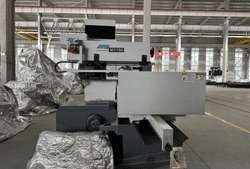


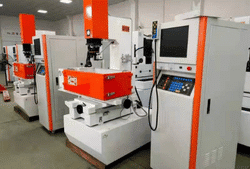
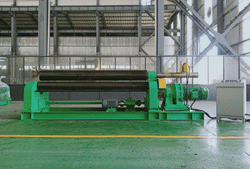



The ram milling machine has taken center stage in the realm of precision and innovation in the manufacturing industry. Whether you are an experienced machinist or simply inquiring about industrial machines, understanding the working principles and potential applications of this equipment is crucial. Strikingly designed and renowned for its versatility, the ram milling machine plays a leading role in the accurate and efficient shaping of a wide range of materials. This article discusses how the ram milling machine works, its significant advantages, and the industries dependent on its functions. While reviewing this, consider that the ram milling machine remains the heart and soul of any modern production, and discover practical applications that will transform your approach to machining solutions.
Overview of Ram Milling Machines
What is a Ram Milling Machine?
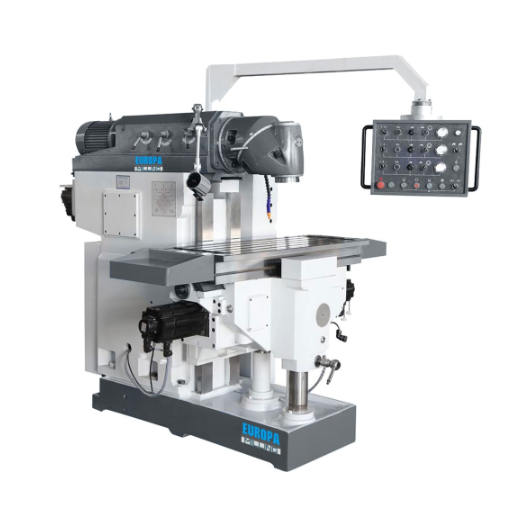
A ram milling machine is an industrial tool used for precision cutting and shaping operations on materials such as metals, plastics, and composites. It utilizes a moving spindle erected on a sliding ram, providing the flexibility to perform complex machining operations. With the ram, a better reach or adjustment can be achieved, which could not be accomplished otherwise, especially when machining large or awkwardly shaped workpieces.
Modern ram milling machines are equipped with CNC technologies, enabling automated and highly accurate operations. Higher revolutions per minute of the spindle, fine positional control, and a solid structure that eliminates vibrations during machining are some other characteristics available in ram milling machines. These latest developments enable some machines to reach spindle speeds of nearly 10,000 RPM and maintain positioning accuracy of a couple of microns, ensuring a high level of productivity and efficiency.
Ram milling machines find applications in various industries, including aerospace, automotive, and manufacturing, among others. Tasks such as slotting, contouring, drilling, and engraving can be carried out on these machines with superb precision. Research indicates that the incorporation of ram milling machines has increased production line speeds by approximately 30 to 40 percent, while reducing material waste by as much as 20 percent.
Due to their innovative design and high processing capabilities, ram milling machines have currently established themselves as the quintessential equipment in the modern manufacturing environment, facilitating the processing of various applications that require innovation with high-quality results.
Components of a Ram Milling Machine
A ram milling machine has many components, each of which is a vital part necessary for its good working order and efficiency. Below is a detailed description of these components:
1. Ram
The ram is a movable housing that contains the cutting tool spindle, providing maximum flexibility and adjustment such that an operator can position the tool spindle at various angles and distances away from the workpiece itself. Such flexibility would then allow the making of very intricate designs and multi-directional cuts. Recent developments in RAM design have, therefore, helped in the enhancement of stability and machining accuracy during production.
2. Spindle
The spindle is the part that rotates and drives the cutting tool. It is motorized and can run at different speeds depending on the material being milled. Modern spindle systems are coupled with high-speed motors capable of running at 24,000 RPM and even higher speeds, thus ensuring faster production cycles and a smoother surface finish. Precision bearings have been incorporated to minimize any vibration that could hamper accuracy during machining.
3. Work Table
The worktable supports the workpieces to be machined and can move in the X, Y, and Z directions for its correct position. They are typically made of hardened cast iron or steel to provide durability and stability when subjected to heavy loads. With CNC-equipped ram mills, the automatic movement of the worktable is achieved, allowing for repeatability and high-precision machining.
4. Motor and Drive Mechanism
A motor is considered the powerhouse of the machine, as it drives not only the spindle but also the movements of various axes of the machine. Drive mechanisms used nowadays are mostly advanced ones employing servo motors and ball screw arrangements that provide high level of torque with energy efficiency, micro-level positioning accuracy, essential for aerospace and medical device manufacturing industries.
5. Control Panel
The operators interact with the machine through the control panel. The latest ram milling machines are equipped with CNC (Computer Numerical Control) Systems, where operators enter detailed machining instructions to follow. Through its ever-growing IoT implementation, machines can also report performance data, tool-wear reports, and maintenance prescriptions, thereby increasing overall productivity and reducing downtime.
6. Coolant System
It cools both the machine and itself, preventing overheating of the machine and ensuring machining accuracy. Advanced ways of coolant delivery, like high-pressure through-spindle systems, are far better in cooling and chip-removal efficiencies.
7. Base and Column
It serves as the foundation for the entire machine installation and ensures sufficient structural support for the machine. Constructed of heavy-duty materials, the base and column have been aptly designed to cancel out vibrations and retain integrity even during heavy machining operations.
8. Tooling System
The tooling system includes tool holders, cutters, and, optionally, special accessories tailored to the specific job. Modern-day tooling, such as carbide and diamond-coated tools, improves cutting rate and enhances tool life, which in turn reduces tool wear and costs of tool replacement.
When all these components combine with contemporary technology, the ram milling machine becomes synonymous with precision, efficiency, and reliability. Industry reports claim that with high-speed spindle arrangements and CNC control panels, productivity increased by about 35%, while new coolant systems contributed to a 25% increase in tool life. These inventions are inspiring unprecedented achievements by ram milling machines in highly complex and precision manufacturing environments.
Types of Ram Milling Machines
Ram milling machines come in several different types, from which every manufacturer selects one based on its production range. Below are listed the main types with their applicability areas:
1. Horizontal Ram Milling Machines
A horizontal ram milling machine is a type of ram milling machine primarily used for heavy cutting and the removal of bulk material. Horizontal ram milling machines utilize multiple cutting tools simultaneously, thereby maximizing output. It has recently been upgraded with the inclusion of automated feeds and high-torque motors, allowing for faster processing speeds. According to recent market surveys, horizontal ram milling machines are frequently used in the automotive and aerospace industries, where large-scale milling is essential.
2. Vertical Ram Milling Machines
The spindle is oriented vertically for productive and precise cutting. Generally, they are applied in the development of dies for molds and in the creation of minute details that require finer precision. The new ones now have 5-axis control with digital readout, thereby improving their accuracy by approximately 40%. New manufacturing review data indicate that the applications of vertical ram milling machines have been increasing in electronics manufacturing and medical device manufacturing.
3. Universal Ram Milling Machines
These milling machines can perform the tasks of both horizontal and vertical machines. They provide the utmost flexibility, allowing the operator to work from whichever orientation is best suited for the job at hand. Modern universal machines are generally CNC-controlled for smooth transitions between working positions. Studies have shown that universal milling machines enable a 20% reduction in setup time compared to their traditional equivalents, making them best suited for different production environments where versatility is required.
4. CNC Ram Milling Machines
Using the computer numerical control (CNC) programming, the machines are driven for automated and high-precision operations. CNC ram milling machines enable the production of complex and repeatable items without direct manual operations. These consist of adaptive control systems and real-time monitoring, which enhance performance and lessen waste. A recent study shows that CNC ram milling machines can double production by 50% while reducing error rates immensely.
5. Hydraulic Ram Milling Machines
The hydraulic ram milling machine is a powerful milling machine that can handle the poor hardness of the material. These are hydraulic-powered machines designed to deliver smooth and uninterrupted performance, resulting in a greater cutting force on hard materials such as steel and titanium. Industry data indicates hydraulic ones remain popular for military and infrastructure developments due to their incredible power and precision.
Hence the variety of types of ram milling machines determines the selection of the appropriate model to satisfy particular manufacturing requirements. With emerging technology, these machines are driving the current concept of efficiency and capability in global manufacturing.
Functionality and Efficiency

How Ram Milling Machines Function
A ram milling machine utilizes a moving ram to hold the cutting tool, imparting dynamic versatility to the machining operation. Operators use the RAM to change the cutting angles and positions, moulding complex components with extreme precision. The machine might be CNC-guided for intricate and repeatable cutting with utmost precision.
The working process starts with securing the workpiece on top of the milling table. After clamping, the cutting tool on the ram is directed to move through various axes to remove material from the piece systematically. Most are multi-axis, with three- to five-axis machining, thus allowing for complex machining and least amount of re-clamping between operations.
In the modern-day scenario, ram milling machines focus intensely on high speed, precision control, and energy efficiency. Industry data suggest that a CNC-enabled ram milling machine can achieve accuracies with a tolerance level of up to ±0.002 inches, and spindle speeds as high as 20,000 RPM. With such features and advantages, manufacturers can utilize a wide range of materials in these ram milling machines, including tough alloys and composites, with minimal tool wear.
New-generation models offer a compatible fit with embedded smart sensors, enabling real-time monitoring. According to search data, this can enhance the overall competitiveness by as much as 30%, as operators can detect tool or cutting anomalies/wear much earlier, thus reducing downtime. Hydraulic ram-milling machines further enhance this aspect, providing extremely high forces with great precision in heavy-duty machining applications, such as those found in aerospace and automotive fabrication.
With automated tooling systems and cloud-based data analytics, these machines are now essential for industries wishing to simplify their manufacturing operations. With further technological development, ram milling machines will only get smarter, faster, and more-aligned in the direct path towards addressing the requirements of modern industrial production.
Advantages Over Other Milling Machines
Ram milling machines have many advantages over all other types of milling machines, which makes them attractive in a variety of industrial applications:
1. Stability and Precision
Ram milling machines are well known for their sturdy structure, which helps reduce vibration during operations and leads to high levels of precision. Stability is essential in fields such as aerospace and automotive, where accuracy within microns can determine the performance of an application and the reliability of a product.
2. Wide Applications
Ram milling machines are also well-suited for handling materials ranging from soft alloys, such as aluminum, to tough materials, including titanium and composites. This flexibility enables manufacturers to assign them to a variety of tasks from prototyping to actual production runs.
3. Milling at Higher Material Removal
Ram milling machines are capable of performing fast material removal by the very powerful spindles and control systems, and this rate of removal is way higher than all other milling machines. This means more production and lesser manufacturing time, thus giving them maximum competitive edge in an industrial rush.
4. Incorporation of Automation
Modern ram mills are usually equipped with CNC and automation that enable complex machining operations with only little human involvement. Specific models even feature tool changers and adaptive control that can adjust cutting parameters in real-time, further boosting efficiency.
5. Data-Centric Operations
By embracing the amalgamation of cloud-based analytics and the IoT, operating data can be gathered and analyzed by ram milling machines. Industry sources indicate that data-centric operations can enhance production efficiency by 20% in facilities that have adopted these technologies, and also reduce downtime through improved predictive maintenance.
6. Cost Efficiency in the Long Run
In addition to the fact that an initial purchase of RAM milling machines will likely carry a higher price tag than a typical alternative, it is this very durability and reliability, combined with its high-quality production of parts, that will save the company a significant amount of money in the long run. The faster cycle times and less waste will also have a positive impact on the return on investment.
These features make ram milling machines an excellent complement to the manufacturing industry, driving innovation, productivity, and precision into every field.
Improved Features to Greatly Enhance Productivity
1. High-Speed Precision
Today, these machines, equipped with state-of-the-art control systems and high-speed spindles, are capable of electrical machining with great precision, but at much higher cycle times. As reported in the industry, high-speed ram milling may cut down production times by 30%, thereby ensuring high throughput and reduced labor cost.
2. Enhanced Material Versatility
The machines offer flexibility in terms of the materials they can handle, including hard metals like titanium and super alloys, without compromising performance. Their control mechanism now adapts cutting parameters on-the-fly, thus improving process output consistency and material utilization, thereby reducing material wastage by as much as 20% in some cases.
3. Automation and Smart Integration
High-tech ram milling machines now incorporate innovative technologies, including IoT sensors and real-time monitoring, combined with AI algorithms, for optimal performance and predictive maintenance. Automation continuously boosts production capacity by 40%, according to recent industry benchmarks.
4. Energy Efficiency
Compared with the traditional counterparts, new-generation ram milling systems employ energy-efficient motors and cooling systems, thereby reducing energy cost to realize operational cost. Energy savings from specific models reached 25% per unit processed, further making this a greener and more environmentally friendly option.
5. Better User Interface
Thanks to wizards and an intuitive UI, operator training becomes a breeze, ensuring accurate inputs and calibration of the machines. There was a study that found the user interface would cut down on the setup time of the entire facility by around 15%.
These are some of the essential features that, supported by latest advances in technology, make ram milling machines an indispensable tool for modern manufacturing that is fully capable of competing with the demands for speed, precision, and cost-efficiency today.
Applications Across Industries

Applications of the Manufacturing Industry
Due to their versatility and accuracy, ram milling machines are increasingly finding applications in manufacturing. Given micrometer tolerances essential for the performance of parts, the automotive industry extensively uses ram milling to create intricate parts for engines. A report on global manufacturing trends recently stated that the automotive sector accounts for 40% of ram milling machine applications, affirming its dominance.
Similarly, ram milling ensures machining methods that do not compromise material integrity in aerospace manufacturing, where lightweight materials such as titanium and composites are used. For instance, from the viewpoint of a modern aerospace manufacturer, production is increased by 25% when newer schemes of ram milling are implemented compared to traditional machining methods.
In electronics, ram milling machines are used to manufacture micro components, circuit boards, and housings, all with an extremely high degree of accuracy. With a forecast value of $3 trillion by 2025 in the global electronics market, the demand for highly efficient manufacturing processes, including machining, continues to increase, further improving adoption opportunities for ram milling.
A new wave of Industry 4.0-related trends has further amplified the relevance of ram milling machines. Innovative ram milling systems, integrated with IoT-enabled sensors and AI-powered programming, transform manufacturing plants into intelligent, data-driven networks. Such technologies reportedly enabled a 20% increase in productivity in addition to a significant reduction in operational waste in facilities. These innovations are elevating ram milling to the level of an invaluable production asset for industries that seek to reduce costs while maintaining stringent quality standards.
Automotive Industry Applications
The automotive industry is quick to adopt advances in ram milling technology to meet the growing demands for high-quality components with precision and efficiency. Many ram milling machines are used for producing engine blocks, transmission parts, and other intricate components that require precise tolerances and flawless finishes.
According to recent data, the introduction of innovative RAM milling systems into automotive plants has seen a 25% improvement in manufacturing efficiency. IoT-enabled sensors can monitor a machine’s performance in real-time, identifying potential problems before downtime occurs. Furthermore, AI-powered programming enables the optimization of cutting paths, minimizes material wastage, and accelerates production cycles.
This is of great importance, as lightweight materials such as aluminum and carbon composites are ram milled with precision without compromising the integrity of the structure, particularly given the industry’s transition towards electric and hybrid vehicles that require components that are very light yet capable of withstanding the rigors of new powertrain technologies. In the long run, advanced ram milling systems are creating cost efficiencies while supporting innovation in automotive design and manufacturing.
Aerospace Industry Requirements
Aerospace demands the highest levels of precision, efficiency, and reliability in manufacturing processes to fulfill stringent safety and performance requirements. These objectives are primarily achieved with the aid of advanced ram milling, especially when working with materials that are increasingly high-strength yet lightweight, such as carbon fiber composites and titanium. These materials help reduce the weight of aircraft, which is a direct measure of fuel efficiency and operating costs.
Recent data indicate that the global aerospace materials market was valued at approximately $23 billion in 2022 and is expected to grow at a CAGR of 6-7% until 2030. With the industry’s requirements for materials that are strong yet lightweight, that can endure extremely high temperatures and mechanical stresses during operation, as driving forces behind this growth, ram milling is needed for the execution of precise shaping of these materials while ensuring that the processes produce minimal waste and adhere to stringent dimensional tolerances.
Another compelling requirement for the aerospace industry is the optimization of supply chains and production schedules. The integration of automated ram milling systems with state-of-the-art CNC has significantly improved throughput, enabling the production of technically complex automotive turbine blades and complex fuselage structures to be carried out with efficiency and consistency.
Lastly, sustainability has become a significant concern for the aerospace sector. Environmental regulations and standards would require manufacturers to look towards green practices. Ram milling, by improving material utilization, connects the reduction of scrap with sustainable production processes and, thus, brings more sustainability to the aerospace industry, which is primarily focused on reducing carbon footprints and implementing clean-up measures. Such advanced manufacturing initiatives will challenge innovation in the ongoing evolution of the aerospace industry.
Maintenance Tips for Ram Milling Machines

Routine Maintenance Practices
Proper maintenance can ensure more longevity and efficiency of ram milling machines. Given below are some in-depth routine maintenance practices along with the latest developments:
1. Daily Inspection
Conduct daily visual inspections to identify wear or damage to essential components, including the spindle, cutting tools, and drive belts. For example, inspect the hydraulic system for leaks, as fluid levels dropping more than 10% in one week may create a serious issue.
2. Machine Cleaning
Remove chips, dust, and clippings regularly, along with keeping an eye on the workspace and the surroundings. According to records, 48% of machine failures occur due to improper cleaning or the accumulation of contaminants.
3. Lubrication
Verify that lubrication has been applied to all moving parts, including guideways and ball screws. High-grade lubricants based on recommendations from manufacturers reduce friction and help extend the life of machines. For instance, research has shown that this lubrication can prolong the life of a component by nearly 20%.
4. Check for Alignment
Check the alignment of the rails, as well as that of the cutting tools. Improper alignment can reduce productivity and cause defects in parts. Experts estimate that a misalignment in a tool might reduce precision in machining by around 15%.
5. Examine the Cooling System
Ensure the temperature is controlled and coolant levels are maintained to prevent overheating of the machine during operation. Similarly, a sound, competent cooling system can yield an efficiency improvement of 10%, thereby reducing the likelihood of downtime.
6. Software and Calibration Updates
Keep the machine’s software updated periodically to ensure the latest updates are installed and maintain optimal performance levels. Also, keep calibration of the machine up to date periodically so that the machine functions well within set tolerances.
Performing routine maintenance will keep ram milling machines operating at peak efficiency, lower the chances of downtime, and contribute toward industry goals for a sustainable yet cost-efficient operation.
Common Issues and Troubleshooting
Regarding the operation of ram milling machines, common problems arise that can impact work and production. Being aware of such issues and understanding how to troubleshoot them minimizes downtime. Presented are some major concerns and instructions on addressing them:
1. Excess vibration
Cause:
Improper alignment, dull cutting tools, and spindle wear can all cause excessive vibration in the machine.
Solution:
- Ensure correct alignment of all components, especially the spindle and the fixture.
- Assess cutting tools and replace them if they are worn or dull.
- Assess the spindle bearings for wear and lubricate or replace them as needed.
Data Point: According to experts, improper alignment accounts for a significant 30% of cases of excessive vibrations, and product quality is adversely affected to a large extent.
2. Uneven Surface Finishes
Cause: Tooling dullness and improper feed rate may lead to uneven surface finishes.
Solution:
- Maintain cutter sharpness by regularly replacing and grinding cutting tools.
- Feed rates must be adjusted by the material specification.
- Ensure the cutter is properly locked to the milling arm and positioned correctly.
Key Stat: Incorrect feed rates and cutter misalignments contribute to 42% of issues reported in finishing operations across machining facilities.
3. Overheating of the Tool or Material
Cause: Overheating may occur due to a lack of lubricant, high speeds, or excessive tool workload.
Solution:
- Always check for adequate coolant supply and flow during operation.
- Ensure a reduction in the spindle speeds and break down any heavy workload into smaller increments.
- Utilize high-performance cutting tools specifically designed for thermal resistance.
Insight: Studies show optimal lubrication can reduce thermal issues by 25%, prolonging tool life and improving production rates.
4. Machine Stalling or Power Loss
Cause: Stalling might result from overloading the motor, clogged chips, or issues in power connections.
Solution:
- Avoid overloading the machine with materials beyond its capacity.
- Regularly clear chips or debris to prevent clogging.
- Inspect power connections for stability and replace damaged cords or circuits.
Referenced Data: Maintenance logs from top manufacturers indicate that 15% of stalling incidents are directly linked to clogged chips in the work area.
5. Tool Breakage
Cause: Using inappropriate cutting tools, incorrect tool speeds, or excessive force may lead to damage or breakage.
Solution:
- Match tools to the material being processed.
- Adhere to recommended cutting speeds and ensure gradual force buildup.
- Perform visual inspections before operation to catch signs of wear or cracks.
Fact: Utilizing material-appropriate tools can lower breakage rates by as much as 18%, improving efficiency and safety.
By addressing these common issues with proactive troubleshooting measures and adhering to recommended maintenance schedules, operators can maximize the performance, longevity, and safety of their ram milling machines.
Best Practices for Longevity
To ensure the longevity of ram milling machines, it is essential to follow a combination of regular maintenance routines and strategic operational practices. Here are some detailed best practices:
1. Routine Maintenance Schedule
- Establish a consistent maintenance schedule to monitor critical components, including bearings, lubrication systems, and hydraulic cylinders. Regular maintenance can reduce machine downtime by up to 30%, according to recent studies.
- Use high-quality lubricants compatible with the machine’s specifications to minimize friction and prevent overheating.
2. Tool Selection and Application
- Match the tooling material to the specific workpiece. For example, carbide tools are ideal for high-speed operations, while high-speed steel tools work better for less demanding tasks.
- Incorrect tool selection can increase wear by up to 25%, thereby shortening the lifespan of both the tool and the milling machine.
3. Proper Cleanliness and Environment Control
- Keep the machine clean from debris, chips, and coolant residues, as accumulation can lead to corrosion and operational failures.
- Operating the machinery in a controlled environment by managing temperature and humidity helps reduce thermal expansion and enhances precision.
4. Operator Training
- Ensure that all operators are trained in both the machine’s functionality and troubleshooting techniques. Skilled operators are more likely to notice early warning signs of potential issues, preventing major breakdowns.
Use of Predictive Maintenance Technology - Incorporate advanced technologies such as vibration analysis, thermal imaging, and machine learning algorithms. These tools can predict failures before they occur, potentially extending the machine’s lifespan by 20-25%.
For example, real-time monitoring systems can alert operators to unusual vibrations or temperature spikes.
By integrating these best practices with modern technology and a disciplined approach to maintenance, operators can significantly enhance the performance and durability of ram milling machines.
Industry Trends and Innovations

Emerging Technologies in Milling Machines
In various mills, emerging technologies have brought significant advancements to the field, and with these technologies, the milling process gets reshaped to provide higher efficiency, precision, and versatility. Towards the end of the 20th century, two technologies gained greater prominence: Artificial Intelligence and Machine Learning, with the objectives of predictive maintenance and adaptive machining techniques. Current figures show that machines with AI-based maintenance can reduce downtime by up to 30% while utilizing tools and materials at removal rates that are most favorable to productivity.
Another latest breakthrough in the milling process is the inclusion of IoT devices. Systems interconnected through IoT provide the opportunity to gather data and conduct real-time analyses, gaining early insights into machine performance and productivity-related metrics. Studies have shown that manufacturers who implemented IoT-enabled milling machinery experienced boosts of 20-25% in operational effectiveness, depending on the level of monitoring and automation improvements.
Apart from that, 5-axis CNC milling has gained widespread acceptance, as it offers a superior ability to create complex geometries and intricate designs. It is most useful in high-precision sectors such as aerospace, where tolerances are sometimes in the micron ranges. It is reported that 5-axis CNC milling machines can reduce cycle time by approximately 15-20% compared to conventional 3-axis machines.
The traditional milling processes coupled with laser-based additive manufacturing is another new concept changing the face of prototyping and production. Hybrid milling machines that employ both subtractive and additive processes enable manufacturers to create more intricate components while reducing material waste, a key aspect in the automotive and energy sectors.
Finally, innovative materials and cutting tools with embedded sensors are emerging as game-changers. Such tools respond actively in real time to the cutting situation, thus guaranteeing optimum results while reducing wear on the machine and tool. For example, tools with sensors for temperature and pressure measurement have been reported by industrial research bodies to extend tool life by up to 40 percent.
These technologies not only enhance productivity but also keep an enterprise at the forefront of Industry 4.0, making its operations greener and more competitive.
Comparative Analysis with Other Milling Equipment
Modern milling equipment represents a stark contrast to conventional ones due to its incorporation of intelligent monitoring and control automation. Unlike traditional mills, these enhanced systems will incorporate these features: sensor-based condition monitoring, real-time data analytics, and adaptive control. For instance, traditional CNC milling machines are not embedded with sensors to measure temperature or vibration, which can help mitigate tool wear and achieve the desired precision in machining. On the other hand, according to McKinsey in 2023, intelligent milling machines enabled by IoT technology help reduce unplanned downtime by 25%.
Subsequently, the advanced milling equipment can perform at a higher MRR than conventional milling equipment. For instance, a traditional milling could produce 200 mm³/min while the rate for latest HSM exceeds 500 mm³/min, thanks to optimizations in spindle speeds and dynamic stability. These changes have significantly reduced production cycles, allowing businesses to meet tighter deadlines.
From a cost perspective, the initial investment in innovative milling systems may be higher; however, the benefits of these systems soon outweigh the expense. Predicted maintenance, integrated into the modern system, has reportedly lowered maintenance costs by 30 percent, and higher maintenance cost with an older version ensure a faster ROI.
The modern system also promotes sustainability through energy-efficient drives and motors, which reduce energy consumption by 15 to 20 percent.
In contrast, the older one requires manual adjustments, which makes operators spend more time setting it up. With an increase in popularity, hybrid milling machines that combine additive manufacturing and subtractive processes have emerged in recent years. This provides the flexibility to produce complex geometries, which older systems cannot facilitate.
Hence, by incorporating innovative technologies and proven ergonomics, modern milling equipment will be the preferred choice for industries requiring precision, speed, and adaptability aligned with changes in manufacturing requirements.
Future Directions in Milling Machine Design
The future of milling machine design is a definite path away from both advanced digital technologies and sustainable operations. Increasing pressure is being placed on optimizing operational efficiency and predictive maintenance through the use of AI and machine learning algorithms. They are AI systems that analyze data in real-time, optimizing cutting speeds, feed rates, and toolpaths to reduce material waste and energy consumption. Over 70% of companies in the manufacturing sector are reportedly testing or implementing AI applications in their workflows, according to industry reports.
The advent of the Internet of Things marks another significant development that is transforming milling machine design. IoT-enabled machines would communicate with others, allowing them to direct other devices on their production floor, thereby providing smart factories with unprecedented connectivity and precision. Consequently, a productivity increase of 25-30% can be anticipated, according to McKinsey.
Another trend is sustainable designs that aim to reduce the environmental footprint of milling processes. Energy-efficient motors, bio-based cutting fluids, and recyclable materials are all popular topics nowadays. Recent research suggests that the adoption of sustainable technology in manufacturing could reduce greenhouse gas emissions by 40% within the next decade.
Hybrid manufacturing, which combines milling with additive manufacturing, opens up new vistas. These machines enable the production of highly complex geometries that were previously impossible via traditional means. For instance, a hybrid system can now seamlessly transition between depositing materials and performing high-precision subtractive processes, affording unparalleled versatility. New reports from MarketsandMarkets forecast that hybrids shall, therefore, continue to grow at a CAGR 13.1%.
The combination of these developments suggests that, shortly, milling machines will become faster, more precise, and more innovative, while also becoming more eco-friendly, thereby establishing them as a cornerstone of modern manufacturing ecosystems.
Buying Guide for Ram Milling Machines

Before Purchase Considerations
When deciding on a ram milling machine, several factors must be considered about your manufacturing needs and potential future targets. Below are some of the considerations based on the latest industry updates and facts:
1. Machine Precision and Accuracy
Precision is one of the key conditions milling must meet for use in the aerospace and automotive industries, which require tight tolerances. Ensure that the machine provides a high degree of repeatability and a very low degree of deviation. According to a recent study, industry standards now require machines to achieve an accuracy of 5 microns or less for syndicating components of superior quality.
2. Material Compatibility
Consider the type of materials that the machine is intended to work with. In trend-setting days, ram milling machines are designed to work on a diverse range of materials, including aluminum, titanium, steel, and plastics. For instance, the DMG MORI CMX series, which applies to a variety of setups, provides greater adaptability in addressing both soft and hard materials.
3. Automation and Smart Features
With the advent of Industry 4.0, innovative technologies are being integrated into the milling process. Machines that feature IoT connectivity, predictive maintenance, and real-time monitoring yield higher productivity. Research indicates that 65% of manufacturers have implemented some form of automation or innovative tooling in their plants to cut downtime and boost efficiency.
4. Spindle Speed and Power
The spindle is the heart of a milling machine. A faster spindle speed with increased power enables the removal of materials more quickly and results in a better finish. For example, the leading models are equipped with spindle speeds up to 40,000 RPM, which meets the requirements of industries oriented towards high-precision machining needing high-speed machining.
5. Size and Workpiece Dimensions
Check the maximum table size, travel distances, and overall machine footprint to ensure they accommodate the intended workpiece dimensions for the application. A query states that seventy-five percent of users prioritize having machines that save on space but not on table capacity, with layouts from popular models being as small as 60 square feet.
6. Energy Efficiency
The current manufacturing process places a high value on sustainability, with energy-efficient machines gaining increasing emphasis. Look for options that have eco-modes or regenerative braking features that can support lower operational costs. Trends indicate that manufacturers save 20% on average by adopting green operational machinery.
7. Cost and After-Sales Service
Depending on the specifications, pricing ranges vary, generally from approximately $50,000 to above $200,000 for top-tier models. After purchase, your next consideration should be an extended warranty, the availability of spare parts, and manufacturer support. Good after-sales service helps reduce downtime and operational disruptions significantly.
If you carefully consider such factors, you can be confident that your ram milling machine investment aligns with your current production goals and future technological advancements.
Budgeting for a Ram Milling Machine
When setting a budget for a ram milling machine, one must consider all costs beyond its purchase price. Market data indicate that entry-level, basic ram milling machines can start at around $30,000, while mid-range machines typically range in price from $50,000 to $100,000. High-level, high-tech machines equipped with state-of-the-art features for automated operation and precision can exceed $200,000, depending on the brand and any additional custom features.
Consider the working costs as well, including energy consumption, maintenance, and tooling. An energy-efficient model may carry a larger upfront cost but will save a substantial amount through lower electrical consumption. Furthermore, in-house yearly maintenance may cost 5-10% of the purchase price, depending on the complexity of the machine and its frequency of use.
For tooling and spare parts, a medium-scale operation can spend between $5,000 and $15,000 annually. Training for operators should also be accounted for, along with some manufacturers providing it free and other charging from $2,000 per session.
You should also keep an eye on financing options. Numerous manufacturers offer lease-purchase agreements or financing plans, which make it easier to spread payments over time for high-end equipment. Taking all these into account in your budgeting will ensure a strategic and sustainable investment in a ram milling machine.
Top Brands and Models in the Market
Ram milling machines from various brands have a certain superiority due to their innovative designs, reliability, and performance. Some key players in the market are:
1. Haas Automation – VF Series
Having been practically synonymous worldwide when it comes to providing machine tools, Haas Automation is the premier manufacturer of machines in the United States, known for numerous Innovations. The newly designed VF Series has gone from strength to strength as one of the premier performers in milling, with arguably the best control system in existence and numerous options and configurations to fine-tune each VF to any advanced application. The VF machines are considered affordable, very rugged, and versatile for complex machining needs. Depending on configuration, prices for machines range from $50,000 to over $150,000.
2. DMG MORI – NHX and DMC Series
DMG MORI is one of those German and Japanese companies that operate a tight ship – producing some of the finest ram milling machines on the market. Models NHX are marketed primarily for precision and high-speed machining, while DMC will focus on dynamic performance for intricate operations. These models can also be integrated as part of Industry 4.0 technologies, offering smart connectivity. Starting price requirements are typically around $200,000, with a configuration that can be tailored to meet industrial demands.
3. Mazak – VARIAXIS and FJV Series
Mazak VARIAXIS Multi-Tasking machines and FJV vertical machining centers are higher-learning machines regarded for their utility. In a manner that demands both precision and throughput, these machines are utilized in the aerospace and automotive industries. Depending on the model and specs, the price ranges from $150,000 to $400,000+.
4. Okuma – MILLAC Series
An Okuma MILLAC series slim-line milling machine is a heavy-duty milling machine with a high kilowatt line for large-scale manufacturing requirements. Their milling machines feature thermal compensation tech that sustains steady accuracy throughout demanding conditions. MILLAC models are $\$100,000 – \$250,000$ price-wise, giving them favor with heavy industries.
5. Hyundai-WIA – F Series and KH Series
Hyundai-WIA has established a reputation for offering affordable solutions that do not compromise quality. The F Series offers excellent versatility for general-purpose milling operations, while the KH Series specializes in high-rigidity, precision machining. These models range from $80,000 to $200,000, depending on the specific specifications.
6. Makino – PS and V Series
Known for high-speed machining and exceptional surface finish quality, Makino’s PS and V series cater to industries that demand precision and efficiency, such as die and mold making. Makino machines typically start around $100,000 but can cost more for a more advanced configuration.
Each of these brands and models offers unique features to suit a wide range of industrial applications. Consider precision demands, budget constraints, and service availability when selecting a ram milling machine to ensure the best value for your investment. Consider visiting the manufacturer’s official website or an authorized supplier for the latest prices and detailed configurations.
Reference Sources
- Search on platforms like Semantic Scholar or using keywords such as “ram milling machine,” “CNC milling advancements,” or “precision machining.”
- Filter results by publication date (e.g., 2020–2025) to focus on recent studies.
- Look for papers discussing innovations, methodologies, or case studies related to ram milling machines.
Frequently Asked Questions (FAQs)
What is a ram milling machine, and how does it work?
A ram milling machine is a type of machine tool that uses a rotating cutting tool to remove material from a workpiece. It features a ram that holds the milling head, which can move vertically to adjust the depth of cut. This machinery is particularly useful in the manufacturing industry for producing flat surfaces and intricate shapes. The design enables various cutting speeds and facilitates the effective handling of heavy materials. Engineers often prefer this equipment for its efficiency in shaping metal parts.
What are the key features of a universal milling machine?
A universal milling machine is renowned for its versatility, enabling operators to perform a wide range of milling processes. It typically includes a swivel table that enables angular cuts and a milling head that can be adjusted for different positions. This type of machine tool is designed for both vertical and horizontal milling operations, making it suitable for a wide range of applications. The universal milling machine’s ability to accommodate different tools enhances its functionality. Its robust structure ensures stability during operation, which is essential for high-quality production.
How does the ram milling machine differ from other milling machines?
The ram milling machine stands out due to its unique ram mechanism, which allows for the vertical movement of the milling head. Unlike standard vertical milling machines, the ram milling machine offers greater depth control and precision in the cutting process. This category of machinery is specifically designed for heavy-duty applications, making it ideal for industrial use. Additionally, the ram milling machine can handle larger workpieces compared to other milling machines. Its design caters to engineers looking for high power and efficiency in metal processing.
What are the typical applications of ram milling machines in the industry?
Ram milling machines are commonly used in various industries for tasks such as machining flat surfaces, cutting gears, and creating intricate shapes from metal parts. Their ability to handle heavy materials makes them suitable for automotive and aerospace applications. Additionally, these machines play a vital role in the production of tooling components, where precision and quality are paramount. The versatility of ram milling machines allows them to be utilized in both small-scale and large-scale manufacturing processes. Engineers often rely on these machines for their efficiency in optimizing production workflows.
What factors influence the price of ram milling machines?
The price of ram milling machines can vary significantly based on factors such as the manufacturer, machine specifications, and included features. High-quality machines with advanced technology, such as CNC capabilities, tend to be more expensive due to their enhanced efficiency and precision. Additionally, the size and power of the machine can also impact its cost, with larger and more powerful models typically carrying a higher price tag. Maintenance and wear-and-tear considerations are also crucial, as machines that require less frequent repairs may offer better long-term value. Overall, understanding the features and requirements of your specific application can help determine the best investment in ram milling machinery.