




Wood Lathes vs Metal Lathes: What’s the Difference?
Although both wood and metal lathes are designed to spin materials and form them, how their applications vary is imperative in deciding which type of lathe suits the user best.
Understanding Lathes
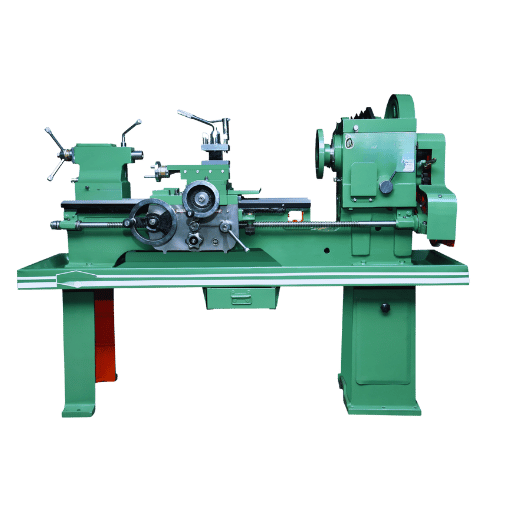
A lathe is used to manufacture various parts by rotating an object while a cutting tool works to remove material. Normally used to work with cylinders, lathes can also drill, polish, thread, and sand various objects with additional tools. According to material specifications, there are two primary types of lathes in manufacturing:
Wood Lathes
Dedicated to working with soft materials that have low strength compared to metals and softer woods.
Metal Lathes
Used to work with strong materials based on metal and alloy families, especially hard metals.
Types of Lathes
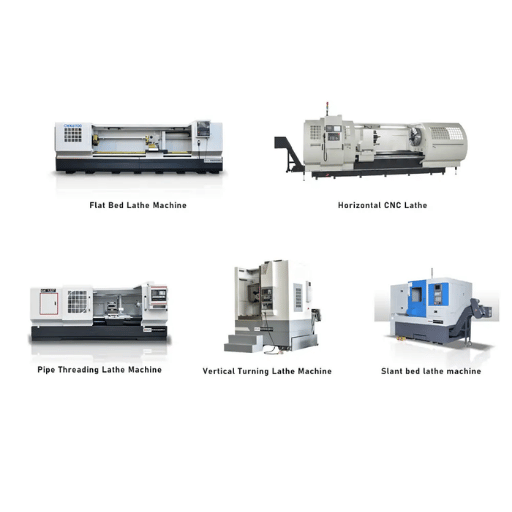
🌳 An In-Depth Look at Wood Lathes
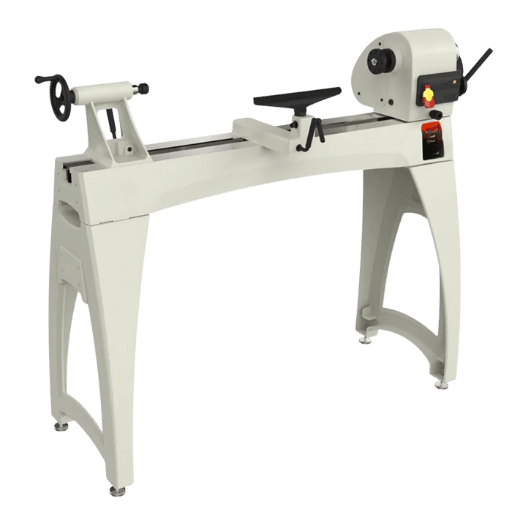
As unique and crucial manual tools aimed at perfecting woodwork, wood lathes transform wood as it spins, using cutting apparatuses to delicately carve the desired shapes. Some of the common items made with this tool are spindles, bowls, and furniture components.
Key Features of Wood Lathes
🔧 Motor Power
Generates correct torque and speed for seamless cutting and shaping. Power can be adjusted to accommodate custom scales and varied work requirements.
⚡ Speed Control
Allows users to regulate spindle speed, facilitating the turning process with varying materials and finishing methods.
🛠️ Tool Rest
Strengthens the use of various cutting tools and accessories, reducing human error and increasing proficiency.
📏 Bed Length
Key feature for larger projects, directly proportional to the size of spindles or components requiring turning.
🔩 Tailstock & Headstock
Work together to secure the workpiece and provide proper positioning, reducing vibration during operation.
🏗️ Construction Materials
Quality construction using steel or cast iron determines the equipment’s performance and durability.
Applications in Wood Turning
- Spindle and Leg Creation: Furniture parts like spindles, legs, and intricately carved pieces for tables and chairs.
- Bowl and Vessel Carving: Specializing in bowls and vases with particular accuracy and intricacy.
- Creative Pieces: Decorative articles, figurines, and artistic pieces with permanent value and precision.
- Tool Production: Shaping handles for tools, utensils, and musical instruments.
- Small Objects: Custom pens and other precision small items.
- Architectural Elements: Balusters, columns, and finials for building applications.
- Restoration Work: Antique furniture parts repair and replication.
💡 Choosing the Right Wood Lathe
Consider these key factors when selecting a wood lathe:
- Project size and capacity requirements
- Motor power and speed range
- Build quality and vibration absorption
- Ease of use and adjustability features
- Tool holder options and accessories
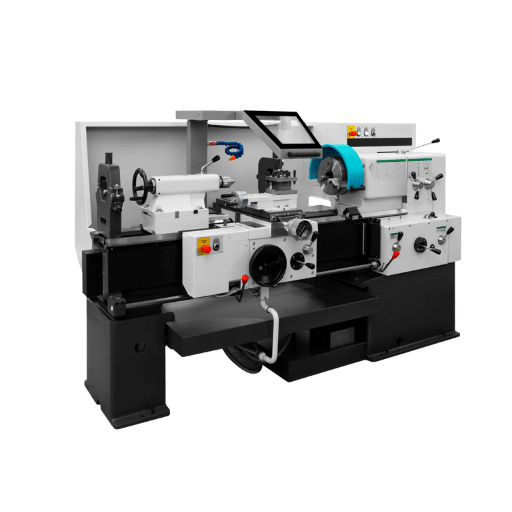
🔩 Metal Lathes
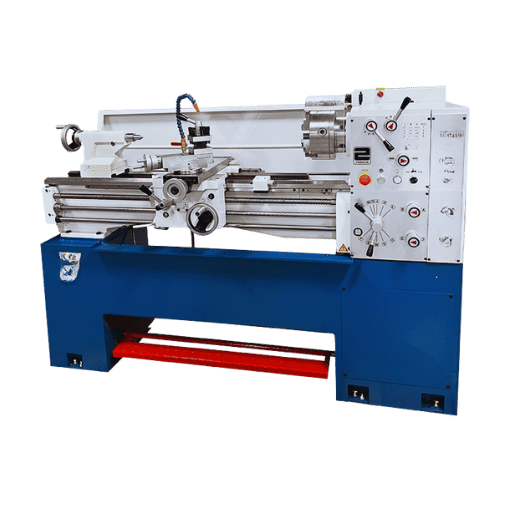
Features of Metal Lathes
🎯 Exceptional Precision
Remarkable accuracy perfect for creating detailed parts and performing manufacturing tasks.
💪 Heavy Duty Construction
Made from steel or cast iron, providing weight and massiveness needed for durable metal machining.
🎛️ Advanced Speed Control
Precise control systems to adapt to different machining operations and materials.
🔄 Robust Motor
Powerful motors common in heavy-duty machinery for demanding applications.
🌊 Coolant Systems
Cutting fluid systems to reduce heating and cool cutting edges during operation.
📊 Digital Readouts (DRO)
Advanced versions feature digital displays for precision monitoring and accuracy tracking.
Applications in Metal Turning
🏭 Precision Manufacturing
Creating parts for medical, automotive, and specialized equipment industries.
🔩 Thread Cutting
Ensuring accurate threading on non-flat components and specialized screws.
🛠️ Prototyping
Small to moderate quantity manufacturing and prototype development.
🔧 Component Repair
Repairing machine parts to extend operational life and functionality.
🎨 Ornamental Work
Creating intricate metal designs for decorative and artistic purposes.
⚙️ Shaft Manufacturing
Production of shafts, spindles, and cylindrical machine components.
🔍 Choosing the Right Metal Lathe
Key considerations for selecting a metal lathe:
- Size and Capacity: Ensure swing and center distance align with workpiece dimensions
- Precision Requirements: Match precision level to your specific manufacturing needs
- Motor Power: Adequate power for cutting harder materials and heavy workloads
- Speed Control: Variable speed options for different materials and operations
- Construction Quality: Robust frame design for precision and vibration reduction
⚖️ Comparing Wood Lathes and Metal Lathes
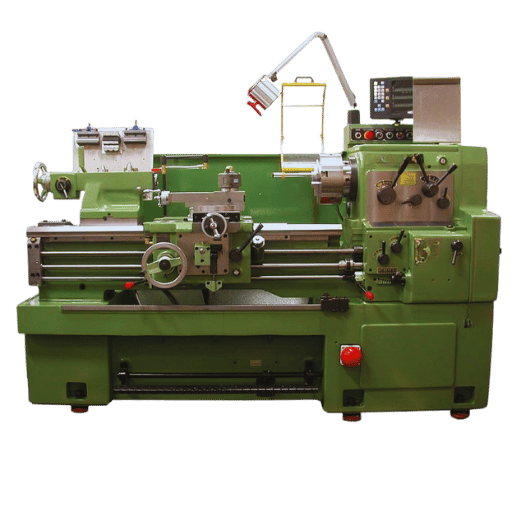
💰 Machine Cost and Economy
Wood Lathe Economics
Simple tools with minimal cost, making them affordable even for hobbyists. Basic technology with straightforward user controls.
Metal Lathe Investment
Higher initial cost but accompanied by extreme durability and advanced technology, offering better long-term ROI.
📈 Learning Curve and Usability
The operation and handling complexity varies significantly between wood and metal lathes:
🌳 Wood Lathes
- Simple user controls and interfaces
- Easy to understand for beginners
- Minimal training required
- Immediate operation capability
⚙️ Metal Lathes
- Complex operation requiring training
- Precision-focused technology
- Advanced industrial capabilities
- Manufacturer manuals and resources needed
🎯 Choosing the Right Lathe for Your Needs
🏠 For Hobby Use
Key considerations for hobbyists:
- User-friendly and reliable operation
- Versatile for various woodworking projects
- Safety devices and controls for beginners
- Small bench-top models for space-saving
- Compatible with standard cutting tools and chucks
👨💼 Professional Choice
Essential features for professionals:
- Exceptional precision and efficiency
- Enhanced speed controls for versatility
- High-torque engines for demanding work
- High-strength construction for durability
- Broad material compatibility
- Minimal vibration for consistency
🏭 Industrial Applications
Critical factors for industrial use:
- Maximum durability for continuous operation
- Fast operation without frequent part replacement
- Precision work capabilities
- Proven high-quality engineering
- Wear and tear resistance
- Industry-specific recommendations
❓ Frequently Asked Questions (FAQs)
Q: Do wood lathes create different objects as compared to metal lathes?
The most notable difference is what the machine does and how it was designed. A wood lathe is exclusively for items made from turning wood. It is designed to work with wood, so the assembly and other aspects of the machine are designed in a simpler format—focusing on work with wood. On the other hand, a metal lathe is designed to work with metal and the machinery is far more complex. It is designed to attach complex appendices and devices to enable the items to be more intricately made. Metal lathes are far more rigid and sophisticated to work with, compared to wood lathes.
Q: For my needs, would a wood lathe or a metal lathe be the more suitable lathe?
Select lathes based on the materials being moulded. While crafting furniture and other items, a woodworking lathe will be the apt choice. A wood lathe will ensure precision when crafting circular items like wooden bowls, as compared to a metal lathe which will be ideal for metal items and the materials mentioned.
Q: For what types of tasks are metal lathes meant?
If you need some furniture with symmetrical legs, vases, and other décor, wood lathes are perfect. As they are compatible with wood and other soft materials, they enable woodturners to design various objects with the least possible effor.
Q: What are the primary components of a metal lathe?
The primary components include the spindle, headstock, tool rest, carriage, and tailstock. These components work together to securely position the workpiece while cutting tools refine it to meet specific requirements. Their sturdy construction allows for sophisticated and precise metal cutting.
Q: Are CNC or manual lathes superior?
Automated processes, like those of CNC lathes, provide high precision, speed, and quality of products. They can manufacture very complex products with minimal input from humans, which makes them very suitable for high-volume production. On the other hand, manual lathes, due to their cheap price and manual control, are most commonly used in applications with low precision requirements.
Q: What are the key advantages of having a metal lathe?
What is the reason for having metal lathes?
Q: Can I use a wood lathe in a wood store?
Absolutely. In a workshop for woodworking, wood lathes are indispensable for completing complex projects. By setting up a carving department with an abundant supply of turning tools and materials, projects can be completed in a more timely manner with fewer delays and faster deadlines.
📚 Reference Sources
Research Citations
1. Analysis of Red Meranti Wood Deep Peeling Results
- Authors: Syafii et al.
- Published on: April 10, 2021
- Quotation: (Syafii et al., 2021, pp. 356–363)
- Abstract: This study examines the ability of the rotary lathe machine and the spindleless to peel red meranti wood efficiently. The study points out the comparative waste reduction between both advanced and traditional lathe methods in peeling red meranti wood.
- Methodology: Making use of the experimental design called the 3×5 Factorial, the study focused and fixed its attention on the quality class and log diameter range of log raw materials in the spindleless lathe units. It scrutinized the peeled veneer along with the by-products and waste, and the log raw materials more broadly.
- Major Results: The spindleless lathe machines showed outstanding use of the log raw materials by achieving over 60% of the yield from the logs for veneer from the log raw material, with the waste being at a low level of around 15%. The study overall concurs on spindleless technology, as it gives more efficiency in the processing industry.
2. Manufacturing Techniques for Making Wood Tubes and Pipes
- Author: V. Bucur
- Publication Year: 2019
- Citation Token: (Bucur, 2019)
Summary:
- The main focus of this study is to discuss the various techniques and processes used in the manufacture of tubes and pipes, and the tools and instruments that are germane to their production.
Methodology: The research conducts an extensive study on the techniques proper to the manufacture of wooden tubes and pipes and their applications, and compares them with those proper to the manufacture of metal tubes.
Key Findings: The article mentions the use of wood, and a few of the mentioned wooden tubes and pipes, due to its sustainability, certain features for aesthetic aspect, and compared to the use of wood there are certain cons in terms of the use of steel metalsotherapy and, in turn, wood is not good because there is such as great use of energy to produce mining iron from outer space and to use and release metalroperties ironmetastaticenery.
3. Optimization of Material Removal Rate in CNC Lathe Machine
- Author: B. Ntukidem et al.
- Publication Date: 24th May 2024
- Citation Token: (Ntukidem et al., 2024)
Abstract:
- The study examines the issue of improving the material removal capabilities of CNC equipment when turning metals, in this case, AISI 1040 steel.
Method: In the course of the research, the central combined design was used along with the ANOVA analysis techniques, where 20 literal runs were used to establish the parameters of cutting’s effect on MRR.
Results: The cutting speed was determined to be the major factor, and a set of well-coordinated parameters was found for the metal turning processes.
🎯 Key Takeaways
🌳 Wood Lathes
Since they are widely used in industrial companies specialized in metalworking, the manufacturing of equipment, and the repairing, use of a low-cost universal lathe becomes very convenient.
⚙️ Band Lathes
Because these types of lathes with adjustable speed stand out in the precision industry, they have been designed for people who manufacture complex instruments and instruments as well as use the lathe in the professional mode.
🎯 Choosing the right product
The requirements, the precision the user needs, the budget that needs to be considered, and the application that is to be used for the machine.