






Grinding wheels are essential tools used in various machining and manufacturing processes. However, for a grinding method to maintain its precision, it must be regularly attended to. Over time, the grinding wheel may become uneven and lose its shape, resulting in reduced performance and potential damage to the workpiece. Thus, trueing-the-wheel setting practice, which restores the wheel’s shape and enables it to function at a high level, will come into play in any given situation. In this tutorial, we will explore the importance of using a grinding wheel, describe some primary techniques, and share some handy tips for achieving greater grinding accuracy and longer tooling life. This article is for anyone interested in grinding, whether seasoned professionals or newcomers, who want to maintain optimal grinding performance.
Understanding Grinding Wheels
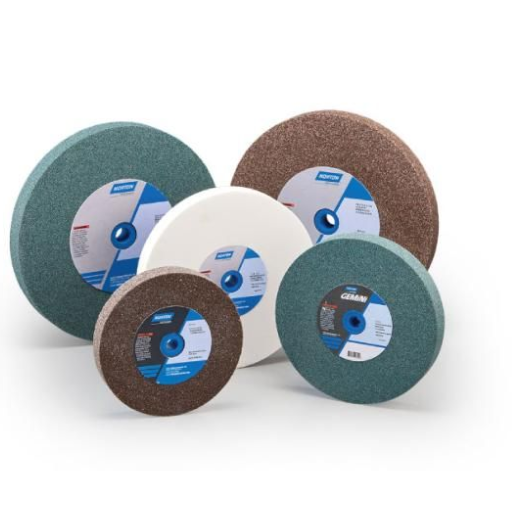
Grinding wheels are used on grinding machines to shape, finish, or cut materials. These were made of abrasive particles bonded together as a wheel and used for removing material from a workpiece with very high precision. The essential components of the grinding wheel are abrasive, bond, and structure, which determine the strength and resistance of the wheel. Depending on the material being worked on and the type of finish to be achieved, the selection of the grinding wheel varies accordingly. A thorough understanding of these parameters ensures that grinding takes place efficiently and effectively, thereby adding considerably to performance and safety.
Types of Grinding Wheels
Grinding wheels come in several varieties, each specifically designed for a particular application and material. The main types are as follows:
Straight Grinding Wheels
These wheels are most commonly encountered when cylindrical grinding, surface grinding, or tool and cutter grinding is being performed. They come in various sizes and are used in tool and cutter grinding for sharpening tools and for precision cutting.
Cylinder or Wheel Ring
These are large hollow grinding wheels mainly used for surface grinding. They give excellent grinding efficiency on flat surfaces.
Tapered Grinding Wheels
Tapered wheels are used for excellent work, such as grinding gear teeth or burr removal with intricate shapes.
Cut-Off Wheels
The thin-walled cutting wheels provide quick and accurate cuts through materials such as steel bars, sheets, and pipes.
Diamond Wheels
Being exceptionally hard, diamond wheels are ideal for grinding hard materials such as ceramics, carbide, and glass, offering both longevity and superior performance.
Mounted Points
Mounted points are miniature grinding wheels for portable grinding tools. Mounted points are mainly used for deburring, finishing, and polishing inside restricted areas.
By understanding the traits and applications of each type, it is easier to select the appropriate grinding wheel that will yield the best results for a specific job. The choice should always take into consideration the nature of the material to be worked on, wheel size, grit, and bonding.
Components of Grinding Wheels
Several elements are present in grinding wheels, and each element plays a crucial role in terms of performance and applications. Therefore, it is essential to know these components to select the right wheel for any specific operation.
Abrasive Grains
The abrasive grains act as the actual cutting agents, removing material from the workpiece as they are embedded on the outer surface of the grinding wheel. Some commonly used grinding agents include aluminum oxide, silicon carbide, ceramic, and diamond. For example, aluminum oxide is employed for grinding steel, while silicon carbide is used for non-ferrous materials. Diamond abrasives are used for the fine grinding of more complex substances such as ceramics and glass.
Bonding Material
The bonding material holds the abrasive grains together in a specified shape. The type of bond used may be vitrified, resin, rubber, or metal, according to the nature of the work. For example, vitrified bonds should be principally used when rigidity is required during high-speed grinding. In contrast, resin bonds may be preferred when flexibility and the absorption of shock from the process are essential.
Grain Size
Due to their size, abrasive grains are typically referred to as grit size. The abrasive grain size affects both the surface finish and the rate at which material is removed. Coarse grains, such as 24 grit, remove material quickly and roughly; fine grains, however, like 120 grit, provide smooth finish surfaces.
Grade
The grade is the hardness of the bond that holds the abrasive grain in the grinding wheel. Soft grades allow the grains to break away easily and are therefore used on soft materials or where the application requires rapid material removal. Hard grades do not come off easily and are used in applications requiring precision finishing on hard materials.
Wheel Structure
Wheel structure refers to the spacing geometry between abrasive grains. Open-structure wheels have higher cooling rates and are generally used in heat-sensitive applications, whereas tightly packed wheels finish well, though they are best suited for finer work.
Reinforcement
Reinforcement material in many grinding wheels enhances fracture strength and safety. This reinforcement is sometimes essential in cases of high-speed and heavy-duty applications to prevent wheel breakage.
Therefore, a comprehensive understanding of grinding wheel components enables the selection and utilization of grinding wheels to meet the specific needs of various industries or manufacturing requirements.
Applications of Grinding Wheels
Grinding wheels are precision tools with numerous applications across various industries. These are used most often in metalworking applications in the auto, aerospace, construction, and manufacturing sectors. The following are some applications and details:
| Industry | Applications | Key Requirements | Benefits |
|---|---|---|---|
| Metal Fabrication | Deburring, surface finishing, cutting metal components | Durability, precision | Enhanced strength and appearance of structural components |
| Aerospace Industry | Turbine blades, engine parts, precision grinding | Tight tolerances, minimal material loss | High precision for critical components |
| Tool and Die Manufacturing | Complex designs, tight tolerances, and machining | Superabrasive wheels (diamond/CBN) | Unmatched surface finish on hard materials |
| Automotive Sector | Gear shafts, brake components manufacturing | 0.001-inch tolerance maintenance | Enhanced performance and safety |
| Construction-Masonry | Cutting and grinding concrete, bricks | Excellent durability, low energy consumption | Heavy-duty construction task performance |
| Electronics/Semiconductor | Wafer slicing, micro-level material removal | Ultra-thin wheels, extreme precision | Enables miniaturization in electronics |
Industry sources indicate that the global grinding wheel market is poised for significant growth, driven by advancements in materials science and manufacturing technologies. The surge in demand for lightweight and high-performance materials, coupled with automation of production processes, has made grinding wheels an indispensable tool in many works.
The Importance of Dressing a Grinding Wheel

A grinding wheel requires dressing to maintain its ability to perform work efficiently and precisely. Over time, grinding wheels tend to become clogged or lose their original shape due to material build-up and wear. The grinding wheel is surface-dressed to maintain a constant rate of material removal and ensure precision in operations. Dressing also prevents overheating and improves the working life of the grinding wheel. Regular dressing is a crucial yet straightforward operation in achieving the best outcome in any precision grinding operation.
What is Wheel Dressing?
Wheel dressing involves treating and conditioning the grinding wheel surface, with the primary intent being the restoration of its cutting ability and exact geometry. During grinding operations, the abrasive grains on the wheel may become blunt or clogged with materials, thus losing efficiency or surface finish. Literally, dressers remedy such defects by cutting away the top layer and exposing a fresh surface of sharp abrasive grains.
There are two primary purposes of a wheel-dressing operation, which are mutually complementary: truing and dressing. Truing performs the task of giving the grinding wheel itself the correct shape, so that during work it maintains the proper profile and rotates truly. Dressing is concerned more with cleaning and sharpening the surface. Some machines perform both tasks simultaneously, but for high-precision work, both require attention.
Impact on Performance
The research data demonstrate the importance of dressing adequately. It was found that an improperly dressed wheel can reduce grinding efficiency by almost 30%, increase power consumption, and reduce surface quality. When dressed regularly, the wheel will obviously perform better, and in addition, it will help reduce thermal damage to the workpiece, further increase the wheel’s life, and hence save costs on replacing new wheels. Diamond dressing tools and rotary dressers are the most popular options for dressing grinding wheels, as they provide precise and dependable results.
Benefits of Regular Wheel Dressing
Wheel dressing, when performed regularly, undoubtedly presents numerous advantages that are conducive to operational efficiency and cost-effectiveness. Appropriately dressed grinding wheels retain their cutting profile, allowing for accurate and uniform material removal. Improvements in product quality are achieved, while dimensional inaccuracy and surface defects are reduced. The efficiency of the operation may increase by 25% as a result of properly maintaining the grinding wheel, thereby providing significantly faster production rates and considerably less downtime.
Key Performance Benefits
- Energy Savings: Up to 15% reduction in energy consumption during heavy grinding applications
- Efficiency Improvement: 25% increase in operational efficiency
- Heat Reduction: Proper coolant flow reduces thermal damage risk
- Extended Life: Prolonged wheel and machine component lifespan
In addition, the removal of clogged material and worn layers increases the wheel’s abrasiveness, which reduces energy consumption during operation and provides an energy savings of up to 15% in cases of heavy grinding applications. Dressing the wheel will also allow for proper coolant flow by keeping the wheel surface clean and open; this, in turn, helps reduce the heat generated during grinding operations and provides a lower chance of thermal damage, while protecting the workpiece and components of the grinding machine from excessive wear.
It is also important to note that, through periodic dressing, the life of both the grinding wheel and the machines associated with it can be prolonged. Consequently, the plant can accrue long-term economic benefits by avoiding the need for wheel rebuilding through premature wheel replacement and by minimizing unnecessary maintenance expenses. Using state-of-the-art dressing tools, such as single-point diamond dressers, multipoint diamond tools, and rotary dressers, assures precision and an efficient dressing process. These measures, when taken together, improve productivity, quality, and cost.
Impact on Grinding Efficiency
Performing appropriate dressing of the wheel using advanced tools enhances efficiency in the grinding process. According to recent studies, precision dressing will increase the life of the grinding wheel, along with improved cutting opportunities. Rotary diamond dresser-based dressing, for instance, improves material removal rates by as much as 30% due to its capability to maintain uniform surface texture and sharpness of the wheel.
Automation Benefits
Automated dressing systems integrated with CNC grinding machines also reduce setup time while ensuring process consistency during production. Industry analyses show that such automation will reduce downtime by nearly 20%, resulting in increased productivity. Moreover, accurate dressing will minimize heat generation during the grinding process, which is crucial for protecting both the grinding wheel and the workpiece. This results in better finishing and reduced defect rates by up to 15%.
Therefore, optimizing grinding efficiency is a double-edged sword that should be approached strategically, with the tools being among the most critical factors, complemented by advanced methods and continuous monitoring of machinery performance. These routes will guide manufacturers toward achieving excellence in productivity and product quality, ultimately driving profitability and sustainability in industrial operations.
Step-by-Step Guide to Dressing a Grinding Wheel

-
Prepare the Work Area
Ensure the grinder is switched off and unplugged. Use proper safety gear, such as goggles and gloves, to shield yourself against any flying debris.
-
Selecting the Dressing Tool
Choose a dresser tool compatible with the dressing action that your grinding wheel requires, such as a diamond dresser or a dressing stick.
-
Positioning the Tool
Secure the dressing tool tightly to prevent it from slipping. If held by hand, have the tool firmly against the surface of the grinding wheel. Ensure the tool rests symmetrically to wear evenly.
-
Starting the Grinder
Switch on the grinder and wait for it to reach operating speed.
-
Dressing the Wheel
Without rushing, the dressing tool is softly rubbed across the surface of the wheel with fingers gently pressing on it. This procedure may need to be repeated multiple times until the wheel has a uniform surface, free from debris and glaze.
-
Check the Wheel After Dressing
Make a uniform inspection after dressing, and if it has any spots, cracks, or imperfections, do not use it.
-
Clean the Area
Switch off the grinder, unplug it, and clean up the debris that has accumulated during the process.
Following these steps will ensure you preserve your grinding wheel for optimum performance.
Tools Needed for Wheel Dressing
Essential tools and equipment for appropriately dressing a grinding wheel and maintaining the same:
Diamond Dresser
A diamond dresser is the most typical tool used in dressing a wheel. It consists of industrial diamonds mounted in a holder used to remove debris and shape the wheel accurately. Single-point diamond dressers are used for their accuracy, while multipoint diamond dressers are used for their durability.
Star Wheel Dresser
A star wheel dresser uses rotating star-shaped discs to abrade the surface of the wheel. The tool is ideal for quick dressing but less so for precision dressing compared to diamond dressers.
Dressing Stick
This is an abrasive stick used mainly for cleaning and conditioning wheels. It is ideal for lighter operations and correcting minor irregularities on the wheel surface.
Safety Equipment
Grinding wheel dressing produces sparks, dust, and debris. Therefore, personal protective equipment such as safety goggles or glasses, a full-face shield, gloves, and a dust mask is necessary.
Wheel Alignment Tool
Helps to align and balance the grinding wheel to avoid unnecessary wear and ensure consistent performance.
Bench Grinder or Grinder-Tool
For the dressing procedure to be performed properly, a properly functioning grinding machine is required. Make sure the grinder is stable in all modes and securely powered before commencing.
These are the tools that enable efficient and precise wheel dressing, accompanied by proper safety measures, to extend the life of the grinding wheel and thereby enhance its performance.
Preparation Before Dressing
The secret to a successful and safe grinding wheel dressing process is proper preparation. Follow all the listed steps for perfect results:
Pre-Dressing Checklist
- Inspect the Grinding Wheel: Check the wheel for any visible damage, such as cracks, chips, or uneven wear, before starting. These damages might create problems while operating or become a safety hazard.
- Clean Your Workspace: It is wise to maintain a clean workspace with no obstructions. Working in a tidy, organized space eliminates chances of accidents and provides enough space to work efficiently.
- Put on Safety Gear: Never Compromise on Safety. Extra precaution should always be taken by putting on safety goggles to protect your eyes from flying debris. Use gloves to protect your hands from injury and earplugs or muffs for hearing protection against high noise levels.
Equipment Verification
- Ensure Grinder Stability: Make sure the bench grinder or grinding tool is securely fixed in place before dressing the wheel. When checking, ensure that the tool rest and wheel guard are properly positioned and securely clamped in place for safe operation.
- Check Speed: Ensure the grinding machine is operating at the recommended speed for the specific wheel. Incorrect speeds could cause the wheel to be dressed inefficiently or even improperly.
- Select the Proper Dressing Method: Depending on the type of grinding wheel and the required precision, choose the appropriate method, such as a diamond dresser, star dresser, or dresser stick. This guarantees the swift removal of material and precise reshaping of the wheel.
- Calibrate the Measurement if Required: Carry out gauge or measurement of accuracy if necessary for your dressing process. This is particularly important for industrial applications or when tight tolerances are required.
In this way, a more efficient use of the dressing process can be achieved, along with improvements in safety and efficiency in your workspace through thorough preparation and precautionary steps.
Executing the Dressing Process
Precision Execution Steps
Secure the Grinding Wheel and Dresser: Securely mount the grinding wheel on the spindle and ensure the dresser is aligned correctly. Incorrect alignment can result in uneven dressing and reduced wheel performance.
Adjust Dressing Speed and Feed Rate: The speed of the dresser relative to the grinding wheel and the feed rate should be adjusted to give the best results. For instance, slower feed rates usually afford finer finishes, while faster feed rates allow for more aggressive material removal.
Begin Dressing Overlap Ratio: An overlap ratio suited to the workpiece material is recommended. For instance, a normal overlap ratio between 4 and 6 promotes good surface conditioning while maximizing wheel life.
Control Dressing Depth: Superficially, ask for an exact amount of material to be taken off from the grinding wheel without over- or under-doing it. The industry usually favors a dressing depth ranging from 0.01 to 0.03 mm for fine grinding.
Multiple passes may be performed if required: For heavy or very worn grinding wheels, try successive light passes rather than just a single deep cut, which lessens, if not eliminates, the chances of stressing the wheel and provides uniform results.
Examine the Dressed Wheel: Verify the condition of the wheel after dressing through surface measurement or visual inspection. It must have a uniform texture devoid of glazing or excessive wear. Consistent wheel maintenance improves efficiency and reduces downtime.
Inspect Dressing Tool Wear: Inspect the dressing tool regularly for wear and damage. For example, studies have revealed that diamond dressers, when worn, can reduce the precision of dressing and contribute to undue strain in the process. Repair or replace the tool as needed.
These improved execution steps, with precise control over parameter setting, would ultimately enhance the dressing process and, therefore, the performance of grinding wheels in diverse applications, ranging from heavy industrial machining to fine surface finishing.
Choosing the Right Dressing Tool

Choosing a dressing tool depends on the type of grinding wheel, the material being worked on, and the level of precision required in the operation. Simply in a pinch, single-point diamond dressers are comfortable to use and suffice for general applications. For profiles or patterns other than simple lines, though, use rotary-diamond-dressers or diamond-cluster-tools, which grant greater freedom of action and also better durability. It should be emphasized that using a dressing tool that does not conform to the specifications of a grinder results in loss of efficiency and may even cause damage to the grinding machine and the wheel. To maximize results, give preference to good-quality dressers of renowned brands.
Types of Dressers
Single-Point Dressers
The single-point types of diamond dressers are the most common, where one diamond point is mounted on the shank. They fulfil the requirement of being general-purpose, with ergonomics, simplicity, or cost-effectiveness being the primary considerations. Single-point dressers work best for straight dressing or the simplest of profile restorations.
Multi-Point Dressers
Multi-point diamond dressers consist of several diamond points fixed into a shank or cluster. They are more durable than the average ones and serve better in heavy-duty use. Their design ensures even wear with consistency, facilitating a longer tool life.
Rotary Diamond Dressers
The rotary diamond dresser is a precision tool meant for intricate patterns, complex profiles, or large-volume processing. It consists of a rotating diamond-embedded wheel that guarantees efficient material removal and utmost accuracy. Such dressers find application in any industry that requires precision form generation, such as the automotive and aerospace industries.
Diamond Cluster Tools
These tools embed several smaller diamonds on a single head. They yield robustness and work for aggressive dressing. They also excel in rapid dressing, resulting in longer tool life in abrasive conditions.
When selecting a dressing tool, consider the type of grinder, the application, and the desired surface finish. Always ensure compatibility to make the tool most efficient and long-lasting.
Factors to Consider When Selecting a Dresser
The choice of dressers for grinding will depend on the following critical considerations:
| Factor | Considerations | Impact on Selection |
|---|---|---|
| Material of the Workpiece | Hardness, composition, structure | Softer materials: any tool suitable; Harder materials: diamond tools required |
| Grinding Wheel Type | Vitrified, resin, or metal bond | Specific dressers are designed for each wheel type for optimal performance |
| Surface Finish Requirements | Level of precision needed | Fine dressers for smooth finishes; Roughing dressers for coarse applications |
| Frequency of Use | How often do dressing operations occur | Diamond cluster or single-point tools for heavy/frequent use |
| Machine Compatibility | Spindle, RPM, power requirements | Must match the grinding machine specifications to avoid inefficiency or damage |
| Cost and Maintenance | Budget vs. quality balance | High-quality tools: higher initial cost but longer lifespan and better performance |
With a proper evaluation of these factors, your grinding operations will yield sound output, minimal downtime, and high productivity. Where possible, consider the manufacturer’s recommendations to help you match the tool to your specific application.
High-Quality Dressing Tools for Optimal Results
When selecting dressing tools, consider the best options for optimal grinding performance. These dressing tools should be capable of holding precision without compromising durability for a particular application. To this end, concise answers to a few questions are provided:
Quality Selection Guidelines
What defines a quality dressing tool?
A high-quality dressing tool is one made of strong materials such as synthetic diamonds or harsh abrasives. They assure the operator of consistent performance with precise dressing that resists wear and tear, therefore, extending its life.
How do I choose the right dressing tool?
Your choice of a dressing tool will depend on the type of grinding wheel and material used, as well as the desired finish. Always check the specifications of your tool, particularly those regarding grit and compatibility, to ensure they match the needs dictated by your operation.
Why buy high-quality dressing tools?
They allow less downtime and improve grinding efficiency and the surface finish. Although these dressing tools may entail an initial higher cost, their continued lifespan and ability will offer savings later on.
Always consult with the leading manufacturers in the industry to receive the best guidelines for tools tailored to your specific grinding operations. Concentrate on quality and appropriate application for efficient, reliable, and superb results.
Precautions During Wheel Dressing

Critical Safety Measures
Wear Safety Equipment: Always wear safety glasses, gloves, and any protective gear that will keep one safe against debris and a rush of dust while dressing a grinding wheel.
Inspect the Wheel and the Tool: Inspect the grinding wheel and the dressing tool for any cracks or imperfections before use. A faulty tool may lead to fatal accidents, while an improperly dressed grinding wheel can pose hazards to the operator.
Set Up the Equipment: The wheel and the dressing tool must be securely and stably mounted. A loose component may cause uneven dressing and even pose a gross safety risk.
Observe the Manufacturer’s Recommendations: Follow the speed, pressure, and technique recommendations provided by the manufacturer to ensure safe and effective wheel dressing.
Maintain Proper Ventilation: Ensure you work in a place with adequate ventilation to minimize dust and particulate exposure, benefiting your respiratory health.
All of these measures are taken to ensure that wheel dressing is efficient, safe, and successful.
Safety Measures to Follow
Comprehensive Safety Protocol
Safety Equipment: Consider the constant use of safety items such as safety goggles, gloves, hearing protection, and dust masks. Such PPE reduces exposure to hazards like flying debris, loud noises, and dust generated during wheel dressing. In fact, studies show that the correct use of PPE can reduce workplace injuries by as much as 70%.
Regular Checks: Inspect for cracks, chips, and signs of increased wear on grinding wheels or the dressing tool before each use. Such faulty tools fail catastrophically, causing serious injuries. Several studies show that regular checks on tools improve operational safety and increase the lifespan of the tools.
Proper Training for Operators: Ensure that sufficient training is provided to operators on the techniques of wheel dressing, as well as safety procedures. Training is often cited as a significant factor in preventing accidents, and providing training can reduce incidents by over 50%.
Safe Environment: The workplace is well-lit, clean, and pockets are free from sterile distractions. A cluttered environment increases the possibility of an accident. Studies find that an organized and clean workplace increases productivity while reducing hazards.
Check the Speed and Balance of the Wheels: Verify that grinding wheels are operating within their recommended speed range and are appropriately balanced. Wheels running at speeds beyond their rated limit may explode, posing extreme danger to the operators.
If these basic safety principles are reinforced, a workplace can be made safer and more effective, with both worker well-being and operational efficiencies promoted.
Common Mistakes to Avoid
Critical Mistakes to Prevent
There are common mistakes, but I have learned never to use grinding wheels beyond their rated speed, since that can lead to dangerous accidents. I always make sure my equipment is adequately maintained and monitored. Skipping a safety check or disregarding a procedure endangers safety and productivity, so I stay alert to the critical guidelines.
Maintaining Your Grinding Wheel Post-Dressing
Post-Dressing Maintenance Protocol
Maintaining any grinding wheel properly after dressing is essential to ensure maximum performance, longevity, and safety. Always look out for damage or any irregularities in the wheel before and after use. Cracks, chips, or excessive wear may indicate a decline in performance and safety. Store the wheel in a dry and dust-free environment, ensuring it is away from any extreme temperatures or moisture that could degrade the wheel material. Clean the wheel well using the appropriate tools and methods to remove debris and buildup that would otherwise clog it, thereby minimizing effective cutting action. Always keep a check on the wheel’s balance while in operation, because imbalance leads to uneven wear, compromised precision, and even hazards. If one keeps up with these points, their grinding wheel will consistently deliver its best performance over time.
Reference Sources
“Surface quality after grinding VACO 180 tool steel using different cutting conditions”
Frequently Asked Questions (FAQs)
Why is it essential to dress the wheel for optimum grinding?
Wheel dressing is a crucial operation to maintain the grinding wheels in optimal working condition. This operation removes the worn-out abrasive material, reshapes the wheel to the required shape, and exposes sharp grains. Accurate grinding is possible only if the wheel is well dressed, and hence, the grinding action functions effectively, thereby extending the wheel’s working time.
How does one dress a grinding wheel with different dressing tools?
Dressing of the grinding wheel is possible by using various tools, ensuring different methods. For instance, to obtain precision, one would use a diamond dresser with tiny diamonds embedded. For some rough maintenance, a simpler one can be used. The style of working requires that the tool be moved in and out or back and forth on the surface of the wheel.
What types of dressing methods are available for grinding wheels?
There are various methods of dressing, including single-point dressing, multi-point dressing, and diamond dressing. One enables the attainment of the desired shape, and the other provides the best finish to the grinding wheel. Depending on the nature of the grinding operations and the condition of the grinding wheels, it is necessary to select the most suitable method.
How can I prevent a grinding wheel from dulling?
Frequent maintenance of the grinding wheel prevents it from becoming dull. This includes dressing the wheel periodically to expose fresh, sharp grains. Monitor the wheel for the accumulation of metal particles; also, ensure that the wheel’s porosity is suitable. Clean the wheel and adjust it properly to achieve permanent sharpness.