






How to Use a Circular Saw Safely and Correctly
Using a circular saw for shaping materials like wood, plastic, or certain metals has proven to be one of the most efficient methods, making it a must-have tool for both professionals and do-it-yourselfers. However, when all such big power goes into play, so too does the need for precision and safety. Using a circular saw inappropriately can dull the efficiency of a final product and can also prove detrimental to your own safety.
📋 What You’ll Learn
- Key safety procedures and best practices
- Proper handling techniques
- Step-by-step operating instructions
- Common mistakes to avoid
- Essential maintenance tips
Understanding Your Circular Saw
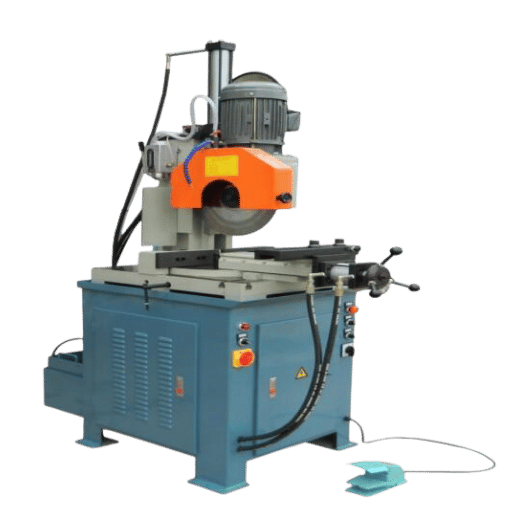
Circular saws are great cutting tools, designed to give precise straight cutting to wood, metal, or plastic. It comprises a motor to rotate the blade, a base plate to stabilize the tool, and depth and bevel guides for adjustments. In operating the circular saw, one should know the components at least, mainly the blade guard for safety and the trigger switch for control.
⚠️ Important Safety Note
Always identify the blade type to ensure it matches with the material to be sawed and check to confirm that it is sharpened and secured before starting any work.
🔧 Parts of a Circular Saw
⚙️ How a Circular Saw Works
The saw cuts by having a toothed blade rotate at a very high speed to cut through the material types. Once the trigger switch is pressed, power will be given to the blades through the motor causing the blades to spin. The user will move the saw along the materials being cut, using the base plate for support and stability. Pre-operation adjustments in bevel angle and cutting depth can be followed along and carried out to make sure the right cut is made. In safety measures, the blade guard covers the blade when it is not in operation.
🔪 Circular Saw Blade Selection
🪵 Wood Cutting
Use blades with fewer teeth for fast, rough cuts, and fine-tooth blades for smooth finishes.
🔩 Metal/Plastic
Use specialized blades labeled as “metal-cutting” or “plastic-cutting” for these materials.
Important: The diameter of the blade and its arbor size must always be checked to match the saw’s required specification to keep the operation safe.
Essential Safety Gear

🛡️ Personal Protective Equipment (PPE)
👁️ Eye Protection
Safety goggles or glasses to shield eyes from flying debris
👂 Ear Protection
Earplugs or earmuffs for extended use of loud machinery
😷 Respiratory Protection
Dust masks or respirators to prevent inhalation of particles
🧤 Hand Protection
Cut-resistant gloves for protection while maintaining dexterity
📊 Safety Statistics
- Proper PPE usage can prevent up to 60% of workplace injuries
- Over 2,000 workers sustain eye injuries daily (CDC data)
- Approximately 22 million workers are exposed to hazardous noise levels annually
Circular Saw Safety Tips
🏗️ Setting Up Your Workspace
- Choose a solid, level workbench that’s large enough to accommodate the saw and material
- Ensure proper lighting to clearly see the cutting line and minimize errors
- Keep tools organized with everything within easy reach
- Clamp or secure the material to prevent unexpected movement during cutting
- Check electrical cables are undamaged and away from the cutting path
- Verify blade condition – sharp, clean, and appropriate for the material
🤸 Correct Stance and Grip
👣 Proper Stance
- Stand with feet shoulder-width apart
- Dominant foot slightly behind cutting path
- Keep knees slightly bent
- Maintain body alignment with the tool
✋ Proper Grip
- Use both hands – main and auxiliary handles
- Hold firmly but not too tightly
- Utilize ergonomic features for comfort
- Maintain loose but secure grip
💡 Pro Tip
Research findings suggest that a proper grip and stance can improve cutting accuracy by as much as 30%, while also protecting the operator from injury, particularly when making intricate cuts or working with dense materials.
⚡ Understanding and Preventing Kickback
⚠️ What is Kickback?
Kickback occurs when the cutting edge is suddenly clamped or pinched, causing the operator’s saw to be forcefully and suddenly pushed back into the operator. Severe injuries can occur if precautions are not taken.
🛡️ Prevention Methods:
🔧 Equipment Features
- Use saws with a chain brake
- Ensure the riving knife is in place
- Utilize low-kickback chains
✋ Proper Technique
- Hold with both hands always
- Keep the body away from the kickback zone
- Avoid cutting with the nose of the bar
🔍 Material Inspection
- Check for nails or debris
- Identify knots in wood
- Ensure the blade is sharp
📈 Safety Improvement Statistics
Proper training and best practices can reduce kickback incidents by 30-40% in workplace environments.
Step-by-Step Guide to Operating a Circular Saw
📋 Preparation for the Cut
🔧 Pre-Cut Checklist
✅ Blade Inspection
- Check for wear or damage
- Ensure blade is sharp
- Verify proper installation
🔒 Material Security
- Clamp material firmly
- Check for stability
- Inspect for imperfections
📏 Depth Setting Rule
Set blade depth to approximately 1/8 inch beyond the thickness of the material for optimal safety and cutting performance.
📊 Performance Benefits
- Sharp blade improves cutting precision by 25%
- Proper material stabilization prevents kickback
- Clean workspace reduces hazards by 20%
📏 Making a Rip Cut
A rip cut acts by splitting a wooden board along the grain into two narrower pieces. For this cut to be performed skillfully, setup and technique should be of the utmost importance.
🎯 Key Steps:
- Set up the fence: Measure width accurately and clamp firmly
- Use safety tools: Employ push-sticks and push-blocks for control
- Maintain feed rate: Keep consistent speed of 1-2 inches per second
- Check material: Inspect for knots, warps, or imperfections
- Provide support: Ensure infeed and outfeed support for long boards
🎯 Accuracy Improvement
A sharp blade can increase cutting accuracy by up to 30% while significantly reducing motor strain and energy consumption.
📐 Making Straight Cuts
📝 Preparation Steps
- Select appropriate blade for material
- Use tape measure and straightedge
- Mark clear guideline
- Set up cutting guide or clamp
⚙️ Cutting Technique
- Lock base plate against guide
- Maintain constant speed
- Apply even pressure
- Never force the saw
💡 Modern Features
Many circular saws now offer laser guides or built-in LED lights to facilitate visibility and alignment, especially in dim working conditions.
Common Mistakes to Avoid
🔪 Improper Blade Usage
❌ Common Errors:
- Using wrong blade for material
- Not replacing dull blades
- Blade misalignment
✅ Best Practices:
- Match blade to material type
- Regular blade inspection
- Proper alignment verification
🚫 Ignoring Safety Protocols
📊 Impact Statistics:
- 70% of accidents from neglecting safety
- 50% injury reduction with proper PPE
- 3-4x higher reactive maintenance costs
Always follow OSHA compliance standards
🔧 Neglecting Maintenance
📈 Maintenance Benefits:
- 12-18% additional uptime
- 20-30% fewer breakdowns
- Lower operational costs
Regular maintenance prevents 75% of equipment failures
Frequently Asked Questions (FAQs)
🎯 Key Takeaways
🛡️ Safety First
Always wear proper PPE, inspect your equipment, and maintain a clean workspace for optimal safety.
🎯 Precision Matters
Proper blade selection, depth settings, and cutting technique ensure accurate, clean cuts every time.
🔧 Maintenance is Key
Regular inspection and maintenance prevent accidents and extend the life of your circular saw.
📚 Reference Sources
🏫 Dartmouth College
Comprehensive manual on circular saw safety considerations and blade selection guidelines.
🌽 Ohio State University
Safe operation tutorial for portable circular power saws and workplace safety protocols.
🚀 Ready to Start Your Project?
With proper knowledge of safety and techniques, your circular saw will become one of your most essential woodworking tools. Always remember to prioritize your safety and maintain suitable working conditions for the tool, as well as employ proper cutting techniques to achieve optimal results.
⚠️ Always consult your saw’s manual and follow the manufacturer’s guidelines for specific safety requirements and operational procedures.