




When it comes to achieving exceptional finishes and utmost dimensional accuracy, the cylindrical grinding machines are tools of paramount importance. These machines are highly accurate in their functions and are used predominantly when the component requires a perfect finish and dimension. But with various types of cylindrical grinding machines, how will you know which is best for your type of job? This guide takes you deeper into the exotic world of cylindrical grinding, exploring various types of machines and their respective capacities. Whether you are an industrialist seeking a finer touch in your processes or one looking to expand your knowledge of precision engineering tools, this article aims to be a comprehensive guide to help you make an informed decision. Embrace yourself for insights into the nitty-gritty and applications of these forceful machines!
Understanding the Centerless Grinder
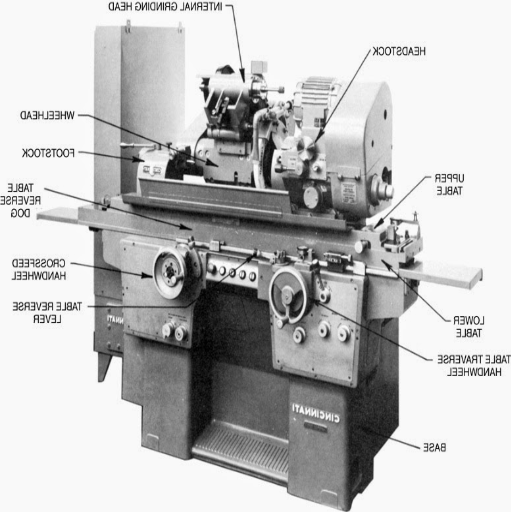
What is a Centerless Grinding Machine?
At its base, a centerless grinder is set up to erode material from a workpiece surface by abrasive action. Centerless grinders do not hold the workpiece between centres, nor do they chuck it in a spindle, unlike traditional grinders. The workpiece rests against a regulating wheel that controls its rotational speed and an accompanying support blade that holds it in place. The grinding wheel, mounted opposite to these, takes away material from the workpiece.
High-speed production capacity and maintenance of very precise cylindrical surfaces are significant advantages of this process. Typical products include pins, rods, and tubing. Centerless grinding is widely applied to the automotive industry, aerospace, and general manufacturing. In consequence of improvements in the areas of automation and control, present-day centerless grinding machines can address precision in an even higher order, offer reduced cycle times, and provide finer surface finishes while conforming to the complex engineering demands of modern times.
Key Components of a Centerless Grinder
Centerless grinders consist of integral components that work together to accomplish precision grinding with minimal operator intervention. They are:
Grinding Wheel
Grinding wheels are abrasive tools mainly used for material-removal processes. The work would be ground down to shape and surface finish by means of high-speed rotation. Modern grinding wheels use superior abrasive materials such as aluminum oxide, silicon carbide, or diamond for greatly enhanced performances and service life.
Regulating Wheel
The regulating wheel controls the rotation and linear feed of the workpiece. It turns much slower than the grinding wheel and passes the workpiece through the machine at an inclined position. Changing the angle and speed will result in the required surface finish and accuracy.
Work Rest Blade
It supports the workpiece during the grinding process. The ground between the grinding wheel and the regulating wheel must ensure the stability of the workpiece and proper alignment between the wheels. Typically, the blade material is selected for minimum wear and greater rigidity. Carbide-tipped blades might be used in heavy-duty operations.
Bed and Base Frame
The bed with a base frame provides firm support that absorbs vibrations and maintains alignment between components. Choice of high-grade materials and proper design are essential so that it performs consistently while wearing away very slowly.
Control System
In modern centerless grinders, control systems are installed to allow setting of parameters such as wheel speed, feed rate, and cycle time. Their members may be PLCs or CNC controls, enabling more automation and customization, which leads to better accuracy and repeatability.
Coolant System
The coolant system is of utmost importance for maintaining thermal stability and averting overheating during a grinding operation. It extends the tool’s life, improves the surface finish, and protects against thermal distortion by providing a continuous flow of coolant to the workpiece and the grinding area.
Wheel Dressing System
The wheel-dressing system ensures that the grinding wheel is dressed correctly, allowing it to perform optimally during the grinding operation. Modern machines feature automatic wheel dressing systems that consistently perform wheel dressing operations to achieve an equal material removal rate and exact dimensions.
Together, these components make centerless grinding machines very accurate and efficient, making them indispensable in industries that demand high-volume, precision-engineered parts.
Advantages of Using Centerless Grinding Machines
Centerless grinding very good equipment has several advantages and is therefore preferred by precision manufacturing and high-volume production. Foremost comes accuracy and consistency in measurements. Almost no operator intervention is needed, so variability is kept at a minimum, and hence, part dimensions remain extremely repeatable, for no workholding fixture is needed in this method.
Another benefit is their effectiveness for big production runs. Faster than any other process and capable of working on multiple parts simultaneously, centerless grinding machines generate maximum throughput with the highest precision. Moreover, these machines grind a wide range of materials, including metals, ceramics, and composites.
Despite all other things, centerless grinding machines very well provide better surface finishes. Modern centerless grinding machines, equipped with features such as auto-adjustment and in-process monitoring, enable them to optimize grinding conditions throughout the process, resulting in a superior surface finish free from defects and other class errors. The right choice of grinding parameters also helps reduce material scrap, particularly when very tight tolerances are applied and grinding is performed with good stock-removal efficiency.
Being the latest technological advances (say, auto dressing and data collecting systems) lend an edge to better operational performance. The uniform removal rate, extended tool life, and minimum downtime together form good economic grounds that aerospace, automotive, and medical device industries can benefit from. To conclude, centerless grinding machines go beyond precision by adding speed and flexibility, which are fundamental ingredients in the recipe of any up-to-date manufacturing set-up.
Types of Cylindrical Grinding Machines
Traditional Cylindrical Grinding Machines
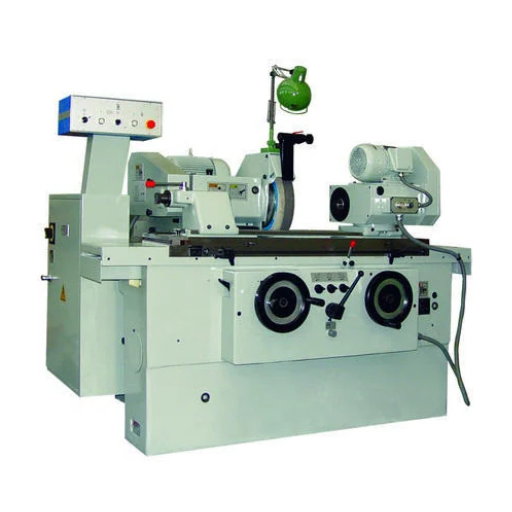
Traditional cylindrical grinding machines have been generally employed for exact shaping and finishing of external or internal cylindrical surfaces. While the workpiece is rotated and held either by a chuck or between centers, the grinding wheel also rotates in a direction opposite to the workpiece to remove material with maximum accuracy.
The latest technology leads to much-efficient machines that contain computerized control systems combined with automation and adaptive technologies. The machines mostly consist of CNC control today, offering manufacturers the utmost accuracy and repeatability from one production run to another. And these are designed to work on various materials, such as steel, aluminum, and composites, thereby serving the automotive and aerospace industries.
Regarding performance, there are now models that facilitate operations between multiple processes, combining grinding with finishing or polishing to save time and resources in a single setup. Precision is often measured in microns, measuring traditional cylindrical grinding a matter of stringent tolerance in critical components like shafts, bearings, and gears. These advancements keep traditional cylindrical grinding machines as an essential tool during manufacturing, whether in small or large batch quantities.
Centerless Grinding Machines
Centerless grinding machines are the most modern methods of machining and thus provide higher efficiency and precision on a cylindrical component. These machines keep the workpiece between the grinding wheel and regulating wheel; hence the workpiece does not need to be clamped or centered. This special setup may provide faster cycle times and, therefore, produce higher quantities without compromising accuracy.
Due to its highly flexible nature, centerless grinding can be performed on almost all kinds of materials-from metals to ceramics and composites. Therefore, it finds utmost importance in industries like automobile, aerospace, and the manufacture of medical devices. Bridged with modern technology, automation, and control methodologies for improved performance are the next-generation and latest-type centerless grinders fitted with real-time monitoring and adaptive control systems. Hence, operations can be adjusted-in real time-if they threaten tolerances being set for a particular operation that is of prime importance to ensure constant quality.
Centerless grinding machines nowadays are equipped with energy-efficient motor systems and an optimized coolant delivery mechanism. These features help slash the costs of operation while promoting sustainable manufacturing. In either producing massive industrial pins or minuscule medical components, centerless grinding revenue processes remain the benchmark for precision and efficiency.
Specialized Grinding Machines
Specialized grinding machines are designed for highly specific workshop requirements, resulting in tailor-made solutions for unique applications. Tool and cutter grinders are used in the production and sharpening of cutting tools to a very high level of precision, ensuring that the cutting tools can perform their machining operations satisfactorily. Gear grinders, on the other hand, are designed for the precise process of finishing gear profiles to higher standards of accuracy and smooth operation within gear systems.
Having converged with general end capabilities and the trend of automation, working digitally with older specialized grinding systems has produced even higher optimization. CNC integration renders the controls programmable and precise for complex grinding operations while the real-time monitoring system maintains constancy in the process and minimization of downtime. These newest technologies, being deployed with diamond and CBN grinding wheels, would serve well to increase their efficacy in extremely demanding industries such as aerospace, automotive, and medical device manufacturers.
By combining adaptability with cutting-edge technology, specialized grinding machines not only ensure unparalleled performance but also empower manufacturers to meet the increasingly stringent demands of modern industries.
Enhancing Productivity with Centerless Grinders
The Growth Factors of the Productivity
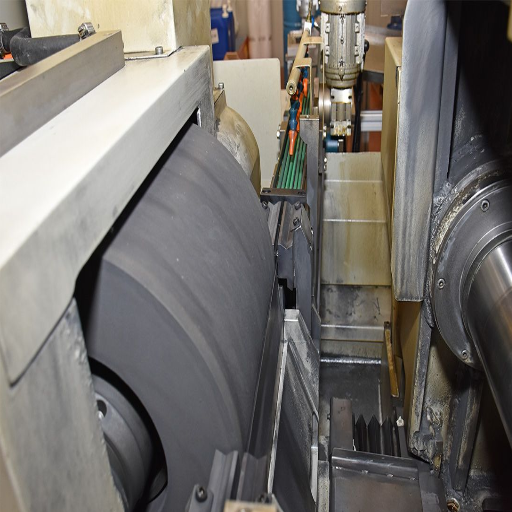
The centerless grinders are crucial for achieving absolute precision and high volume in manufacturing operations. There are several cusp factors, each bolstering performance and throughput:
-
Advanced Automation
The addition of an automatic system can enhance the productivity growth of centerless grinders. Robotics, involved in loading and unloading parts and in-process gauging, will reduce manual intervention, minimize errors, and maintain machine precision during extended runs.
-
Good-quality Grinding Wheels
Another factor that must be taken into consideration when choosing a suitable grinding wheel is its impact on the grinding process. Spiral-bonded diamond or cubic boron nitride (CBN) wheels generally improve the material removal rate, prolong the life of the grinding wheel, and thus offer an improved finish for some of the harder materials, such as superalloys or hardened steels.
-
Dynamic Balancing Systems
Imbalance in the grinding wheel causes vibrations and precision issues. The dynamic balancing systems ensure adequate stability of the wheel during operation, producing smooth finishes, preventing excessive wear on machine elements, and ensuring uninterrupted high-speed operations.
-
Better Machine Rigidity
The robust machine structure generates minimal vibration and deflection, even during the heavy-duty grinding process. Increased rigidity will thus enhance accuracy and machine life by reducing internal component wear.
-
Temperature Control Systems
Heat generation in the grinding process must be adequately controlled to ensure the integrity of dimensions and surface finishes. The modern type of grinders comes with a cooling and lubrication system that controls the grinding temperature, thereby maintaining thermal consistency and preventing deformation of the material.
-
Customizable Configurations
Providing machines with configurations tailored to specific applications fosters productivity. Work rest blades should be adjustable; tools should be interchangeable; and feed mechanisms should be adaptable to allow the machines to accommodate a wide range of part geometries and material properties.
-
Computerized Control Systems
Utilizing the CNC system enables complete control over grinding parameters, including speed, feed rate, and depth of cut. The automated system control ensures the process is optimized, thereby eliminating cycle time, while maintaining repeatability with high accuracy.
Through these means and constant maintenance and operator training, the manufacturer guarantees the utmost productivity of his/its centerless grinders. Further developments in technology enable the boundaries of what these versatile machines can do to be pushed further, allowing industries to produce superior components efficiently while meeting their changing market needs.
How to Optimize Grinding Processes
Manufacturers should follow several general principles to ensure an effective optimization of grinding processes toward increased efficiency, precision, and repeatability. Usage of modern abrasives, such as newly developed superabrasives like cBN or diamond, ensures superior tool wear abilities and more aggressive cutting cycles. Thus, superabrasive grinding cycles are long cycles when juxtaposed with conventional abrasive-wheels grinding. Proper wheel selection and dressing must be able to uphold the grinding wheel sharpness and good condition for longer grinding sessions.
Being a device security and real-time monitoring system, productivity is paid for. These systems function by intermittently monitoring parameters such as wheel wear, temperature, or vibration. In competently advanced technologies, inefficiencies can be detected and rectified before costly downtime or quality inconsistencies have to be paid. CNC operations are a step higher in the direction of this concept, offering a transparent view of how much control human error has on a process.
Another way to optimize is through a coolant strategy. The correct flow rate and pressure, or the right type of coolant, should reduce heat generation, thermal damage, and improve material removal rates. Having a system to filter your coolants will go a long way in ensuring clean operation, thus extending the life of the system and preserving surface integrity during grinding.
In the ground-thinking approach, one channel for increasing all kinds of performances is benefited from. Examining operational indices using such smart software packages enables them to fine-tune setting parameters, identify bottlenecks, and ensure continuous product quality. Hence, due to the above-mentioned platform features combined with employee retention training, grinding work will still reflect its terms of scalability, competitiveness, and industry demand.
A Comparative Analysis: Centerless and Conventional Grinding
Among the more widely used methods of manufacture, the one that likely fits all advantages depending on the purpose of manufacture. Centerless grinding proves impeccable when very high-volume production requiring high-level precision and efficiency is called for. The centerless grinding operation removes the workholder so that parts can be continuously fed in between the grinding wheels, leading to very rapid processing rates. It is usually applied towards tubes, pins, and shafts in cylindrical mechanical parts.
Conventional grinding remains a reliable method for applications that require intricate shapes or flat surfaces, as it offers greater control over the workpiece geometry. Using all types of grinding wheels with various machine configurations, conventional grinding offers versatility for materials and designs that require fine detail or precise angles.
In terms of productivity, a number of studies pointed out centerless grinding as capable of reducing cycle time in industries like automotive and aerospace, which in turn leads to higher throughput. Automation generally improves ergonomics by putting a barrier between the operators and the process, which reduces chances of human error; this is true in a number of different procedures, notably centerless ones. On the other hand, conventional grinding remains lazy, often best for job work, and may indeed be slower when working with complex geometries requiring more specific handling and processing.
Centerless grinding typically provides a consistent surface finish because the workpiece is subjected to a continuous abrasive process, making it more suitable for achieving a high-quality finish on a large scale. In contrast, conventional grinding allows flexibility in switching parameters such as wheel speed and in the rate of material removal, which means that traditional grinding may be preferable if particular surface properties are required.
Both are equally important in manufacturing, and the deciding factors include the volume of production, the complexity of part geometry, and the choice of surface finish. The strategic use of a combination of various techniques would enable manufacturers to achieve a good balance between speed, accuracy, and cost-effectiveness, depending on the specific product requirements.
Preventive Maintenance for Grinding Machines
Importance of Preventive Maintenance
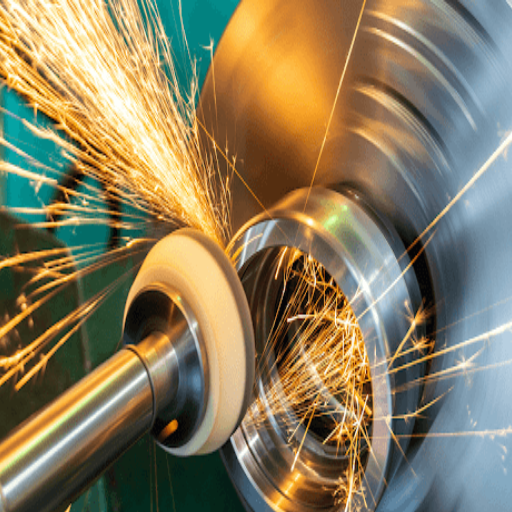
Any grinding machine needs topping up with regular preventive maintenance for utmost performance and durability. Earlier, some possible defect could have been detected well in advance had the respective preventive maintenance schedules been adhered to for the machines; otherwise, a failure may occur within days or really take ages to happen, costing one much on downtime or repair. Checks include inspections on wear components, lubrication to moving parts, and alignment of various machine systems. Good maintenance of this grinding machine through fine preventive maintenance will allow the manufacturer to keep a high standard of production and meet deadlines proficiently while assuring reciprocative reliability.
With these new findings, preventive maintenance could be considered a downsizing avenue; some data suggest up to a twenty percent reduction in operational costs for firms practicing preventive maintenance. Today, several predictive tools and monitoring systems track machine status in terms of health so maintenance can be scheduled as required, without disturbing production cycles. These developments have improved machinery efficiency and even altered workplace safety toward becoming safer, as they reduce accidents from equipment failure.
Maintenance Tips for Centerless Grinder Maintenance
Maintenance of centerless grinders is crucial for achieving satisfactory performance and extending the equipment’s lifespan. Some practical and helpful maintenance tips to keep the machines in good condition are listed below:
-
1
Regular Cleaning and Lubrication
At the end of each work period, be sure to wash down the machine thoroughly to prevent debris buildup that could clog the machine, cause irregular surface grinding, or damage certain components. All moving parts ought to be lubricated to lessen friction and wear. Preferably, use the lubricants recommended by the manufacturer.
-
2
Inspect Key Components Frequently
Monitor components prone to wear, such as grinding wheels, regulating wheels, and guide plates. Replacing worn or damaged parts will ensure that operations continue to remain precise and efficient.
-
3
Wheel Alignment
Proper alignment between the grinding wheel and the regulating wheel is critical to the accuracy of operating results. Inspect alignment regularly and recalibrate as needed to avoid defects in the product under manufacture or strain on the machine.
-
4
Cooling System Maintenance
Ensure the cooling system is working effectively to prevent overheating and maintain the integrity of the grinding process. Change or clean coolant filters and screens frequently for good flow.
-
5
Monitor the Machine Vibration
Possibly a significant vibration indicates bearing wear, misalignments, or imbalance in wheels. Utilize vibration monitoring devices to detect irregularities early, allowing for adjustments before they become substantial maintenance issues.
-
6
Automate and Utilize Predictive Maintenance Tools
Utilizing modern tools, such as real-time monitoring and predictive maintenance software, can be an effective way to address issues before they escalate into a breakdown. Automated sensors provide data points such as temperature, vibration, and wear patterns, which can then be used to plan your maintenance schedules optimally.
-
7
Operator Training
Correct training enables the operators to use the machine correctly and within its intended capacities. A well-trained operator may also spot a problem early, preventing unnecessary downtime and costly repairs.
-
8
Scheduled Professional Servicing
Schedule regular inspections by professionals. They may conduct advanced testing, recalibrate the machine after testing, and replace internal parts if necessary to ensure the grinder operates at maximum efficiency.
Following these maintenance tips may increase the productivity of any company, reduce unplanned shutdowns, and lead to a higher return on investment in centerless grinders. By proactively attending to the upkeep of their equipment, companies can ensure equipment reliability and reduce safety risks in the work environment.
Replacement Parts and Their Role in Longevity
Replacement parts play a vital role in extending the working life of centerless grinders, enhancing their performance. The strongest of components will eventually wear out owing to continuous operation and heavy usage. Main components requiring inspection and replacement, at regular intervals, to maintain performance and precision, include grinding wheels, guide rollers, and spindle assemblies.
Replacement parts should be OEM quality to assure compatibility with existing systems. Also, timely replacement of parts prevents complete machine failure from taking place, thus avoiding unforeseen downtime and repairs at huge costs. For instance, immediately exchanging grinding wheels nearing critical wear for new ones will help achieve maximum material removal rates while maintaining the consistency of the finished product.
All companies should maintain an essential inventory of spare parts and implement a predictive maintenance strategy tailored to the usage patterns of the machines in question. Integrated with diagnostics and online monitoring platforms, businesses can operate preventively and pursue replacements to avoid any deterioration in their centerless grinders in terms of longevity and performance.
Common Issues and Troubleshooting in Grinding Machines
Common Problems Faced in Cylindrical Grinding
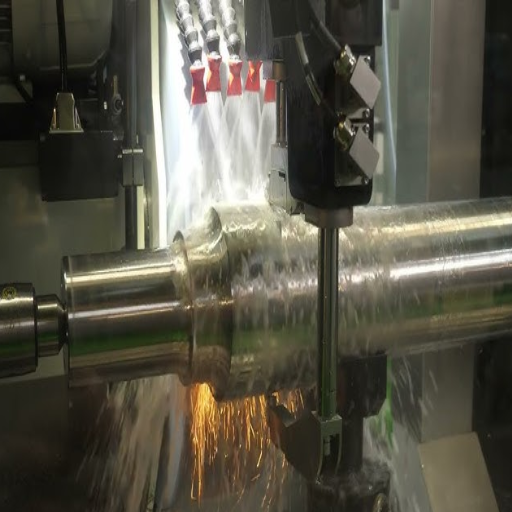
During cylindrical grinding, several issues arise that may obstruct the grinding operation or affect the surface finish of the workpiece. Wheel wear, or even the selection of the wheel, could be the most common problem encountered. A worn or contaminated wheel, if it is loaded with dirt, will not cut well and subsequently give a poorer finish. Proper selection of the wheels, materials, and grit size is the key, as it will greatly affect precision or performance. I make it a point to regularly dress the wheel so it remains effective and does not wear unevenly.
Another problem I constantly encounter is the deflection or vibration of the workpiece during grinding. These situations arise from an improper alignment of the machine, weak or loose fixtures, and poorly supported workpieces. To remedy the problem, I always set the machine operation excellently with every fixture tightened securely, while the workpiece is supported properly. At times, I change the speed of the grinding wheel to reduce vibrations and offer more stability to the grinding.
Finally, getting the correctly dimensioned piece can be one very challenging issue. Some of the usual problems that may arise dimensionally are thermal expansion of the workpiece, misalignment in the machine component, and wrong setting. So, I would control the temperature of the grinding environment and give the machine enough time to warm up before conducting any critical operation. Regular maintenance and occasional realignment of machine parts keep them well aligned and precise. Once one tackles these very basic issues directly, the results come in well, and it improves the efficiency within the performance of cylindrical grinding.
The Art of Effective Troubleshooting
In dealing with any problems encountered in cylindrical grinding, the first consideration and the very first step should always be to identify the root cause through systematic observation and data collection. With that, I would take a very close look at the workpiece and watch for any anomalies like chatter marks, surface finish problems, or dimensional errors. That information would point to specific cases in the process that may need some changes: for instance, the condition of the grinding wheel, coolant flow, or machine settings. I would also make sure to dress the grinding wheel; a wheel that is either uneven or clogged would hamper the surface finishing operations above all else.
Grinding minimal subtraction should be substituted with parameter checks in maintaining the grinding process. Any deflection introduced into the system by a misalignment or a workpiece poorly clamped between the centers can introduce vibrations or misalignments, which have to be considered. Speed for the spindle is checked, feed rate is checked, and depth of cut is checked-they are always set on values according to the material and application. One can usually solve any problem relative to performance with a reference for these parameters without heavy downtime.
Finally, there is an emphasis on methods that prevent processes from ever encountering problems again. A sanitary environment must be maintained; one should routinely inspect machine parts for wear and tear, while all-important coolant systems must fulfill their duty in cooling the workpiece completely. Through methodical troubleshooting coupled with preventive maintenance, consistency is eased and amplified with the real results being minimized by the downtime of the machine.
Getting Professional Services for Repair
Knowing if you must call for professional repair service is life in the maintenance and smooth operation of machinery. Although I try to solve problems through lots of systematic troubleshooting, there are times when one would have to do it by prompt resolution. If the matter in question involves some complicated electrical system or the use of special software diagnostics programs, or if mechanical components are complicated enough that they must be sorted out by an experienced technician with special tooling and expertise, I have learned that it is best not to risk a DIY job and call in the professional.
The situation when repairs keep recurring and a temporary one no longer suffices to address the very root of the problem is one more reason for an expert intervention, though not the only one. After adjustments and maintenance worked out to the best possible extent, if the machine keeps breaking down again and again, then that is usually an indication that something serious is going wrong that needs farther investigation. Professionals may also come in and bring a new perspective to less obvious problems that lead to recurring failures apart from their technical excellency.
Finally, I think about what goes into the cost-benefit spectrum. If diagnosis and repair would significantly increase downtime or just expose a spotting hazard to more damage, it would truly make sense to get the best repair guy for the job from the view of time and money. Being aware of my set of limitations enables me to sort out my activities with the help of experts; this keeps all machines fairly reliable, supports productive activities, and ensures excellent performance above all. Doing so further increases operational efficiency and, more importantly, prepares the ground for equipment service life.
Reference Sources
-
A Comprehensive Guide to Cylindrical Grinding Machines – Universal Grinding
Explains the use of cylindrical grinding machines for producing various external cylindrical surfaces. -
Choosing the Right Cylindrical Grinder: What to Look For – EMAG
Offers insights into selecting the ideal cylindrical grinder for manufacturing needs. -
Cylindrical Grinding Machines: Understanding Their Types – Made-in-China Insights
Discusses the different types of cylindrical grinding machines and their applications in precision manufacturing. -
A Guide to Buy Cylindrical Grinding Machines in 2023 – Micromatic Grinding
Highlights the role of cylindrical grinding machines in achieving accurate and intricate shapes. -
Cylindrical Grinding Machine: Diagram, Parts, Working – Testbook
Provides a detailed explanation of cylindrical grinding machines, their types, and applications.
Frequently Asked Questions (FAQs)
Is there anything I can do that will keep my centerless grinder running smoothly?
In an effort to keep a centerless grinding machine working optimally, the machinery must undergo thorough maintenance. Check on a regular basis the hydraulic systems for the proper function of the lubrication system. Assessment of the grinding wheel condition and the regulating wheel condition is essential since these states can heavily influence operation through wear. Instituting a preventive maintenance schedule would help you take care of the small problems before they become huge expenditures. Calibration of parts of the machine should also be kept up-to-date so that your workpieces remain acceptable from a roundness and surface quality standpoint.
What are the major parts to consider in the maintenance of a centerless grinder?
Grinding wheel head, the spindle, and the hydraulic system are some concerned components when it comes to centerless grinder maintenance. Bearing and gib inspection must be done regularly to avoid misalignment and get the best performance. Coolant system checks are also necessary, with the coolant system cooling down and keeping the grinding process efficient. Checking if the machine door closes properly acts both as safety and operation consistency. By concentrating on these parts, you will contribute to a longer life for the centerless grinding machine.
What are some tips on maintaining a grinder?
Some practical design considerations for grinding machines include changing the oil and coolant regularly to allow the best machine performance. Cleaning the machine with a clean cotton cloth will keep dust and dirt from settling into the moving parts-things that would very quickly cause wear. Maintenance checklists are useful in helping machine operators to note the most important things to do and identify potential problems at a very early stage. Checking the hydraulics from time to time and keeping it adjusted to avoid untimely downtime due to hydraulic failure should be considered. Lastly, replaceable parts have to be replaced for the smooth working of the machine.
How do I repair a centerless grinder?
Centerless Grinder Repair begins with identifying specific defects that affect the operation of the machine. The problems are commonly faced due to misalignments usually caused by gibs or bearings. If your machine door is improperly closing, or you notice anomalous wear, then it is time to seek an expert opinion from a repair center like GCH Tool for any replacement parts or upgrades that may make your machine more efficient. With regular maintenance, repairs will be less frequently needed, but, whenever required, repairs should be done without delay.
What does a preventative maintenance schedule contain for a centerless grinder?
The preventive maintenance schedule for the centerless grinder should comprise checking certain key components regularly, such as the grinding wheel, regulating wheel, and the lubrication system. Also, checking hydraulic systems on a random basis for the purpose of maintenance might prove worthwhile. Maintenance records describing replacement parts or adjustments may be useful when evaluating the performance of the machine over long periods. Likewise, maintaining the flow of coolant or preventing overheating would be another stagger for lessening the life of the machine. Another primary schedule involves cleaning the machine thoroughly from abrasive dirt that may shorten its life.
In what way does proper lubrication affect the performance of a centerless grinding machine?
Centerless grinding machines can work smoothly only when proper lubrication is given. Friction due to moving parts causes wear and tear over a period of time. A proper lubrication system, therefore, serves oil to critical parts like the spindle and bearings to cool down those components. Any failure of the lubrication system would cause these parts to overheat to such an extent that it may have to be considered a failure of the concerned components. So, keep your lubrication system under observation; when found to be insufficient, top it up. This will make sure your machine works with all its efficiency and also will increase its lifespan. Apart from this, proper lubrication will also improve the grinding efficiency, wherein one can achieve an even better finish on the workpieces.
Master the Art of Precision Grinding
From understanding the intricate components of centerless grinders to implementing effective maintenance strategies, this comprehensive guide equips you with the knowledge needed to excel in precision manufacturing. Whether you’re optimizing existing processes or selecting new equipment, the insights provided here will help you achieve exceptional results in your grinding operations.