




Vertical machining centers have made a name for themselves in transforming manufacture and now stand as one of the key facilities for industrial productivity. Embracing extreme precision, interesting versatility, and automation, VMCs grant industries manufacturability with efficiency, factoring quality into the calculated equation. The article is therefore set to explain the major benefits and applications of VMCs, taking a little dive into their usefulness in different industries while answering the ever-growing call for higher-performance, cheaper production methods. Hence, for any experienced manufacturer who finds himself or herself exploring advanced machining technologies or entering into the arena, this guide will shed light on how VMCs help foster innovation and cut down costs and time of manufacture, thereby enabling an operator to stay competitive in the fiercely competitive market.
Introduction to VMC Machines
What is a Vertical Machining Center?
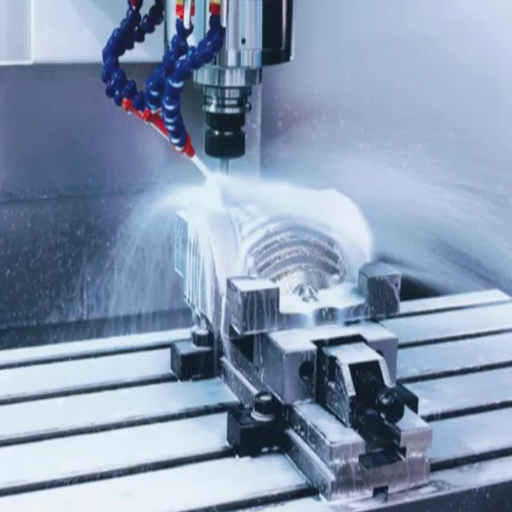
Being a CNC machine with the cutting tool or spindle vertically oriented, the VMCs are deemed very efficient during various machining operations such as milling, drilling, tapping, and boring. Their flexibility and precision earn the VMCs huge demand in automotive, aerospace, electronics, and general manufacturing.
VMCs of the modern generation harness advanced technologies for greater efficiency and precision. These are usually a high speed multi-axis machines with automation abilities of tool changing and robotic loading provides. Thus, 5-axis VMCs being designed today allow the machining of complex geometries whilst cutting down time and resources used in the undertaking via multiple setups. Precision is maintained by means of thermal compensation, real-time feedback systems, etc.
Sharing the larger demand for cheap manufacturings, the adoption of VMCs has increased at an unavoidable rate. Industry insights state the global CNC machine tools market, including vertical machining centers, is going to grow steadily due to the growth in smart manufacturing and further IoT (Internet of Things) integration. This integration facilitates real-time monitoring of data, and it helps to reduce downtime and optimize performance, while quality outputs are always maintained.
By leveraging features, flexibility, and scalability, VMCs become an indispensable tool for industries seeking to remain competitive in this fast-paced manufacturing environment.
VMC Machines: Key Features
Vertical Machining Centers offer a host of advanced features to support the demands of modern manufacturing. Some of the more important characteristics that make VMCs a worthy investment for industries are listed below:
- High Precision and Accuracy: Equipped with promising spindle technologies and rigid tool-holding systems, VMCs excel in terms of precision for intricate machining. Hence, production can consistently be of high quality, even for the most demanding projects.
- Better Considerations for Automation: Now, specific models of VMCs have been equipped with automation-friendly components such as robotic tool changers and adaptive machining capabilities. These features enable lower human intervention, thereby enhancing productivity and efficiency.
- Impressive Spindle Speeds and Power: Equipped with high-speed spindles, a VMC can work with a variety of materials—from softer metals to hard alloys—thereby reducing processing time and expediting production cycles.
- Integrated Smart Manufacturing Solutions: By leveraging real-time data monitoring and IoT connectivity, VMCs detect abnormalities, predict maintenance needs, and optimize performance. All these lead to decreased downtime and operational costs.
- User-Friendly Interfaces: Along with intuitive user interface designs featuring touchscreen controls and customization options, modern VMCs empower users by streamlining machine operation with respect to UI-reactive interference levels.
- Compact and Versatile Designs: To maximize workspace efficiency, VMCs combine a compact design with flexibility. They can be varied on setups, thus allowing manufacturers to address various applications with the same machine.
- Energy-efficient: Today’s VMCs come with energy-conserving devices such as regenerative drive and intelligent power distribution, so that energy consumption can be minimized and the use of energy conservation in manufacturing can be considered.
The application of such modern features instills higher efficiency in manufacturers through reduced waste formation and increased implementability, preparing them for the growing challenges of a highly competitive market.
Evolution of VMC Technology
Rapid technological changes and the need for utmost precision and speed in the industries have impeded the advancement of Vertical Machining Centers. From their inception as simple manual machines, VMCs have evolved into CNC (Computer Numerical Control) machines that perform complex operations with great precision. The machining center with IoT capabilities features smart automation, enabling real-time monitoring of machine performance and facilitating predictive maintenance.
Innovations in spindle technology, such as higher RPM and hybrid spindle options, have combined to transform machining speeds and material compatibility, allowing manufacturers to process a far wider range of materials with greater precision. On the other hand, enhanced software and AI-driven programming tools have reduced the need for manual intervention, thereby greatly improving cycle times and reducing errors.
Sustainability-wise, today’s VMCs are well-versed in energy conservation issues through the use of energy-efficient technologies, including adaptive idle modes and optimized motor designs. They are inherently energy conservation-conscious, without compromising performance. Hence, these improvements address environmental concerns and reduce operating costs for manufacturers.
Due to these innovations, VMCs are setting new standards in machining excellence, aligning with the demands for improved scalability, reduced downtime, and utmost precision from modern industries.
Advantages of Vertical Machining Centres
A Higher Level of Production Capacity and Efficiency
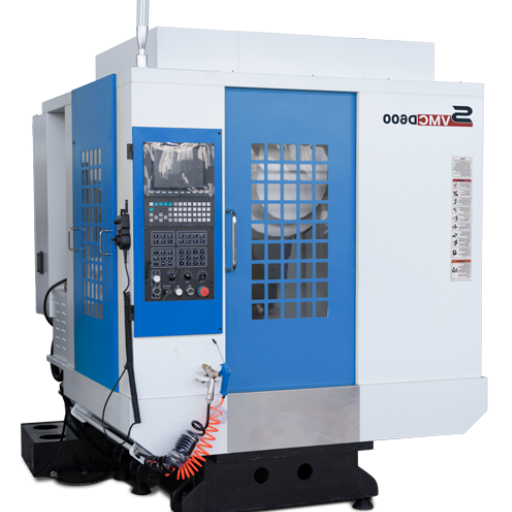
Serving as the hub of manufacturing operations, a VMC ensures a high level of productivity and efficiency. Each is equipped with automation features, such as tool changers and software, designed to give an easy workflow with little to no human interference. Also, due to their compact size, manufacturers can operate several machines simultaneously without any compromise on shop floor efficiency.
VMCs are vital in creating the productivity of operations and health of efficiency. The machines are automatically designed with tool changers and software for easy workflow with almost no manual involvement. These also save floor space so that manufacturers can have more machines in the same area without compromising on efficiency from a shop-floor perspective.
Precision and Accuracy in Manufacturing
One is basically saying that the integration of advanced tools and technology in manufacturing is most important to achieve levels of unprecedented precision and accuracy. For example, CNC machines are computer-aided systems that go about the finish of details up to a tolerance of a few microns, exuding excellent quality for detailed-intensive sectors such as aerospace and medical device production. Likewise, laser cutting and 3D printing are technologies considered to produce intricate geometries and parts that never before were consistently manufacturable through conventional machining methods.
Intellingent analytics and ML algorithms allow for instances wherein deviations from the process parameters are detected, and instant correction is performed, thereby guaranteeing precision. Case studies reveal that maintenance prediction with IoT devices reduces contradictions in operating systems and provides consistent outcomes. In this combination, technologies help manufacturers reduce errors, increase product reliability, and compete in the global market.
Cost-Effectiveness and Time Savings
In a nutshell, IoT and predictive maintenance technologies improve operational efficiency and are pitched to a manufacturer as timely and cost-effective solutions. Businesses mitigate unplanned downtime —meaning losses amounting from thousands to millions per year— via predictive maintenance alternatives that include all means of detecting equipment failure prior to it actually occurring. Industry analysts claim, in their recent reports, that predictive maintenance could diminish the maintenance costs by 30% and avoid breakdowns by almost 70%. With that said, the IoT eliminates bottlenecks in the whole workflow, even lessening manual intervention creating great parity with production schedules; therefore, streamlining the supply chain. This translates to less waste and greater resource allocation, which will help the manufacturer to invest saved funds in innovative and development initiatives.
Applications of VMC in Modern Manufacturing
Industries Employing VMC Technology More Frequently
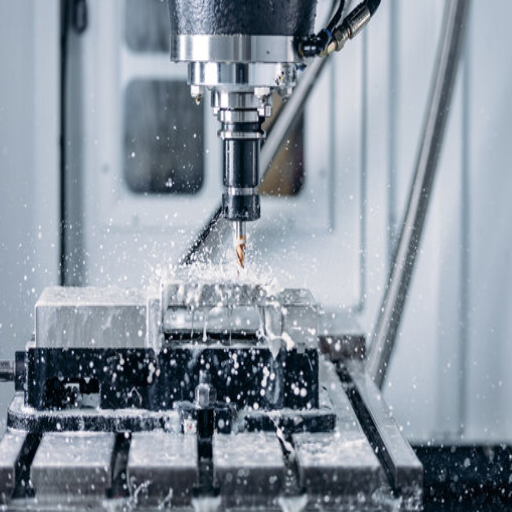
Vertical Machining Center (VMC) technology plays a crucial role in enhancing efficiency and driving innovation across various industries. Here are some of the major sectors in which VMC technology is being utilized:
- Aerospace Industry: This industry requires high-precision components with complex geometries. Bearing on the lightweight dimension, VMCs can work on parts such as turbine blades and structural components and do so with utmost precision time and time again. Hence, by utilizing CNCs of the highest order in VMC systems, manufacturers comply with all the stringent regulatory standards while also increasing production efficiency.
- Industries and applications: The automotive application for VMC involves the manufacturing of engine components, drivetrain parts, and custom prototypes. Through VMC operations, manufacturers are met with the very much-needed flexibility to react instantly to any design changes, aid in the mass production, and maintain the levels of quality required by cutting-edge vehicles. This again becomes eminent as the industry slowly but surely shifts towards electric vehicles and more environmentally friendly options.
- Medical Devices: VMC machines are used by medical devices manufacturers for the meticulous detailing and machining of surgical instruments, implants, and diagnostic equipment, among other products. Tolerances and surface finishes within the VMC systems are enforced strictly to comply with stringent health regulations. Automation, being embedded within the process, heightens the efficiency of VMC-based manufacturing processes, necessitated by the accelerated demand for medical products.
- Energy Sector: The energy sector, including the production of critical components for renewable energy systems, oil and gas exploration, and power generation equipment, requires the use of VMC technology. Precision machining is necessary for the manufacture of turbine blades, hydraulic components, and other parts that require durability and optimal performance under extreme conditions.
- Electronics Manufacturing: VMC technology benefits the fast-paced electronics industry by producing intricate components, including semiconductor casings, circuit boards, and heat sinks. Efficiently working with lightweight materials and complex designs allows manufacturers to meet demands for smaller and more efficient electronic devices.
- Industrial Machinery: Since industrial machinery manufacturers require robust VMC systems to produce sturdy machine parts that function in construction, mining, and agricultural operations, these machines are capable of performing complex machining on heavy-duty materials to make them durable and functional under severe operational conditions.
Within the parameters of these industries, VMC technology has continued to evolve and remains crucial in reducing production time, cutting costs, and in achieving breakthroughs in a variety of applications.
A Closer Look at VMC Application Case Studies
Precision Components for Aerospace
One of the primary applications of VMCs is in the aerospace industry, where precision and reliability are absolute musts. VMCs get used for the fabrication of complex lightweight components such as turbine housings and fuselage parts, to name just a few of the very intricate brackets. The components must maintain the tightest tolerances with unassailable accuracy, to such an extent that the engineering demands of aviation remain at the highest levels in terms of both safety and performance. To cite an example, VMC technology implementation by a leading aerospace engine manufacturer in titanium and aluminum engine parts, applying the new manufacturing method to microns of accuracy and coupled with a 25% cut in production lead time, helped with contract consolidation on stringent quality assurance stipulations that further put them into a competitive edge in the aerospace scenario.
Heavy-Duty Parts in the Automotive Industry
They are utilized in the automotive industry to enhance manufacturing productivity and quality. There are topmost automotive companies that have used VMCs to fabricate key components such as engine blocks, transmission parts, and driveshafts. An interesting case study talked about a car manufacturer with large production volumes, which had used revolutionized VMC technology to manufacture engine cylinder heads very efficiently. Cycle times were optimized, while automation offered 30% more production capacity and maintained quality with fewer defects.
Sustainable Solutions in Renewable Energy
As the renewable energy sector continues to provide technically sustainable solutions, demand rises for automobile VMCs. I VMCs are called upon to perform machining operations for wind turbine components like rotor hubs and generator housings. A company in wind energy has recounted how it employed 5-axis VMCs to machine high-strength steel parts for wind turbines, being the best at reducing material wastage and conforming to the critically stringent environmental specifications. VMCs therefore offer new avenues for sustainable development, duly considering machining precision and environmental concerns, all without compromising on the quality or efficiency of the end product.
The Customized Equipment for Medical Applications
Putting VMCs to work, thereby enabling the fabrication of high-precision, patient-dedicated medical devices and equipment. The field of healthcare saw an increasing demand for customization, from orthopedic implants to surgical instruments. Thus, the medical startup combined 3D modeling software with VMCs to create titanium bone plates tailored to individual patients. This technique produced better surgical results and reduced manufacturing time by 20%. VMCs to set a mark in this field is a clear demonstration of how precision machining merges with cutting-edge medical science innovations.
Increasing Efficiency in Agriculture
Using VMCs, agricultural machinery manufacturers can keep machinery rugged to withstand field conditions. One important agricultural equipment manufacturer employed advanced VMCs to manufacture heavy gears and hydraulic components for tractors and harvesters. This VMC with automation helped reduce labor costs by 15% and increased on-time deliveries by 10% in meeting growing demand in a highly competitive market.
These case studies illustrate VMCs as versatile, efficient, and accurate machine tools employed across different industries. The continuous application of advanced machining technology in commercial operations leads to greater productivity and innovation, thereby sustaining future technological advancements.
Future Trends in VMC Usage
The development of Vertical Machining Centers has been a process of technological evolution along with the changing demands of the industry. Gradually, there has been an increased diversity in the manufacture and engineering of such-type machines with the addition of an IoT element into the VMCs. Once systems remain connected to the cloud, services could be provided, such as real-time monitoring, predictive maintenance, or analytics from data vitals, and, thereby, enabling a business to keep a machine working at peak performance rather than concerning about downtime.
A robust automated environment indeed composes a crucial dimension affecting the future development of VMCs. In fact, with advances in robotics, nowadays the VMC can coordinate with automatic tool changers as well as with robotic arms for material handling. This kind of automation reduces tedious manual operations and, at the same time, ensures that the requirements of aerospace, automotive, and medical manufacturing industries-to-the-most stringent-for repeatability, precision, and quality are met.
Another emerging trend is the increasing emphasis on sustainability in machining operations. For instance, hybrid machining technologies, energy-efficient motors, and adaptive cooling systems reduce energy consumption and optimize resource utilization, aligning with sustainability goals worldwide.
On the software side, CAD/CAM advancements began affecting programming and the deployment of VMCs. Being able to simulate better, use programming interfaces with ease, and go through an AI-assisted process recommendation meant that operators could customize production and speed delivery ever so slightly further in a nice, smooth production workflow. These advances make VMCs the most important machinery for modern manufacturing, outfitted to confront all of today’s operational challenges as well as those of tomorrow.
Comparing VMC Machines with Other Machine Tools
VMC VS CNC Milling Machines
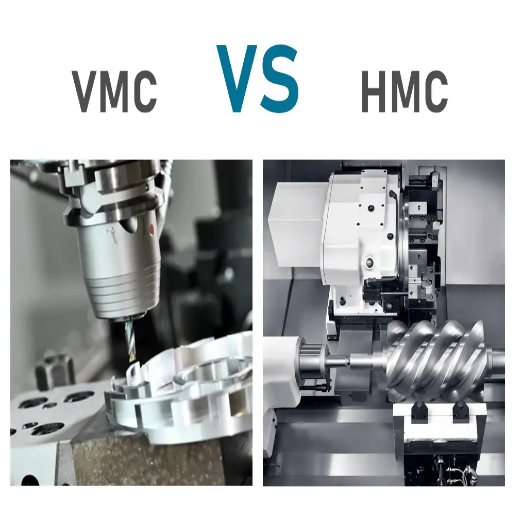
Vertical Machining Centers differ from CNC Milling Machines in a few areas and operate with a degree of interaction between them. Both are advanced tools for precision cutting and milling.
VMCs are a subcategory of CNC machines wherein the spindle orientation is set vertically. Vertically positioned spindles provide better access to operations such as face milling, drilling, and tapping. VMCs produce complex and intricate parts with a high degree of customization needed, alongside efficiency. The more advanced types of VMCs are equipped with an automatic tool changer, a high-speed spindle, and an AI-based monitoring system that allows manufacturers to carry out large works with high repeatability and accuracy.
To put it another way, CNC milling machines belong to a broader class of machines that can be either vertical or horizontal. For one, a horizontal CNC milling machine will have a horizontal spindle. This setup is better suited for heavy-duty cutting and handling workpieces with multiple sides due to its capacity to support larger workpieces. It becomes more suitable for use in aerospace industries and automotive manufacturing. Horizontal setups require more floor space and make the perception of operators more challenging compared to vertical setups.
The demanding speed and flexibility for smaller and more detailed jobs present VMCs as the machinery of choice; whereas CNC milling machines, particularly the horizontal variety, denote the power and capabilities to undertake production at large scales. Selecting a machine indeed depends on particularities of its user: material, production volume, and complexity of the parts being fabricated. With these characteristics in mind, teams parametrize their machining strategy for maximum efficiency at minimum cost-production of precision outcomes intended from their targets.
Advantages and Disadvantages of VMC Machines
| Advantages | Disadvantages |
|---|---|
| Smaller footprint, occupying less production space while delivering high productivity | Limited work envelope due to vertical design, restricting machining of larger or heavier components |
| Exceptional precision and accuracy for intricate details and tight tolerances | Limited tool access for certain operations, requiring more time for complex geometries |
| User-friendly features with short setup times and interchangeable interfaces | Less efficient chip evacuation, potentially affecting surface finish and causing tool wear |
| Specialized for vertical machining operations like face milling, drilling, and slot cutting | Higher maintenance requirements for harder materials or high-volume production cycles |
| Relatively cheaper than horizontal machining centers | Maintenance disruptions can affect overall productivity |
By joining all these pros and cons, one can certainly determine the suitability of VMCs to their production requirements and long-term objectives.
Choosing the Right Machine for Your Needs
Consequently, VMCs find use in setting a standard with speed and flexibility for small machining manufacturing tasks; while CNC milling, particularly the horizontal type, stands for power and capability in larger-scale production. Either way, it will depend on what suits the manufacturer, including materials, quantities, and the intricacy of parts to be made. With these differences distinguishing the two, the teams could tailor machining facilities to maximize efficiency and lower the costs that directly translate into the precision outputs from which the targets have conceived.
VMCs have typically been chosen for jobs that require speed and flexibility for smaller and delicate manufacturing tasks, whereas CNC milling machines- particularly horizontal ones- speak of power and capacity for larger-scale production. The right machine is chosen depending upon the manufacturer’s need, such as the material, the volume of production, or the particular complexity of the parts under fabrication. With differences like these, teams are able to develop machining strategies worth their while in cost and hours so they may stretch out to meet the precision that has been intentionally assigned to them.
Examining the machine’s capabilities reveals advanced features, such as built-in automation and pallet changers, or coexisting multi-axis machining, which could significantly enhance productivity and scalability for future growth. For instance, the 5-axis machining center can produce complex geometries in a single setup, hence reducing lead times while improving accuracy.
Below are some of the costs of maintenance that really can rub in and be noticed by an observer. High tool wear or frequent maintenance requirements can weigh on the overall cost of ownership over a period of time. For this reason, one must weigh all options from a long-term perspective according to the initial investment against operating savings. A very careful consideration of these parameters will allow a company to buy whichever machine best suits its purpose in production at the least cost.
Conclusion: The Role of VMC in Enhancing Productivity
Summary of Key Advantages
In my opinion, the most significant advantage is that these vertical machining centers can manufacture with precision and efficiency simultaneously. VMCs are generally regarded as machines that operate with precision due to their ability to produce fine, intricate parts or perform complex tasks. The precision is such that it significantly reduces the likelihood of deviation and material wastage. This leads to their wide range of applications in different fields of manufacturing, including aerospace and automotive industries, which require top-grade products and utmost flexibility.
The maintenance and running costs are also a prominent aspect to be noticed. Hence, throughout the course of time, a machine that has a high tool wear rate or has frequent maintenance would be a cost in itself. Thus an operator must consider all pertinent factors over time, weighing up investment against operational savings. When a long list of such parameters is considered, a manufacturer has to make an informed choice of a machine to serve his production goals in the cheapest way possible.
Final Thoughts on VMC Applications
In my perspective, the VMC comes across as versatile and accurate to the point of bringing perfection into several businesses. From the other side of the fence, dealing with complex processes with accuracy and precision allows manufacturers the option of making further alterations to a process workflow either by directly balancing bottlenecking issues. Added to this are automation processes that ensure fast production cycle times in CNC machines and the ability to deliver acceptable quality consistently-to epitomize any competitor.
Besides performance, cost-effectiveness cannot be overemphasized concerning VMCs. There is an immediate justification, and subsequently, a long-term financial advantage, as the machine reduces labor costs and increases output. What appeals to me quite a lot is the fact that VMCs do both high-volume and custom production with ease and all in great production schedules. This flexibility allows companies to satisfy varying demand types.
A company that utilizes all the capabilities of a VMC thus has the potential to achieve tremendous improvements in its production standards. Whether it’s lending efficiency, cost savings, or better quality results, VMCs are always a great set of tools to rely on due to their versatility. Investing in some of this technology will not only enhance your working capabilities but will also position your company to prosper in a competitive market.
Moving Forward: Innovations in VMC Technology
From my perspective, VMC technology has a very bright future, and with emerging advancements, it brings about a redefinition of modern manufacturing. One such interesting facet of innovation is seen in fusing AI and ML in VMCs. These can tremendously improve efficiency through real-time diagnostics, predictive maintenance, and improvements in precision. With AI feeding decision-making, the manufacturing sector will probably see production cycles cut short without being compromised by a myriad of errors, thus producing items worthy of quality checks.
Additional leverage can be expected as an upgrade in making VMC design and operations more sustainable. For example, manufacturers are bringing up energy-efficient components and systems that are able to reduce power consumption while having the same good performance. When additive manufacturing capabilities (like hybrid machining) would be used in VMCs, the amount of waste material could reduce, thereby further promoting the spirit of environmental responsibility embraced by industries and consumers alike.
Personally, I feel that making VMCs smarter as well as sustainable can offer a sharp twin thrust that will make VMCs an indispensable asset in industry. Things like IoT enablement to carry out real-time monitoring from any location, enable machines to collaborate on shop floors, facilitating pluggable, scalable production systems. The future is very rapidly changing course; however, I am sure that such technologies will challenge companies to maintain their agility and competitiveness in a rapidly changing world environment.
Reference Sources
-
Advantages and Applications of VMC (Vertical Machining Centers) – Smart Lathe
Discusses how VMCs simplify manufacturing processes and improve productivity through multi-operation capabilities. -
What Is VMC Machine? Its Application And Advantages – Bhansali Techno
Highlights the integration of high-end robotic systems in VMCs for faster and more flexible operations. -
Advantages of Using Vertical Machining Centers in Modern Manufacturing – CNC Winner
Explores how VMCs enhance manufacturing with precision, efficiency, and modern technology. -
What Is The Advantage of VMC – CNC Machining Centers
Details the precision, productivity, versatility, and cost-efficiency of VMCs in manufacturing. -
Harnessing the Potential of VMC Machines in Industry – CM Industry Supply
Focuses on how VMCs improve machining efficiency, reduce scrap rates, and contribute to cost savings.
Frequently Asked Questions (FAQs)
What are the unique advantages of VMCs in modern manufacturing?
VMC machines offer certain specific advantages, including utmost precision and efficiency in machining complex parts. Since the VMC is vertically configured, the spindle orientation allows the chips to fall naturally and gives a better sight of the work; this is important in very accurate work. Added to this, they are fitted with CNC machinery, implying automated operation and hence production on a commercial scale. These machines find use in automotive or aerospace parts where highly exact tolerances are specified. A capital investment into a VMC can further reduce production lead times and costs while insisting on very high quality standards in part manufacturing.
How do VMC machines improve machining capabilities across industries?
A VMC provides unique advantages in precision and efficiency its machining of complicated parts. Being vertically oriented, spindle orientation makes chip removal easier and provides visibility, both of which are highly considered during jobs requiring high accuracy. Moreover, VMCs with latest CNC technology can operate in an automated manner and thus increase production. Such machines in the automotive and aerospace industries are used for tight tolerance work. Investing capital into a VMC can cut production lead times and costs while assuring very high quality in terms of part manufacturing.
What are some typical aerospace industry applications of VMCs?
In aerospace operations, VMCs have been commonly used for machining of complex components, such as engine parts, airframe structures, and other complex workpieces. There is a high level of precision involved as the parts have to satisfy strict criteria in terms of safety and performance; VMC does indeed provide this capability. With VMCs, for example, aluminum, titanium, and composite materials can be machined rather efficiently: these materials are generally considered aerospace materials. The ability to perform various machining operations in a single setup can lead to a reduced lead time and might increase process efficiency. Hence production VMCs should be of great significance to the aerospace industry.
What machining operations can be carried out on a vertical machining center?
VMC machines milling, drilling, tapping, and contouring operations. These operations are carried out on a wide spectrum of workpieces-from simple shapes to very complex geometries. The VMC, in employing various cutting tools, allows manufacturers to create intricate geometries with the greatest accuracy. VMCs, on the other hand, change the machine setup, and hence yield fast tool changes optimization in the machining process. All in all, this is the most suitable setup an existing machine shop would have for servicing a very diverse array of machining works.
How do VMC machines contribute to the production of high-precision medical devices?
VMCs are useful in any surgical tool manufacturing, for example, in the manufacture of surgical tools and related parts requiring stringent tolerances. These systems are intended to provide extreme accuracy within tight regulatory requirements while going further in reliability of devices that are tested in the bench setting in a clinical way. The machines could ride through all materials used in processing for medical devices from stainless steels to plastics. This machine process has a great advantage when it comes to mass production with uniform quality, a quality much sought after in the medical-device market, and with CNC commands playing the big role in doing so. Hence VMC machines mean everything to any manufacturer tied to medical precision.