




Top 15 Vertical Milling Machine Manufacturers to Watch in 2025: Updated List
Key features offered by various manufacturers of vertical milling machines play an essential role in their working and application to different industries. Here’s a comparative analysis of common attributes among leading manufacturers: In industrial manufacturing, vertical milling machines play an important role, being capable of precision and versatile operations. They are mainly employed in manufacturing complex parts and components, thanks to whose technical prowess are industries such as automotive and aerospace are performing at a very high level. This article details some of the top manufacturers in the field, presenting their selling points and innovations.
Introduction to Vertical Milling Machines
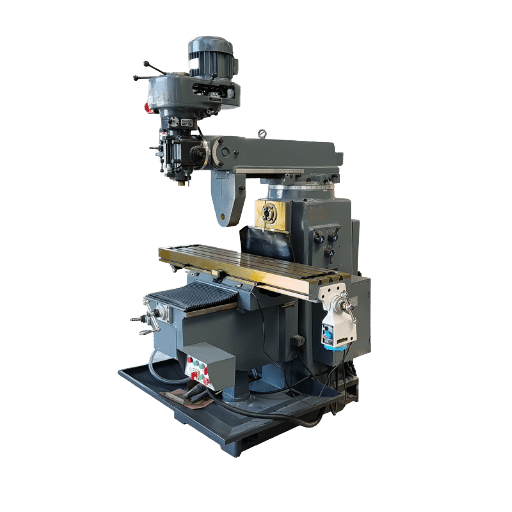
The Importance of Vertical Milling in Modern Manufacturing
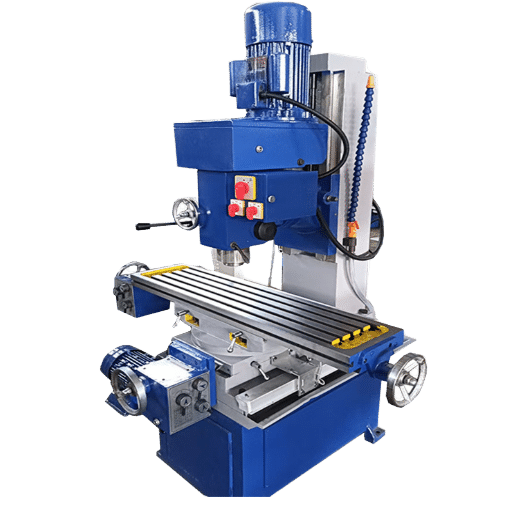
Vertical milling machines are a pressing creation of modern manufacturing, giving rise to intricate cuts and shapes on diverse types of workpieces. With a very adaptable design and extremely high precision, they afford industries the freedom of creating anything, right from small metalworking components to very large-scale, heavy-duty structures. Their extensive use in industries such as automotive and aerospace makes it an important attribute-setting machine in the production of parts requiring precise tolerances and strong performance.
Overview of CNC Technology in Milling Machines
Clearly, CNC technology changed the milling machinery landscape by turning the traditional vertical mills into CNC vertical milling machines equipped with execution capacities for which there was no parallel. The possibilities of technologies running complex machining processes with utmost precision and without room for human error are only realized with CNC technology. Advanced software and hardware systems are encompassed in CNC technology to handle the machine-tool spindle, guaranteeing error-free and consistent results.
Key Features of Vertical Milling Machines
- Robust spindle and rotary table: Making multidirectional machining capabilities possible
- Configured for 3 axes or 5 axes: Allowing for highly complex and precise operations on different workpieces
- It is installed with cutting tools: More versatile, for cutting, milling, and drilling operations
- Advanced CNC: Demiurgic machining, even for a large speed-demanding application
Top Vertical Milling Machine Manufacturers

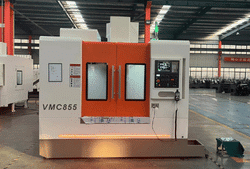
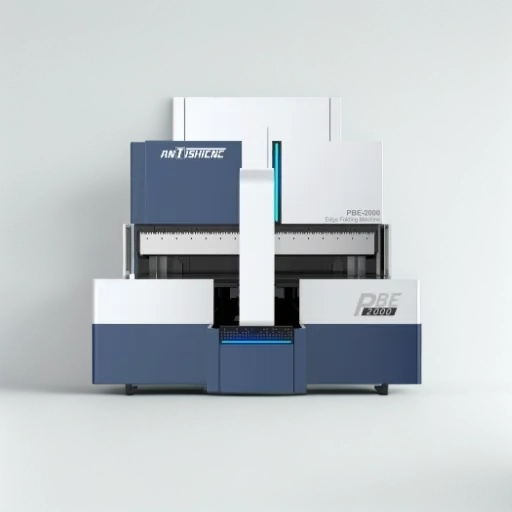
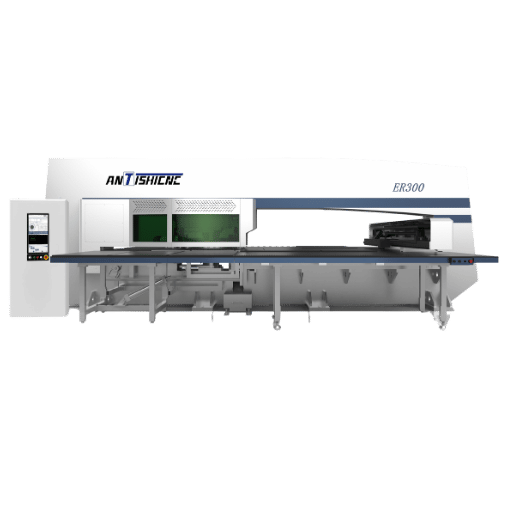
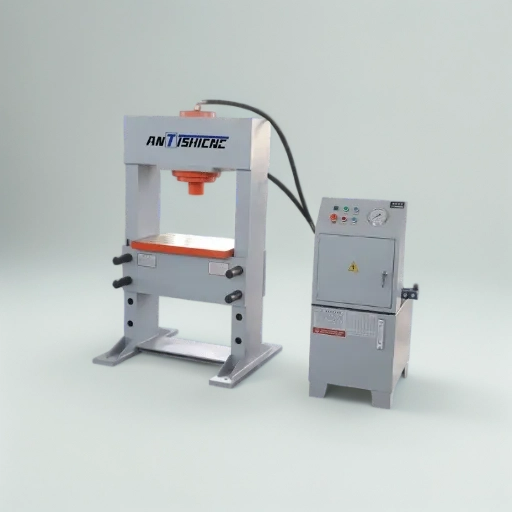
ANTISHICNC
Introduction: A leading innovator in CNC and vertical milling technology, ANTISHICNC is renowned for its precision engineering and cutting-edge designs.
JIUH-YEH Precision Machinery Co., Ltd.
Introduction: A Taiwanese manufacturer specializing in standard and CNC milling machines.
DMG MORI
Introduction: A global leader in CNC machine tools, offering innovative solutions for various industries.
Waldrich Coburg
Introduction: Specializes in large precision machine tools, including vertical bridge mills.
TOP-ONE Machinery
Introduction: A Taiwanese manufacturer offering a wide range of CNC and vertical milling machines.
H.P. Singh Machinery Pvt. Ltd.
Introduction: An Indian manufacturer of industrial machines and equipment.
Shandong Luzhong Machine Tool Co., Ltd.
Introduction: A Chinese manufacturer with a focus on CNC and vertical milling machines.
Shandong Tsinfa CNC Equipment Co., Ltd.
Introduction: A Chinese company specializing in CNC machine tools.
Zhengzhou Timeway Machine Tool Co., Ltd.
Introduction: A Chinese manufacturer of professional machine tools.
Pathak Industries Pvt. Ltd.
Introduction: An Indian manufacturer of machine tools and accessories.
TDT Machine Tools Limited
Introduction: A UK-based distributor and manufacturer of machining tools.
12
Laarmann Group B.V.
Introduction: A Dutch company specializing in material testing equipment.
Tengzhou Borui CNC Machine Tool Co., Ltd.
Introduction: A Chinese manufacturer of CNC and vertical milling machines.
Bridgeport (Hardinge Inc.)
Introduction: An iconic American brand known for its knee mills.
Acer Group
Introduction: A Taiwanese company offering a range of milling machines.
Comparative Analysis of Vertical Milling Machines

Key Features Comparison across Manufacturers
Key features offered by various manufacturers of vertical milling machines play an essential role in their working and application to different industries. Here’s a comparative analysis of common attributes among leading manufacturers:
| Feature | Description |
|---|---|
| High-performance spindles | Ensure precision and efficiency in machining processes |
| Versatile rotary tables | Enable complex machining tasks on diverse workpieces |
| Advanced CNC systems | Common attribute among leading manufacturers for automation |
| Configuration Options | Manufacturers offer both 3-axis and 5-axis configurations |
| Specialized Tools | Integration of cutting tools and drilling machines enhances versatility |
Automobile, aerospace, and metalworking are some of the industries where these concepts form the basis of a high-precision manufacturing operation.
Pricing Ranges: What to Expect in 2025
With increasing demand for vertical milling machines, price ranges are expected to evolve considerably till 2025. Manufacturers are expected to cater to a wide array of models-from entry-level CNC machines to advanced-feature vertical machining centers.
Price points will be determined by:
- Technology evolutions: Integration of AI and IoT capabilities
- Feature sets: Basic versus highly advanced automation systems
- Customization level: Standard solution or tailor-made solution
- Total cost of ownership: Considering the cost of maintenance and servicing
Customer Reviews: Insights from Users
Customer reviews provide significant information with which to judge a vertical milling machine’s performance and reliability. These are a few main points frequently found in users’ comments:
Positive feedback usually includes:
- High machinery precision and accuracy during complex operations
- Durability in construction, i.e., assemblies normally meant for harsher industrial environments
- Ease of operation and intuitiveness in handling the interface
- Working equally well with different workpieces
Common concerns mentioned:
- Maintenance requirements and availability of service support
- Training requirements for operators moving toward advanced systems
- The initial investment cost is mainly for high-end models
Future Trends in Vertical Milling Technology

Emerging Technologies in CNC Milling Machines
Vertical milling technology is evolving fast, reflecting the bursting onset of new technologies in the realm of CNC milling machines. With all the advances provided in CNC systems, more and more measurable precision and speed are being provided to this old-time vertical mill, now polished to the level of a machining center.
A few examples of technological advances:
- Artificial Intelligence: Provide automation and decision-making
- Machine Learning: Predictive maintenance and optimization of processes
- Cutting Tools: Working on more complex machining processes
- Spindles: Working on more detailed designs that previously were unattainable
Predictions for Milling Machine Manufacturers in 2025
Looking at 2025, milling machine manufacturers are expected to concentrate on the following aspects in tune with industrial changes:
Focus Areas:
- Scalability and versatility: To create machines that can handle different workpieces with precision.
- Being green: To develop energy-efficient and sustainable manufacturing solutions.
- Disintermediation: IoT-capable vertical machining centers.
- Connectivity to a smart factory: Real-time monitoring at an elevated level.
The growing automotive and aerospace sectors will ensure a high priority for CNC fertilizers, thus setting trends that manufacturers will ride well to become major contributors to pharmaceutical manufacturing for the upcoming generation.
Impact of Automation on Vertical Milling Applications
Automation is perhaps capable of ushering in great advances for vertical milling applications in terms of productivity and consistency. The benefits of integrating the automated system within the CNC vertical milling machine include the following:
- Reduced Human Intervention: Decreases the chances of error and optimizes the machining process
- Continuous Operation: Production goes on 24 hours, 7 days, due to considerations of high volume
- Intelligent Sensors: Monitoring in real-time and controlling the process adaptively
- Robotic Integration: Smooth transfer from one machining task to another
- Reduced Setup Times: Auto tooling and workpiece positioning
Therefore, the greater the automation, the higher the milling machines rise in innovation and competition.
Buying Guide: Choosing the Right Vertical Milling Machine
Key Considerations for Buyers
When selecting a vertical milling machine, several critical factors should guide your decision-making process:
| Consideration | Important Factors |
|---|---|
| Application Requirements | Type of materials, complexity of parts, production volume |
| Machine Specifications | Spindle speed, table size, axis travel, tool capacity |
| Budget Considerations | Initial cost, maintenance expenses, and training requirements |
| Technology Level | CNC capabilities, automation features, and software compatibility |
| Support Services | Warranty coverage, technical support, and spare parts availability |
Questions to Ask Manufacturers
- What is the expected lifetime and maintenance schedule of the machine?
- What training programs are offered to operators and maintenance personnel?
- How does the machine integrate with an existing production system?
- What customization options are available for the application?
- How is the provision for technical support, and what is the response time?
Industry Applications and Case Studies

Automotive Industry Applications
Vertical milling machines stand at the core of automotive production of precision components such as:
- Engine blocks and cylinder heads
- Transmission components
- Brake system parts
- Suspension components
Aerospace Manufacturing
Applications in aerospace demand that vertical milling machines be used in building:
- Airframe structural components
- Turbine blades and engine parts
- Landing gear components
- Precision instruments and control apparatus
General Manufacturing Applications
In addition to automotive and aerospace, vertical mills are also applied in the following industries:
- Manufacturing of medicinal devices
- Component manufacturing for the energy sector
- Tool and die making
- Electronics and semiconductor manufacturing
Conclusion
Consider the nature of the application, budget, and long-term operational requirements when selecting a vertical milling machine. Innovation will continue on this front, driven by CNC technology, automation, and smart manufacturing.
By the time we have a calendar change into 2025, the areas where we’ll expect continuous advances will include:
- AI and machine learning integration
- Energy-efficient design
- Better automation capabilities
- Enhanced connectivity and data analytics
In vertical milling, advancements in technology will yield far higher levels of precision, performance, and application, something essential to support such vast demands from the fast, technology-driven industry of manufacturing across the globe.
In the scene of the vertical milling machines, the ultimate guide will provide the various manufacturers and rising trends in the industry. We recommend contacting manufacturers and industry specialists for the most up-to-date information on specific products.