


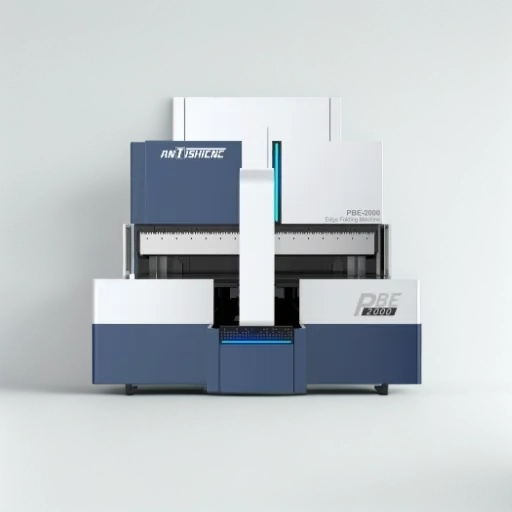
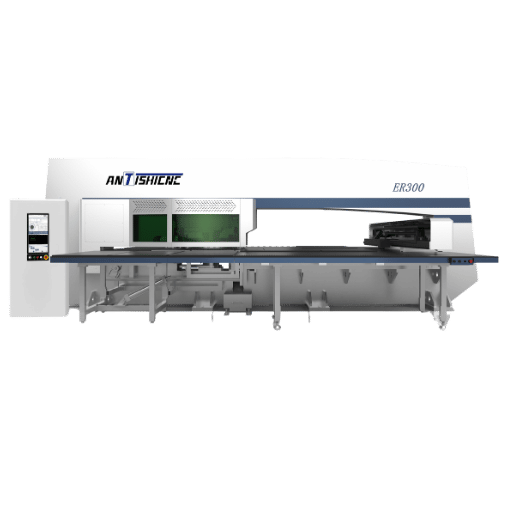
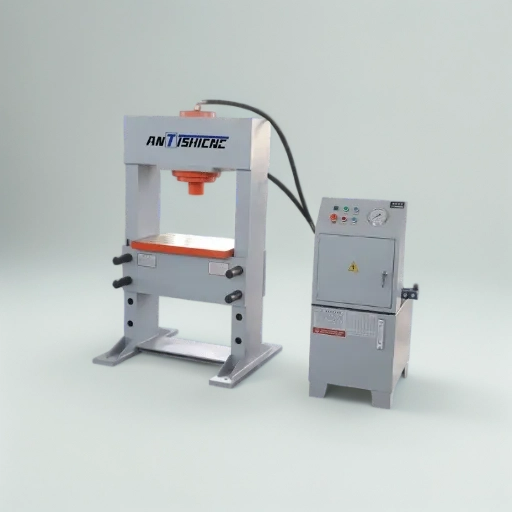


Table milling machines carved their way into the Industrial Revolution, bringing a charm for precision and contrast to the market for craftspeople, including hobbyists and professionals, who inhabited the past. These machines are at the backbone of countless projects in the hands of users who want to create intricate designs, achieve precise cuts, and even demand utmost accuracy for complex tasks. Whether you are an established machinist or a beginner raring to dive into the world of this tremendously powerful machine, you must understand what table milling machines can do and what they are used for. This comprehensive guide explores the essential effects, applications, and benefits of table milling machines, enabling you to unlock their full potential. Now, let’s see how these must-haves can elevate your craft.
Understanding Table Milling Machines
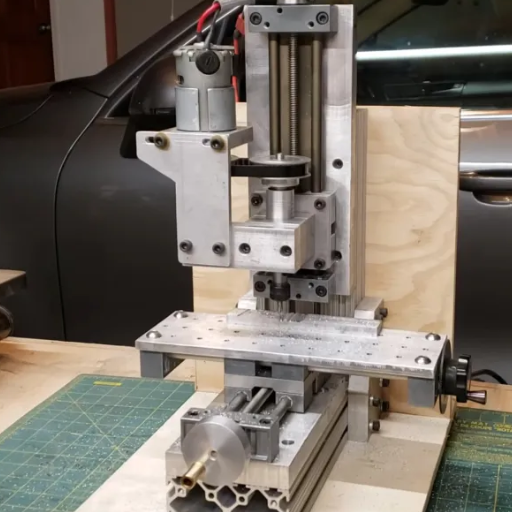
What is a table milling machine?
A table milling machine is used for cutting, shaping, and drilling various materials, such as metal, wood, or plastic, with a certain degree of precision. These contain one of two different operations: one is horizontal, while the other is vertical and involves clamping the workpiece stiffly on a heavy-duty table while machining under specific controlled conditions. The milling cutter will essentially rotate at high speed for various operations, including face milling, slot cutting, contouring, and drilling.
Looking to the present, we observe the integration of highly advanced technologies, such as CNC, in modern table milling machines, which command accuracy, automation, and efficiency. It is reported that CNC-enabled table milling machines offer approximately 30% higher production efficiency compared to manual ones, providing significant benefits in industries such as aerospace, automotive, and manufacturing. In addition, the machines in these setups are made possible through investment in high-quality materials, which render them suitable for long-term industrial use and demonstrate their durability and reliability.
The essential technical details in basic milling machines that customers should consider include spindle speed, power, feed rate, and table size. For instance, a medium-sized standard table milling machine would have a table measuring approximately 40 x 16 inches and spindle speeds ranging from 40 revolutions per minute to over 12,000, capable of performing a wide range of work. Millers are extremely precise, with tolerances commonly within ±0.001 inches; therefore, they are necessary for producing complex and intricate parts.
Milling machines for table tops are valuable assets for high-quality machining all the way from hobbyists on small projects to large-scale manufacturers. With modern technology incorporated seamlessly, these machines continue to reshape craftsmanship.
Parts of a Milling Machine
Milling machines make precision in cutting, shaping, and finishing operations possible through various components. Below are the key components and their functions:
1. Base and Column
The base is the foundation of the milling machine, providing stability and support. The column is attached to the base and carries all the control mechanisms: it must be rigid to ensure that the work remains true in during machining. Through advanced construction, sometimes from reinforced cast iron, modern machines can resist vibrations to achieve better accuracy.
2. Spindle
One of the rotating components is the spindle, which holds the cutting tool. An electric motor supplies power to the spindle, and its design provides it with the torque and speed necessary to cut through the materials. Speeds vary depending on the machine; in advanced models that offer a special ranking for speed, some machines can reach speeds exceeding 20,000 RPM, enabling them to work on a wide range of materials, from very soft plastics to hard steels.
3. Table
It gives the workpiece a flat surface on which it is placed, and it can move along the X and Y for positioning. CNC is the term given to computerized numerical control that sends the machine to make movements automatically with high precision, some with as much as ±0.0002.
4. The Knee and Saddle
The knee supports the table and enables it to move vertically, and the saddle provides for cross-feed along the Y-axis. These parts offer better adaptability to more complex machining and allow for some adjustments during machining.
5. Tool Changer
Most modern CNC mills feature an automated tool changer, enabling rapid tool changes during an operation. This reduces downtime and increases the productivity of manufacturing, enabling the use of dozens of tools within a single machining cycle.
6. Control Panel
The operator uses a control panel to operate the machine. From the simple manual controls of the past, our new designer interfaces are often computer software-based, featuring advanced projection systems and CAD/CAM support.
7. Coolant System
Heat is generated during milling, particularly when machining hard materials. A coolant system is provided to remove this heat along with the coolant, ensuring heat does not cause dimensional errors in the workpieces or tool wear.
8. Motors and Drive Systems
The motors drive the spindle and other parts requiring motion. Under normal operating conditions, servo motors with higher efficiency and belt-driven systems can conserve power, a feature that advanced machines often employ.
9. Recent Advances and Innovations
In a recent development, milling machine technology has come to focus on sustainability, automation, and precision. Notably, hybrid systems of milling, combined with additive manufacturing, have gained recent popularity, offering higher flexibility. The introduction of smart sensors and IoT integration in machinery has also enabled real-time monitoring, intending to support predictive maintenance and reduce downtimes.
How Tabletop and Benchtop Milling Machines Work
Tabletop or benchtop milling machines utilize a rotary cutter to remove material from a workpiece, thereby shaping it to the desired dimensions or design features. Essentially, these machines are scaled-down versions of larger ones, tailored for relatively more minor operations, yet they follow the same precision and functionality. They are popular among workshops, laboratories, and schools due to their manageable size and wide-ranging applications.
The process starts with clamping the workpiece on the table of the machine that can usually move in the X and Y directions, and occasionally in Z. Most modern tabletop and benchtop milling machines have CNC capabilities so the user can input detailed program instructions for complex cuts and designs. The cutting tool, either high-speed steel or carbide, is held by a spindle that rotates at high speed to cut the workpiece accurately.
The operation of these machines has undergone significant improvements following recent developments. For instance, recent data show that the CNC technology enhanced accuracy in tabletop and benchtop milling machines to ±0.01 mm. Similarly, innovations in stepper motors and linear drives have enabled higher speeds and improved stability for the machines; some are even equipped with IoT-enabled features that allow for real-time remote monitoring and control, thereby enhancing productivity by minimizing downtime for adjustments or maintenance.
Materials commonly handled with tabletop-type milling machines include aluminum, brass, mild steel, plastics, and even wood. While compact, these smaller units can reach speeds of up to 10,000 RPM (some high-speed models considerably surpass this), accommodating a wide range of materials and applications. Some hybrid systems now allow a unit to undergo CNC milling, laser cutting, or 3D printing, providing a functional boost.
Generally, benchtop milling machines are not highly energy-consuming, drawing only about 1-3 kilowatts depending on the power rating. The small footprint and efficient operation make it ideal for prototyping, small-batch production, or the manufacture of intricate parts for industries such as electronics, jewelry, and automotive components.
Types of Table Milling Machines
Vertical Milling Machines
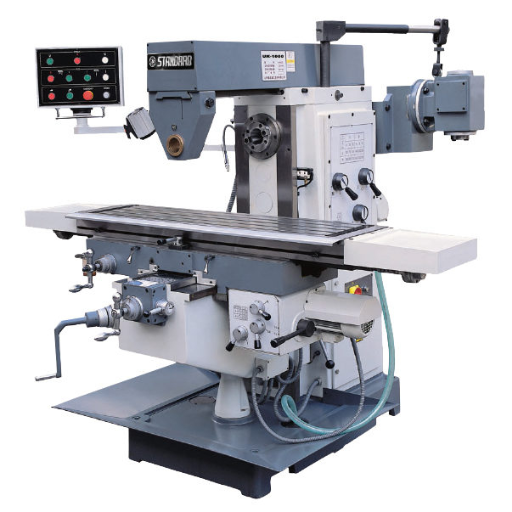
In vertical milling machines, the spindle axis is vertically oriented, making it well-suited for machining tasks that require precision and accuracy. They are used for drilling, slotting, and cutting operations on metals, plastics, or other materials. In addition, the vertical milling machines have the advantage of being versatile and easy to use, and hence find wide applications from small workshops to larger industries.
Having a CNC system enables these modern vertical lathes to achieve automation and precision machining. The current industry data suggest that vertical milling machines can develop spindle speeds ranging from 60 to 6,000 RPM or more, allowing for a wide spectrum of cutting operations depending on the model. A majority provides a table size ranging from 20 x 6 inches all the way across to over 50 x 10 inches so as to give a flexible workspace for accommodating components of varying dimensions.
Newer models now feature even more robust safety mechanisms, energy-efficient motors, and integrated cooling systems to ensure consistent performance. Time is saved while the potential for human errors is reduced, thanks to innovations such as the 5-axis capability on certain top-of-the-range vertical mills, which allow the machining of significantly more complex geometries in a single setup. Vertical milling machines have, thus, found the domain of their uses extending from prototyping to production scale with applications in fields like aerospace, medical equipment, and automotive manufacturing due to their adaptability and delicate precision.
Horizontal Milling Machines
The name ‘horizontal milling machines’ derives from the fact that the spindle is located horizontally, to which different types of cutting tools are attached to accomplish the task of cutting an extensive variety of materials with great precision and efficiency. These machines use horizontal arbors and achieve excellent material removal rates, making them suitable for use in big, heavy operations and high-volume production scenarios.
Horizontal milling machines offer another benefit, allowing for multiple cuts to be made simultaneously, thereby greatly enhancing output. They can be used with excellent efficiency for complicated and oblique shapes, such as slotting and grooving, because these maneuvers can sometimes be challenging to carry out using a vertical milling machine.
Nowadays, CNCs represent a relatively recent advancement incorporated into horizontal milling machines, enabling the production of accuracy within microns. The aerospace, energy, and shipbuilding industries require precise tolerances that cannot be compromised. Thus, horizontal mills from brands such as DMG MORI and Mazak integrate automated tool changers and modular designs to optimize production workflows.
The Global Market Insights stated that in 2023, the milling machine industry will surpass the $8 billion mark by 2027, with horizontal milling machines accounting for a significant share due to their capacity to process large and heavy pieces. There are further innovations that are making horizontal milling machines more efficient and versatile, including hybrid milling systems, which combine additive and subtractive manufacturing systems.
Designed to combine heavy construction with the most modern technology, horizontal milling machines remain an integral part of present-day manufacturing, providing all the flexibility and efficiency required for demanding applications.
Knee-Type Milling Machines
Knee-type milling machines are among the most versatile and commonly employed types of milling machines in various industrial settings. They feature a worktable that can be adjusted vertically and rests on a supporting knee, moving up and down on the vertical axis on a machine column. This, thus, allows efficient positioning and movement during machining.
Generally, milling machines are broadly sorted by spindle orientation into vertical and horizontal knee-type mills. Vertical knee-type milling machines are used when precision work is required and for processing soft materials, while horizontal machines are best suited for heavy machining work involving harder materials. With technological advances, many modern knee-type milling machines are equipped with CNC capabilities that enhance their accuracy and productivity, while providing operators with a clean interface for automating complex machining operations.
The flexibility of a knee-type milling machine is one of its prime benefits. They are suitable options for smaller and medium-sized production runs, as well as prototype manufacture. As recent studies indicate, demand for knee-type milling machines remains steady with a high fraction of employment in the automotive, tool-and-die manufacturing, and aerospace industries. By contrast, specifically speaking, the CNC vertical mill market is expected to achieve a compound annual growth rate (CAGR) of 5.1% from 2021 to 2031, indicating strong industrial demand for knee-type mill machines.
Knee-type milling combines the classical robust design with modern digital automation technologies to occupy a crucial place in contemporary machining, enabling the accurate and efficient manufacture of high-quality components.
Key Features and Benefits
Precision in Milling Operations
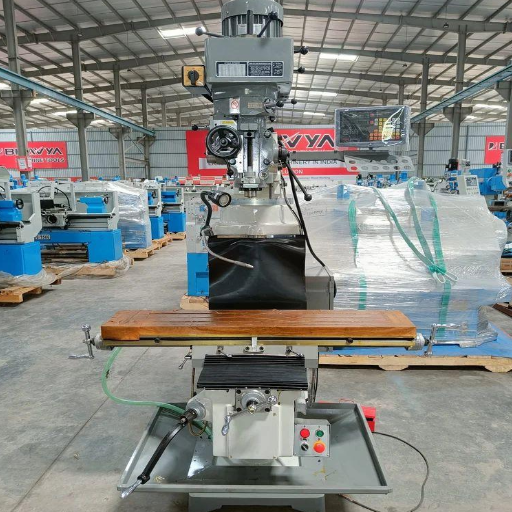
Knee-type milling machines can mill with high precision, making them indispensable in the aerospace, automotive, and medical device manufacturing sectors. Modern CNC technology enables these machines to achieve tolerances as tight as ±0.001 inches, ensuring precise accuracy even for the most intricate geometries.
In recent years, these mills have evolved by integrating automatic tool changers, spindle speed control, and high-resolution encoders. These advances enable manufacturers to perform complex machining tasks with slight variations from one piece to the next, improving productivity while maintaining the highest standards of quality. According to recent industry data, over the last five years, high-precision milling machines have helped reduce production time by 15% and increase component accuracy by 20% in manufacturing industries.
Creative software solutions, integrated with such machines, would further facilitate precision by providing real-time feedback and error correction throughout the entire operation. Entwining such traditional engineering with cutting-edge technology powerfully demonstrates the place that knee-type milling machines must have as the demands of the global manufacturing market continue to evolve.
Durability and construction material
A knee milling machine is known for its good sizing and durable construction, which enables it to withstand rough use, ensuring it lasts for a long time. These machines are typically made of high-grade materials, such as cast iron and hardened steel, which are resistant to wear, vibration, and deformation. For example, cast iron is used for the base and the column due to its vibration-dampening capacity, which helps reduce vibrations during the machining process and thus increases the precision level.
Furthermore, modern technology has been utilized in the development of new alloys and composite materials, thereby enhancing their durability. According to recent industry studies, machines made with advanced materials have a 30% longer lifespan than regular ones. Another example of anti-corrosive treatment that manufacturers of machine tools have considered is the use of cetyl bromide coatings or heat hardening for components to resist humidity or other extreme environmental conditions. These upgrades ensure the survival of these knee-type milling machines and their optimal performance in industrial environments, thereby creating a highly viable investment over the long term for the manufacturer.
Versatility Across Industries
These machines are in high demand across several industries due to their variable machining capability, which enables them to perform various jobs with precision. According to recent industry analyses, the aerospace, automotive, and manufacturing sectors report a crucial use of these machining centers for die making, gear cutting, and prototype manufacturing. For example, the aerospace sector requires the precision machining of complex parts for aircraft construction, while the automotive industry utilizes machining centers for its engine and drivetrain parts.
A 2023 study reveals that approximately 45% of small and medium-sized manufacturers across North America and Europe utilize knee-type milling machines as a core component of their production. This is primarily due to their range of machining capabilities, from aluminum-alloy castings to hardened steel. The incorporation of CNC technology in some of the modern knee-type milling machines has also brought about a wider range of applications for these tools with automation ensuring precision and repeatability in high-demand production scenarios. This allows manufacturers to efficiently accept custom orders, notwithstanding the overall cost of production.
Thus, the flexibility of knee-type milling machines allows them to remain useful in most industries, thereby ensuring continuous innovation and productivity in the contemporary manufacturing landscape.
Maintenance Tips for Table Milling Machines
Routine Maintenance Practices
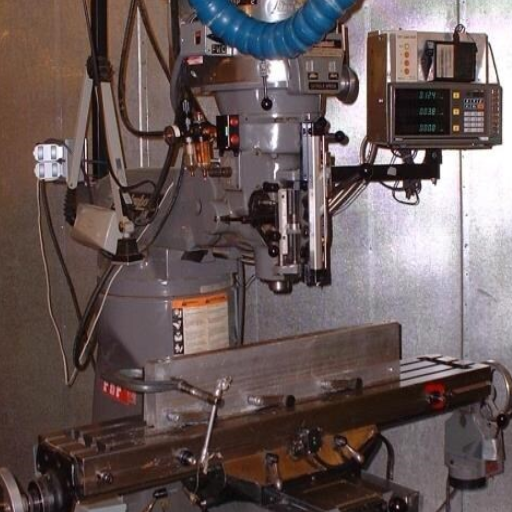
Keeping milling machines properly maintained guarantees their longevity, accuracy, and efficiency. Let us examine, in detail, the scheduled maintenance procedures as per some recent recommendations:
1. Daily Cleaning and Inspection
Upon finishing the work for the day, the machine must be cleaned with care to keep it free of chips, dust, and rest of the debris. A layer of such matter can damage some of the components and reduce machining accuracy. The areas of the table, spindle, and tooling should be inspected regularly for wear and misalignment. A clean machine ensures smooth operation and helps prolong its life.
2. Lubrication of Moving Parts
The moving parts, such as the slideways, lead screws, and gears, must be adequately lubricated at all times to minimize wear and tear. Use a good-grade lubricant prescribed by the machine manufacturer. For example, in some industrial areas, a standard ISO VG 68-grade machine oil is commonly used because it readily protects parts from friction and corrosion.
3. Spindle Alignment Checks
Spindle misalignment introduces some measure of error in machining operations. Periodically check alignment with dial indicators to prevent misalignments. For specific machines, a misaligned spindle decreases productivity by 20% and hence reduces product quality.
4. Coolant System Maintenance
Maintaining the coolant system involves regularly checking the coolant level and replacing any old or contaminated coolant. Proper handling of coolant prevents overheating of cutting zones, improves cutting lubrication, and enhances tool life. The proper application of coolant has been found to increase tool life by approximately 30%.
5. Tighten Bolts and Fasteners
There are instances where work vibrations loosen various bolts and fasteners. They can sometimes be checked and tightened to maintain machine sturdiness and help avoid accidents.
6. Electrical System Checkups
The electrical connections, switches, and wiring must be inspected for signs of wear and damage. Failure in electrical components is one of the reasons for unexpected downtime. Also, while checking electrical connections, modern maintenance tools like thermal-imaging cameras can help detect electrical issues with 50% higher accuracy.
7. Calibration of Measuring Instruments
Regular calibration of measuring instruments, including digital readouts (DROs), is necessary for maintaining the accuracy of the machine in machining work. Calibration ensures that machining conforms to quality control standards.
8. Set up Professional Maintenance
To complement in-house routine practices, consider obtaining professional maintenance services. Professionals can inspect the machine in detail and recalibrate it to ensure it operates at an optimal level.
Up to 30% reduction can be made in unscheduled downtime while productivity is increased, along with a prolonged life of milling machines, by performing all these.
Common issues with solutions
Milling machines must be properly maintained; however, common problems may arise even with diligent care. Below are some common issues and troubleshooting steps based on modern-day best practices and data:
1. Irregular Surface Finish
- Cause: Dull cutting tools, improper feed or speed setting, and vibrations during operation.
- Solution: Examine cutting tools regularly and replace them as needed to prevent excessive wear. Set feed and speed rates considering the material in use. Hold the workpiece securely to avoid vibration. As recent studies have shown, 60% of problems related to surface finish are due to poor tool maintenance practices; therefore, such checks must be carried out ahead of time.
2. Overheating of Spindle or Bearings
- Cause: Prolonged use without cooling, insufficient lubrication, or accumulation of dirt.
- Solution: Maintain optimal operating conditions, including maintaining effective cooling systems. Check lubrication regularly and replenish it as needed. Keep the spindle area clean to prevent debris accumulation. According to a 2023 study by some of the industry’s leading separation tool manufacturers, consistent lubrication has been observed to help reduce spindle overheating cases by 50%.
3. Excessive Wear upon the Tools
- Cause: Poor-quality materials, improper tool application, or improper alignment.
- Solution: Use high-quality cutting tools specifically designed for the intended application, and train operators in the proper use of these tools and techniques. Correction of misalignments in tooling can increase tool life by up to 40 percent, according to data obtained from industry surveillance studies.
4. Machine Vibration
- Cause: Worn parts, loose bolts, or a balance problem in the spindle.
- Solution: Inspections must be conducted consistently to identify and replace worn parts. Meanwhile, tighten the bolts and balance the spindle as needed. Tackling vibrations quickly shall avoid collateral damage, as well as 25% of repair costs.
5. Errors by Software or Control System
- Cause: Outdated machine software or incorrect CNC programming.
- Solution: Regularly update machine software, applying the latest patches and improvements. Verify the CNC programming and test passes before proceeding to production. According to leading industry research, 20% of software-based downtime is resolved through regular software updates.
By taking care of these common issues proactively, manufacturers will be able to keep the machine operating smooth, save on repair costs, and increase productivity.
Film Executions of Your Milling Machine
Proper maintenance and usage of milling machines can extend their lifespan and ensure smooth performance. Recent industry reports suggest that with proper maintenance, the average lifetime of milling machines can be extended by 50%, resulting in significant savings on replacement costs. Here are some critical points along with the latest insights:
1. Regular Cleaning and Lubrication
Dust and debris accumulation can interfere with the precision and working of milling machines. Keeping the surface and internal parts clean is essential at all times. The moving parts need to be lubricated with the correct type of lubricant to prevent wear and tear. Studies have also concluded that machines are more efficient and have a longer lifespan; sometimes, machines even serve efficiently up to 25% longer when appropriately lubricated.
2. Prompt Replacement of Worn-Out Components
Components such as spindle bearings or tool holders tend to wear out over time. Running the machine with worn-out components tends to strain the machine more and reduce the precision. The manufacturers recommend that the periodic checks be carried out at six-month intervals to find worn-out components and replace them before severe damage occurs.
3. The Use of Predictive Maintenance Technology
Milling machines can be monitored in real-time by using IoT-enabled systems and sensors. These technologies detect anomalies, such as unusual vibrations or rapid temperature fluctuations, indicating potential problems. Maintenance costs may be reduced by up to 25% if predictive maintenance is adopted, while unplanned downtime is cut by 30% due to predictive maintenance.
4. Using High-Quality Cutting Tools
Depending on the cutting tools used, the stress applied to a milling cutter can vary. A low-grade tool may create excessive vibration, thereby degrading the spindle life. According to a tool manufacturer’s white paper, high-quality carbide tools improve precision in cutting and operational smoothness, which in turn helps extend machine life at a greater rate than low-quality tools.
5. Operator Training and Best Practices
Well-trained operators are less likely to commit mistakes that could damage the machines. All operators should adhere to the specified operating guidelines, including not subjecting equipment to overload, maintaining proper speed, and adhering to feeding standards. Industry experts have observed that continued training of operators improves productivity and machine lifespan by cultivating better handling practices.
6. Maintaining the Machine’s Software
Outdated software obstructs efficiency and causes errors in CNC programming. Updates guarantee software compatibility with the latest tooling and processes. 18% of CNC users indicated in a survey that downtime caused by programming would be significantly decreased if up-to-date software were maintained.
Employing the above strategies and latest technologies will enable manufacturers to effectively prolong the working life of their milling machines for optimal productivity and long-term savings.
Buying Guide for Table Milling Machines
Factors to Consider Before Purchasing
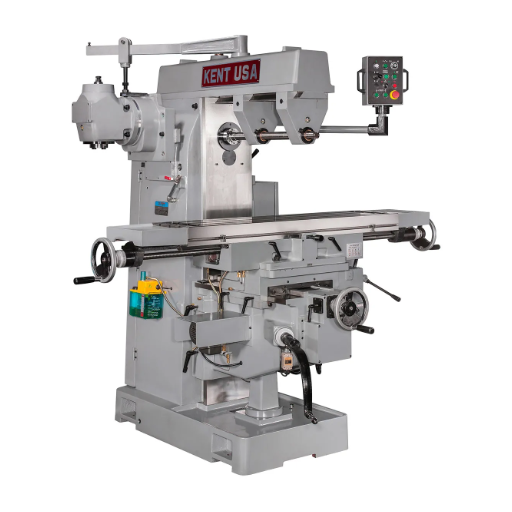
When selecting a table milling machine, several key factors are crucial to consider for an informed decision. So, from the latest insights and data, here are the main considerations:
1. Type of Milling Machine
Depending on the work at hand, you may want to consider whether a vertical or horizontal milling machine is best suited for the task. Verticals are suitable for smaller projects and detailed work, whereas horizontals are better suited for heavy-duty tasks. According to a 2023 market analysis, nearly 65% of industrial users prefer vertical milling machines due to their general nature of operations and adaptability to various materials.
2. Build Quality and Durability
The construction of the machine is a key factor that affects its lifespan and precision. It should be made from sturdy materials, such as cast iron or steel, to reduce vibrations and enhance accuracy. Nowadays, some construction designs offer reinforced durability, while vibration-dampening designs have been found to increase machining accuracy by up to 30%, according to a recent survey.
3. Table Size and Travel
Consider workspace issues with regard to the size of the worktable and the range of movement offered to it. Bigger tables can be used for bigger projects and, therefore, are flexible in holding a workpiece. For professional applications, a machine with travel exceeding 40 inches along the X-axis should be chosen.
4. Spindle Speed and Motor Power
Check the spindle speed range and motor power to ensure the machine complies with your material and production requirements. Motor power between 3 and 5 HP is generally sufficient for small- to medium-scale operations, and anything above 7 HP is typically oriented towards industrial use. Enhanced machines now come with variable-frequency drives (VFDs) that enable users to adjust the spindle speed with high precision.
5. Controller and Software Integration
CNC compatibility and easy-to-use controllers are vital for improving efficiency and accuracy. Select a unit that operates with an industry-standard G-code and features upgradable software. Reports indicate that 78% of manufacturers who invested in machines with advanced CNC controllers experienced increased operational efficiency.
6. Maintenance and Support Services
Regular upkeep is necessary to keep the machine working longer. Before making a purchase, research the manufacturer’s after-sales service, spare part availability, and warranty terms. Top brands often offer warranties of up to three years, providing the buyer with peace of mind.
Budgeting for a Quality Machine
When budgeting for a quality table milling machine, it is essential to consider its upfront cost, long-term value, and ongoing expenses. As the latest industry considerations go, mid-range table milling machines vary between $15,000 and $50,000mark, depending on brand, specifications, and features. If we speak of the high-end models, featuring CNC, automation, and precision tooling, these can cost upwards of $100,000.
It would be wise to conduct a thorough financial analysis of the expected ROI for oneself. For example, in many cases, mid-range machines have paid for themselves in 2-3 years via increased efficiency and reduced downtime in maintenance operations. Operating costs have an impressive 10-15% annual drop, so energy-saving models translate into significant long-term savings.
Keep in mind that options such as leasing or installment purchases may render quality equipment more accessible. Consider setting aside up to 10-20% of your central budget for the purchase of necessary accessories, such as cutting tools, safety components, and software upgrades, that can enhance productivity and utility.
Additionally, consider potential maintenance costs, including contracts for maintenance services and the availability of technical support. Well-reputed brands provide extended warranties and reasonable maintenance packages so that the equipment remains in a workable and efficient state throughout its lifespan. Balancing your budget with these factors ensures that investments in a table milling machine align with manufacturing objectives and operational priorities.
Recommended Brands and Models
When selecting a table milling machine, it is essential to choose well-established brands that have consistently delivered high-quality, durable, and feature-rich products. To make your selection easier, here are some of the best brands and models as per the latest information:
1. HAAS Automation – TM Series
HAAS Automation has a reputation for making easy-to-use and high-quality machines, and the TM Series is no different. These table mills are precision-made and provide ease of use, while offering a medium level of customization. Their features include user-friendly controls, rigid construction, and compatibility ranging from smaller shops to large-scale production setup. For example, the TM-2P features a table capacity of 47.8″ x 10.5″ and a maximum spindle speed of 4,000 RPM, providing flexibility for various activities.
2. DMG MORI-DMC Series
DMG MORI is a combination of German engineering and Japanese innovation and development, with machining centers emphasizing accuracy and efficiency. The DMC Series of milling machines is suitable for high-precision work. One of the most popular models, the DMC 650 V, embodies everything the CNC world has to offer, featuring excellent thermal stability and high-speed machining capabilities with a spindle speed of up to 18,000 RPM.
3. JET Tools – JTM Series
JET Tools builds dependable table milling machines for budget-conscious buyers. The JTM Series boasts solid construction and easy maintenance, making it suitable for small to medium-sized workshops. An excellent contender is the JTM-4VS, equipped with a 9″ x 49″ worktable and a spindle speed ranging from 60 to 4,200 RPM, providing the versatility needed for various machining operations.
4. Makino – PS Series
Makino’s PS series is known for its high precision and is designed for applications in the aerospace and automotive industries. The PS65 offers the advantage of surface finishing and features a table size of 35.4” x 19.7”, along with a high spindle speed of 14,000 rpm. The advanced cooling systems enhance durability in the long run, particularly during use.
5. Bridgeport – Series I Standard
The most classic among milling machines, this Series I Standard from Bridgeport remains a reliable workhorse for conventional machining purposes. With a 9” x 42” table and a spindle speed range of 60 to 4,200 RPM, this model is best suited for operations on a smaller scale, where versatility should not come at the cost of precision.
From small workshops to production units, these machines cater to a wide range of needs. Consider spindle speeds, table size, control systems, and overall durability when selecting a brand or model, ensuring the machine meets your specific requirements.
Comparing Table Milling Machines with Other Milling Tools
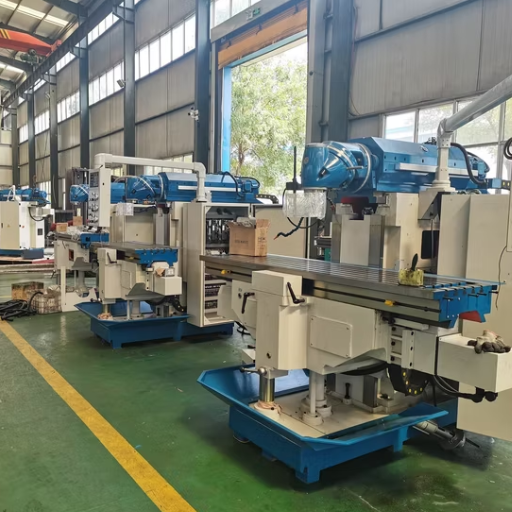
Strengths of Table Milling Machines
Table milling machines offer numerous advantages and are considered essential in specific machining environments. Some of their key strengths include the following:
1. Precision and Accuracy
Almost all modern table milling machines offer extraordinary precision, with tolerances sometimes as low as ±0.001 inch. This makes them extremely useful in the manufacture of intricate objects, such as molds and prototypes, that require highly detailed finishes for their components.
2. Wide Range of Applications
They can mill a diverse range of materials, including metals such as aluminum, steel, and titanium, as well as non-metallic materials like plastic and composites. Thus, 3-axis table milling machines are primarily used for simpler geometries, whereas sophisticated 5-axis machines enable the production of complex contours and shapes for applications such as aerospace and automotive manufacturing.
3. High Speed and Versatility
Table milling machines, equipped with high-tech spindle motor systems that can reach speeds of up to 24,000 RPM, enable the efficient removal of materials and the smooth finishing of surfaces. This flexibility enables the operator to perform roughing, finishing, as well as drilling operations on the same machine.
4. Compact Design to Save Space
In contrast to larger vertical or horizontal mills, table milling machines are generally compact yet powerful. They thus are a good choice for small workshops or operations with a cramped floor space without compromising on its capabilities.
5. Automation via CNC
Table milling machines are now increasingly becoming CNC, programmable, and automated. A CNC table milling machine with its complex operations running on minimal human intervention limits the scope for errors and boosts productivity. Modern control systems enable operators to perform complex machining operations while simultaneously managing other processes.
6. Economic Benefits
The table milling machine is tasked with reducing several operational costs. Lessening setup times and machining cycles would allow manufacturers to reap quicker returns on investments when set against another obsolete less automated machine.
Examples from the industry further attest to such strengths. For example, a recent study in CNC machining environments demonstrated that working with advanced table milling machines can achieve a 20–30% reduction in time and waste of production materials compared to traditional methods. Merging new cutting technology with adaptability, table milling machines remain the key tool among several industries.
Disadvantages Compared to Other Tools
Undoubtedly, table milling machines have many advantages; however, they also have some limitations when compared with other machining tools. Above all, from a capital view, these milling machines take a heavy toll, as advanced table milling machines with state-of-the-art automation and CNC capabilities can cost upwards of $50,000 to $150,000 and more, depending on the details and brand. Such an amount could simply be a heavy duty to lay down for the small-scale business because of their small budgets.
The ultra-high-speed operations and the higher complexity requiring probably five axes would become inefficient for simple table milling machines and such tasks. This is where dedicated 5-axis machining centers excel, offering enhanced precision and speed that are not easily achieved with simple table milling machines. According to a report prepared by Machining Today, 5-axis machining offers a 50% increase in production speed for super-detailing components, especially in aerospace and medical production applications.
The other issue is the learning curve for newly advanced table milling machines, especially CNC-type. Additional training in proficiency would most likely be required for the operators of these machines. There would be a further factor of time and cost to upskill in such a profession that may very well obstruct quick implementation when companies want to go into production without a skilled workforce.
Finally, maintaining high-tech table milling machines adds to their operational costs. There needs to be regular servicing; software needs to be updated, and repairs may be required. These factors reduce the machine’s potential productivity. According to a report by Equipment Analytics, maintenance expenses can account for up to 15% of annual operating costs for advanced CNC instruments. Consequently, some may find them less preferable than simpler, less-maintenance-focused instruments, such as manual lathes or drills.
Choosing The Right Tool For Your Needs
Unless the right machine is chosen for the given application, concerns may arise regarding what truly matters: price, quality, and productivity. Advanced CNC machines excel in terms of accuracy and design complexity, with tolerances as low as +/-0.01 mm. However, they may not always prove worthwhile for a project, given the exorbitant costs of acquisition, maintenance, and energy consumption.
SMEs are reported, in an industry report from 2023 by Machining Insider, to prefer manual or semi-automatic machines when dealing with relatively simple jobs, claiming a cost saving of 30% on three years of use when contrasted with total CNC set-up. CNC machines become worthwhile in high-volume production as the reduction in lead time can reach as high as 40% on bulk orders, as relayed by some manufacturers.
It should then be considered in terms of operator capability. Manual tools generally lend themselves to elementary operations and thus require less training. While CNC machinery requires an operator with specialized knowledge and software proficiency. According to data from a 2022 workforce trends report, 72% of advanced CNC system users engage in continued workforce training programs, which cost an average of $3,000 per trainee annually.
Ultimately, an operation’s specific requirements will drive the decision, including factors such as production volume, uncomplicated parts, and a tight budget. Simpler tools will suffice for prototyping or low-volume runs; however, high-precision and large-scale production run experiments probably justify CNC technologies of the highest order.
Reference Sources
- Search on platforms like Semantic Scholar using keywords such as “table milling machine,” “CNC milling advancements,” or “precision machining.”
- Filter results by publication date (e.g., 2020–2025) to focus on recent studies.
- Look for papers that discuss innovations, methodologies, or case studies related to table milling machines.
Frequently Asked Questions (FAQs)
What is a precision milling machine and how does it work?
A precision milling machine is designed to provide high accuracy and repeatability in machining operations. These machines are equipped with advanced features, such as variable-speed motors and DRO (Digital Readout) systems, that enhance their precision capabilities. They typically use various cutting tools such as end mills and drills to remove material from a workpiece. The workpiece is normally clamped onto a milling table, which can be adjusted in multiple axes to accommodate intricate designs. Depending on the model, some precision milling machines can also be CNC-operated, allowing for automated machining processes.
How does a CNC milling machine differ from a traditional milling machine?
CNC milling machines are computer-controlled, enabling automated and precise machining operations, whereas traditional milling machines require manual input from an operator. CNC machines can handle complex tasks with greater speed and efficiency, making them ideal for production environments. They typically feature multiple axes, such as 3-axis or 4th axis configurations, allowing for intricate designs that would be challenging to achieve manually. Additionally, CNC milling machines often incorporate features like power feeds and tool changers, which enhance productivity. In contrast, traditional machines rely on manual adjustments and setups, making them more suitable for smaller workshops or DIY projects.
What are the benefits of using a benchtop milling machine?
Benchtop milling machines are compact and versatile, making them ideal for small shops or hobbyists with limited space. They offer a range of features, including variable speed settings and the ability to work with various materials, including cast iron and aluminum. Despite their size, many benchtop milling machines offer high precision and can be equipped with accessories, such as rotary tables, for enhanced functionality. Their ease of use and lower cost compared to larger models make them accessible for DIY enthusiasts and machinists alike. However, it’s essential to consider the machine’s horsepower and spindle speeds, as these factors can affect performance on larger workpieces.
What is a rotary table milling machine used for?
A rotary table milling machine is used to create circular slots, holes, and contours on a workpiece by rotating it around a vertical or horizontal axis. This enhances the milling process by allowing for precise angular adjustments and multi-sided machining without requiring manual repositioning. Rotary tables can be used in conjunction with knee mills or CNC milling machines to improve accuracy and efficiency. They are handy for machining complex shapes and parts that require uniform rotation, such as gears and circular plates. By integrating a rotary table, machinists can significantly expand the capabilities of their milling operations.
What is the role of the spindle in a milling machine?
The spindle in a milling machine is a crucial component that holds and rotates the cutting tool. It operates at various spindle speeds, which can be adjusted based on the material being machined and the type of cut required. The spindle’s rotation allows the cutter to remove material efficiently from the workpiece as it moves along the designated axes. In high-precision milling operations, the quality of the spindle can greatly influence the overall accuracy and finish of the machined part. Additionally, spindles can come in different power ratings such as 1ph or 2 hp, providing flexibility depending on the workload and machining requirements.