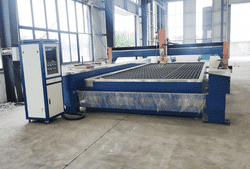


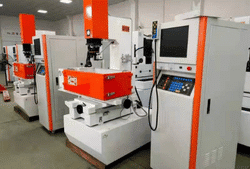

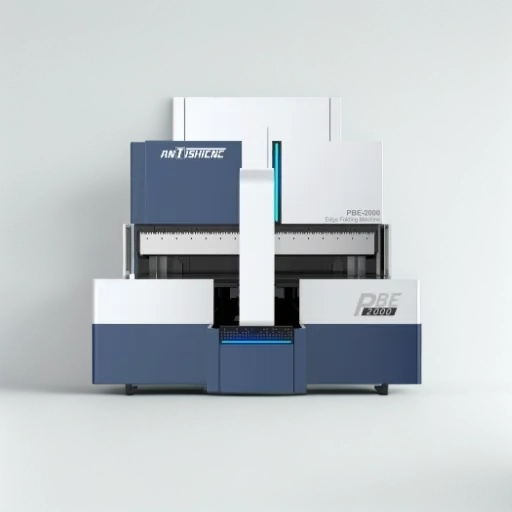
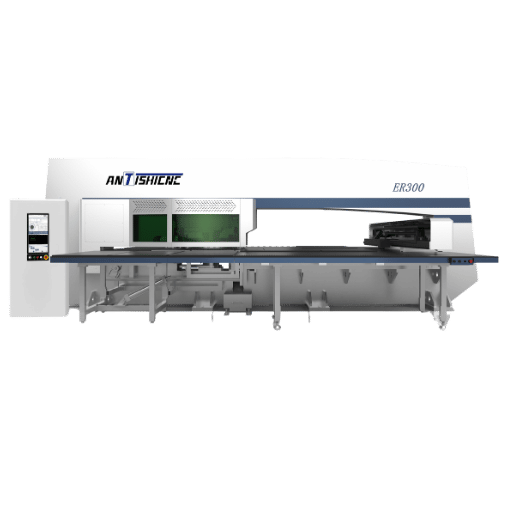


Electrical Discharge Machining (EDM) and Wire Cut EDM constitute revolutionary techniques that have thermodynamically changed modern manufacturing processes, allowing for the utmost precision and intricate designs. These two may in some respects often be used synonymously, but they have different objectives and work on different principles. Hence, understanding the distinction between EDM and Wire Cut EDM is essential for manufacturers and engineers seeking to maximize efficiency and select the correct machining method for their respective needs. This paper tries to demarcate the two by giving insight into their application and optimum uses and hence their representation toward precision machining.
Introduction to EDM and Wire EDM
What is EDM?
Electrical Discharge Machining, simply called EDM, is a nonconventional machining method that forms or cuts metals by means of electrical discharges. This method is best suited for machining hard materials and for very fine, detailed designs that the traditional machining approach can hardly accomplish. The electrical sparks are generated intermittently between an electrode set acting as a tool and the workpiece set as the object to be worked on, both immersed in a dielectric fluid, which may be oil or de-ionized water. These discharges erode material from the surface of the workpiece, thus giving shape to the workpiece as per the desired specifications.
EDM’s working of any conductive material with extreme accuracy, with accuracies accepted up to the limits of ±0.0005 inches, remains one of the hallmark features of EDM. Because of this reason, existing aerospace, automobile, and medical device manufacture might etc., to meet their application requirements. Another big plus of EDM is that it can form complex geometries, sharp corners, and fine cavities while avoiding mechanical stresses, making it critical in ensuring proper quality standards.
Recent though somewhat unverified statistics put the size of the global ECM Market at 3.6 billion USD approximately in 2022, which, driven by advances in automation and demands for precision components, shall experience steady growth. Conventionally, the present EDM systems come equipped with the capability of CNC and enhanced software control that allows for reduced processing time and enhanced efficiency. All such advancements sustain EDM’s relevance in the world of manufacturing and precision engineering, which keeps evolving.
What is Wire EDM?
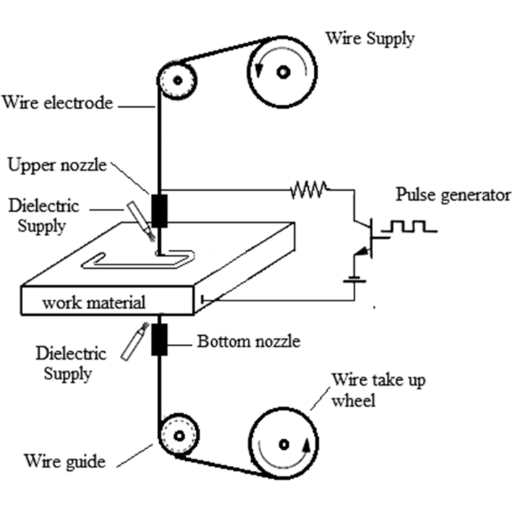
Wire Electrical Discharge Machining (Wire EDM) is a precise manufacturing method that makes use of electrical discharges (sparks) to meticulously cut conductive materials into a variety of shapes and designs. The process uses a thin electrically charged wire cutting tool, usually made of brass or molybdenum. There is no physical contact between the cutting wire and the workpiece, and material removal occurs as high-frequency sparks develop between the wire tool and substrate, all being submerged in a dielectric fluid that keeps the process steady and washes away debris.
Wire EDM is so highly sought after in industries where precision has to be maintained at the highest level, such as aerospace, medical, automotive, tool making, and die industries. Mostly, it gets employed in making intricate geometries and components that require extremely tight tolerances and are too delicate for machining with conventional methods.
Expected CAGR: 6.5% from 2023 to 2030.
The Wire EDM market is estimated to be growing with considerable growth potential from the technological developments comprising automated controls, multi-axis capability, and wire materials. Wire EDM Market has been forecasted by experts to progress with a CAGR of 6.5% during the period 2023-2030, owing to the ever-increasing demand for fine-precision components and cost-efficient manufacturing methods in various industries. Further innovations and changing market trends would add to establishing Wire EDM as a must-have tool for precision engineering.
Working of EDM and Wire EDM
Electrical Discharge Machining and Wire EDM are high-end techniques employed to cut and shape conductive materials with precise tolerance. EDM, as understood, impinges a controlled spark discharge upon the electrically charged electrode and the workpiece rivaling the nature of an electrical discharge. This spark will splinter and erode away at the materials, forming intricate traces or shapes without actually exerting any mechanical force onto them. The incidence is that of a dielectric fluid performing its duty as an insulator and coolant and removing debris away simultaneously. This all ensures a higher degree of precision and efficiency.
In Wire EDM method one uses a very thin wire through which a voltage is applied, usually brass or other conducting alloy, for high accuracy in carving out a shape. Since the cutting action is by discharges, the wire never actually touches the workpiece. Wire EDM caters to very intricate designs, tight tolerances, and complex geometry with wire diameters from about 0.008 to 0.015 inches. The process, hence, is very much precision and production-oriented diagnostics for aerospace, automotive, and medical device manufacturing.
Per recent data, machining technology evolved with increased rate of cutting, fine wire materials, and automatic programming. For example, the modern Wire EDM machine features very fine tolerance of less than ±0.001 mm, and the wire could cut material thickness of more than 300 mm. Further, the integration of software associated with CAD/CAM systems has made the process simpler and thus reduced lead time and increased design flexibility in manufacturing. Observations indicate how Wire-EDM is being increasingly favored for commercial production of micro-components for electronics and surgical instruments that require a higher degree of precision and thus, with such applications being active in true sense, the market grows, and therefore there are gains from the commercial class for making Wire-EDM an integral part in the future of manufacturing.
Core Differences Between EDM and Wire EDM
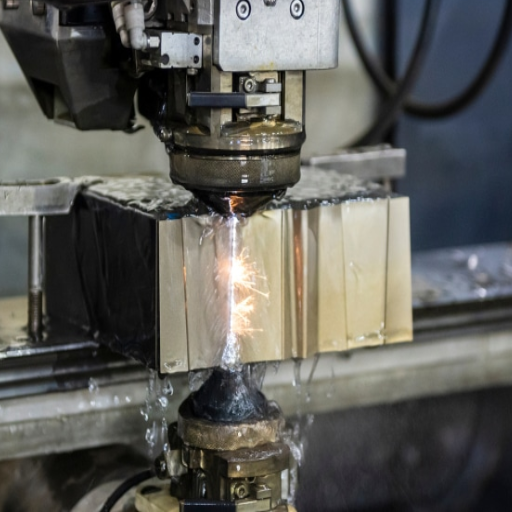
Functionality Comparison
| Aspect | Traditional EDM | Wire EDM |
|---|---|---|
| Electrode Type | Shaped electrode (copper, graphite) | Thin wire (brass, molybdenum) |
| Cutting Method | Erosion using shaped electrode | Continuous wire cutting |
| Precision Level | ±0.0005 inches | ±1 micron |
| Surface Finish | Good | Excellent (0.1-micron RA) |
| Best Applications | Molds, cavities, patterns | Dies, aerospace parts, micro-components |
Both EDM and Wire EDM cut materials by means of electric discharge. While common to both is an intensifier, the actual working and application of the machines are totally different. The working EDM is a conventional type consisting of a shaped electrode to corrode the material, with mold-making or cavity or intricate pattern-making works that are best suited to heavy-grade conductive materials. Wire EDM, by contrast, operates with a very thin fine wire, normally brass or copper, as an electrode cutting along a programmed path, somewhat akin to a bandsaw but far more precise.
It is generally accepted that Wire EDM machines excel in manufacturing complex parts that require tight tolerances and intricate geometries: dies, aerospace parts, and micro-components for electronics. Wire EDM has reached the highest level of precision, allowing a tolerance of ±1 micron with a surface finish reaching the 0.1-micron level RA, thereby serving industries that require extreme precision.
In some instances, a traditional EDM may not work due to its limitations with regards to certain angles on complex geometries posed by the electrode, whereas Wire EDM not only manages these with ease but is very capable for straight and taper cuts. According to further advances developments, Wire EDM is increasingly used for 3D contouring, which allow faster and quicker production cycles with less wastage of material than the conventional machining methods.
By current market trends, the global EDM industry is expected to grow at a CAGR of 4.9% between 2023 and 2030, with Wire EDM being widely adopted for higher versatility by industries. Although this methodology owes the best degree of interest and thrust from the automotive manufacturing sector, with intentions of using Wire EDM to enhance accuracy and lower machining costs on technologies standards.
Working Principles
According to the principle of EDM, materials are removed by means of electrical discharges. Both the electrode and the workpiece are immersed in a dielectric fluid possessing properties suitable to prevent the spark, such as deionized water or oil. When a potential difference is established between the electrode and workpiece, the dielectric breaks down and acts as an electric spark. It provides very intense heating that melts and vaporizes minute particles of workpiece material. The dielectric fluid then washes particles and debris away, allowing the formation of intricate patterns or cut-outs.
Latest Advancement: Integration of AI and machine learning into EDM systems for better process automation and accuracy. Advanced wire EDMs can tolerate ±0.001mm and are thus used wherever ultra-precision is required, especially aerospace and medical device manufacturing.
Further yet, developments are being developed at par with the infusion of AI and ML systems into the EDM system for better automation of process and accuracy. According to the latest industry data available from Search, advanced wire EDMs can tolerate ±0.001 mm, giving them indispensability in ultra-precise sectors such as aerospace and medical device manufacturing. The EDM world has seen some concern for green dielectric fluids and energy-efficient machines in recent years. These enhancements in the EDM processes under the hood allow them to fabricate gargantuan production systems at high speeds, with no compromises on precision and quality.
Industries Having Particular Applications
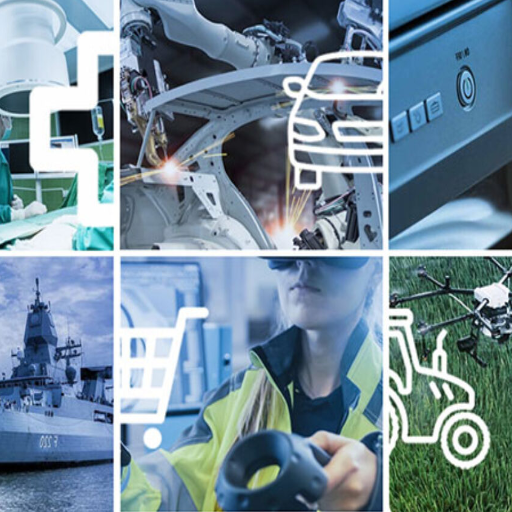
1Aerospace Industry
In the aerospace sector, EDM finds further applications in the production of turbine blades, fuel injectors, and complicated engine parts. Because hard alloy steels such as titanium or nickel-based superalloys require machining, these processes need very fine tolerances and do set EDM in the standards. For example, the turbine blade channels have to be maintained very tightly in tolerances and are intricately designed to enhance air flow, which is quite well achieved by EDM. It was further revealed in an industry report of 2023 that, because of upsurge in productions of fuel-efficient aircraft and complicated engine designs, the aerospace EDM market is expected to record a growth rate of CAGR 5.2%.
The EDM is a process that keeps aerospace manufacturing sustainable by optimizing material usage and allowing some generation of waste. Thus, it serves the general purpose of industries in minimizing their footprints on the environment and optimizing their use of resources. Hence, EDM is the tool of present as well as future Aerospace innovations.
2Medical Device Manufacturing
This process finds its profound applications in the production of highly complex medical instruments and implants, such as surgical instruments, stents, and orthopedic implants. It assures that instruments that are forged mostly from stainless steel, cobalt-chromium, and titanium are able to meet the strict quality standards set forth by the regulatory authorities. Different micro-EDM applications have been very much demanded recently, wherein intricate parts go as far as being used for microcatheters and heart valve components. The advancement in healthcare technology innovations raised the medical EDM market up to $2.1 billion in 2022.
3Automotive Industry
Within automotive industries, EDM finds its use in fabricating such parts as fuel injector nozzles, transmission parts, or molds for a lightweight yet strong material. With the rise of electric vehicles (EVs), EDM is increasingly used to manufacture many of the precision parts that go into EV motors and battery systems. This is coupled with a forecast by MarketsandMarkets in 2023, which projected steady growth of the automotive EDM market alongside the expansion of the EV sector, going beyond being worth $1.8 billion by 2027.
In addition, EDM is secured to be more under sustainable automotive manufacturing practices. By considering material utilization and wastage norms, EDM adheres to stringent environmental regulations and companies’ commitments toward carbon neutrality and sustainable business. By engineering energy-efficient components, it further reduces the energy demand of vehicles and is thus considered as one of the core technologies in transformation for the automotive industry.
4Electronics Industry
The miniaturization of electronic gadgets requires precision machining methods, including EDM, to fabricate such components as connectors, microchips, and fine-pitch molds. Wire EDM is best suited to the precision requirements of semiconductor and consumer electronics industries. The increasing demand for 5G devices and wearables is expected to augment the usage of EDM in the field, which is projected to witness a substantial growth from 2020 through 2025.
The continuous evolution of EDM shows the uniqueness of problems encountered by each industry, thus underlining how versatile and useful EDM is in today’s manufacturing landscape.
5Tool and Die Making
Tool and die-making has become broadly demanding due to its applications in precise and good quality component manufacturing for several industries such as automotive, aerospace, medical, and consumer goods. Design and manufacture are directed towards the construction of specialized tools, dies, molds, and fixtures necessary for the shaping and forming of materials into finished products.
The integration of CAD/CAM technologies with the engineering of tool and die making has provided great opportunities for allow complex designs to be manufactured with weld-on precision. The electric vehicle production must be raising the demand for high precision components in advanced manufacturing; during 2023-2030, the global tool and die market is in fact expected with a CAGR of 7%-9%.
Tool & Die Market Growth: 7%-9% CAGR (2023-2030)
If machining and dies are made out of tungsten-carbide and advanced ceramics, which are considered high-performance materials, the process becomes more durable and efficient, thus reducing downtime, as well as providing faster production output. Apart from conventional methods, the integration of tool and die making now involves those of additive manufacturing or 3D printing for faster prototyping and shortened lead times.
With the intent of sustainable development, the processes of tool and die making are being revamped to optimize the use of material and thereby reduce waste, as required by contemporary environmental standards. Machine automation means and real-time monitoring are used to increase the level of efficiency and guarantee consistent quality with very strict standards of present-day production environments.
Advantages and Disadvantages of EDM Techniques
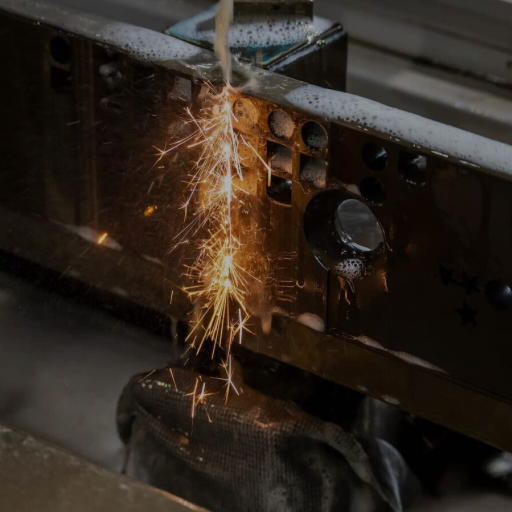
Precision and Accuracy
EDM is famous for making very precise and accurate cuts; thus, great manufacturing processes that require stringent tolerances employ it. As per current observations, an EDM machine can maintain a tolerance of plus-or-minus 0.0001 inch, which is the factor that becomes crucial in, say, aerospace, medical equipment, and electronics, where even the slightest deviation can mean a huge difference in implications.
EDM’s material cutting is a non-contact cutting process that uses thermal energy to erode material, allowing intricate and complex shapes to be formed repeatedly while maintaining precision. This precision is especially needed when hard materials, such as titanium, tungsten, and ceramics, are to be machined, as these materials are very difficult to machine by traditional means of machining.
Speed and Efficiency
EDM has become the fastest and most efficient means of achieving manufacturing. The developments in automation and control technologies allow EDM systems to work at even faster cutting speeds and maintain a higher precision than those achievable by the conventional methods. For example, wire EDM in the modern context is able to cut at a rate of 500 mm²/min, much increasing the cycle time for complicated components.
Furthermore, such progress of CNCs has been shown to optimize EDM operations, with recent statistics suggesting as such. To begin with, advanced CNCs in EDM operations automate toolpath generation, thereby cutting short setup times. Subsequently, with the establishment of lights-out manufacturing, operations can carry onward with zero human interface. According to a Global Market Insights report issued in 2023, automation in EDM has led to a 15% yield increase in operations across aerospace and automotive industries.
Cost-Compatibility with Materials
One of the most vital advantages of Electrical Discharge Machining (EDM) arises from the production of very precise components at much lesser costs. Unlike what happens in machining by conventional methods, EDM does not demand the expenses of tooling or long setup times. EDM equipment today is fitted with energy-saving technology, which greatly reduces power consumption and operational costs as time goes by. Studies have proven, in fact, that the utilization of advanced dielectric fluids combined with better machine cut time can reduce production costs by as much as 20%, thus making EDM attractive in cost to industries like aerospace, automotive, and medical equipment manufacturing.
The electrical discharge methods perform well in terms of material compatibility as they are capable of machining a large array of materials ranging from those so tough or hard to cut conventionally thin-walled dies to tungsten, titanium, and superalloys that can be machined with ease for utmost durability and functionality in demanding applications. Moreover, these processes can readily extend to materials uncommon in traditional engineering disciplines, including composites and conductive ceramics. This ultimate compatibility allows wider design scopes as well as better material application, thus upping the cost-effectiveness of EDM technology.
Besides that, adaptive control systems, as well as further electrode technology improvements, have greatly added to the precision of EDM operations. CNC integration, for instance, makes it possible to exercise more control over the machining process, producing a better surface finish while reducing wastage of material. Recent researches predict, that these technical improvements shall be supporting the market to grow, with the global market size being forecasted to exceed $6 billion by 2028.
Such precision ensures that all measuring processes comply with industry standards, while speeding up production time and becoming cost-efficient and reliable for production. Together, these make the EDM process an essential adaptable accurate technology in the manufacture of high-tech products.
The smart technologies, including IoT and machine learning, have optimized the EDM processes. The real-time monitoring of electrode wear, spark parameters, or dielectric fluid quality enables predictive maintenance, minimizing downtime. Such innovations have made EDM maintain its position as being not just one of the fastest methods for producing intricate designs, but also an efficient resource-use and cost-effective one.
Choosing the Right EDM Method
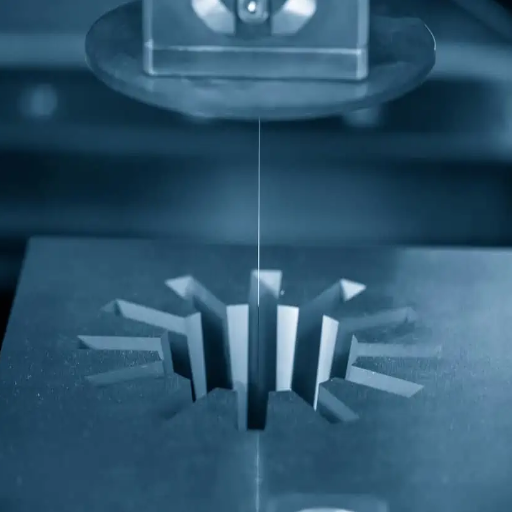
Assessing Project Requirements
Selection of a right Electric Discharge Machining (EDM) technique essentially means an evaluation of the project-specific requirements demanding utmost performance, cost-efficiency, and finally, delivery of expected accuracy. The following considerations warrant attention:
Material Type and Properties
Materials react differently to EDM processes. For example, harder materials such as tungsten carbide or titanium are ideally suited for EDM because of its ability to cut without applying mechanical force. In contrast, soft materials may require adjustments in machining parameters to prevent overcutting or burning of the material.
Tolerances and Surface Finish
Wire EDM or some specialized processes are essentially required when dealing with the projects demanding extreme precision and tight tolerance with critical surface finish. Recent research has indicated that tolerances of ±0.0001 inches can be achieved by Wire EDM, and it is thus used mostly in aerospace or medical manufacturing.
Complexity of Geometry
When a project involves intricate designs or shapes with sharp corners and deep cavities, there may be a need to resort to Sinker EDM. This special method allows engineers to tackle challenging geometries that conventional tools just cannot handle adequately.
Production Volume
The volume of production will dictate which EDM to pick. Hence, in the case of high-volume manufacturing, it will be best to automate the EDM system with real-time monitoring to avoid downtime and maintain consistency; recent reports show, automated EDM systems can enhance manufacturing efficiency by 30%.
Budget Constraints
Balancing even operational budget limitations against a project need is a task. Conversely, while it is true that EDM machines are often a much higher initial capital outlay than other alternative types of machining, the trade-off in long-term tooling and product quality does lie with these machines being extremely precise and machining the harder materials needed for most projects.
Environmental Factors
With sustainability becoming an issue of concern, do keep in mind equipment that optimizes electrical consumption or reuses dielectric fluids. Modern EDM machines now boast energy-efficient features and can reduce their consumption of power by up to 20%, depending on the case studied.
After fully analyzing the criteria and matching them with the new evolution in EDM technologies, organizations select the machining method that will best suit their specific needs in ensuring desirable results with economic efficiency and sustainability.
Material Considerations
The nature of the material largely determines how effective and efficient Electrical Discharge Machining (EDM) can be. Electrodes in EDM are usually materials having high thermal and electrical conductivities such as copper, brass, graphite, and tungsten. These materials, therefore, allow for accurate machining under the influence of extreme thermal and electric energy involved in the process.
Workpiece materials suitable for EDM are metals that are inert with respect to the dielectric fluid or possess very high melting points, hardness, or brittleness so they cannot be put to conventional machining operations. For example, titanium, stainless steel, carbide, and nickel-based superalloys are machined by the aerospace, medical, and automotive industries by EDM.
Recent research emphasizes that the selection of dielectric fluid and electrode materials could reach high precision surface finishes and low tool wear. The technical report from TechSolve stated in 2023 illustrating the use of graphite electrodes with advanced dielectric oils could reduce surface roughness by almost 15%, providing more precise surfaces to the finished products.
In addition, new methods in hybrid-type EDM are being researched with the aim of improving machining efficiency for difficult-to-machine materials. Research has shown that the introduction of aluminum or silicon carbide powder into the dielectric improves the removal rate of hard alloys by about 30% and simultaneously lowers the wear of electrodes.
To know about the material compatibilities concerning a certain type of EDM is imperative to optimize for results alongside being sustained and cost-efficient. Organizations practicing modern material selection are likely to be leaders in the competitive markets.
Desired Finish and Complexity
The nature of the finish in EDM is highly dependent on the complexity of the part design and the selected materials. A good surface finish is often achieved when the parameters like discharge energy, pulse duration, and dielectric fluid treatment are well selected. Advanced Osaka processes revealed 40% improvement in surface roughness (Ra) when graphite powder was added to the dielectric, particularly with intricate geometries.
Since micromachining is extremely varied with many process name variations, for instance, micro-EDM, it is increasingly used to machine highly complex parts with microfeatures. On the contrary, micro-EDM can manufacture parts with tolerances as tight as ±2 microns for aerospace, medical device making, and electronics industries. Recent reports from the industries have mentioned that with the improvements in adaptive controls and hybrid EDM processes, there has been further enhancement in machining accuracy and resultant surface finish in a single setup.
With the coupling of advanced simulation software, the management of material removal rates against the desired complexity was achieved. They show that machining times are cut down on average by 20-25%, reducing tool wear while preserving surface integrity. Thus, these innovations continue to place EDM methods as a prime choice, especially in industries that demand component production with high levels of reliability and repeatability.
Frequently Asked Questions
These are the two main divisions of electrical discharge machining, with each division carrying its own applications and advantages. The wire uses a thin metal wire as a cutting tool to cut the workpiece with high precision, following the contour of the shape to be worked on. The method is great for CNC machining because of its ability to create smaller, intricate shapes and finer details. Sinker-type EDM shapes and creates cavities for features in materials. While it can cut deeper, a wire EDM will generally be chosen for tighter tolerance and smoother finishes. Both methods find their way in the EDM world, catering to varying machining needs.
There are EDM machines employed throughout various industries with the specific purpose of precision cutting and finishing hard materials. Usually, these machines come in handy for building complicated geometries or for very small tolerances by the aerospace, automotive, and mold-making industries. During the wire EDM operation, a very fine continuous wire passes down through conductive materials to create intricate designs and shapes that would hardly have been considered with other more conventional machining routes. This makes wire EDM highly versatile in manufacturing to cut steel, titanium, bronze, and copper. With its ramping capacity for detailed design and edge smoothing, it adds greatly into the finishing level of a product.
When comparing EDM to wire EDM, many considerations favor one or the other in terms of application and result. For three-dimensional shapes and deep cavities in a workpiece that demand a high degree of accuracy, EDM, especially sinker EDM, is suited. Conversely, wire EDM is used in making intricate outlines and detailed features, good for mold and part making to tight tolerances. In addition, wire EDM can achieve finer finishes and details because of its thin wire and its controlled cutting action. Both methods are desirable but the deciding factor between choosing one or the other is the requirement of the machining job.
In general, EDM cannot handle narrow angles as well as wire EDM can. The wire EDM process uses a thin-wire electrode that moves with extreme precision around complex geometries and tight angles. Therefore, wire EDM is the best process where sharp corners and intricate details are required. On the other hand, traditional EDM or sinker EDM is unable to do fine work into narrow angles, mainly due to the restrictions imposed on the electrode shape and design. Whenever a project demands fine, narrow, and acute angles, wire EDM would be preferable due to its greater capability with such fine features.
Prior to machining by conventional means, the true EDM process was used. The traditional EDM method uses electrical discharges between an electrode and a workpiece to remove material. This process is well suited for hard metals, working on difficult materials, or for producing something with complex shapes that are otherwise difficult by mechanical means. Wire EDM uses a cutting tool, such as a wire or a ram electrode, to make elaborate designs by producing sparks between the electrode and the workpiece. This is a very precise process and can create shapes and features such as cavities and holes that would otherwise be difficult to do with machine tools. The EDM process is well suited for making precision components in many industries.
Reference Sources
- University of Northern Iowa – An Analysis of the Electrical Discharge Machining (EDM)
https://scholarworks.uni.edu/cgi/viewcontent.cgi?article=4857&context=grp
This paper provides an in-depth analysis of EDM processes, including their applications and differences. - California Polytechnic State University – Characterization of the 15-5 Stainless Steel Electric Discharge Machining
https://digitalcommons.calpoly.edu/cgi/viewcontent.cgi?article=1174&context=matesp
A detailed study on EDM, focusing on material characterization and machining techniques. - University of Nebraska-Lincoln – Review of Electrochemical and Electrodischarge Machining
https://digitalcommons.unl.edu/cgi/viewcontent.cgi?article=1275&context=mechengfacpub
This review covers various EDM methods, including Wire Cut EDM, and their industrial applications.