




The world of machining evolves with time, requiring precision, speed, and innovative ways to stay relevant in this cut-throat world of advances. For manufacturers and machining professionals, finding the right kind of equipment that meets the standards can mean the difference between very low productivity and a relatively high output. Enter the VMC1050 CNC Vertical Machining Center-a solution for manufacturing that can face the most demanding machine operations. In this article, we will study what makes the VMC1050 the ultimate VMC machine, some of the highlights, and how it can potentially change your machining operations. This guide will give you valuable insights so you can make a wise decision, whether you consider yourself an expert or a novice in CNC machining.
Introduction to the VMC1050 CNC Machine Center
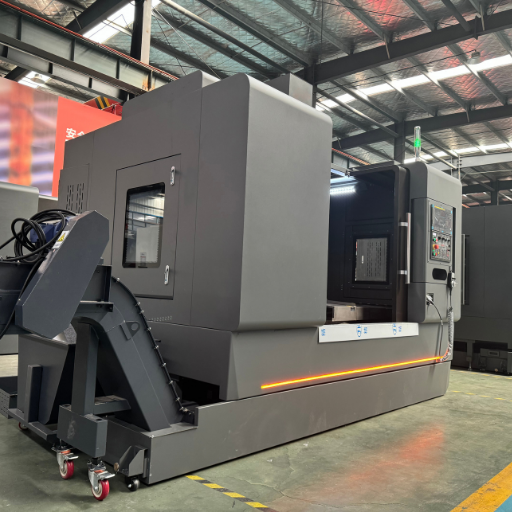
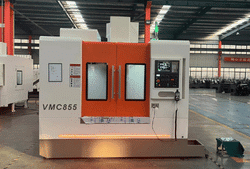
The CNC Vertical Machining Center VMC1050 is a very flexible and precise machine designed for complex and demanding machining work. Strongly built, it affords utmost stability and precision, and so forever lasts. With an advanced spindle technology and automatic tool changers alongside an easy-to-use control system, the VMC1050 provides excellence and efficiency. This machine was ideal for modern-day operations with precision requirements in aerospace, automotive, and tooling manufacture.
Overview of CNC Technology
Computer Numerical Control, or CNC, technology, has brought automation and precision to the manufacturing processes and thereby has completely altered the manufacturing industry. Because of their computer-controlled nature, CNC machines achieve absolute accuracies and speeds and therefore have become critical in manufacturing industries.
The CNC provides tighter tolerance as most machines achieve precision levels of close to ±0.001 inches. Such high precision is essential in aerospace, where slight deviations can violate safety or performance standards. The CNC machines can handle an array of materials-from metals to plastics, composites, to ceramics-giving a versatile nature to production.
Another benefit of CNC technology is an increase in productivity which comes from multi-axis capabilities enabling the performance of complicated operations, such as milling, drilling, turning, and cutting, all in one setup, resulting in reduced cycle times. Some of the higher-end models even combine monitoring and error detection abilities in real time, ensuring output quality, with minimal scrap.
Increased use of CNC technology means human errors are minimized while safety standards are increased. The automated process prevents the hands-on interaction of the operators with cutting tools during machining and thus mitigates the chances of work injuries. Also, CNC software facilitates making duplicate parts, ensuring uniformity in bulk production.
In other words, CNC is used to push the boundaries of precision manufacturing with a variety of advantages to fulfill the demands of different industries. Because of its reliability, efficiency, and adaptability, it has become an integral part of the production landscape.
What Makes the VMC1050 Stand Out?
Due to its marrying of supreme precision, speed, and state-of-the-art technology, the VMC1050 stands tall in the domain of vertical machining centers. The VMC1050 is built for heavy applications with a spindle design capable of speeds up to 10,000 RPM for smooth and precise machining even under the more disastrous operations. Its high-torque motor offers plenty of power with which to cut through hard materials like steel, aluminum, and titanium effortlessly.
Advanced Features
The VMC1050, equipped with an active direct-drive system, elevates the suppression of vibrations and the stability of the machine during high-speed operations, thus enhancing accuracy and surface finish, and its CNC control system gives an easy-to-understand programming interface alongside real-time monitoring functions so operators can optimize production workflows.
Larger Work Envelopes
The VMC1050 allows an expanded size of worktable of approximately 1050mm × 500mm with a Z-axis travel varying up to 600 mm. The spacious work envelope allows large-sized workpieces to work within close tolerances, hence good for aerospace, automotive, and precision tooling industries.
Efficiency and Cost Savings
With tool changers capable of more than 24 tools, the VMC1050 reduces downtimes rich to tool changes. Efficient chip disposal preserves cooling and continuous operation, leading to increased productivity and fewer maintenance costs in the long run.
Durability and Reliability
With a cast-iron frame built on rigidity and thermal stability, the VMC1050 stands firm against factors causing deformation in long usage or due to environmental changes. This ensures that the quality of output remains at the very top even during long production periods.
The positioning of the VMC1050 as the top pick for manufacturers wishing to advance their operations through precision machining is due to its advanced features and dependable performance attributes.
Applications in Various Industries
The VMC1050 is a general-purpose machining center serving a number of industries. What follows could be the key applications,a long with some examples of functioning in certain sectors:
- Automotive Industry
-
- Production of engine components such as cylinder heads and blocks.
- High-precision machining for transmission parts and suspension systems.
- Aerospace Industry
-
- Fabrication of intricate parts like turbine blades and airframe components.
- Ensuring tight tolerances for critical aviation applications.
- Medical Industry
-
- Manufacturing of surgical instruments and implants with superior precision.
- High-quality production of diagnostic equipment components.
- Electronics Industry
-
- Creation of small, detailed parts for circuit boards and electronic housings.
- Precision machining for connectors and other critical assemblies.
- Energy Sector
-
- Building components for wind turbines and energy storage systems.
- Production of parts used in oil and gas extraction equipment.
- General Manufacturing
-
- Custom tooling and fixtures for versatile production needs.
- Efficient batch production for a variety of industrial components.
The VMC1050 with all its flexibility, precision, and durability finds application in these and other demanding industries.
Key Features of the VMC1050 Vertical Machining Center
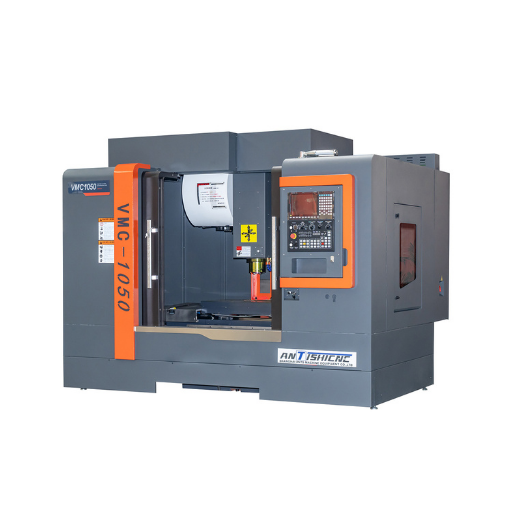
- High Precision
Keep consistent accuracy for all machining activities, especially when it comes to intricate designs and complex projects.
- Rigid Construction
It is designed to stand the test of time, with the end result being low vibrations and improved performance through operation.
- Advanced Control System
Includes easy-to-use controls for easy operation and process optimization.
- High Spindle Speed
Better and faster machining provides time for other operations on demanding jobs.
- Versatility
Materials and processes may be varied depending on industry demand.
- Extended Tool Life
The cooling and cutting process reduces wear and increases performance with time.
For industrial applications, these features turn the VMC1050 into a very dependable and flexible machining solution.
Precision Engineering and High Accuracy
The VMC1050 is superbly designed for the unique needs of precision engineering, rendering fine levels of accuracy on complex machining operations. With an advanced CNC control, it can position at ±0.005mm with a repeatability of ±0.003mm to achieve consistent results devoid of any possible error. Highest quality linear guideways coupled with high structural rigidity dampen vibration and thermal deformation during operation, hence augmenting precision.
The thermal compensation system in the spindle stands in addition to stabilizing performance against varying conditions. An intelligent feedback system monitors and adjusts on a real-time basis, so operators may feel safe in undertaking delicate machining works. This has made the VMC1050 highly sought-after in high precision applications and in aerospace, automotive, and medical manufacturing.
Heavy Duty Construction
The VMC1050 is equipped with a very sturdy framework for the most demanding industrial applications. Constructed in close adherence to high standards of cast iron, it also possesses rib reinforcements for great rigidity and vibration damping during high-speed operations. The base and column participate in ensuring the load is distributed in the best way possible to minimize any deformation and subsequent wear with time.
Accommodating large workpieces without any fuss, the VMC1050 comes with a weight capacity of 1,200 kilograms and usually has a table measuring about 1,200 x 600 mm. Keeping accuracy all the time, linear guideways of high precision assure the same, even when subjected to heavy loads. That sort of solid construction builds in great durability, thus enhancing the operational lifetime of the machine and making it very reliable in high-production environments.
Advanced Milling Capabilities
The VMC1050 milling machine offers State-of-the-Art performance with cutting-edge technology in the interest of accuracy and efficiency. This machine boasts a high-speed spindle, attaining up to 12,000 RPM, exact cutting, and smoother finishes even on complex geometries. This also involves an advanced CNC control system that supports seamless multi-axis movement to execute even more complex designs & high-tolerance machining with ease.
Furthermore, the machine provides a choice of tooling and comes with ATC for 24 tool slots at the maximum capacity, giving marketers greater productivity with less human intervention. The VMC1050 is designed to feed at high rates, reaching 36 m/min in X and Y axes, while simultaneously holding a positioning accuracy of ±0.005 mm, thus earning a great reputation for consistency throughout a production cycle. Such speed and precision put the machine in a very competitive position when dealing with heavy-duty applications in the aerospace, automotive, and mold-making industries.
Benefits of Using the VMC1050 CNC Machine
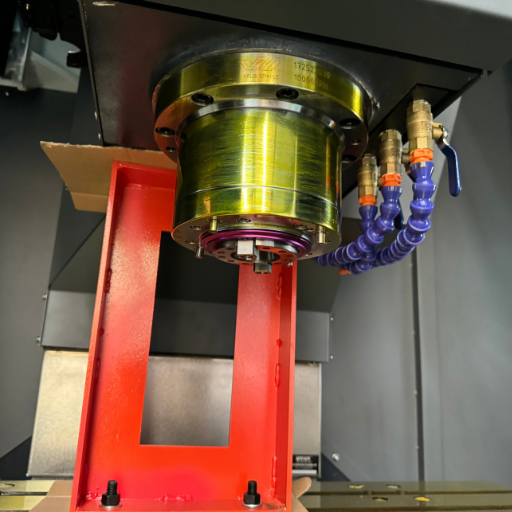
- Precision and Accuracy
With the precision it delivers for positioning at ±0.005 mm, the VMC1050 thereby ensures that high-quality results are consistently presented throughout all production cycles.
- Enhanced Productivity
With an ATC system, the machine accommodates 24 tools that minimize manual intervention, thus enabling faster and more efficient machining.
- High Speed Capabilities
Machining time is greatly diminished with feed rates as high as 36 m/min for X and Y. This results in a final increase in throughput.
- Versatility
A range of applications can be performed on the VMC1050-Aerospace, automotive, and mold manufacturing; hence, it is a very good alternative for any machining activity.
- Durability and Reliability
With good design engineering practices and utilization of strong materials, the VMC1050 will be able to yield those qualities of long life and reliability even in harsh environmental conditions.
Enhanced Productivity
The VMC1050 enhances productivity by enabling fast machining speeds, utmost precision, and minimum downtime; thus, quick project completion and meeting of stringent deadlines become feasible.
Multi-Industry Versatility
Being equipped with a VMC1050 means having at one’s disposal a machine tool fine-tuned for the demands of various industries-from automotive through aerospace, medical, and electronics manufacturing. This adaptability is provided by some advanced features like high spindle speeds, tool changers with large capacities, and compatibility with all materials-from aluminum to steel to composites. To give a perspective, with aerospace, it is all about the precision required by the VMC1050 during machining of complex components that need very tight tolerances for proper performance and safety. On the other hand, in the field of medicine, it gears such capacity to produce complicated parts for things like surgical instruments, making the whole process very accurate and consistent. Machining speeds reach well over 10,000 revolutions per minute with a tool magazine capacity of more than 24 tools. Hence, the great versatility of the machine retains material and spare capacity for bulk production applications, ensuring excellent quality. Because of this attribute, the VMC1050 retains the trust of the users when called for varied and tough jobs in these vibrant fields.
Cost-Effectiveness for Manufacturers
The VMC1050 is a profitable investment, with ways to save money on production while preventing waste. It is a fast machine with high-level precision, minimizing material loss and allowing manufacturers to save heavily on the cost of raw materials. The built-in heavy structure is less likely to need repairs and replacements and would require minimal maintenance. The most recent improvements in CNC technology show that production machines like the VMC1050 can cut production cycle times by up to 20%, enabling manufacturers to increase output without any added cost implications. Additionally, the energy-efficient design of the VMC1050 helps reduce operational costs while allowing for the achievement of sustainability and profit goals.
Real-World Use Cases of the VMC1050

The VMC1050 is highly versatile, acting as a workhorse in various industries all around. Meanwhile, automotive manufacturing is where it finds its greatest application and use in producing much-needed engine components and parts for transmission. Aerospace manufacturers use the VMC1050 to machine lightweight, high-strength materials for aircraft components. Some of the other industrial applications of the VMC1050 include making devices for medical applications worthy of surgical equipment and implant-level precision standards. Being adaptable, it also works well in custom part manufacturing for small batches across various sectors.
Machinery Manufacturing Applications
- Automotive Industry
-
- Applications: Production of automotive engine components, transmission components, and customized automotive components.
- Materials Used: Steel, aluminum, titanium alloys.
- Precision: The precision of space laundering is approximately ±0.005 mm, assuring that the manufactured parts are truly for high-performance and reliability.
- Batch Sizes: From mass production to a few customized parts.
- Aerospace Industry
-
- Applications: Structural components of very lightweight construction, turbine blades, and precision tooling.
- Materials Used: High-strength materials such as titanium, inconel, and aluminum alloys.
- Precision: Able to machine complex geometries within very tight tolerances.
- Compliance: Compliant with aerospace standards and regulations.
- Medical Sector
-
- Applications: Making surgical instruments, medical implants, and parts for diagnostic instruments.
- Materials Used: Biocompatible materials like stainless steel, cobalt-chrome alloys, and PEEK are used.
- Precision: It provides a micrometric level of precision, which is crucial for medical usage.
- Sterility: The processes meet strict cleanliness and sterility requirements.
- General Manufacturing
-
- Applications: Custom parts, mold-making, and prototyping for various industries.
- Materials Used: Any materials under the sun-from plastics to composites and metals.
- Flexibility: Unique part designs are accepted, along with customization.
- Batch Sizes: For mass and limited production.
By virtue of great versatility and cutting-edge technology, the VMC 1050 turns out to be very useful in these diverse sectors, with precision, efficiency, and adaptability of modern manufacturing applications.
Mold Making and Tooling
Tool and mold making have been at the forefront of manufacturing, as they allow for the development of complex and precise components used in almost every industrial sector. These sectors depend on high-performance CNC machining centers such as VMC1050 for their marvelous accuracy and efficiency. Machines capable of creating molds within a tolerance of ±0.001 inches will ultimately meet the stringent demands of industries like automotive, aerospace, and consumer goods.
Mold making involves the use of exotic hardened tool steels, aluminum, and P20 grade steel, among others, due to their properties of wear resistance and machinability. High-speed milling and multi-axis machining are technologies that allow machining features with complex geometries, undercuts, and fine details with tight tolerances. In addition, the use of CAD/CAM systems has greatly increased the time-to-market by drastically shortening the lead time.
The tooling process benefits from mold-coating innovations like PVD and CVD, thus increasing longevity and performance by increasing wear resistance and thermal stability. These advancements allow manufacturers to satisfy the requirements of highly durable, accurate, and reliable molded components that promise cost-effectiveness and consistent performance in a volume-oriented production environment.
Automotive Industry Solutions
Advanced materials have led to changes in vehicle design, performance, and environmental considerations concerning automotive engineering. One sector targeted for lightweight materials is the use of aluminum, carbon fibers, and high-strength steels to reduce emissions by enhancing fuel efficiency. The aluminum usage has now caught up, with present-day vehicles having an upper limit of 500 pounds, resulting in around 15-20% weight reduction against the conventional steel structures.
Thermoplastics and composites are an ongoing innovation for substitution for heavier components within the general structure, so structural integrity and safety factors are still considered. These materials provide greater freedom of design, so manufacturers can fabricate complex geometries that help not only from aerodynamic perspectives but aesthetic view as well. Simultaneously, advanced battery materials are also being integrated into EVs: lithium-ion and solid-state technologies that can enhance energy density, range, and charging efficiency. The global EV market is projected to reach a CAGR of more than 20% by 2030, on the basis of material advances.
These developments coupled with modern manufacturing processes such as 3D printing and automated assembly lines have said to be speeding up the production process. This allows automakers to fulfill the increasing demand for performance, sustainability, and cost-efficiency in an evolving market with rapid pace.
Choosing the Right CNC Machine Supplier
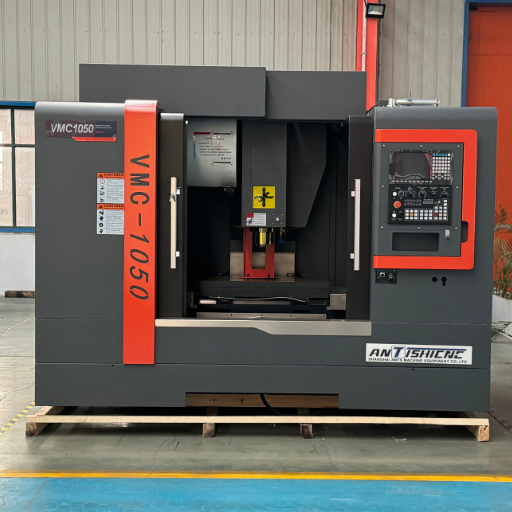
Choosing the right CNC machine supplier would require you to give importance to the reputation, quality of products, and the support given to customers. Go for a supplier that has been known to be reliable and is positively reviewed by its customers. Analyze the kinds of CNC machines they offer and ensure that these meet your required specifications for functionality, accuracy, and durability. Also, assess the after-sales services that they offer, including training, ongoing maintenance support, and availability of spare parts. A supplier that prioritizes customers’ needs and maintains transparency in communication is usually a good, reliable choice.
Factors to Consider When Selecting a Supplier
In assessing suppliers, it is imperative to inspect their industry knowledge and production capabilities. A genuine supplier is expected to showcase advanced technological capabilities, including state-of-the-art CNC equipment that can perform within micron tolerance. For example, most leading manufacturers today consider the adoption of 5-axis CNC machines, allowing them more freedom and better performance for working with complex geometries.
There is still the critical factor of price transparency. Recent data indicate that competitive suppliers counterbalance price against quality, carving out tiered price offerings depending on how much one orders. Another global trend that many suppliers look to align with is the green way-manufacturing method that promotes energy reduction and waste management initiatives amongst its operations.
Delivery reliability is equally important for delays or inconsistent deliveries can wreak havoc on project timelines. The latest numbers indicate that the best suppliers do an impressive job as they maintain over 95 percent on-time delivery, with very few circumstances being exceptions. Partnerships with reliable logistics services might also shed light on a supplier’s ability to fulfill delivery commitments in a timely manner.
Lastly, consider certifications and compliance. Certification according to ISO 9001 for quality management or ISO 14001 for environmental management denotes adherence to high-level industry standards. Such certified suppliers often better face the challenge of meeting demanding production and quality requirements. In this way, by weighing these factors judiciously, businesses can arrive at decisions conducive to their operational goals.
Evaluating After-Sales Support
After-sales support is important for customer satisfaction and repeat business. Some of the parameters to consider in this regard are technical assistance, warranty, and even repairs. Studies have revealed that 89% of customers prefer to return to an establishment that offers superior after-sales service. In addition, businesses that offer 24-hour assistance and a live chat option experience much better customer retention levels, as the customers know their problems will be taken care of immediately.
The time they take to respond should also be analyzed. Many industries consider that an average response time of just below 12 hours to be a good one from the customer service team. Further, training the service person well and providing online resource materials like troubleshooting guides or FAQs will greatly boost the experience for the customer. Ensuring suppliers have strong after-sales support mechanisms does not just quell potential post-sale agitations but also contributes to forging strong bonds over time.
Understanding Warranty and Maintenance Options
Duration, scope, and limitations must be taken into account when warranty and maintenance options are studied. In most common cases, warranties have been applied for anything from one to five years, depending on the product or service. Electronics, for example, may have one-year or two-year warranties, while automobile warranties may exceed five years or 60,000 miles in terms of powertrain coverage.
The question that arises next: What exactly is the warranty covering? Usually covered would be defects in materials or workmanship, with some warranties offering longer coverage for certain parts. Normal wear and tear, misuse, and accidental damage are generally excluded.
Maintenance plans act as complements to warranties by scheduling services so that the products operate efficiently. Vehicle maintenance agreements cover services such as oil changes, tire rotations, and inspections to extend the life and enhance performance. It has been reported that one can save, on average, 20% on unexpected repair costs by buying an extended warranty or maintenance plan in the long run. Understanding these options and their applications, to suit individual needs, could help users avoid unexpected costs and make the most of their investment.
Reference Sources
- Machining Synchronization of Multi-Fuse Parts on Vertical Machining Center and Productivity Enhancement
This study explores innovative fixtures and machining processes on VMCs for enhanced productivity.
Read more here - Design, Development, and Analysis of Hydraulic Fixture for Machining Engine Cylinder Block on VMC
This paper discusses the design and manufacturing of hydraulic fixtures for CNC and VMC applications.
Read more here - Retrofitment of Laser Cladding System with CNC Machine for Hybrid Layer Manufacturing
This research highlights the upgrade of a 3-axis VMC1050 CNC machine to a 4-axis system for advanced manufacturing.
Read more here - Top VMC1050 CNC VMC Machine Suppliers in China
Frequently Asked Questions (FAQs)
The VMC 1050 CNC machine is a vertical machining center designed for high precision and efficiency in various machining applications. It is utilized for milling, drilling, and tapping operations, making it suitable for a range of industries, including aerospace.
How does a CNC milling machine work?
A CNC milling machine operates by using computer numerical control to dictate the movement of a rotating spindle and workpiece. This allows for precise cutting and shaping of materials. The VMC 1050 is an example of a CNC vertical milling machine that enhances machining capabilities with advanced features.
What are the advantages of using a vertical machining center?
Vertical machining centers, like the VMC 1050, offer several advantages, including high-speed machining, increased accuracy, and the ability to handle complex parts. They are often equipped with a lubrication system that ensures smooth operation and longevity of the machine tools.
What is the price range for a VMC 1050 CNC machine?
The price of a VMC 1050 CNC machine can vary based on features and specifications. Generally, high-precision models may range from a specific lower price to premium prices depending on the supplier and added options like a 5-axis configuration.
Can the VMC 1050 be used for 5-axis machining?
Yes, the VMC 1050 can be configured for 5-axis machining, allowing for more complex geometries to be processed. This capability enhances the versatility of the machine, making it suitable for intricate aerospace components and other advanced applications.
What types of materials can be machined with a VMC CNC machine?
A VMC CNC machine, including the VMC 1050, can machine a variety of materials such as metals, plastics, and composites. The machine’s versatility allows it to be used in different sectors, including automotive, aerospace, and manufacturing.
What maintenance is required for a CNC VMC machine?
Regular maintenance for a CNC VMC machine includes checking the lubrication system, ensuring the spindle is in good condition, and cleaning the machine’s components. Routine checks can prevent breakdowns and prolong the machine’s operational life.
What is the difference between a CNC lathe and a CNC milling machine?
A CNC lathe is primarily used for turning operations where the workpiece rotates against a fixed cutting tool, while a CNC milling machine, like the VMC 1050, uses a rotating cutting tool to remove material from a stationary workpiece. Each serves distinct machining needs in manufacturing processes.
What are the key features of a high-speed CNC milling machine?
Key features of a high-speed CNC milling machine include rapid tool changes, advanced spindle technology, and enhanced acceleration and deceleration capabilities. These features enable faster production times and increased efficiency, especially in high-volume manufacturing environments.