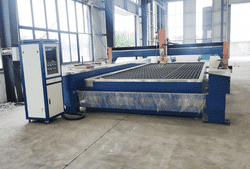
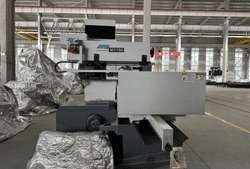


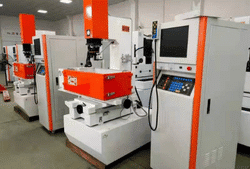
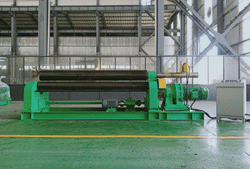



Slotting machines are a crown jewel of any manufacturing and machining process, capable of producing perfect internal grooves, profiles, and keyways in various materials. For professionals in machining and newcomers looking to navigate the learning curve, understanding the different types of slotting machines can provide a significant advantage in enhancing operational efficiency. Here, we analyze multiple types of slotting machines, the key features to consider when selecting one, and their applications in industrial processes. By the end of this article, you’ll be fully aware of the best slotting machine.
Understanding Slotting Machines
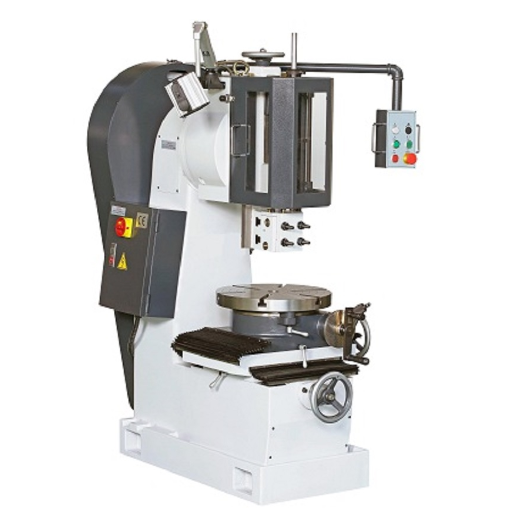
Slotting machines for machining are used to make accurate vertical cuts or slots in various materials, including metal and wood. These machines glide with the cutter in linear reciprocating motions against the workpiece. Precision jobs, such as making keyways, grooves, or other complex shapes that cannot be created using circular methods, are best accomplished with these machines. Their adaptability makes slotting machines very valuable in aerospace, automotive, and manufacturing sectors. When selecting a slotting machine, the type of material, degree of precision, and volume of production should be factored in to ensure it meets the specific requirements of a particular project.
What is a Slotting Machine?
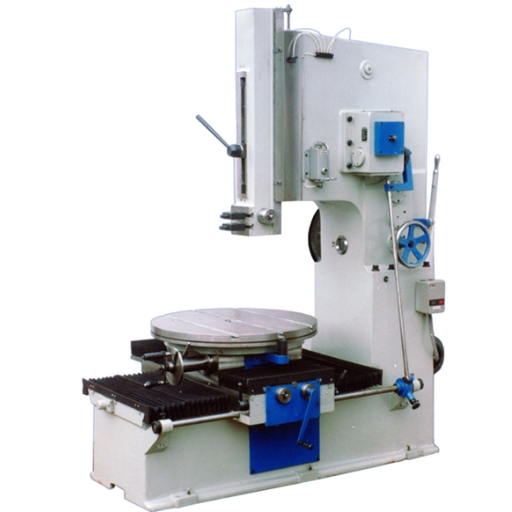
A slotting machine is a reciprocating type of machine designed for cutting grooves, slots, and keyways in various materials, primarily metals. This process involves moving the vertical tool up and down to remove material from the workpiece in a unique manner. The main components of a slotting machine are the base, the column, the ram, the tool head, the table, and the feed mechanism. It is the vertical movement of the tool head that distinguishes slotting machines from other cutting tools.
Due to their ability to produce intricate designs, slotting machines are pretty standard in industries such as automotive, aerospace, and manufacturing. They are capable of working with materials such as steel, cast iron, and nonferrous metals with a high degree of accuracy. CNC programming is yet another feature modern slotting machines can support, allowing for enhanced precision and automation.
Performance Highlight: This has led to increased popularity over recent years, as the CNC slotting machine replaces and improves upon the efficiency and repeatability of traditional methods. Tolerances of up to 0.01 mm are achievable on these machines, thereby considering outstanding tolerance requirements.
Other features offered by slotting machines in later years included adjustable stroke length, a rotational table, and an automatic lubrication system, designed to deliver optimal performance with minimal maintenance.
The various processes that slotting machines perform enable manufacturers to achieve complex geometries, such as internal splines, rectangular slots, and dovetails, that are difficult to accomplish by other means. With technological advances, slotting machines are changing, offering more functions to create more value in machining processes.
How Slotting Machines Work
Slotting machines are distinguished by a vertically moving ram with a cutting tool that moves in a straight, reciprocating motion. This allowance enables the creation of internal or external shapes with excellent accuracy in a workpiece. The workpiece is clamped to the table, which typically has the flexibility to be swiveled or tilted, allowing the cutting operation to be performed at the desired angle or position.
Modern-day slotting machines, on the other hand, are equipped with advanced features, such as programmable logic controllers (PLC) and computer numerical control (CNC), that combine automated operations with higher precision. These programs enable the operator to define the cutting path beforehand and complete complex patterns repeatedly with minimal manual intervention. This eradicates time wastage and leaves more room for precision. Improved lubrication systems and materials minimize tool wear, extending the machine’s lifespan.
Advanced Performance Metrics: Those same CNC slotting machines provide records of meeting tolerance levels as tight as ±0.01 mm, and speed levels reaching 200 strokes per minute, which vary essentially depending on the materials and complexity of the geometry.
When the demand for incredible accuracy and repeatability is an entry-level requirement, these machines are at the heart of manufacturing operations in automotive, aerospace, precision component manufacturing, and other industries. Coupled with recent developments, integrated monitoring systems continue to provide real-time feedback on machine performance status, further enhancing their reliability and productivity.
Key Components of a Slotting Machine
Slotting machines consist of myriad parts that meet their developmental necessities for precision and efficiency. Some of the major parts and their functions are listed below with their detailed workings:
Ram or Slide
The ram, also known as the slide, is the primary moving component of the slotting machine. It accommodates the cutting tool and moves up and down due to the reciprocating movement, thus performing the cutting operation. In modern slotting machines, the rams are made adjustable, allowing the operator to adjust the stroke length according to various materials and geometries. The best among the slotting machines employ servo motors for superior control and accuracy.
Work Table
It is the table on which the workpiece is mounted. Such tables are usually rotatable and adjustable in either vertical or horizontal direction for positioning the workpiece relative to the cutting tool. High-end slotting machines feature computerized or motorized tables, enabling enhanced positioning accuracy. Work-holding devices, such as vices and clamps, are placed on the table to secure the component during machining operations.
Column or Body
The column is the main frame of the machine that imparts strength to hold the ram and the worktable. Usually cast out of weighty cast iron or steel to minimize vibration, it aims at steady and vibration-free operation even during aggressive cutting.
Cutting Tool
The cutting tool is designed to cut slots, keyways, or other intricate geometries into a workpiece. The cutting tools are typically made of high-speed steel (HSS) or carbide materials to ensure that they remain sharp for an extended period. One of the recent advancements is the coating of tools (e.g., titanium nitride) aimed at increasing their working life and performance.
Gear Box and Feed Mechanism
The gearbox controls the movement of the ram and feed of the workpiece, while feed rate and cutting speed are adjusted for different types of material. Modern slotting machines feature automated feed mechanisms, including hydraulic or electronic feeds, which further enhance output and precision.
Motor and Power Transmission System
The slotting machine operates through the driving power of a high-capacity motor that supplies power for cutting operations. The power transmission from the motor is through belts, chains, or gearing arrangements to the ram and other moving parts. Many modern bracket machines utilize AC motors for their low power consumption and excellent operating capabilities.
Lubrication System
To keep all moving components of the machine moving smoothly and help extend the life of some critical components, an automatic lubrication system is installed. Coolants are also sprayed during cutting to prevent overheating and to help the tool’s performance.
Control Panel
Most modern slotting machines come equipped with a digital control panel that incorporates CNC-controlled technology. This enables the operator to program various parameters, such as stroke length, feed rate, and tool path for exact machining. Some control systems even provide real-time diagnostics, allowing for monitoring and maintenance.
When combined, these components form a cohesive system that has made slotting machines significantly superior to others in terms of accuracy and versatility in machining processes. Continual changes, including automation and intelligent feedback systems, are helping slotting machines carve out a new horizon for themselves in industries where exact work is performed.
Types of Slotting Machines
| Machine Type | Description | Primary Application |
|---|---|---|
| Vertical Slotting Machine | The most common type, the cutting tool moves vertically for accurate machining | General slotting and grooving operations |
| Horizontal Slotting Machine | Performs operations on horizontal surfaces with flexibility | Large workpieces and horizontal machining |
| Puncher Slotting Machine | Punching-type machine for uniform repeated cuts | Mass production of identical slots |
| Precision Slotting Machine | Advanced control systems for high-tolerance work | Aerospace and precision manufacturing |
| Keyway Slotting Machine | Specialized for cutting keyways in gears and shafts | Gear manufacturing and shaft machining |
Each of these machine types serves a specific industrial process, thereby ensuring versatility and accuracy in the respective manufacturing processes.
Vertical Slotting Machines
Vertical slotting machines encompass a range of tools designed to create internal grooves, keyways, and similar features on metals and plastics. The cutting tool of such machines cuts in vertical motion while the workpiece remains stationary. These machines find application in the automotive, aerospace, and heavy machinery industries, where accuracy and repeatability are paramount.
Most modern vertical slotting machines are CNC-equipped, hence offering highly customizable and automated operations. For example, CNC vertical slotting machines can maintain tolerances of ±0.01 mm for operations requiring ultra-high precision. Tooling materials, such as carbide and coated tools, can be utilized for better longevity and reduced wear during rigorous processes.
Performance Statistics: Regarding the performance statistics of vertical slotting machines, they are significantly enhanced compared to conventional ones. Depending on the material to be worked on and the tooling applied, the new systems can achieve a cutting rate of between 20 and 50 meters per minute.
Additionally, CAD/CAM compatibility makes complex designs easier to handle, thereby promoting faster prototyping and production. The lubrication system, adjustable stroke length, and cooling system ensure that the reliability level of these machines remains higher.
Marrying precision engineering with new-age technologies, vertical slotting machines have today become the testing ground for excellence in the industries. While they also cater to diverse machining requirements, they ensure durability, rapid execution, and seamless integration into automated workflows.
Horizontal Slotting Machines
Horizontal slotting machines perform slotting operations on horizontal surfaces, offering flexibility and precision in industrial machining. These machines have sturdy construction and unique features that make them suitable for creating keyways, grooves, and slots in metal or other hard materials. Many modern horizontal slotting machines utilize CNC (Computer Numerical Control) systems for enhanced accuracy and ease of operation. CNC allows manufacturers to program machining sequences for very complex pieces that require repeated work with utmost accuracy on multiple workpieces. Meanwhile, the typical stroke length typically ranges from 50mm to more than 500mm, accommodating operations that deal with both small and large workpieces.
The advantage of these machines also stems from the speed of their high-speed spindles, as well as automated controls and operations, which reduce machining time. For instance, some horizontal slotting types can now achieve cutting speeds of up to 20 to 30 meters per minute, making them quite suitable for maximum productivity at sites with high demand. Many manufacturers offer integrated cooling and lubrication systems to keep equipment running smoothly, even during extended periods of operation.
Horizontal slotting machines are widely used in the manufacture of automobiles, aircraft, and heavy machinery due to their ability to process a variety of materials, including stainless steel, aluminum, and titanium. The machines are offered in various configurations to meet the incumbent machining requirements, making them nearly indispensable in production environments where quality, precision-engineered components must be produced.
Specialized Slotting Machines
Specialized slotting machines continue to evolve as the scope of manufacturing processes expands. Features like CNC (Computer Numerical Control) enable a significantly higher level of precision and repeatability, with substantially reduced cycle times. CNC slotting machines are capable of holding tolerances of the order of ±0.001 inches, making them suitable for applications requiring extreme accuracy.
Advanced Features of Specialized Machines:
- Energy Efficiency: Latest models consume about 25% less power compared to older systems
- Automation: Robotized loading and unloading of workpieces enhance production efficiency
- Multi-axis Capability: Complex machining operations on various geometries
- Smart Diagnostics: IoT technology for real-time monitoring and predictive maintenance
The industry is moving towards automated slotting machines equipped with high-end systems, as well as robotized loading and unloading of workpieces, thereby enhancing production efficiency. These steps towards sustainability align with global efforts to minimize the environmental impact of manufacturing.
Multi-axis capability is one of the features incorporated in the specialized slotting machines. These multi-axis slotting machines can perform complex machining operations on various geometries, eliminating the need for elaborate setups and thereby making processes more flexible. Additionally, these systems utilize smart diagnosis and IoT (Internet of Things) technology, enabling real-time monitoring, predictive maintenance, and performance optimization. These newly introduced measures minimize downtime and maintenance time, increase the machine’s lifespan, and ensure the quality of the output remains consistent.
Specialized slotting machines are presently available in custom configurations designed to meet particular industry needs. For example, in the aerospace industry, these machines are specifically designed to work with high-performance alloys, such as titanium, for the production of components that are both durable and reliable for aircraft. Similarly, in the automotive industry, these machines are optimized for high-speed production lines without compromising the quality of critical components such as transmissions and gear systems.
Technological advances, coupled with application-specific design, afford specialized slotting machines the leverage required to produce superior quality at the lowest possible cost in today’s highly competitive manufacturing scenario.
Features of Slotting Machines

Essential Features Overview
- Perfect Cutting: Slotting machines deliver precise and consistent cuts essential for a wide range of industrial applications
- Versatility: Could handle a variety of material types such as metal, plastics, and composites
- Stroke Length Adjustable: This may depend on the workpiece size requirements
- Heavy Casting: Made with very sturdy materials to undergo hard-duty operations
- Ease of Operation: Provides easy control options for quick and straightforward operation
- Variable Speed Setting: Offers several speed options to meet specific cutting needs and increase production efficiency
- Compact Design: Many models feature designs to fit in a constricted workplace
Precision and Accuracy in Slotting
Significant advancements have occurred in slotting machines, where precision and efficiency have been paramount in meeting modern industrial requirements. High-precision linear guides, combined with modern control systems, enable even highly critical slitting operations to achieve precision. To cite an example, many slotting machine tools now operate within tolerances of approximately 0.01 mm, which is commonly used in industries such as fine machining, including aerospace and automotive manufacturing.
The introduction of servo-driven processes ensures smoother and more controlled movements, as well as very high accuracy, thereby minimizing mistakes during operation. In addition, many of these machines feature a system for monitoring operations and providing feedback, enabling the operator to adjust the process accordingly and maintain quality throughout the machining process. The technologies integrated into the slotting process are numerous and include laser alignment systems and automatic calibration, which enhance machine precision when required in complex processes and high-volume production.
High-Speed Performance: Slotting machines today operate on the principle of maximizing accuracy while achieving high cutting speeds, with specific models rated at 500 strokes per minute. Dealing hand in hand with high-speed operations is the demand for precision machining, which, when optimized for low downtime, can promise maximum production.
Thus, slotting machines demonstrate their worth in the current competitive manufacturing environment.
Control Systems and Automation
Control systems and automation have revolutionized the operations of slotting machines, enabling ultra-accurate setup and efficient working methods. Likewise, CNC controls are used in state-of-the-art slotting machines to govern movement and perform programmable operations accurately. These systems will enable the operator to adjust processes according to the material and design involved, thereby introducing significant flexibility into the process and reducing the likelihood of human error.
With automation, there is a much higher output in manufacturing environments. For example, currently, the integration of robotic arms with slotting machines enables seamless handling of parts, resulting in a significant improvement in cycle times. These automated production lines, incorporating the said technology, yield an efficiency of up to 40% while reducing material wastage, according to industry data.
IoT Integration Benefits:
- Real-time Monitoring: Track stroke speed, tool wear, and energy consumption
- Predictive Maintenance: Reduce unplanned downtime and cut maintenance costs by 30%
- Remote Operation: Monitor performance across multiple sites simultaneously
- Data Analytics: Optimize performance through coordinated manufacturing processes
Another significant trend in automation is the growth of IoT-based solutions. IoT-enabled slotting machines are capable of monitoring their performance parameters in real-time, including stroke speed, tool wear, and energy consumption. Such data enables predictive maintenance, significantly reducing unplanned downtime and cutting maintenance costs by 30%. Additionally, remote monitoring is particularly beneficial in enhancing performance across multiple sites simultaneously, enabling coordinated and cost-effective manufacturing.
This trend in control and automation systems ensures the highest quality of products while providing preeminence in scaling for demanding industrial applications, ultimately positioning manufacturers to tackle the challenges posed by modern production environments.
Safety Features in Slotting Machines
Slotting machines come equipped with numerous safety features, designed to minimize risks and protect operators during use. Among these features is the presence of guards for moving parts that prevent operator contact with hazards. Emergency stop buttons can be pressed at any time to halt the machine in the event of a malfunction. This is a very responsive approach toward addressing the hazards. Most modern slotting machines also feature overload protection systems that shut down the machine when excessive force or stress is applied, thereby averting possible mechanical failures and injuries. Furthermore, proper training for operators and adherence to safety protocols further safeguard the safe use of the machines in industrial environments.
Applications of Slotting Machines in the Industry
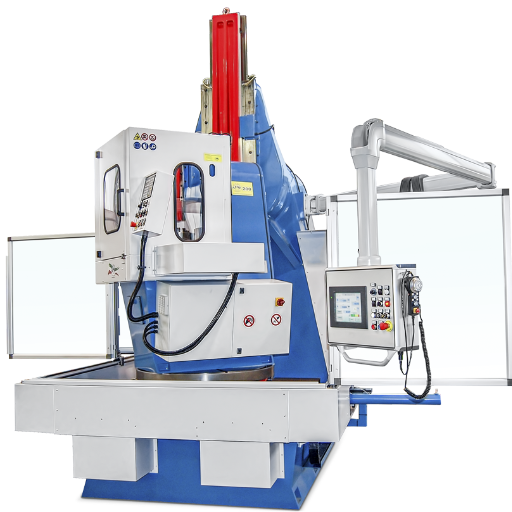
A slotting machine has extensive applications in manufacturing for creating precise internal features, such as keyways, grooves, and slots, in a metal or metallic object. This machine is essential in industries such as automotive, aerospace, and heavy machinery production, where precision and uniformity are crucial parameters. Some common uses include shaping gears, pulleys, and other components that must be specified exactly to function correctly and be assembled according to the job. Their capability to machine jobs ranges from small to large work, making them one of the most versatile tools in industrial machining.
Manufacturing Applications
Due to their extraordinary versatility for precision work, shaping machines demand a central position in the modern manufacturing paradigm. These machines are predominantly used for producing engine components, transmission systems, and various customized mechanical parts. Shaping machines, for instance, are used in the automobile industry to produce gears with very tight tolerances, ensuring smooth power transmission and reducing energy loss. Similar applications exist in aerospace manufacturing for creating high-performance components, such as turbine blades and structural parts, which must meet stringent safety and efficiency standards.
CNC Technology Impact: However, advances in CNC technology have further enhanced the capabilities of shaping machines. According to reports, CNC shaping machines have reportedly improved productivity by up to 40% and reduced material waste by as much as 30%, which is a boon for time- and resource-sensitive large-scale manufacturing.
In promoting sustainable manufacturing, too, shaping machines have a role to play. Most of the new machines take the green approach to minimizing raw material and energy use. These precision shaping techniques have been shown to reduce material consumption by up to 20% across various applications, reflecting the industry’s shift toward environmentally friendly solutions. These developments stand as testimony to the evolving importance of shaping machines within global manufacturing.
Automotive Industry Uses
This is a type of machine widely used in the automotive industry, where accuracy and efficiency are paramount. These machines are extensively used for creating gears, shafts, and complex metal parts required for vehicle assembly. The newer generation of shaping machines employs advanced CNC systems to maintain excellent accuracy and minimize scrap.
Recently, it has been observed that the production of lightweight materials is increasing, in line with the industry’s efforts to improve fuel efficiency and reduce emissions. Another example is the use of shaping machines, which work with aluminum and high-strength steel, materials that are approximately 40% lighter than traditional steel but just as durable. With the increased manufacturing of complex parts, such as those for electric motors and transmission systems, shaping machines are further solidifying their role in driving the growth of electric vehicles (EVs). With the EV market projected to have a CAGR of 17.8% from 2023 to 2030, shaping machines will remain key for meeting production needs.
Tool and Die Making
Tool and die making is one of the most essential fields in modern manufacturing, helping to bridge the gap between design and mass production. Such tools, as a general term for fixtures, molds, and dies, are fundamental for shaping, designing, and machining materials into precision components in industries such as automotive, aerospace, and consumer electronics. The tooling industries were expected to generate revenues of approximately $45 billion in 2022 and are projected to experience steady growth over the next few years. The ever-increasing demand for effective and innovative tool and die solutions has never been greater.
Advanced Manufacturing Technologies in Tool & Die:
- CNC Precision: Handle features and tolerances to within 0.001 inches
- 3D Printing Integration: Reduced tooling lead times by nearly 50%
- Advanced Materials: High-strength alloys and composite materials
- Sustainable Practices: Production cost reduction of up to 20%
Due to advancements in CNC and Additive Manufacturing Technologies, tool and die making has achieved a reduction in cycle times with enhanced accuracy. CNC machining, for instance, can handle features and tolerances to within 0.001 inches, thereby enabling components to meet Prime Quality Control standards. The incorporation of 3D printing for tooling has also reduced tooling lead times by nearly 50%, thereby allowing manufacturers to adapt to new designs quickly.
Environmental sustainability is also becoming a trend for tool and die making. New materials are now being widely used to enhance tool life and minimize waste from the tool production process, including high-strength alloys and composite materials. Incorporating advanced materials and a sustainable approach results in a reduction in production costs of up to 20%, while promoting greener manufacturing systems.
Thus, tool and die-making serves as India’s production backbone, continually adapting to meet the demands of advanced technologies and industries, promoting efficiency and sustainability.
Choosing the Right Slotting Machine

Considering these key factors will help you choose the right slotting machine.
- Material Requirements: The machine should be suited for the type of material you want to work with, such as metal, wood, or composite material.
- Size and Capacity: The machine should have sufficient size and mass loading capacity to accommodate the dimensions of your workpieces.
- Accuracy and Speed: Select the one that will make exact cuts and run fast enough to meet your production needs.
- Durability: Consider a sturdy machine composed of components that can withstand long-term use.
- Maintenance-Friendly: Opt for a machine that is easy to maintain, with spare parts that can be easily procured.
- Budget and Features: It is always wise to get your money’s worth; hence, focus on just those features you need, rather than paying for features you don’t.
Having these in mind, the right slotting machine that meets your specific needs and delivers exemplary performance can be selected.
Factors to Consider When Selecting a Slotting Machine
Beneath each category comes a brief explanation and expert perspective generally available to help you make your decision:
Durability and Build Quality
It would be a good idea to ensure the machine is constructed of high-grade materials, such as cast iron or steel, for increased durability and vibration resistance, thus enabling the machine to produce accurate results over time, even when heavily loaded.
Ease of Maintenance
Opt for a machine with components that will be accessible for routine maintenance. It is essential to have a comprehensive user manual for the operation and maintenance of the machine, and the supplier or manufacturer should be willing to provide the required spare parts. Local suppliers are preferred for spare parts to minimize downtime.
Operational Versatility
Select a slotting machine that allows stroke-length changes and that can accept varied tool-holders for various applications. This type of application will reduce operating times for operations of varying degrees of complexity.
Cost-Efficiency
Compare the features of the various models to ensure you don’t end up paying for features you don’t want. Generally, machines that are inexpensive and offer all the basic functions are better choices for buyers with a limited budget.
You can balance these factors to make a sound decision that ensures the machine fulfills your exact needs.
Cost Considerations and Budgeting
Smart Budgeting Approach
Speaking of pricing and budgeting, I think a slotting machine is a tool that should reach the perfect balance between quality and affordability. I start by identifying the essential features required for my operations and then determine a fair budget based on those requirements. Then, to avoid any overspending, I compare the different models, ensuring I am not paying for undesired features. Additionally, I review other costs, such as maintenance and replacement parts, to determine whether a machine would be truly cost-effective and reliable in the long run. This way, my method enables me to make an informed selection that truly aligns with my financial resources and operational needs.
Future Trends in Slotting Machines
As technology advances and the industry’s needs constantly change, slotting machines continue to evolve. Performance enhancement, precision improvements, and overall efficiency considerations have driven one of the major trends in AI integration. AI enables slotting machines with the capability of complex real-time data analysis, automatically adjusting operational settings with minimal interference, and providing maintenance prognosis, which leads to a reduction in idle time.
Emerging Technology Trends
- AI Integration: Real-time data analysis and automatic operational adjustments
- Eco-Friendly Designs: Sustainable materials and energy-efficient technologies
- Industry 4.0 Integration: Smart machines connected via IoT for seamless connectivity
- Enhanced Ergonomics: Improved user interfaces and safety features
- Automation Advances: Automatic loading/unloading systems and customizable configurations
Another key development is making the designs eco-friendly and energy-wise. They utilize sustainable materials and energy-efficient technologies to safeguard the environment while maximizing productivity. These developments also help Industry 4.0 emerge with smart slotting machines connected to the IoT for seamless connectivity, remote monitoring, and data-driven decision-making.
The last consideration is ergonomics and automation, which focus on ease of use and safety, including improved user interfaces, automatic loading/unloading systems, and customizable configurations to reduce strain during operations and increase productivity. Combined, these trends teleport the future of bez slotting machines into a realm of smart, green, and highly efficient working.
Conclusion
Slotting machines represent a critical component in modern manufacturing, offering unparalleled precision and versatility across various industries. From automotive to aerospace applications, these machines continue to evolve with technological advancements, incorporating AI, IoT connectivity, and sustainable design principles. When selecting a slotting machine, careful consideration of material requirements, precision needs, and long-term operational costs will ensure optimal performance and return on investment. As manufacturing demands continue to grow more complex, slotting machines will remain at the forefront of precision machining technology, driving innovation and efficiency in industrial processes.
This comprehensive guide provides the foundation for understanding and selecting slotting machines for various industrial applications. Stay updated with the latest technological developments to maximize the potential of these precision manufacturing tools.
Reference Sources
“Artificial Neural Network-Based Machining Operation Selection for Prismatic Components”
“Distributed Modeling of Manufacturing Activities Using Integrative Manufacturing Process Model”
Frequently Asked Questions (FAQs)
What is a slotting machine, and how is it used in an industrial setting?
A slotting machine is a manufacturing equipment designed to cut precise slots and grooves into metal or wood. They use a reciprocating mechanism where the ram moves the cutting tool back and forth to shape the materials. These slotting machines are typically used when very complex and precise operations are repeated in a factory environment.
What features should I look into in a slotting machine?
When choosing a machine, certain features should be considered: the type of ram movement, cutting forces, and the overall shape of the machine. Such designs, featuring a vertical column, would provide more stability, while a cross-slide design would offer more versatile feed motion. Additionally, consider a machine with the capability to handle small batch production and irregular shapes.
What are the most common applications for slotting machines?
Slotting machines are helpful for various applications, including cutting metal from large castings, preparing precise slots for assemblies, and surfacing flat items. They hold significant industrial importance in metal manufacturing industries, particularly for the production of intricate and precisely dimensioned components.
What is the difference between slotting and a shaper machine?
Slotting and shaping machines are both used for cutting and shaping materials. While slotting machines are designed to create slots and grooves, shaping machines can be utilized for a broader range of cutting operations. The movement of the ram is usually vertical in slotting machines, while the shaper uses horizontal strokes, too.
What is the importance of feed motion in slotting machines?
The feed motion in slotting machines is the one that determines the rate at which material is fed into the cutting tool. Accordingly, the feed motion enables the maintenance of appropriate cutting forces, thus producing the best surface finish and ensuring the cutting process is effective. With improved machinery and feed motion mechanisms, they yield increased productivity and, simultaneously, offer extended tool life.
Can slotting machines be used to cut both metals and wood?
Slotting machines are capable of cutting both metal and wood, making them excellent tools for various industries. However, depending on the material being processed, the settings and cutting tools used might vary, so always choose the correct configurations.
What is the purpose of the ram and cutting tool in a slotting machine?
Essentially, both the ram and the cutting tool perform the most crucial function in any slotting operation. The ram moves in a reciprocating motion to press the cutting tool against the workpiece, removing material and thereby creating the required slots and grooves. The design and power of the ram, as well as the cutting action capacity of the tool, largely determine the performance of the machine and the standard of the finished work.