




Gears are the unsung heroes of modern machinery, driving automobiles and industrial equipment into action with dexterity and efficiency. Manufacturing, however, is a complex process that relies on the right manufacturing processes to produce gears. Among the most common methods in use are gear shaping and gear hobbing. These two methods may appear similar, but they have distinctly different approaches and applications. This article will guide you through the key differences between these methods for cutting gear teeth, helping you understand when to use each one. For engineers, manufacturers, or anyone with a curiosity about how gears are made, this description will provide insights that allow you to appreciate the finer points of gear production.
Introduction to Gear Manufacturing
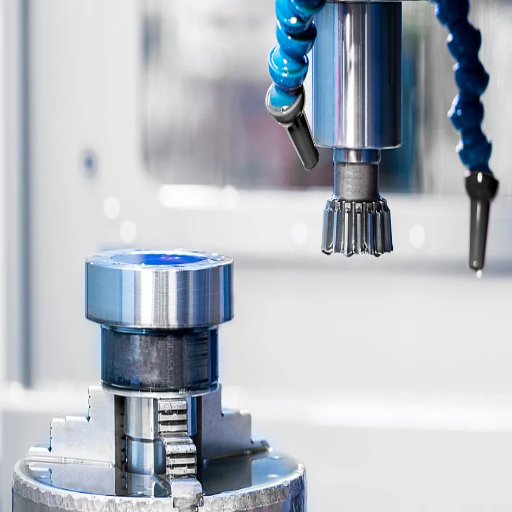
Gear manufacturing is the process of creating gears used in machinery to move and transmit power between various components. This involves cutting and shaping raw materials, such as metal or plastic, into extremely accurate tooth profiles to enable smooth working. Commonly, this process requires gear hobbing, where a hob or cutting tool is used to create the teeth, and gear shaping, where the tool cuts to replicate the tooth profiles. These methods are selected based on the gear size, material used, and application, while ensuring their performance and durability for the working gears.
Overview of Gear Types
There are various types of gears, each suited for a specific application based on its design and function. Here are some common types:
Spur Gears
These gears have straight teeth and are positioned parallel to the axis of the gear. Straight-toothed means they are simple, inexpensive, and suitable for low-speed applications where noise is not a critical factor.
Helical Gears
With an angle on their tooth profile, helical gears can provide smoother operation at higher speeds and loads, but more axial thrust compared to spur gears.
Bevel Gears
Having cone-shaped teeth, bevel gears are used to transmit motion between intersecting shafts, generally positioned at a right angle. They are pretty standard in applications such as automotive differentials.
Worm Gears
This setup consists of a worm and a worm wheel. They allow for a high reduction in torque and vice versa, offer compact arrangements, but have lower efficiencies due to the involvement of a lot of friction.
Planetary Gears
Consists of a central sun gear, planet gears, and the ring gear. This gearing system offers high power density in compact designs, making it suitable for precision machinery and robotics.
Selecting the proper gear type ensures efficient operation, durability, and compatibility with the specific application.
Importance of Gear Shaping and Gear Hobbing
The processes of gear shaping and gear hobbing are the most critical elements in manufacturing and finishing gears, providing precision and effectiveness in various mechanical applications. In gear shaping, for instance, one would cut teeth into a blank by using a cutter of the same shape as the teeth, allowing for the creation of very complex, custom gears. This process is vital in the manufacture of internal gears, spline gears, and special profiles.
Gear hobbing, conversely, is the most economical and efficient method to mass-produce gears. Using a helical cutting tool (a hob), the tool progressively cuts gear teeth into the workpiece. It finds extensive application in spur, helical, and worm gears for greater production speeds and consistency.
Such accuracy synchronizes gear noise with losses that mitigate energy in transitions through complicated systems such as an automobile transmission and aerospace components. Likewise, recent developments in gear shaping enable manufacturers to meet complex design requirements with minimal material and time wastage.
Both processes are vital in the automotive, robotics, and renewable energy sectors, where longevity and precision cannot ever be compromised. Gear shaping and gear hobbing together produce the foundation for present mechanical systems to ensure reliable, high-performance.
Applications in Various Industries
For countless industries, the shaping and hobbing of gears are integral tools for fostering innovation and efficiency.
Automobile Industry
Excellent engineering methods are required in the automotive industry to manufacture gears for gearboxes, differentials, and steering systems. With the advent of electric vehicles, demand for energy-efficient gears increased. Efficient gear shaping and hobbing allow for the manufacture of lightweight gears that are more beneficial to energy efficiency. According to recent industry analyses, advanced gear manufacturing techniques have been credited with reducing drivetrain energy losses by as much as 15%, a milestone that aligns well with the green push in automotive technologies.
Aeronautical Industry
Aerospace gears should have high performance and reliability to be used in jet engines, landing systems, and other applications, such as auxiliary power units. These gears are subjected to extreme stresses and temperatures and have to be precise. New developments in gear hobbing, combined with high-performance materials, enable the manufacture of aerospace components to stringent safety and durability standards. For example, thanks to coated materials in gear manufacture, the lifespan of the gears has increased somewhat, and maintenance cycles have been shortened by almost 25%.
Renewable Energy
In the renewable energy domain, particularly wind energy, sturdy and efficient gears are needed in the turbines. Gear shaping and hobbing equipment production with precision components that can withstand the high torque and variable load situations posed by turbines over the years of operation. It is believed that, through the use of advanced gear manufacturing methods, turbine gearbox efficiency has been increased by as much as 20%, along with a significant rise in energy output and a decrease in maintenance costs.
Robotics and Automation
Gears serve fundamental purposes within the robotics and automation industries for precise movements and reliable operation. With the increasing use of robots in manufacturing, healthcare, and logistics, the need for compact, high-precision gears has been brought to the forefront. Advancements in gear hobbing processes enable the fabrication of micro-gears of superior quality, furthering developments that require precision in robotics.
More industries are growing, driven by the convergence of gear shaping and hobbing with advanced technologies such as CNC and Additive Manufacturing, alongside progress and sustainability. These processes ensure the components are reliable and efficient, enabling them to meet modern engineering challenges.
Understanding Gear Shaper Machines
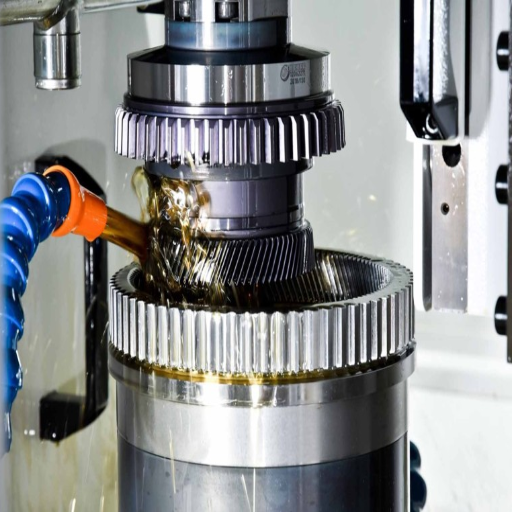
Gear shaper machines are tools used to impart a shaped cut with high precision inside or outside gear profiles. The machine uses the cutting tool whose profile is a mirror image of a gear tooth; it employs a reciprocating motion to remove material by machining gradually. Being in high demand across industries such as automotive, aerospace, and manufacturing, they are often called upon to deliver high-quality gears in a short timeframe. This machine is also beneficial for producing internal gears and special profiles that are difficult to create using other processes.
What is a Gear Shaper?
The gear shaper can be understood as a highly specialized machine tool designed to cut gear teeth with extreme precision onto workpieces using a reciprocating cutting method. At the heart of the gear shaper lies a cutting tool that typically resembles the gear profile to be produced. This cutting tool, moving up and down, cuts the workpiece along the desired shape. To achieve proper spacing of teeth and geometry, the workpiece is rotated incrementally in time with the cutting action.
Being CNC (Computer Numerical Control) machines, modern gear shapers offer an extraordinary amount of precision and flexibility, enabling the production of highly complex gear profiles, including helical and spur gears. Furthermore, gear shapers are particularly suitable for making internal gears, which can be somewhat cumbersome for many conventional gear cutting methods, notably gear hobbing.
Process of Gear Shaping
Gear shaping is a method for producing accurate gear teeth on a workpiece using a cutting tool known as a gear shaper. The workpiece is mounted on the machine with the cutter; both rotate in sync with each other, imitating the natural meshing of gears. It is a material-removing process in which the cutting tool makes successive passes. These passes, aided perhaps by some oscillatory or reciprocating movements, are responsible for the cutting action that forms the teeth.
The Three Stages of Gear Shaping:
- Roughing: Material may be nearly all removed to achieve the approximate tooth form
- Finishing: Both gear shaping processes ensure the gears are accurately sized and have the desired surface finish
- Disengaging: The cutter disengages to return for another pass or finish the part
This versatility makes the gear-shaping process suitable for internal, external, helical, and spur gears, allowing manufacturers to achieve very precise and efficient machining of complex geometries.
Advantages of Using Gear Shaper Machines
Gear shaper machines are known to yield immense flexibility and precision, and therefore, gear manufacturers across various industries rank them as their preferred choice. For instance, they can produce gears with high accuracy, both inside and outside. Complex geometries, such as helical or spur gears, become simple in their hands. Furthermore, gear shapers are designed to process materials ranging from steel to bronze and various alloys for specialized purposes, ensuring the durability and flexibility required for their specific applications.
In effect, modern gear shaper machines, equipped with CNC technology, focus on productivity and make the entire process more efficient, thereby reducing production time. Additionally, automatic tool changers and programmable functions further enhance operations by reducing machine downtime and improving final output quality.
In addition, such machines are designed with the intention of minimizing material wastage as much as possible, resulting in a cost-efficient end product. Being precise, they need less after finishing and hence save on resources as well as lead time. This, along with the ability to maintain fine precision for complex designs, has been necessitated by sectors such as the automotive, aerospace, and robotics industries, where custom precision gears are in high demand. As global concern for sustainable practices increases, gear shaper machines serve the purpose of green manufacturing, emphasizing material conservation and energy-efficient operations.
Understanding Gear Hobbing Machines
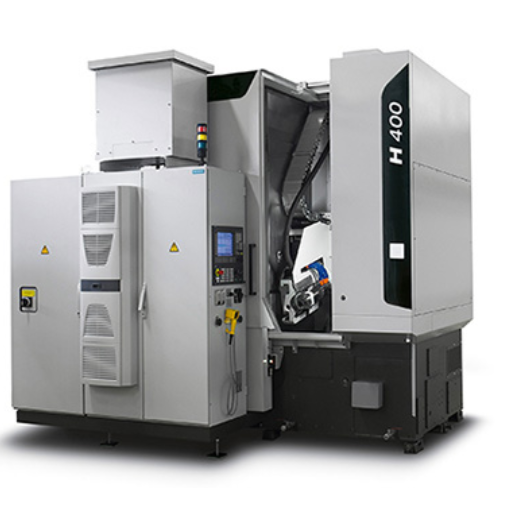
Gear hobbing machines are special tools used to cut gears’ teeth with precision. Using a hob, machines accurately and efficiently produce gears of all sorts of sizes and types. Due to their speed, which enables working in high volumes while ensuring quality, these machines are predominantly favored. They are typically applied in the automotive, industrial machinery, and aerospace industries, where precision and reliability of gear elements are of utmost importance. Gear hobbing is a versatile and cost-effective method for manufacturing straight, helical, and worm gears.
What is a Gear Hobbing Machine?
Gear hobbing machines are specialized pieces of equipment used for manufacturing gears through a cutting operation known as hobbing. It consists of a cylindrical cutting tool called a hob that rotates in synchronization with the gear blank, gradually cutting the teeth of the gear to the desired shape and size. Modern gear hobbing machines are almost invariably CNC-equipped for ever greater efficiency and precision.
They can produce spur gears, helical gears, worm gears, and others with very high accuracy. Most CNC gear hobbing machines are capable of achieving tolerances as tight as ±0.01 mm, ensuring that components conform to the high-quality requirements of industrial applications, such as automotive, aerospace, and robotics.
Speed and productivity are some of the primary advantages that gear hobbing machines possess. Systems for coolant are yet another set of features that protect machinery from high heat and vibrations produced during the cutting process, thus ensuring a long working life for the machine and reliable results.
Gear hobbing machines also offer versatility in processing a wide range of materials, including steel, aluminum, and composite materials, which further enhances their ruggedness in industrial applications. Innovations such as automated systems and real-time monitoring now enable new-age gear-hobbing machines to achieve an unprecedented level of productivity and operational efficiency.
Process of Gear Hobbing
For manufacturing gear teeth, splines, and sprockets, this machining method is highly efficient. The process involves the gradual cutting of a rotating workpiece by a hob, a specialized cutting tool with helical cutting edges. To have precise cutting of the desired gear geometry, both the hob and the workpiece rotate at a synchronized ratio.
For gear hobbing, the process begins with the accurate alignment of the hob and workpiece using a specialized fixture. The hob rotates continuously while the workpiece moves along the hob at a controlled speed. The angle and depth of engagement of the hob vary according to the type of gear being produced. CNC gear hobbing machines maintain these parameters with great precision and excellent repeatability.
The era of machining both complex and straightforward gear profiles is upon us, thanks to recent advancements in gear hobbing technology. Yet, with all these technological innovations in carbide-tipped hobs and cutting tools with coatings, cutting speed has increased remarkably, thereby reducing cycle time by 30%.
Secondly, another essential consideration in gear hobbing is the capability to handle various materials efficiently. Steel gears, which will find applications in automobiles and heavy-duty work, will be machined using hobbing techniques in a manner that minimizes material deformation during cutting, thereby extending tool life. The modern machines and systems, embedded with real-time monitoring, make it possible for the operator to identify any deviations in the cutting process, thus improving quality and reducing material wastage.
This particular process requires precise execution and, therefore, is increasingly in demand in aerospace, automotive, robotics, and renewable energy production, where the highest-quality and most durable gears are required.
Advantages of Using Gear Hobbing Machines
Gear hobbing offers several advantages that are necessary for efficient gear processing. The highest precision and manufacturing versatility that accompanies them enable the production of gears with complicated profiles and accurate tooth geometry. These machines process spur, helical, and worm gears for application in various areas.
Speed and efficiency in the hobbing process remain another significant advantage. A modern gear-hobbing machine utilizes CNC technology, which leads to faster cycle times and shorter setup times. This means that one can make more consoles at a lower cost, which is very important for industries with high demand.
Additionally, it is noted for its ability to work with materials such as steel, aluminum, brass, and composites. The multiplicity of applications enhances the usability of the machine across various sectors, ranging from automotive manufacturing to aerospace engineering. New advances assisted by automation essentially eliminate errors and ensure a high-quality finish throughout all layers of large-scale production.
Lastly, gear hobbing machines can help achieve sustainable manufacturing practices. This implies that their precision brings little to no waste to the material, and most modern ones are either energy-efficient or have lower energy consumption, thereby reducing the environmental burden associated with production activities. Upon considering all these, gear hobbing machines become a significant investment for any industry that attaches great importance to high-quality, cheap, and sustainable production of gears.
Comparing Gear Shaping and Gear Hobbing
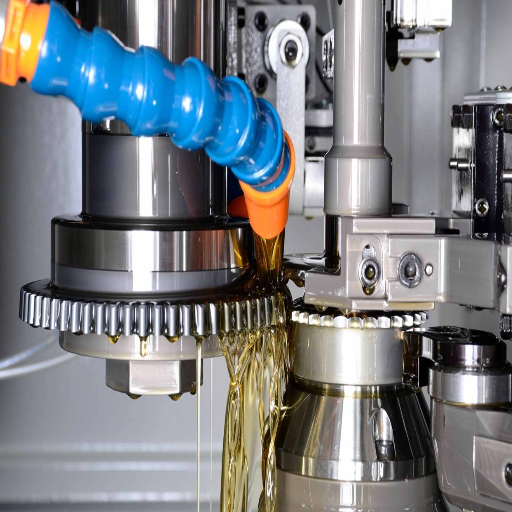
Gear shaping and gear hobbing are two methods used to manufacture gears. Making gears using hobbing is a relatively quick and efficient process, so large-volume production is generally done when there are spur and helical gears. The hober-machine makes the teeth by simultaneously rotating the hob. Gear shaping is a different method, more versatile for the production of internal gears or gears with peculiar profiles, since the cutting tool reciprocates, following the shape of the gear. Hobbing is preferred for efficiency, whilst shaping is used where precision and flexibility become critical in designing something out of the box.
Key Differences Between Gear Shaping and Gear Hobbing
| Aspect | Gear Shaping | Gear Hobbing |
|---|---|---|
| Process and Technique | Utilizes a reciprocating cutter that shapes the gear. Provides versatile production, including internal gears, shoulder gears, and gears with intricate profiles. | Uses a rotating hob tool with continuous cutting and indexing operations. Best suited for high-speed, high-volume production of external gears, notably spur and helical gears. |
| Production Efficiency | Longer cycle times, less suited for mass production, but applicable where intricate design and precision take precedence. | Known for high-rate production with continuous automated operation. CNC hobbers produce better gears with shorter cycle times. |
| Flexibility and Applications | Offers utmost flexibility for producing gears that cannot be hobbed. Ideal for internal gears, cluster gears, and unusual designs. Primary application in aerospace and automotive for specialized components. | More commonly used for manufacturing standard gears with less variation in design requirements and limited to external gear production primarily. |
| Material Considerations | It may be preferred for hard materials or adverse characteristics, allowing better control over cutting forces and greater precision. | Both methods are effective with steel, brass, cast iron, and composite materials. |
| Accuracy and Surface Finish | It can provide significantly better accuracy and smoother finishes for specific challenges, especially intricate gears. Requires additional skill and time. | Yields excellent results with standard gear geometries in terms of accuracy and surface finish. |
| Cost Aspects | More expensive due to slower output and greater machine complexity. Better suited for unusual designs. | Generally cheaper for making standard gears, particularly in large-scale production with shorter cycle times and simpler machines. |
Knowing these differences, a manufacturer can utilize the machining method best suited for their production requirements, ensuring a smooth trade-off between efficiency, quality, and cost.
Pros and Cons of Gear Shaping vs Gear Hobbing
Gear Hobbing Advantages
- High Production Capacity: Gear hobbing can cut gears significantly faster, making it suitable for large-scale production
- Versatility: It can work with various gear types, including spur, helical, and worm gears
- Cost-Efficient: With shorter cycle times, there is a decreased cost in production, and simpler machines are involved
Gear Hobbing Disadvantages
- Limited Profiles: It may become difficult or impossible to create complex or unusual gear designs using hobbing when they could be achieved by shaping
- Precision Variability: If extremely tight tolerances must be met, additional finishing may be necessary
Gear Shaping Advantages
- Design Flexibility: For internal gears, non-standard geometries, and asymmetrical profiles, this process is best suited
- High-Precision: They are best used where tight tolerances and intricate details are required
- Versatile Application: Suitable for low-to-medium batch productions and special gear sets
Gear Shaping Disadvantages
- High Production Costs: Generally, it takes longer, which can translate to higher production costs
- Machine Complexity: Shaping machines tend to be more complex and costly to maintain
- Limited Applicability: Not much efficiency when it comes to the large-scale production of standard gears
By placing the pros and cons on a scale, manufacturers can weigh them and determine whether gear hobbing or gear shaping better suits operational, budgetary, and design considerations.
Which Process is Best for Specific Applications?
Applications, volume of production, and design criteria of gears are the overall considerations when deciding which is more optimal between gear hobbing and gear shaping. Gear hobbing is therefore preferred when producing large components because it can complete a job quickly. It is used in the manufacture of spur, helical, and worm-type gears with a high degree of precision consistently. Additionally, some studies show that the speed of production can be generally 30-50% faster with gear hobbing compared to gear shaping under appropriate conditions, making hobbing the best method for mass production.
On the contrary, gear shaping is primarily used for specialized applications involving internal gears or unique gear profiles. This allowed designs to have greater flexibility and is often used for internal gears or spline cutting that cannot be achieved by hobbing. Furthermore, with new-age advancements, gear shaping accuracy has improved to even class levels of ±0.02 mm in some setups, providing the critical factor for custom or high-performance applications in the automotive and aerospace industries.
Decision Matrix:
- Choose Gear Hobbing when: Speed and cost are priorities, high-volume production is needed, standard gear profiles are required
- Choose Gear Shaping when: Complex geometries are needed, internal gears are required, specialized profiles are necessary, and precision is critical
In conclusion, speed and cost point to gear hobbing. Yet, whenever more complex geometries and special gear forms are concerned, the shaping process steps in as a logical choice. The manufacturer must analyze the requirements of the particular application and, accordingly, determine the process that best serves operational and design goals.
The Role of CNC in Gear Manufacturing
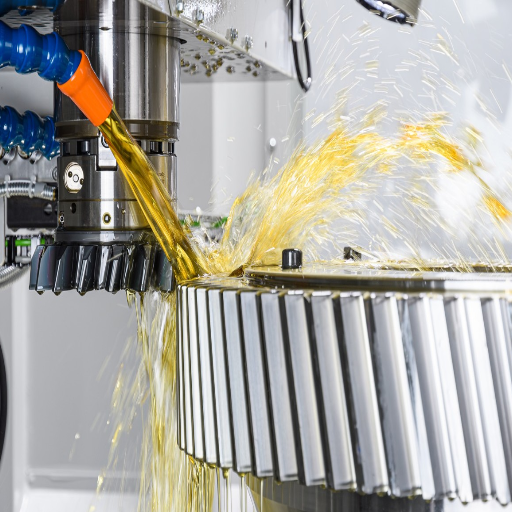
CNC plays a fundamental role in gear manufacturing by providing precision, consistency, and efficiency in the production of gears with tight tolerances and complex designs required for modern applications. CNC machines perfectly meet the demand by automating cutting, shaping, and finishing operations, reducing human error, and increasing repeatability. Using CNC technology enhances production speed without compromising quality standards, thereby serving industries by ensuring the proper operation of everyday items that depend on reliability and accuracy.
CNC Gear Shaping Machines
CNC gear shaping machines are one of the most modern tools used in the production of high-precision gears for industries such as automotive, aerospace, and heavy machinery. These machines are constructed with robustness, equipped with state-of-the-art software, and thus offer superior accuracy and efficiency in manufacturing. Some of the newer types come with automatic tool changers, multi-axis control, and ergonomic interface operation and feature design that are so advanced, they can manufacture gears in intricate shapes and to exact dimensions.
Key Features of Modern CNC Gear Shaping Machines:
- Automatic tool changers for reduced downtime
- Multi-axis control for complex geometries
- Ergonomic interface operation
- Advanced software for precision manufacturing
- Micron-level tolerance capabilities
A prominent advantage of CNC gear shaping machines is their ability to work with a wide range of materials, including steel, aluminum, and composite alloys. Industry data show that some CNC gear shapers with high performance can maintain micron-level tolerances, ensuring batch production remains consistently accurate. Furthermore, lubrication and cooling systems built into advanced machines can protect tool life and optimize cutting speeds.
In terms of production capacity, one could say that programmable methods of automation further minimize downtime between setups, resulting in a smooth workflow. CNC gear shaping machines are considered the backbone of industries where precision and reliability are key, with repeatability and scalability being the primary features of these machines.
CNC Gear Hobbing Machines
In CNC gear hobbing, machinery conventionally allows manufacturers to generate gears with unusual shapes that cannot be achieved with conventional methods in rigorous tolerances. Such equipment generally has CNC controls. Hence, by using computer-aided design, gears of novel shapes can be produced with various tolerances. Modern CNC hobbing machines are multi-axis, enabling multiple functions such as hobbing, crowning, and tapering to be carried out in a single setup, thereby greatly simplifying the manufacturing operation.
Recent innovations in gear hobbing technologies have been introduced to increase productivity and tool life. For instance, regarding coolant systems and cutting tools, the latest developments have led to a reduction in heat buildup during cutting, ensuring that results are consistently satisfactory, even over extended production runs. According to industry tests, the best modern CNC machining equipment is capable of cutting at speeds of up to 200 m/min. This also contributes to cycle times being 30 to 50 percent faster in comparison to the older machines.
Advanced CNC Hobbing Machine Capabilities:
- Multi-axis functionality for complex operations
- Hobbing, crowning, and tapering in a single setup
- Advanced coolant systems for heat management
- Cutting speeds up to 200 m/min
- Robotic loading and unloading systems
- Real-time monitoring capabilities
Another notable feature of these machines is their versatile material-processing capability, which extends from hardened steels to lightweight aluminum alloys. With the growing importance of automation, CNC gear hobbing machines are increasingly being equipped with robotic loading and unloading systems to increase production throughput and reduce manual labor. Such features are considered essential in automotive, aerospace, and heavy machinery sectors where both high precision and high volume are mandatory.
Benefits of CNC Technology in Gear Production
The very precision and efficiency that CNC technology endows over conventional methods in gear production are perhaps its biggest strengths. For me, it is essential to drive down production errors, maximize the use of materials, and enhance output consistency. It is also a time- and labour-saving method of production, essential for meeting the challenging needs of industries that involve high-quality gear manufacturing.
Key Benefits of CNC in Gear Manufacturing:
- Enhanced Precision: Tight tolerances and consistent quality across production batches
- Increased Efficiency: Faster production times with reduced manual intervention
- Reduced Waste: Optimized material usage through precise cutting
- Improved Consistency: Eliminates human error and ensures repeatability
- Flexibility: Easy programming changes for different gear specifications
- Cost Effectiveness: Lower long-term operational costs despite higher initial investment
Conclusion
Understanding the differences between gear shaping and gear hobbing is crucial for manufacturers seeking to optimize their production processes. While gear hobbing excels in high-volume production of standard gears with excellent efficiency and cost-effectiveness, gear shaping provides the flexibility and precision needed for complex, custom, and internal gear applications.
The integration of CNC technology has revolutionized both processes, enabling unprecedented precision, consistency, and productivity. Modern manufacturing demands require careful consideration of factors such as production volume, gear complexity, material properties, and cost constraints when choosing between these methods.
As industries continue to evolve toward more sophisticated applications in automotive, aerospace, renewable energy, and robotics, both gear shaping and gear hobbing will remain essential manufacturing processes. The key to success lies in understanding when to apply each method to achieve optimal results in terms of quality, efficiency, and cost-effectiveness.
By leveraging the strengths of both processes and embracing advanced CNC technologies, manufacturers can meet the growing demands for high-precision, durable gears that power our modern mechanical systems.
Reference Sources
1. Design and Expansion of Gearbox for Multi-Purpose Milling Machine
2. Six-Axis Linkage Strategy and Its Models for Non-Circular Helical Gears Based on Diagonal Hobbing
3. Study of Geometric Characteristics of the Arc Teeth Semi-Rolled Cylindrical Gear Meshing
Frequently Asked Questions (FAQs)
Gear Shaping and Gear Hobbing: What Are the Differences?
The most significant single difference is that gear shaping works by having a gear shaper that causes its cutter to reciprocate, thereby cutting the gear teeth on the gear blank. In contrast, gear hobbing involves the gear blank and the hob rotating together to cut the gear profile. Both methods work well and are selected based on what is most suitable for the gear’s design.
How is gear hobbing performed?
Gear hobbing is a machining process in which a rotating hob cutter removes material from the gear blank to form the gear teeth. The blank is fed into the rotating hob at a fixed angle, ensuring the teeth are cut accurately. Among the methods for gear manufacturing, this is considered a fast and efficient approach, making it a versatile process for producing various types of gears, including spur and helical gears.
What are the typical applications for gear manufacturing?
Gear manufacturing is applied across a multitude of industries. They are an excellent resource for the automotive, aerospace, and machinery sectors. Gears created through gear shaping and gear hobbing are essential for the operation of numerous mechanical systems, including transmissions, engines, and robotics, where precision and reliability are crucial.
Why is gear shaping deemed more accurate than the others?
The proposed distinction lies in the level of detail in the manufacture of the tooth profile. The depth and shape of the tooth form can be defined with extreme accuracy. The cutter motion allows for the creation of gear profiles with great precision, resulting in gear teeth that are more accurate than those produced by some other gear manufacturing processes.
What is the role of CNC in gear production?
CNC technology significantly enhances the gear manufacturing process by automating cutting operations. In a CNC gear hobbing or CNC gear shaping process, the machines are programmed to work with absolute precision, ensuring the best consistency and minimizing human errors. The complex gear designs can be easily made with this technology.
Which is better: gear hobbing or gear shaping?
In the comparison between gear hobbing and gear shaping, hobbing is slower and more expensive to manufacture in larger runs, whereas shaping is better suited for precision and custom gears. Gear-shaping machines are more suitable for complex gear profiles, while hobbing machines are best suited for the large-scale production of standard gear types.
Could you explain the gear shaping process?
Gear shaping is the gear manufacturing process in which a gear shaping machine cuts the gear teeth into the gear blank using a reciprocating cutter. During the cutting operation, the gear blank rotates to allow for very accurate and often complex gear formation. It is thus suitable for making gears with varying tooth profiles.
What kind of gear can be manufactured through gear hobbing and shaping?
Gear hobbing and shaping are capable of generating various types of gears, such as spur gears, helical gears, internal gears, and spline gears. The method used is a choice dependent on the specific requirements associated with the gear design, the complexity of the gear teeth, and the required production output.
How does the accuracy of gears produced by hobbing and shaping differ?
There is a marked difference in the accuracy of the gears produced by gear hobbing and shaping. For more precise gears, especially for valueless intricate designs, shaping is the way to go. On the other hand, hobbing is more suitable for mass production and lacks some detail in intricate shapes compared to shaping.