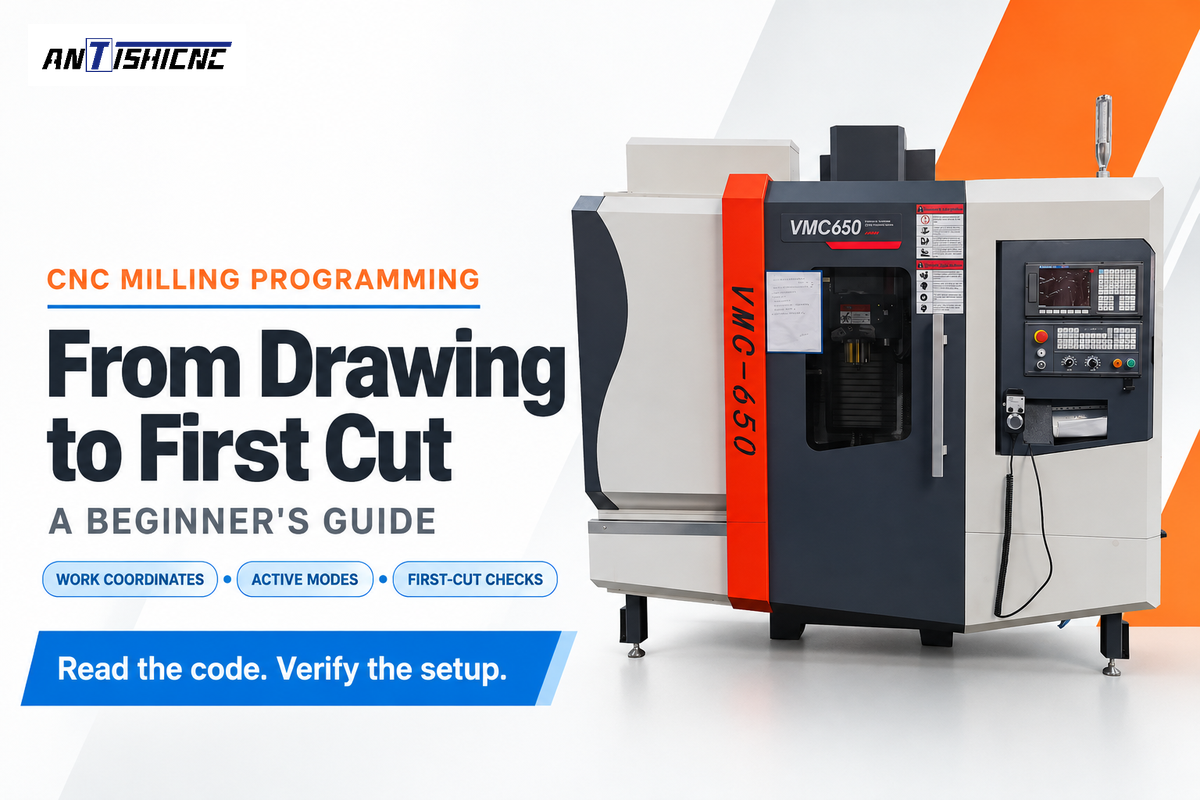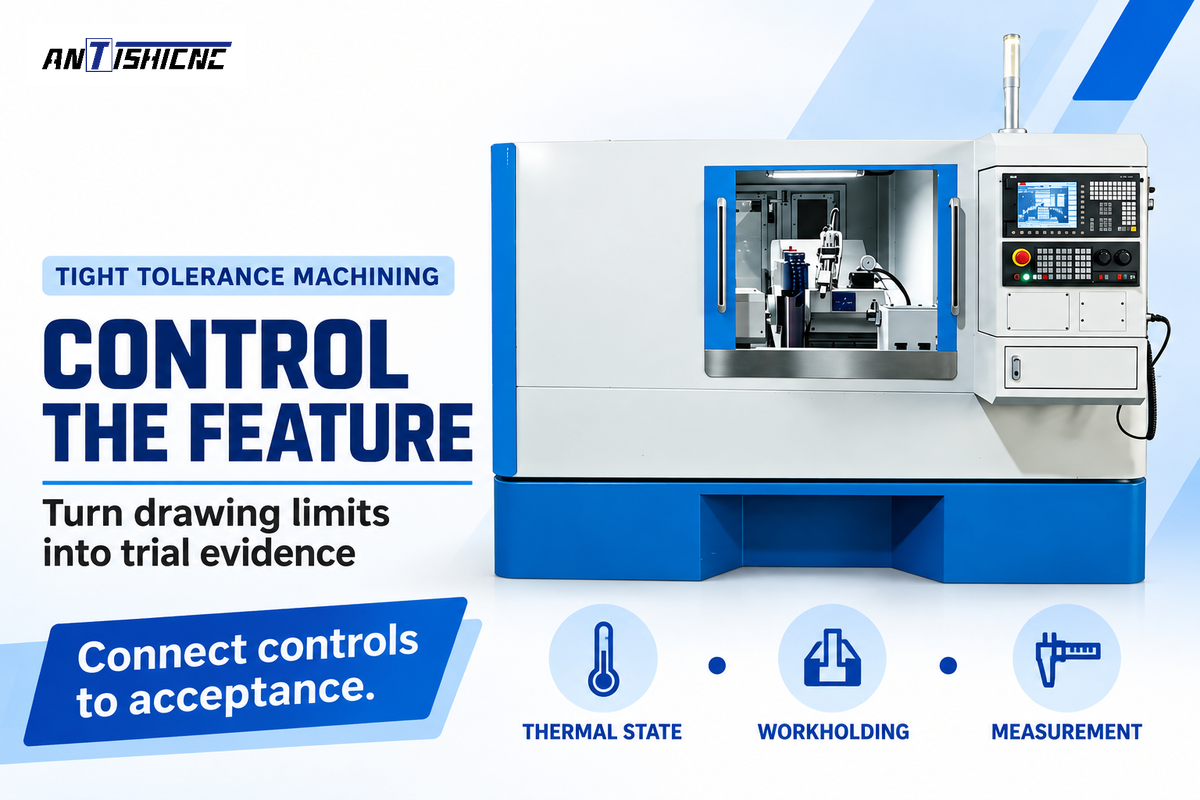





In the precision machining world, the universal horizontal milling machine stands as a sophisticated and indispensable tool. This versatile machine can carry out a myriad of operations, such as cutting, shaping, drilling, and slotting, earning it the favor of many operators and manufacturers. Whether you are a professional trying to refine your knowledge or a novice desirous of having his first glimpse of the working of such an incredible machine, this book provides a deep insight into its working, applications, and advantages.
Overview of Universal Horizontal Milling Machines
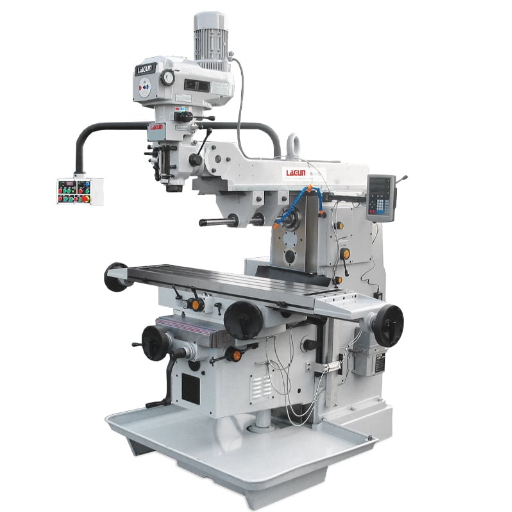
Definition and Main Components
The universal horizontal milling machine is a state-of-the-art machine featuring a horizontal spindle that enables various cutting and shaping operations with increased precision. These are pretty different from vertical milling machines, with a horizontal setup for heavy-duty materials and complex geometries. At the core of the machine is a swivel table that allows for immense freedom to work at odd angles and orientations.
Some of the Key Features of Universal Horizontal Milling Machines:
- Horizontal Spindle: It features a horizontal arrangement of the spindle, allowing for easy machining operations such as cutting slots, grooves, and working on large or heavy components.
- Swiveling Table: This table rotates about different axes, enabling angled cuts and machining operations typically required in specific industrial applications.
- High MRR: Conventional machining operations are performed on these machines at breakneck speeds, resulting in considerable material removal and a reduction in operation time compared to vertical machines.
- Arbor Support: The inclusion of an arbor support enhances stability during heavy-duty operations, minimizing vibrations and improving cutting accuracy.
- Versatility of Tooling: These machines can be equipped with various tools to perform drilling, boring, and slotting in one setup.
CNC Integration (in modern machines): Most modern horizontal milling machines are integrated with a CNC control, allowing for automated operations with advanced levels of precision and pattern customization. - Applications Across Industries:
- Automotive: In the production of transmission cases and engine blocks, as well as other components.
- Aerospace: Light-weight but intricate parts are machined to high tolerances.
- Construction Machinery: Suitable for manufacturing tough machine components.
Research data underscore how universal horizontal milling machines are essential for very heavy-duty machining and adaptation. Inverse design ensures accurate results, earning them a strong position in various industries, including automotive, aerospace, and metal fabrication.
Functionalities of the Universal Milling Machine
Universal milling machines are geared to facilitate a broad spectrum of different machining operations and are indispensable in present-day manufacturing. Their extreme flexibility allows some processes such as face milling, end milling, slot cutting, drilling, and even gear cutting. Milling cutters can be positioned at various angles on the swiveling table, thereby increasing flexibility for designing complex and intricate designs.
One defining feature of a universal milling machine is the spindle. It can be tilted as well as rotated to perform horizontal or vertical cutting operations, depending on whether machining is required for highly intricate processes or heavy material removal. Data in the industry show that modern universal milling machines have achieved positional accuracy in the range of 0.01 mm, facilitating higher precision in manufacturing fine components, especially in the aerospace and automotive industries.
Advanced universal milling machines now incorporate CNC (Computer Numerical Control) systems, allowing for automated and even more efficient operations. CNC systems store machining instructions statically, minimizing human errors and enhancing productivity. According to reports, CNC has improved production time by 30-40% compared to traditional methods.
Besides, these machines process a wide range of materials—from soft metals like aluminum to hard ones like steel and titanium. This nature commercializes industries that require sturdy mechanical properties and precision, such as mold making and prototyping. Some models are now integrated with IoT (Internet of Things) systems for real-time upload monitoring and control adaptation.
The universal milling machine remains the go-to machine in manufacturing due to its exceptional precision, adaptability, and high performance, which fulfill industrial requirements with great international favor.
Distinct Design of Horizontal Mills
Horizontal milling machines are designed very distinctly, to enable their huge efficiency and versatility in many industrial applications. Horizontal mills, unlike vertical mills, have their spindles oriented horizontally, allowing multiple cutters to be used simultaneously. This arrangement gives better stability and accuracy during heavy-duty cutting operations.
An essential design aspect is the introduction of overarm support. The firm horizontal beam would keep the cutter rigid during operation, reducing vibrations to allow higher machining accuracy. Typically, horizontal mills use arbor-mounted cutters that carry out deeper cuts and remove bigger volumes of material than vertical mills.
Horizontal milling machines also offer the benefit of a universally adjustable worktable. This means that the workway can be angled into any position to allow cuts at angles that are too complex to be made easily. Their ability and willingness to mate with adjunct tooling, especially helical cutters, would improve their performance when slotting, gear cutting, and face milling.
Recent developments have introduced CNC-horizontal mills that offer unmatched accuracy and automation. Studies suggest that CNC models are improving throughput rates by as much as 30%, thereby reducing production time and operational errors. With the addition of IoT systems, today’s horizontal mills support real-time data acquisition, monitoring, and predictive maintenance, enabling optimal performance and minimizing downtime.
The typical horizontal mills are used by automotive, aerospace, and heavy machinery manufacturers, as well as in mass production workshops where the precise machining of somewhat larger sizes is involved. The ability and function to create simultaneous cuts lay heavy workloads over themselves, hence making them key in high-demand productions.
Applications Across Various Industries
Manufacturing and Production
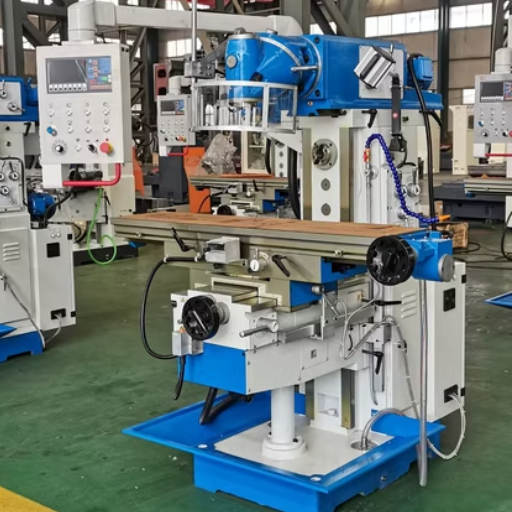
Horizontal milling has traditionally been the cornerstone of manufacturing and production due to its ability to perform high-precision machining jobs efficiently. Western industrial analysts have found that the manufacturing sector is increasingly tilting towards the use of horizontal milling machines, with a market value of approximately $15.5 billion in 2023 and expected to grow at a rate of 7.4% annually from 2023 to 2030. This growth is expected to be spurred by further automation, new material technologies, and the integration of CNC into horizontal milling machines.
The primary objective of horizontal mills in manufacturing processes is to machine materials that are difficult to work with, such as steel and titanium, without significant tool wear and the generation of excessive heat. Used primarily in the automobile and aerospace industries for multi-surface machining of intricate parts, these mills significantly reduce the time required for manufacturing. For example, a workpiece machined on a horizontal mill requires approximately 30% fewer setups than on traditional vertical milling machines, resulting in significant savings in both time and cost.
Industry 4.0 promoted IoT as the backbone for an additional boost and capabilities for horizontal mills, where issues related to real-time performance monitoring, event prediction, and energy utilization can be addressed. These enhancements not only facilitate increased throughput but also address the growing demand for custom and complex products, making horizontal milling machines an indispensable tool for manufacturers worldwide today.
Automobile and Aerospace Industries
Horizontal milling machines are paramount in the aerospace and automotive industries where precision and reliability are essential. Horizontal milling machines are used to manufacture aerospace components, which involve complex operations for turbine blades, structural airframe parts, and engine components, among other intricate processes, thereby fulfilling the very stringent industry standards. The global aerospace machining market, which is mainly dependent on advanced milling technologies, is projected to witness a CAGR of about 6.7% by 2030, since in the recent past, there has always been a demand for highly machined parts.
Similarly, horizontal milling machines are utilized in automotive manufacturing for milling engine blocks, transmission cases, and other intricate components required for the production of modern vehicles. Since these machining processes may improve accuracy, assembly of manufacturing will be further smooth, thus enhancing vehicle performance. The coming of EVs has indeed contributed much to the search for new precision-milled parts. It is also stated that the global automotive machining market will experience a CAGR of approximately 5.5% in the forthcoming decade, thus highlighting the vital role played by milling machines in furthering innovation in the design and manufacturing of EVs.
Both industries utilize IoT-enabled horizontal mills to enhance productivity and minimize downtime through predictive maintenance. The integration of innovative technologies enables manufacturers to meet the growing demand for customization and high standards, thereby maintaining competitiveness in a rapidly evolving market. Horizontal milling machines remain adaptable, allowing them to be incorporated into diverse applications within high-tech industries.
Tool and Die Making
Tool and die making is fundamental to modern manufacturing, enabling the production of precise and high-quality components with applications across various industries. These tools and die sets shape, cut, or form raw materials into finished engineered parts—therefore ensuring a degree of uniformity and efficiency in mass production processes. According to recent market reports, the global tool and die industry is forecasted to remain steady, with a compound annual growth rate (CAGR) of 7.5% from 2023 to 2030, driven by advancements in automation and digital manufacturing.
Greater integration with computer-aided design (CAD) and computer-aided manufacturing (CAM) has improved and sped the production of traditional tool and die making. Likewise, additive manufacturing, i.e., 3D printing, has also gained traction allowing rapid prototyping and lead time reduction in tooling development. Moreover, industries such as automotive, aerospace, and medical device are desperate for high-precision dies to comply with the most rigorous quality and performance standards.
Some sustainable materials are also being used to enhance tool life and reduce material waste. For instance, recent studies have shown an escalation in the use of innovative technologies, such as IoT and machine learning, for predictive maintenance of machinery, thereby reducing unplanned downtime by as much as 50%.
The future of tool and die making rests on its capability to respond to changing demands of modern production and direct the integration of the latest technology for improving efficiency and bringing prominence of delivery across industries.
Benefits of Using a Universal Horizontal Milling Machine
Productivity and Efficiency
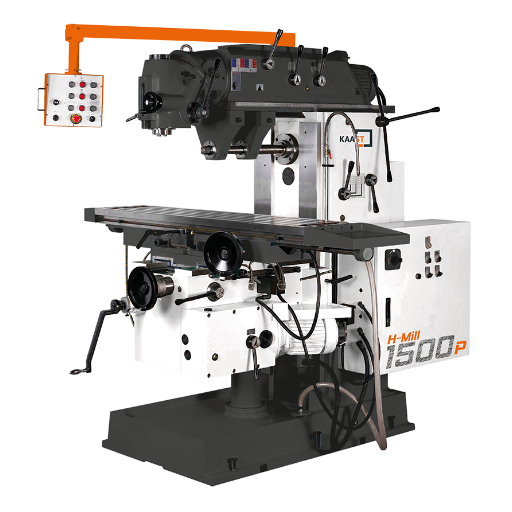
Universal horizontal milling machines are recognized for enhancing productivity and efficiency in industrial settings. They offer flexible milling programs to accommodate complex shapes and high-volume production requirements. According to the new developments, these machines are capable of reproducing accuracies up to a micron level when combined with CNC controls, thereby eliminating material wastage and improving output quality.
Data shows that incorporating universal horizontal milling machines into the manufacturing setup can increase production by at least 20-30% compared to when a vertical milling machine is employed. The ability to combine multi-axis operations allows these machines to reduce flow time and efficiently shorten processing time. Newer instances are also capable of automation, minimizing human intervention and eliminating the chances of error while producing consistent, high-quality results throughout production.
They also enhance cost efficiency by their ability to achieve higher tool life and high cutting speeds while reducing tool replacement time. Coupled with Industry 4.0 features, including real-time machinability monitoring and predictive maintenance algorithms, universal horizontal milling machines enable manufacturers to schedule maintenance optimally during downtime and maximize long-term operational benefits.
Precision in Complex Tasks
Universal horizontal milling machines, equipped with exceptional precision, can handle intricate machining tasks. With its advanced CNC systems, this machine can maintain a tolerance of ±0.001 inches and manufacture components with the most complex dimensions to absolute precision. This level of precision is fundamental in the aerospace, automotive, and medical manufacturing industries, where even the tiniest deviations may render a component useless or cause loss of human life.
Augmented by contemporary technologies, these machines integrate multi-axis machining simultaneously on more than one axis, providing more intense assistance in crafting complicated geometry with minimal or no human intervention. MarketsandMarkets claimed that the global CNC market is expected to reach USD 126 billion by 2030, driven by the demand for high-precision manufacturing solutions, with milling machines accounting for a significant share.
The quality of the parts is maintained via real-time monitoring and error correction algorithms, even if machining with tough materials such as titanium, hardened steel, and composites. By adopting Industry 4.0 technologies and big data analytics, manufacturers can verify that parts are made by stringent quality standards while optimizing their production workflow, thereby reducing scrap rates and ensuring consistent profitable operations. Therefore, universal horizontal milling machines have proven to be an indispensable tool for meeting the increasingly complex engineering requirements of today.
Adaptability to Various Operations
Universal horizontal milling machines are renowned for their ability to perform a wide range of machining tasks with precision and efficiency. Their design allows a manufacturer to perform various types of face milling, slotting, gear cutting, and contour cutting. This versatility is crucial in fields such as aerospace, automotive, and medical manufacturing, where custom and complex parts are frequently required.
Present data suggest that the global milling machine market will continue to grow on the back of burgeoning demand for advanced and multi-tasking machines, such as universal horizontal milling machines. According to MarketsandMarkets, the milling machine market is expected to reach a valuation of USD 11 billion by 2026, highlighting the growing demand for versatile equipment in today’s production environments. Furthermore, the CNC (Computer Numerical Control) integration enhances the adaptability of these machines, enabling manufacturers to switch operations quickly while maintaining tight tolerances.
Built for heavy work and capable of accommodating a wide range of materials, the machines offer optimal efficiency on the job for aluminum, steel, brass, and composites. This makes them good value to any workshop that needs to cater to varying job demands without constantly having to switch equipment settings. The ability to switch between operations not only enhances productivity but also reduces outbound job turnaround, thereby improving the manufacturer’s Optimal Efficiency.
Comparison with Other Milling Machines

Performance Differences
When compared to traditional milling machines, modern CNC milling machines exhibit distinct performance differentiators. CNC milling machines, equipped with computerized controls, carry the distinction of cutting-edge precision and repeatability. Manual or traditional machines are very dependable, but only to the extent that the operator is competent in their work, so that a minor inconsistency can find itself in the finished product.
Recent studies have shown that modern CNC milling machines have tolerances within ±0.001 inches, which are significantly smaller than those of manual machines, which typically have tolerances of ±0.005 inches. In addition to being capable of working faster than manual machines, CNC machines are flexible in switching rapidly among various tasks, such as cutting, drilling, and engraving, with innovative functionalities. This would have required a significant number of setups on manual machines.
According to another survey conducted in 2022 in the machining industry, CNC machines have a superior ability to reduce cycle time compared to their older manual counterparts. On average, such machines can reduce cycle time by 40-60% due to their automated capabilities, which involve a multitude of tools working together, and their higher processing speed. Additionally, they are better equipped for batch production, where operators can reproduce thousands of parts with intricate designs to exact detail and quality without any drop-off.
While CNC machines need higher capital investments and the technical know-how of programming them, their application, performance, reliability, and scalability form the basis on which any manufacturer that aspires to stay competitive on the manufacturing grounds today must invest in.
Cost Analysis
The second factor in the CNC machines is price. The price depends on the size, type, and capabilities of the CNC machine. Entry-level CNC machines range from $5,000 to $20,000, making them ideal for automated manufacturing systems designed for smaller businesses. Mid-range CNC machines, featuring multi-axis capabilities and more precise methods, are priced between $50,000 and $150,000. If one wants to really embark on a high-end journey, he can spend more than $300,000 on industrial-grade CNC machines with many features and application possibilities.
Operational costs must also be borne, aside from purchase and installation costs. Most programming software, such as Mastercam or Fusion 360, will open its doors to you for an annual fee of approximately $1,200 $3,000. You’ll pay between $5,000 and $15,000 each year for maintenance and repairs. Depending on the intensity of use and complexity of the machines, you’ll train them for $1,000 to $3,000 per trainee.
By far, however, CNC refers to procedures that provide enormous savings and reduce significant manual labor costs by utilizing automation, which accounts for approximately 70% of savings for some enterprises. Enhanced efficiency and reduced waste material also contribute to lowering material costs; recent market analyses indicate that production costs decline by approximately 30% within three years for firms that install CNC machining, further justifying the initial investment.
Considering that industry trends indicate the global CNC machining market is growing annually at a compound rate of over 5% through 2028, these machines remain a powerful investment for manufacturers seeking to scale their operations and equipment.
Suitability for Specific Tasks
CNC operations, distinguished by their precision, efficiency, and adaptability, are exceptionally suitable for a wide array of tasks across various industries. Based on up-to-date insight from market data, CNC machines have industrial applications within the industries such as automotive, aerospace, electronics, and medical devices, all of which benefit from customized manufacturing solutions.
The automotive sector relies heavily on CNC machining for the manufacture of engine parts and transmission systems. It is estimated that CNC automation enables manufacturers to achieve tolerances of 0.001 inches, ensuring exact specifications and reducing waste. At the same time, aerospace CNC machines are used for the manufacture of relatively complex components from lightweight materials such as titanium and aluminum, while maintaining rigorous compliance with regulatory standards.
The medical industry is still benefiting from CNC machining for producing highly complex parts, such as surgical tools, orthopedic implants, and dental instruments. Research indicates that, concerning precision components being CNC-manufactured, the medical device market is expected to witness a CAGR of more than 6% by 2030.
Similarly, CNC machining is well-suited for prototyping and small-batch electronics manufacturing, running 24/7 with minimal operator supervision to achieve fast time-to-market. Additionally, multi-axis machining can deliver highly detailed designs.
Through the integration of software solutions like CAD (computer-aided design) and CAM (computer-aided manufacturing), CNC machining continues to expand new dimensions and commercial viability. Industry data show that CNC-technology manufacturers achieve an average 40% improvement in lead times, which is a significant accomplishment in balancing the demands of speed and flexibility in modern production environments.
Maintenance Tips for Longevity

Regular Maintenance Practices
Few things are more badly needed if CNC machines are to be optimally performant and have a long lifespan. Below are some practices with the latest research and statistics:
1. Scheduled Cleaning and Lubrication
Cleanliness is essential since dust and debris cause significant damage to the wear and tear of machine components in the area. Experts advise that chips and residues should be cleaned away daily or immediately after each operational cycle to prevent clogging or damage. Such cleaning maintains the lubricants, which are essential for reducing friction and preventing overheating. According to recent studies, CNC machines that are properly lubricated experience approximately 30% less operational downtime.
2. Tooling and Spindle Health Inspection
Tooling and spindle inspection prevent excessive wear that can interfere with precision. Reports from the machining management industry state that improper maintenance of the spindle has led to almost 25% of production inefficiency caused by machine issues. Utilize advanced diagnostic tools to monitor the spindle’s performance and replace worn tools promptly.
3. Software and Calibration Updates
Software correctness and alignment are prominent features in CNC operation. Always ensure that the latest version of firmware and software is installed to eliminate glitches and improve efficiency. Studies show that moving recalibration into a more regular category of every 2 months can enhance manufacturing precision by 15%.
4. Coolant and Filtration Systems Upkeep
Keep a check on and maintain coolant levels and replace filters at regular intervals to avoid overheating and allow smooth machine functioning. Neglecting this process results in clogging with a marked disruption of performances. Efficient coolant management has shown a 20% improvement in production rates.
5. Backup of Critical Settings
Machine settings and configuration files should be backed up regularly to prevent disruption during unanticipated errors or failures. This practice ensures faster restoration with less downtime, which is essential for meeting tight production deadlines.
By implementing these maintenance techniques and incorporating modern trends, manufacturers can further enhance CNC system reliability and efficiency. A continuous focus on machine maintenance will not only act as a shield against expensive repairs but directly increase operational productivity.
Common Issues and Remedies
Running CNC machines through various kinds of difficulties is not uncommon for manufacturers. Some common problems and their solutions, as well as keeping up with recent information, are listed below.
1. Tool Wear and Breakage
- Problem: Excessive tool wear or sudden breakage is considered one of the most undesirable problems, causing production inefficiencies and a significant decline in part quality.
- Solution: Implementing tool condition monitoring systems could help minimize disruptions in production. Sensors detect very minor changes in tool wear and alert operators in real-time. Based on recent industry reviews, predictive maintenance technologies can reduce tooling-related downtime by up to 30%. Furthermore, using higher-grade cutting tools in conjunction with adequate coolant flow significantly extends tool life.
2. Machine Alignment and Calibration
- Problem: Through defective machining processes due to misaligned machines or those improperly calibrated, accurate, dimensionally machined parts do not get produced.
- Solution: Laser measurement tools or bar tests are used to calibrate machines regularly for accurate alignment. Studies suggest that when machines are calibrated every six months, an improvement in machining accuracy of 25% or more can be observed. Various software suites come with automated alignment protocols to help ease the maintenance of machine precision.
3. Overheating of Components
- Innocent: Continuous working operations lead to heating of components comprising spindles and motors, causing malfunctions or decreases in efficiency.
- Solution: Switch to advanced cooling systems or high-performance lubricants to mitigate heat generation. Also, ensure that there is a clean environment around CNC systems to prevent heat buildup due to friction or debris. It has been found that modern spindle coolant technology increases the operating lifetime by a minimum of 15%.
4. Software Glitches and Compatibility Issues
- Problem: Outdated or incompatible software interrupts production due to an error in CNC programming or a data communication failure.
- Solution: Keep the control software and firmware up to date at all times. Select a platform that supports automatic updates and cloud-based integrations to enhance compatibility. Furthermore, a 2023 market analysis indicates that cloud-enabled CNC solutions have reduced software-related downtimes by approximately 20%-25% on a global scale for manufacturing setups.
5. Power-Supply Interruptions
- Problem: An unstable power supply interferes with the CNC system’s functioning, resulting in errors or, worse, damaging the hardware.
- Solution: The installation of UPS systems ensures constant power delivery, and UPSs protect against power outages. Mills fitted with industry-grade UPS report a 40% improvement in machine uptime when electrical disturbances are present.
By resolving these problems with the help of modern technology and various preemptive measures, manufacturers can counter recurring breakdowns, optimize production quality, and maintain the long-term reliability of their CNC business.
Importance of Proper Lubrication
Proper lubrication is a crucial ingredient in enhancing the life and functionality of CNC machinery. Lubrication reduces friction between moving parts, thereby decreasing surface wear and preventing parts from overheating. Industry experts believe that improper lubrication is the cause of approximately 50% of failures, underscoring the importance of proper lubrication in maintenance and preventive strategies.
CNC machines with either inadequate or no lubrication tend to experience faster degradation of internal machine parts, resulting in costly downtime and production delays. Some modern lubrication systems, such as automatic lubrication systems, ensure that they deliver lubricants with precision and consistency to key parts in the machine, thus reducing human error and increasing machine life by up to 30%, according to current technical research.
Also, choice of good lubricant types is equally essential. For instance, synthetic lubricants are seen to be replacing conventional oil in most respects because of their very high resistance to heat and oxidation, and thus provide the better protection required in most high-stress manufacturing environments. Be vigilant and actively monitor your machines, using technologies such as vibration analysis or oil particle counters to inform and optimize your lubrication schedule. All the mentioned practices combined enhance hardware reliability while supporting lower-priced equipment costs.
Purchasing Guidelines for Buyers
A Brief Guide on Essential Specifications to Evaluate
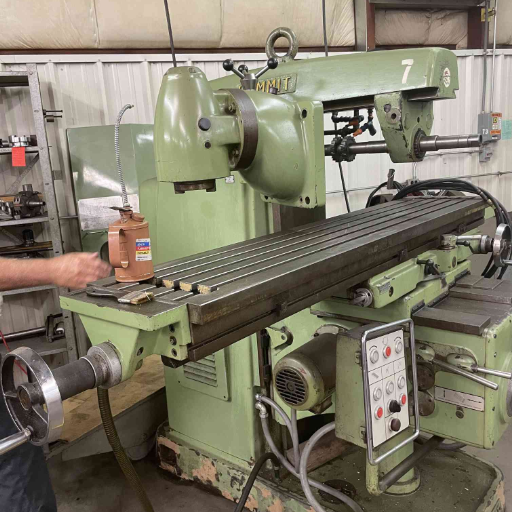
A few specifications need to be examined when purchasing lubricants or components for CNC machinery:
1. Viscosity Grade
Lubricants determine the rate at which a liquid might flow and its film strength during operation. Sometimes, for very high-speed CNC machines, especially those with higher speeds, a lower viscosity lubricant is used to allow the machine to run smoothly. Similarly, low-speed and heavy-loading type machines can use oils with high viscosity for additional wear protection. So a check with the manufacturer is necessary, along with recommendations for the viscosity range.
2. Thermal Stability
Thermal stability is essential in high-temperature operations. Prolonged exposure to heat causes degradation; hence, a short degradation time is preferable. It has been scientifically established that synthetic oils have thermal stability above 300°C, thus making them suitable for CNC operations nowadays.
3. Anti-Wear and Extreme Pressure (EP) Additives
Additives mainly increase tool life. Anti-wear additives reduce interface friction, whereas EP additives resist scuffing and scoring at both mild and high pressures. Ensure the lubricant contains additives that have been tested and proven suitable for CNC applications.
4. Compatibility with Materials
Verify that the lubricant is compatible with the seals, bearings, and other components of your CNC equipment. Materials such as nitrile rubber or fluorocarbon elastomers usually require specialty products to avoid chemical reactions or deterioration.
5. Contamination Control
Particle contamination contributes to almost complete lubrication failure. Hence, search for products that come with an ISO Cleanliness Code rating guaranteeing the least number of particulates. Even finer particle rating of ISO 18/16/13 or better would be recommended for precision work.
6. Operating Temperature Range
Check the temperature range under which the lubricant can function effectively. Certain synthetic oils can operate effectively from -40°C to 150°C, enabling them to be used in even the most extreme conditions.
7. Cost Vs. Long-Term Benefit
Synthetic oils may appear more expensive initially, but their prolonged life and higher protection level help offset the cost over a longer period by minimizing equipment wear and reducing lubrication change intervals. Real-world records indicate that synthetic oils can hold out twice as long as mineral oils.
So, taking into consideration all these factors will ensure long-term good operation and condition of your CNC machines. Consult trusted industry resources or your CNC equipment manufacturer for up-to-date information and recommended gear.
Accessory Selection
Selecting productive tools for CNC machining is crucial for achieving efficiency, precision, and versatility in operation. With the help of tool holders, cutting tools, workholding devices, and probes, performance can be enhanced. They enable better quality outputs, reduced production time, and lower material wastage.
1. Tool Holders
Tool holders perform a vital role in providing precision. According to recent industry findings, the use of best-in-class tool holders, such as shrink-fit holders or hydraulic chucks, can lower runout measurement values by 2-3 microns, thereby improving cutting precision and extending tool lifetime.
2. Cutting Tools
Cutting tools significantly impact the speed and quality of machining. Modern carbide or coated tools, which mainly use TiAlN (titanium aluminum nitride), can reach high temperatures and prevent wear. Data reveal that such tools with technical advances last 50% more in abrasive materials when compared to non-coated tools.
3. Workholding Devices
Stability during machining is a crucial factor that affects precision, and workholding devices, such as vises, clamps, or vacuum fixtures, can have a significant impact. Recent innovations have produced self-centering vises and modular workholding systems to accommodate adaptability and ease of setup, yielding a 30% increment in productivity.
4. Probing and Measurement Systems
Automated probing systems have significantly enhanced the measurement-taking process in machining. They perform in-process inspections to minimize errors and ensure dimensional accuracy. According to various studies, shops that implement probing systems find a reduction in scrap rate of 20-40%, which will continue to save money in the long run.
5. Coolant and Filtration Accessories
Cooling and filtration systems maintain machine performance during heavy-duty applications and increase the durability of these machines. Research indicates a more than 25% increase in cutting efficiency with modern coolant delivery systems, such as mist or high-pressure coolant systems, particularly when applied to high-speed machining.
By staying current with the latest breakthroughs and monitoring production requirements, one can select the right accessories to enhance the performance and versatility of their CNC machines. One should always bear in mind reputable manufacturers and industry updates to ensure that their accessories are compatible with the equipment and complement operational goals.
Evaluating Manufacturer Reputation
Several key factors must be considered to determine the reputation of a manufacturer to secure CNC machine accessories’ quality, effectiveness, and value. First, check customer reviews and testimonials from sites such as Reviews, Trustpilot, and industrial-specific forums. For instance, manufacturers with average ratings above 4.5 out of 5, accompanied by numerous compliments on duration and performance, are generally trustworthy suppliers.
Secondly, look for certifications or awards the manufacturer may have received. For example, the ISO 9001 certification is widely accepted as the standard for quality management. You could also look into whether the manufacturer has a proven record of innovation by checking proprietary technologies or patent claims, which essentially demonstrate their talent for engineering on a higher level.
Market share data may also serve as an indicator of a company’s credibility. Latest industry reports indicate that the top manufacturers, namely Haas Automation and Fanuc, are leaders in the CNC accessory market, demonstrating strong acceptance and trust throughout the industry. Then compare product warranties; those manufacturers who tend to offer comprehensive warranties of two years or more usually have more confidence in their products.
Lastly, stay up to date with developments through following reputable blogs of the industry, supply chain new reports, and publications. To ensure that your selection of manufacturer aligns with current developments and individual needs, this type of information should go a long way in reducing risk and promoting long-term productivity.
Reference Sources
- Search on platforms like Semantic Scholar using keywords such as “universal horizontal milling machine,” “precision machining,” or “industrial milling advancements.”
- Filter results by publication date (e.g., 2020–2025) to focus on recent studies.
- Look for papers discussing innovations, methodologies, or case studies related to universal horizontal milling machines.
Frequently Asked Questions (FAQs)
What is a universal horizontal milling machine?
A universal horizontal milling machine is a versatile machine tool designed for a wide range of milling operations. It features a horizontal spindle that allows for the mounting of various cutting tools, making it suitable for different machining tasks. The machine typically comes with a swiveling table and a universal head, enabling precise adjustments and configurations. This adaptability makes it ideal for machining metals and other materials with high precision. Additionally, the universal horizontal milling machine can accommodate various accessories, enhancing its functionality for specific milling requirements.
What are the specifications of a universal milling machine?
The specifications of a universal milling machine can vary by model, but they generally include features such as a horizontal spindle, table dimensions, and a robust feed system. Many models also offer a 3-axis configuration, allowing for movement along the x, y, and z axes. The table load capacity is another critical specification, often designed to support heavy workpieces. High-quality machines may also include a rapid traverse mechanism for efficient positioning. Furthermore, specifications may mention the motorized features and rigid construction, ensuring precision and durability during milling operations.
How does a horizontal milling machine differ from a vertical milling machine?
Horizontal milling machines differ from vertical milling machines primarily in the orientation of their spindle. In horizontal models, the spindle is mounted horizontally, which is ideal for certain types of cuts and allows for the use of a broader range of cutting tools. This configuration can also facilitate the use of a rotary table for additional versatility. On the other hand, vertical milling machines have a vertical spindle, which is better suited for drilling and contouring tasks. Both types have their unique advantages, and the choice between them often depends on the specific milling tasks and the desired precision levels.
What accessories are available for universal milling machines?
Universal milling machines can be equipped with a wide selection of accessories to enhance their capabilities. Standard accessories include rotary tables, automatic feed systems, and various cutting tools specifically designed for different applications. Additionally, users may find accessories such as a coolant system to improve tool life and machining efficiency. Swiveling tables and universal heads are also popular additions that enhance the machine’s versatility. These accessories allow operators to perform a broader range of milling tasks with precision and ease, making the universal milling machine a more valuable asset in any workshop.
What is the importance of precision in milling operations?
Precision in milling operations is crucial for achieving high-quality results and ensuring that parts fit together correctly in assembly. Universal horizontal milling machines are designed to offer high-precision capabilities, which are essential for producing components with tight tolerances. Precise machining minimizes waste and rework, ultimately saving time and reducing costs in manufacturing processes. Additionally, high precision helps maintain the integrity of the cutting tools and machinery, extending their lifespan. In industries such as aerospace and automotive, where accuracy is crucial, investing in precision milling machines can have a profound impact on overall product quality and performance.