




Plate rolling machines play a crucial role in industries that rely on the accurate and precise bending of metal plates. With the correct equipment, construction, manufacturing, or shipbuilding companies can achieve smooth operations and surpass efficiency goals. With so many available, how can you tell which one best serves your purpose? This blog post will help you identify the different types of plate rolling machines, their defining characteristics, and what to look out for when making a decision. You will be equipped with all the knowledge necessary to make an informed and insightful decision. Now, let’s navigate the world of plate rolling machines to understand their capabilities.
Types of Plate Rolling Machines

3-Roll Plate Rolling Machines
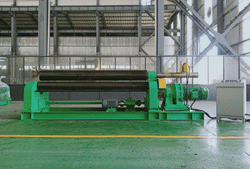
With a 3-roll design, these machines are the most widely used and versatile in the industry. The three rollers allow them to bend and shape plates into twisted, curved, or even cylindrical forms. They are well-suited for medium-duty work and can handle a range of plate thicknesses.
4-Roll Plate Rolling Machines
Offering enhanced accuracy and productivity, 4-roll machines feature an additional roller, enabling automatic feeding and improved handling. They perform best on heavier plates and repetitive jobs as they minimize manual corrections.
Variable Geometry Plate Rolling Machines
Such plates are suited for very thick and heavy-duty plates, as the variable geometry machines adjust the rollers to optimize industrial bending where maximum force is required.
CNC Plate Rolling Machines
CNC machines are the most advanced, equipped with computer controls, and therefore offer the highest accuracy and automation. They are ideal for tasks that require fine detail and for creating intricate shapes with minimal operator input.
Key Takeaway: As explained, each serves a specific function, and deciding which to use is dependent on the plate material, thickness, and the required production volume and accuracy. Make sure to keep them in mind, as they will help determine which machine will be most beneficial to you.
Overview of Different Roll Machine Types
Roll-bending machines serve multiple functions and are required in various industries to bend sheet metal into desired curves. A roll-bending machine can be of different types, as each type serves different functions and uses different materials. As such, there are several types of roll-bending machines, and below is an explanation of each:
1. Three-Roll Plate Bending Machines
With the two bottom rolls fixed and the third one on top adjustable, these machines are effective for bending thin plates and achieving small radii. For improved efficiency and precision, new models include digital control systems. Their small size also makes them a suitable option for workshops that require moderate output.
- Applications: Small pipes, tanks, and metal parts.
- Material Capability: Plate thickness of up to 50mm (depending on the model).
- Pros: Low cost, easy to use, and flexible.
2. Four-Roll Plate Bending Machines
Four-roll plate bending machines feature dual rolls in the center for plate feeding, as well as two adjustable rolls for bending, providing greater accuracy. This structure supports pre-bending and reduces scrap material. Thicker plates are also used for both simple and compound bends.
- Applications: Shipbuilding, heavy machinery, and oil and gas piping.
- Material Capability: Materials above 50mm thickness.
- Advantages: Can work with thicker plates and offer high precision and digital control.
3. Two-Roll Plate Bending Machines
In automotive and decorative metal parts manufacturing, two-roll machines are used. These machines have one rolling cylinder and one pressing roll. The second roll shapes the sheet metal. With this machinery, simple cylindrical shapes are produced in the shortest time possible.
- Applications: Tubes, shells, and other lightweight parts.
- Material Capability: Usually sheets thinner than 10mm.
- Advantages: Fast processing and cheap for thin material.
4. Section Bending Machines
Unlike plate-bending machines, section-bending machines are used for structural profiles such as beams, angles, and tubes. They use multiple rolls to ensure the profiles are made to specification without damage.
- Applications: Infrastructure, construction, and architectural projects.
- Material Capability: Works with most structural materials.
- Advantages: Can handle different profiles and large sizes.
5. CNC-Controlled Roll Bending Machines
The computer-numerical-control (CNC) roll-bending machines are the most advanced machines in terms of automation and precision. They use advanced software to program intricate shapes and to ensure consistent products in volume production. The aerospace, automotive, and custom manufacturing industries use these machines the most.
- Applications: High-accuracy aerospace and industrial products.
- Material Capability: Efficient work with both thin and thick plates.
- Advantages: High-level precision, low operator effort, and excellent consistency.
Selection Tip: When using a roll machine, ensure you evaluate your business needs, including the type of materials to be used, their thickness, the quantity of output, and the precision level required for your projects. More advanced machinery, such as improved digital user interfaces, increased automation, and better performance, ensures roll bending machines continue to be essential equipment in the manufacturing industry.
Choosing the Right Plate Rolling Machine
Determining the proper plate rolling machine for a project requires knowledge of several critical factors, including the type, thickness, and width of the material, as well as the desired output. Plate rolling machines are primarily variable geometry machines, three-roll machines, and four-roll machines, each catering to different needs with their unique benefits.
Three-roll machines are standard in industries that require moderate thickness and light to moderate plate materials, as they work best with these types. Moreover, they are ideal for light production runs. Four-roll machines operate with greater precision. Automation is also easier to implement with them. Due to their design, a single operator can complete both pre-bending and rolling in a single setup, thereby increasing efficiency. For variable geometry machines, the adjustability of roll positions to suit different load capacities makes them stand out, particularly for handling hefty plates or delicate materials.
Performance Metric: When evaluating the performance of machines, production efficiency is the most relevant metric. For example, a four-roll machine can operate at least 30% faster than a three-roll machine due to its simplified workflow. The plate rolling industry, for a long time, has seen little advancement in technologies; however, the implementation of digital controls and CNC systems has made high-volume manufacturing with precision, repeatability, and error-free production possible.
Materials considerations must not be overlooked either. Today’s machines accommodate a variety of materials, ranging from steel and aluminum to composite alloys. Rolling machines with higher power and capacity are required, for instance, to work with high-strength steels. With the proper selection of machines, smooth processing is ensured, and the machines are protected from overloading, as the rolling thickness ranges from a few millimeters to several inches.
Lastly, the incorporation of automation, such as touch screens and software for roll calibration, improves workflow and reduces operational times. While it may be a regrettable initial investment for a growing enterprise, the payback from advanced roll calibration software is largely reaped through improved production and material utilization.
Best Plate Rolling Machine for Your Needs
When selecting the optimal plate rolling machine, it is essential to consider the intended use, budget, and desired production quantity. Recent developments in plate rolling technology have brought attention to a few machines that serve different sectors of the industry.
Four-Roll Plate Rolling Machines
They are well-known for their four-roll machines, which enable delicate efficiencies and optimizations. Their automatic materials feeding and pre-bending functions reduce materials waste to a greater extent. For instance, a four-roll machine with a bending capacity of one-inch thickness and a width of up to 10 feet is ideal for heavy-duty production, such as in shipbuilding or the fabrication of industrial tanks.
Three-Roll Plate Rolling Machines
As fabrication work gets smaller and more specific, three-roll machines are multifaceted and tend to be less expensive. Multi-featured, asymmetrical bending, and digital display machines are ideal for sheet metal work that requires accuracy. Some models that handle plates up to 0.5 inches in thickness and 8 feet in width are suitable for medium-duty work.
Hydraulic Plate Rolling Machines
Such machines are known to be more efficient due to the operation of their hydraulic systems and increased accuracy. They also feature adjustable pressure controls that enable them to roll a 1.5-inch plate of stainless steel, aluminum, and carbon steel, among other materials. Hydraulic machines are even more essential for the consistent and repetitive roll industries.
CNC Plate Rolling Machines
The most advanced operations are performed by CNC (Computer Numerical Control) plate rolling machines; all tasks are fully automated. They ensure fully automated operations because they can store numerous rolling programs and modify them to intricate patterns, and their accuracy is guaranteed. Some high-end CNC machines can roll plates up to 2 inches thick and 12 feet wide, making them suitable for large-scale projects or production lines with high demand.
Expert Advice: To make the right decision, it is advisable to consult a specialised distributor or manufacturer to identify the right machine. Furthermore, consider your scalability and potential for increased production when investing.
Working Principle of Plate Rolling Machines

A plate rolling machine shapes metal by feeding flat plates into rollers. These machines commonly use three or four rollers, which are either in a linear or pyramidal setup. The upper roller, located at the apex of the pyramid or upper side in a linear setup, presses down on the plate. The lower or side rollers, situated at the bottom or sides, respectively, depending on the configuration, adjust their bend radius to control the shape. By continuously changing the rolling radius and re-feeding the plate, the machine can gradually shape the workpiece into cylinders, cones, and other shaped forms. Achieving the desired shape depends on the right amount of force and precise control.
How a Plate Roll Operates
Leveraging mechanical engineering and forces, metal bending is accomplished with precision on specialised plate rolls. Contemporary machinery comes equipped with features that ensure greater efficiency and accuracy, as well as the ability to work with various materials, including steel, aluminum, stainless steel, and others, at different thicknesses. For instance, some industrial plate rollers are capable of bending plates as thick as 6 inches and as wide as 20 feet, for use in shipbuilding, construction, and industrial manufacturing.
The first step typically involves placing the metal plate on the rollers and ensuring it is positioned correctly. Depending on the construction, a machine may have either three or four rollers: one top roller that supplies the bending force and the side and bottom rollers that provide the necessary support and fine-tuning. Since precision is crucial, CNC (Computer Numerical Control) systems are usually found in the newer plate rolls to achieve the required precision and duplication. Such systems can save numerous bending parameters, which facilitates switching between tasks and dramatically shortens the ramp-up time for batch jobs.
Both torque and pressure, along with the speed of the rollers, are important ratios that need to be fine-tuned during the operation. The bending is achieved through plastic deformation, which is controlled by applying pressure that stretches the metal to a point greater than its elastic limit, thereby attaining the desired permanent curved shape. Moreover, these machines commonly feature hydraulic or electric motors, which provide the necessary force to work on even the hardest materials.
Safety First: Plate roll operations demand the implementation of safety protocols. Emergency stops, rescuer training, and proximity sensors all ensure the operators’ safety while operating such heavy machinery. In addition, scheduled servicing of hydraulics, bearings, and rollers not only retains the performance but also prolongs the functional life of the equipment.
Continuous developments and automation of machines make plate roll equipment even more invaluable in numerous other industries, allowing for increased mobility, load-sensing technology, and many more benefits.
Key Components of a Roll Bending Machine
As in any machine, each part is crucial in fabricating and shaping the material to the millimeter:
| Component | Function | Material/Features |
|---|---|---|
| Rolls | Core feature responsible for rolling the material to the required curve or cylinder | Made of hardened steel, configurable based on material and thickness |
| Hydraulic System | Provides the necessary pressure to move and adjust rolls during bending accurately | Enables seamless operation with precise pressure control |
| Frame and Housing | Holds rolls and essential components, withstands operational forces | Very rigid construction to handle bending forces |
| Control System | Manages machine operations and programmed configurations | Fully computerized or CNC-based for precise control |
| Drive System | Rotates rolls and provides steady material feeding | Motors and gears for consistent material flow |
| Side Supports and Guides | Stabilizes material during the bending process | Essential for larger and thinner sheets to prevent deformation |
Roll-bending machines are widely used in the construction, automotive, and aerospace industries to fabricate metal parts due to the versatility offered by their integration.
Understanding Plate Bending Rolls
In metalworking, the use of plate-bending rolls is crucial in the formation of metal sheets and plates into cylindrical, conical, and curved shapes. The method of shaping is by passing the sheets through rolls that exert force on the metal to shape it. The machinery functions using either a three-roll or a four-roll system.
Three-roll machines are designed with an adjustable roll accompanied by two fixed rolls. They are designed to curve cylinders with simple bends. The machines adapt to the bends and thickness of the material by being either electronically or manually tuned.
On the other hand, four-roll machines are designed with one additional roll compared to the three-roll machines. This not only tightens the material and reduces errors but also facilitates easy repetition of the process. This type of machine is best suited for large-scale factory production.
Industries such as shipbuilding, energy, aerospace, and automotive depend on plate bending rolls for the fabrication of ships, tanks, pipes, and sophisticated metal parts. These machines also require proper maintenance and skilled personnel to operate them, as this, coupled with proper alignment of the metals, enhances the efficiency, output, and lifespan of the machines.
Using Plate Rolling Machines Effectively

To use a plate rolling machine effectively, please pay attention to the following aspects:
- Prepare the Material: Ensure the workpiece is free of contaminants, flat, and has the correct dimensions before placing it in the machine. This helps avoid mistakes and protects the machinery.
- Machine Settings: Use the correct machine settings for the thickness and type of material being processed. For best results, follow the manufacturer’s instructions.
- Alignment: Ensure the material is aligned correctly to prevent rolling due to imbalances or defects in the end product.
- Operation Expertise: Ensure operators are trained to use the machine and monitor the rolling process to prevent errors.
- Maintenance: Conduct regular inspections to ensure that parts, such as rollers and bearings, are in good working condition. This helps reduce the chance of downtime.
Result: Adhering to these procedures improves workstation productivity and yields dependable, superior outputs.
Operator Tips for Efficient Machine Work
Check Temperature Settings
Distortion of materials can be avoided, as well as other operational inefficiencies, by ensuring that the machine temperature is maintained at a proper level. A 15% drop in machine efficiency is associated with operating a machine at a higher temperature than its optimal operating temperature for a longer operating cycle.
Utilize Real-Time Data Tracking
Performance and operational metrics can be significantly improved through the use of sensors and data tracking instruments. The new IoT-enabled machines not only track energy consumption but also notify the operations team promptly of maintenance needs, allowing for a 20% increase in productivity.
Follow Correct Lubrication Methods
The bearings and other moving parts, such as the gears, need to be lubricated regularly to reduce the chances of mechanical wear. Consistent data shows that maintaining a consistent lubrication routine can help critical parts function well for an additional 30% of their assumed lifespan, thereby reducing maintenance expenses.
Frequent Calibrations
Frequent calibrations of the machine are essential to maintain the precision of the rolling or cutting processes. Research has proven that such machines require recalibration every month. Therefore, if recalibration is performed monthly, the machines will produce 25% fewer defective products compared to those that receive less frequent recalibration.
Optimize Workflow Layout
Arrange the tools, materials, and waste disposal units around the machine in such a way that it minimizes the operator’s unnecessary walking and time. An optimized workflow layout can increase operational efficiency by 10-15%, according to recent reports.
Invest in Operator Training Programs
Staff are greatly empowered when comprehensive training is provided, encompassing both operational and troubleshooting aspects. Shown through data, good training results in operators who can cut machine downtime by as much as 40%, along with a significant increase in productivity in the workplace.
Bottom Line: Incorporating these updates, along with standard procedures, will enable machine operators to work smarter, resulting in lower production costs and higher-quality products.
Common Types of Plates for Rolling
Rolling operations typically require multiple plates, each designed for specific use based on its thickness, material composition, and other properties. Here are the other essential types of plates:
Carbon Steel Plates
Their strength and durability, combined with low cost, have made carbon steel plates a favorite in shipbuilding and the renewal of structural elements. Mild and high-carbon steel are on the c-ray depending on their carbon content, allowing different machinability and weldability grades.
Stainless Steel Plates
The food processing, pharmaceutical, and architectural fields utilize stainless steel plates due to their exceptional corrosion resistance and aesthetic appeal. Grades such as 304 and 316 have different levels of strength and resistance to chemicals or harsh environments, which enable their utilization in various rolling applications.
Aluminum Plates
Aluminum plates are not only lightweight but also corrosion-resistant and are widely used in the aerospace, automotive, and packaging sectors. They can be easily shaped and rolled into complex designs while maintaining a high strength-to-weight ratio. Grades 5052 and 6061 are the most well-known aluminum grades owing to their versatility in manufacturing.
Alloy Steel Plates
With the addition of metals like chromium, manganese, or molybdenum, alloy steel plates acquire superior strength, hardness, and armor toughness. These plates are used in heavy machinery, industrial equipment, and oil and gas machinery.
Clad Plates
Clad plates are produced by bonding a corrosion-resistant metal to a base plate, such as carbon steel. The fusion of corrosion resistance and strength makes clad plates suitable for harsh environments that are subjected to extreme temperatures, such as those found in chemical processing and power plants.
Pressure Vessel Plates
These plates are designed for use in boilers, tanks, and pressure vessels and comply with ASTM A516 and similar standards, enabling them to withstand high pressure and temperatures safely.
As with any other material, each type of plate has specific benefits and, as such, is selected based on the application. Advances in rolling and metallurgy techniques ensure plates are used for a broader range of applications while guaranteeing maximum efficiency for all industries.
Bending Techniques with a Roller
In the industry, using a roller to bend metal plates is one of the most popular methods, and for good reason: it is precise and consistent for a wide range of materials, including steel, aluminum, and various alloys. This method is often performed using three to four rollers in a pyramid or pinch configuration to apply pressure softly and achieve the desired curvature or radius.
With the availability of advanced CNC controls on modern roller bending machines, operators can enter specific details, such as the bending radius, material type, and thickness. Specialized machines enable work with plates up to 2 inches thick, depending on the material and its ductility. For example, high-strength steel bends may require higher forces or multiple passes with the rollers.
Technical Insight: Research indicates that the lubrication, grain direction of the material, and the diameter of the roller have a significant impact on the factors of the bend. When using a small roller diameter, tighter bends can be created; however, some materials may crack or deform if excessive force is used. Defects can be avoided by using a bending radius of 2 to 4 times the material thickness for most metals, which is the recommended range.
Faster production has been made possible in recent years due to new bending technology, such as variable geometry rollers, as well as automated feedback systems, which maintain product quality while increasing production efficiency. The shipbuilding, manufacturing, and construction industries benefit the most from these developments, as they enable them to reduce waste and produce reliable parts while keeping costs low. To guarantee the structural integrity and safety of the product, it is best to follow the industry bending limits and guidelines.
Choosing the Right Plate for Your Project

When selecting plates for a specific project, the following considerations should be taken into account: material type, thickness, and intended use. For materials, use one that meets the project’s needs. Utilize common metals, such as steel, aluminum, and stainless steel, as each has its own advantages in terms of strength and corrosion resistance. The structural requirements set the standard for the thickness to ensure it is safe, durable, and has no excess weight. The intended use of the plate determines its environmental suitability, such as whether it is designed for structural support, decoration, or addressing environmental challenges. Plates should always be purchased from trusted vendors to ensure quality and adherence to standards.
Factors to Consider When Selecting a Plate
Selecting the right plate involves numerous considerations. One of the most important considerations is the type of material. The use of aluminum plates offers several advantages, including their lightweight nature and corrosion resistance, making them suitable for use in both the aerospace and marine industries. Aluminum provides a great deal of flexibility. Using marine-grade aluminum plates, for example, helps optimize the balance between weight and structural performance in marine applications. Steel plates, especially those made of structural steel, are renowned for their exceptional strength and durability, and for this reason, they are widely used in the construction and machinery industries. Moreover, the food processing and medical equipment industries, which often operate in wet and chemically active environments, utilize stainless steel plates due to their strength and resistance to rust.
The thickness of the plate is also of significant concern. Thin plates are easier to work with and, therefore, increase the range of possible applications, including automotive parts and roofing. In contrast, heavyweight plates are crucial in shipbuilding and for use in heavy-duty machinery. It is also essential to be familiar with the respective standards, such as ASTM or ISO, as these include safety, performance, and quality standards that the materials are expected to meet.
For applications that are surface finish-sensitive, such as those where appearance or smoothness are important, plates that have been polished or coated should be considered. Coated plates, such as anodized and galvanized plates, provide additional protection against corrosion, thereby enhancing the material’s durability in harsh environments.
Moreover, consider the surroundings where the plate will be placed. Plates subject to intense heat, extreme cold, or chemical attacks require special selection to avoid warping or degradation with time. Studies show that stainless steel grades, such as 316L, exhibit exceptional performance in highly corrosive environments, whereas 6061 aluminum alloy is suitable for high-stress applications without compromising its form.
As far as price and availability are concerned, these factors can influence the selection of materials. For example, titanium plates and other special alloys tend to be more costly and less accessible, yet they are also lightweight and sturdy. Achieving a balance between performance, durability, and budget is essential in the selection process.
Also, make sure the manufacturer or supplier is credible. Trustworthy manufacturers provide high-standard plates, accompanied by their authenticity documents, which guarantee the plates’ steadfast performance under the given working conditions.
Applications of Different Plate Types
Each different type of plate has unique features that make it necessary for various industries and the specific needs of other operations.
Steel Plates
Due to their versatility and durability, steel plates are pretty popular in shipbuilding and the construction of heavy machinery. Structural steel plates are also used in supporting infrastructures, such as bridges and high-rise buildings, as they offer great strength and can withstand a significant amount of weight. Due to the construction of infrastructure and industrial machinery, the infrastructure steel plate market is expected to grow steadily in the coming years.
Aluminum Plates
The aerospace and automotive industries greatly value aluminum plates due to their light weight and corrosion resistance. Advanced aircraft construction utilizes aluminum alloys to reduce fuel consumption while maintaining structural stability. Furthermore, in the renewable energy industry, aluminum plates are also used in solar panels and mounting systems due to their resistance to environmental factors.
Titanium Plates
In the medical and aerospace industries, titanium plates are widely used due to their exceptional strength-to-weight ratio and biocompatibility. They are used in aircraft fuselages, implants, and surgical instruments. Although titanium is more expensive than other metals, its adoption has increased due to improvements in its manufacturing processes.
Plastic Plates
The use of plastic plates is fundamental in the packaging and chemical industries. They are lightweight and chemically resistant, making them well-suited for packaging food products and transporting corrosive materials. The use of biodegradable plastics is expected to further expand the use of plastic plates.
Ceramic Plates
Due to their excellent heat insulation and wear resistance, ceramic plates find use in both the electronics and energy sectors. They are essential in the production of semiconductors, insulators, and in battery technology. The change to electric automobiles has increased the use of ceramic plates, which enhance the efficiency and thermal management of the batteries.
Therefore, different industries and fields serve unique purposes, and their use leads to improvements in various sectors. The use of appropriate materials enables industries to achieve the desired performance and align with the sustainability and financial targets of their particular industry.
Maximizing Efficiency with the Right Plate
For maximum efficiency with ceramic plates, one needs to consider the material’s properties, the application’s needs, and thermal management. High-performance ceramic plates, such as aluminum nitride and silicon carbide, are effective in both heat dissipation and electrical insulation; therefore, they play a crucial role in the electronics and automotive industries. Ensuring that the plates have the proper thermal conductivity and mechanical strength is vital for their durability and performance under stress. Modern manufacturing techniques, including advanced precision machining and enhanced sintering methods, significantly improve the quality of these plates. The efficiency of the ceramic plate can be optimized by understanding the thermal, mechanical, and electrical requirements of the application, as well as the ceramic plate’s specifications, which also helps minimize costs and reduce environmental impact.
Applications of Plate Rolling Machines

Different kinds of industries, including the automotive parts industry, utilize plate rolling machines to shape metal sheets into their desired forms. Notable uses include the manufacture of pipes and cylinders for the construction and oil industries, as well as the fabrication of structural parts for bridges and buildings, and the construction of storage tanks for liquids and gases. Additionally, these machines are very useful in the manufacture of pressure vessels. Due to the accuracy and efficiency offered by these machines, they are indispensable in the industries where steel shaping is done at high standards.
Industries Utilizing Plate Bending
Thanks to their versatility and accuracy in metal shaping, plate-bending machines are used in a wide range of industries. The construction industry utilizes these machines to create structural elements, including steel beams, bridges, and architectural frameworks. Similarly, the oil and gas industry utilizes plate bending for the fabrication of pipelines, storage tanks, and pressure vessels that can withstand harsh conditions. The manufacturing industry is also served, particularly the automotive and aerospace industries, where precision-formed parts are crucial for performance and safety. Plate-bending machines are essential in these industries due to their versatility with materials and the high quality of their results.
Specific Projects Suited for Roll Machines
When working with roll machines, I focus on projects that involve crafting cylindrical items, creating precision curves, or producing specialized parts from metal sheets. This typically involves manufacturing storage tanks, piping, and construction steel, as well as custom parts for the automotive and aerospace industries. The roll machine’s specialty and versatility allow me to maintain high quality for challenging repeat jobs.
Innovations in Plate Rolling Technology
The most recent innovations have been focused on enhancing the accuracy, efficiency, and adaptability of plate rolling to fit the needs of contemporary industries. Automated CNC systems have taken plate rolling to a new level by allowing for finer controls of intricate plate designs, while minimizing errors and increasing output. Machines with variable geometry rolls offer improved flexibility in terms of the range of thicknesses and diameters they can handle, making them well-suited for various applications. Systems that reduce energy usage have also been developed, which help lower operating costs and promote eco-friendliness. Moreover, the use of advanced sensor technologies and the integration of real-time monitoring improve quality assurance and maintain quality even at large-scale production. These developments extend the limits of metal fabrication, providing the construction, automotive, and aerospace industries with advanced options.
Final Thoughts: Plate rolling machines represent a critical component in modern manufacturing, offering precision, efficiency, and versatility across multiple industries. By understanding the different types, applications, and selection criteria outlined in this guide, you’ll be well-equipped to make informed decisions that align with your specific project requirements and production goals. Whether you’re working in construction, shipbuilding, aerospace, or any other metal fabrication industry, the right plate rolling machine can significantly enhance your operational efficiency and product quality.
Reference Sources
Enhancement of Overall Equipment Effectiveness (OEE) Using Simulation for Line Balancing
Integral Sheet Metal Design with Higher Order Bifurcations
Evaluation of Surface Roughness and Wall Thickness in Incremental Stamping
Frequently Asked Questions (FAQs)
In what categories or types can plate rolling machines be found?
Plate rolling machines can be of the three-roller or four-roller types. Each has its pros and cons when it comes to the weight and dimensions of the plates you aim to roll. A closer examination of the characteristics of plate rolling machines is necessary to ensure that you purchase one that meets your specific metal rolling needs.
In simple terms, what does plate rolling entail?
It starts with the metal plate, which is fed into the machine and bent to a specific rolling radius or cylinder. This curvature must be smooth; to achieve this, the metal plate is fed into the machine and bent. As it passes through the rollers, the torque applied to the rolled plate increases, which helps the machine shape the edges of the plate precisely.
What should I consider when purchasing a plate rolling machine?
The width of the plate, the metal thickness, and the desired rolling speed are the most critical parameters to consider. Additionally, determine whether you require a hydraulic CNC plate or a simpler machine for bending. Both choices serve plate rolling machines, but understanding your specific needs will help you make the correct choice.
What does rolling mean in metal plate rolling?
In metal plate rolling, the purpose of rolling is to press the sheets into a curved shape. The pressure is applied through a pair of rollers over the plate. The plate bends and does not break. The same rolling machine can roll different thicknesses and widths. This makes it an all-purpose metal fabrication machine.
What are the ideal plate rolling machines for new users?
For new users, the focus should be on machines that are small in size and easy to operate. The three-roller plate bending machine is preferred and recommended for its ease of operation and effectiveness in bending the plate. It enables the operator to undertake basic projects, which in turn prepare him for advanced machines.
In what ways do rolling machines differ?
Rolling machines are categorised differently based on their model, for example, symmetrical and asymmetrical machines. These machines offer various modes of operation, including the rolling of metal sheets with different thicknesses and widths. Being able to appreciate these differences is crucial when selecting the right machine for rolling metal plates.
What features should I check in a metal plate rolling machine?
Some of the questions that come to mind are the machine’s capacity, rolling speed, and the quality of the rollers. In addition, the machine’s capability to handle the required plate thickness and width should be evaluated. Check to see if any features may aid the rolling process, such as digital controls or inevitable automation.
Is it possible to stop the machine at any point during the rolling operation?
Yes, it is true for most of the modern equipment. To ensure safety, the operator may stop the rolling at any time. To prevent damage to the rolling equipment or metal plates, the safety features are beneficial. However, certain operational functionalities may be lost if the manufacturer’s guidelines are not followed when stopping the machine.