




Metal Shaper vs Milling Machine: Understanding Shapers, Mills, and Their Roles in Metalworking
In the field of metalworking, the importance of the right equipment cannot be stressed enough, especially when it comes to precision work in machining or fabrication. Metal shapers and mills, or milling machines, happen to be two of the most vital equipment that are used in this vertical.
Overview of Metal Shapers and Milling Machines
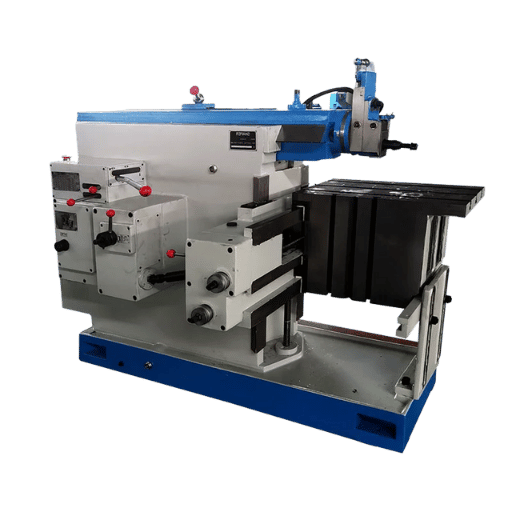
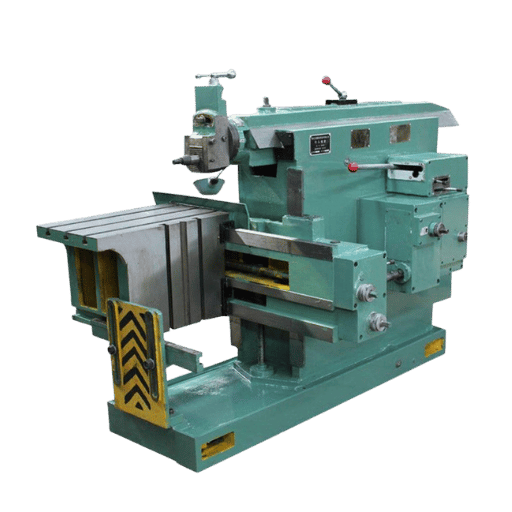
Most often, metal shapers and milling machines are used for the same types of work — processing metal materials. However, the characteristics of such tools are different. For instance, while doing complicated shapes, a milling machine will work with an end mill. Metal shapers have a back-and-forth movement that raises and lowers a single-point tool, which is used to machine flat surfaces or perform operations that require simply repeated flat patterns and therefore are limited to small- to medium-sized machines.
Key Difference
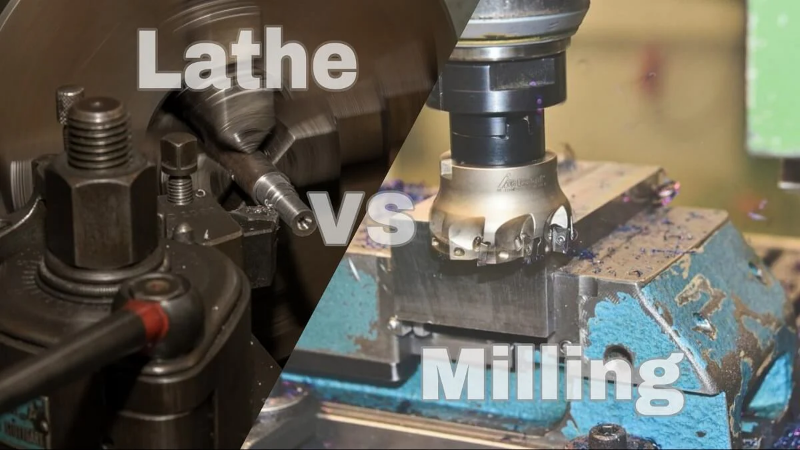
Milling machines work with rotating cutters to remove materials, where it is also possible to cut curves and inclined surfaces with almost any cutting surface produced. A metal shaper is normally used in the production of precision components with low production levels, while a typical milling machine is designed for high-speed and high-output work.
Metal Shaper: Meaning and Purpose
![Metal scrap: (a) scrap metal from turning; (b) scrap metal fro grinding; (c) scrap metal from milling [48].](https://antishilathe.com/wp-content/uploads/2025/08/1.1-115.png "Metal Shaper vs Milling Machine: Understanding Shapers, Mills, and Their Roles in Metalworking 2")
✓
Metal Shaper Applications
- Producing surfaces, slots, keyways, or angles critical in precision machining
- Complex shape components for specialized applications
- Low-volume precision manufacturing
- Traditional machining operations require slow, controlled motion
Milling Machines: Meaning and Practical Purposes
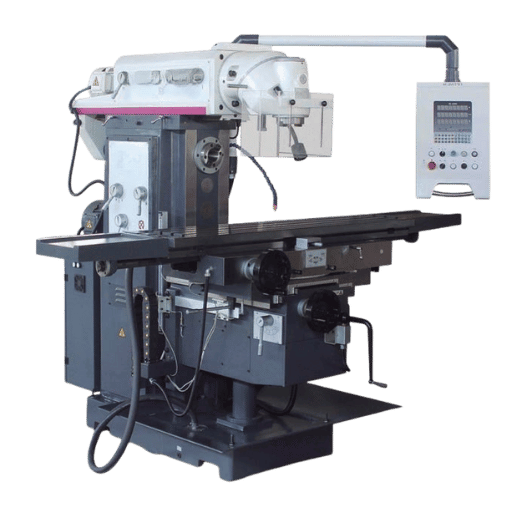
Different types of engineered mills called milling machines shape workpieces from hard materials such as metals, woods, and plastics through the use of cutters that primarily rotate, such that the edge does the cutting and can slot, cut a hole, cut for threading, and even cut curves.
⚙️
Types of Mills
- • Vertical Mills
- • Horizontal Mills
- • CNC Machines
🎯
Capabilities
- • High-volume manufacturing
- • Complex geometries
- • Multiple material types
Applications Across Industries
🛩️ Aerospace Sector
Building components with high accuracy, such as turbine blades, airframe assemblies, and engine components with critical dimensions.
🚗 Automotive Sector
Manufacturing of gears, engine casings, and other intricate parts with high tolerance levels.
💾 Electronics Manufacturing
Production of heat sinks, connectors, and precision components for electronic devices.
🏥 Medical Instruments
Surgical tools, prosthetic devices like joint replacements using high-precision facilities.
⚡ Power Generation
Making parts for power-generating equipment, windmills, and electric generators.
🚢 Maritime Industry
Components such as propellers, rudder parts, and structural reinforcements.
Key Differences Between Shapers and Milling Machines
| Parameter | Shaper | Milling Machine |
|---|---|---|
| Cutting Tool | Single-point | Multi-point |
| Motion | Linear (reciprocating) | Rotational |
| Workpiece Motion | Stationary or slight feed | Moves in multiple axes |
| Applications | Flat surfaces, grooves | Complex shapes, slots |
| Speed | Slower | Faster |
| Versatility | Limited | High |
| Cost | Lower | Higher |
Advantages and Disadvantages Analysis

Metal Shapers
✅ Advantages
- Economical: Lower purchase and maintenance costs
- Easy to Use: Simple construction and operation
- Flexible Cutting: Handles flat surfaces, grooves, and keyways
- High Precision: Excellent for linear motion applications
- Affordable Tooling: Cutting tools are less expensive
❌ Disadvantages
- Low Efficiency: Slower production due to a single cutting stroke
- Limited Complexity: Cannot handle multiple axial movements
- Precision Limitations: May not reach required levels for complex geometries
- Obsolescence: Less used in modern industries
- Energy Usage: High energy consumption per unit
Milling Machines
✅ Advantages
- Versatile Applications: Handles cutting, boring, and forming various shapes
- High Precision: Capable of intricate part geometries
- Complex Components: Accurately machines sophisticated features
- CNC Compatible: Available with automation capabilities
- Material Range: Works with metals, plastics, and composites
- Mass Production: Faster, efficient, and economical for high volumes
❌ Disadvantages
- High Initial Cost: Expensive, especially CNC models
- Complex Operation: Requires skilled workforce and training
- Maintenance Requirements: Regular servicing needed
- Material Waste: Subtractive manufacturing creates waste
- Limited Portability: Large, fixed-position machines
- High Power Requirements: Consume significant energy
Recent Innovations and Future Technology
![Ball milling media selection based on a number of desirable characteristics [161].](https://antishilathe.com/wp-content/uploads/2025/08/1.1-120.png "Metal Shaper vs Milling Machine: Understanding Shapers, Mills, and Their Roles in Metalworking 7")
🚀 2025 Technological Advances
Metal Shapers Innovation
- CNC technology integration
- Enhanced automation features
- Eco-friendly processes
- Improved precision capabilities
Milling Machine Evolution
- Multi-axis machining capabilities
- Advanced carbide and ceramic tools
- AI-powered automation
- Enhanced cutting speeds and durability
Choosing the Right Machine for Your Needs
![Metal scrap: (a) scrap metal from turning; (b) scrap metal fro grinding; (c) scrap metal from milling [48].](https://antishilathe.com/wp-content/uploads/2025/08/1.1-121.png "Metal Shaper vs Milling Machine: Understanding Shapers, Mills, and Their Roles in Metalworking 8")
💡
Decision-Making Factors
Production Volume
Consider your output requirements
Precision Needs
Evaluate complexity requirements
Budget Constraints
Balance initial and long-term costs
Skill Level
Match machine complexity to expertise
Industry-Specific Recommendations
| Criterion | Shaper | Milling Machine |
|---|---|---|
| Primary Use | Flat surfaces, keyways | Complex shapes, pockets |
| Operation Speed | Slow | Fast |
| Learning Curve | Steep | Moderate |
| Space Requirements | Compact | Larger |
| Industry Adoption | Niche Applications | Widespread Use |
Budget Considerations and Financial Planning
💼 Financial Analysis Framework
Initial Investment
- Equipment purchase costs
- Installation and setup expenses
- Training and skill development
- Safety equipment requirements
Operational Costs
- Regular maintenance schedules
- Energy consumption patterns
- Tooling replacement cycles
- Skilled operator wages
Long-term ROI
- Production efficiency gains
- Quality improvement benefits
- Scalability potential
- Technology upgrade pathways
Case Studies: Real-World Applications
Frequently Asked Questions
Research References and Technical Sources
📚 Scientific Literature
1. Formation of Chippings and Working Process in Milling of Lightweight Cast Metal Alloys
Authors: Pascal Fritzsche, Ilgar Abbasov
Journal: Key Engineering Materials
Publication Date: April 05, 2024
Focus: Fritzsche, P. and Abbasov, I (2024). Key Engineering Materials.
2. Investigate the Characteristics of End Milling in Al 6061/WC Aluminum MMCs
Authors: P. Prajulraj et al.
Journal: Key Engineering Materials
Publication Date: December 20, 2023
Focus:(Prajulraj et al., 2023-32)
3. Concentration of Metal Powders by Ball Milling Method: Technology in Hindsight
Authors: Q. Lin et al.
Journal: Materials Science & Engineering Reports
Publication Year: 2023
Focus:(Lin et.al., 2023)
Summary and Conclusions
🎯 Key Takeaways
⚖️
Decision Criteria
Choose shapers for simple, flat surfaces and budget-conscious operations. Select milling machines for complex geometries, high-volume production, and advanced automation requirements.
📈
Future Outlook
R&D in the production and development of metal shapers and milling machines is ongoing and continuous with the application of computer numerical control systems, internet of things, and the environmentally friendly metal working procedures.
💼
How to Invest
Kitten holding a note requires patience and forward thinking. Remember about the time frames after which new technology will need to be introduced again, a particular commitment in terms of costs vs returns and the ability to upgrade the existing machines.
Understanding the differences between metal shapers and milling machines is crucial for making informed decisions in metalworking operations. By carefully evaluating your specific requirements, budget constraints, and long-term objectives, you can select the optimal equipment to enhance productivity, maintain quality standards, and achieve sustainable business growth in the competitive manufacturing landscape.