




Precision, power, and efficiency are key terms in an industrial setting. Due to its ability to do heavy-duty work, the electric hydraulic press finds appreciable use in workshops and factories worldwide. Mold, bend, shear, cut, or compress-any of these tasks would find their easy implementer in this versatile tool. This write-up will guide you through the capabilities, benefits, and key applications of electric hydraulic presses, shedding light on why this is the ultimate shop tool for the industrial-grade worker. If you want to optimize your production process and stay ahead in the game, read on for how this super tonner can change your way of working.
Understanding the Electric Hydraulic Press
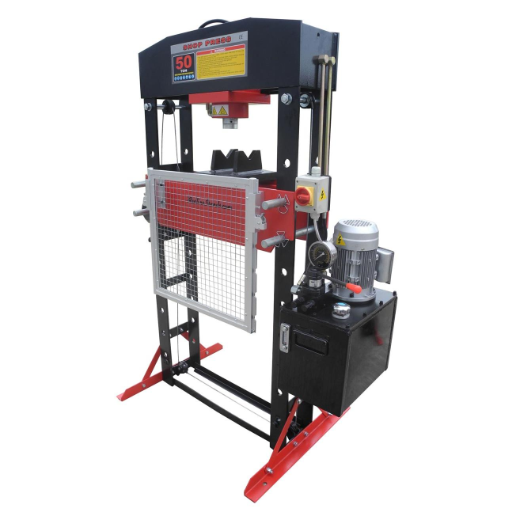
Electric hydraulic presses are machines that utilize electricity in conjunction with hydraulics to mold, shape, or compress materials. These are highly versatile because of their ability to provide consistent force with precision and efficiency; they stand essentially alone in their category. Hence, they find use in the manufacturing, automotive, and metalworking industries as well. An electric motor turns a hydraulic pump that provides pressure to move its piston or ram, allowing the press to apply well-measured force. This design offers smooth operation, low maintenance, and high productivity in the working environment, regardless of the application.
What is an Electric Hydraulic Press?
Due to the forces generated, pressing operations will require hydraulic pressure or mechanical action to cause deformation. Hydraulic systems provide the best adaptable force with reasonable control. Maintenance is easy and in operation with hydraulic systems. It also has smooth operation with no harsh noise during work. Electrical and hydraulic power sources can be combined to operate the pressing functions.
A hydraulic press leverages hydraulic pressure systems for formed applications. The general assembly of an electric hydraulic press remains the same, with Roman numerals denoting the key parts: electric motor, hydraulic pump, reservoir, control valves, and radially guided ram or piston. The electric motor drives the hydraulic pump, which pressurizes the hydraulic fluid stored in the reservoir. This pressurized hydraulic fluid then flows through the control valves, causing a large force to be exerted through the ram or piston onto the work target.
Depending on the size of the machine, an electric hydraulic press can be designed to generate pressures ranging from 1,000 to over 100,000 PSI. With such immense general forces acting on the materials, the operation becomes lucrative for various industrial assignments such as metal stamping, forging, molding, and precision assembly.
With the advancement of technology, significant improvements have been made that automate processes, enhance control systems, and incorporate energy-efficient designs. It is not only their power that earns these machines respect; their precision and control are equally magnificent. The incorporation of electric motors in hydraulic presses enables the precise adjustment of pressing speed and force, allowing for optimal results across a diverse range of materials and processes. Electric hydraulic presses, thus, find great use in industries such as automotive, aerospace, and manufacturing for high-quality, repeatable production.
Key Components of an Electric Hydraulic Press
Electric Motor
The electric motor is essentially the heart of the press, converting electrical energy into mechanical energy to drive the system. Modern electric motors typically have high energy efficiency ratings, thereby reducing operational costs while providing substantial and consistent power. Variable-speed motors enable the operator to adjust the movement and force of the press with great precision, making them suitable for a wide variety of applications.
Hydraulic Pump
The hydraulic pump creates fluid pressure, which is essential for the press to operate. Contemporary hydraulic setups utilize energy-efficient pumps, such as servo or variable-displacement pumps, which optimize energy consumption by adjusting to workload requirements. These pumps also contribute to quieter and more environmentally friendly operation.
Control Systems
The control system utilizes PLCs, Sensors, and HMIs to implement a specific control over the operation. The latest systems presented detailed monitoring of the parameters such as force, speed, and cycle time to maintain consistency and accuracy. Advanced software integration can even enable remote operations and predictive maintenance, highlighting potential issues for maintenance before downtime occurs.
Cylinder and Piston Assembly
The hydraulic cylinder and piston assembly transform hydraulic pressure into mechanical force. They are usually made of high-strength materials to withstand great stress and provide durability. Some designs may have one- or two-stage operations based on the design requirements, with stroke lengths tailored to the process.
Frame Structure
The frame imparts structural stability to the entire structure while coordinating the relative movement of essential components, such as the cylinder and working table. Modern electric hydraulic presses have replaced frames made of rigid steel or strengthened alloys to withstand heavy loads while minimizing vibrations. Such ruggedness is provided to ensure safety during operation and also extend the life of the equipment.
Safety Features
Safety features are paramount, and therefore, most electric hydraulic presses incorporate the most advanced safety mechanisms, including light curtains, emergency stop buttons, and overload protection. Moreover, they comply with international safety standards, such as ISO 13849, to ensure the safe use for operators in various industrial settings.
Thanks to the integration of such advanced components, electric hydraulic presses are renowned for their unparalleled precision, dependability, and efficiency, making them the foremost choice for any industry that requires high-performance machinery.
Benefits of Using an Electric Hydraulic Press in Your Shop
Enhanced Precision and Control
Electric hydraulic presses come with sophisticated control mechanisms that enable an operator to obtain accurate results with minimal variation. Such machines offer programmable settings for pressure, speed, and dwell time, enabling consistent output. Studies show that precisely controlled hydraulic presses can reduce scrap by up to 30%, resulting in considerable savings.
Energy Efficiency
Electric hydraulic presses differ in energy use compared to the traditional model, and this is primarily influenced by idle or standby times. Modern electric hydraulic presses incorporate techniques for saving energy. For example, they utilize servo motors that exert power only when necessary. These machines are 20 to 50 percent more energy-efficient than conventional ones, making a significant contribution to reducing operational costs while meeting sustainability goals.
Versatility for Application
Electric hydraulic presses are versatile machines capable of processing a wide range of jobs, including metalworking, plastic forming, and compressing composite materials. Due to their versatility, various industries, including automotive, aerospace, and manufacturing, utilize them. For instance, in the automotive industry, these presses form components from high-strength steels that weigh less and are therefore more fuel-efficient.
Lower Maintenance Requirements
The absence of mechanical parts and the use of oil-free systems make electric hydraulic presses less maintenance-intensive compared to traditional machines, which reduces downtime and maintenance costs. Industry reports mention that a shift to electric hydraulic systems could save a business around 25% on maintenance costs.
Operator Safety and Ergonomics
The modern generation of electric hydraulic presses incorporates all safety features into their design, including automatic shut-offs, pressure overload safety mechanisms, and user-friendly interfaces. This helps reduce accidents and ensures safety for the operator at the work level. Ergonomic features also alleviate strain during operation, thereby increasing productivity.
Higher efficiency, better precision, and cost-effectiveness are some of the words that come to mind when incorporating electric hydraulic presses into one’s workshop, along with sustainability and safety.
Types of Electric Hydraulic Presses
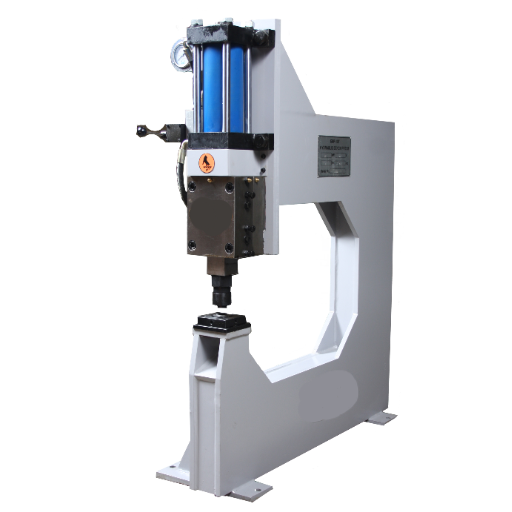
| Press Type | Characteristics | Best Applications |
|---|---|---|
| C-Frame Presses | Small, versatile, and ideal for applications involving assembly, bending, or straightening | Small to medium scale operations |
| H-Frame Presses | Stronger and more robustly built, geared towards heavy-duty operations | Stamping, forming, and die-cutting |
| Benchtop Presses | Designed for lighter applications, prioritize precision and convenience | Compact footprint applications |
| Four-Post Presses | Ensure even pressure distribution for large-scale operations | Molding, lamination, complex applications |
Each type is tailored to specific needs, allowing companies to select the one that best fits their operations.
H-Frame Electric Hydraulic Press
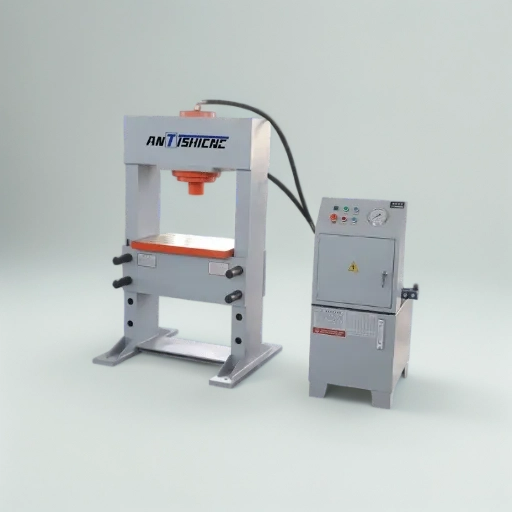
An H-frame electric hydraulic press is a versatile and powerful machine across various industries that require precision and force of application. The characteristic H-frame ensures that the force is evenly distributed and balanced in application. They are excellent for bending, straightening, pressing, and assembly applications.
Among the primary benefits of the H-Frame electric hydraulic press is the constant force it applies. The press is characterized by its ease of use, among other features. It typically features an adjustable pressure setting that enables an operator to set a desired force output based on the material or process being acted upon.
In essence, hydraulic presses are still more of an issue of power, control, efficiency, or precision, while manual and pneumatic presses are still tools for softer jobs. It is the choice for heavy manufacturing and could even be implemented in smaller shops for smaller operations. Additionally, in the case of design concerns, manufacturers typically build them for durability and long life, even under extremely harsh working conditions.
Single-Phase Electric Hydraulic Presses
Single-phase electric hydraulic presses are compact yet powerful machines that can operate effectively where three-phase power is unavailable. They are best suited for small or medium workshops and light industrial applications. Operating on a 120V or 240V supply voltage, these presses offer maximum force ranges between 10 and 30 tons, depending on the selected model and manufacturer.
Modern single-phase hydraulic presses feature variable pressure control, digital readouts for precise pressure control, and a straightforward user interface. For instance, state-of-the-art machines adjust pressure within ±1% tolerance; thus, they perform precisely as expected, whether bending, forming, punching, or pressing fittings. Most of these small and compact machines fit well in small workshops with limited floor space.
A single-phase hydraulic press is known for its durability. Their frames are heavy-duty steel. Their hydraulic system is designed for extended periods of operation. If properly maintained, these machines are capable of providing service for years and incur minimal operating costs. Many manufacturers have also integrated safety devices, such as overload protection and emergency stop controls, to ensure the operator’s safety.
Kaka Industrial HP-25 Electric Hydraulic Press Overview
The Kaka Industrial HP-25 is a sturdy and robust press suitable for various applications, including bending, straightening, and pressing metal materials. It has a 25-ton capacity and is constructed from high-quality, heavy steel to ensure long life and accuracy. Designed ergonomically with a detachable workbench and adjustable pressing height, it caters to a diverse range of workpieces and project needs.
Backed by a robust hydraulic system powered by an electric motor, the HP-25 is designed to deliver heightened performance, requiring minimal maintenance. It offers enhanced safety possibilities to its operator, with an overload valve and an emergency stop system. The Diamond choice for metalworking shops and industries due to the cheapness, rugged construction, and ease of use of the Kaka Industrial HP-25.
Choosing the Right Electric Hydraulic Press for Your Shop
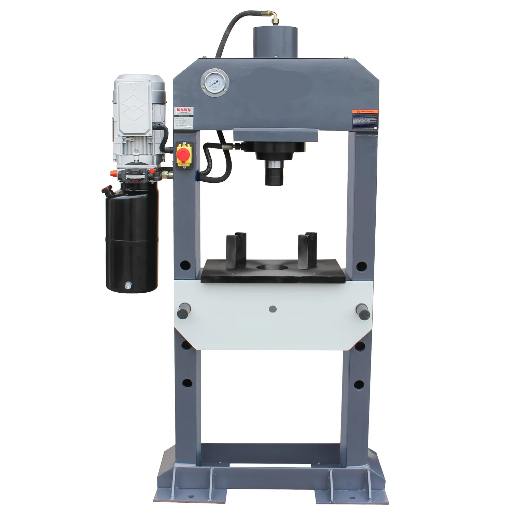
Some essential considerations to keep in mind when trying to buy an electric hydraulic press for your workshop include:
- Capacity Requirements: Determine the pressing force required based on the materials and tasks in your shop. Select a press that will complete your maximum work with enough tonnage.
- Build Quality: Look for a press made from heavy-duty materials. Good construction would mean that the machine should be reliable and have a long lifespan to withstand heavy operations.
- Safety Features: It is advisable to choose a press that incorporates at least some safety features, such as overload protection and an emergency stop function.
- Ease of Use: Having the easiest controls and straightforward operation will improve productivity while minimizing the need for training new operators.
- Budget and Value: Weigh cost against the value provided by the press. Select the option that offers the best value in terms of features and performance, aligning with your budget.
With a focus on these considerations, you can be confident in selecting a specific press for your shop.
Assessing Your Needs: Ton Capacity and Power Requirements
When discussing ton capacity and power considerations, it is essential to focus on aspects such as efficiency and productivity. Deciding the tonnage should be based on the materials to be handled and the intended applications. For example, forging thicker, harder materials such as steel requires presses with a higher tonnage capacity, which is typically anything from 200 to 300 tons and above. For softer materials, such as aluminum, the tonnage required may range from 50 to 100 tons, depending on the thickness.
Another essential consideration is power requirements. Admittedly, hydraulic presses requiring the most incredible precision and force still require the use of the right hydraulic systems to sustain their performance. Then again, the availability of electrical power at your facility, typically expressed in kilowatts, should align with the specifications of the press. Additionally, rating a motor anywhere near 10 to 15 kW or above would be an additional recommendation in cases involving heavy-duty applications.
Next is consideration of operational efficiency. Energy-efficient models consume less electricity and operate with relatively cheaper overheads. Recent processors have advanced power management capabilities that allow them to consume relatively less power when idle or under very light loads. Evaluating your material requirements and power setup carefully will help you select a press that suits your production needs well.
Comparing Gear vs. Non-Gear Electric Hydraulic Presses
When selecting between gear and non-gear electric hydraulic presses for their intended purposes, it is essential to understand the differences. Gear-driven presses, which are also said to be more precise, use mechanical gearing mechanisms to apply force with precision. These presses offer reasonable control over speed and force; therefore, this equipment is typically used for tasks that require specialized manufacturing. Conversely, gear-driven pressies are more challenging to maintain, thanks to their complex gear mechanism.
Non-gear presses are forced by hydraulic pressure applied without any mechanical gear mechanism. Lacking such gear mechanisms, they are easier to maintain and more energy-efficient. They can withstand situations that require varying pressure output; hence, they are a flexible contender for production processes with diverse applications. Precision levels offered by non-gear presses may not compete well with those provided by gear presses, though.
The deciding criteria between the two differ for specific production requirements, such as precision, limited energy consumption, and ease of maintenance. Therefore, considering these features will assure you that you have chosen the right press for your operations.
Features to Look for in a Shop Press
When selecting a shop press, key features play a prominent role in enhancing its working ability and efficiency. Some of these essential considerations include:
Capacity and Pressure Rating
Establish the maximum pressure you may encounter. A shop press is typically specified in tons, but press manufacturers offer capacities ranging from 12 tons to 50 tons. Choose according to the materials and size of the items you work on regularly.
Frame Construction and Durability
Provided that the frame is well-made, the press will be steady in use and reliable over time. Seek out heavy-duty steel press frames that do not give way or bend under force from repeated pressure.
Hydraulic System Efficiency
Ensure the press is equipped with a hydraulic system that is user-friendly and efficient. Dual-speed pumps and fine controls ensure a more straightforward operation and a more enjoyable pressing action.
Adjustable Work Table
Select a shop press with an adjustable worktable that can accommodate works of various sizes and types. This allows for more flexibility in your operations.
Accessories and Compatibility
Some presses may feature accessories, such as arbor plates, V-blocks, or press plates, that expand the scope of their applications. If needed, consider the compatibility of aftermarket tools.
Safety Features
Always put safety first when selecting presses; among these safety considerations are overload protection valves and locking mechanisms. These will reduce working accidents.
By emphasizing these key features, a shop press can be selected based on the user’s needs, thereby promoting both utilization and safety in the shop.
Operating and Maintaining Your Electric Hydraulic Press
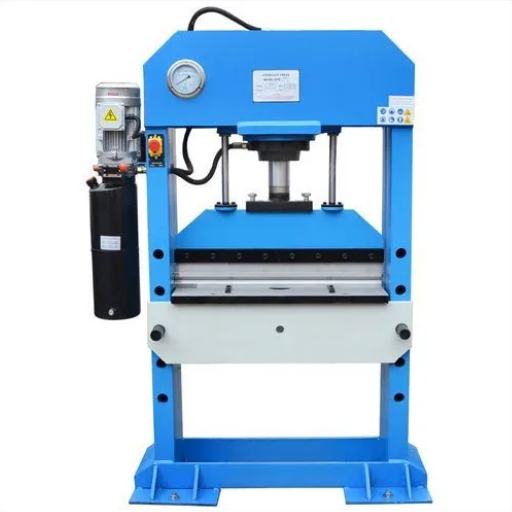
Pre-Use Preparation
The press must be on a stable and level platform. Always ensure that all connections are correctly made. At times, you may want to check the media for any visible signs of wear and tear.
Operating the Press
On the platform, arrange the workpiece accurately, in line with the press ram. Applying pressure gradually and never exceeding the specified load capacity of the press should be monitored through the controls.
Post-Use Procedures
Release pressure slowly and then remove the workpiece. Turn the press off and clean up the work area to put it into a safe state.
Maintenance
The hydraulic fluid should be inspected regularly and replaced or topped up as advised by the manufacturer. Also, ensure that all critical components, such as the RAM and hoses, are kept clean and free from debris.
Safety Checks
The safety mechanisms should be checked periodically to ensure their suitability, including the overload valve and locking mechanism. Should they be faulty, any such issue must be addressed immediately to avoid hazards.
By following these steps, you can ensure the electric hydraulic press performs reliably and extends its lifespan.
Safety Precautions When Using an Electric Hydraulic Press
⚠️ Critical Safety Guidelines
- Wear Protective Gear: Always wear PPE such as safety goggles, gloves, and steel-toed boots to avoid injuries and flying debris.
- Inspect the Equipment Before Use: The hydraulic press must be inspected for any possible signs of wear or damage, such as leaks, cracks, malfunctioning components, etc., at any time. The press must be used only when it is working correctly.
- Follow Manufacturer Guidelines: In operating, maintaining, and troubleshooting the press, the manufacturer’s instructions must be followed precisely. A machine used outside its designated limits will very likely malfunction or cause an accident.
- Secure the Workpiece Firmly: Ensure the workpiece is clamped or positioned correctly to prevent unexpected movement during operation.
- Beware of Pinch Points: Avoid placing hands, fingers, or loose clothing anywhere in or near moving mechanisms to avoid injury from pinch points or sudden movements.
- Do not Exceed Capacity Limits: Never load the press beyond its stamped or rated capacity to avoid damaging the equipment or subjecting it to dangerous mechanical strains.
- Maintain A Clear Working Area: Let the space around the press be clear and free from clutter so that someone doesn’t trip and fall through avoidable hazards.
By following these precautions, you will help promote a safer work environment and minimize the chances of accidents occurring while using the E-Hydraulic Press.
Regular Maintenance Tips for Longevity
- Leaking Inspections and Damage: Periodically check for hydraulic fluid leaks, worn hoses, or other signs of damage. When these signs are spotted early, immediate action may be taken to prevent larger mechanical failures and ensure smooth operation.
- Checking Hydraulic Fluids and Replacement: Monitor the hydraulic fluid level and quality, and replace it as needed. If the fluid is contaminated/degraded, the compound press may not function correctly and may exacerbate internal wear over time.
- Clean the Press Factor: Cleaning ensures that the press is free of dirt and debris, as contaminants can induce mechanical friction between moving parts, which in turn affects functionality and performance.
- Lubricate Moving Parts: Sufficient lubrication should be given to all moving parts to reduce friction and wear. Use the lubricant recommended by the manufacturer and consider the correct time interval for lubrication.
- Maintenance activities include periodically calibrating and testing the components: Ensure that devices such as pressure gauges and controls are correctly calibrated to ensure reliable operation. Regular testing helps identify and resolve potential problems at an early stage.
With these maintenance practices being simple yet effective, the electric hydraulic press stands to gain significantly in terms of life extension, safety, and performance.
Applications of Electric Hydraulic Presses in Industry
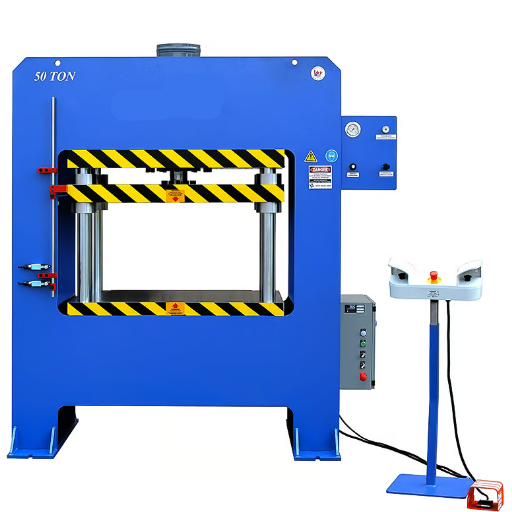
Electric-hydraulic presses are widely used in virtually every industry due to the precision, efficiency, and versatility they offer. They find widespread application in forging, molding, and precision material stamping in the manufacturing industry. The automotive industry utilizes these presses to assemble vehicle components and form metal parts. Likewise, aerospace uses them in shaping and assembling high-strength materials affected by stresses and design factors. Electric hydraulic presses also find application in electronics production, aiding in delicate processes such as circuit board assembly. Hence, these applications serve as evidence of their involvement in producing consistent and high-quality output across various industrial settings.
Common Uses in Manufacturing and Fabrication
Electric hydraulic presses are immensely versatile machines, extensively used in the arts and crafts and manufacturing industries, due to their precision and speed, as well as their equal utility in a wide variety of activities. During metal forming activities, metal sheets are stamped, bent, and shaped into parts according to specifications, maintaining exact dimensional tolerances in accordance with the design. It delves into plastic molding procedures, including injection molding and thermoforming, which are essential for everyday articles and specialty parts. They are also involved in joining automotive and aerospace parts to create materials and achieve high-strength finishes. They handle finer jobs such as embossing or laminating in packaging and textiles. Such uses highlight their roles in yielding reliable and repeatable results for mass production and special projects.
Innovative Applications Across Different Industries
In their adaptability across industries lies much of their beauty and greatness. From my perspective, the use of these technologies in automotive, aerospace, packaging, and textile sectors showcases versatility. They see applications in the manufacturing of high-strength components, while theirs is also in intricate tasks like laminating; thus, I regard these as the right tools to involve for precision, speed, and efficiency in both large-scale industries and specialized jobs.
Reference Sources
1. An Intelligent Electro-Hydraulic Servo Drive Positioning
Frequently Asked Questions (FAQs)
What is the advantage of a hydraulic shop press?
A hydraulic shop press applies greater force and offers versatility in working with various materials, enabling highly accurate operations. Suitable for use in garages and are capable of doing different kinds of jobs, from bearing extraction to seal installation, essentially making it an indispensable piece of equipment for a workplace.
How much force does a 50-ton electric hydraulic press produce?
The 50-ton electric hydraulic press has a maximum force of 100,000 pounds, making it suitable for heavy-duty operations. The capability of employing such forces enables the manipulation of the toughest materials with ease, facilitating the efficient execution of tasks such as extrusion or metal shaping.
What is the difference between a single-phase and a three-phase electric hydraulic press?
The primary distinction between the two types of presses is the power supply. A single-phase press is typically found in smaller shops and garages, as it requires less power, while a three-phase press is more suited for heavy-duty operations.
Can an electric hydraulic press be used for tool-making and tool-work?
Yes, the electric hydraulic press in tools is really effective. It shapes, bends, and forges materials; hence, any metal-working shop would greatly treasure it. Precision, force, and intent are dictated through the press, ensuring that the tools are manufactured to exact specifications and standards.
Why were H-frame designs considered significant in hydraulic presses?
The H-frame design significantly contributes to enhanced stability and strength when pressing large workpieces. It features a movable section that can accommodate differences in size and shape, making it versatile for use in metal fabrication and pressing.
What are the key hydraulic components of an electric hydraulic press?
Some major hydraulic components of an electric hydraulic press include the electric pump, hydraulic cylinder, hoses, and valves. These components work simultaneously to generate and control hydraulic pressure, enabling the press to carry out its operations effectively and safely, such as installing bearings or shaping metals.
How does a double-acting electric hydraulic press work?
In a double-acting electric hydraulic press, the hydraulic fluid can enter the cylinder from either side of the piston, allowing the force to be applied in both directions. The design lends itself to greater efficiency and faster production, ideal for repetitive pressing in metal fabrication and tool making.
Where can I find a bladesmith forum or board dedicated to discussions about electric hydraulic presses?
From the bladesmith’s grand arena, one could have found a plethora of hallways that led all over the blacksmithing and metalworking realms. This would be the ghost arena for discussing the use of electric hydraulic presses in tool manufacture and metal fabrication, offering advice, tips, and experiences from fellow enthusiasts and professionals.