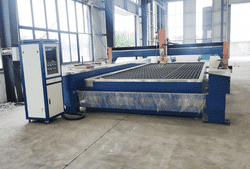
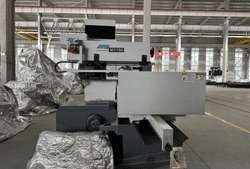


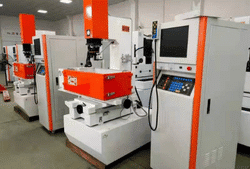
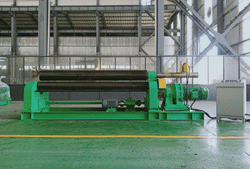

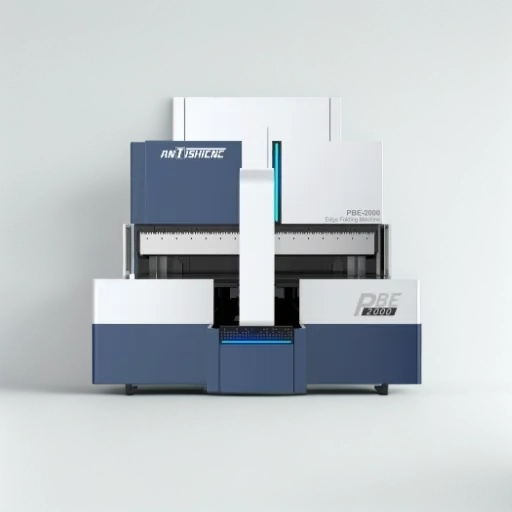
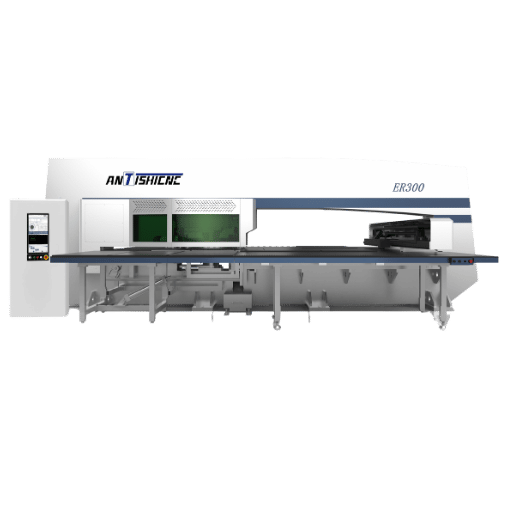
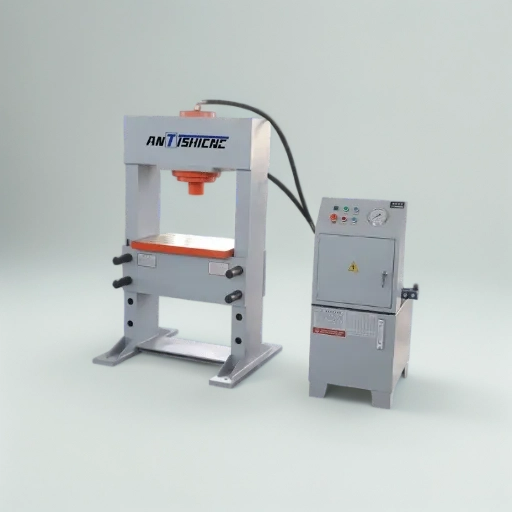


Sheet metal cutting is a high-precision craft supporting multiple industries, including vehicle manufacturing, aerospace, construction, and manufacturing. Several tools are available for the process, but mainly, sheet metal cutting machines are instrumental in converting raw materials into accurate finished parts.
Industry Impact: This blog delves into the exciting world of sheet metal cutting machines, especially emphasizing the versatility and efficiency of laser cutters. Whether this is your first time learning about the industry or if you are an expert, this write-up will take you through recent innovations, main benefits, and key insights of these super tools.
Introduction to Sheet Metal Cutting
What Are Sheet Metal Cutting Machines?
Sheet metal cutting machines are tools essential to metal fabrication. They cut, shape, or sculpt metal sheets with precision and speed. Different types include:
- Mechanical cutters – Traditional shearing methods
- Hydraulic systems – Powerful force-driven cutting
- Laser cutters – High-precision beam cutting
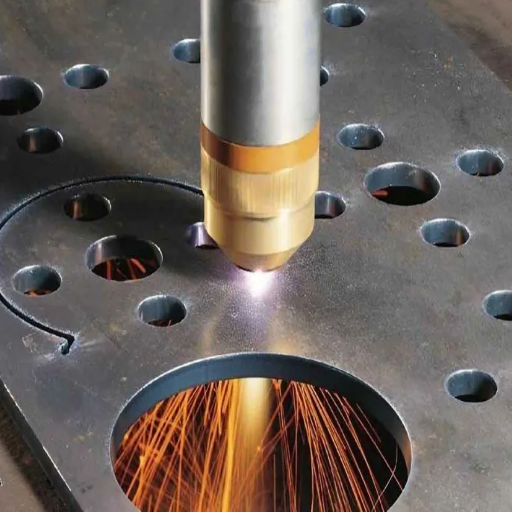
- Plasma cutters – High-temperature cutting systems
Market Growth: The global market for sheet metal cutting machines is anticipated to record excellent growth, propelled by growing demands in automotive, aerospace, and construction industries.
Revolutionary Laser Technology
The newer technologies in sheet metal cutting introduced laser metal cutters with speed and precision unmatchable by any other equipment. Key advantages include:
- High-power laser cutting – Clean, smooth edges
- Fiber laser efficiency – Energy efficient performance
- Reflective metal compatibility – Works with aluminum and copper
- Ultra-high speeds – Up to 140 meters per minute
CNC Integration Benefits
CNC technology has transformed sheet metal cutting processes by providing:
Automation
Highly automated and accurate cutting operations with minimal manual intervention
Material Efficiency
Minimizes wastage of materials and guarantees uniform results in mass production
Industry 4.0 Ready
Remote operation and real-time monitoring capabilities for modern manufacturing
Importance of Precision in Metal Cutting
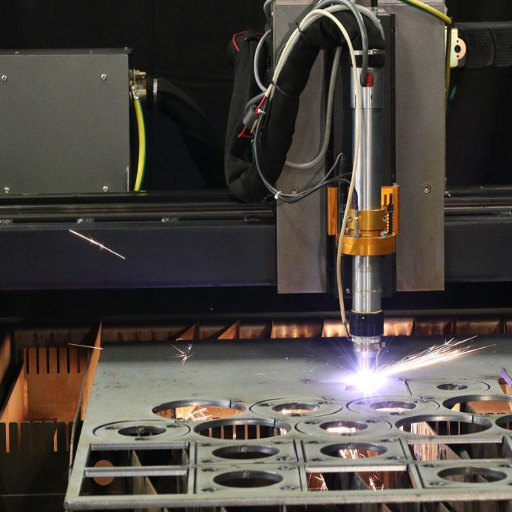
Precision metal cutting is crucial in determining the quality, safety, and usability of manufactured components. The benefits of precision cutting include:
| Benefit | Impact | Industry Example |
|---|---|---|
| Material Savings | 20% reduction in raw materials | Cost optimization across all sectors |
| Structural Integrity | ±0.002 inches accuracy | Aerospace critical components |
| Manufacturing Speed | 30% time reduction | Mass production efficiency |
| Quality Consistency | Uniform results | Lean manufacturing practices |
Critical Tolerance: In aerospace applications, less than 0.01 millimeters difference from predetermined measurements may cause catastrophic component failure, making precision absolutely essential.
Applications Across Industries
Industry-Specific Applications
| Industry | Applications | Market Growth (CAGR) | Key Requirements |
|---|---|---|---|
| Aerospace | Turbine blades, structural components | 6.2% (2023-2030) | Ultra-high precision, safety compliance |
| Healthcare | Medical instruments, prostheses | $6.21B by 2027 | Patient-specific customization |
| Automotive | Engine parts, EV components | Strong growth | Lightweight materials, energy efficiency |
| Electronics | Microchips, circuit boards | $170B by 2025 | Miniaturization, high performance |
Types of Sheet Metal Cutting Machines
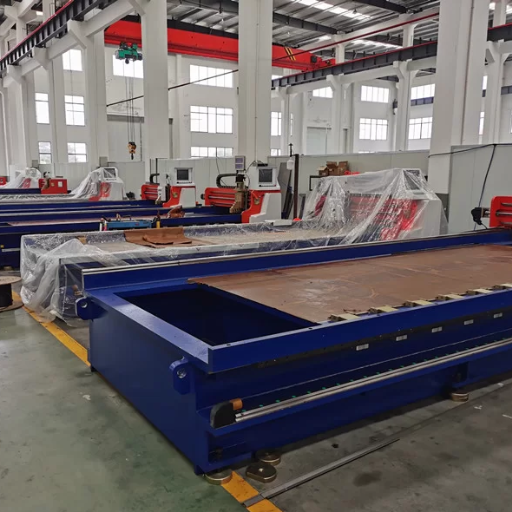
Laser Cutters and Their Applications
Laser cutters have a very high grade of precision and attain extremely high speeds, employed in industries for scoring, engraving, and marking a multitude of materials:
- Materials processed: Metals, plastics, wood, glass
- Industries served: Automobile, aerospace, electrical, jewellery
- Key advantage: Provides clean and precise finishes as material gets vaporized in a controlled manner
Market Projection: As per anticipation, the global laser cutting machine market would have undergone a CAGR of 9.7% during the years 2021 and 2028 and may surpass a billion dollars by 2028.
Fiber Laser vs CO2 Laser Systems
| Feature | Fiber Laser | CO2 Laser |
|---|---|---|
| Operating Speed | Faster operations | Standard speed |
| Operating Costs | Reduced costs | Higher maintenance |
| Reflective Materials | Excellent (aluminum, copper) | Limited capability |
| Energy Efficiency | Up to 45% | 10-20% |
Plasma Cutting Technology
Hot plasma jets accelerated at high speeds would be used for cutting materials exhibiting electrical conductivity with high precision and speed.
- Temperature of the process: Almost 30,000°F
- Materials: Steel, aluminum, brass, copper
- Thickness capability: 6 inches with very high precision
- Cutting speeds: 300 inches per minute
Gas Types
Oxygen, nitrogen, or argon gases are ionized through the plasma torch
CNC Integration
Computer Numerical Control systems increase precision and repeatability
HD Plasma Technology
Reduces kerf width and produces smoother cuts
Mechanical Shears and Functionality
Mechanical shears provide straight shear action using sharp-edged cutting and resistance force for precise metal cutting:
- Materials: Steel, aluminum, various alloys
- CNC Integration: Programmable operation with ±0.1mm tolerances
- Power Systems: Hydraulic or pneumatic power for increased cut force
- Applications: Automotive, construction, appliance manufacturing
Latest Technological Advancements in Metal Cutting
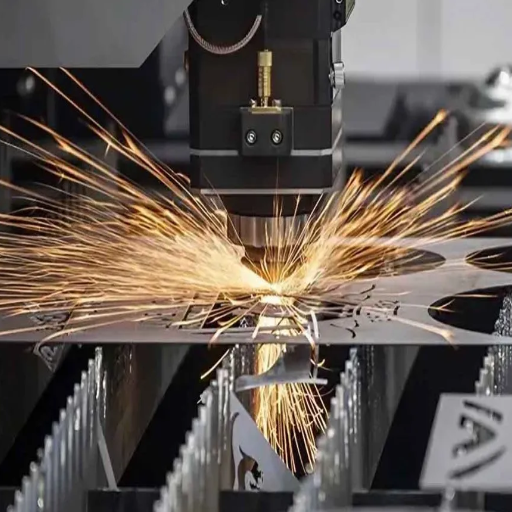
Automation in Sheet Metal Cutting
Automation Revolution has affected manufacturing with advanced technologies:
CNC Systems
Precisely cut patterns according to programs to optimize material usage and wastage minimization.
Robotic Integration
Automatic loading, cutting, and unloading with lesser human intervention.
Industry 4.0
IoT and AI-based analytics for real-time monitoring and predictive maintenance.
Market growth: The global laser cutting machine market is expected to grow at a CAGR of 8.6% between 2023 and 2030, witnessing huge take-up in aerospace, automotive, and construction industries.
Performance Benefits of Automation
| Benefit | Improvement | Impact |
|---|---|---|
| Production Time | 50% reduction | Faster project delivery |
| Accuracy | Millimeter precision | Enhanced product quality |
| Error Reduction | Fewer costly mistakes | Improved profitability |
| Material Utilization | Optimized usage | Reduced waste, lower costs |
High Precision with Fiber Laser Technologies
Gas lasers are metallurgical lasers that achieve metallurgical precision levels:
- Tolerance accuracy: ±0.001 inches
- Energy efficiency: 45% or better (10-20% for CO2 lasers)
- Material versatility: Stainless steel, aluminum, brass, copper
- Cutting speed: 4000+ mm/min for 1mm stainless steel
Smart Integration: With this smart system, every parameter of laser finishing can be tracked and adjusted by AI itself during the process; meanwhile, maintenance needs can be forecasted to ensure the level of consistency and minimize downtime.
Choosing the Right Sheet Metal Cutting Machine
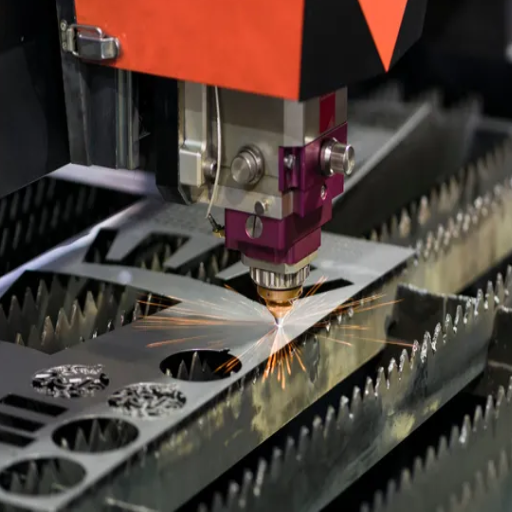
Budget and Material Considerations
Budget Ranges by Machine Type
| Machine Type | Price Range | Best For | Key Features |
|---|---|---|---|
| Manual Shear Cutters | $5,000 – $15,000 | Small businesses | Basic cutting operations |
| Semi-Automatic Systems | $15,000 – $50,000 | Medium operations | Guillotines, simple laser cutters |
| Industrial Systems | $50,000 – $500,000 | High-volume production | Advanced fiber laser, plasma cutters |
Material-Specific Requirements
- Mild Steel: CO2 or fiber lasers (1kW-4kW) for thicknesses ranging between 0.5mm and 25mm
- Stainless Steel: Fiber laser cutting is preferred for clean cuts and very little heat distortion.
- Aluminum and Non-Ferrous: Special fiber lasers with the correct optics.
- Thick Materials (50mm+): Industrial plasma cutting, for all the heaviest of jobs.
Laser Power Comparison: 1500W vs 6000W
| Feature | 1500W Laser | 6000W Laser |
|---|---|---|
| Cutting Speed (1mm steel) | Up to 20 m/min | Up to 60 m/min |
| Max Mild Steel Thickness | 12mm | 25mm |
| Max Stainless Steel Thickness | 6mm | 20mm |
| Max Aluminum Thickness | 4mm | 16mm |
| Energy Consumption | Low | High |
| Best Application | Small to medium production | Heavy-duty industrial |
Practical Maintenance Tips for Metal Cutting Machines
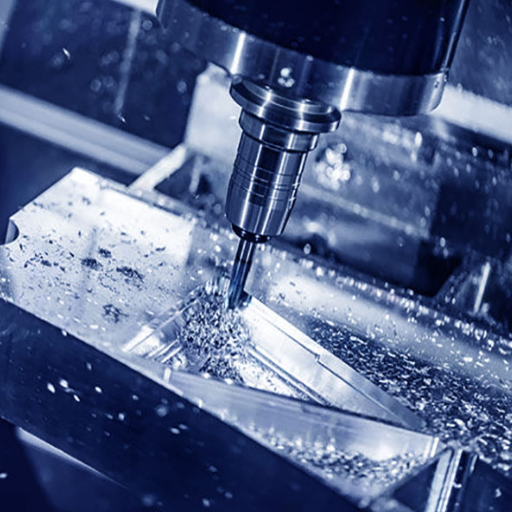
Routine Maintenance for Peak Performance
Daily Maintenance
- Remove debris, dust, and metal fragments
- Inspect cutting heads, lenses, and nozzles
- Check coolant levels and top up as needed
Weekly Maintenance
- Lubricate moving parts (rails, screws, bearings)
- Clean optical components with recommended cleaners
- Inspect filters and exhaust systems
Monthly Maintenance
- Check alignment and calibration
- Replace worn nozzles and consumables
- Update software to latest releases
Performance Impact: Proper maintenance increases machine efficiency up to 20% and reduces unexpected downtimes by almost 30%. Preventive maintenance is truly an investment for operational success.
Common Problems and Troubleshooting
| Problem | Common Causes | Solutions |
|---|---|---|
| Inaccurate Cuts | Machine misalignment, worn tools | Check alignment, replace cutting tools |
| Excessive Tool Wear | Wrong tool selection, poor quality | Use appropriate high-quality tools |
| Overheating | Inadequate lubrication/cooling | Check and refill coolant systems |
| Operational Downtime | Lack of preventive maintenance | Implement predictive maintenance systems |
Extending Equipment Longevity
Advanced methods to increase an equipment life span:
- Quality Consumables: Using the best consumables available can prolong life by 35%
- Operating Parameters: Following operating specifications avoids a 50% loss in efficiency
- Predictive Maintenance: AI and IoT reduce unplanned outages by 30%
- Operator Training: Well-trained operators avoid 40% of unnecessary machine wear
Frequently Asked Questions
What exactly is a laser cutter and how does it work?
Cutting through various materials with a concentrated light beam is the trick of this high-technology machinery. By directing the laser beam onto a work-piece, the technology achieves clean cutting with minimal wastage-the work-piece melts down or gets vaporized to the shapes or forms as required.
What are the benefits of using CNC laser cutting for sheet metal cutting?
CNC laser cutters allow high-precision cutting with very precise cuts being made for complex projects; automated cutting offers the highest repeatability; maximum flexibility of materials-hard stainless steel, soft carbon steels, galvanized steels; and the ability to program the design thereby vastly increasing its productivity and efficiency.
How do plasma and laser cutting machines compare?
Using a plasma torch that generates extremely high temperatures, plasma cutters melt and cut heavy and large metal plates. They are cost-effective solutions when plasma cutters have to carry out heavy cutting. A laser will cleanly cut and give much better finish and detailing to thin sheets on intricate design. The choice depends on your cutting requirements and types of materials.
What kind of metal can a fiber laser cutter process?
Fiber laser cutting machines can work with practically any kind of metal-A luminium, stainless steel, carbon steel, and copper. They can offer many production and speed advantages by minimizing cutting time dramatically while maintaining pristine beam quality and clean cut with the least thermal distortion.
Why should cutting speed be important in sheet metal cutting machines?
The cutting speed directly affects output and efficiency with an immediate effect on turnaround time and labor cost. Material is mass-produced at higher cutting speeds with less time needed for labor. Yet, speed must go along with precision; variable cutting speed makes it possible for the operator to adjust the setting depending on material type and thickness.
Conclusion
From high-precision ±0.001-inch fiber lasers to fully automated handling systems capable of halving production time, these vast array of cutting machines have been transforming metal fabrication ever since their inception.
Future Outlook: Setup for Industry 4.0 technologies and increased complexity in manufacturing leads to investment in the right sheet metal cutting machinery maintaining competitive advantage and fulfilling newer requirements.
Reference Sources
- Automatic Pneumatic Sheet Metal Feeding and Cutting Machine
- Design and Development of Pneumatic Sheet Metal Cutting Machine
- Metal Cutting – Comprehensive Overview
- Design and Development of Automatic Sheet Metal Cutting Machine
- Fabrication of a Pneumatic Sheet Metal Cutting Machine