




Bed-type milling machines are highly essential tools in machining, providing accurate working options for modern manufacturing, as they are versatile and hardworking. Their wide range of applications significantly enhances any manufacturing industry in which they operate, spanning from automotive to aerospace and heavy engineering. This article serves as a guide, providing information on bed-type milling machines, including their main features and functions, as well as some real-life applications from various industries, and the necessary maintenance measures. By the time you are through reading this guide, you will be in a position to decide to employ or manage this invaluable facility in your workshop.
Understanding Bed Type Milling Machines
Definition and Purpose of Bed Type Milling Machines
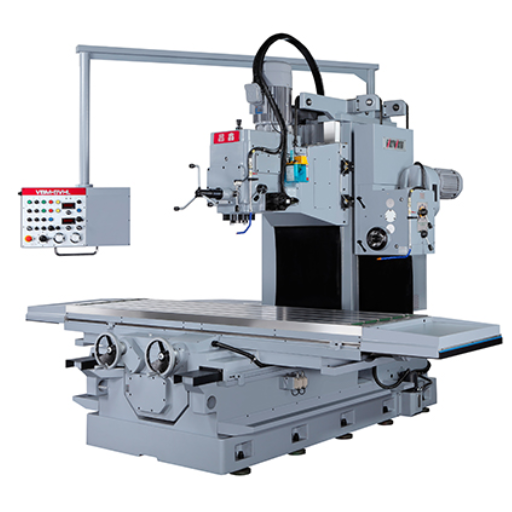
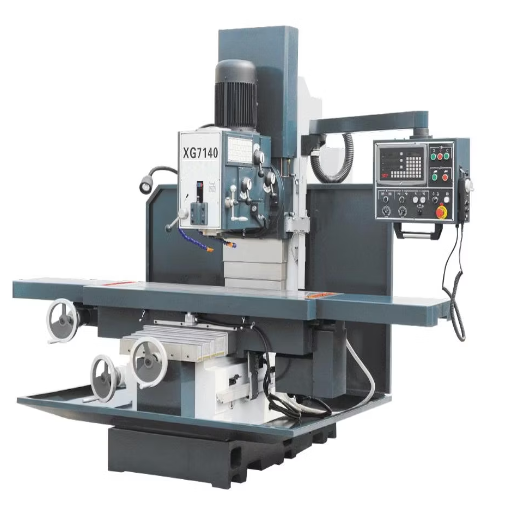
Bed-type milling machines stand as mighty tools, designed for the precision required in manufacturing and machining industries to cut, drill, and shape a wide range of solid materials, from metal to other materials with less density. Unlike its knee counterpart, a bed-type milling machine has a fixed worktable, while the cutting tool traverses along multiple axes to perform the intricate operation. Thus, this configuration provides stability to the operation and enhances accuracy, making it more suitable for heavier work and bulk production.
These machines, with their rigid structure, handle heavy and large workpieces with ease. Owing to technological advancements, modern bed-type milling machines are now equipped with CNC systems, allowing for automated and precise machining. According to recent data from the trade, CNC bed types can potentially increase production efficiency by as much as 40% compared to manual machines, mainly due to features such as programmable operations and shorter setup times.
Bed-type milling machines are utilized in a wide range of industries, including aerospace, automotive, and construction engineering, where precision and reliability are non-negotiable. Their prowess in handling larger workpieces makes them the best bet for manufacturing units of components such as engines, molds, and structural beams. They assure providers that perform consistently with regular maintenance and calibration, which can last for decades, cementing their place in the workshop and factory milling equipment lineup.
What Distinguishes Bed Type Milling from Milling Machine Variants
Unlike any other milling machine category, bed-type milling machines are distinguished by their sturdy configuration, operational efficiency, and ability to carry heavier workloads with precision. Unlike the knee-type milling machines, where the worktable is vertically movable and mounted on a knee, in the case of bed-type milling machines, the table is fixed rigidly to a heavy, solid bed. This rigidity provides a stronger foundation, significantly reducing vibration during operation to enhance machining accuracy and reliability.
Another sign of difference emanates from the maximum size and scale of work that these machines can handle. With the fixed table design allowing for maximum weight-bearing capacity and holding that weight without performance loss, bed-type milling machines tend to handle larger and heavier workpieces. For example, in heavy manufacturing, bed-type machines can handle workpieces weighing tons, such as engine blocks or aerospace parts, which smaller milling machines cannot cope with.
Data accessed in 2023 indicates the growing adoption of CNC bed-type milling machines in the market, driven by technological advancements. Advanced CNC controls, multiple-axis machining capabilities, and high-speed tool spindles are some of the features that make it more versatile and more automated. Modern bed-type milling machines regularly work within precise tolerances, achieving a level of accuracy at the micron level, which is crucial for aerospace and automotive manufacturers. These advantages make their maintenance far less taxing while offering an integrated error detection system that further sets them apart from their traditional counterparts.
Another thing that bed-type milling machines are great at is long-run production. The rugged structure provides them the ability to endure repeated cycles, which is a primary reason for a large manufacturing setting. In comparison, turret or knee-type milling machines may not be able to survive the same heavy-duty situations and output since they have movable parts and smaller designs.
Bed-type milling machines are considered indispensable in present-day manufacturing, equipped with modern features and load capacity to undertake complex and large-scale machining operations.
Significant Features of Bed Type Milling Machines
1. Rigid Construction
Bed-type milling machines are constructed with a stationary bed designed for high rigidity and stability. This sturdy construction allows them to carry out heavy loads with minimum vibrations even in the midst of machining of high precision for large workpieces.
2. High Load Capacity
With their reinforced frameworks, bed-type milling machines boast a high load capacity, making them highly suitable for machining large and heavy components in the aerospace, automotive, and energy industries.
3. Wide Worktable
Equipped with wide and spacious worktables, these machines can comfortably bear larger workpieces. This feature also contributes to their operational versatility for machining complex parts.
4. Strong Spindle Power
With high-torque spindles mounted on these bed-type milling machines, constant rotational speed can be maintained. These spindles are efficient in cutting a wide range of materials, from relatively soft aluminum to hardened steels.
5. Automated, CNC Functionality
Contemporary bed-type milling machines typically feature CNC (Computer Numerical Control) systems, enabling automated operation. These machines can accurately manufacture most intricate designs from pre-programmed instructions, thus minimizing the possibility of human errors whilst maximizing output.
6. Easy to Maintain and Durable
Its durable yet straightforward construction guarantees low maintenance. Due to being made from high-quality materials, these machines are designed to withstand wear and tear, which means they will offer durability, resulting in a longer lifespan.
7. Supreme Precision and Accuracy
With advanced engineering design and a robust control system, Precision and Accuracy are notable strengths in bed-type milling machines, making them suitable for demanding industries that require tight tolerances.
8. Optional Compatibility and Adaptability
To meet special machining requirements, the machines offer compatibility with various attachments, including rotary tables, angled heads, and extended milling bits. This versatility further enhances their usability across many applications.
According to recent data, with enhanced digital integration, improved thermal stability, and a greater capacity for handling more complex machining operations, bed-type milling machines continue to be the cornerstones of modern manufacturing technology.
Advantages of Bed Type Milling Machines
Improved Precision and Efficiency
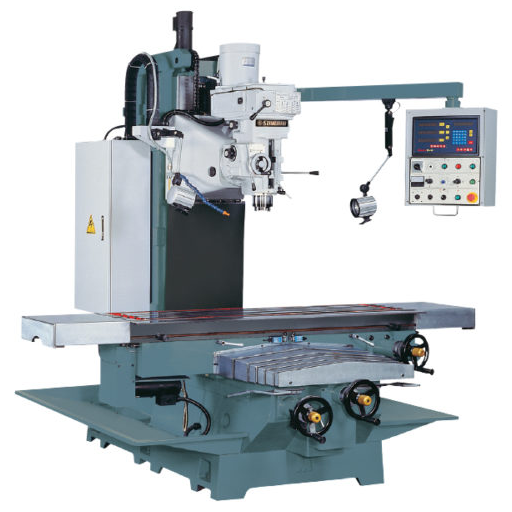
Due to its rigid design and advanced technological features, the bed-type milling machine is renowned for superior precision and efficiency in its operation. Equipped with a fixed table and a moving spindle, the structure minimizes vibrations during challenging machining operations, thereby enhancing accuracy. High-performance linear guides and ball screws are now used in advanced machines to realize better positioning accuracy, where tolerances are maintained as strict as 0.001 mm for certain operations.
Industrial reports from recent years indicate that the integration of CNC technology into bed-type milling machines has led to a significant increase in production efficiency. Bed-type milling machines, wherein the integrating CNC was operated initially with a spindle speed of under 1,000 RPM, are now able to give an 8,000-10,000-plus speed and permit fast changes of tools with tooling systems, thereby trimming cycle time up to 30%. A real-time monitoring and feedback system now ensures such high-quality output and reduces human error. Apart from precision enhancement, these developments also provide producers with an efficient batch production capability while maintaining consistent quality, even in the face of high design complexity levels.
Machining Operations Versatility
With CNC controls, vast versatility is offered, allowing the manufacturer to carry out a myriad of machining processes on the same platform. These machines perform milling, turning, drilling, and grinding processes all on a single setup, thereby enhancing workflow efficiency. In various sectors, including aerospace, automotive, and medical device manufacturing, 5-axis CNC machines have become the most effective solution for machining complex geometries.
According to recent industry insights, the global CNC machine market is projected to grow at a CAGR of 7.5% from 2023 to 2030, driven by increasing demand for high-precision components and automated manufacturing solutions. The growth of its markets is indicative of the flexibility of CNC machines in working with materials ranging from metals to plastics and composites. Furthermore, recent developments in the software domain, including CAD/CAM and AI-based programming, have expanded the capabilities of CNC machines. The versatility of CNC machining today is what makes it a core, game-changing technology in the manufacturing arena, whether for tooling up prototypes or facilitating high-volume production.
Rigid Design for Enhanced Stability
The rigid design further enhances the stability and precision characteristics of the machine during machining processes. The rigidity in design helps minimize vibration and deflection, both of which can compromise the accuracy of the end product. Another recent statistic states that the use of modern materials, such as cast iron, polymer concrete, and alloy steel, in the bed and frame design of the machines has dramatically enhanced their structural stiffness. For example, polymer concrete has been demonstrated to reduce vibration by a factor of 8 to 10 times compared to conventional materials, and consequently improve machining accuracy.
Moreover, the introduction and application of finite element analysis (FEA) have allowed engineers to design machine structures that can better bear loads and exhibit greater stability. Along with linear guideways and a state-of-the-art servo system, the CNC machine now provides repeatability within tolerance of ±0.001 in., which is beneficial in aerospace, medical device manufacturing, and tooling, where it is used extensively. The increasing application of rigid design is going to improve further the operational efficiency and service life of modern CNC equipment, making it a more reliable and economical option for manufacturers all over the world.
Comparative Analysis of Milling Machine Types
Placing Bed Type Milling Machines in Contrast With Vertical Mills
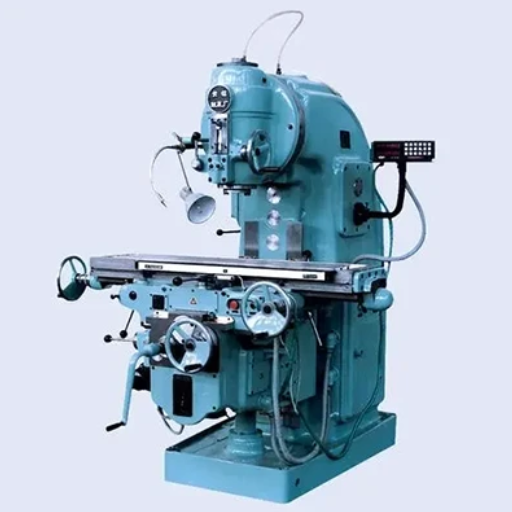
When bed-type milling machines are pitted against vertical mills, it is prudent to identify their structure and advantages to determine which one best fits a particular manufacturing need.
1. Bed Type Milling Machines:
Known for their rigid and durable construction, bed-type milling machines undergo machining for heavy-duty applications. The worktable on a bed type mill remains stationary, and the cutter makes all movements. The design offers greater stability and precision, especially when machining large or heavy workpieces. Generally, industry statistics indicate that bed-type milling machines can withstand loads exceeding 5,000 lbs. and have a travel distance of up to 60 inches on the X-axis, depending on the model. The machines enjoy widespread acceptance where there is a need for the removal of large amounts of material or machining of heavy parts in the shipbuilding, automobile manufacturing, and power generation industries. Another factor is their sturdy size, which helps inhibit vibrations, allowing for accurate cuts even after prolonged operation.
2. Vertical Mills:
Vertical mills have a spindle oriented vertically. Being more compact and versatile, they are suitable for applications on a smaller scale or in confined spaces. Vertical mills are used for slotting, drilling, and finishing operations on lightweight components. Recent times have witnessed a renaissance in vertical milling, driven by technological advancements such as innovations in high-speed spindles that feature rotational speeds exceeding 10,000 RPM for fine finishing and quicker machining cycles. Newer models offer CNC operations, sophisticated software integration, enabling the manufacture of complex geometries in line with the medical device, electronics, and prototype industries. However, vertical mills are limited mainly by the size of workpiece on their table, with sizes ranging anywhere between 30″ and 50″.
3. Key Metrics for the Comparison:
- Weight and Size of Workpiece: Bed-type mills excel when handling large and heavy workpieces, whereas vertical mills perform best with lighter and smaller components.
- Precision and Stability: The rugged design of the bed-type mill ensures stability and accuracy, especially for demanding applications. A vertical mill can provide great precision, but could be somewhat unstable when dealing with larger objects.
- Space and Versatility: Vertical mills may be considered for a small-sized workshop where multi-purpose features are expected; meanwhile, the bed-type mill is more suitable for a larger setup.
Modern-day operators are often faced with the decision of choosing one type of machine over another based on the specific requirements of their projects, weighing reliability, cost, and performance. Understanding these differences enables manufacturers to make informed decisions that align with their operational goals.
Bed Type vs. CNC Machining Centers
In comparing bed-type milling machines and CNC machining centers, the choice may largely depend on factors such as precision, production volume, and price. Bed-type mills represent the traditional class of mills, characterized by their robustness and stability, making them ideal for machining heavy or oversized components. They usually fare well in manufacturing industries where making less intricate cuts and handling heavy-duty operations are involved. These machines, however, require more manual control and setup, and may have lengthy production times for complex parts.
Conversely, CNC machining centers, equipped with advanced computer control and automation, excel in producing high precision and high volumes in a production environment. These can work on complex geometries with unmatched accuracy, often achieving tolerances as tight as 0.001 inches and even less. According to the industry, CNC machining centers can improve production efficiency by nearly 70% compared to traditional milling machines, primarily due to their speed, repeatability, and automation.
Flexible capacity is another major difference. Where bed-type mills are limited by their functions, CNC machining centers boast the flexibility of automatic tool changers, multitasking axes, and integrated software for both design and simulation. For instance, 5-axis CNC machines nowadays can allow simultaneous machining along five coordinate axes, enabling the creation of complex parts without the need to reposition the material.
Still, the cost of CNC machining centers tends to impose a high entry barrier in contrast to bed-type mills. According to pricing data, CNC machines run the gamut from about $50,000 for entry-level machines to over $500,000 for the final models, whereas a typical bed type mill often ranges between $10,000-$50,000. However, the return on investment for CNC machines may exceed the period required for bed-type mills, owing to their high efficiency and lower costs associated with manual labor.
Choosing between bed type mills and CNC machining centers will, nonetheless, depend on the parameters determining an operation. Manufacturers seeking a cost-effective option for heavy-duty and less intricate work may opt for bed-type mills, while those requiring precision, high productivity, and flexibility will consider CNC machining centers.
Bed Type Milling Machines: Advantages and Disadvantages
Advantages:
1. Sturdiness and Stability
Bed-type milling machines are renowned for their rugged and rigid construction, which is capable of handling heavy and large workpieces. The fixed bed design allows only slight deflections to occur during the course of the operation, leading to increased accuracy and reliability, especially when machining heavy components.
2. Cost-Effectiveness
Bed-type mills are generally more reasonably priced than CNC machining centers, both in terms of capital expenses and maintenance. The simpler design of these machines restricts arguments from their being complex electronics and software programming, which could otherwise cause enormous downtime due to failures.
3. Ease of Operation
The machines are easy to operate and require less operator training, which is why smaller workshops favor them. The open design allows for easy accessibility when changing tools or adjusting workpieces during operations.
4. High Load Capacity
The bed-type machines can bear high loads without sacrificing machining quality due to their strong base and fixed Table. This is especially suitable for working with heavy and bulky workpieces often involved in shipping, building, energy, and construction.
Limitations:
1. Limited Versatility
Bed-type milling machines are best suited for simpler, less complicated tasks. They do not have the flexibility to work with CNC machining centers and handle more complex geometry with the highest rating of precision.
2. Lower Automation Levels
Although recent technological advances have introduced improvements in some aspects of bed-type mills, these machines, in general, do not match the level of automation of modern CNC machines. This also means they need more manual intervention and less productivity in comparison.
3. Slower Production Speeds
In contrast to their CNC counterparts, bed-type mills operate at slower speeds and are not designed for rapid material removal. The longer cycle times might not be a big concern for low-volume production.
4. Space Requirements
The larger and fixed design of these will occupy a significant amount of floor space, which can be a hindrance to workshops that are limited in area.
Latest Trends and Data
According to industry data from 2023, bed-type milling machines have maintained their presence in the market, with an ever-increasing presence in small- to medium-scale manufacturing units. The global machining industry related to milling has experienced an annual growth rate of 4.3%, with a portion attributed to the rise in demand for bed-type mills in several regions focused on heavy-duty manufacturing. However, CNC machinery markets account for approximately 72% of all milling machine sales, indicating a marked preference for automated and precision-oriented processes. Hence, for manufacturers under low capital budgets or with simpler requirements, bed-type mills certainly remain on the list as a cost-efficient and reliable option.
Applications of Bed Type Milling Machines Across Industries
Automotive Industry Applications
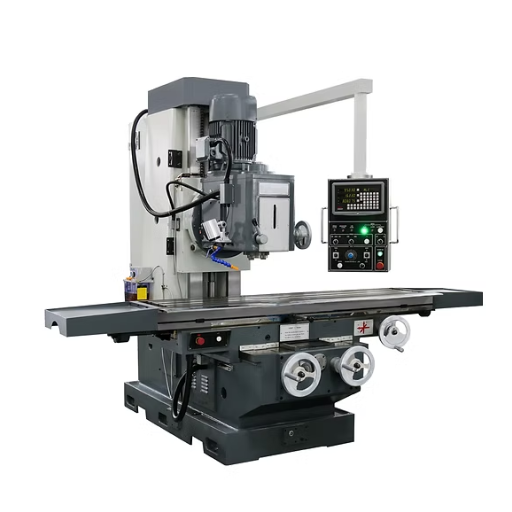
Bed-type milling machines are indispensable machinery in automotive manufacturing processes due to their ruggedness and precision, which are essential for producing high-quality components. They are most frequently used in the machining of large-crash parts such as engine blocks, transmission housings, and structural components. The main selling point is that these types of machines can handle heavy workpieces, which is undoubtedly an issue in automotive applications, where strength and size are crucial.
With recent market reports, the global automotive manufacturing sector is projected to grow at a CAGR of about 6.7% from 2023 through 2030. This growth, driven by the increased demand for electric and hybrid vehicles, has also prompted the development of more innovative milling techniques for lightweight and efficient components. These bed type milling machines thus remain a cost-effective solution, giving manufacturers a reliable partner for holding down precise tolerances and production quantities.
Besides, the machines are there for prototyping new vehicle parts, which provides the prototype manufacturer enough flexibility during the design and development phases. Their versatility in both manual and CNC configurations provides the manufacturer with a scalable platform for handling either traditional or next-generation production requirements. As automation continues to expand in the automotive sector, conventional bed-type milling machines are being augmented with modern levels of automation to remain relevant in precision engineering.
Aerospace Industry Applications
In the aerospace industry, bed-type milling machines are indispensable because precision and dependability are of utmost importance. These machines should also be involved because they mill lightweight yet strong materials, such as aluminum, titanium, and advanced composites—materials commonly used for aircraft and spacecraft components. Their sturdy construction and high level of accuracy ensure the production of complex components, such as wing structures, fuselage panels, turbine components, and landing gear.
According to recent research, the global aerospace machining market is expected to grow at a CAGR of 6.3% between 2023 and 2030, fueled by the rise in demand for fuel-efficient and technologically advanced aircraft. The bed-type milling machines make significant contributions toward achieving maximum growth, as they enable manufacturers to adhere to very stringent tolerances and maintain the quality of high-standard components. Moreover, features such as multi-axis CNC operations and real-time monitoring systems bring further enhancements to the capabilities of bed-type milling machines in handling highly intricate geometries and reducing production time.
Due to the strict safety regulations and the constant push for innovation in the aerospace industry, reliable machining solutions are in high demand. However, with their versatility and ability to integrate advanced automation features, bed-type milling machines remain a cornerstone of aerospace manufacturing and engineering processes.
Applications in Specialized Manufacturing Processes
These machines are used in various specialized manufacturing processes. Due to their robustness and flexibility, they are used for high-precision machining in aerospace, automotive, and energy production processes. For instance, they serve a critical role in aerospace that demands the manufacturing of high-strength components, such as wing spars and engine components. The tight integration with advanced CNC (Computer Numerical Control) systems enables bed-type milling to achieve very tight tolerance levels of +/-0.001 inches, which are required to fulfill the aerospace needs of safety and performance.
These machines find their best use in mold-making, engine block milling, and chassis component production, where steady precision is required for mass production within the automotive industry. A recent market study has reported that the global CNC milling machine market size was about USD 13.5 billion in 2022 and is projected to grow at a CAGR of 5.5% from 2022 to 2030. This growth rate reflects the growing demand for advanced milling technologies in both conventional and specialized manufacturing applications.
In the energy and infrastructure sectors, bed-type milling machines are used for fabricating large and heavy-duty components, such as turbine casings and power generation equipment. Their ability to handle heavy loads while maintaining a high level of precision makes them extremely useful in these highly demanding fields. Furthermore, the Industry 4.0 trend is currently driving other improvements, such as the integration of IoT-enabled monitoring systems, to increase productivity and implement predictive maintenance in high-precision applications.
Not only do these machines serve modern manufacturing needs, but they also evolve with innovations that enhance their efficiency, accuracy, and contribution towards industrial growth.
Selecting the Right Bed Type Milling Machine
Budget and Cost Considerations
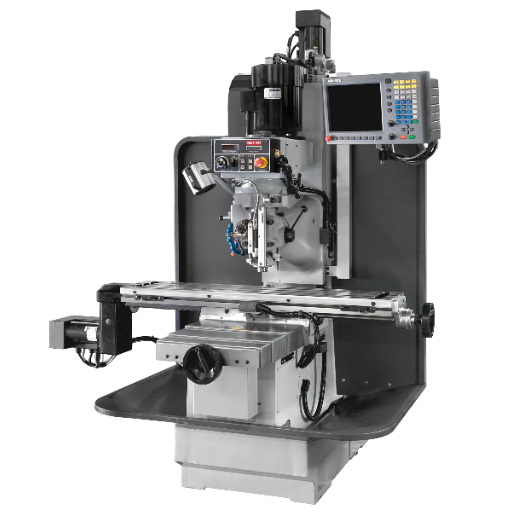
When choosing a bed-type milling machine, especially when budget is a significant consideration, it is essential to consider the features, make, and advanced capabilities of a particular machine, as these can vary widely. Typically, entry-level machines range from approximately $15,000 to $30,000, making them suitable for smaller workshops or applications that are not too demanding. These cutting-edge, high-precision, Industry 4.0-embedded machines, equipped with IoT and automation features, can easily cost up to $70,000 or $200,000 and beyond.
One should also consider the installation fee, tooling, software integration costs, and operator training, which can collectively account for 15-20% of the original price. Other expenses, such as maintenance, energy expenditure, and the purchase of spare parts, must also be considered. Modern IoT-enabled machines featuring predictive maintenance may cost more initially, but can reduce maintenance costs by 30%, thereby promoting cost efficiency.
Those wishing to obtain financing might find it beneficial to consider leasing options, for most manufacturers and third-party lenders offer such payment plans to ease the financial burden. Evaluating the total cost of ownership (TCO) and production requirements will be an ally in the pursuit of an informed, strategic purchase.
Choosing Based on Material Types
Before selection, the choice of equipment for processing depends on the types of materials being produced. Variations in properties such as hardness, density, thermal conductivity, and elasticity directly influence machine performance and operating efficiency.
For instance, machines processing metals such as stainless steel or aluminum are required to have powerful cutting tools with cooling systems in place to counteract wear that arises from heat-related control. In a 2023 study, it was revealed that the efficiency of laser-cutting machines was improved by 15% when combined with the latest cooling technology for these materials. Soft materials, such as plastics and composites, on the other hand, would require precision cutting systems to minimize material waste and optimize clean edge finishing.
In contrast, woodworking machines should be selected based on grain density and the type of wood being processed. High-speed routers, in conjunction with vacuum systems, significantly improve the handling of both hardwoods and softwoods by reducing production errors by 20% (NG, 2000). Glass or ceramic materials, such as those procured under strict control, would require specialized equipment with diamond tooling and a precisely controlled feed rate to prevent cracking and chipping.
Pregressing the material-based machine features with maintenance programs would help any industry to affect output quality while reducing operating costs in the long run. Industry insights suggest that recognizing these material-based requirements before purchase could result in operational efficiency improvements of 25% or more, thus yielding an ample return on investment (ROI).
Production Volume and Efficiency Requirements
Production volume and efficiency requirements must be evaluated through the lens of modern technology and data-driven analytics. According to a recent report, advances in automation have increased manufacturing production rates by as much as 30% while also lowering labor costs. With precision CNC machines of a high standard, products can be manufactured in large quantities with substantially minimal downtime, meeting both short-term and long-term production goals.
Additionally, production scale-up is a function of demand, necessitating an extensive real-time monitoring system-supported predictive analytics approach. Based on the literature, sectors implementing predictive maintenance typically aim to maintain equipment uptime at 20% on average, thereby safeguarding uninterrupted production schedules. In highly demanding industries, a 40% reduction in waste and a 15% increase in production efficiency have gone hand-in-hand with lean production methods.
In return, production capability that matches the set industry benchmark and market requirements calls for genuine insight into equipment performance levels, maintenance strategies, and in-process training programs. Investing in innovation and subsequently adopting a data-driven approach will enable enterprises to achieve peak efficiency while remaining at the forefront of the rapidly changing markets.
Maintenance Practices for Bed Type Milling Machines
Regular Inspection and Lubrication
Regular inspections and frequent lubrication are most important for the smooth operation and longevity of bed-type milling machines. These routine inspections often help identify wear and tear, misalignment, or potential problems that can develop into costly repairs. Industry data suggest that allowing scheduled maintenance within the organizational structure for machinery extends its life expectancy by as much as 20-40% and reduces the likelihood of unplanned downtime.
The lubrication of the machine ensures that friction is at a low level and overheating is prevented among the moving parts, such as guideways, spindle bearings, and lead screws. Studies within the industry claim that a significant cause of equipment failures is often attributed to improper and/or insufficient lubrication, with approximately 50% of mechanical failures being linked to lubrication issues. Using the best type of lubricant, as recommended by the equipment manufacturer, and maintaining it properly at regular intervals is the most essential way.
Additionally, advanced lubrication methods, such as automatic lubricators, can be utilized to enhance consistency and reduce manual labor. During inspections, operators should utilize advanced technologies, including vibration analyzers and thermal imaging tools. Prioritizing these practices enables businesses to operate at their optimal working efficiency and save significantly in the long run.
Part Replacement Measures
Effective replacement strategies are crucial for minimizing downtime and maximizing machinery longevity. Predictive maintenance is at the forefront for covering this domain. Predictive maintenance can reduce unplanned downtime between 30-50% and increase the lifespan of equipment between 20-40%, according to recent reports. Through the use of IoT sensors and machine learning algorithms, predictive maintenance systems perform real-time monitoring of equipment performance and provide warnings of wear and tear before failure.
Condition-based monitoring is an approach that utilizes vibration, temperature, and oil analysis to determine the optimal times for component replacement. For example, vibration monitoring highlights abnormalities in mechanical parts, such as bearings, gears, and shafts, that often require attention before catastrophic failure occurs. Research and studies conducted also show that CBM outperforms traditional time-based schedules by reducing maintenance costs by 10-15%.
Proactively scheduling replacements for high-demand parts must also feature. These predictions about specific components, such as belts, filters, or seals, are derived from historical data and familiar patterns of usage that lead to rapid wear. For instance, in heavy conveyor system industries, there is often frequent concern over drive and motor belts. Having replacements for those seriously affected parts in stock and integrating them with regular checks will save considerable time in the maintenance processes.
Digital twins, which are virtual copies of physical equipment, enable increased testing of wear scenarios to optimize replacement schedules. Companies have reported a 25% improvement in operational performance by utilizing big data, AI, and simulations.
To implement these strategies effectively, organizations must invest in technology, provide proper training for maintenance teams, and establish clear guidelines for replacement schedules. Combining these efforts with thorough data analysis ensures a streamlined maintenance process that maximizes reliability and profitability.
Ensure Optimal Performance and Longevity
To ensure immense performance and longevity for industrial systems deployed throughout the country on the industrial circuit, it is essential to adopt a multi-pronged approach. In line with recent insights by industry leaders in conjunction with advancements brought forth by the latest research, the below-mentioned strategies are found to be the most important ones:
1. Predictive Maintenance Technologies
With the aid of AI and ML, predictive maintenance has undergone significant improvements. There have been recent reports indicating that AI-based analytics techniques can reduce unplanned downtime by up to 50% and increase machinery life by almost 20%. These systems utilize real-time data to predict failures, enabling maintenance teams to address problems before they occur.
2. Digital Twin Systems for Systems Analysis
The use of digital twins—virtual representations of physical assets—has also gained significant traction. For instance, industries utilizing digital-twin technology have witnessed a 30% improvement in operational efficiency. These systems simulate the real-world environment, allowing engineers to test various scenarios for optimizing equipment usage without risking physical assets.
3. Systems for Asset Health Monitoring
Sensors and IoT rollout are changing the way asset health is monitored. With accurate and continuous data streams, anomalies in the behavior can be detected ahead of time. Latest AI-driven monitoring solutions offer a 67% improvement in detection accuracy compared to conventional methods.
4. Data-Driven Decisions
Extensive data analysis underscores every decision. Research from leading analytics organizations has concluded that firms that adopt data-driven techniques stand a 23% chance of reducing maintenance costs and extending the operational life of their equipment.
These strategies, along with staying up-to-date on new technologies, will ensure that the installed systems operate at peak efficiency with minimal associated costs, limited downtime, and maximized lifespan for all critical assets.
Reference Sources
- Search on platforms like Semantic Scholar or using keywords such as “bed type milling machine,” “CNC milling advancements,” or “precision machining.”
- Filter results by publication date (e.g., 2020–2025) to focus on recent studies.
- Look for papers discussing innovations, methodologies, or case studies related to bed-type milling machines.
Frequently Asked Questions (FAQs)
What is a bed-type milling machine, and how does it differ from other milling machines?
A bed type milling machine is designed with a stationary bed that provides a sturdy support for the workpiece during machining. Unlike other milling machines, such as the universal milling machine, the bed-type milling machine offers enhanced rigidity and stability during heavy cutting operations. This design allows for improved accuracy and can accommodate larger workpieces. Additionally, bed-type milling machines are often equipped with a robust spindle head that can rotate at various RPM for different machining tasks. Their configuration makes them suitable for both manual and CNC operations, offering versatility in applications.
What are the specifications to consider when choosing a bed-type milling machine?
When selecting a bed type milling machine, several specifications should be considered, including the travel distance across the X, Y, and Z axes, which determines the size of the workpiece that can be machined. The rigidity of the machine is also crucial, especially for heavy milling tasks, as it affects the accuracy and surface finish. Additionally, the spindle speed and torque ratings will influence the machine’s capability in cutting through various materials. Optional equipment, such as automatic lubrication systems or different milling heads, can further enhance the machine’s performance and efficiency. It’s essential to evaluate these specifications based on your specific machining needs.
What applications are best suited for a bed-type milling machine?
Bed type milling machines are ideal for a wide range of applications, particularly in industries requiring precision machining of large workpieces. They excel in heavy cutting tasks where stability and rigidity are paramount. Common applications include machining structural elements, such as frames and plates, as well as the production of molds and dies. Their capability to handle various materials, combined with the optional use of different spindle configurations, makes these machines versatile for both prototyping and mass production. Moreover, they are commonly used in automotive and aerospace industries for creating components that demand high accuracy and reliability.
How do the features of a bed-type milling machine enhance its performance?
The features of a bed type milling machine significantly enhance its performance by providing stability and precision during machining processes. The use of box ways in the machine design contributes to its structural rigidity, minimizing vibration and improving accuracy during operations. The hydraulic drive systems allow for smooth and controlled movements across the axes, ensuring high-quality finishes on machined parts. Furthermore, the addition of automatic lubrication systems ensures that mechanical elements are well-maintained, thereby extending the machine’s lifespan and reliability. Optional equipment, such as 5-axis capabilities, can further enhance the machine’s functionality, making it suitable for complex machining tasks.
What is the importance of rigidity in a bed-type milling machine?
Rigidity in a bed type milling machine is vital as it directly impacts the machine’s ability to perform heavy cutting operations without compromising accuracy. A sturdy construction minimizes flex and vibration during machining, resulting in improved surface finishes and tighter tolerances. High rigidity allows for the use of higher feed rates and speeds, increasing productivity while maintaining quality. Additionally, enhanced rigidity contributes to thermal stability, which is crucial during extensive machining sessions. It ensures that the machine maintains its positional accuracy, especially when machining large or heavy workpieces.