



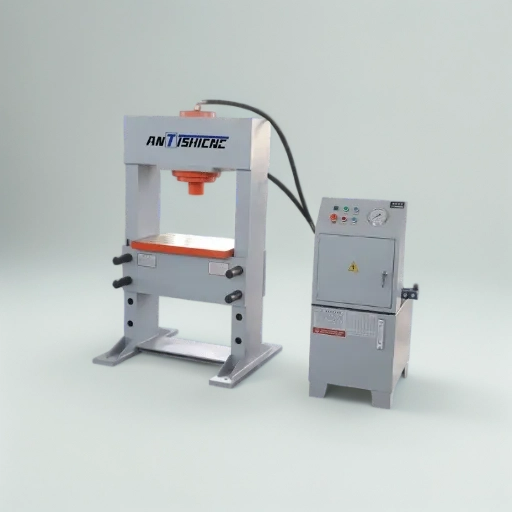


Using a lathe machine is synonymous with high accuracy, artistic ability, and of course, the strictest safety measures. Whether you are experienced or a beginner, knowing and applying the proper safety precautions is essential to avoid accidents and ensure smooth operation. This article outlines comprehensive machinery safety precautions, highlighting the most important practices to maintain a safe, productive workspace. From setting up the machine to wearing the right protective gear, you will acquire tips that enhance both safety and productivity. Continue reading to discover how you can prioritize safety and work confidently in metalworking.
Understanding Lathe Safety

For safe lathe operation, the following crucial guidelines must be followed:
- ✓ Use the Right Safety Equipment: It is essential to wear safety glasses, gloves, and tight-fitting clothing to avoid injuries from debris or moving parts.
- ✓ Check the Equipment: Inspect the lathe regularly before operation to detect any damage or loose parts.
- ✓ Secure Workpieces and Tools: Ensure all materials and cutting instruments are fastened securely to eliminate the danger of slipping or displacement.
- ✓ Comply with the Guidelines: Operate the machine at the recommended speeds and do not exceed its limitations.
- ✓ Stay Focused: Remain alert and avoid distractions while using the lathe.
Following these practices will reduce risks and ensure safe, efficient equipment operation.
Importance of Safety in Metalworking
Safety in metalworking is paramount to prevent accidents, injuries, and long-term health issues. Workplace safety in manufacturing and metalworking remains a global concern. Reports indicate that the leading causes of workplace incidents include improper machine handling, inadequate training, and improper use of personal protective equipment (PPE). Heavy penalties for safety violations protect workers’ health while simultaneously increasing company profits by eliminating accident-related losses. By prioritizing safety measures—such as comprehensive employee training, high-quality tools, and fostering a safety culture—employers can guarantee both efficient metalworking and plant security.
Types of Lathes and Their Applications
Overview of Common Hazards
⚠ Flying Debris
During operations, small metal particles can be ejected, posing risks to eyes and skin. Proper protective gear is mandatory.
⚠ Entanglement
Loose clothing, jewelry, or hair caught in moving parts can cause severe injuries. Workers must follow strict safety procedures.
⚠ Sharp Edges
Unfinished parts or tools can cause cuts or puncture wounds. Workers must wear gloves and exercise caution when handling sharp materials.
⚠ Electrical Hazards
Defective wiring or improper use of electrical components can result in shocks or fires. Regular maintenance is vital.
⚠ Noise and Vibration
Prolonged exposure to high noise levels and vibrations can cause hearing damage and physical strain. Hearing protection and ergonomic practices are essential.
Pre-Operation Safety Checks

Essential Checklist Before Operating Your Lathe
- Inspect the Lathe: Look over the machine for visible damage and loose or worn components. Check that all safety guards are in place and functioning properly.
- Verify Tool Condition: Cutting tools should be sharp, properly secured, and without defects. Replace any damaged tools before use.
- Check Work Area: Clean the work area of clutter, oil, or debris. Confirm that the lathe is on a stable surface and the workspace has sufficient lighting.
- Confirm Power Supply: Check that electrical connections are secure and the power switch is off before plugging in or operating the lathe.
- Wear Personal Protective Equipment (PPE): Wear the required PPE, such as safety goggles, appropriate gloves, and hearing protection, to prevent injuries.
- Test Machine Functionality: Run the lathe briefly without material to check smooth operation. Listen and feel for unusual sounds or vibrations that might indicate problems.
By performing these checks, the lathe operation becomes more reliable and the occurrence of accidents is minimized.
Inspecting the Lathe Machine
A complete evaluation is necessary to ensure safety and efficiency when inspecting a lathe. First, evaluate the lathe bed for any signs of wear or damage that could affect precision. Then, check the tailstock and headstock for proper alignment to determine correct calibration. Examine the tool post and cutting tools for wear or dullness that might reduce machining quality. Furthermore, check if all controls, including levers and dials, operate smoothly with no excessive play. Pay special attention to belts, gears, and bearings, ensuring they are in good condition and properly lubricated. Regular maintenance of these parts will improve machine performance and reduce the risk of breakdown.
Tools and Equipment Assessment
The first step is to ensure everything is clean and free of dirt or moisture, as buildup can affect machine performance. Inspect tools for physical damage such as cracks, rust, or wear, and replace them if necessary. Verify that all moving parts work smoothly and effectively without resistance or displacement. Check electrical components, such as cords and plugs, for frayed wires or loose connections to eliminate potential hazards. Finally, calibrate equipment whenever necessary to ensure accurate, consistent performance during use. Regular assessments help tools and equipment perform optimally and last longer.
Reviewing the Operator’s Manual
The operator’s manual serves as an indispensable guide to understanding proper equipment application and maintenance. Identify key sections including safety rules, operating steps, and troubleshooting hints. Read the safety rules attentively to avoid unsafe handling of equipment. Go through operating instructions carefully to prevent mistakes during use. Consult the troubleshooting section if problems occur—it provides common issues and their solutions. Keep the manual accessible for maintenance guidance and recommended schedules to ensure equipment functions optimally.
Proper Usage Techniques

When using a lathe, first check the machine for signs of wear and tear and ensure all parts are correctly tightened. Put on personal protective equipment, including goggles and gloves, to protect against flying debris. Take your workpiece to the lathe and ensure the chuck securely holds it. Use the appropriate cutting tools and speeds for the material being machined to achieve accurate results. Do not reach across rotating parts and keep the workspace clear of unnecessary material at all times. If you notice any strange sounds or vibrations, turn off the machine immediately. These practices guarantee safe and effective lathe use.
Correct Setup and Adjustments
A structured approach is essential to confirm correct lathe setup and adjustments. First, check the lathe for signs of wear or damage that might affect operation. Next, choose the right chuck or collet system based on the workpiece’s size and shape. Check cutting tools to ensure they are sharp and properly mounted, then align them precisely with the workpiece centerline for optimal performance. Set the machine’s speed and feed according to the material being worked on, consulting manufacturer recommendations or material specifications.
With the latest information and resources, it is advisable to incorporate advanced technologies such as CNC (Computer Numerical Control) systems wherever possible, as they offer greater accuracy and automate key adjustments. Modern lathes often feature digital readouts and sensors that help operators maintain higher precision. Always comply with manufacturer instructions and safety rules to avoid accidents and ensure productivity. These practices not only prolong the lathe’s life but also improve the quality of the end product.
Safe Handling of Workpieces
Proper workpiece handling on the lathe is essential to guarantee safety and accuracy. Always clamp the workpiece tightly using the appropriate method, such as a chuck or collet, so it does not move during operation. Ensure the workpiece is appropriately centered and balanced before turning on the machine to prevent vibrations and potential accidents. Use proper tools for loading and unloading heavier workpieces to minimize injury or strain risks. Make sure all guards are fitted and the lathe has come to a complete stop before making adjustments. Following these procedures reduces risks and allows smoother operation.
Best Practices for Operating the Lathe
The workspace should be clean and organized at all times for lathe operation. This practice keeps the operator safe and ensures quality work. Clear the workspace of loose items and dirt, as they could cause accidents during operation. Inspect the lathe regularly for wear, tear, or damage such as broken belts, dull cutting tools, or improperly moving parts, and resolve these issues before starting. Use only sharp and appropriate cutting tools; dull tools produce poor work and can cause accidents. Monitor machine performance and listen for strange sounds as they may warn of future problems. Practicing these techniques makes the lathe run smoothly while minimizing risks to the operator and ensuring quality production.
Personal Protective Equipment (PPE)

When using a lathe, appropriate Personal Protective Equipment (PPE) is essential for safety. Required PPE includes safety glasses or face shields to protect the eyes from ejected debris, ear protection to reduce noise during prolonged use, and properly fitting gloves to prevent the operator from getting caught in the machine. The person operating the machine should wear tight clothing and strong shoes to avoid accidents. Ensuring that PPE is always of high quality enhances the safety of lathe operations.
Essential Gear for Lathe Operators
Lathe machine operators need to wear specific protective gear that mainly consists of safety goggles or face shields to protect eyes against flying chips and particles. Hearing protection measures are necessary in loud work environments, so earmuffs or earplugs should be used. For hand safety, operators should wear protective gloves that fit tightly but only when not directly working with rotating parts. Close-fitting garments and strong, non-slip shoes are indispensable to avoid getting caught in the machine or falling. An apron or protective jacket in good condition can help protect against metal dust or coolant drips. It is imperative to ensure protective gear is in proper condition to ensure work-area safety.
Choosing the Right PPE
Operator protection and lathe performance largely depend on selecting the proper Personal Protective Equipment (PPE). The most commonly recommended PPE includes safety goggles or face shields to protect against flying debris, as lathes typically produce metal shavings during operation. Noise protection, such as earmuffs or plugs, is suggested if sound levels exceed 85 decibels, the usual upper limit for hearing safety. Use of gloves that are tough and fit well is encouraged, but they should not be worn when dealing with moving parts lest the worker gets entangled. Baggy clothes are prohibited as they can get into the machine causing injury, and sturdy, anti-slip footwear is essential for firm grip and balance in the working area. A long-sleeved protective jacket or apron is an extra layer of protection against coolant splashes or stray metal particles. Operators who make the right choice of PPE and maintain it in good condition can create a safe, more productive working environment during lathe use.
Importance of PPE Compliance
Compliance with personal protective equipment (PPE) is one of the most effective measures to minimize workplace injury risk and provide maximum employee protection. Correct PPE use helps reduce exposure to hazards such as scattered material, chemical leaks, and equipment-related injuries. Regularly following PPE rules allows workers to interact more safely with machines while caring for their health and wellness. Employer actions, such as providing appropriate PPE, conducting training, and creating a safety-oriented environment, are instrumental in increasing productivity and reducing accident rates.
Post-Operation Safety Practices

After lathe operations are complete, following proper safety measures is critical. Begin by turning off the machine and ensuring the process has fully stopped before cleaning or making adjustments. Use a brush or tool to remove metal shavings and dirt, avoiding direct contact with sharp edges to prevent injuries. Check the lathe for wear or damage, and report any issues to appropriate personnel. Put away and securely store tools and accessories, ensuring the work area is clean and free from obstructions. Always adhere to the manufacturer’s instructions and company safety regulations to facilitate and maintain long-term operational safety.
Proper Shutdown Procedures
- Power Down the Machine: Ensure the lathe is not receiving power by turning off the main power switch; allow the spindle to stop completely before moving on.
- Clean the Lathe: Following safety rules, remove all chips and dust from the machine using a brush or compressed air. Be careful not to touch sharp edges.
- Inspect the Machine: Look for signs of wear, damage, or loose parts. Inform the proper person about any problems immediately.
- Store Tools Safely: Remove and return cutting tools, tool holders, and other accessories to their proper places.
- Lubricate if Necessary: Lubricate parts specified by the manufacturer in the guidelines.
- Disconnect Power: If the lathe will not be used for an extended period, disconnect it from the power source to prevent accidental activation.
- Clean Work Area: Ensure the area around the lathe is neat and free of obstructions, creating a safe environment for the following user.
Always consult the manufacturer’s manual and comply with workplace safety standards throughout the procedure.
Cleansing the Work Area
A clean working area surrounding the lathe is paramount for both safety and productivity. First, eliminate all shavings, dust, and other waste materials from the machine and surrounding area after each session. Use a brush or vacuum to ensure no sharp pieces remain that might injure someone. Use a clean, lint-free cloth to wipe the lathe, applying a thin layer of oil as needed to prevent rust. Gather all tools and materials, putting them back in their proper places so the area is clutter-free and ready for the next task. This routine not only prolongs the lathe’s life but also provides a safe and efficient environment.
Routine Maintenance and Inspections
Routine maintenance and regular inspections are paramount for keeping a lathe operating at its best and maximizing its life. Common maintenance tips focus on lubricating moving parts, checking belt tension, and monitoring cutting tool condition. A frequently asked question is, “How often should one maintain a lathe?” The answer depends on usage frequency, but generally, it is wise to perform basic cleaning and lubrication after each session and to conduct a detailed inspection every 20-40 hours of operation. This regular maintenance will not increase wear and tear but rather prolong the lathe’s life while ensuring safe, accurate output.
Reference Sources
-
Lathe Safety and Practice – MassArt – Discusses safety practices such as tying back long hair, avoiding loose clothing, and ensuring no dangling objects are near rotating parts.
-
Lathes – Carnegie Mellon University – Covers safety equipment, cleaning, and proper use of cutting fluids in lathe operations.
-
HMC Machine Shop Safety Manual – Provides general shop safety guidelines, including precautions for working with chemicals and using protective equipment.
-
Operating a Metal Lathe – UNC EHS – Highlights the importance of personal protective equipment (PPE) and avoiding jewelry or gloves that could get caught in the machine.
- Premium Metalworking Lathes for Sale
Frequently Asked Questions (FAQs)
Q: What are the essential safety precautions every beginner should know?
A: Basic lathe safety precautions include training before using the machine, wearing safety glasses every time, tying up long hair and removing jewelry, and operating without gloves on. Keep hands and fingers away from the rotating chuck or spindle and maintain adequate distance from the fire line. Know the feed and depth-of-cut limits, gradually increase the spindle speed from lower speeds, and always stand to the side when first running the machine to check for whip or off-center work.
Q: Why must you remove the chuck key and check the rotating chuck before running the machine?
A: Removing the chuck key is the most crucial measure, as a key left in the jaw or chuck can be thrown off the spindle violently. Verify that the chuck key has been removed and that the chuck is tightened before turning the machine on. Look at the rotating chuck or faceplate and check that work is appropriately secured so it won’t become an off-center or loose shard during rotation. Never use the chuck key to check rotation while the motor is on.
Q: Machine safety with respect to rotation and spindle speed: how should you choose the spindle speed and kenji adjust it?
A: To minimize the risk of whip and vibration, set the spindle speed according to the workpiece’s diameter and material. If the workpiece is off-center, long, or thin, start at a lower spindle speed, then increase gradually as you confirm stability. Always turn off the lathe before changing tooling or the chuck, and never change the speed settings while the spindle is in motion. Well organized safety training will highlight the importance of choosing the correct spindle speed for the part to avoid losing control.
Q: Machine safety for personal protective equipment: when should you always wear safety glasses and what about clothing?
A: To shield yourself from flying debris, wear safety glasses or a face shield whenever the lathe is operating. Do not wear loose-fitting long sleeves that may get caught in the machine; if you really have to wear long sleeves, make sure they are tight and restrained. Take off all jewelry, including necklaces and rings, and do not wear gloves when working on the lathe, as they could get seized in the rotating chuck or jaw, and your hand could be drawn in.
Q: Machine safety for maintenance and procedural checks: what regular checks and safety precautions should be done before running the lathe?
A: Every time before using the lathe, ensure that guards and chip shields are installed, the chuck key is pulled out, the tool rest is set with suitable clearance, and all bolts are secure. Take the line of fire as evident, make sure the work is firmly held in the chuck or jaw, and check that the cutting tools are sharp and correctly mounted. Conduct periodic safety training refreshers and do not use the lathe if you are in doubt about any setup, or if the machine is displaying signs of mechanical problems.