



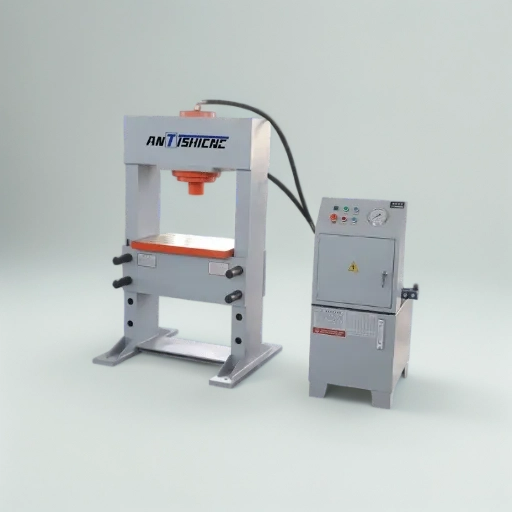


Surface Grinder Safety Guards: Ensuring Safe Operation in Metalworking
The most important thing to consider in the manufacturing sector is safety. There are different machineries employed in this sector; however, an important machine for good finishes is the surface grinder. Every machine always presents different challenges and this is no different as users should be conscious of being safe. Users should be aware that it is necessary to take protective measures to insure workers since there is always a hazard associated with the operation of grinding wheels and other such operations in regard to safety norms at workplaces.
This comprehensive guide explores the essential role of surface grinder safety guards in mitigating these risks, highlighting their importance in preventing accidents, ensuring regulatory compliance, and fostering a safer work environment. Learn about how these protective measures function, their key design features, and practical tips for proper implementation in your facility.
Introduction to Surface Grinder Safety
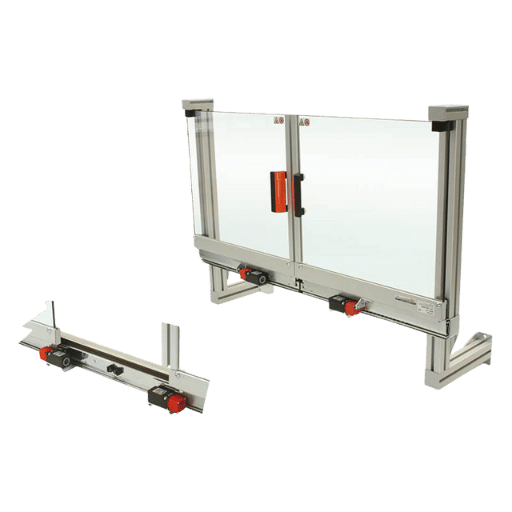
It is important to note that surface grinder safety guards facilitate the tasks of maintaining work efficiency with a many-kills-two. Safety guards occupy the first line of defense. They help the operator by separating him or her from the moving parts of the machine. These safety devices prevent contact with the abrasive wheels as well as the flying particles and help to minimize serious injuries.
Key Safety Practices:
- Regular training for all operators
- Proper maintenance of equipment
- Consistent use of safety guards
- Compliance with safety regulations
Importance of Safety Guards in Metalworking
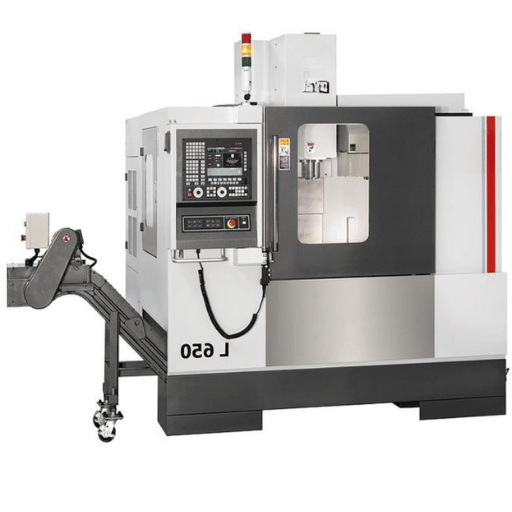
Safety guards in metalworking are critical in protecting operators from hazards associated with machinery, such as flying debris, accidental contact with moving parts, and tool malfunctions. They act as physical barriers, minimizing potential injury risks and ensuring the safe operation of equipment.
Safety Benefits:
- Reduces workplace accidents significantly
- Supports compliance with industry safety standards
- Enhances operational efficiency through safe practices
- Provides protection for periphery and sides safety
Overview of Surface Grinder Functionality
![Working conditions in Poland in the years 2005 – 2015: threats related to mechanical factors [No. of people at risk]](https://antishilathe.com/wp-content/uploads/2025/08/1.1-125.png "Surface Grinder Safety Guards: Ensuring Safe Operation in Metalworking 3")
Key Components:
- Abrasive grinding wheel
- Clamping mechanism
- Machine table
- Control system
Applications:
- Tight tolerance work
- Fine surface finishes
- Metal materials
- Non-metal materials
Role of Interlock Systems in Safety
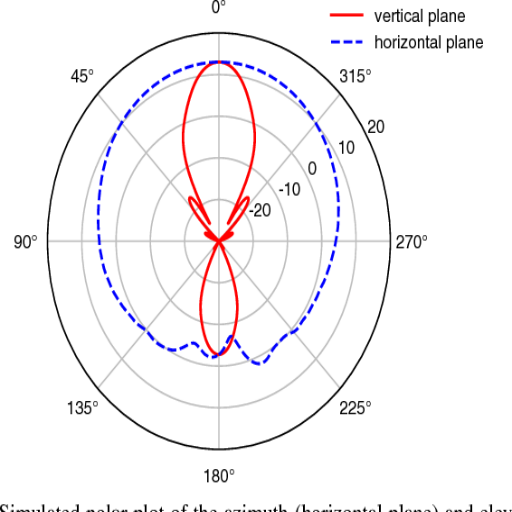
Interlock systems, such as electrically interlocked surface grinder safety, play a critical role in ensuring safety across various industrial and manufacturing applications. These systems are designed to prevent unauthorized or unsafe machine operation by restricting functions unless specific safety conditions are met.
How Interlock Systems Work:
For example, in surface grinding machines, an interlock mechanism can ensure that the grinding wheel cannot rotate unless the protective guard is in place. Additionally, many interlock systems are now equipped with advanced sensors that detect anomalies or unsafe conditions, providing real-time feedback to halt operations if necessary.
Types of Surface Grinder Safety Guards
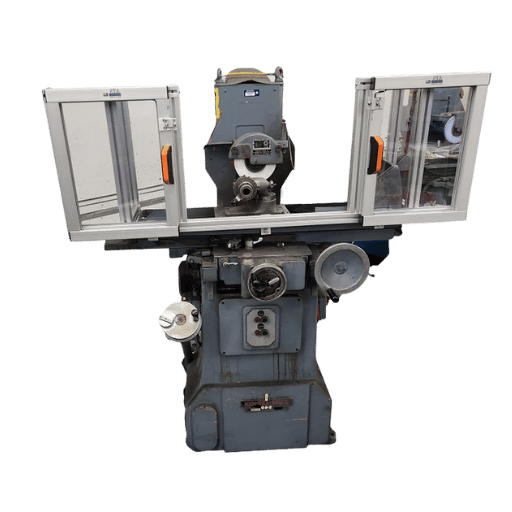
Fixed Safety Guards
Fixed safety guards are permanent barriers designed to enclose hazardous areas of a surface grinding machine, preventing operator contact with moving parts. These guards are securely attached to the machine and cannot be removed without tools, ensuring consistent protection during operation.
✓ Tool Required for Removal
✓ Consistent Safety
✓ Reliable Protection
Adjustable and Sliding Door Guards
Adjustable and sliding door guards are versatile safety devices commonly used to protect operators from hazardous machine components. These guards can be repositioned or moved to accommodate different machine setups or processes, offering flexibility without compromising safety.
Key Features:
- Flexibility: Can be repositioned for different setups
- Accessibility: Easier access during maintenance
- Physical Barrier: Prevents accidental contact
- Adaptability: Accommodates various processes
Interlock Safety Guard Systems
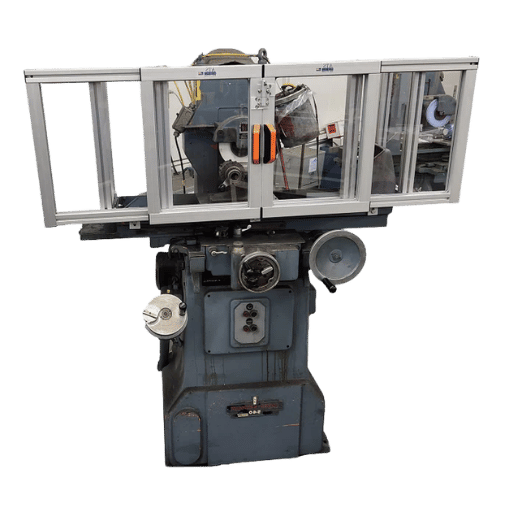
Interlock safety guard systems are designed to prevent access to hazardous areas by automatically shutting down machine operations when the guard is opened or removed. These systems integrate sensors and switches to monitor the position of the guard, ensuring machinery cannot operate unless the guard is securely in place.
Challenges and Considerations

Limitations of Current Safety Guard Designs
Barriers to Carousel access
Although the provision of safety guards to a piece of machinery is usually done within stipulated timelines, it becomes challenging during the servicing, repairing, adjusting, or the horizontal movement of the wheel, and so, machine idleness can be extended.
Surprise Hurdles during Custom Made
While they might look very simple, many guards are not easy to install on the machines to suit a specific requirement hence, a customized solution has to be employed which, though not cheap, will take time to fit the equipment.
Deterioration/Decay
With time, the surface grinder safety guards or the parts of the guards will become rusty and inefficient, which will require the change of the guards if there is no maintenance
Resistance by the person who operates
In some situations, however, guards can be viewed as unnecessary obstacles in relation to work by the worke,rs which allows for circumvention or no use at all, denying the use of such machine safeguarding.
Technological Compatibility
Technological compatibility is essential for ensuring that new safety systems work effectively with existing machinery, including surface grinder guards. Older safety guard designs may not integrate seamlessly with modern machinery equipped with advanced safety systems, such as those addressing the sides for safety guards used, limiting their overall utility.
Cost Implications of Implementing Safety Guards
The cost of implementing safety guards can vary widely depending on the type of machinery, the complexity of the guard design, and the level of customization required.
| Cost Category | Initial Investment | Ongoing Costs |
|---|---|---|
| Equipment | Procurement costs | Maintenance & repairs |
| Installation | Setup & modifications | System updates |
| Training | Initial operator training | Ongoing education |
Long-term Benefits: Although safety guards may require significant upfront spending, they contribute to long-term savings by reducing workplace accidents, minimizing equipment downtime, and improving overall operational efficiency.
Maintenance and Inspection of Safety Systems
Lubrication and cleaning
To make sure all parts are in contact, all the moving components must be correctly lubricated, and there should be no dirt, debris, or any kind of obstruction.
Replacement of Components
Since broken and worn components,s such as the spindle or abrasive wheel, can lead to accidents and failures if they are not replaced on time, any such parts should be replaced.
Documentation
Keep complete documents about all inspections, maintenance activities,s and any repairs carried out, both for compliance and operational purposes.
Compliance exercises
It is important to carry out periodical check-ups of safety systems to ascertain whether they comply with the accepted standards in operation and in compliance with the law.
Best Practices for Machine Guarding
Regular Training for Operators
Operators should undergo consistent training to ensure they fully understand the correct use of machinery and associated safety systems. Training programs should include the proper operation of equipment, identification of potential hazards, and emergency response protocols.
Training Components:
- Equipment Operation: Proper use of machinery and controls
- Hazard Identification: Recognition of potential safety risks
- Emergency Protocols: Response procedures for accidents
- Refresher Courses: Periodic updates on safety standards
Routine Safety Audits and Assessments
Routine safety audits and assessments are essential to ensure compliance with safety regulations and to identify potential workplace hazards. These audits should be conducted at regular intervals and involve a systematic evaluation of equipment, processes, and employee practices.
Safety Audit Process
1. Equipment Inspection
Check for wear and tear on all safety components
2. Protocol Verification
Verify adherence to safety protocols
3. Deficiency Correction
Address any deficiencies promptly
Key steps include inspecting for wear and tear, verifying adherence to safety protocols, and addressing any deficiencies promptly. Documenting findings and corrective actions ensures accountability and continuous improvement, particularly in relation to technician assessments of safety equipment.
Integration of Ferndale Safety Products
Integrating Ferndale Safety Products into workplace safety protocols involves implementing their solutions to enhance hazard prevention and compliance.
Step 1: Evaluation
Evaluate specific safety products needed for your operations
Step 2: Training
Train employees on proper usage of safety products
Step 3: Implementation
Incorporate tools into daily safety practices
Step 4: Review
Regular reviews and employee feedback for optimization
Prioritizing Safety in Surface Grinding Operations
Summary of Key Safety Measures
Essential Safety Practices Checklist
🛡️ Personal protective gear
It is important to make sure that all operators are wearing the correct PPE that includes safety goggles, gloves, and hearing protection due to the potential hazards that arise from abrasive processes.
🔧 Surface Grinder Safety Guards
Inspect the surface grinder safety guards on a regular basis to ensure of any mechanical problems and malpractices before wetting the mocked surfaces.
📋 Methods Of Operations
Communication skills training is conducted for all workers’ working in the office in order to reduce the occurrence of mistakes and injuries in work place.
🏭 Safety
In the workplace, there must be no clutter, no sharp items within reach, adequate lighting, proper ventilation, just to enhance safety
⚙️ Maintenance of Grinding Wheels
Always take a close look at grinding wheels on a frequent basis and try to fill in or replace new ones whenever necessary or at least change a worn out one when need arises in order to anticipate injuries that can occur easily.
Adhering to these measures supports a safer, more efficient surface grinding operation while reducing risks to personnel.
Future Trends in Machine Guarding
Future trends in machine guarding will likely center around advancements in automation, smart technology, and the integration of sensors. With the rise of Industry 4.0, we can expect machine guarding systems to become more adaptive, incorporating real-time monitoring and predictive maintenance features to enhance safety.
Emerging Technologies in Safety
Smart Sensors
Real-time monitoring and anomaly detection
Adaptive Systems
Self-adjusting safety protocols
Advanced Materials
Enhanced durability and performance
Predictive Maintenance
Preventing failures before they occur
Additionally, the use of advanced materials for guard construction, alongside ergonomic designs, will improve both safety and efficiency. Enhanced regulatory frameworks and industry-wide adoption of innovative technologies will drive further progress in ensuring safer operations.
Commitment to Continuous Safety Improvement
Continuous safety improvement is achieved by integrating systematic processes that identify potential risks, implement preventative measures, and regularly evaluate safety performance.
🎯 Managing Risk
Implement structured methodologies on proactive identification, assessment and control of risks.
📚 Education and Training
Have all employees trained thoroughly on preventive measures and proper work practice.
📊 Information Management
Use monitoring tools in an active manner, accessing information instantly in tracking vulnerabilities.
⚖️ Regulatory Compliance
bide by any appropriate safety rules and guidelines.
Success Formula: By prioritizing education, innovation, and accountability, organizations can sustain long-term improvements in workplace safety and create a culture that values employee well-being.
Frequently Asked Questions (FAQs)
Reference Sources
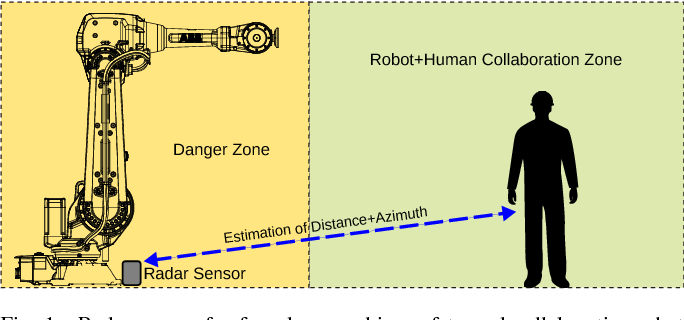
2. Radar sensor for machine safeguarding in fence-less and safe collaborative operation
- Authors: M. Zlatanski, P. Sommer, F. Zurfluh, G. Madonna
- Publication Date: August 1, 2018
- Journal: 2018 IEEE International Conference on Intelligence and Safety for Robotics (ISR), Pages 19-25
Key Findings:
- It describes the development of a radar sensor which, unlike conventional safety, allows for limiting safety levels to the extent possible, given the collaborative operation of the tasks.
- The paper also discusses the shortcomings of the already available optical safety equipment, i.e., instances where in the presence of intense light, dirt or poor reflecting surfaces, the safety equipment malfunctions.
- Effective Speed and Separation Monitoring (SSM), as provided by the Radar, comes in handy, especially in industrial robots that work with dangerous tools.
- Static and dynamic performances obtained from the said sensor are equally good as those of the most recent laser scanners available in the market, besides the sensors having the capability of signal processing for trajectory estimation and classification of targets.
Methodology:
- A research study was conducted that focused on designing a radar sensor, assessing the height achievement of the device across different use cases in the industry. This helps mitigate harm by providing elimination of hazard while working without direct action in no-go zones(Zlatanski et al., 2018, pp. 19–25).
3. Guards Made of Thermoplastic for the Surface Grinder and the Exploitation of Machine Safety
- Prepared by: A. Ubowska
- Date: 01.06.2017
- Title: The Science of War Article ‘Guards Made of Thermoplastic for The Grinder and The Exploitation of Machines Safety’ – General Tadeusz Kosciuszko Land Forces Military Academy, 185, 148–158.
Purpose of The Study:
- As such, the paper investigated the possible safety issues regarding thermoplastic polymer use in machine guards.
- Additionally, various material considerations that have a direct impact on the safety and performance of the designed machine guards were addressed.
- The emphasized point of view is that it is vital to focus on the materials of the machine guards to keep the workers safe during the usage of the machines.
Research Plan:
- Some of the techniques used in the research included studying the existing works on the types and applications of thermoplastics that are applicable in the manufacturing of machine guards plus other aspects of safety and preventive measures (Ubowska, 2017, pp. 148 – 158).