





Grinding wheels and abrasive tools serve as the primary means of shaping, cutting, and finishing in nearly all industries. Whether you are a seasoned professional or just starting to explore the machining and metalworking realms, it is essential to learn about the various types of abrasive wheels and their applications. The right choice can mean the difference between getting things done and wasting time, working with perfect precision, and making costly mistakes. This guide will clear out much of the mystery surrounding abrasive wheels, including the different types, materials, and specific applications. It will also teach you how to choose the right wheel for your job, providing you with more insight into these critical tools and helping you understand how they can impact your working procedures.
Understanding Abrasive Wheels
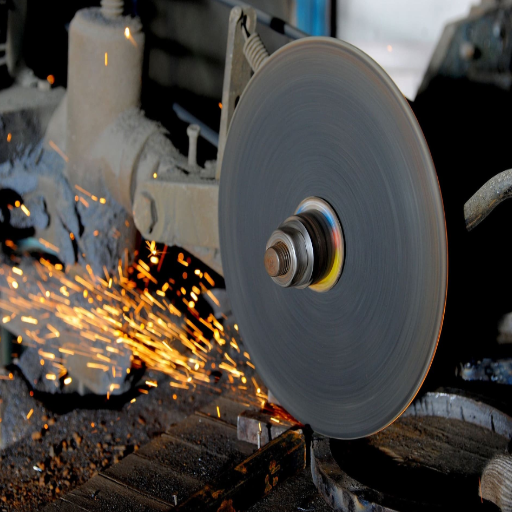
Abrasive wheels are circular tools formed of abrasive grains and a bonding agent, intended for grinding, cutting, and shaping different materials. They are widely used in industries such as construction, manufacturing, and metalworking. Depending on the intended function, the grain type, size, and bonding may vary. Using the appropriate abrasive wheel, connoisseurs achieve satisfactory results in less time and with less material waste.
What are Abrasive Wheels?
An abrasive wheel is a tool that facilitates cutting, grinding, or polishing operations, consisting of abrasive grains held together by a bonding material. It is designed to remove excess material and surface finish, or to cut hard materials such as metal, stone, and other similar materials. Industries like construction, metalworking, and manufacturing use abrasive wheels. These wheels come in a variety of shapes, sizes, and materials like aluminum oxide, silicon carbide, and diamond. The operating criteria of the wheel are chosen to comprise at least the grain types, grit size, and bonding materials, depending upon the particular application. Efficient use accompanies all safety measures; otherwise, one can lose efficiency in operation or even experience human errors.
Components of an Abrasive Wheel
Grain Type
The abrasive grain is the cutting element of the wheel. General types include aluminum oxide (which works best for grinding ferrous metals), silicon carbide (used for non-ferrous metals and softer materials), and diamond or CBN for precision and cutting hard materials.
Grit Size
The grit size describes the coarseness of the cutting surface. Coarser grits (lower numbers) are members of the aggressive type, removing material quickly but leaving roughly finished work, while finer grits provide a smoother finish with slower material removal.
Bonding Material
The wire bond holds the abrasive particles together, giving the wheel its power. Typical types of bonds include vitrified bonds for rigidity and heat resistance, resin bonds for flexibility and shock absorption, and metal bonds for durability in heavy applications.
Wheel Grade
The grade indicates bond hardness and hence relates to the strength with which the abrasive grains are held in place. They are softer when used for soft materials and harder when used for tough and resilient materials.
Structure
The spacing of abrasive grains governs the cutting action of a wheel. Open structures remove material rapidly and maintain a low grinding temperature, while dense structures provide a fine finish.
Reinforcement
Several wheels, such as those used for cutoff and grinding, are reinforced with an embedded fiberglass mesh for additional strength and safety when subjected to high-speed operations. Each of these components plays a crucial role in determining how an abrasive wheel performs and whether it is suitable for a given application. It is essential to understand these elements when selecting the proper wheel for a specific task.
How Abrasive Wheels Work
Abrasive wheels work on a material removal process that comprises cutting, grinding, and surface finishing. The method of surface finishing depends on the contact between abrasive grains and the work material. At a very high speed, an abrasive wheel cuts into the workpiece, producing minute chips and smoothing the surface.
The successful working of abrasive wheels depends upon their speed, composition, and grit size. High-speed grinding wheels commonly spin at speeds of about 3,000 to 10,000 surface feet per minute (SFPM). This is expedient enough to perform material removal actions, resulting in a minimal amount of heat being created in the process. Different abrasive materials, such as aluminum oxide, silicon carbide, or diamond, are selected based on their ability and suitability for cutting metals, ceramics, or other specific materials.
Performance Benefits
Studies prove the precision and efficacy of abrasive wheels in industrial processes. Further industrial improvements have enhanced the durability of abrasive wheels, with the reinforced type resisting fragmentation even during high-speed operation. Available data indicate that when properly selected, abrasive wheels can increase production by up to 25%, resulting in shorter downtime and improved surface finishes.
Additionally, the bonding material plays a crucial role in its response to heat and pressure from abrasion during use. For fine finishing, resin bond is generally preferred due to its flexibility and controlled wear. This is why the design of abrasive wheels is crucial to the automotive industry, aerospace engineering, construction, and other industries that demand extreme precision and performance.
Types of Abrasive Wheels

Some of the widely used types of abrasive wheels are listed below, and each one has different applications for each type:
- Cut-Off Wheels – These are thin wheels used to make precise cuts on metals, ceramics, and other materials with minimal material waste.
- Grinding Wheels – These wheels are used for crushing and shaping surfaces, typically in metalworking and construction applications.
- Flap Discs – Used for grinding and finishing, providing a smooth finish.
- Diamond Wheels – Extremely tough wheels used to cut and grind tough materials like stone, glass, and concrete.
- Wire Wheels – Used for cleaning, deburring, and the removal of rust from objects.
Depending on the material and application task, each offers different benefits, allowing them to be used efficiently and effectively.
Grinding Wheels
Grinding wheels constitute primary tools used in numerous industries for cutting, grinding, and finishing operations. These wheels are typically composed of abrasive grains and bonding materials, and are designed for various purposes, depending on their classification.
Classification According to Purpose and Types
Grinding wheels are typically categorized according to their particular function, such as cutting, finishing, sharpening, or material removal. Normally, these grinding wheels include straight, cylindrical, tapered, and cutoff wheels. Each type is further specialized for specific tasks such as intricate detailing, heavy material removal, or precision work.
Material Composition Used in Grinding Wheels
Grinding wheels are made up of abrasive materials like aluminum oxide, silicon carbide, CBN (cubic boron nitride), or diamond. Depending on the surface hardness and the type of material to be worked on, the choice of abrasive material also ensures efficiency and durability.
How to Select the Best Grinding Wheel?
The selection of the correct grinding wheel primarily depends on its intended use, including the material to be worked on, the intensity of the operation, the grit size of the grinding wheel, its type of bond, and its structure. Correct selection will produce good results, saving on wear and tear of both the workpiece and the tool.
Grinding wheels shine in the metalworking, construction, and fine industries as efficient and versatile tools that can handle a wide range of jobs.
Cutting Wheels
Cutting wheels are designed as thin, abrasive discs that slice through various materials, including metal, stainless steel, and masonry. When purchasing a cutting wheel, consider the following fundamental factors: the material to be cut, the type of abrasive on the wheel, the wheel’s thickness, and whether the tool to be used is compatible with the wheel. Thinner wheels, like 1mm discs, will give you fine cuts, whereas thick wheels will give you strong support for more lasting cuts.
The most common raw materials used in the manufacture of cutting wheels are aluminum oxide for general-purpose metal cutting, zirconia for faster cutting and longer life, and silicon carbide for applications on masonry and non-ferrous materials. The bond type also has an effect on performance, with resinoid being quite flexible and shock-resistant while performing at high speeds.
Safety Requirements
Always ensure that the tool matches the RPM (Revolutions Per Minute) rating of the wheel being used. Using the cutting wheel, however, should always be done with the user’s safety in mind—Wearing personal protective equipment (PPE), holding the workpiece securely with a clamp or vice, and giving a close inspection to the wheel to see if it has any chips, cracks, or foreign materials before using it are some safety precautions that every one should always follow. Selecting and using cutting wheels properly does more than just increase productivity; it also means protecting a tool and a cutting disc investment for a bit longer.
CBN Wheels
CBN (Cubic Boron Nitride) wheels are ideal for grinding hard materials, including hardened steel, superalloys, and ferrous metals. They are favored for their durability, thermal stability, and precision. A CBN wheel retains its cutting edge longer than conventional abrasive wheels, thus minimizing downtime in industrial operations due to frequent replacements.
When selecting CBN wheels, one must consider the bonding type (resin, metal, or vitrified), grit size, and shape, as all of these factors impact the wheel’s performance and suitability for a specific task. These wheels are designed to achieve high-efficiency grinding by ensuring consistent results, minimizing heat generation, increasing material removal rates, and reducing wear on the tool.
To ensure safe and adequate usage, always check the wheel’s RPM rating to match it with the tool set, read the manufacturer’s instructions before use, and inspect it for wear and tear or damage. When one follows such practices and chooses a suitable CBN wheel for the task, one can, in fact, maintain precision and extend the lifespan of overgrown tools.
Comparison of Abrasive Wheel Types
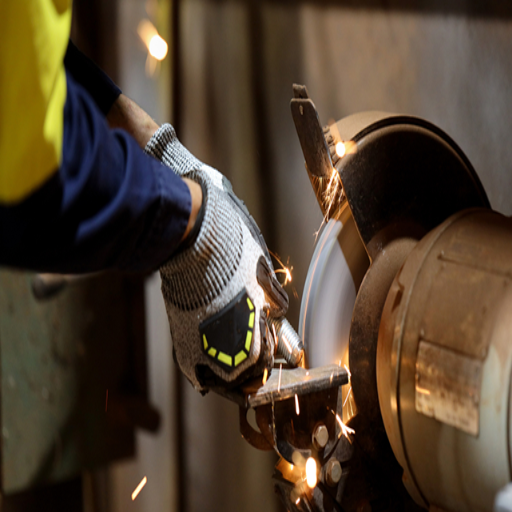
Abrasive wheels are classified broadly into aluminum oxide, silicon carbide, and CBN, i.e., Cubic Boron Nitride. Each type has various applications and advantages:
| Wheel Type | Primary Materials | Best Applications | Key Advantages |
|---|---|---|---|
| Aluminum Oxide Wheels | Steel and ferrous materials | General grinding, tool sharpening | Durable, cost-effective, versatile |
| Silicon Carbide Wheels | Non-ferrous metals, ceramics, hard non-metallic materials | Brass, aluminum, bronze, glass grinding | Sharp cutting action, smooth finishes |
| CBN Wheels | Hardened steels and alloys | Precision grinding, superalloys | Superior wear resistance, longer lifespan, shape retention |
The correct abrasive wheel depends on the type of material and the desired output.
Differences in Material Composition
Abrasive wheels are made of various materials, each with its own advantages and disadvantages for grinding specific materials. Here are differences in the materials used, with their properties and typical use cases:
Aluminum Oxide (Al2O3)
Aluminum oxide is generally used for grinding steel and other ferrous alloys. It is tough and durable and operates at an optimum speed-to-life ratio. Depending on the grade, aluminum oxide wheels are used for applications ranging from sharpening tools to precision grinding and heavy grinding.
Silicon Carbide (SiC)
Extremely hard, silicon carbide finds applications in non-ferrous metals such as brass, aluminum, and bronze, as well as in ceramics and glass. These wheels cut quickly but are less durable, making them a preferred choice where a smooth finish on brittle materials is paramount.
Cubic Boron Nitride (CBN)
One of the hardest materials for grinding hardened steels and superalloys, CBN wheels retain shape well, ensuring minimal deformation over time. Being superb thermal conductors, CBN also maintains its cutting edge when subjected to high temperatures. Tests have proven that the working life of CBN wheels is significantly longer than that of traditional abrasive wheels.
Diamond Wheels
Diamond wheels are used for grinding harsh and brittle materials such as carbide, ceramic, or reinforced composites for even more precise applications. Information has revealed that diamond materials can bear up to five times the load applied to traditional abrasive materials while achieving the highest degree of accuracy.
The wheel material controls performance, durability, and finish. An understanding of each type’s composition and working properties is essential for selecting the right tool for a specific operation and thereby optimizing efficiency and service life.
Performance Characteristics of Each Type
Diamond Wheels
Being extremely hard, trust diamond wheels for grinding tasks involving extremely hard materials, such as ceramics, glass, carbide, and gemstones. They have very high thermal conductivity, which causes less heating and, consequently, improves precision and longevity in operation. Under concentrated stress loads, these wheels retain their morphology, allowing for a constant working rate and hence high-rate material removal. While using on bars and steels, they would be chemically degraded, so they cannot be used.
CBN (Cubic Boron Nitride) Wheels
Specialized cutting of ferrous metals is performed using CBN wheels due to their exceptional thermal and chemical stability. They offer high speeds and precision—it’s just the best for machining hardened steels. CBN wheels are slightly less complex than diamond wheels, but they are more rigid and more resistant to wear. The handling of the wear by the design and structure of the wheels leads to reduced maintenance and extended life expectancy when utilized accordingly.
Conventional Abrasive Wheels
Conventional abrasive wheels, such as those made of alumina and silicon carbide, among others, have proven to be versatile and cost-effective. They are best used for general-purpose grinding-based applications on soft metals, plastics, and wood. Though less durable than the diamond mentioned above and CBN wheels, they do offer great versatility. The user must take into consideration their rapid wear rate and short lifespan when considering extensive or precision work.
Knowing the merits and demerits of each wheel gives the user a key to choosing the best one for their application and operational goals.
Cost Considerations and Longevity
When determining costs, a user should consider the price of the wheel, as well as its operating life and the frequency of replacements. For example, aluminum oxide wheels are generally cost-effective upfront, particularly in applications where demands are not too heavy. They may, however, wear away more quickly, thereby incurring more cost if the applications demand frequent replacement.
Long-term Value Analysis
Therefore, diamond and CBN wheels are far more costly upfront, but they are also long-lasting, especially in industrial applications. Many reports suggest that diamond wheels last up to 20 times longer than conventional abrasive wheels. In contrast, CBN wheels are said to be pretty durable when grinding hardened steels and other hard materials. Hence, eventually, due to infrequent replacements, using such wheels can effectively reduce costs in large-scale manufacturing.
Additionally, users should consider efficiency and precision when evaluating overall cost-effectiveness. A wheel that provides consistent performance and requires the least downtime for replacement will contribute to better productivity and lower operational expenses. These challenges, taken into account, can ensure that users make informed decisions best suited to both application requirements and budgets.
Choosing the Right Abrasive Wheel

Key Selection Criteria
- Material Type: Choose the abrasive wheel explicitly designed for the intended material, i.e., metal, wood, or stone.
- Wheel Purpose: Is the wheel used for cutting, grinding, polishing, or finishing?—select accordingly.
- Durability and Performance: A wheel with greater longevity, able to deliver consistent results, will help limit interruptions.
- Compatibility: The wheel must be compatible with your equipment in terms of size, speed, and attachment.
If you focus on these considerations, you will be sure to obtain an abrasive wheel that effectively suits your project requirements and budget.
Factors to Consider: Grit and Bond Type
Grit Size
The abrasiveness of the grinding wheel depends on the grit size, and for that reason, it is directly related to the surface finish and the rate at which softer material is removed. Coarse to fine grit sizes are available; coarse sizes are 24 and 36, while fine sizes are 120 and 220. Coarse grits are used for rough work, heavy material removal, and aggressive cutting, while fine grits are employed for precision work and smoothing out rough surfaces. A standard grit size of 60 straddles the line between material removal and finish, making it suitable for general use.
Bond Type
The bond type is the material that holds abrasive grains together in a grinding wheel. Different bond materials are used in industrial grinding; the three best-known are vitrified, resin, or rubber. Vitrified bonds are rigid and often used for making finishes in precision grinding applications, whereas resin bonds are more shock-resistant, making them suitable for high-speed operations. Rubber bonds, meanwhile, are ideal for fine finishes and suppress vibrations. For example, due to their flexibility and thermal resistance, resin-bond wheels can achieve up to 30% longer life in high-speed applications.
Grit and Bond Balance
A proper grit and bond combination is required to achieve the best results. The accuracy of manufacturing specifications is poor when using a coarse grit wheel and vitrified bond due to rough grinding on hard materials, whereas a fine grit wheel with a resin bond works well for achieving fine finishes on soft materials. Choosing the correct grit and bond combination can increase productivity by 25%, decrease downtime, and improve the overall quality of the finished product, according to industry information.
Analyzing the grit parameters and types of bonds available lays the foundation for professionals to guide them toward a suitable choice that will meet their needs in heavy material removal, surface finishing, and reliable production.
Matching the Wheel to the Type of Grinding
Choosing the correct grinding wheel for a specific grinding operation is crucial to achieving the expected working outcomes in terms of precision, efficiency, and surface quality. For surface grinding, vitrified bonded wheels with medium grit sizes are most suitable for maintaining a smooth surface finish while achieving a high removal rate. For cylindrical grinding, finer grits with softer bonds are commonly used, as dimensional tolerances tend to be tighter.
In applications that demand heavy material removal, such as rough grinding, a coarser grit with hard resinoid bonds is required to sustain the aggressive durability necessary for rapid results. In the aerospace and medical fields, for precision grinding, superabrasive wheels — such as diamond or CBN — are preferred due to their extremely hard abrasive action and ability to achieve super-fine finishes.
By almost 40%, the use of CBN wheels in precision grinding increases tool life, thereby significantly reducing replacement and downtime costs, according to statistics. Material properties of the workpiece form yet another vital consideration. Non-loading or open-structured wheels are preferable in cases where softer metals, such as aluminum, are used to avoid clogging and unwanted heating. However, harder materials, such as tungsten carbide, are better suited to diamond wheels in terms of performance and wear.
Therefore, being able to match the type of wheel to the grinding operation not only ensures higher production rates but also consistent, high-quality results across various industries.
Safety Considerations When Using Abrasive Wheels
Safely using abrasive wheels for their workers is of prime importance for avoiding injuries, hence, allowing smooth operations to take place. The Occupational Safety and Health Administration (OSHA) emphasizes that improper handling or use of abrasive wheels can pose serious hazards, including wheel breakage, flying debris, and operator fatigue.
Wheel inspection is critical in minimizing risk factors. The abrasive wheels must be inspected for cracks or damage before use, as even a minor defect could cause the wheel to fail during operation. The ring test is a straightforward method for detecting cracks. The technique entails lightly tapping the wheel and listening for a distinct ringing sound that stands for the moon’s integrity. A dull sound indicates potential damage, thus requiring replacement.
Proper mounting is another critical consideration. Wheels should be rated for the grade of the machine, as working beyond the maximum RPM will lead to the wheel bursting. The workers need to ensure that the provided flanges are secure and the correct size, offering just enough support to the wheel without interfering with its operation.
Essential Safety Equipment and Training
Abrasive Wheel Safety: Some major accessories suggested as PPE include face protective equipment, safety goggles, and gloves. They protect from sparks, grinding residue, or accidental contact with the wheel. Furthermore, grinding and cutting processes generate dust that could pose respiratory hazards. Such dust can be alleviated by collecting it through dust collection systems or using NIOSH-approved dust respirators.
Training Impact
Ultimately, operators must be thoroughly trained to comprehend handling techniques, the dangers arising from improper use, and the need to adhere to safety regulations. According to industrial safety records, former workers with adequate training are 40% less likely to be involved in accidents related to abrasive wheels. Proper preparation or a conscientious attempt to observe safety measures would largely counteract the hazards.
Applications of Different Types of Grinding Wheels

Grinding wheels are used in various industries for cutting, shaping, and finishing a wide range of materials.
- Straight Grinding Wheels: These are typically used for sharpening and fine grinding—a good choice to grind the surface and maintain the cutting edge.
- Cut-Off Wheels: Used for cutting metals, steel, and other hard materials. They are widely used in the construction and metalwork industries.
- Diamond Grinding Wheels: These are heavy-duty grinding wheels used primarily for cutting or shaping hard materials, such as glass, ceramics, and concrete.
- Bench Grinding Wheels: Employed to sharpen tools and for general-purpose tooling at workstations.
- Cylinder or Wheel Ring: Ideal for large surface grinding, it is commonly used in industrial and manufacturing settings.
Each type of diamond grinding wheel is designed for a specific application, ensuring maximum performance and efficiency in its intended use.
Metalworking Applications
Grinding wheels are crucial for metalworking, providing the proper finish and ensuring the correct functioning of the parts. These are used for shaping, sharpening, and polishing in some industries. For example, they are commonly used in the automotive industry for tasks such as grinding engine parts or surface preparation for coating. According to the capabilities of high-performance grinding wheels, a removal of 0.001 inches of workpiece material could be achieved in one pass.
Recently, advancements in grinding technology have enabled the manufacture of superabrasive wheels, which utilize diamond and cubic boron nitride (CBN). These have the best durability and performance to treat hard alloys, cutting tools, and aerospace components. Production rates using superabrasive grinding wheels were reported by studies to have increased by a maximum of 40%. Tool wear is significantly reduced, and the tool life, therefore, results in cost savings in the long run.
This signifies a shift away from the metalworking tradition of handling things by brute force, in favor of utmost precision and sustainability, presenting the capabilities of creating intricate designs with the least material waste possible.
Woodworking Applications
For woodworking, I consider superabrasive grinding wheels to be of utmost importance for achieving precision and producing a smooth finish. They can be used to work, shape, sharpen, and finish a wide range of high-density woods. Using them, I increase my production time while reducing material waste. This is highly beneficial from both economic and environmental standpoints.
Industrial and Commercial Uses
Owing to their sturdiness, accuracy, and efficiency, superabrasive grinding wheels have been extensively used in industrial and commercial settings. These tools find applications in various industries, including automotive, aerospace, and metal fabrication, for cutting, grinding, and polishing of hard materials such as metals, ceramics, and composites. Since they can maintain their edges over extended periods, they lessen downtime and enhance productivity. They are also used in manufacturing processes that require acceptable tolerances and finishes; hence, they become very essential in the manufacture of engine parts and turbine blades, as well as in electronics. Their ability to perform such tasks efficiently and remain sharp over long hours makes them cost-effective and eco-friendly from the perspective of mass operations.
Reference Sources
“Grinding Performance of Laser Cladding WC/Fe Coatings by Different Adding Methods of WC Particles”
“Experimental Research and Computer Simulation of Face Grind-Hardening Technology”
“Multimodal-Stylistic Representation of Comparison in Airtel Nigeria 4G Visual Commercials”
Frequently Asked Questions (FAQs)
What are the different abrasive wheels?
There are various kinds of abrasive wheels depending on the type of work requiring grinding. The most common ones include grinding wheels, cutting wheels, cup wheels, and diamond wheels. Each would utilize a different abrasive and grit size, matching them to stock removal or precision grinding jobs.
How to Select the Correct Grinding Wheel?
Choosing the right wheel for an application is crucial. Depending on the material being worked on, consider the operation you are performing — grinding or cutting — and the finish you intend to achieve. An aluminum oxide wheel, for example, is used in grinding ferrous metals, whereas a silicon carbide wheel will perform best in grinding non-ferrous materials.
What does the grit size on a grinding wheel mean?
The grit size of the grinding wheels determines the coarseness of the surface finish. Coarse grains are suitable for fast material removal, whereas finer grains are used for finishing and smoothing the work. It is essential to understand the differences between grades of grit so that the corresponding grinding wheel can be selected for a specific application.
Bond types used in abrasive wheels.
There are various bond types in abrasive wheels, including vitrified, resin, and metal bonds. Vitrified wheels are strong and are an excellent choice for precision grinding applications. Resin-bond wheels are less rigid and are helpful in a wide variety of grinding operations. Metal bond wheels, on the other hand, are used to grind tough materials.
What are CBN wheels, and what are their uses?
CBN wheels are used for grinding hard materials and are best suited for precision grinding applications. The cutting tools are especially suitable for work done by these wheels, which have a longer life than conventional abrasive wheels. They are widely utilized in tool and cutter grinding because they retain a sharp cutting edge and shape for an extended period.
How do abrasive wheels vary in shape and design?
Different shapes are available in abrasive wheels, including flat, cup, and dish wheels, each suited for a specific purpose. For example, cup wheels on angle grinders are used in surface grinding, while dish wheels are used in precise shaping. Understanding the country’s shape and design differences will help one avoid wasting time or money by picking the wrong wheel for a task.
What are the considerations regarding the use of grinding wheels on the grinding machine?
Make sure your grinding wheel is compatible with your grinding machine. Check the maximum RPM, bond type, and grit size of the wheel. Installation and alignment direction are essential to prevent wheel wear during the procedure.
What are the possible applications of abrasive wheels?
Abrasive wheels, being versatile, are widely employed across metallurgy, tool sharpening, and surface finishing industries. They are used for weld removal, stock removal, and achieving precise finishing on various materials. If one understands these specific uses, then selecting an ideal type of abrasive wheel will be significantly simplified.