




Saddle Grinders: The Evolution of Surface Grinding Machines
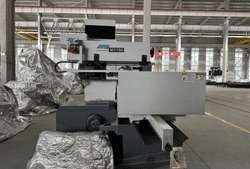
Surface grinding is an important mechanism of the precision machining industry. It is used to make sure that the parts are within challenging tolerances and that their surfaces are perfectly smooth. There are many types of surface grinding machines, yet the saddle grinder and such devices hold a special place in the history of surface grinding machines as they represent a major breakthrough in terms of technological development. In this comprehensive guide, we shall explore the technology of saddle grinders, how they are put into use, and how they remain important in today’s modern workplaces.
The Historical Evolution of Saddle Grinders

Origins in the Industrial Revolution
The saddle grinder industry can be traced back to the turn of the 20th century, when the industrial revolution took over and precision machining became the order of the day. Back then, the invention of such machines was primarily aimed at increasing productivity and providing accuracy in the grinding of flat surfaces within industries such as tools and dies.
Key Development Milestones
- Early 1900s: Human-operated saddle grinders with strong frames and accurate motion control
- Mid-20th Century: Introduction of motor-driven wheels increased productivity and performance
- Late 20th Century: Advanced materials science and control engineering improvements
- Modern Era: CNC systems enabling automated operations and complex programmability
Understanding Saddle Grinders
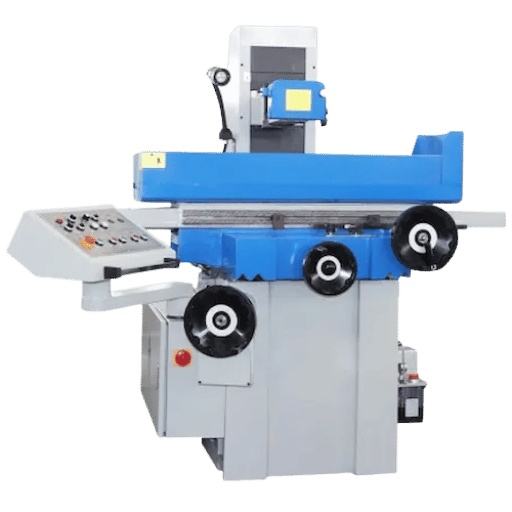
What Are Saddle Grinders?
Precision surface finishing machines designed for flat or contoured areas. The grinder moves along a saddle-shaped base, allowing for smooth control in material removal.
Core Applications
Commonly employed in precision industries, including machining tools, sheet metal, and die manufacture, where accuracy is paramount.
Technological Advancements
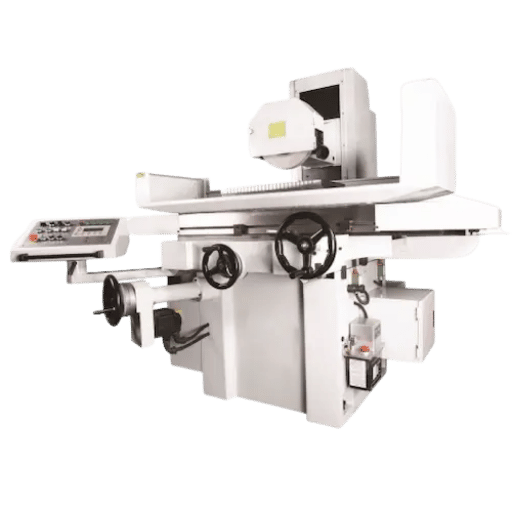
Modern CNC Integration
Current CNC surface grinders include revolutionary developments:
- Intelligent sensors for real-time monitoring
- AI-based algorithms for adaptive control
- Improved kinematics for enhanced precision
- Sustainable and energy-efficient manufacturing approaches
Industrial Applications & Uses

🛠️ Hobby & DIY Applications
Hobbyists and DIY enthusiasts rely on saddle grinders for various projects including:
- Woodworking projects requiring smooth finishes
- Metalworking and crafting activities
- Furniture restoration projects
- Custom project construction
- Intricate jewelry making
Types and Key Features
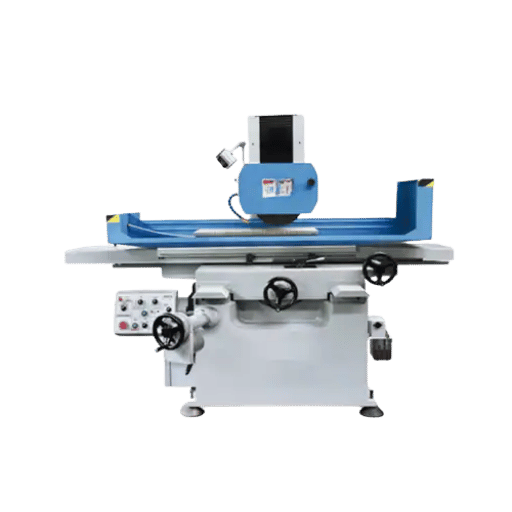
Manual Saddle Grinders
- Human-operated grinding control
- Ideal for low precision tasks
- Perfect for small quantity work
- Cost-effective solution
- Suitable for gentle grinding operations
Automatic Saddle Grinders
- Robust and heavy-duty features
- Controlled software systems
- Consistent quality output
- Best for manufacturing processes
- Time and consistency focused
🔍 Essential Features Checklist
Performance Features
- High accuracy and precision capability
- Outstanding automation level
- Performance boosted efficiency
Build Quality
- Exceptional durability
- Space and size optimization
- Material flexibility
User Experience
- Simple maintenance requirements
- Installation and use convenience
- Comprehensive safety features
Maintenance Best Practices

📋 Daily Maintenance Routine
- Ensure Safety: Grind, turn off, and unplug
- Cleaning Work Area: Clean the dust and other debris from the grinding area
- Abrasive Disk: Check for overwear or breakage
- Structural Tightening: Confirm all screws are tight
- Check Oils: Confirm no mechanics are dry and are properly on level
Ultimate Buying Guide

💡 Key Purchasing Factors
Technical Specifications
- Build quality and durability
- Motor power rating
- Grinding capacity
- Speed adjustability
Operational Features
- Ease of maintenance
- Safety mechanisms
- Portability options
- Material compatibility
Investment Considerations
- Cost vs. functionality ratio
- Warranty coverage
- Brand reputation
- After-sales support
Frequently Asked Questions
🎯Reference Sources
1. Use of a digital DC speed control device in the electric control system of a grinding machine saddle.
- Authors: Chen Yu
- Published: 2003
- Summary: This paper is about a fully digital DC speed control device that is modeled and the installation thereof in an electrical control circuit of a grinding machine saddle. The study stresses the advantages brought by digital control in the improvement of correctness and optimization of the grinding process. However, it is more than 5 years old.
2. Development of CNC M1332A Grinding Machine
- Authors: Man-Hua Wang
- Date of Publishing: 2008
- Abstract: The traditional application of the grinding machine and its computerized numerical control system development is presented in this paper, where the technological process has enhanced its machine functions and accuracy of work over the past five recent years. Abynet clearance hole is a critical tool saw machine norm saddle grinder.
3. Evaluating Charcoal Husk Flour Production Efficiency Using FFC-15 Disc Mill Type Grinder
- Author: Ridwan H. Siskandar et al.
- Released: 2024-10-23
- Outline: The purpose of this report is to examine the effectiveness of the FFC-15 disc grinder in producing rice husk charcoal flour. The primary focus of this study is to determine whether variances in moisture levels have an impact on the milling process in terms of efficiency as well as quality attributes of the flour produced. Achievement of this involves the use of a machine; dependent variables were controlled through empirical testing in terms of machine stroke speed, energy consumed, and torque drive efficiency, among other things., This research is very current as it is written in the recent past, meaning within the last five years.