




Many methods are employed in the manufacture of gears, but this article will focus on the two paramount ones: gearing and hobbing. An overview of these processes will help industry professionals, students, and inquisitive minds comprehend their differences, uses, and importance in manufacturing. In the end, this will imbue a deep respect for the technology and the men who man these methods. So, let’s open the box of secrets held by gears!
Introduction to Gear Shaping
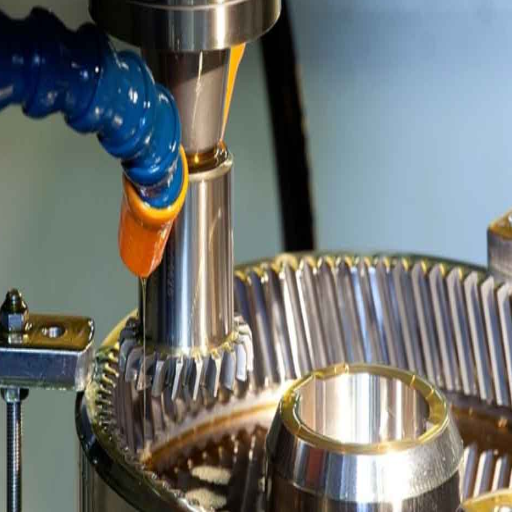
Machining is a process that uses gear shaping to cut the gear teeth of the workpiece by means of the reciprocation of a cutting tool, known as a pinion cutter or a shaping cutter. With both the cutting tool and gear blank moving in coordinated spacing, the interaction between the two is similar to the meshing between real gears in an actual mechanism. This process can be particularly effective in manufacturing internal gears, external gears, and gears with complex profiles. It is used in the industry due to its precision and value: the method is exceptionally useful in industries where the demand for quality gears varies from application to application.
What is Gear Shaping?
Gear shaping is a manufacturing process that produces gears with extremely high precision. The cutter performs a reciprocating cutting operation, also known as the shaping cutter or pinion cutter. It is an up-and-down reciprocating movement that is coordinated with the rotary movement of the gear blank in such a manner that it resembles pair action in the working of gears. The process is highly suitable for manufacturing internal, external, helical, and gear components with complex profiles.
CNC gear shaping machines offer tolerances as low as 0.01 mm
In parallel with the constant development of gear shaping technology, CNC gear shaping machines offer larger speeds and accuracies, with tolerances as low as 0.01 mm. Acceptable tolerances in precision cutting and grinding are required for the manufacture of gearboxes for automotive, aerospace, and industrial machinery, where extremely reliable and high-performance gears are placed. The process is suitable for both hardened steel and light, soft alloys, providing flexibility in both material and design. With the global market for gears anticipated to increase at a CAGR of 4.2% from 2023 to 2030, the shaping process remains an essential activity in supporting the modern mechanical engineer.
Applications of Gear Shaping
Gear shaping finds applications in multiple industries, enabling the manufacture of gears with precision and reliability, catering to various needs for both standard and specialized applications. From being able to supply the automotive sector with gears for transmission systems, differentials, and powertrains, the rise of electric vehicle (EV) adoption has made the demand for high-quality gears even more pertinent for optimized performance and efficiency, thereby fueling the industry’s growth.
Key Industry Applications:
- Automotive Industry: Transmission systems, differentials, and powertrains with increasing demand from EV adoption
- Aerospace Industry: Lightweight and high-strength gears meeting stringent safety standards (industry growing at 7.1% CAGR from 2023-2030)
- Renewable Energy: Wind energy gearbox operations with global installed capacity projected to reach 1,200 gigawatts by 2026
- Industrial Assemblies and Robotics: High-stress components maintaining operational precision
The aerospace industry benefits considerably from gear shaping as it guarantees lightweight and high-strength gears required to satisfy the stringent safety and efficiency standards of the aerospace sector. Reinforcing the demand for advanced manufacturing methods, such as gear shaping, the global aerospace industry is expected to grow at a CAGR of around 7.1% from 2023 to 2030.
Renewable energy, particularly wind energy, relies on high-quality gears to ensure gearbox operations run smoothly. The sustained growth of renewable energy installations globally underscores the need for significant advancements in gear manufacturing. Incidentally, the wind energy market has experienced booming demand, with global installed capacity projected to reach nearly 1,200 gigawatts by 2026.
Industrial assemblies and robotics rely heavily on gear shaping to create components capable of withstanding high stress and maintaining operational precision. The growing emphasis on automation and robotics has driven demand for robust and efficient gears, underscoring gear shaping as a cornerstone of industrial innovation. The flexibility and potential to serve as an interfacing mechanism for several high-growth sectors affirm gear shaping’s significance in present-day production and technology development.
Introduction to Gear Hobbing

Gear hobbing removes the gears from a block of material by progressively cutting away with an expert cutting tool known as a hob. Having the ability to cut two gears simultaneously makes it relatively fast and thus suitable for producing gear pairs with very tight tolerances, which is handy for mass production or even custom gearwork. It is versatile in producing spur gears, helical gears, and worm gears; therefore, it is commonly used in the automotive, aerospace, and industrial machine industries.
What is Gear Hobbing?
Gear hobbing is a highly accurate and versatile machining operation used to manufacture gears, splines, and sprockets. It relies on a cylindrical cutter known as a hob that rotates in concert with the workpiece in increments to incise the required gear form. The process is highly productive and can manufacture various types of gears, including spur, helical, bevel, and worm gears.
Global gear manufacturing market worth $192.2 billion in 2022
Modern gear hobbing processes have introduced significant improvements in productivity and quality. CNC systems control high-speed hobbing machines, providing much better accuracy with a tolerance as tight as ±0.001 in industrial applications. Furthermore, using cutting hobs of coated carbide material offers longer tool life and less machining downtime.
Gear hobbing finds applications in the automotive, aerospace, and robotics sectors. For instance, hobbing enables automotive manufacturing to produce transmission gears with uniform strength and durability. About gear production, the global gear manufacturing market, worth about $192.2 billion in the year 2022, is adequate evidence that gear production is widespread and practically dominant, with gear hobbing as a leading process within the industry. The process continues to be innovated in an eco-sustainable manner, utilizing energy-efficient hobbing machines and environmentally friendly lubricants.
Applications of Gear Hobbing
Gear hobbing is a versatile and widespread process due to its ability to manufacture high-precision gears efficiently. This method is routinely used in the following major industries:
Automotive Industry
Gear hobbing plays a crucial role in manufacturing gears for vehicle transmissions, engine systems, and drivetrain components. As this industry continues to expand, the demand for gears that require high precision manufacturing is increasing. The global automotive gear market is forecasted to reach a $46 billion revenue mark by 2028, underscoring the role of hobbing in meeting these demands and supporting innovations in electric and hybrid vehicles.
Aerospace Industry
Aerospace applications require high-performance gears for jet engines, landing gear systems, and actuators. Gear hobbing ensures the production of lightweight, durable, and accurate gears for these high-priority applications. Utilizing high-quality alloy materials and adhering to stringent standards, hobbing is essential to meet the demanding criteria of the aerospace industry.
Industrial Machinery
These gears often interact with conveyors, compressors, and production facilities in various industries through customized gear systems. Gear hobbing enables the manufacture of these complex custom gears with minimal waste, thereby making these machines more efficient in production facilities worldwide.
Energy Sector
In the energy sector, the gear hobbing process is crucial for the manufacturing of equipment for wind turbines and the oil and gas industry. For example, gears used in wind turbines must withstand high loads and remain reliable in harsh environments. With the rapid growth of wind power as a renewable energy source worldwide, custom processes for this industry will enjoy ever-increasing demand.
Robotics and Automation
Modern robotics and automation systems require gears that strike a balance between strength, precision, and compact size. These components are made through gear hobbing, which propels the development of robotic arms, automation systems, and AI-powered machinery.
Gear hobbing is a foundational process in the global manufacturing ecosystem, adapting to technological advancements to deliver high-quality results that meet the increasing demand from diverse industries. Application-wise, whether in conventional manufacturing or emerging ones, its relevance seems to be keeping pace with global industrial trends of precision, efficiency, and sustainability.
Advantages of Gear Shaping
The gear shaping process offers several advantages, making it essential in modern manufacturing processes. One of the advantages is that it can create a wide variety of gear types, including spur, helical spline, and many others, with great accuracy. The variability ensures that manufacturers can meet the various specifications placed on them by world industrial sectors, ranging from the automotive to the heavy machinery sector.
- Complex Gear Profiles: Gear shaping is ideal for creating complex or internal gear profiles that are difficult to produce using other methods, such as hobbing
- Flexibility and Adaptability: The process can be used to produce practically any shape and size of gears needed by prototypes or small production runs
- High Precision: Gear shaping is performed with excellent accuracy and surface finish, ensuring that the gears conform to dimensional and performance standards
- Works Well for Low Quantities: For smaller quantities, gear shaping may be a more cost-effective alternative
- Material Applicability: The process can be applied to soft metals, hardened steel, and other materials, providing it with varied industrial applications in the automotive, aerospace, machinery, and other industries
Moreover, gear shaping is ideal for creating internal gears, which sets it apart from other gear-making processes. For instance, internal gears for planetary gearboxes produced by this process are of utmost importance in applications such as wind turbines and electric vehicles, where the ability to manufacture highly tolerant gears ensures smooth operation and reduced wear over an extended period, thereby enhancing the longevity and reliability of these mechanical systems.
CNC gear shaping operates 60% faster than conventional means
With the advancement of gear shaping methods aided by CNC technology, cycle times are reduced, resulting in greater consistency in production. CNC gear shaping furnishes manufacturers with tighter tolerances and more efficient production, capable of operating at 60% faster speed than conventional means. This helped render gear shaping economically feasible once an industry wished to scale production without compromise in standards.
Gear shaping has a reputed history of improving yield and reducing wastage. With the rise of sustainable manufacturing, this factor dominates other considerations in the minds of manufacturers, driving them to comply with environmental regulations and to make achieving the necessary environmental precision and engineering efficiencies easier. These combined advantages strengthened the position of gear shaping as a crucial component in producing components that require high performance and are widely used in various fields.
Advantages of Gear Hobbing
Several advantages of gear hobbing make it a preferred manufacturing technique in modern times. Amongst these, speed and efficiency stand out as critical points. This process enables the machining of several teeth simultaneously, resulting in significant reductions in production time compared to other techniques, such as shaping or milling. In industries like the automotive or aerospace sector, which require high-volume production, this efficiency is highly valued.
- Higher Efficiency for Large-Scale Production: Gear hobbing is considered highly efficient in large-scale gear manufacturing, as it produces many gears in a relatively short period. The continuous cutting motion enables maximum productivity
- Versatile Gear Types: It is possible to manufacture various gear types, including spur, helical, worm, and spline; hence, it is a popular industrial choice among many
- Accuracy and Repeatability: Gear hobbing provides precision and repeatability, ensuring that quantities produced in a large run are all of equal quality. More precision and less room for error have become possible with CNC hobbing machines
- Cost-Effective for Large Volumes: Gear hobbing is more cost-effective at large volumes due to its high speed and efficiency, which reduce labor and running costs while maintaining good quality
- Materials Range: The process accepts various materials, including steel, aluminum, brass, and plastics, making it applicable to industries such as automotive, aerospace, and heavy machinery
Another notable advantage is the ability to produce exact and quality gears. With advances in hobbing machines and cutting tools, it is now possible to manufacture gears with tight tolerances and fine surface finishes. For example, CNC hobbing machines achieve dimensional accuracy of up to ±0.01 mm, which guarantees maximum performance of the components in various applications.
Gear hobbing is also a versatile operation. It can manufacture various types of gears, including spur gears, helical gears, worm gears, and splines. Moreover, it is capable of working with multiple materials, including steel, aluminum, brass, and plastics, thereby catering to different industrial fields such as power transmission, robotics, and heavy machinery.
Others believe that the sustainability-oriented efficiency of gear hobbing was enhanced with automation. Modern hobbing machines equipped with AI and IoT monitoring tools track tool wear, optimize cutting conditions, and minimize material waste. This aspect saved costs while making a massive difference in reducing the environmental footprint, thereby leaning toward the demand for green manufacturing.
Last but not least, the ability to place gear hobbing into mass production, reinforcing precision and mechanical properties with new technology and applications, makes the process one of the building blocks in the manufacturing world. The outstanding retention of engineering gratification at speed preserves all industries in balancing the weight of innovative and reliable mechanical components.
Difference Between Gear Shaping and Gear Hobbing
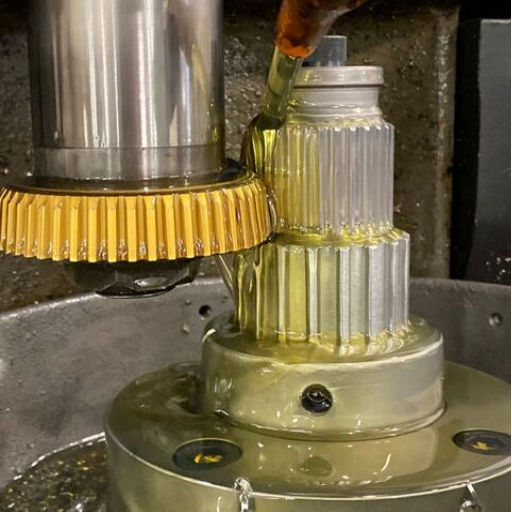
Depending on the type of application, the two methods of gear manufacturing vary.
With gear shaping, a reciprocating motion is used to slowly remove material with a cutter that has a profile similar to the gear profile, resulting in the machining of the required gear. Internal gears or gears with unusual or exceptional designs are more accurately shaped.
Gear hobbing is a continuous rotary cutting method in which a hob, a cylindrical cutting tool, rotates and cuts into the workpiece to form the gear teeth. This method is faster than shaping and is particularly well-suited for the large-volume production of external gears with high precision.
The decision about which one to choose varies according to aspects such as the type of gear required, production volume, and accuracy.
Key Differences in Processes
| Aspect | Gear Shaping | Gear Hobbing |
|---|---|---|
| Cutting Mechanism | Reciprocating motion of gear-shaped cutter | Continuous rotary cutting with cylindrical hob |
| Production Volume | Better suited for smaller production runs | Preferred for large-scale production |
| Gear Types | Internal gears, helical gears, complex designs | External gears, spur gears, bevel gears, worm gears |
| Accuracy | Tighter tolerances on complex designs | Efficient for standard designs |
| Cost Implication | Higher per-time machining costs | Lower average costs for high-volume operations |
Cutting Mechanism
Gear shaping is performed using a reciprocating motion of a gear-shaped cutter, which produces the required gear teeth. It is very suitable for the manufacture of internal gears and unusual profiles. For the other, hobbing uses a continuous rotary cutting tool called a hob that meshes with the workpiece to form the gear’s teeth gradually. Hobbing is primarily intended for producing external gears.
Production Volume
To operate in haste, high precision must be assured by gear hobbing, as this is preferred for large-scale production of any brief array. It can produce thousands of gears in a fraction of the time required for gear shaping. Gear shaping is better suited for smaller production runs or when some special configurations of gears, such as internal teeth, must be manufactured.
Gear Types and Complexity
Gear shaping is the best method for creating internal gears, helical gears, and other custom or complex designs that would be difficult to manufacture by hobbing. Conversely, gear hobbing is primarily limited to external gears, where it excels in terms of speed and precision for spur gears, bevel gears, and worm gears.
Accuracy and Tolerances
Both hobbing and shaping are capable of producing highly accurate gears, but shaping can maintain tighter tolerances on unusual or complex designs. Hobbing is efficient for more standard designs but may require an additional process, such as grinding, in some applications to achieve ultra-high accuracy.
Cost Implication
Gear hobbers, by working faster, keep the average price of items down, mainly when carried out as a high-volume operation. The outlining cost is usually higher, though. With gear shaping, on-time machining costs can increase with production volume, but it remains an economical solution for smaller runs or specialized gear designs.
Ultimately, the choice between these two methods will be primarily determined by the gear type, production scale, tolerances, and cost considerations, enabling manufacturers to adapt and meet diverse application needs.
Applications of Gear Shaping vs. Gear Hobbing
Gear shaping and gear hobbing are common to various industries, each finding its own set of applications depending on inherent advantages. Due to its capabilities of high precision and rapid manufacturing, gear hobbing is primarily employed for the mass production of gears, especially spur and helical gears. Because a large number of pieces need to be produced to consistently high quality, it is one of the heavily used processes in the automotive, aerospace, and heavy machinery industries. For example, in the automotive sector, transmission gears benefit greatly from gear hobbing, which can handle complex profiles within specified tolerances.
In contrast, gear shaping is suitable for internal gears with complex profiles, such as those in planetary gear systems, or non-standard designs, which can be used in various applications, including robotic and marine applications, as well as industrial machinery, where internal and specific gear configurations are integral to successful operation. Gear shaping also caters to smaller production ranges, making it a practical approach for specialist designs.
In recent times, advancements in CNC technology have led to further improvements in both processes. On the gear hobbing side, significant improvements in cycle time and finer precision have been achieved. On the gear shaping side, finishing cycles have been reduced, and a broader range of materials can now be shaped. In addition, as smaller batch custom components gain more importance in gear shaping towards the production of specialized renewable energy equipment, the complementary nature of these processes is in full display as the manufacturers have adapted the usage of each depending on application, scale of production, and economics.
Material Considerations
Material selection in gear shaping is crucial for achieving performance, durability, and efficiency. Carbon steels, alloy steels, and tool steels are primarily used because they offer excellent strength and wear resistance. For example, case-hardened steels can provide a hard, wear-resistant surface with a rigid core. Stainless steels are also chosen where corrosion resistance is required in environments such as marine or food processing plants.
Common Materials Used:
- Carbon Steels: Excellent strength and wear resistance
- Alloy Steels: Enhanced mechanical properties
- Tool Steels: Superior hardness and durability
- Case-hardened Steels: Hard, wear-resistant surface with rigid core
- Stainless Steels: Corrosion resistance for harsh environments
- Powdered Metals: Precise control over composition and density
- Composite Materials: Weight reduction without compromising integrity
More advanced materials, such as powders and composites, are gaining prominence because they offer tailor-made properties. Powdered metals enable precise control over composition and density, resulting in gears of uniform strength and performance. Composite materials are used where weight reduction is critical without compromising mechanical integrity.
Heat-treated gears have 50% longer operating life than untreated ones
Heat treatment, in this respect, substantially upgrades the existing material properties of the shaped materials. Carburizing, nitriding, and usual quenching form a surface layer; henceforth, excellent surface hardness and wear resistance are bestowed upon the gears, and the gears last for a good number of years. Data show that, if gears are heat-treated, their operating life increases by nearly 50% compared to untreated ones.
The newer trend gravitates toward environmentally friendly materials and sustainable production methods. Thus, recycled high-strength steel and low-carbon processes are being adopted to comply with environmental codes and lessen the carbon footprint. This enhancement goes hand in hand with the current trend toward enhancing performance while being sustainable, thus ensuring that the gears qualify for both the economic demands and environmental demands shortly.
Gear Cutting Techniques in Manufacturing

Gear cutting involves various ways for forming and sizing gears with precise industrial applications. The following are the main processes used for gear manufacturing:
Primary Gear Cutting Methods:
- Hobbing: The most common method for making spur and helical gears, in which teeth are gradually cut into the gear blank by the cutting tool called a hob
- Milling: A milling machine with specially designed milling cutters is used to produce gear teeth, making it suitable for small-batch or prototype production
- Shaping: The gear shaper uses a reciprocating motion in the cutter to produce teeth, either internal or external
- Broaching: In producing internal gear or splines, a broaching method using a toothed tool is applied, which removes material in a single sweep
- Grinding: Applied to finish gears for the highest precision and surface quality, commonly for hardened gear materials
In gear manufacturing, all these methods or a combination thereof are chosen, depending on the quantity, material type, and accuracy required, to minimize the cost.
Overview of Gear Cutting Methods
When deciding on the gear-cutting method, many factors come into play, including production volume, material type, precision requirements, and economic factors. Here is a comprehensive overview based on general industry practices:
Key Decision Factors:
- Production Volume: For mass production, methods such as hobbing or broaching are preferred due to their speed and scalability, while milling or shaping tend to be used for small production runs or in custom gear manufacturing
- Material Type: The hardness and machinability of the material significantly impact the actual cutting process. A steel material is hard; therefore, harder materials require more complex machining processes, such as grinding, or demand special cutting tools. On the other hand, soft materials like aluminum permit easier machining
- Precision and Surface Quality: Enhanced accuracy and improved surface finishes can be achieved by grinding and finishing after the initial cutting processes, such as hobbing or shaping
- Cost Efficiency: The entire cost must include the wear on tooling, setup time for machines, and operating time. In cost terms, hobbing is very competitive for the medium to high-volume category, while the finer choice through grinding, being much more costly, is reserved for the truly exceptional
Once these factors are considered and the method is chosen accordingly, manufacturers can maximize productivity while simultaneously providing a product that meets the standards of function.
Choosing the Right Gear Manufacturing Process
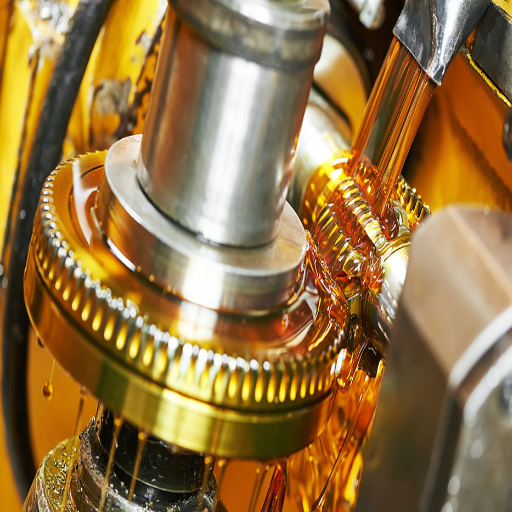
Consider the unique application requirements when choosing the appropriate gear manufacturing process, such as the size, material, precision, and volume of production required for the gear. CNC machining is well-suited for high-precision and complex designs. If low cost and speed for bulk production are of prime importance, then gear hobbing or injection molding might be suitable options. Always consider whether the process goes well with the selected material and the design standards applicable to the project before rushing into conclusions.
Factors to Consider
If gear manufacturing options are evaluated, the following particulars shall be considered for this:
| Factor | Considerations | Impact on Process Selection |
|---|---|---|
| Material Properties | Durability, strength, and atmospheric resistance | Steels/brass for high strength, plastics for light/inexpensive applications |
| Manufacturing Tolerance | Precision requirements | CNC processes for severe tolerances, injection molding for acceptable variances |
| Production Volume | Quantity vs. cost optimization | Hobbing/injection molding for mass production, machining/3D printing for custom designs |
| Design Complexity | Geometric complexity | CNC machining/additive manufacturing for complex geometries |
| Application Requirements | Temperature, load, and speed conditions | Higher-grade materials and precise techniques for high-stress applications |
Detailed Factor Analysis:
Material Properties: The material must have durability, strength, and resistance to atmospheric conditions. For instance, steels and brass are used when higher strengths are required, while certain plastics suffice if being light and inexpensive are the main desired characteristics. Make sure that the material properties align with your performance requirements.
Manufacturing Tolerance and Precision: In applications that require severe tolerances, CNC-machined processes are often selected due to their precision. Injection molding, for example, is a lot less precise manufacturing method, but is perfect for production runs of quantities for which a slight variance in output is acceptable.
Production Volume vs. Cost: Gear hobbing and injection molding are methods that are most cost-efficient when mass production is involved, resulting in high efficiency and lower per-piece costs. Processes like 3D printing or machining present more flexibility at higher costs when involved in low-volume or custom designs.
Design Complexity: Very complex gear designs are best served by CNC machining or additive manufacturing, which excel at handling complex geometries compared to conventional methods.
Application Requirements: Conditions such as operating temperature, load, and speed are to be taken into consideration. High-stress levels may require higher-grade materials and precise manufacturing techniques to ensure that the gears perform optimally and achieve their desired lifespan.
Future Trends in Gear Manufacturing
Advancements in gear manufacturing have been increasingly demanding precision, efficiency, and sustainability. From a mechanical engineering perspective, the integration of artificial intelligence and machine learning into production procedures requires designers and engineers to think more strategically about design and optimization. Additive manufacturing works as a blessing for creating complex geometries while reducing material waste. New materials and coatings promise better protection and performance under harsh operating conditions. Sustainability is also becoming increasingly high on the agenda, with green methods being the order of the day, and recycling initiatives charting the industry’s future. Together, these developments hint towards more innovative and sustainable manufacturing.
Emerging Trends:
- Artificial Intelligence & Machine Learning: Strategic design and optimization integration
- Additive Manufacturing: Complex geometries with reduced material waste
- Advanced Materials & Coatings: Enhanced protection and performance in harsh conditions
- Sustainability Focus: Green manufacturing methods and recycling initiatives
- Smart Manufacturing: IoT monitoring and automated optimization
Final Thoughts on Gear Shaping and Hobbing
Gear shaping and hobbing continue to provide for the manufacturing industries with precise and efficient gear production. Gear shaping is suitable for the production of internal gears, splines, and gears with unusual profiles, while hobbing is the best process for producing external gears and sprockets. Both enhanced CNC machines have added to their accuracy and production speed. A decision between these two processes is made depending on the type of gear, complexity, production volume, and economics. From the perspective of modern tool coatings, high-speed operation, and environmental considerations, these methods remain viable and will continue to adapt to changes in the industry. The marriage of innovation and tradition enables the manufacturers to provide gears with the best performance and longevity.
Key Takeaway: Choose gear shaping for internal gears and complex profiles, gear hobbing for external gears, and mass production
Reference Sources
The mathematical model of spiral bevel gears – A review
Dynamic analysis of the cutting forces in gear hobbing
A parametric analysis of the gear surface roughness after hobbing
Frequently Asked Questions (FAQs)
What considerations are involved in gear hobbing and gear shaping?
Both gear hobbing and gear shaping are standard processes of cutting teeth into gears. Gear hobbing is executed on a specialized work center known as a gear hobbing machine, where a rotating cutting tool, called the hob, is used. This process is faster and can be used to manufacture a variety of gear types. Gear shaping, on the other hand, is considered more accurate and is used for gears that must conform to precise tooth profiles. A mechanical gear shaper takes the user cutter through a linear motion to cut the teeth.
How does gear shaping manage to achieve an excellent accuracy?
Gear shaping is typically preferred in extremely accurate applications because it enables precision in the cutting action. It enhances the accuracy of the cutter’s movement, allowing the formation of smooth gear surfaces and complex tooth profiles. This would be especially useful where the tooth width is low and complicated gear geometries are more challenging to attain by other methods.
How does the gear hobbing process work?
A series of cuts is made utilizing a tool known as the hob. The automated hob is designed to progressively cut the teeth into the material, allowing gears to be produced efficiently. The process starts by feeding the gear blank into the hobbing machine; the hob then rotates and cuts splines and sprockets on the material as required. Gear hobbing is a highly flexible and widely used process of making gears.
What types of gear can be produced using gear hobbing?
Gear hobbing can create a wide range of gears, from simple spur gears to complex helical and bevel gears. The versatility of the gear hobbing machine allows production of various gear sizes and shapes, including those with complex tooth profiles. It is most helpful in making gears with a module between 2.5 and 5, and therefore suited for many mechanical applications.
Is gear shaping also used for all types of gear manufacturing?
Gear shaping is a very accurate and fairly versatile method of gear cutting, but it is not suitable for certain types of gear manufacturing. It is best for gears requiring high precision and complex geometries. For simpler gears or those intended for high-volume production runs, gear hobbing is likely the more suitable method. It is the particular requirements of the gear design that dictate the technique.
What advantages are offered by the gear-hobbing machine?
The gear hobbing machine features several special characteristics, including fast production speeds, the ability to produce gears of consistent quality, the versatility to work with a wide range of materials, and the capacity to cut teeth efficiently with minimal manual intervention. Gear hobbing also offers the advantage of producing gears with good surface finishes and tolerances, and for some manufacturers, it is generally the preferred method.
How does the cutting action of a hob work in gear hobbing?
The cutting action used in gear hobbing with the hob is helical. The hob rotates, and as it does, it progressively cuts the teeth into the workpiece while engaging with the material of the gear blank. The hob is designed to cut several teeth at the same time, thereby considerably increasing production efficiency. This also guarantees smooth and well-formed surface formations of the gears.
What is an index hob, and what role does it play in gear manufacturing?
An index hob is a special type of hob fitted with adjustable cutting angles to produce a particular tooth profile. It is generally prevalent in situations where multiple gear types may need to be manufactured, each with different tooth configurations. By altering the indexing of the hob, different gears can be manufactured quickly without the need for multiple tools, thereby significantly speeding up the gear manufacturing workflow.