


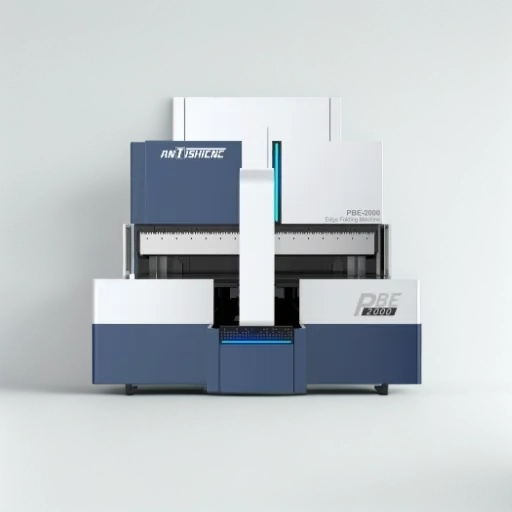
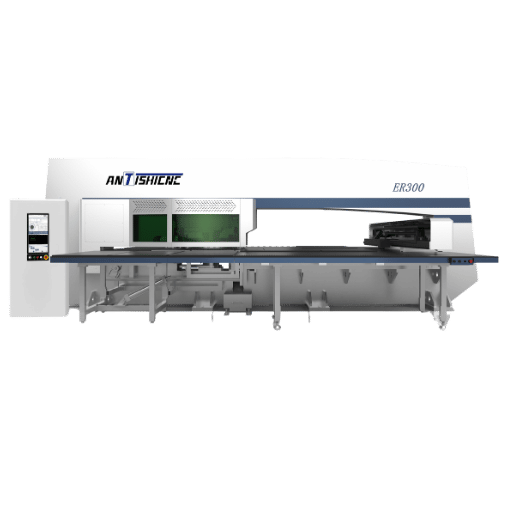
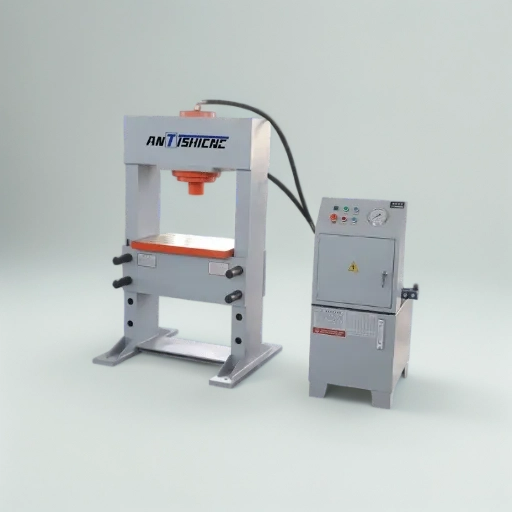


At the basis of many industries are steel-cutting machines, being the essential tool for manufacturing, construction, automotive, and many other applications. The choice between the cutting machine for cutting sheet metals into precision parts or that for cutting thick steel plates into heavy-duty applications is that of an essential consideration.
This extensive guide navigates through the realm of steel cutting machines and their essential characteristics, types, and applications. We will look into the technology behind these powerful-working tools and will guide you in choosing the right machine for your needs.
Types of Steel Cutting Machines
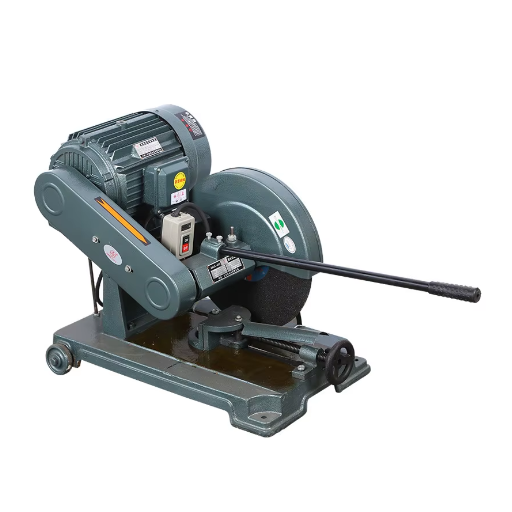
Laser Cutters
Laser cutters use focused beams to cut materials with extremely high speed and precision. They have all sorts of applications, including manufacturing, automotive, and aerospace; yet another creative area of their application is to cut for highly intricate designs.
Key Features of Laser Cutters
- Precision and Accuracy: Accuracy to ±0.1 mm and tolerance for handling very complicated and detailed shapes.
- Material Versatility: Can cut numerous materials from metals (ss, aluminum) to plastics and wood.
- Fast Cutting: Maximum cutting speed will be 20 m/min on thin metal, resulting in increased production.
- Less Waste: Due to cutting accuracy, materials lost in the operation are minimal, and so costs and the environmental impact are low.
Types of Laser Cutting Technologies
| Type | Best For | Key Advantages |
|---|---|---|
| CO₂ Laser Cutters | Non-metallic materials (wood, plastics, glass) | Cost-effective, excellent for engraving |
| Fiber Laser Cutters | Reflective metals (aluminum, brass) | Energy efficient, powerful cutting capability |
| Crystal Laser Cutters | Thick metals, industrial applications | YAG technology, heavy-duty cutting power |
📈 Market Growth: The global laser cutting machines market is expected to grow at 9.3% CAGR, reaching $6.72 billion by 2030
Plasma Cutters
Manufacturing and fabrication industries have come to rely on plasma cutters to swiftly factor in materials considered electrically conductive. Varieties of metals such as steel, aluminum, brass, and copper are jet-cut by this installation with one high-temperature plasma arc.
Modern Plasma Cutting Advantages:
- Fast cutting speeds on thick materials
- Works well on various conductive materials
- Cost-effective compared to other thick metal cutting methods
- CNC-controlled systems for complex, repeatable designs
- Portable options available for small-scale operations
📊 The plasma cutting market expects 5.2% annual growth, driven by increasing demand in construction, automotive, and aerospace sectors
Waterjet Cutters
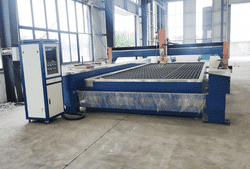
Waterjet cutters are versatile and environmentally friendly tools that cut various materials using high-pressure water jets, sometimes combined with abrasives. They excel at producing extremely precise, clean cuts without introducing heat that could cause thermal distortion.
Waterjet Cutting Specifications
| Specification | Performance |
|---|---|
| Maximum Pressure | Up to 90,000 psi |
| Material Thickness | Up to 12 inches |
| Tolerance | ±0.005 inches |
| Environmental Impact | No harmful fumes, recyclable water |
Industry Applications
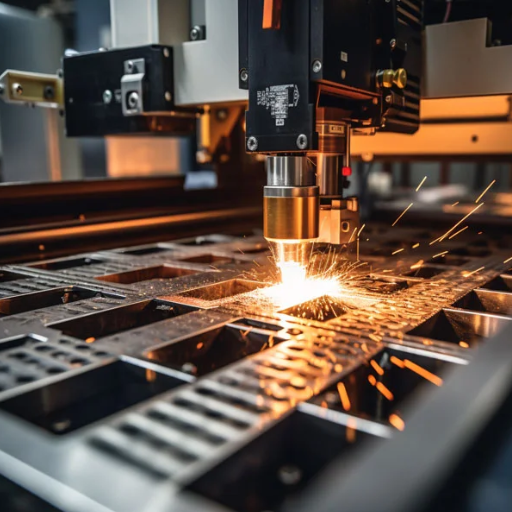
Construction Industry
- Custom flooring and countertops
- Decorative wall panels
- Stone, tile, and concrete cutting
- Precision metalwork for structural components
Market projected to reach $1.5B by 2030 (5.4% CAGR)
Automotive Industry
- Electric vehicle component manufacturing
- Custom part production
- Safety-critical components (airbags, brakes)
- Lightweight material processing
4.5% CAGR growth (2023-2028) driven by EV expansion
Aerospace Applications
- Turbine blade manufacturing
- Fuselage components
- Precision panels (±0.003″ tolerance)
- Advanced composite materials
30% reduction in material waste vs. conventional methods
Advantages and Limitations Comparison
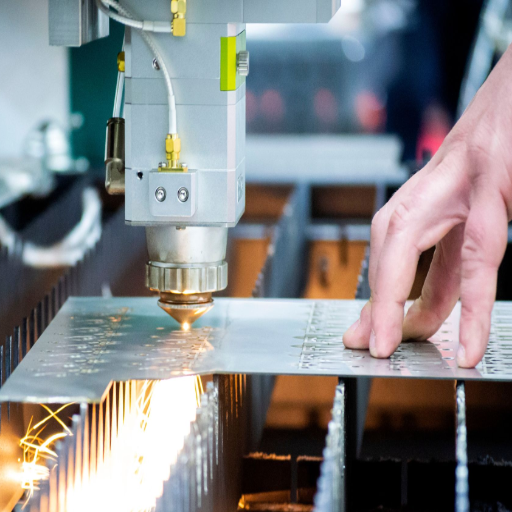
Laser Cutting Machines
✅ Advantages
- Highest precision and speed
- Clean edges with smooth finish
- Wide material versatility
- Minimal material waste
- No heat-affected zones
- 50% less energy consumption (fiber lasers)
❌ Limitations
- Higher initial investment
- Limited thickness capacity
- Reflective materials can be challenging
- Requires skilled operators
Plasma Cutting Machines
✅ Advantages
- Cost-effective for thick materials
- Fast cutting speeds
- Portable options available
- Good for rough cutting operations
❌ Limitations
- Less precision than laser cutting
- High energy consumption
- Limited to conductive materials
- Rough edges requiring finishing
- Noisy operation with safety concerns
- Slower on complex patterns
Waterjet vs. Mechanical Cutting
| Factor | Waterjet Cutting | Mechanical Cutting |
|---|---|---|
| Precision | Extremely high (±0.005″) | Moderate |
| Material Range | Nearly unlimited | Limited by tool hardness |
| Heat Impact | Cold cutting (no thermal distortion) | Heat generation possible |
| Setup Time | Moderate | Quick |
| Operating Cost | Higher | Lower |
| Tool Wear | Minimal | Significant |
Maintenance and Safety
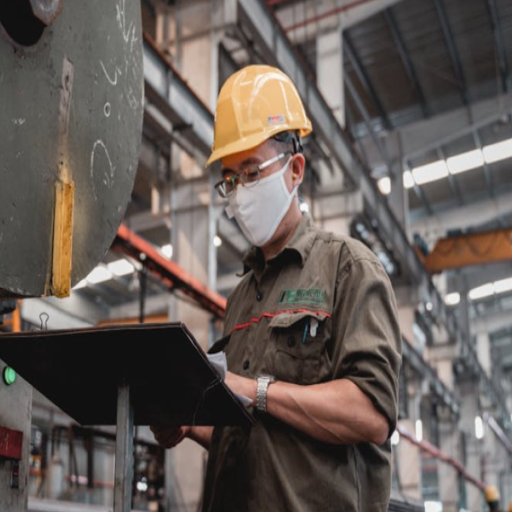
Maintenance Best Practices
Daily Maintenance Tasks:
- Clean machine surfaces and work areas
- Check consumables and replace as needed
- Lubricate moving parts according to schedule
- Inspect nozzles, pumps, and cutting heads
- Monitor cooling system functionality
Common Issues and Solutions
| Problem | Common Causes | Solutions |
|---|---|---|
| Overheating | Insufficient lubrication, clogged vents | Clean cooling system, proper lubrication |
| Excessive Vibration | Loose components, misalignment | Check alignment, tighten bolts, replace bearings |
| Irregular Noise | Worn bearings, loose belts | Replace bearings, adjust/replace drive belts |
| Inconsistent Quality | Calibration issues, worn consumables | Recalibrate system, replace consumables |
Safety Guidelines
Emergency Procedures
Essential Emergency Elements:
- Clearly marked evacuation routes
- Emergency communication systems
- First aid stations and trained personnel
- Fire suppression equipment
- Emergency shutdown procedures
Technology Integration:
- Automated emergency alerts
- Digital safety guides
- Employee tracking systems
- Smart helmets with hazard detection
- AI-driven monitoring systems
Latest Technological Advancements
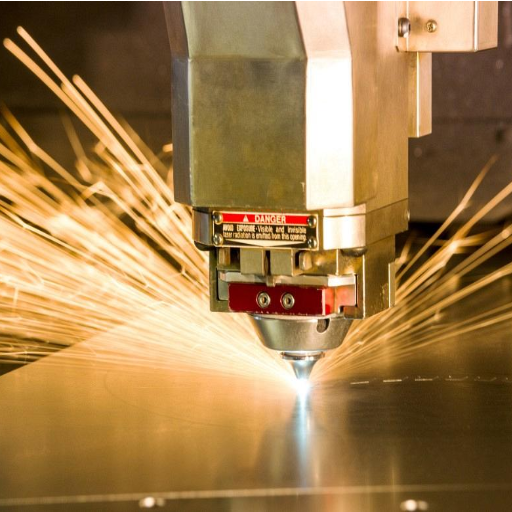
AI Integration in Cutting Systems
Artificial Intelligence has changed systems of cutting throughout industries-two cutting systems for manufacturing and medical purposes. Modern AI systems employ best algorithms to enhance cutting performance, reduce material waste, and improve efficiency.
The AI-Laser Cutting Market at CAGR of 8.6% (2021-2026)
AI Benefits in Cutting:
- Automatic Material Recognition (AMR)-Systems identify material types and set parameters accordingly
- Predictive Maintenance-AI algorithms predict maintenance to failure of control equipment before the occurrence
- Computer Vision Integration-Advanced pattern recognition, especially for complex cutting operations
- Reduction in costs-Costs reported to have been reduced by as much as 30%
- Quality-Increased quality of the cuts with consistent performances output results with limited human intervention
Automation Features
CNC Integration
- Advanced computer numerical control
- Robotic arm integration
- Machine learning algorithms
- Real-time monitoring and adjustment
Smart Monitoring
- IoT sensor networks
- Performance analytics
- Energy consumption tracking
- Quality assurance systems
📊 Global CNC machine market projected to reach $132 billion by 2027 (5.6% CAGR)
Smart Performance Features
| Technology | Function | Benefits |
|---|---|---|
| IoT Sensors | Real-time monitoring | Performance optimization, predictive maintenance |
| Adaptive Control | Dynamic parameter adjustment | 30% reduction in material waste |
| Machine Vision | Quality inspection during cutting | Defect-free results, enhanced quality |
| Predictive Analytics | Maintenance scheduling | 25% reduction in maintenance costs |
Frequently Asked Questions
What are the different kinds of cutting machines for cutting metals?
Metal cutting is done by different types of machines. These include CNC cutting systems, plasma cutting machines, and laser cutting machines. CNC systems offer the highest precision and automation for intricate shapes; plasma cutters are good for thick materials and steel plates; and laser cutting systems (mostly fiber) offer the highest precision for intricate designs. Each one is best suited for certain materials and end requirements.
How do CNC cutting machines work?
CNC cutting machines cut metal parts with high precision by means of pre-programmed instructions. Computer control directs the cutting tool through very exact movements with respect to the metal sheets or plates. CNC systems can also be used in laser, plasma, or mechanical cutting, and will automatically compensate for cutting speed, cutting depth, or any other factor to achieve uniform results from a fabrication process.
How is laser cutting different from plasma cutting?
Laser cutting involves the cutting of metals through a highly focused laser beam to vaporize metals at an extremely fine level with smooth edges; so, they are usually used for intricate works on stainless steel and thin materials. Plasma cutting, on the other hand, sets through metal using ionized gases and works well on thick materials like carbon steel plates. The plasma cutter win because of less operating cost in comparison to the laser cutter, which offers the highest accuracy for complex designs and engraving.
Materials on which metal cutting machines can work?
Metal cutting machines treat materials such as stainless steels, aluminum, carbon steel, alloy steel, among others. Generally, the kind of machine depends upon the material at hand and the cutting requirements set out. Fiber laser cutters would best fit the requirements of stainless and aluminum sheets, whereas plasma cutters best suit thick carbon steel. Knowledge of metal properties will help in the adoption of the most suitable cutting technology to the metal fabrication process so that it becomes efficient.
What is cutting speed influence in metal cutting?
Cutting speed determines the quality of production and efficiency within metal-cutting operations. Heat generated, tool wear, and performance in cutting are affected by cutting speed. Means for raising cutting speeds increase production while the risk of overheating and excessive tool wear prevails. Lower speeds correspond to precision but have longer production time. So, the right cutting speed optimized in terms of material properties and requirements strikes a perfect balance between work efficiency and quality.
What are the benefits of fiber laser cutting?
Compared with other methods, fiber laser cutting machines offer excellent cleanliness as they achieve narrow kerf widths, benefit from low energy consumption and maintenance costs (in contrast to CO2 lasers and plasma), and are able to cut a variety of materials such as stainless steel and aluminum, welding, etc. With fiber laser modules, metal fabrication is made much more efficient, which helps to reduce wastage of time and operational costs.
Conclusion
The steel cutting industry keeps changing with technological advancements in AI integration, automation, and smart manufacturing. Should you be buying laser cutters for high precision work, plasma cutters for heavy-duty works, or waterjet systems for whatever materials that may come their way, you need to be conversant with the capabilities and limitations of each technology to make the right choice.
With markets enlarging and technology evolving, you want to make sure that purchasing the best cutting solution now places your operation in good stead with the future. Depending upon your exact requirements, your material types, production volumes, and quality standards, one or the other among these metal cutting powerhouses comes crushing through.
Reference Sources
-
Design of Cutting Head for Efficient Cutting Machine of Thin-Walled Stainless Steel Pipe
This paper discusses the design and efficiency improvements in cutting machines for thin-walled stainless steel pipes.
Link to the source -
Trends in Research on Metal-Cutting Machines
This article explores the design and advancements in metal-cutting machines, including numerically controlled systems.
Link to the source -
Structural Precision of Metal-Cutting Machines
This research focuses on the structural precision of metal-cutting machines and its impact on quality and performance.
Link to the source -
Smart Cutting Tools and Smart Machining: Development Approaches and Applications
This paper examines the development and application of smart cutting tools and their integration into modern machining processes.
Link to the source -
Metal Cutting Technologies: Progress and Current Trends
This book provides an overview of advancements and trends in metal cutting technologies for modern industries.
Link to the source