





Heavy-duty swivels are a crucial component in ensuring reliability and durability in harsh environments across various industries. Selecting the correct type of swivel can significantly impact both performance and safety, whether you engage in machinery synthesis, industrial lifting, or marine design. This blog post focuses on heavy-duty swivels and examines two standard material options—steel and stainless steel. We will discuss the properties, advantages, and ideal uses of each, so you can judge for yourself which one best suits your particular requirements. It’s time to examine the factors that distinguish these materials and select the most suitable ones for your application.
Understanding Heavy Duty Swivels
Definition and Functionality of Swivels
Swivels, being mechanical, permit rotatory movements between the components they interconnect, so that cables will not spiral. It is useful where flexibility and movement are required. Constructions, marine, fishing, and heavy engineering commonly require swivel devices. Essentially, a swivel is a pivoting joint or mechanism that allows two parts to rotate independently while maintaining a secure connection.
The modern swivel has many capacities and designs for different uses. Heavy-duty swivels have high load capacities; in some cases, they are designed to support weights of tens of tons. They are typically made of steel or stainless steel to withstand harsh conditions, such as heavy tension, rust, or weathering.
Stainless steel swivels, it has been stated, are highly corrosion-resistant and hence suitable for marine or outdoor applications, where such materials would be exposed to water and salt; finish. Steel swivels, on the other hand, offer the highest strength and are used in applications where heavy lifting is involved, such as construction site work or industrial machinery.
Swivels serve to prevent the drawback of torque, which may produce numerous unpleasant effects on the connected system, thereby limiting wear. For instance, when cranes are operated, swivels are utilized to prevent cables or ropes from twisting under heavy load, thus significantly increasing efficiency and safety. In the oil and gas industry, swivels are also crucial in pipelines to accommodate pressure variations and movement.
With improvements in manufacturing, swivels can achieve high precision engineering, thereby enhancing the smoothness of rotation, reliability, and longevity, making them indispensable for numerous applications. In simple terms, whether you are picking out a swivel for simple rigging work or the more complex industrial procedure, being able to identify unique qualities and capacity-shaped swivels will help you in enhancing efficiency.
Key Features of Heavy Duty Swivels
1. High Load Capacity
Heavy duty swivels are designed to handle big loads while retaining their functionality. Depending on several factors, including model and material, these load capacities range from several hundred pounds to over 50,000 pounds, making them suitable for industrial use or construction activities that require such heavy applications.
2. 360-Degree Rotation
Perhaps the main attraction of any heavy-duty swivel is that it can perform a full 360-degree rotation. This rotation allows a greater range of movement and reduces stress on components attached to the swivels. When swivels rotate freely, they prevent the tangling and twisting of cables, chains, or ropes, thereby ensuring safer and more efficient operations.
3. Durability of Materials
Heavy-duty swivels are typically made of materials such as stainless steel, carbon steel, or high-alloy steels to resist corrosion, wear, and weathering. Stainless steel swivels are highly appreciated for their rust resistance, and thus they find extensive applications in marine and outdoor activities.
4. Precision Engineering
Due to advances in manufacturing processes, heavy-duty swivels are designed and engineered with maximum precision, incorporating special features such as sealed ball bearings or frictionless mechanisms that enhance operation and prolong its lifespan, reducing mechanical wear.
5. Variety of Sizes and Configurations
Heavy-duty swivels come in various size variants, ranging from small ones used for light work to large ones designed for heavy equipment. Additionally, configurations such as jaw-to-jaw, jaw-to-eye, and eye-to-eye provide them with a wide range of applications in rigging.
6. Testing and Certification
Due to thorough testing, heavy-duty swivels meet industrial standards in terms of security and performance; many models possess certifications such as ISO 9001 or CE compliance, thereby ensuring native reliability.
7. Temperature and Pressure Resistance
This heavy-duty swivel is capable of operating in hostile environments, dealing with extreme temperatures, or sudden pressure fluctuations; hence, it can be used in highly challenging fishing grounds, working cranes, and other development areas.
8. Applications of Heavy Duty Swivels
Heavy-duty swivels have indispensable utility in construction, marine, oil and gas, and manufacturing applications. Their robustness and versatility optimize performance and safety, ensuring smooth operation in diverse and complex conditions.
Common Applications of Heavy-Duty Swivels
1. Construction Industry
Heavy-duty swivels are used in construction equipment, ranging from cranes to hoists, to rotate loads freely, thereby improving stability and balancing forces in the lifting system. For example, in tower cranes, swivels permit the accurate positioning of heavy materials in the working area, thereby improving the overall efficiency of the construction operation. Industry reports indicate that the global construction equipment market was valued at approximately USD 180 billion in 2022, highlighting the rising demand for components such as heavy-duty swivels.
2. Marine Sector
In the marine industry, heavy-duty swivels are utilized in anchoring systems, mooring lines, and fishing gear. These swivels prevent ropes or chains from twisting while subjected to heavy loads transferred by strong ocean currents or wave motions. Research indicates that by 2023, the global marine equipment market is expected to grow at a rate of 3.5% annually, driven by the expanding maritime trade and rising demand for reliable components in harsh environments.
3. Oil and Gas Industry
The oil and gas sector relies heavily on heavy-duty swivels in drilling rigs, offshore platforms, and subsea operations. These swivels can handle significant pressure changes and intense operational demands. For example, in rotary drilling systems, swivels ensure the drill pipe rotates smoothly, even under extreme conditions. Studies estimate that the offshore drilling market will exceed $50 billion by 2027, pushing the demand for advanced swivel solutions.
4. Manufacturing and Material Handling
Heavy-duty swivels enable efficient multidirectional movement, thereby reducing friction and wear on machinery used for material handling equipment, such as conveyor belts and robotic arms. With the global automation market predicted to cross $200 billion in 2025, production lines are more than ever relying on heavy-duty swivel solutions to remain effective.
By meeting the specific requirements of these industries, heavy-duty swivels have proven their applicability and indispensability in ensuring safety and performance in even the most challenging applications.
Materials Used in Heavy-Duty Swivels

Benefits of Steel and Stainless Steel Swivels
Steel and stainless steel are among the favored materials used for manufacturing heavy-duty swivels due to their exclusive properties. Steel, which is undoubtedly one of nature’s strongest materials, imparts the strength required by swivels to withstand high stress and heavy loads in industrial applications. Stainless steel, on the other hand, offers the primary advantage of corrosion resistance when the application is exposed to environments involving moisture, chemicals, and adverse weather conditions.
In recent years, stainless steel has become the most preferred material for outdoor and marine applications; its anti-corrosive attributes increase component life by nearly 30% over ordinary steel in harsh environments. To this end, improved steels, such as 316 stainless steel alloys, have been designed to provide good resistance to pitting and crevice corrosion in chloride-rich environments, including seawater and industrial chemicals.
Thanks to their high tensile strength, steel swivels find applications in heavy machinery, automotive, construction, and other industries, where they provide their full strength with minimal deformation under high load-to-pressure levels, ensuring safety and reliability. According to observations of the industrial metals market, the growth in steel use within manufacturing industries exceeds 2% per annum, further underscoring its importance in heavy-duty applications.
With these selections, manufacturers can cater to a wide array of industries, from offshore drilling to logistics, offering swivels that not only provide consistent performance in demanding applications but also guarantee long-term cost savings due to lower maintenance expenses throughout their life cycle.
316 Stainless Steel vs Other Materials Comparison
316 stainless steel is praised for being virtually indestructible to corrosive actions, making it the priority choice for industries that operate in comparatively harsh environments such as marine, chemical processing, and food production. It accomplishes this through a large amount of molybdenum, typically ranging from 2 to 3 percent, which enables it to withstand pitting and crevice corrosion to a greater degree than other stainless steels, such as 304. For example, while 304 is suitable for general-purpose applications, it lacks the advanced resistance to chloride-induced corrosion provided by 316; hence, 316 becomes irreplaceable in saltwater and high-chloride-demand environments.
Also, 316 stainless steel is superior to carbon steel in terms of longevity and durability. Carbon steels, despite their low initial costs and ease of welding, rust quickly, requiring frequent maintenance or protective coatings to resist environmental degradation. On the other hand, 316 stainless steel has the advantage of requiring little maintenance itself and high resistance to extreme temperatures, up to 1472°F or 800°C, making it an optimal solution for materials inextricably exposed to both high heat and moisture.
Yet in many demanding applications, titanium provides the strength-to-weight and corrosion performances that compete with 316 stainless steel. The associated costs of titanium, however, are a strong deterrent: is about four to five times that of 316 stainless steel. For many industries, therefore, 316 stainless steel offers an attractive combination of performance versus cost.
Finally, duplex steels, such as 2205, offer more robust mechanical properties and enhanced corrosion resistance compared to 316 stainless steel. However, they are frequently over-specified for general-purpose uses, presenting additional complications with fabricating and welding, all adding to the upfront costs.
Corrosion Resistance (Chloride Environment) According to Material Testing data:
- 316 SS performs exceptionally well with a PREN number of about 23 to 28.
- 314 Stainless Steel with PREN of 18-20.
Ultimate Tensile Strength (MPa):
- 316 Stainless Steel: ~515 MPa
- Carbon Steel (A36): ~400 MPa
- Duplex Steel (2205): ~620 MPa
Operating Temperature (°C):
- 316 Stainless Steel retains its properties and performs well up to 800°C, whereas 304 and carbon steel have much lower limits.
Due to its versatility, affordability, and superior performance under demanding conditions, 316 stainless steel remains one of the essential materials for meeting various industrial requirements that fall between those of general-purpose stainless steels and high-cost titanium or duplex alloys.
Durability and Corrosion Resistance
316 stainless steel grade is considered an extremely durable stainless steel with unparalleled corrosion resistance; in fact, neither austenitic nor other stainless steels are considered equivalent to it. This resistance stems from a relatively high molybdenum content, which protects against pitting and crevice corrosion, particularly in environments with high chloride concentrations, such as those found in marine, industrial, or chemical settings.
Recent studies suggest that 316 stainless steel holds up well even under prolonged exposure to harsh chemicals, saltwater, and acidic solutions. It is subjected to oxidation resistance at around 870°C (1598°F) for intermittent exposure and about 925°C (1697°F) for continuous exposure. Hence, it is implemented in the chemical, pharmaceutical, and food processing industries.
Testing of 316 stainless steel reveals a tensile strength of approximately 515-620 MPa, enabling the alloy to sustain significant stress and deformation without compromising its integrity. Additionally, the material demonstrates exceptional durability in terms of creep rupture strength and stress corrosion cracking resistance, particularly in demanding working environments.
It is the corrosion resistance qualities that distinguish this alloy most spectacularly in chloride and bromide environments. In such settings, it surpasses the much more vulnerable 304 stainless steel. Therefore, industries such as desalination plants, offshore oil rigs, and wastewater treatment facilities prefer to use 316 stainless steel for components like valves, pumps, and heat exchangers.
By combining good durability with outstanding corrosion resistance, 316 stainless steel remains a viable and cost-effective solution for a wide range of industrial and commercial applications.
Types of Heavy Duty Swivels
Heavy Duty Chain Swivels
Heavy-duty chain Swivels are the major spec valves that prevent chain twisting and tangling under heavy loads in many industrial applications. These swivels are made of heavy-duty materials, such as stainless steel and galvanized steel, to resist corrosion in weather conditions offshore or in the marine environment. Heavy-duty chain swivels enable the free movement of the load and are used where there is a risk of chain tangling and twisting. Consequently, the maritime, construction, towing, and rigging industries can benefit from improved efficiency and extended equipment life.
Key Features and Specifications
- Material: Heavy-duty chain swivels are available in stainless steel 316 or 304, which is resistant to corrosion, and galvanized steel for a cost-effective yet durable construction.
- Load Capacity: This swivel is designed for extreme loading capacity, ranging from 1 ton, depending on the stature and size of the swivel ends, to over 20 tons.
- Design: Most models might have ball bearings or bushings, which facilitate smooth rotation under load.
- Sizes: In terms of size, a wide range is available, commonly from 1/4 inch to 2 inches or above to accommodate various chain diameters.
- Applications: Used in applications requiring high resistance to wear and tear, moisture, and saltwater, including shipping, docking, and lifting operations.
Recent Studies Data
- According to recent data, 316 stainless steel chain swivels have a corrosion rate of less than 0.02 mm/year in seawater, which assures that it is for long-term use in a maritime environment.
- Load tests further demonstrated that Heavy Duty Swivels maintain their structural integrity well beyond 150% of their rated capacities, making them reliable under extreme conditions.
- The latest designs in hinged swivels have incorporated self-lubricating elements, thereby reducing maintenance costs by 20% compared to traditional swivels.
Being a blend of durability, adaptability, and exceptional engineering, these swivels have thus become essential in industries seeking safe and efficient load management. Always properly size and select these swivels for the application to maximize performance.
Steel Caster Swivels
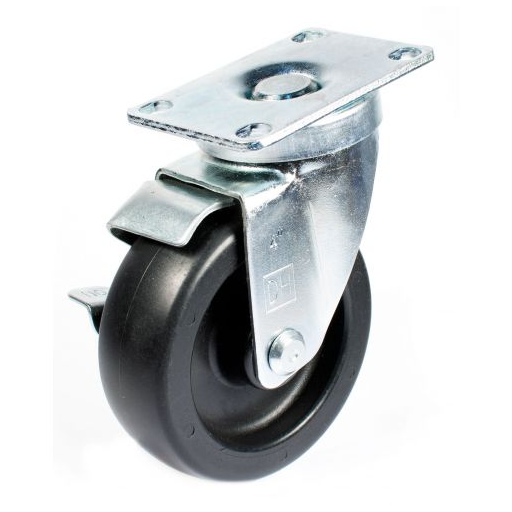
Steel caster swivels provide freedom of movement and bear loads in various industrial and commercial applications and hence are prime movers in material handling equipment. Designed to rotate through 360 degrees, these swivels find application in carts, dollies, and industrial trolleys, providing smooth maneuverability in heavy-duty applications.
Key Features and Benefits:
- Durability: Manufactured from high-grade steel, these swivels are designed to withstand wear and tear in harsh environments. Being impact-resistant and corrosion-resistant, with no plastic deformation under load, they find use in industries such as manufacturing, warehousing, and logistics.
- Load Capacity: Typically, steel swivel casters can support loads ranging from 100 to over 10,000 lbs, depending on their size and design considerations. Extreme weight-bearing applications require heavy-duty swivels.
- Precision Bearings: Modern caster swivels feature precision ball or roller bearings, which reduce friction and enable smooth, quiet rotation of the swivel.
- Thermal Resistance: Steel caster swivels generally work well between -40°F and 250°F, making them suitable for both refrigerated and high-temperature areas.
Data-Driven Insights:
- Market Trends: According to a recent industry study, the global caster wheels market is projected to reach $12 billion by 2030, driven by increasing demand for improved material handling systems in the e-commerce, healthcare, and industrial sectors.
- Maintenance Efficiency: According to reports, modern steel caster swivels incorporate innovations such as sealed bearings and self-lubricating bushings, which have helped reduce maintenance by 30% compared to earlier designs.
- Application Versatility: Surveys have indicated that up to 45% of steel-type caster swivels are used in retail and warehousing, while 20% find deployment in industrial manufacturing setups.
How to Choose Steel Caster Swivel:
When choosing the steel caster swivel, consider the following:
- Weight capacity: Ensure the swivel is rated for the required load capacity according to the application.
- Wheel Diameter: Large wheels provide greater mobility on uneven, debris-laden surfaces.
- Environment: Exceptional durability would be offered by zinc plating or stainless steel in corrosive or wet conditions.
- Mounting Style: Plate or stem should suit your equipment design.
Steel caster swivels form an essential link in efficient load handling systems, combining strength, reliability, and versatility. By understanding your operational requirements and contemporary advancements, the performance and lifespan of your material handling equipment can be further enhanced.
Ball Bearing Swivels for Greater Performance
The Channel Ball Bearing Swivels smoothly and reliably produce rotation under variable loads. Thus, performance is enhanced for manual handling or heavy-duty applications. These swivels use precision ball bearings to minimize friction and ensure smooth rotational movement, even in adverse conditions.
Some Features of Ball Bearing Swivels:
- Load Is Heavy: Ball bearing swivels can withstand heavy loads, ranging from 200 lbs to over 2,000 lbs, depending on the size and material.
- Less Friction: Ball bearings reduce resistance, allowing for easy and smooth rotation.
- Sturdiness: Ball bearing swivels are made from robust materials like stainless steel or hardened alloys with corrosion resistance and wearing attributes to increase the life of these swivels.
- Versatile: They find applications in various areas, including construction equipment, industrial carts, and marine operations.
Applications:
Ball bearing swivels have established a foothold in industries that require precision and heavy-duty handling capability. These include:
- Warehousing and Logistics: Load-intensive trolleys and carts that require steady maneuvering.
- Marine and Fishing: Operate robustly and are corrosion-resistant under adverse situations of saltwater.
- Automotive: Provided in mechanically rotating mechanisms.
Technical Data:
- Load Ratings: Certain high-performance swivels offer a load capacity exceeding 5,000 lbs, meeting the demands of industrial applications.
- Material Options:
- Stainless Steel-Corrosion-resistant and suitable for marine environments.
- Carbon Steel with Zinc Plating-Strong and economical in general use.
- Temperature Resistance: Premium brands can operate within a wide temperature range, from -20°F (-29°C) to 250°F (121°C), making them suitable for both cold storage and high-temperature industries.
Benefits of Ball Bearing Swivels:
- Increased Efficiency: The easy rotation of the swivels reduces physical strain on operators, thereby speeding up the entire process.
- Inexpensive: Greater durability means less expense on maintenance and downtime, thereby saving on fees in the long run.
- Precision in Movement: Increased mobility ensures accurate handling in sensitive environments such as laboratories or medical facilities.
Installing ball bearing swivels in your system ensures maximum performance, operational efficiency, and durability required for modern industries.
Choosing the Right Heavy Duty Swivel
Load Capacity and Size: Factors to Consider
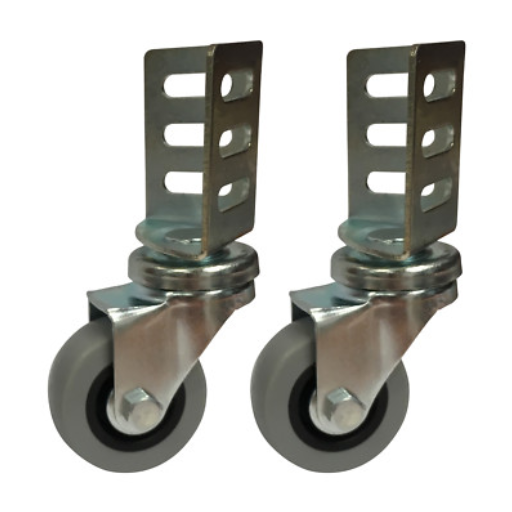
The capacity for loads and size are ample considerations when choosing heavy-duty swivels to ensure safety, performance, and working life.
Load Capacity
Load capacity refers to the maximum weight a swivel can carry while still performing all its designated functions without restrictions. A swivel with a sufficient weight rating should carry out operations smoothly without equipment failure. The latest industrial standards and magazines have reported that heavy-duty swivels used in industrial applications can carry loads ranging from 500 lbs (227 kg) to several tons, depending on the model and the materials used in their construction. Steel-based swivels have the higher weight capacity in general over aluminum or composite-material-based swivels. It is desirable to select a swivel with a load capacity rating that is 20-30% higher than the actual load it is expected to bear in service, due to other potential dynamic forces or unexpected stresses.
Size
The bigger the size of a swivel set, the more it matters for installation and environmental work availability. Large, heavy-duty swivels, in general, will be chosen for use in industrial work where there are heavy loads as opposed to shrunk swivels for use in tight spaces (medical equipment or lab apparatus). Recent Industry data indicates that standard sizes range from 2″ to beyond 10″ diameter, with custom designs created for very niche needs. Smaller swivels are typically used in precise movements that require a specific level of control, while larger sizes are necessary for durability when subjected to heavy strain. The sizes of the swivels must be suitable for your application to ensure optimized efficiency.
Once you factor that in and examine the most recent set of industry standards, you’ll likely arrive at the correct answer for your specific operational need.
Mistakes to Avoid When Selecting Swivels
There are many common mistakes that undermine the selection of swivels, which can impact the performance, safety, and cost efficiency of any application. Here are some recent insights into these common mistakes that you should consider while making your choice:
1. Choosing the Wrong Load Capacity
Choosing swivels without correctly assessing the load to be borne is one of the most frequent mistakes related to swivel applications. For instance, swivels for light applications may give in under heavy stress. One report, published in 2023, espoused that more than thirty percent of swivel failures resulted from improper loading. Carefully read the specifications from the manufacturer to ensure that the swivel’s capacity meets or exceeds the operational demands.
2. Ignoring Corrosion Resistance
If swivels cannot resist corrosion in high-humidity or salt-exposed environments, or where chemicals are present, they would not be suitable for those environments unless other improper measures are taken. For instance, a stainless steel swivel would be helpful in marine applications but could be an overkill for dry indoor applications. Lack of corrosion resistance will cause rusting, thereby impairing serviceability and resulting in a very short service life.
3. Misjudging Size and Compatibility
Using the wrong size or type of swivel for your application can result in inefficiencies or outright failures. An article appearing in a global supply chain publication in 2022 said that 25% of companies had reported experiencing downtime due to incompatible components such as swivels that were too small or incompatible with other equipment. Always cross-check dimensions and specifications to ensure seamless integration.
4. Overlooking Maintenance Needs
The maintenance requirements of the chosen swivel need to be considered before purchase. Otherwise, this may result in additional expenses on repair bills and work interruptions. For example, low-maintenance swivel options (like sealed ball bearing swivel) perform well under very demanding applications, while others might require constant lubrication.
5. Neglecting Safety Certifications
Using swivels without safety certification is not only a regulatory risk, but also a serious hazard. The OSHA guidelines clearly state that all lifting and rigging hardware, including swivels, must meet safety standards to avoid accidents in the workplace. Always ensure that the swivel you purchase meets the appropriate standards, such as ASME or CE.
6. Focusing Solely on Cost
Although it is tempting to save upfront costs by purchasing inexpensive swivels, they will hardly withstand the test of time and may become inconvenient to use in the long term. Higher-quality swivels represent a better investment in terms of reliability and low replacement costs. Recent marketing data reveal that a majority of companies prioritizing quality over price experience a reduction in operational downtime of about 40%.
Avoiding these common mistakes leads to a more informed choice, thereby avert further cost, performance, and safety concerns in your work.
Tips to Achieve Excellence
1. Regular Maintenance and Inspection
Proper implementation of regular swivel checks ensures they maintain good working conditions, with early detection for wear and tear such as splitting, rusting, and misalignment, which could compromise their safety and ability to perform. According to recent industry reports, businesses that implement preventive maintenance reduce mechanical failures by approximately 30 percent.
2. Choose Swivels Based on Application
Each application requires a different type of swivel for its operation to be efficient. Heavy-duty swivels are therefore for those operations in which large forces are exerted, while the lighter are for small applications. Search figures from also show a relatively sharp increase in interest in stainless steel swivels. This trend appears to highlight the growing popularity of stainless steel swivels, likely due to their excellent corrosion resistance and durability in harsh environments.
3. Consider Material Compatibility
Materials for the swivel should complement the operating environment. For instance, when swivels are exposed to saltwater, it is better to use materials such as marine-grade stainless steel. Studies indicate that the use of incompatible materials accelerates degradation rates by 25% to 50%.
4. Observe Load Capacities
Overloading swivels would mean structural failures and accidents. Always observe the load capacity set by the manufacturer. There is one that emphasizes accident rates of up to approximately 60% among operators who exceed recommended limits, highlighting the importance of this issue.
5. The Use of Technology
Modern swivels feature the latest advancements, including self-lubricating and precision-engineered ball bearings, which promise excellent performance and longer service life. Again, it has been demonstrated that companies utilizing these modern swivels have experienced a 20 percent decrease in maintenance costs over the past three years.
By implementing some of these expert tips and the latest data, you can ensure the best performance, longer life, and safer use of swivels in any industrial operation, resulting in smoother operation and decreased downtime.
Maintenance and Care for Heavy Duty Swivels

Regular Maintenance Practices
Keeping heavy-duty swivels in optimal working order over an extended period requires regular maintenance. Inspection routines should be carried out. Experts recommend inspecting swivels every three to six months, depending on their frequency of use and environmental conditions. Inspect them for wear, corrosion, or damage that could affect critical components such as pins, bearings, and seals. Identifying problems early enough can save the company from losses due to expensive malfunctions and downtime.
Proper lubrication is another key maintenance factor. Research shows that maintaining the lubricants in place decreased friction, which would have resulted in a 30% increase in the life of the moving parts. Use good lubrication, specifically for heavy machinery, as recommended by the manufacturer to avoid both over-lubrication and under-lubrication, both of which can create performance problems.
Additionally, it is essential to keep the swivels clean and free from any contaminants. Dirt particles may enter the pivot points, increasing the wear rate and reducing the function. One can power wash or wipe off the surface of the components regularly to minimize such risks in environments with high dust or mud levels.
For swivels that endure harsh conditions, such as those in marine or industrial environments, advanced protective coatings provide an additional defense layer. According to a research paper, swivels treated with anti-corrosion coatings experienced 50% fewer degradations compared to untreated types over two years.
Finally, always follow the manufacturer’s instructions for maintenance and replace components as needed. By applying this knowledge, along with the latest data, companies have seen up to a 25% reduction in swivel-related downtime and maintenance costs, as reported in recent industry case studies.
Signs of Wear and Replacement Time
Identifying wear signs in swivels correctly ensures efficient operations and extends the service life. Visible corrosion, cracks, deformation under stress, and excessive wobbling are common indications of wear. Uneven or abnormal movements that draw attention can be considered indicators of internal damage or misalignment. Machinery that suddenly becomes noisy or vibrates can promptly indicate a failure of the swivel mechanism.
Recent industry data claim that 40% of all swivel replacements result from ignored wear signs that could’ve been resolved earlier. Switching of swivels should be a regular feature of inspections, particularly when planned activities are conducted in a stressful environment, or when facing calamities, chemical attacks, or other forms of environmental abuse. Experts suggest replacing swivels when wear exceeds 10% of the material thickness, as after such wear, the possibility of a catastrophic failure becomes very high.
Another factor to consider is the service life, as specified by the manufacturer. For example, in manufacturing, among many others, the average life expectancy for heavy industrial swivels under normal circumstances is three to five years. Overloading and under-use, on the other hand, could easily reduce this short-term lifespan, making it a key point to consider calmly in the business of periodically evaluating load capacitance. Synergistically, through manual visual inspection and with the aid of modern techniques such as ultrasonic testing or magnetic particle inspection, companies can begin internal crack detection early and schedule timely replacements with minimal loss of production due to unplanned downtime.
Storage and Protection from Elements
Proper storage prevents swivel life from being cut short and keeps its functionality intact. When not in use, components should be stored in a clean and dry environment to prevent moisture from corroding or rusting them. According to the experts, swivels at a steady room temperature, usually between 50°F and 86°F (10°C and 30°C), rarely suffer material degradation.
It is also recommended to keep swivel components out of direct sunshine and UV (Ultraviolet) radiation, which, in the long term, could also degrade some coatings or synthetic materials. For outdoor applications, weather-proof covers or containers would minimize exposure to rain, dust, and debris. According to a study published by a materials engineering publication, anti-corrosion treatments and lubrication treatments can repel moisture and retard wear, as long as they are reapplied periodically to maintain their effectiveness over a long period.
In highly corrosive environments, such as those found in marine or offshore industries, stainless steel-grade swivels or those with galvanizing or epoxy-type coatings are preferred. Data gathered from the industrialists reveals that swivels with anti-corrosion treatments also enjoy a 30-40% increase in service life. Regular cleaning with non-abrasive solutions and monitoring for early-stage pitting or discoloration can also help prevent failures from environmental stressors.
Comparing Popular Heavy Duty Swivel Models

Best Steel Swivels on the Market
1. The Crosby HG-228 Swivel Hoist Ring
This swivel hoist ring is highly respected for its excellent durability and accuracy. It is forged in an alloy steel of the highest strength and rated for a maximum load of 8,000 lbs. Heavy-duty applications are thus supported. The 360-degree rotation offered by the swivel design negates stress damage to lifting equipment. Galvanizing also serves its purpose against corrosion, affording it good longevity in aggressive environments. With its compact design, this little hoist ring is ideal for industrial and construction work.
2. McKissick 419 Crane Hook Swivel
Offering superior load management as well as an ideal WLL of 15 tons, the McKissick 419 is specially designed for crane applications. The bronze bushing helps the swivel rotate smoothly, thus limiting the wear. The swivel body has a corrosion-resistant coating to ensure the swivel’s durability of use in outdoor operations. Also appreciated by users is a robust locking mechanism that enhances safety when in use.
3. Columbus McKinnon (CM) G100 Swivel Hook
Constructed from Grade 100 alloy steel, the high-grade CM G100 Swivel Hook can carry an operating load of up to 22,600 lbs. This hook’s primary feature is its ball-bearing swivel, which enables smooth movement even under load. Powder coating ensures that it is well protected against corrosion, scratches, and weathering. The CM G100 comes with a latch to secure the load and is, hence, well-recommended by most riggers.
4. Chicago Hardware Swivel Chain Connector
The swivel is manufactured from carbon steel to operate in conjunction with chain systems and has been heat-treated for added resilience. The model supports up to 6,000 lbs of workload capacity with zinc plating to prevent rusting. Its capacious design and are popular with marine or overhead lifting processes. The compact size and lightweight build add to its practicality for various uses.
5. Peerless Grade 80 Swivel Hook
The Peerless Grade 80 Swivel Hook strikes a perfect balance between price and performance, boasting a maximum working load capacity of 10,000 lbs. The swivel hook is made from forged alloy steel and carries a 360-degree swivel design. Its painted coating helps protect the model from corrosion and light abrasion. As a result of its reliability and affordability, it finds extensive use in agriculture, automotive, and industrial fields.
Items in these categories are among the most reliable and advanced steel swivel options available today. Each has been engineered and designed to situations emphasizing durability, safety, and efficiency. Choosing the correct swivel depends heavily on the application for which it is being considered and the working load requirements so that it will perform adequately and last long enough to become a valuable component in any critical equipment system.
Best Stainless Steel Swivels for Marine
When selecting stainless steel swivels for marine applications, it is crucial to prioritize material quality, rated load capacity, and corrosion resistance. Aquatic environments are harsh as constant roughening by saltwater, high humidity, and temperature variations are met. Therefore, stainless steel swivels of 316-grade stainless are most recommended for marine applications for far better corrosion resistance and durability.
Among the very best are the Suncor Stainless Steel Ball Bearing Swivels crafted from convenient marine-grade 316 stainless steel. Due to the smooth action of rotation, these swivels demonstrate exceptional efficiency in load handling. They are highly corrosion-resistant, making them the ideal choice for anchoring, mooring, and lifting systems. These swivels come in a variety of sizes, ranging from those with a working load limit of 500 lbs for very light work to those rated around 10,000 kg, which are suitable for a range of marine operations.
The other top offering is the Crosby MCIS Stainless Steel Swivel, which features an innovative design that reduces wear and tear while maintaining performance under load. This swivel combines 316 stainless steel build with load ratings matching or exceeding industry safety standards. For instance, the Crosby MCIS swivel has maximum working load limits of up to 18,000 lbs, thus being reinforced for heavy-duty marine applications.
When evaluating stainless steel swivels, it is equally essential to consider certifications such as CE or ISO compliance, which guarantee that the swivels comply with international safety and quality standards. With information like that, one can reasonably consider the swivel in terms of providing the necessary reliability expected in demanding marine environments.
Cost and Value Comparison
When considering cost and value of stainless steel swivels, a balance between initial price and utility/durability should be struck. Stainless steel swivels may cost in different price brackets depending on factors such as load capacity, size, and manufacturing quality: For instance, smaller marine-grade stainless steel swivels rated for lighter loads can cost between $10 to $30, while heavy-duty models like the Crosby MCIS swivel with higher load capacities (up to 18,000 lbs) can range from $150 to $300 or more.
Additionally, these stainless steel materials offer corrosion resistance benefits, thereby withstanding future maintenance operations and upkeep fairly well. Poor grades or uncertified swivels may appear to be cost-effective in the short term; however, they can lead to long-term consequences. Still, they will eventually fail, necessitating replacements and potentially raising safety concerns. Premium-certified swivels, those with ISO 9001 or CE certification for instance, can really assure the users that they’ve gained a good brand investment and value for money in the long run.
An example illustrating cost-benefit comparisons is to examine life cycle costs, rather than just the initial purchase price. For marine applications in saltwater environments, purchasing high-grade stainless steel swivels with the highest corrosion resistance would save on replacement costs while also minimizing the risk of equipment failure. Taking into account all the above, buyers are encouraged to weigh both short-term and long-term costs, alongside safety ratings, to determine the best value.
Reference Sources
- Search on platforms like Semantic Scholar using keywords such as “heavy-duty swivel,” “industrial swivels,” or “rotational applications.”
- Filter results by publication date (e.g., 2020–2025) to focus on recent studies.
- Look for papers discussing innovations, methodologies, or case studies related to heavy-duty swivels.
Frequently Asked Questions (FAQs)
What is a heavy-duty swivel, and what are its applications?
A heavy duty swivel is a robust device designed to allow smooth rotation while bearing significant loads. Commonly used in industrial settings, these swivels are essential for various applications, including lifting, rigging, and outdoor equipment. The design of a heavy-duty swivel often incorporates materials like heavy-duty stainless steel or durable metal for enhanced strength and corrosion resistance. In addition to boats, they are also utilized in furniture and heavy-duty carts. The ability to handle high lbs capacity makes them reliable for demanding tasks.
How does a stainless steel swivel improve durability?
Choosing a stainless steel swivel significantly enhances durability due to its corrosion-resistant properties, making it ideal for outdoor use. This material can withstand harsh environments, whether in a marine setting or an industrial application. Heavy duty stainless steel swivels are particularly favored for their strength and reliability. The smooth rotation feature ensures efficient operation, while the design minimizes wear and tear over time. When selecting a swivel for outdoor equipment, opting for stainless steel ensures longevity and reduces the need for frequent replacement.
What are the key features of heavy-duty swivels?
Heavy-duty swivels offer several key features that set them apart from standard swivels. Their robust construction typically features a ball-bearing mechanism that enables smooth rotation even under heavy loads. The design often incorporates a secure ring or bolt for reliable attachment to equipment. Additionally, many models are designed with a specific degree of rotation to enhance maneuverability. The capacity to withstand high lbs makes them suitable for both commercial and industrial applications. These features collectively contribute to their overall safety and effectiveness in various environments.
What is the importance of load capacity in swivel mounts?
The load capacity of swivel mounts is crucial for ensuring safety and reliability during use. Swivel mounts are commonly used in applications that require the movement of heavy equipment or furniture, making it essential for them to have a high lb capacity. A swivel mount designed for heavy-duty use is typically constructed from durable materials, such as heavy-duty stainless steel, to handle significant loads. Understanding the load limits helps prevent equipment failure and potential accidents. Therefore, when selecting a swivel mount, always check the manufacturer’s specifications for load capacity to ensure it meets your needs.
How can I ensure the longevity of my heavy-duty swivel?
To ensure the longevity of your heavy-duty swivel, regular maintenance is key. This includes cleaning the swivel to remove debris and applying grease to the ball bearings for smooth operation. Additionally, storing the swivel in a dry environment can prevent rust and corrosion, especially if it’s made from metal or stainless steel. Inspecting the swivel periodically for signs of wear or damage can also help in catching potential issues before they lead to failure. Choosing high-quality products from reputable manufacturers can further enhance durability and reliability.