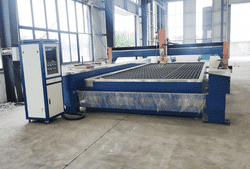
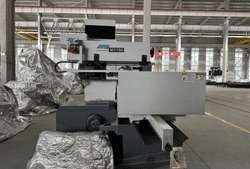


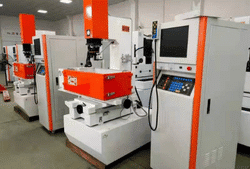
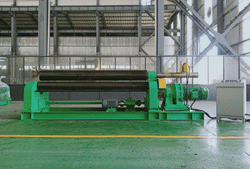

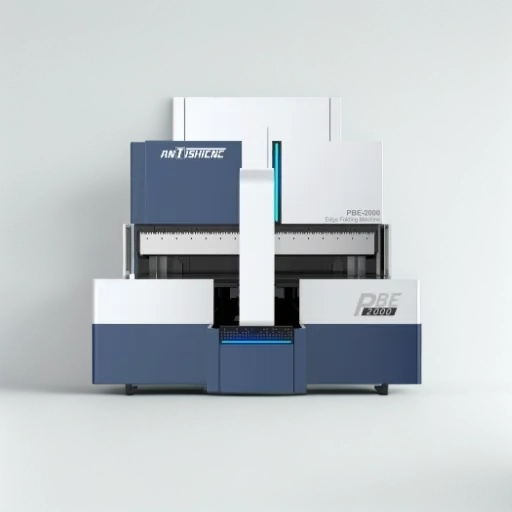
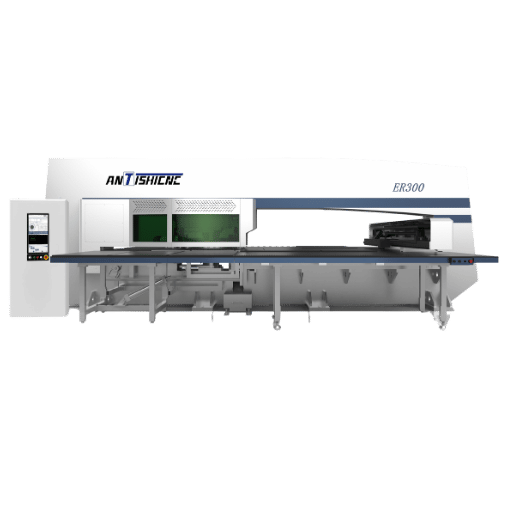
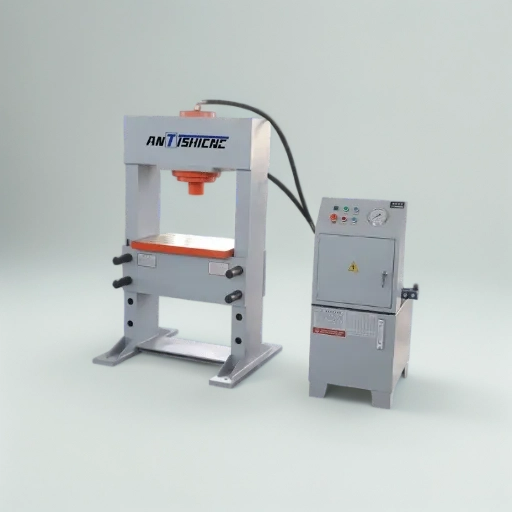


Technological advancements have ushered in revolutionary thoughts in the metal fabrication industry, with metal cutting machines spearheading the change. Laser-metal cutting comes to the rescue with precision, speed, and versatility, enabling the fabrication of intricate designs and achieving better finishes. This article emphasizes all types of metal cutting machines, with a particular focus on laser cutting units. It will enable you to grasp the opportunities, merits, and enhancements that make laser metal cutting a standout among contemporary industrial technologies, whether you are a manufacturer seeking novel solutions, a hobbyist interested in the methods used, or simply wanting to explore the science behind it. Stay tuned to learn more about the powerful tool that is set to revolutionize metalworking.
Introduction to Metal Cutting Machines
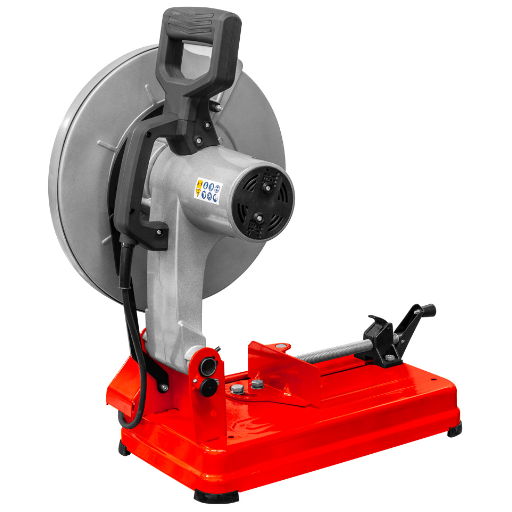
Metal cutting machines are the tools specifically designed to cut, shape, or remove material from metal workpieces. One method these machines employ is mechanical cutting, while another is thermal processing. Advanced formation methods include laser cutting, all intended to achieve precision and efficient metalworking. They mainly produce cuts that are more precise, while simultaneously reducing material waste and improving productivity levels. They include plasma cutters, waterjet machines, jet cutters, and laser cutting machines, which are selected according to the job’s specifications. Due to their flexibility and reliability, these machines are highly sought after in industries such as manufacturing, construction, and automotive production.
What is a Metal Cutting Machine?
The metal cutting machine is a tool for cutting and imparting specific shapes and dimensions to various metals. These machines employ modern and advanced techniques, satisfying the criteria of contemporary manufacturing and industrial processes. The ultimate intention is to convert raw metal pieces into goods of definite designs and engineering specifications.
Cutting with metals can be broadly categorized into mechanical cutting and thermal and electromechanical processes. Mechanical methods use force and sharp-edged tools to cut the material, for example, saws and milling machines. Thermal cutting involves high temperatures that melt or burn through the metal, such as plasma cutting or laser cutting methods. Waterjet cutting is an alternative when applications require precision that a heat-affected zone cannot offer. It consists of a very-high-pressure jet of water, sometimes heated or mixed with grinding materials.
A study based on current industry reports reveals that laser cutting machines dominate the market due to their efficiency in reducing complexity and material waste. The laser cutters can achieve cutting speeds of more than 20 meters per minute for thin metal sheets with tolerances as tight as ±0.1 mm, illustrating their precision and ability. It is for this reason that waterjet cuttings are preferred over other treatments when heat-sensitive materials are involved, as they eliminate the risk of thermal deformation.
Being able to simplify complex designs and optimize production cycles, metal cutting machines are of value to the aerospace, construction, automotive, and electronic industries. This is where metal cutting machines come in, making recent industries a little cheaper while adhering to the highest level of quality standards. The advancements in linked fields of automation and cutting technology keep metal cutting machines always at the cutting edge.
Types of Metal Cutting Technologies
Metal cutting technologies have advanced significantly, leveraging breakthroughs in science and engineering to meet diverse industrial needs. These constitute the main types of metal cutting technologies:
Laser Cutting
The laser cutter crafts through materials with a high-power laser beam, possessing the unique precision of its cutting capabilities. The method is suitable for cutting metals, such as stainless steel and aluminum, into complex shapes with high precision and minimal waste. Modern laser cutting machines can cut at kerf widths of approximately 0.1 mm and paste cutting speeds that can exceed 20 inches/sec, depending on the material thickness. They find wide application in the automotive and aerospace industries.
Plasma Cutting
Plasma cutting utilizes an electrically conductive gas, known as plasma, to sever conductive metals such as steel, stainless steel, and aluminum. Being relatively inexpensive and capable of cutting thicker metals at faster speeds, plasma cutting finds numerous applications in heavy manufacturing and construction. Modern plasma cutters can precision-cut metals up to around 3 inches in thickness.
Waterjet Cutting
The waterjet cuts with high velocity, high pressure, and very abrasive properties, aided by water, through almost any material. This method does not generate heat; hence, there is no possibility of thermal distortion or hardening of the material. Waterjet machines are preferred because of their versatility and ability to cut materials up to 10 inches thick with very high accuracy.
CNC Milling and Turning
Now considered traditional carving techniques, CNC milling and turning are exact machining methods. They involve the use of rotary tools, cutting, and carving metal parts. Modern CNC machines are highly automated and capable of producing complex parts with tolerances of ±0.001 inch. Industries like electronics and medical device manufacturing rely heavily on CNC machines for their intricate designs and reliability.
EDM
Electrical discharge machining is the process of eroding electrically conductive materials using electric discharges. It is perfect, especially for engineering applications that require the creation of intricate parts or the cutting of hard metals such as titanium and tungsten carbide. It operates with tolerances of approximately ±0.0001 inches and, as such, is heavily relied upon in industries that require maximum precision, such as aerospace and injection molding.
Oxy-fuel Cutting
Oxy-fuel cutting combines oxygen and a fuel gas, such as acetylene, to produce a flame that can cut through thick pieces of steel. This method is employed widely in shipbuilding and heavy fabrication because it caters to the cutting requirements of materials up to 12 inches thick. It is a cost-effective and reliable alternative for a wide variety of heavy-duty applications.
The continuous improvements in software integration, for instance, AI-powered controls and smart sensors, are pushing these technologies forward by increasing efficiency and accuracy. Such enhancements will put metal-cutting methods in direct competition with the ever-increasing demands of modern production, sustainability, and cost-effectiveness.
Importance of Precision in Metal Cutting
Metal cutting precision is crucial for achieving high-quality production in industries such as aerospace, automotive, and construction. Properly cutting materials helps to reduce material waste, lower production costs, and increase the structural integrity of the finished products. It is estimated that around 15-20 percent of raw material is wasted globally due to imprecise cutting, further underscoring the dire need for more advanced cutting technologies.
Advances have kept up with developments in modern technology, for example, laser-based cutting and plasma cutting systems, which allow for dimensional tolerances as tight as ±0.005 inches, providing the highest accuracy for highly complex shapes. CNC technology has also raised the bar for cutting precision to entirely new levels by automating very complex cutting paths that would otherwise require intense human involvement. Comparative studies show that CNC systems can increase production times by as much as 40% compared to manual operations, while ensuring uniform quality across the board. These cutting paths are indispensable when precision directly relates to safety and performance in the production of parts for aircraft or medical devices, for example.
Considering that advanced cutting technologies, combined with AI-driven software, can monitor cutting operations in real-time and self-adjust cutting parameters to optimize accuracy and reliability, these developments are poised to shape the future of energy-efficient and sustainable manufacturing methods. Therefore, while precision in metal cutting meets the set standard today, it is also laying down the challenges of tomorrow for the industry.
Laser Metal Cutting Techniques
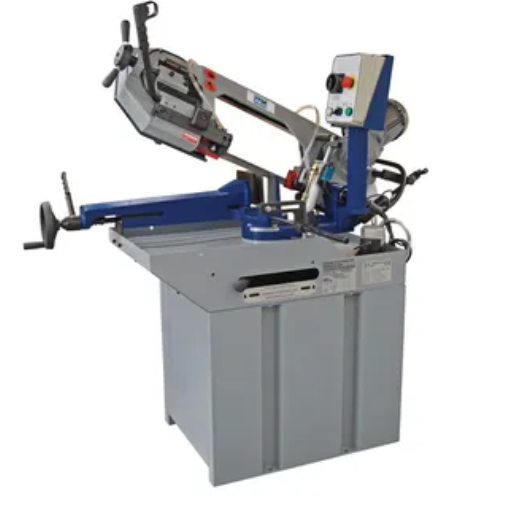
Nowadays, laser metal cutting methods utilize high-energy laser rays to pierce through metals precisely. Its working principle is that the laser beam focuses on the surface of a material, which heats up and melts the targeted area; simultaneously, the assist gases blow away the molten debris to ensure clean cuts. Depending on the type of metal and its thickness, various laser types, including CO2, fiber, and Nd:YAG lasers, are utilized in different applications. They differ in energy utilization, cutting depth, and precision of cutting, and are thus chosen by Industrial processes according to their convenience and applicability.
Understanding Laser Cutting
Ever since its inception, laser cutting has revolutionized manufacturing systems, precision, and efficiency to an unprecedented degree. Tolerance levels in modern machining systems can be as low as ±0.1mm, making any laser cutting technique well-suited for the manufacture of intricate patterns and geometries. Laser cutting, being precise, limits material wastage, thereby allowing for cost optimization of the production workflow. It is a highly versatile process that can work with various materials, including stainless steel, aluminum, brass, and even non-metals such as plastic and wood.
Fiber lasers have gained more popularity in recent years, mainly due to their energy-efficient operation, which offers energy savings of nearly 50% compared to their CO2 laser counterparts. Higher cutting speeds, combined with lower operating costs, make the fiber laser more attractive for a majority of applications, particularly for thin to medium-thickness metals. Likewise, laser processing technologies have since improved their cut quality and consistency, thereby minimizing the need for secondary finishing or processing. Furthermore, the integration of CNC systems with laser cutters has further enhanced accuracy, allowing for the smooth execution of complex designs.
In turn, with the development of laser cutting technology, industries such as automotive, aerospace, and electronics are increasingly utilizing this technology. Laser cutting has a wide range of applications in the automotive industry, offering high accuracy to produce lightweight components that enhance fuel efficiency and performance. Thus, laser cutting is slowly becoming the future of manufacturing, driven by evolving technological enhancements.
Advantages of Laser Metal Cutting
Laser metal cutting benefits greatly from its multiple advantages, cementing its importance among modern manufacturing techniques. High precision is the primary advantage; the laser cuts are subjected to extremely minute tolerances, down to ±0.003 inches. This level of accuracy substantially reduces material wastage, making it a viable option for industries that rely on detail-oriented tasks.
Speed comes as another advantage. High-speed laser manufacturers are capable of cutting steel, aluminum, or titanium. For example, fiber lasers can cut thin sheets of metal at speeds of up to 20 meters per minute, thereby significantly enhancing operational efficiency. Hence, laser cutting is most effective for high-volume production.
Additionally, laser cutting is highly versatile. It accepts almost all types of materials and thicknesses, with the capability to cut anything from thin sheet metal to thick structural steel. It is even more advantageous when coupled with automation and CAD/CAM software integration, allowing manufacturers to simplify operations while ensuring consistent results with a high degree of quality.
The other highlight is a clean cutting approach, along with a non-contact nature, allowing the major workflow areas to operate without needing a secondary finish. This ensures very low heat transfer to the workpiece, thereby minimizing distortion possibilities while preserving the better shape of the structural properties.
And finally, another feature that makes laser metal cutting greener is its lower energy consumption compared to other cutting methods. It further releases fewer emissions and less waste materials. The environmental consciousness-related spotlight, thus, makes it a prospective resort for manufacturing in times to come.
Applications of Laser Cutting in Industry
Laser technology has revolutionized industries of all kinds, offering precision, efficiency, and versatility. Perhaps among the most well-known applications is in the automotive industry, where it cuts components that must often be intricately detailed, such as airbags, engine parts, and body panels. The high speed and accuracy of laser cutting help reduce production time and costs, raising the bar for vehicles to meet quality standards.
Another application of laser cutting is in aerospace. The components of airplanes require manufacturing with utmost precision due to safety and conduct considerations. Laser cutting fulfills those requirements by delivering smooth, accurately edged cuts on materials such as aluminum, titanium, and composite structures. Additionally, since laser cutting does not come into direct contact with the material, it minimizes the stress induced in the material, a crucial consideration for the thin and delicate aerospace components.
Another primary beneficiary of laser cutting is the medical industry, where surgical instruments, implants, and micro-medical devices are manufactured with incredible precision. Medical stents, for instance, often require incredibly intricate patterns that laser cutting can achieve with micrometers of precision.
With laser cutting, precise and miniature-sized components, such as circuit boards and semiconductors, can be realized in electronics manufacturing. This exact process enables the manufacture of increasingly complex designs for ever-smaller and more advanced electronic gadgets, which is one of the many ways in which laser cutting is fostering innovation as IoT and wearable technology gain momentum.
Moreover, laser cutting may well be the backbone of any custom fabrication, be it for signage or artwork. The very fact that this method supports exotic design implementations with high precision enables artists and fabricators to bring their complex creative ideas to life. Its ability to excel in processing a wide range of materials, from metals to acrylics and woods, further enhances its versatility.
Recent data indicate that the global laser cutting market is steadily growing as the lines of fiber lasers and automation continue to advance. This growth will be driven by medium and small enterprises, along with the increasingly significant adoption of laser cutting methods as a form of high-quality manufacturing process; an adulation thus acknowledged by the mass appeal of laser cutting, which cuts across many applications in the modern industrial world.
Components of a Laser Metal Cutting Machine

- Laser Source: The center heart of beam generation, choices usually being fiber laser, CO2 laser, or solid-state laser, depending on the application.
- Cutting Head: It houses the lens and the nozzle. It concentrates the laser beam into an excellent point, allowing for precise cutting. Additionally, it directs auxiliary gases, such as oxygen and nitrogen, to the laser beam to assist in the cutting process.
- Control System: The software or hardware interface used to program, monitor, and steer the cutting operations, thus guaranteeing accuracy and efficiency.
- Worktable: A flat surface on which the material is placed and held steady while the cutting takes place. Some of the machines have automated or interchangeable worktables for enhanced productivity.
- Cooling System: Maintains the temperature of the laser source and its components to prevent overheating and ensure optimal performance.
- Exhaust System: Removing the fumes, gases, and other debris generated during cutting operations to maintain safety and clean operations.
- Power Supply: Supplies power to the laser source and other critical components, ensuring the machine operates correctly.
Every component combines to offer very high precision, adequate speed, and quality in laser metal cutting processes.
Key Features of a Metal Laser Cutter
Very High Accuracy and Precision
Metal laser cutters are capable of achieving a precision level of ±0.1mm, making them ideal for highly detailed designs and processes. Very little waste is ensured by the focused beam, while sharp and clean edges are produced that require minimal post-processing.
Material Compatibility
Advanced laser cutting machines can cut a wide range of metals and alloys, including stainless steel, carbon steel, aluminum, copper, and brass. Some models allow cutting of the material up to 25 mm or more, according to the power of the laser.
Incredible Cutting Speed
Metal laser cutters are capable of cutting at speeds of up to 60 meters per minute, making fiber laser machines particularly well-suited for high industrial productivity. This high speed maintains efficiency and quality simultaneously.
Power Efficient
Fiber laser cutters consume approximately half the energy compared to conventional CO2 laser systems, thereby reducing operational expenses and protecting the environment.
Intelligent Automation
Metal laser cutters nowadays are equipped with a range of features, including an auto-focus system, dynamic nesting software, and real-time monitoring, all of which facilitate ease of use and reduce the need for human intervention, thereby minimizing the possibility of errors.
Compact Designs with Better Usability
This is achieved through space-saving designs in newer models, which help small workshops as well as large industries to coexist effectively. These are so straightforward to use- the operators can even recall the task remotely.
Low Maintenance
Fiber lasers, in particular, have a lengthy working life (approximately 100,000 hours), requiring minimal maintenance, resulting in almost no downtime, and ensuring consistent performance over time.
Support Customization
Integration with both CAD and CAM software enables users to create and customize designs for various applications, offering a wide range of possibilities for both mass production and prototypes.
New-generation laser cutting solutions have now raised the levels of speed, precision, and versatility, making the services useful in various sectors, including aerospace, automobile, manufacturing, and many more.
Specifications of Laser Power and Working Area
The two significant factors are laser power and working area:
Laser Power
The laser power determines whether a machine can cut through a specific material or the thickness of a material. For example:
- Low-power lasers (20W-50W): Used mainly for engraving and cutting thinner materials. Examples of such thin materials include paper, fabric, and soft plastics.
- Medium-power lasers (100W-300W): Focus on precision cutting of materials up to 10 mm thick, such as wood, acrylic, and metal sheets.
- High-power lasers (above 500W): Primarily used in industry to cut metals, such as steel or aluminum, which can be several centimeters thick.
Working Area
The size of the working area determines the maximum size of materials that can be processed. Standard sizes include:
- Small-scale machines: Roughly 300mm x 200mm working area for hobbyists and small-time businesses.
- Medium-range machines: Working areas measuring approximately 600mm x 400mm or 900mm x 600mm, taking into consideration both versatility and price.
- Large-scale machines: Designed for industrial purposes, go over 1300mm x 900mm working area for processing big sheets of material.
Matching the laser power and working area to your specific needs ensures optimal performance and minimal expenditure.
Comparison of Fiber Laser vs. CO2 Laser Machines
Fiber Lasers
- Technology: Use optical fiber doped with rare-earth elements
- Energy Efficiency: 50% more efficient than CO2 lasers
- Material Focus: Excel at cutting metals, especially reflective ones
- Maintenance: Minimal maintenance required
- Lifespan: Up to 100,000 hours
- Speed: Faster cutting on thin to medium metals
CO2 Lasers
- Technology: Use gas mixtures, including carbon dioxide
- Material Versatility: Better for non-metallic materials
- Initial Cost: Lower upfront investment
- Maintenance: Regular maintenance of mirrors and tubesis required
- Thick Materials: Better performance on thicker metals
- Non-metals: Excellent for wood, acrylic, textiles
| Feature | Fiber Laser | CO2 Laser |
|---|---|---|
| Energy Consumption | Lower (50% more efficient) | Higher |
| Maintenance Requirements | Minimal | Regular |
| Cutting Speed (Metals) | Faster | Slower |
| Initial Investment | Higher | Lower |
| Material Compatibility | Metals (especially reflective) | Metals and non-metals |
| Operating Life | 100,000 hours | Shorter (consumable parts) |
Ultimately, deciding between fiber and CO2 laser machines depends on the specific application requirements, your budget, and the type of material to be processed. This knowledge about their differences will help you make the right choice in technologies.
Choosing the Right Machine for Cutting Metal
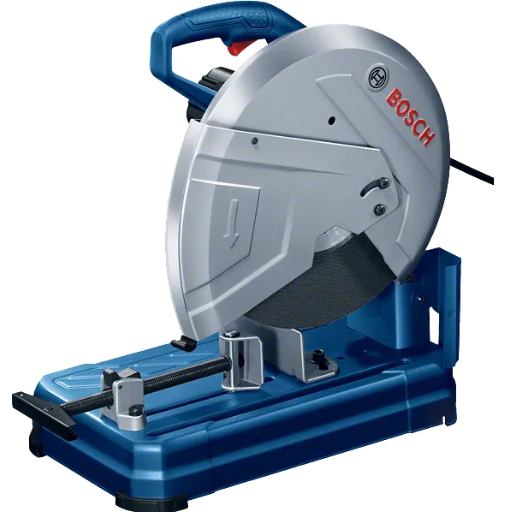
When selecting the ideal machine for metal cutting, the type of material, thickness, and production volume must be considered. Fiber lasers are more efficient and accurate for reflective metals, such as aluminum, brass, and copper. Fiber lasers are also excellent for cutting thin to medium-thickness metals and can achieve faster cutting speeds. In contrast, CO2 lasers are more effective when working on thicker metals, while also capable of cutting non-metal materials. If enzyme versatility or the ability to work with different materials is your priority, CO2 may be the way to go. Hence, assess your finances, operational requirements, and project types you want to accomplish to make an informed choice about the best machine for your purpose.
Factors to Consider When Selecting a Metal Cutting Machine
When selecting a metal cutting machine, there are several factors to consider to determine the machine best suited to their operational and efficiency requirements. Some of the considerations are explained below with the best insights in the present time:
Cutting Speeds and Efficiency
Cutting speed can significantly affect the schedule and output. For instance, a fiber laser can cut up to three times faster than a CO2 laser when dealing with thin metals such as stainless steel or aluminum. Fiber technology is a perfect candidate for high-rate production applications.
Material Type and Thickness Compatibility
The type and thickness of material to be worked upon have a direct effect on the correct machine to be selected. Fiber lasers are excellent cutters of reflective metals, such as brass or copper, with comparatively low power consumption. For thick plates of steel or other dense metals, CO2 lasers are a better choice, meant for heavy-duty applications. It is pertinent to factor in which materials one handles more often so that the one best suited to the specifications can be chosen.
Cost of Ownership and Energy Consumption
Apart from the initial outlay, operating costs should also be a crucial factor in selecting a metal cutting machine. Fiber lasers offer the advantage of being less maintenance-intensive and consuming less electricity than CO2 types, resulting in greater long-term savings. For instance, fiber lasers are up to 50% more energy-efficient than their CO2 counterparts, with longer-lasting diodes requiring less maintenance.
Precision and Accuracy
For industries that entail intricate designs or high precision, such as aerospace or electronics, the accuracy of cut methods offered by the machine is crucial. Machines equipped with high-end CNC systems ensure exact and repeatable cuts, even for highly complex geometries.
Automation and Integration
Cutting machines of today are equipped with advanced automation features, such as loading and unloading systems or an IoT interface, which can significantly enhance productivity. Hence, choosing a machine that integrates easily with existing workflows or an advanced software system can be a significant benefit for your operations.
Budget and ROI
Factoring in return on investment (ROI), purchasing a metal cutting machine should be a long-term decision. A fiber laser, although more expensive upfront, is faster to cut; less material is wasted in the process, and the operation can last longer, justifying the initial investment. In contrast, CO2 machinery, being less expensive initially, may prove more suitable for small-scale operations or infrequent use.
By taking an analytical look at these factors, you will find yourself better placed to select one that meets your operational needs, maximizes performance, and drives profitability. Always keep in mind your project’s specific needs when choosing a machine that best combines precision, efficiency, and cost.
Best Practices for Sheet Metal Cutting
Cutting sheet metal with precision and efficiency requires the utmost in technique and tooling, along with adherence to all safety standards. The following considerations should be taken into account to attain the highest-grade results:
Select the Correct Cutting Method
The proper cutting method is chosen based on the type of material, its thickness, and other project requirements. Laser cutting is suitable for intricate designs and precise edges, whereas plasma cutting is well-suited for thick sheets and operations that require high speed. Fiber laser cutting has gained widespread acceptance in recent years for cutting thin sheets at extremely high speeds; however, there are now systems on the market capable of exceeding 30 meters per minute for specific materials and thicknesses.
Optimize Cutting Parameters
Fine-tune the power of the machine for the laser, the speeds of the travel motion, and the focus setting, which must be perfectly matched to the type of cutting material at hand. Stainless steel requires a higher level of laser power and better precision compared to aluminum. On record is a considerable optimization in speed and gas flow that can reduce burr formation by up to 40%, thereby achieving higher efficiency and an improved surface finish.
Use High-Quality Materials
The quality of the metal sheet is essential. Warped or uneven sheets can sometimes hinder precision and lead to waste. So always check for flatness and uniformity before engaging in any cutting process.
Maintain Equipment Regularly
To ensure efficiency at all times, avoid downtime, and have timely inspections and maintenance on the cutting machines. Clean the laser lens and nozzle frequently, for the buildup of dirt can degrade the cutting quality. Regular maintenance extends the life of the machine and lessens the cost of repair.
Follow Safety Protocols
Operators should receive thorough safety training, and adequate protection should be provided to them. Finally, install local ventilation to clear the fumes generated during the cutting process, thereby ensuring compliance with all applicable safety standards.
Materials Nesting for Fabrication Efficiency
Uses cutting-edge nesting software to manage the layout of parts on the metal sheet. Such practice reduces material wastage by 20% and is a significant contributing factor in lowering production costs in large-scale operations.
Incorporating these tips will provide manufacturers with a competitive edge, enabling them to improve service quality and reduce expenses in an ever-expanding industry that demands precision and optimization.
Top Brands and Models in the Market for 2025
Trumpf TruLaser Series
The name itself stands for precision and cutting-edge technology, making Trumpf TruLaser machines leaders in the field of cutting sheet metals. The 2025 models focus on higher laser power and IoT integration for real-time monitoring, making them suited for high-efficiency production.
Amada ENSIS Series
The ENSIS series by Amada continues to evolve with fiber laser technology that automatically changes the beam profile depending on the material type and thickness. These machines are highly energy-efficient and adaptable to various applications.
Bystronic BySmart Fiber
The BySmart Fiber machines of Bystronic are known for serving precision with fairness to cost. In 2025, they will focus even more on fast execution speeds and easy-to-use interfaces, making them the choice for companies at a small or medium scale.
Future Trends in Metal Cutting Technology

Automation, sustainability, and precision will determine the evolution of metal cutting technology. Automation is integrated into intelligent cutting machines that can automate processes while minimizing downtime through the use of AI and machine learning. Sustainability, meanwhile, is being positioned as the next big thing; practices such as energy-efficient lasers and the recycling of scraps are gaining prominence. Additionally, continuous improvements in fiber laser and plasma cutting technologies are further enhancing precision and speed, while also reducing laser cutting waste through more effective strategies, thereby catering to the growing demand for high-quality, yet cost-effective solutions. These trends are supposed to transform notions and productivity in metal manufacturing.
Innovations in Laser Cutting Machines
The metal manufacturing industry has never been the same, with its push toward even finer levels of precision, efficiency, and versatility following the invention of advanced laser cutting machines. Increasingly, these new developments are demonstrating the synergy between AI and IoT technologies. Pathway-generation software, integrated with AI, can optimize cutting paths in real-time, reportedly reducing material waste by as much as 30%. Meanwhile, IoT connectivity enables remote monitoring and predictive maintenance, thereby reducing unexpected downtime and increasing productivity levels.
Ultrafast fiber laser technology is a second breakthrough in the industry. Fiber lasers can now cut at a rate 50% faster than traditional CO2 lasers, with powers exceeding 40kW, providing skilled cutting services through thicker materials, such as steel and aluminum, with the smoothest edges. Besides consideration in reducing environmental impact, they consume less energy, and hence operational costs could be reduced by a factor of 20%.
Hybrid laser cutting machines are another newcomer to the scene, combining laser cutting with other machining processes, such as punching or bending. Such combined machining operations practically eliminate the need for any additional equipment, thereby reducing the complexity of production lines and increasing throughput. Additionally, they provide informal and free-standing machine layouts, along with user-friendly software interfaces, to small and medium-sized manufacturers, enabling them to compete more efficiently in the market.
These salient advancements pave the way for innovation while meeting the demand for custom fabrications of the highest standard, providing a competitive edge to manufacturers in an already fiercely competitive market.
The Role of CNC in Metal Cutting
CNC plays a crucial role in metal cutting, providing high standards of accuracy, repeatability, and efficiency to modern manufacturing processes. I rely on CNC technology to produce complex designs and work to tight tolerances, which would be almost impossible with manual methods. It reduces material waste, saves time, and ensures consistent quality, making it an indispensable tool in metal fabrication.
Impact of Automation on Metal Cutting Processes
Automation has completely revolutionized metal cutting technologies, enabling them to perform with speed, accuracy, and cost efficiency. Automated systems, primarily comprising CNC technologies, minimize human interference and errors while operating continuously during the cutting process. On the other hand, this has increased production levels and ensured a uniform design; therefore, automation now supports other technological processes, such as laser cutting and plasma cutting methods, which further enhance accuracy and speed compared to conventional methods. Advanced sensors and AI can also be utilized in automated metal cutting, enabling the optimization of tool paths and material usage, thereby reducing production and material costs. Thus, automation not only increases productivity but also meets the growing demand for high-quality, complex designs in modern manufacturing.
Reference Sources
1. Design and Fabrication of Pneumatic Sheet Metal Cutting and Punching Machine
3. Adaptive Power Control of Dual Grinding Wheels Metallographic Cutting Machine
Frequently Asked Questions (FAQs)
What exactly is a metal laser cutter?
A metal laser cutter is a high-tech laser tool that uses a focused laser beam to cut through metal sheets with great precision. Metiers de la forge and metalworking in general use it for etching designs and making intricate cuts into stainless steel, brass, and mild steel, among others.
How does a laser cutter work in cutting metals?
The laser cutter directs an intense beam of laser onto the surface of the metal. The metal melts or vaporizes under the action of this laser beam, allowing a cut with clean edges. The layer of cutting and selection can be varied according to the thickness of the metal and its type to produce the best results.
What are the advantages of a sheet metal laser cutter?
Such laser cutters of sheet metals present the leading advantages of high speed, precision, and versatility in cutting designs of varying complexity. They can slice through any metal of any given thickness, foster minimal waste, thus making them suitable for use by small industries and bigger establishments.
Can a CNC Laser Cutter cut aluminum?
Absolutely! A CNC laser cutter can cut aluminum on a commercial basis. By varying the laser power and speed, it is possible to cut aluminum sheets accurately, a requirement in many fabrication processes.
Can a plasma cutter work on metals as well as a laser cutter?
Sometimes one can confuse these two because they are indeed very different. The difference lies in the cutting method: plasma cutting cuts metal with a jet of fast-moving ionized gas, whereas laser cutting utilizes an intense beam of focused light. Generally, laser cutters give better precision and edge quality than plasma cutters, especially for finer materials.
What should I look for in a metal cutting machine?
The key considerations when purchasing a metal cutting machine are the speed of the cut, laser power, dimensions of the working area, and the type of laser (e.g., CO2, fiber). Other considerations to build into the decision-making process include automatic precision, ease of operation, and continuous cutting facilities.
How do I maintain my metal laser cutting machine?
A well-maintained maintenance plan for your metal laser cutting machine contributes to its improved performance. This involves cleaning the lens or mirror, checking for dust and debris, and inspecting the laser head to ensure all mechanical parts of the machine are functioning properly, thereby curtailing downtime.
What are some different kinds of materials a metal cutting tool can work on?
Metal cutting tools are practical on a wide range of materials, including stainless steel, mild steel, brass, and aluminum. The ability to cut multiple materials depends on the machine’s configuration and power; therefore, it is best to choose a tool that suits your specific requirements.
Why is laser power necessary in metal cutting?
Laser power plays a crucial role in metal cutting, as it determines the thickness of material that can be cut effectively. High-power lasers cut through thick metals much faster, providing faster working speeds and making the process productive in most metalworking applications.