




The selection of an electrode material is the most critical aspect concerning precision and efficiency in EDM. The right choice of material goes a long way in determining representations for machining performances, productivity, and cost-effectiveness under various situations. Considering there is a world of alternatives from graphite to copper, the choices can overwhelm you. This post will turn into a good guide that will help you decide after weighing the important factors like material properties, application demands, and costs. Whether you are familiar with EDM or you just recently started, this post will provide all the insight needed for an advanced analysis of your electrode material selection to yield better results.
The Importance of Electrode Material Selection in EDM
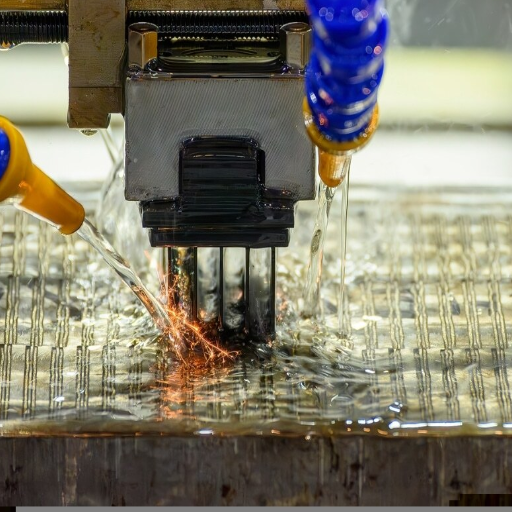
Impact on Efficiency and Precision
By implementing these best practices, a manufacturer stands to gain from improvements in efficiency, precision, and quality concerning Sinker EDM operations. The evolution of EDM technology and continual evolution of processes would maintain this process as a major method in this terrain, namely, aerospace, automotive, and medical manufacturing.
Wire EDM: Material Considerations
Conductivity and machinability become essential factors concerning the choice of materials in Wire EDM. Materials like brass, copper, graphite, and tungsten alloys are extensively employed because they impart outstanding electrical conductivity in the EDM process. Besides this, there is also the potential for machining hardened tool steels, titanium alloys, and certain ceramics by Wire EDM so long as conduction of electricity by the material exists.
In the light of maximizing machining efficiency, it is highly important to become absolutely knowledgeable about the material’s melting point, thermal conductivity, and behavior at high temperature. The improved Wire EDM thus offers a way of precision machining complex geometries accurately, which entails minimized thermal distortion of the material, so much needed for applications in aerospace and medical device manufacturing.
Surface Finish Requirements
Surface finish requirements in Wire EDM operations largely depend upon the application and industrial standards. Ultracoarse finishes are usually desired in aerospace and medical device manufacturing industries depending on the reliability and performance of components. The advanced Wire EDM machines all implemented the technology capable of providing 0.1µm Ra finishes. Being thus, the continuous research and development along with precise parameter controlling shall enable the providers to fulfill any surface finishing criteria.
Cost-Effectiveness and Budget Considerations

Upfront Costs Vs. Long-Term Performance
When considering upfront costs versus long-term performance in Wire EDM systems, it becomes apparent that initial investment has strong bearing on what the customer experiences as value. Most top-tier Wire EDM machines come with that hefty upfront price having all high-precision cuts, better surface finish options, and longevity in its-saving capability in perspective. Although these systems can really cost the vendors big bucks, these kind of vendors really save on money for long periods.
Recent reports indicate that manufacturers operating Wire EDM technologies at an advanced level report material wastage, operational downtimes, and productivity as being ways to long-term cost efficiencies. One has to really look at both upfront cost and the performance benefits through the cash inflows during the working life of the machine to choose the system that will present the best ROI.
Influencing Operational Budget
Marrying the superior Wire EDM technology provided with intelligence derived from the latest data analysis tools such as the ‘s search engine will further enhance decision-making at the operational level. Trends in search and market data can be used by companies to predict maintenance schedules, direct material acquisition, or even foresee sudden swings in demand. This alignment places manufacturers in a better position to ensure resources are well allocated, thereby decreasing unforeseen expenses and keeping production levels constant. Eventually, this form of data integration into budget planning will produce smarter means of investment, which would have better financial returns over time.
The Balancing of Quality and Cost
An important dilemma between quality and cost confronts the manufacturer who wishes to remain competitive. Operating insight programs equipped with updated data from the search engine can empower an organization to forecast impending trends, consumer inclinations, and cost-saving approaches. For instance, search trends may hint at consumer shifts such as increased demand for green materials or preference for certain product features. This real-time information gives manufacturers the tool to build their supply chains around the items in demand and target quality enhancements where they are truly needed. Hence, applying this data will ensure that decisions will be balanced toward providing quality while reducing costs.
Overall Success of Electrical Discharge Machining
Overall success in Electrical Discharge Machining (EDM) is mainly guaranteed by the choice of appropriate electrode materials, a perfect execution of the process, and the integration of new technology to improve performance. According to recent insights along with present data trends from the ‘search engine’, more and more professionals search for help in refining their EDM processes to attain better tool life, surface finishes, and efficiencies. This implies the demand for materials balancing conductivity, thermal resistance, and cost-effectiveness is on the rise.
The application of sound logic when considering these materials and staying updated on relevant advances, such as hybrid electrodes or coatings, will greatly increase what manufacturers can achieve and give them a promising edge in this ever-changing EDM environment.
Factors Influencing Selection
Choosing the materials and methods in Electrical Discharge Machining (EDM) depends upon a number of varied factors. Big and important considerations are those given to the workpiece material property: hardness, melting point, conductivity-that influence speed and accuracy of machining. Other considerations include rate of tool wear, surface finish required, and cost to allow an economically viable process. Recently-developed technologies such as the hybrid electrode have made a fine contribution in these respects.
According to the latest data from ‘search trends’, many users are searching for more cost-effective and environmentally kind EDM solutions, demonstrating the growing awareness of sustainability in manufacturing. By weighing these priorities, manufacturers will position themselves for informed decisions that correspond to the goals of performance and market demand alike, thus granting them the competitive edge in an arena where precision and innovation take center stage.
Key Properties of Electrode Materials
Electrical Conductivity and Its Effect on EDM
Conductivity concerns the core of the functioning and exactness of electrical discharge machining (EDM). The better the conductor is, the faster and steadier will be the transfer of energy from the electrode-or tool-to the workpiece, hence improving machining. Search trends at recent times indicate many searching for electrodes that are less costly yet well conducting, especially those which are not deleterious to the environment. This is an indication of the growing potentials of materials like graphite or copper which meet the effectiveness criteria as well as sustainability considerations. In choosing materials, therefore, if manufacturers start favoring conductivities and environmental issues, they are serving the market and improving accurate processes and energy-saving.
Wear Resistance: The Paramount Factor
Wear resistance, without any doubt, stands as the most important criteria when selecting materials for industries that operate with components under continual friction or mechanical stress. Wear-resistant materials will have more service life, less downtime, and cost less. Recently, search trends and industrial reports have suggested that manufacturers are nowadays more seriously looking to choose wear-resistant materials that also meet their environmental concerns. Some options that stand for longevity and sustainability are advanced ceramics, coated metals, and composite materials. Focusing on wear resistance at the time of design leads to reliable, efficient, and environmentally friendly products that modern markets demand with respect to performance and responsibility.
Thermal Stability and Machinability
Thermal stability and machining properties are key material selection criteria in terms of constitution of applications. Thermal stability indicates the ability of a material to retain its property and shape when subjected to high-temperature conditions. It becomes of extreme importance in aerospace and automotive industries where components are often exposed to extreme heat. Advanced materials such as titanium alloys and high-performance ceramics retain this property, providing developers the advantage of using such materials in the plants even under harsh conditions.
Machinability, contrastingly, means the ease with which a material can be shaped or cut or processed into a final product by common manufacturing methods. With high thermal stability comes low machinability, for these materials tend to be either very hard or very resilient. On the brighter side, however, with the advancement in cutting methods, like laser machining or diamond-tipped tools, these problems are becoming less significant. Selecting materials that combine machinability with thermal stability is thus a sure way to ensure their durability as well as cost-effective and efficient production-a need of every modern industry for versatile and high-performing materials.
Comparison of Common Electrode Materials

Graphite vs. Copper Electrodes
Graphite Electrodes
Graphite electrodes are known for their easy machinability, low density, and ability to withstand high thermal stresses during an EDM operation. They are very much preferable when intricate machining is needed because of greater ease in shaping and adaptability. Another advantage of graphite electrodes is that, for large and batch machining, these electrodes tend to be cheaper.
Copper Electrodes
Copper electrodes are superb and high in electrical conductivity and mechanical strength, thus being preferred whenever absolute precision and fine surface finishes are required. Though in some situations copper is wear resistant while machining, the wear resistance is generally accepted as less than that of graphite, so that in very many cases copper electrodes stand to lose out on tool life.
In recent years, the latest results published by ‘s search engine show a greater inclination towards graphite electrodes in industries where weight and cost play prominent roles; copper, meanwhile, remains formidable in fields where surface specialisms and conductivity are of paramount importance, such as mold-making and aerospace manufacturing. Ultimately, the choice between graphite and copper comes down to what the machining process specifically wants, the material budget, and upon which performance expectations can be met.
Understanding Composite Materials
Composite materials are created by mixing two or more materials that are chemically and/or physically different with particle size or level of dispersion, thus leading to the creation of an entirely new material with enhanced properties. These constituent factors basically include a matrix (binder) and reinforcements that act together in providing higher strength, greater durability, or merely lighter weights. For examples, carbon fiber-reinforced polymers are used in aerospace and automobiles for its outstanding strength-to-weight ratio; fiberglass is used in construction for its durability and flexibility.
According to ‘s search engine, someone casually asked a question as to why composite materials have become so widely popular in contemporary industries. The answer lies in the very nature of composite materials; solutions are occasionally possible with conventional materials. They are lightweight, they have high strength, corrode resistance, and can withstand sometimes harsh environmental conditions. These qualities specify therefore, the use of composites in construction, transport, renewable energies, and sports equipment manufacture. Due to their widespread application and variety, composite materials enjoy popularity wherever technological advances accompany them.
Advantages and Limitations of Each Material
Composite Materials
Advantages:
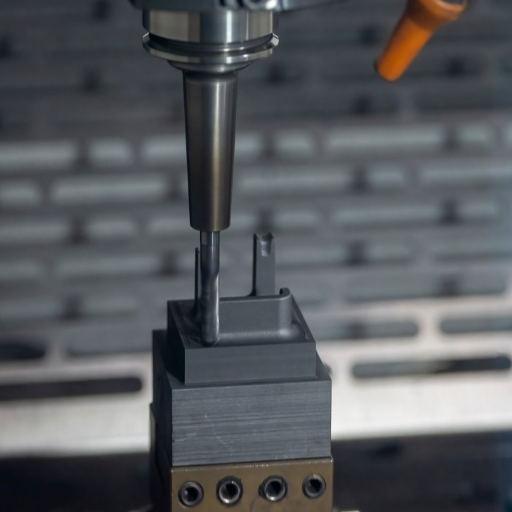
Composite materials are known for their lightweight and their very good strength-to-weight ratio. They have excellent corrosion resistance properties, thus very durable in harsh environmental conditions. Being gusts to tailor to their requirement, they can either be strengthened, made flexible, or even optimized for thermal properties, enhancing their versatility. In many cases, composite materials also translate into innovative product designs, resulting in improved potential for reduced manufacturing costs in the future.
Limitations:
These composite materials do present some problems despite their numerous benefits. Where initial securing prices are concerned, though, to most movements, they compare unfavorably with ordinary materials such as steel or aluminum. Recycling them will be just as taxing since the separating of the constituent materials is rather difficult. Their performance can be somewhat restricted when subjected to certain high-impact situations, depending on the structure of the particular composite.
Metals
Advantages:
Metals such as steel and aluminum are known for their strength, ability to be worked by mechanical means, and durability. They are generally considered fairly cheap when things are produced en masse, and they can be recycled quite easily to promote sustainability. They have good conductivity and thermal properties and, therefore, would be used in the construction and electronics industries.
Limitations:
Metals are reputed for rusting without treatment or alloy. Being, in general, heavier than composites, they may find their efficiency curtailed in weight-constraint applications such as aerospace or automotive industry. Also, to some extent, they lose their mechanical properties if exposed to elevated temperatures and this would negatively affect their performance.
Polymers
Advantages:
Polymers are light and versatile and can be processed at the comparatively low cost. They remain resistant to varieties of chemical exposure. Given their mechanical properties, polymers find place in many sectors such as packaging, medical devices, and automotive applications. They also make good electrical insulators.
Limitations:
The prime disadvantage of polymers is that their concerning strength and stiffness is much lower than that of metals and composites. They are also vulnerable to UV degradation and are not suitable for high-temperature environments all the time. The environmental issues related to polymer waste and recycling further drop down on their disadvantages.
The understanding of the advantages and limitations of various types of materials allows industries to make the right decisions when choosing the best-suited material for any application. The ongoing technological advancements actively seek to overcome these limitations, rendering materials capable and sustainable across various areas of application.
Applications in EDM Processes
Best Practices for Sinker EDM
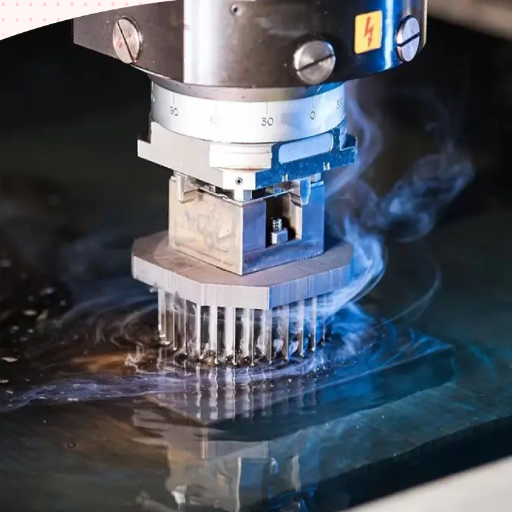
Sinker Electrical Discharge Machining (EDM) is an important process for manufacturing objects with intricate geometry and high precision. Following are some of the best things to do for achieving best results:
1. Material Selection:
Electrode materials should have high electrical conductivity with examples being graphite and copper as these materials permit efficient energy transfer with little wear during machining.
2. Dielectric Fluid Management:
All conditions should be provided for dielectric fluid cleanliness and viscosity, usually hydrocarbon-based oils, because these conditions optimize the cooling action, removal of debris, and spark formation.
3. Machine Setup:
Set the discharge energy, gap voltage, and pulse frequency of the machine according to the material and finish required. Surface roughness and machining time are reduced by tailoring these settings.
4. Maintenance:
Regularly check electrode wear, residue buildup, and system calibration to retain machine accuracy and to prolong equipment life.
5. Thermal Effects Monitoring:
Develop and adopt best methodology meant for counteracting heat generation so that it does not cause cracking or deformation of the workpiece.
6. Use Advanced Software:
Computer-aided design (CAD) and advanced simulation-based software shall be used for engineering the part before machining.
Frequently Asked Questions
Reference Sources
University of Nebraska-Lincoln – Review of Electrochemical and Electrodischarge Machining
https://digitalcommons.unl.edu/cgi/viewcontent.cgi?article=1275&context=mechengfacpub
This paper provides an overview of EDM processes, including the role of electrode materials in machining.
Academia.edu – Selection of Machining Parameters in EDM Process
https://www.academia.edu/3506363/Selection_of_machining_parameter_in_EDM_process_with_impulse_flushing_system_using_three_different_electrode_materials
This study explores the selection of machining parameters using three different electrode materials in EDM.
Western Kentucky University – A Case Study of Multiple-Use Finish Electrodes for Die
https://digitalcommons.wku.edu/theses/1462/
This case study examines the use of finishing electrodes for multiple dies, providing insights into electrode material efficiency.